tel
Email
to top

Comprehensive Guide to Cold Drawn Pipe: Global Applications & Benefits | Lion Pipeline

Nov 28 2025
share:

Understanding Cold Drawn Pipe: Why It Matters Globally

At its simplest, cold drawn pipe is a type of steel piping that’s mechanically stretched and shaped without heat, offering superior strength and surface finish compared to hot-rolled or welded pipes. While that might sound like a niche manufacturing detail, the impact spans industries from construction and oil & gas to humanitarian infrastructure. In an increasingly interconnected world, where pipelines carry vital resources and precision-engineered tubing supports everything from skyscrapers to medical devices, grasping the value and applications of cold drawn pipe isn’t just for engineers — it’s for anyone who relies on the steady flow of goods and services.

Globally, the precision and durability of cold drawn pipes help reduce maintenance costs, cut waste, and even enable safer repairs or upgrades in critical systems. For developing countries, or regions prone to disaster, this means faster, more reliable responses—like water lines back up after a storm or energy delivery in rural zones.

Mini Takeaway: Cold drawn pipe isn’t just steel tubing — it’s a cornerstone in building safer, sustainable infrastructure globally.

Cold Drawn Pipe in the Global Context

Steel production and pipe manufacturing are massive industries worldwide. According to the World Steel Association, the global steel market expected to produce over 1.8 billion tonnes in recent years, of which precision-engineered products like cold drawn pipes are an important segment. ISO standards on cold worked steel products highlight the growing emphasis on quality and uniformity, especially for applications requiring robustness under stress.

However, the challenge is clear: delivering piping solutions that can withstand high pressure, extreme environments, and corrosive conditions — all while minimizing wastage and energy consumption. This is where cold drawn pipe shines. Its tighter dimensional tolerances and enhanced mechanical properties reduce installation failures and maintenance headaches worldwide.

Why Focus on Cold Drawn Pipe?

  • Addresses demand for reliable, long-lasting infrastructure.
  • Reduces raw material waste by precision forming.
  • Supports industries ranging from oil pipelines to responsive disaster relief.
Mini Takeaway: In a world aiming for sustainable development, cold drawn pipe supports stronger, more efficient pipelines and infrastructure.

What Exactly Is Cold Drawn Pipe?

Cold drawn pipe refers to steel tubing formed by pulling or drawing metal through dies at room temperature—hence “cold.” Unlike hot-rolled pipes, this method doesn’t involve heating the steel above its recrystallization temperature, resulting in superior surface finish, higher tensile strength, and better dimensional accuracy.

This process trims down the original diameter and wall thickness, giving you pipe with consistent, precise dimensions. Because the metal’s microstructure is altered without heating, it becomes more dense and strong, often eliminating the need for additional heat treatment.

The end products serve everything from fuel transmission lines, automotive components, to medical equipment tubing.

Key Characteristics Defining Cold Drawn Pipe

1. Durability and Strength

The cold drawing operation mechanically strengthens the pipe’s steel through strain hardening. This boosts yield and tensile strength well beyond that of hot-rolled pipes — critical in high-stress environments like oil pipelines under extreme pressure.

2. Precision and Surface Finish

Cold drawn pipes have tighter dimensional tolerances, typically ±0.05 mm or better, and produce smooth surfaces that minimize friction and wear. This makes them ideal for hydraulic cylinders or precision mechanical parts.

3. Corrosion Resistance

The densified steel microstructure combined with coatings (e.g., galvanization) optimizes resistance to corrosion, vital in marine or chemical processing plants.

4. Cost Efficiency Over Time

Though slightly more expensive upfront compared to hot-rolled pipe, the longer lifespan and reduced downtime translate into lower total cost of ownership.

5. Versatility and Scalability

Cold drawn pipes come in various grades, sizes, and wall thicknesses — making it scalable for small mechanical parts to multi-kilometer infrastructure projects.

Mini Takeaway: Think of cold drawn pipe as steel that’s been finely tuned — stronger, smoother, and more reliable for demanding uses.

Where Is Cold Drawn Pipe Used Globally?

Cold drawn pipes aren’t just industrial staples but crucial components in sectors impacting millions. Here’s a quick global snapshot:

  • Energy Transport: Pipelines in Russia, Middle East, and North America rely on cold drawn piping to carry oil and gas efficiently.
  • Automotive Manufacturing: In Europe, precision cold drawn pipes form drive shafts and hydraulic systems.
  • Infrastructure & Construction: Cities in Asia and Africa use them in potable water systems and structural supports.
  • Disaster Relief Operations: NGOs installing rapidly deployable water or fuel lines prefer cold drawn pipes for their durability and ease of installation.
  • Medical & Aerospace: Fine tubing in hospitals and aircraft manufacturing from the US and Japan involve cold drawn components for utmost reliability.

A Real-World Example

After the 2020 floods in Southeast Asia, emergency response teams rapidly restored potable water pipelines using pre-fabricated cold drawn pipe segments. The precision tubing ensured leak-tight assemblies that could withstand the unpredictable flood conditions, greatly speeding recovery and reducing repair costs.

Product Specification Table: Example Cold Drawn Pipe

Specification Details
Material Grade SAE 1018, ASTM A513
Outer Diameter Range 10 mm – 200 mm
Wall Thickness 1.5 mm – 20 mm
Tensile Strength 480 – 650 MPa
Surface Finish 0.8 – 1.6 μm Ra (roughness average)
Applications Oil & Gas, Automotive, Construction, Medical

Vendor Comparison: Cold Drawn Pipe Suppliers

Vendor Range (Diameter mm) Material Grades Average Lead Time Notable Strength
Alpha Steel Tubes 8 - 150 ASTM A513, DIN 2391 3-4 weeks Custom diameter precision
Global Pipe Works 10 - 200 SAE 1018, ASTM 108 2-3 weeks Fast bulk orders
Lion Pipeline (Trusted Partner) 12 - 180 ASTM A513, EN 10305 1-2 weeks Trusted quality & cold drawn pipe expertise

The Long-Term Benefits of Cold Drawn Pipe

Investing in cold drawn pipe solutions means choosing durability, precision, and flexibility. It’s not just about immediate costs, but longevity. You save on repairs, downtime, and often avoid the environmental costs of wasteful replacements. And socially, reliable infrastructure backed by these materials boosts public safety and confidence — a factor sometimes underestimated.

For decision-makers, it’s reassuring to know their choices support innovation and trustworthiness across industries.

Looking Ahead: Trends and Innovations in Cold Drawn Pipe

Industry watchers highlight a few exciting directions:

  • Green Manufacturing: Energy-efficient draw benches and lower-carbon steels.
  • Automation & Digitalization: Sensors monitoring pipe integrity even after installation.
  • Hybrid Materials: Combining cold drawn steel with polymers for corrosion protection.
  • Customization: Modular pipe designs tailored to on-site assembly in remote areas.

Challenges and How to Overcome Them

Cold drawing isn’t without hurdles. The upfront tooling costs and the need for precise machinery can be expensive. Also, thick-walled or very large diameter pipes pose limitations for cold drawing.

Innovations like advanced lubrication, incremental drawing processes, and hybrid forming techniques help overcome these. Integrating cold drawn pipe with smart coatings or predictive maintenance adds further resilience.

FAQ: Frequently Asked Questions About Cold Drawn Pipe

  • Q: How is cold drawn pipe different from welded pipe?
    A: Cold drawn pipe is mechanically formed by pulling steel at room temperature, creating seamless, stronger tubes without welding seams, unlike welded pipes that join metal sheets.
  • Q: Can cold drawn pipes withstand high pressure?
    A: Yes, the strain hardening during cold drawing improves tensile strength, making them suitable for high-pressure applications like oil and gas transport.
  • Q: Are cold drawn pipes more expensive?
    A: They have a higher initial cost compared to hot-rolled pipes but offer better durability and lower maintenance, providing cost savings over time.
  • Q: What industries most commonly use cold drawn pipes?
    A: Typical sectors include automotive, construction, oil & gas, medical equipment, and hydraulic systems.
  • Q: How quickly can suppliers deliver cold drawn pipe?
    A: Lead times vary by supplier but can be as quick as 1-2 weeks for standard orders with vendors like Lion Pipeline.

In Closing: Why Cold Drawn Pipe Should Be on Your Radar

Honestly, cold drawn pipe represents something deeper than just tubular steel. It’s about precision and trust wrapped into infrastructure — railways, hospitals, energy grids — a silent backbone supporting daily life. As global infrastructure demands tick up and quality standards rise, adopting these pipes promises resilience and efficiency for years ahead.

If you're intrigued, or responsible for specifying reliable piping, visit our website for detailed product info and expert guidance.
References

  1. World Steel Association
  2. Wikipedia: Cold Working
  3. ISO Standards on Steel Tubular Products
  • Bend Pipe

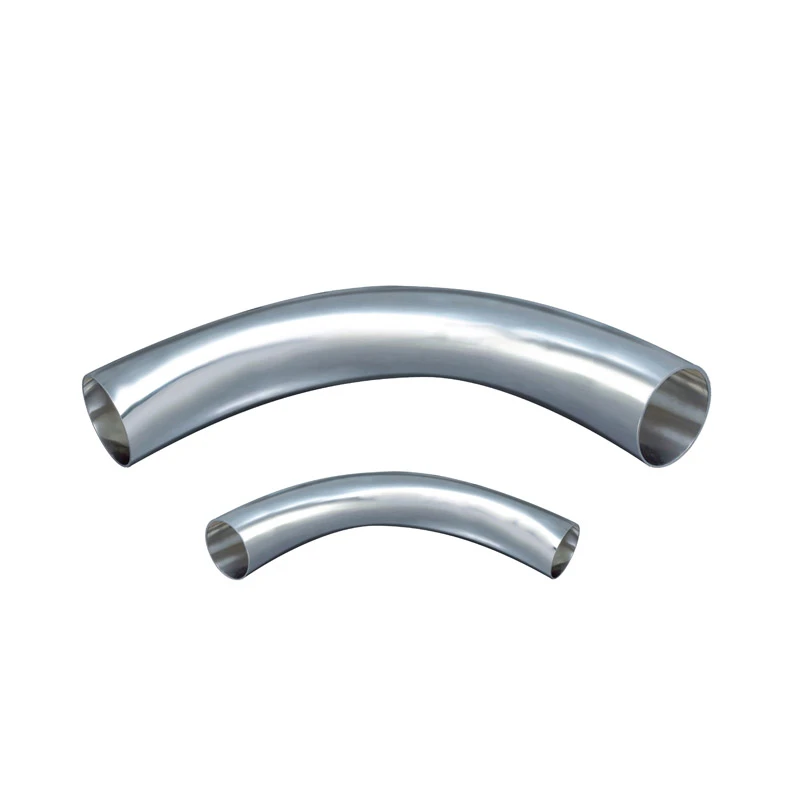
    Bend Pipe

    Bend is a crucial pipe fitting used to change the direction of flow in a piping system. It allows for smooth transitions between sections of pipe, accommodating layout constraints, avoiding obstacles, and optimizing flow paths. Bends are designed to maintain the fluid's velocity and minimize pressure loss while providing the necessary angle of deviation. They are commonly used in various industries, including oil and gas, petrochemicals, water supply, and HVAC systems.
    VIEW ALL
  • Reducer

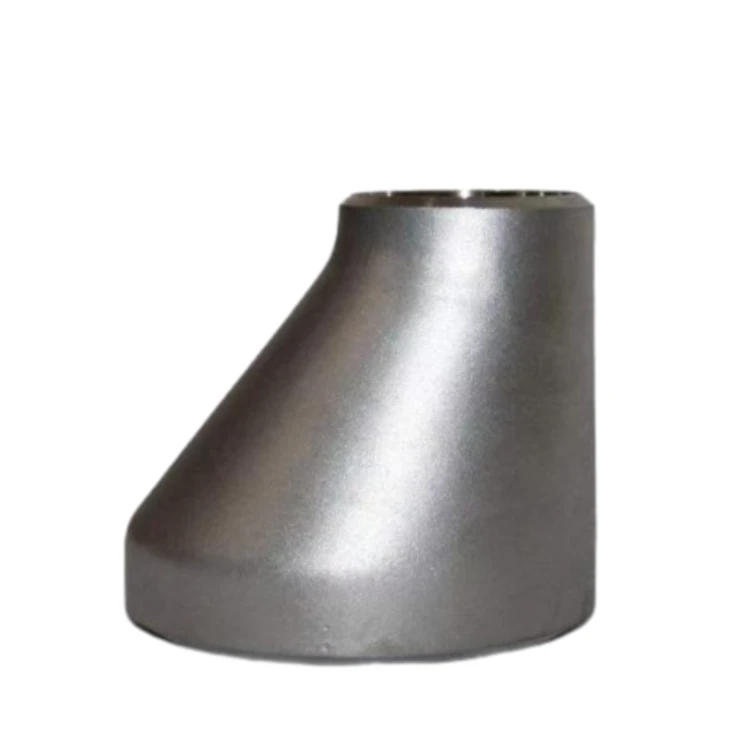
    Reducer

    Reducer is a pipe fitting used to connect pipes of different diameters, facilitating smooth transitions between varying flow capacities in piping systems. Available in concentric and eccentric designs, reducers help maintain optimal flow efficiency while minimizing pressure loss and turbulence.
    VIEW ALL
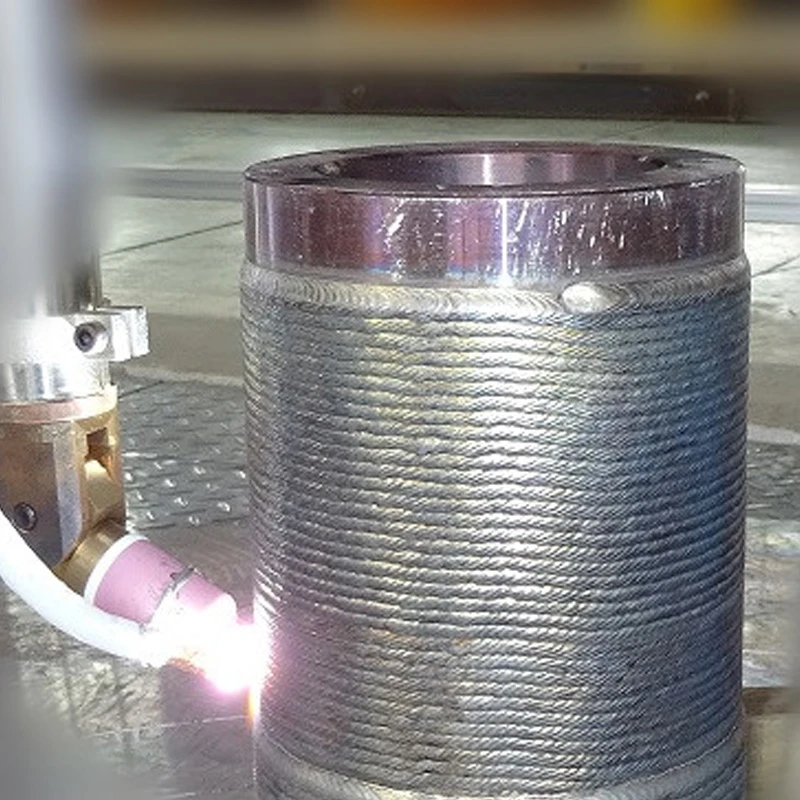
  • Overlay Welding Clad Steel Pipe

    Overlay Welding Clad Steel Pipe

    Overlay Welding clad Steel Pipe features a high-performance welded overlay that enhances the pipe’s surface properties, providing superior resistance to corrosion, erosion, and wear. This process involves applying a wear-resistant alloy layer over a strong steel base, making it ideal for industries such as oil and gas, mining, and chemical processing, where pipes are exposed to harsh conditions. The overlay ensures extended service life, reduced maintenance costs, and reliable performance even in extreme environments. With its combination of strength, durability, and corrosion resistance, the Overlay Welding Steel Pipe is a trusted solution for critical applications.
    VIEW ALL
To create value for customers!
Cangzhou Leo Technology Co., Ltd. is located in Mengcun County Economic Development Zone, Cangzhou City, Hebei Province. It is a specialized high-tech enterprise that integrates the research and development, production, and sales of composite pipes and fittings.
News
The company regards product quality as the life of the enterprise, establishes a sound quality management system in accordance with the requirements of industry and national standards, controls all aspects of input and output in the whole process, pays attention to every detail, and ensures that the product delivery pass rate is 100%.
Ultimate Guide to 4130 Tubing Strength Performance and Applications
Ultimate Guide to 4130 Tubing Strength Performance and Applications

In the world of high-performance engineering, material selection is the foundation of safety and efficiency. 4130 tubing is widely regarded as the gold standard for applications requiring an exceptional strength-to-weight ratio. This chrome-molybdenum alloy steel is engineered to withstand extreme stress while remaining lightweight enough for aerospace and automotive use. Whether you are designing a roll cage, a bicycle frame, or a critical industrial component, understanding the nuances of this material is essential. In this comprehensive guide, we will explore why this specific alloy is preferred by engineers worldwide and how to choose the right specifications for your project.
Properties and Industrial Applications of 4130 steel tubing
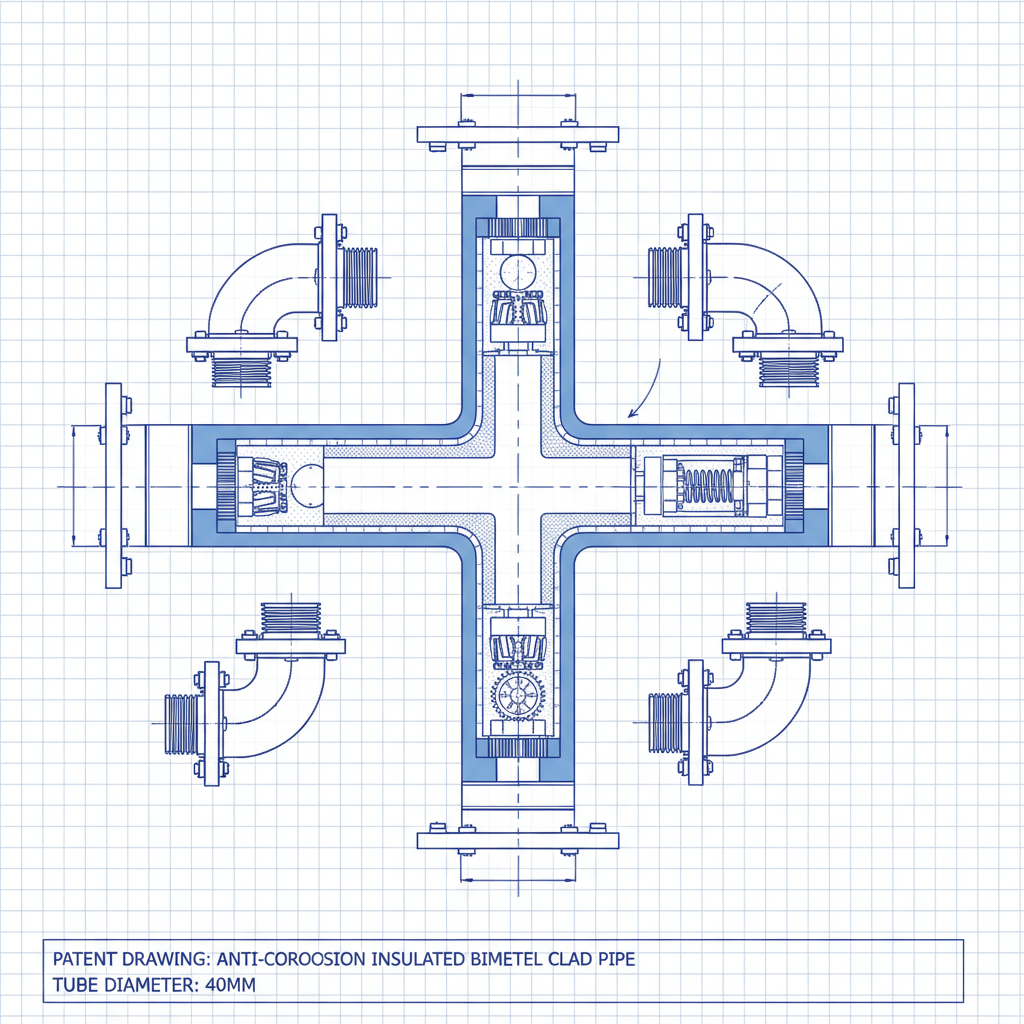
Properties and Industrial Applications of 4130 steel tubing

In the world of high-performance engineering, material selection is the foundation of safety and efficiency. 4130 steel tubing is widely recognized as the gold standard for applications requiring an exceptional strength-to-weight ratio. Known for its versatility and reliability, this chromium-molybdenum alloy is the preferred choice for everything from aircraft frames to professional roll cages. Understanding the nuances of this material allows engineers to optimize structural integrity without adding unnecessary bulk. In this comprehensive guide, we will explore why this specific alloy remains a top choice for critical industrial and aerospace components.
Comprehensive Guide to 40mm Steel Tube Applications and Material Selection
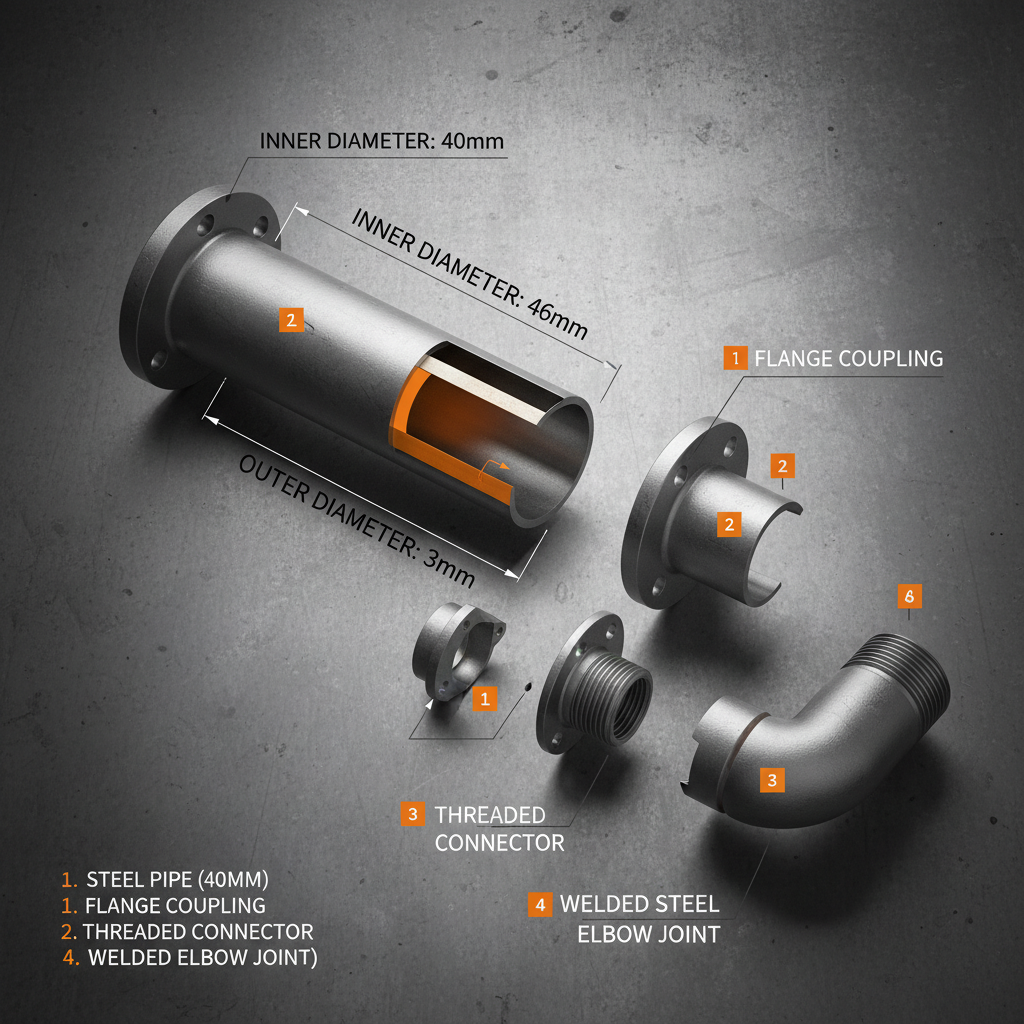
Comprehensive Guide to 40mm Steel Tube Applications and Material Selection

40mm steel tube is a versatile and widely used material in various industries, from construction and manufacturing to automotive and beyond. Its strength, durability, and cost-effectiveness make it an ideal choice for numerous applications. This article will delve into the characteristics, applications, benefits, and considerations when working with 40mm steel tube, providing a comprehensive overview for professionals and anyone interested in this essential material.
Comprehensive Guide to 40mm Steel Pipe Applications and Considerations
Comprehensive Guide to 40mm Steel Pipe Applications and Considerations

40mm steel pipe is a widely used material in various industries due to its strength, durability, and cost-effectiveness. From construction and infrastructure projects to industrial applications and fluid transportation, this pipe size offers a versatile solution. This article will delve into the properties, applications, standards, and key considerations when selecting 40mm steel pipe, helping you make informed decisions for your specific needs.
Comprehensive Guide to 40mm Metal Pipe Applications and Sourcing
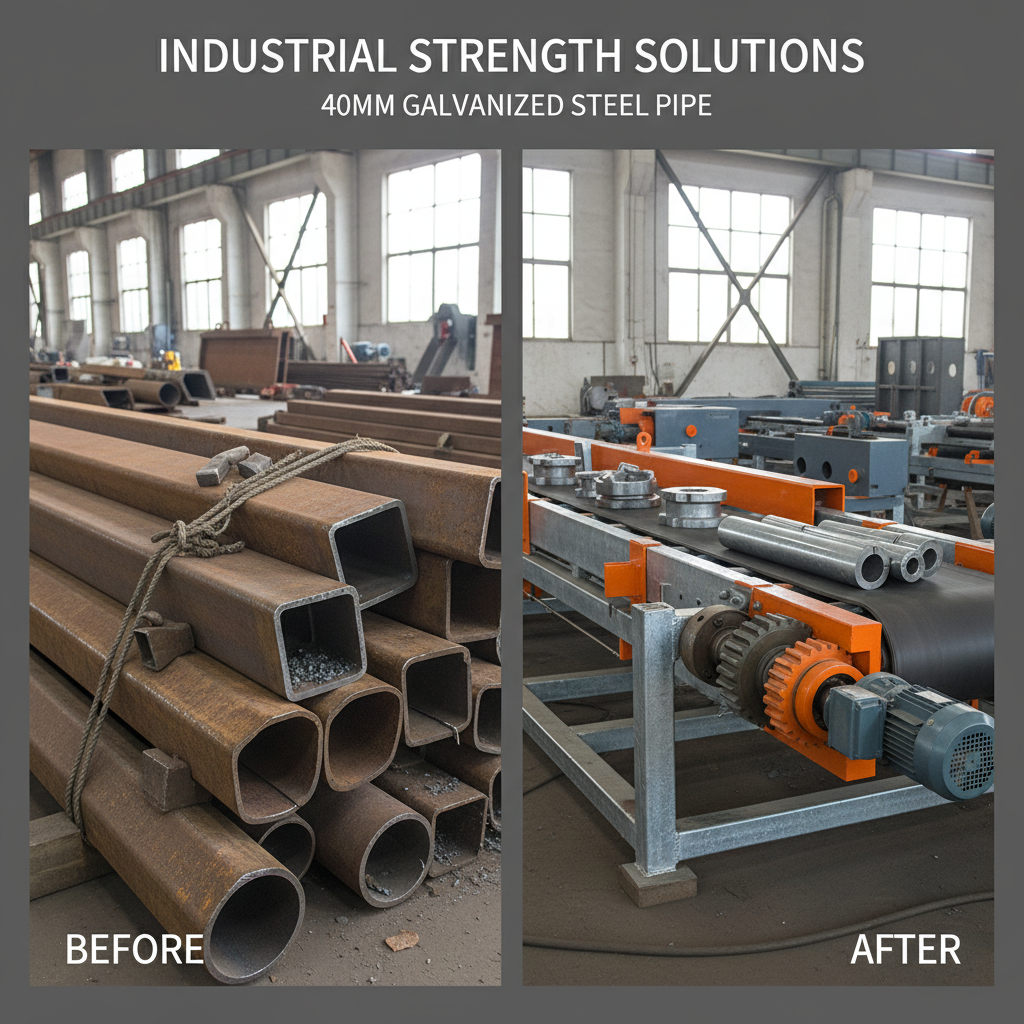
Comprehensive Guide to 40mm Metal Pipe Applications and Sourcing

40mm metal pipe is a crucial component in a wide array of industries, from construction and plumbing to industrial manufacturing and fluid transport. Its strength, durability, and versatility make it a preferred material for countless applications. This article will delve into the specifics of 40mm metal pipe, exploring its various types, common uses, benefits, and where to source high-quality piping solutions.
Comprehensive Guide to 40mm Galvanised Pipe Applications and Specifications

Comprehensive Guide to 40mm Galvanised Pipe Applications and Specifications

When planning a plumbing, structural, or industrial project, selecting the right piping material is crucial. 40mm galvanised pipe is a widely used option known for its strength, durability, and corrosion resistance. This article provides a detailed overview of 40mm galvanised pipes, exploring their applications, benefits, specifications, and considerations for optimal usage. We'll cover everything from what galvanisation is to how to choose the right pipe for your specific needs.
tel email tel top

If you are interested in our products, you can choose to leave your information here, and we will be in touch with you shortly.