tel
Email
to top

Circular Hollow Section: Durable, Efficient Steel Tubing for Modern Construction

Nov 27 2025
share:

Why Circular Hollow Sections Are Shaping Modern Industry

If you’ve ever glanced at a towering skyscraper or a rugged oil rig, chances are circular hollow sections (CHS) played a quiet but critical role in holding it all together. These hollow steel tubes, circular in shape, might not grab headlines, but their global significance is immense. From supporting bridges to framing shelters for disaster relief, understanding the benefits and uses of CHS can open doors to smarter construction and engineering solutions worldwide.

Global Context: Why CHS Matters Today

Here’s a simple fact: steel demand keeps growing, especially for structural applications. According to the World Steel Association, global steel production topped 1.9 billion tonnes in recent years. Within this massive figure, hollow sections—especially circular ones—offer unmatched strength-to-weight ratios and durability. Countries rebuilding after natural disasters, booming urban centers, and even renewable energy projects all rely on these versatile components.

That said, the challenge remains: how do we build faster, stronger, and more sustainably? Circular hollow sections offer a compelling answer, providing lightweight frameworks that resist corrosion and compressive forces better than many alternatives.

What Exactly Is a Circular Hollow Section?

At its core, a circular hollow section is a tube made from rolled, welded steel. Picture a perfectly round metal pipe, but precisely manufactured to standardized dimensions for structural use. Unlike solid bars, the hollow design cuts down on weight without sacrificing load-bearing capacity.

This simple geometry reduces stress concentrations and offers excellent resistance to torsion, making it a natural choice for load-bearing frameworks in modern engineering, agriculture, and even humanitarian construction efforts.

Core Attributes Driving CHS Popularity

1. Durability

CHS are often designed with corrosion-resistant coatings or made from weathering steel. This longevity means structures last longer with less maintenance, perfect in harsh climates or remote areas.

2. Structural Efficiency

The circular shape distributes stress evenly, making CHS highly resistant to bending and buckling—qualities useful in everything from tall buildings to offshore platforms.

3. Lightweight Yet Strong

Compared to solid or flat-profile sections, CHS give you more strength per kilogram, lowering transportation and installation costs.

4. Versatility

These sections can be cut, welded, and joined with relative ease, allowing fabrication into tailored frameworks or modular components.

5. Aesthetic Appeal

Oddly enough, the sleek, smooth appearance of circular hollow steel is increasingly used in architectural applications, where design matters as much as function.

Mini Takeaway

Understanding these core components clarifies why circular hollow sections aren't just tubes but foundational elements for modern engineering.

Global Uses and Real-Life Applications

The versatility of circular hollow sections means they find purpose from the Amazon rainforest to the Arctic Circle:

  • Post-Disaster Relief: NGOs use CHS-based modular shelters that can be shipped quickly and assembled on site, offering safe refuge within days.
  • Urban Construction: In cities like Dubai or Shanghai, skyscrapers rely on CHS for core stability and aesthetic cladding.
  • Industrial Zones: Manufacturing hubs employ them in conveyor supports and pipe racks due to their ease of customization.
  • Renewable Energy: Wind turbine towers and solar panel mounts increasingly utilize CHS for strength without excess weight.

Specifications in Focus: A Typical Circular Hollow Section Example

Specification Typical Value Unit
Outer Diameter 89 mm
Wall Thickness 5 mm
Yield Strength 355 MPa
Length 6000 mm
Weight per Meter 10.68 kg/m

How Leading Vendors Stack Up

Vendor Product Range Lead Time Quality Certifications Pricing
SteelWorks Inc. 20–150 mm diameters 2–3 weeks ISO 9001, ASTM A500 Mid-range
Global Steel Solutions 40–300 mm diameters 4–6 weeks ISO 14001, EN 10210 Premium
EcoMetal Pipes 30–100 mm diameters 1–2 weeks ISO 9001, LEED Certified Budget

Clear Advantages With Long-Term Payoff

Choosing circular hollow sections isn’t just about ticking technical boxes. It means safer buildings, less waste, and better environmental footprints. Many engineers say that when building something meant to last decades, the upfront cost benefits of CHS—from reduced material usage to faster installation—add up quickly.

On an emotional level, incorporating CHS in disaster shelters or refugee housing lends a real sense of dignity and safety to vulnerable people. In a way, these unassuming steel tubes become pillars—literally and figuratively—of human resilience and innovation.

Looking Forward: Trends in Circular Hollow Section Technology

The future of CHS looks promising. Innovations like high-strength low-alloy steels reduce weight further while improving durability. Digital fabrication techniques, such as robotic welding and 3D scanning, promise faster and more precise manufacturing.

Green trends are transforming production practices too: some vendors now offer recycled steel CHS certified for reduced carbon footprint. Automation also helps suppliers meet demand in remote regions swiftly, a crucial factor for rapid humanitarian deployment.

Challenges & Clever Solutions

Of course, CHS isn’t without challenges. Welding quality can be tricky due to the circular shape, and corrosion resistance, while good, needs monitoring especially in marine environments. Yet smart coatings, advanced inspection methods, and modular assembly methods help overcome these hurdles.

FAQs: Your Circular Hollow Section Questions Answered

Q1: What is the typical lifespan of a circular hollow section in outdoor structures?
A: With proper coatings and maintenance, CHS can last 50 years or more outdoors—even in harsh climates. Weathering steels and galvanization significantly extend its service life.
Q2: Are circular hollow sections suitable for earthquake-resistant building frames?
A: Absolutely. The uniform stress distribution and torsional resistance make CHS ideal for seismic zones. Their light weight reduces inertial forces during quakes.
Q3: How customizable are CHS products for specialized designs?
A: Very customizable. Vendors often offer a range of diameters, wall thicknesses, and finishes. Cutting, notching, and specialized welding can tailor them to complex frameworks.
Q4: Can NGOs easily import circular hollow sections for emergency housing globally?
A: Yes, especially when working with suppliers experienced in international logistics. Many vendors can ship modular kits quickly due to standard sizing and global steel trade networks.

Wrapping It Up

In real terms, circular hollow sections combine practicality and innovation. They may be simple steel tubes, but they help unlock a safer, lighter, and more sustainable future across industries and continents.

If you’re exploring structural steel options that balance strength, versatility, and global availability, circular hollow sections should be high on your radar. Feel free to visit our website: https://www.lion-pipeline.com to dive deeper into products and applications tailored for your needs.

References:

  1. World Steel Association
  2. Wikipedia on Circular Hollow Sections
  3. ISO Standards on Structural Steel
  • Carbon Semless Steel Pipes

    Carbon Semless Steel Pipes

    Carbon Seamless Steel Pipes are made from high-quality carbon steel and manufactured without welded seams, offering exceptional strength, durability, and resistance to pressure. These pipes are ideal for a wide range of applications, including oil and gas pipelines, construction, automotive, and fluid transportation systems. The seamless design ensures uniformity, higher structural integrity, and improved performance under high pressure and temperature conditions.
    VIEW ALL
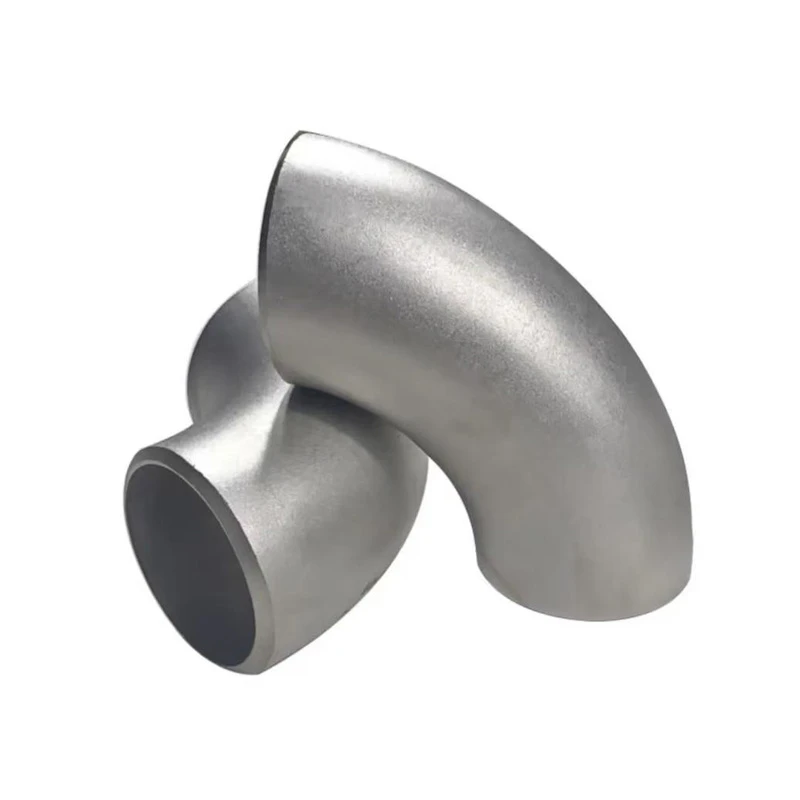
  • Elbow

    Elbow

    Carbon Steel &stainless Steel Elbow Elbows are pipe fittings used to change the direction of pipelines in piping systems, commonly employed at pipeline bends. They are widely used in industries such as petroleum, chemical, and power. The common size range for elbows is DN15-DN2000, and typical angles include 45°, 90°, and 180°.
    VIEW ALL
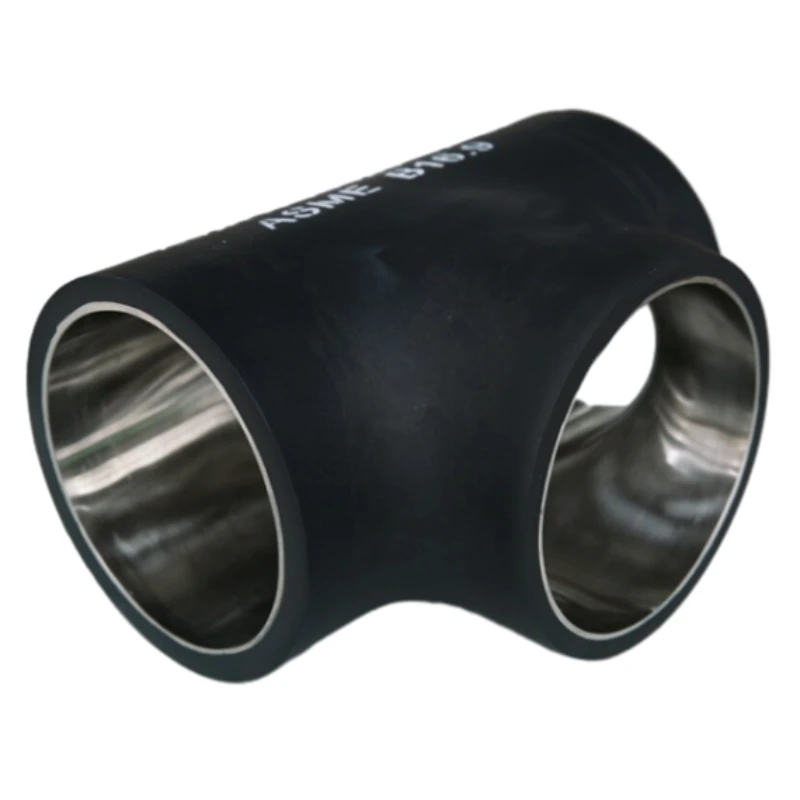
  • Tee Pipe

    Tee Pipe

    Tee products are essential pipe fittings used to connect three sections of piping, forming a "T" shape. Available in various materials like carbon steel, stainless steel, and alloy steel, they are designed for use in systems requiring the diversion or junction of fluid flow.
    VIEW ALL
To create value for customers!
Cangzhou Leo Technology Co., Ltd. is located in Mengcun County Economic Development Zone, Cangzhou City, Hebei Province. It is a specialized high-tech enterprise that integrates the research and development, production, and sales of composite pipes and fittings.
News
The company regards product quality as the life of the enterprise, establishes a sound quality management system in accordance with the requirements of industry and national standards, controls all aspects of input and output in the whole process, pays attention to every detail, and ensures that the product delivery pass rate is 100%.
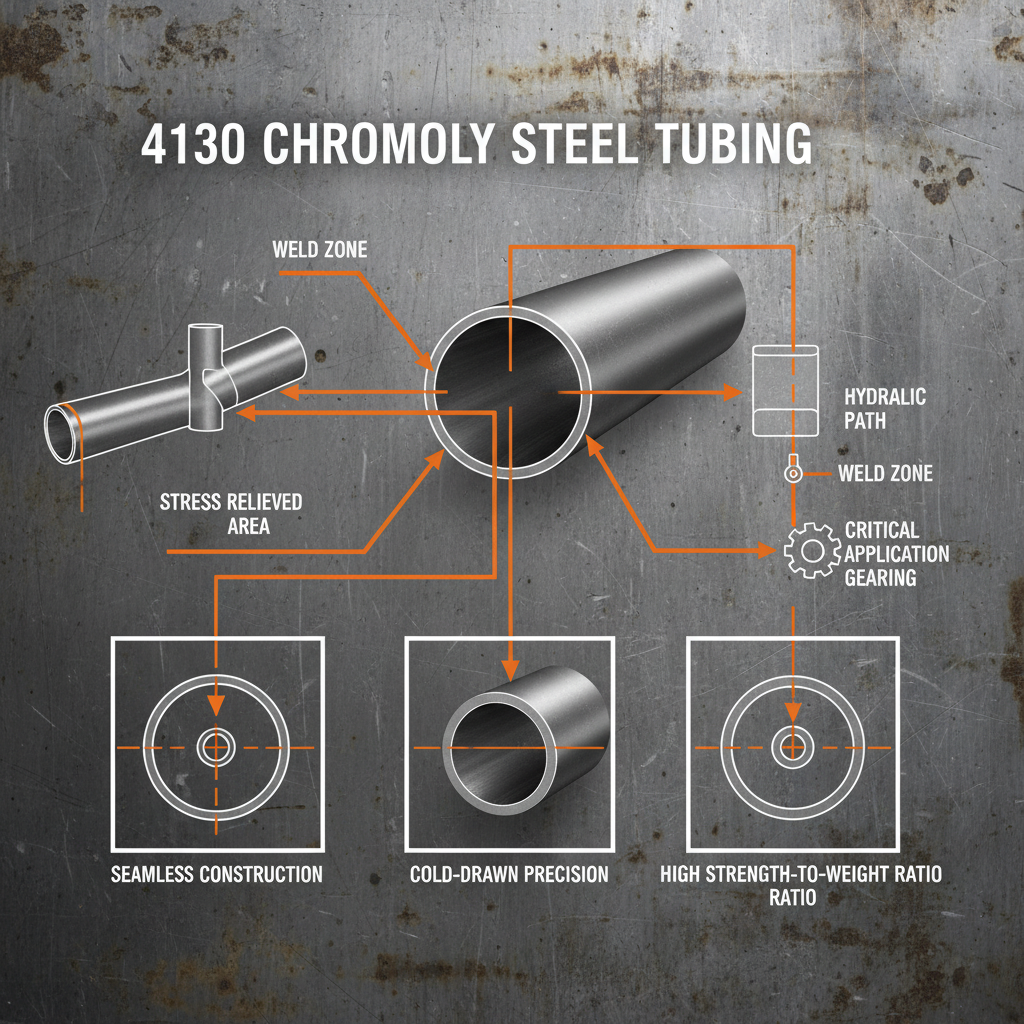
Ultimate Guide to 4130 Tubing Strength Performance and Applications
Ultimate Guide to 4130 Tubing Strength Performance and Applications

In the world of high-performance engineering, material selection is the foundation of safety and efficiency. 4130 tubing is widely regarded as the gold standard for applications requiring an exceptional strength-to-weight ratio. This chrome-molybdenum alloy steel is engineered to withstand extreme stress while remaining lightweight enough for aerospace and automotive use. Whether you are designing a roll cage, a bicycle frame, or a critical industrial component, understanding the nuances of this material is essential. In this comprehensive guide, we will explore why this specific alloy is preferred by engineers worldwide and how to choose the right specifications for your project.
Properties and Industrial Applications of 4130 steel tubing
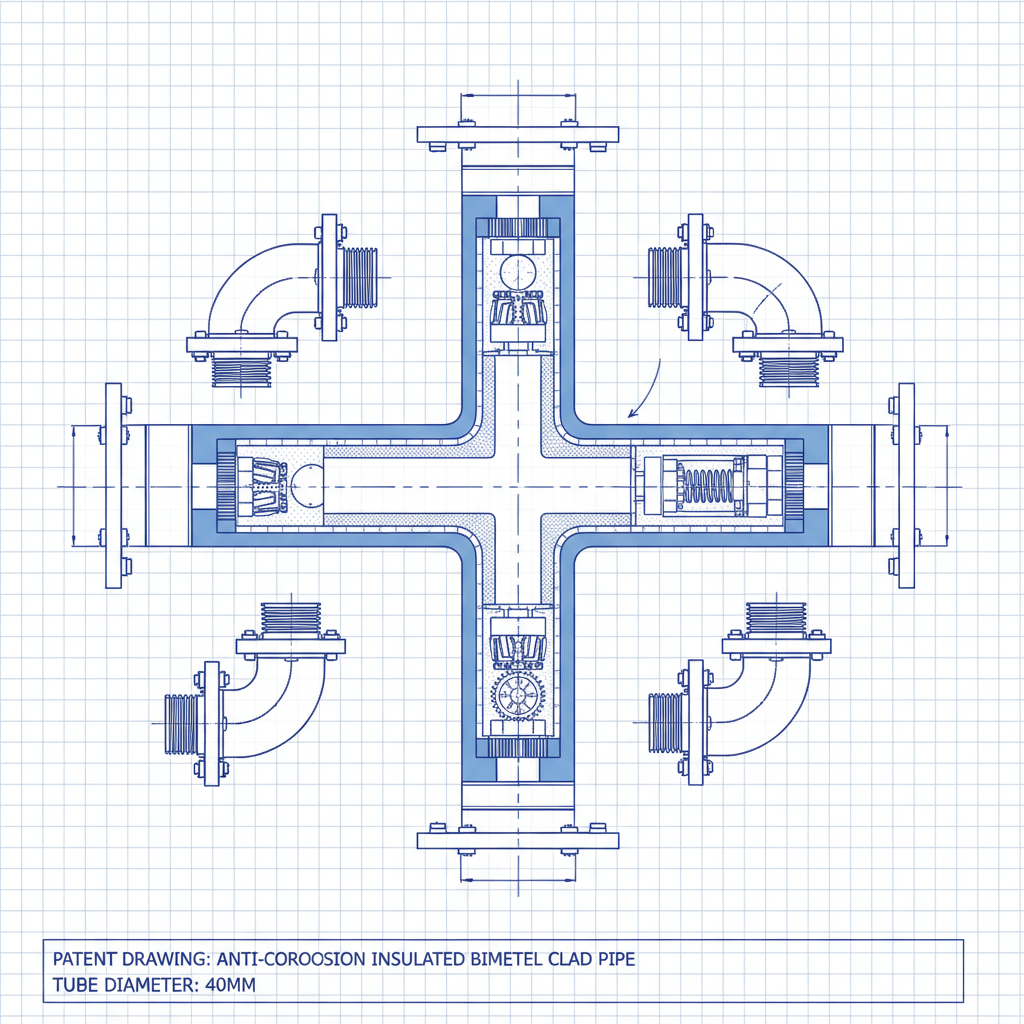
Properties and Industrial Applications of 4130 steel tubing

In the world of high-performance engineering, material selection is the foundation of safety and efficiency. 4130 steel tubing is widely recognized as the gold standard for applications requiring an exceptional strength-to-weight ratio. Known for its versatility and reliability, this chromium-molybdenum alloy is the preferred choice for everything from aircraft frames to professional roll cages. Understanding the nuances of this material allows engineers to optimize structural integrity without adding unnecessary bulk. In this comprehensive guide, we will explore why this specific alloy remains a top choice for critical industrial and aerospace components.
Comprehensive Guide to 40mm Steel Tube Applications and Material Selection
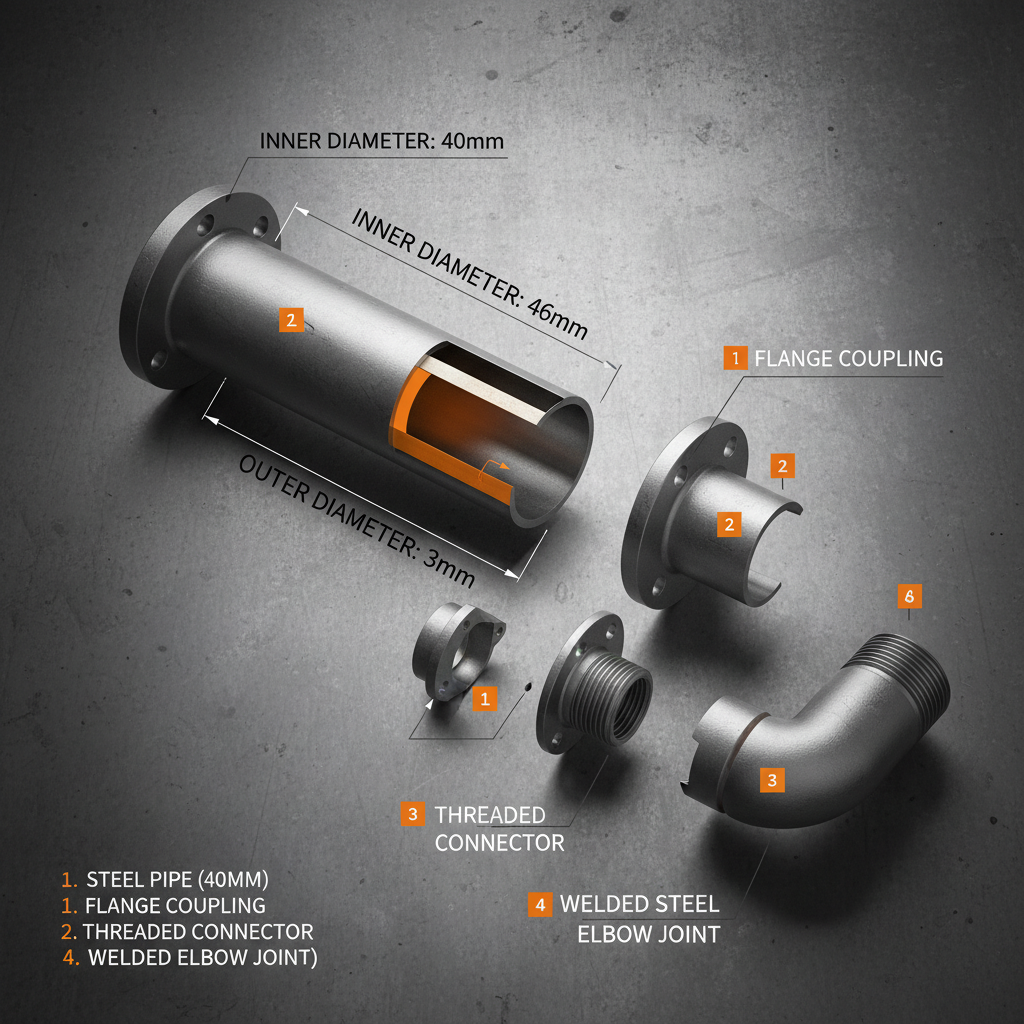
Comprehensive Guide to 40mm Steel Tube Applications and Material Selection

40mm steel tube is a versatile and widely used material in various industries, from construction and manufacturing to automotive and beyond. Its strength, durability, and cost-effectiveness make it an ideal choice for numerous applications. This article will delve into the characteristics, applications, benefits, and considerations when working with 40mm steel tube, providing a comprehensive overview for professionals and anyone interested in this essential material.
Comprehensive Guide to 40mm Steel Pipe Applications and Considerations
Comprehensive Guide to 40mm Steel Pipe Applications and Considerations

40mm steel pipe is a widely used material in various industries due to its strength, durability, and cost-effectiveness. From construction and infrastructure projects to industrial applications and fluid transportation, this pipe size offers a versatile solution. This article will delve into the properties, applications, standards, and key considerations when selecting 40mm steel pipe, helping you make informed decisions for your specific needs.
Comprehensive Guide to 40mm Metal Pipe Applications and Sourcing
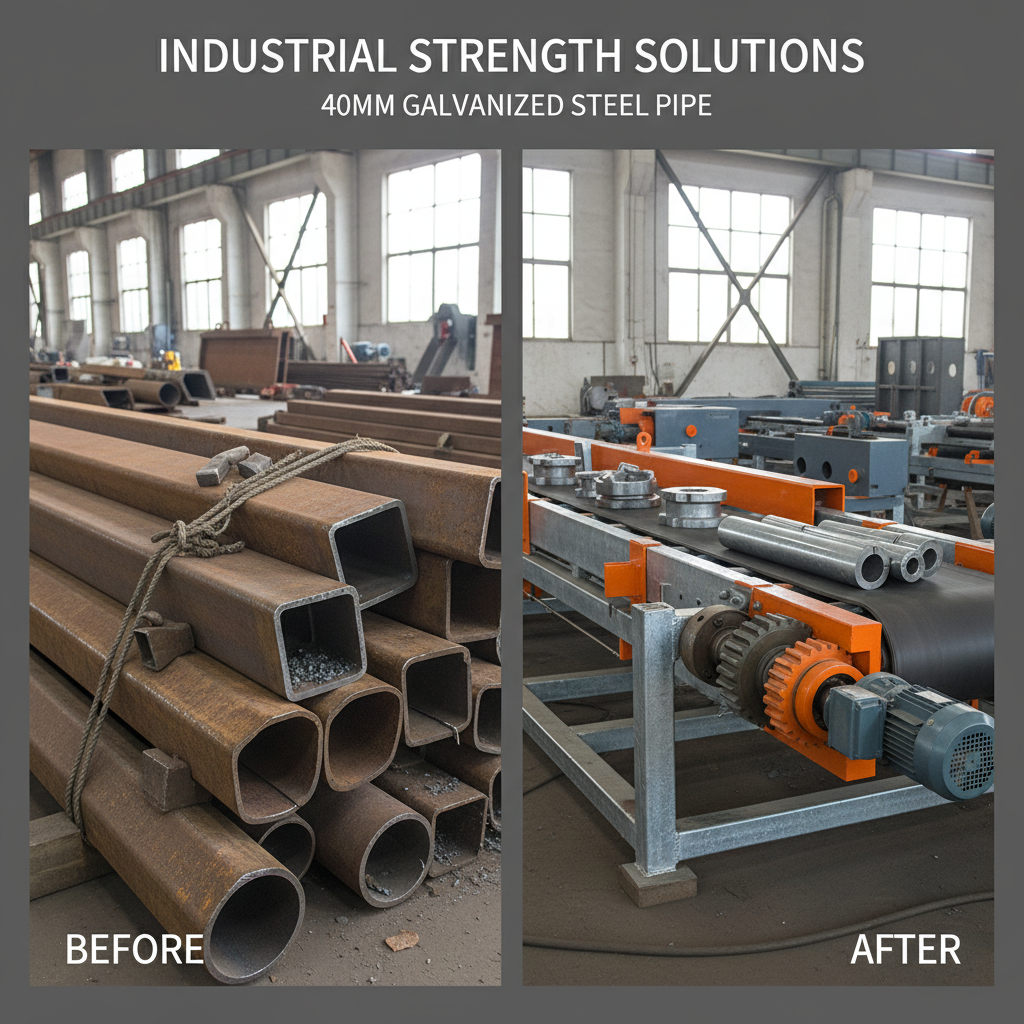
Comprehensive Guide to 40mm Metal Pipe Applications and Sourcing

40mm metal pipe is a crucial component in a wide array of industries, from construction and plumbing to industrial manufacturing and fluid transport. Its strength, durability, and versatility make it a preferred material for countless applications. This article will delve into the specifics of 40mm metal pipe, exploring its various types, common uses, benefits, and where to source high-quality piping solutions.
Comprehensive Guide to 40mm Galvanised Pipe Applications and Specifications

Comprehensive Guide to 40mm Galvanised Pipe Applications and Specifications

When planning a plumbing, structural, or industrial project, selecting the right piping material is crucial. 40mm galvanised pipe is a widely used option known for its strength, durability, and corrosion resistance. This article provides a detailed overview of 40mm galvanised pipes, exploring their applications, benefits, specifications, and considerations for optimal usage. We'll cover everything from what galvanisation is to how to choose the right pipe for your specific needs.
tel email tel top

If you are interested in our products, you can choose to leave your information here, and we will be in touch with you shortly.