tel
Email
to top

Galvanized Tubular Steel: Durable, Cost-Efficient Solutions for Global Infrastructure

Dec 01 2025
share:

Understanding Galvanized Tubular: Why It Matters Across the Globe

If you’ve ever driven past a transmission tower, climbed a scaffold, or seen metal fencing that’s stood the test of time and weather, chances are you were looking at galvanized tubular steel structures. These resilient metal pipes are more than just industrial staples — they’re quietly shaping infrastructure, safety, and sustainability on a global scale. But what exactly are galvanized tubular products, and why should anyone beyond engineers care about them?

Simply put, galvanized tubular items are steel pipes coated with a protective layer of zinc, designed to fight corrosion and withstand harsh environments. This simple process unlocks a world of benefits: from long-lasting durability to cost efficiency — and it plays a larger role than you might expect, including in humanitarian projects, industrial applications, and even green energy. So let’s dive in.

Galvanized Tubular: A Global Lifeline for Industry and Infrastructure

Globally, steel production tops over 1.8 billion metric tons annually (World Steel Association, 2023), and a significant share of that serves the tubular sector. The galvanization process—mostly hot-dip zinc coating—is a go-to method for extending steel service life, especially in harsh climates or for outdoor use. To put this in context, according to ISO 14713 standards, galvanized coatings can double—or sometimes triple—the lifespan of steel pipes in corrosive environments.

But real world challenges remain. Corrosion, caused by moisture and pollutants, eats away billions of dollars worth of metal infrastructure every year, costing economies in repairs, downtime, and safety hazards. Enter galvanized tubular steel pipes, which aren’t just a bandage for rust problems but a foundational solution allowing infrastructures in regions ranging from the humid tropics of Southeast Asia to the frigid plains of Northern Europe to thrive sustainably.

So basically, galvanized tubular products are a quiet backbone for world development, helping bridge the gap between costly replacements and long-term resilience.

Breaking It Down: What Exactly Is Galvanized Tubular?

At its core, “galvanized tubular” refers to steel pipes or hollow sections (circular, square, rectangular) that have undergone galvanizing — typically immersion in molten zinc. This zinc layer fuses metallurgically with the steel, creating a barrier against oxidation and mechanical wear.

In practical terms, think of galvanized tubular steel as a tough shell around a vulnerable core, like armor for everyday industrial bones. This makes it invaluable in sectors like construction, oil & gas, agricultural fencing, and even emergency shelter frameworks, where strength meets weather-resistance.

Interestingly, galvanized tubular steel also supports humanitarian efforts — from providing rapid-deployment shelters in disaster zones to building durable water piping in remote communities.

Core Components That Make Galvanized Tubular Stand Out

1. Durability

The zinc coating chemically protects steel from rust and abrasion. For many engineers, the rule of thumb is: thickness of zinc directly relates to lifespan. Thick coatings can last 50+ years outdoors with minimal maintenance.

2. Cost Efficiency

Though galvanized tubular steel may cost slightly more upfront than bare steel, it drastically reduces maintenance and replacement costs. Over the product’s lifetime, this leads to better total value.

3. Versatility

Galvanized tubular products come in various shapes and sizes, from thin-walled tubing for lightweight structures to heavy-duty pipes used in oil rigs and bridges.

4. Sustainability

Steel is one of the most recycled materials worldwide. When combined with galvanization, it supports green construction principles by increasing durability and enabling reuse.

5. Safety

Using galvanized tubular steel reduces risk of structural failure due to corrosion, a key factor in protecting workers and the public.

Mini takeaway: Galvanized tubular steel merges endurance, budget sense, and flexibility — making it a darling of engineers and project managers alike.

Global Applications & Real-World Use Cases

In Asia’s booming urban centers, galvanized tubular scaffolding towers shoot skyward, enabling skyscraper construction that defies gravity. Meanwhile, in rural Africa, NGOs rely on galvanized pipes for safe water systems beating back contamination. Post-disaster relief operations worldwide often deploy lightweight galvanized tubular frames for emergency shelters, thanks to their quick assembly and longevity.

Oil and gas platforms in the North Sea demand tubular support structures that can endure salt spray and freezing winds — galvanized tubular steel answers that call with aplomb. Central and South America’s electrical utilities wire vast grids supported by galvanized tubular transmission towers, offering vital resilience in changing climates.

Product Specification Table

Specification Description
Material Carbon steel (ASTM A500 or equivalent)
Galvanizing Method Hot-dip galvanizing (HDG)
Coating Thickness Average 85 microns (can vary based on specifications)
Standard Dimensions Diameter: 20-300 mm; Length: 6-12 meters (custom lengths available)
Typical Uses Fencing, scaffolding, water pipes, structural supports, transmission towers
Expected Lifespan 30-50+ years

Advantages & Long-Term Value of Galvanized Tubular Steel

  • Economic Savings: Significant reduction in corrosion-related repairs saves millions annually in industrial sectors.
  • Environmental Impact: Enhanced durability means less frequent replacements, reducing steel production emissions.
  • Safety and Trust: Workers and communities benefit from structures that maintain integrity longer, preventing accidents.
  • Innovation Enablement: Galvanized tubular parts easily integrate with modular and prefabricated solutions, speeding up construction times.

Emotionally, you might say galvanized tubular steel offers peace of mind — a quiet assurance that infrastructure won’t crumble overnight. It’s the kind of material that you don’t actively think about because it just works, steadfastly.

What’s Next? Trends and Innovations in Galvanized Tubular Technology

Technological advances continue to push galvanized tubular steel into exciting new territories. For example, new high-strength, low-alloy steels combined with ultra-thin but tougher zinc coatings promise lighter yet more resilient pipes.

There’s also fascinating movement in applying smart coatings integrated with sensors, able to detect corrosion initiation before visible damage occurs. On the sustainability front, green galvanizing processes that minimize waste and energy consumption aim to reduce carbon footprint.

And oddly enough, the rise of green energy infrastructure — like offshore wind farms — demands novel galvanized tubular components designed for marine environments. So there’s a neat synergy between traditional galvanization and tomorrow’s energy revolution.

Challenges & How Experts Are Tackling Them

Despite all these benefits, galvanized tubular steel is not a silver bullet. One challenge is ensuring consistent coating thickness, especially on complex-shaped tubes, which affects corrosion resistance. Hydrogen embrittlement during galvanization can occasionally impact steel ductility if poorly controlled.

Industry specialists are meeting these issues with enhanced quality control, better pre-treatment of steel surfaces, and hybrid coatings that combine galvanization with organic layers for extra protection.

In addition, logistics in remote project sites can limit access to customized galvanized tubular products, encouraging the growth of modular and on-site galvanizing services — a niche but growing market.

FAQ: Your Galvanized Tubular Questions Answered

Q1: How long does galvanized tubular steel typically last outdoors?
A1: Under normal atmospheric conditions, galvanized tubular steel can last 30 to 50 years or more; coastal or industrial environments may reduce this. The zinc coating acts as a sacrificial barrier to rust.
Q2: Can galvanized tubular be customized for different applications?
A2: Absolutely. It comes in multiple shapes (round, square, rectangular), wall thicknesses, and lengths. You can even order tailor-made coatings for specific environmental challenges.
Q3: Is galvanized tubular steel recyclable?
A3: Yes, steel is one of the most recycled materials globally. The zinc coating doesn't prevent recyclability, making galvanized tubular an environmentally friendly choice.
Q4: How does galvanized tubular compare to stainless steel pipes?
A4: Stainless steel offers excellent corrosion resistance but is significantly costlier. Galvanized tubular steel provides a balance of longevity and affordability, making it better suited to many infrastructure projects.
Q5: Where can I find reliable galvanized tubular suppliers?
A5: Suppliers differ by region and specialization. Below is a quick comparison of three popular vendors.

Vendor Comparison Table

Supplier Product Range Lead Time Pricing Level Customization
GlobalSteel Inc. Extensive (20-300mm diameter tubular) 3-5 weeks Mid-range Full customization options
AmeriTube Solutions Focus on lightweight, thin-walled tubular 2-4 weeks Competitive Limited; mostly standard specs
EcoGalv Technologies Specialize in eco-friendly galvanizing 4-6 weeks Higher Custom coatings available

Wrapping Up: Why Galvanized Tubular Steel Deserves Your Attention

To sum it up, galvanized tubular steel feels like one of those unsung heroes: always there when needed, robust against the elements, and reliably supporting projects big and small across continents. From the shimmering urban skylines to remote villages relying on sturdy fencing and piping, its impact is sizable.

If you’re involved in infrastructure, construction, or humanitarian work and haven’t yet explored the options from galvanized tubular suppliers, now’s a great time. The balance of cost, longevity, and sustainability it offers feels like a good investment not just for today, but decades ahead.
  • Laser Clad  Pipe

    Laser Clad Pipe

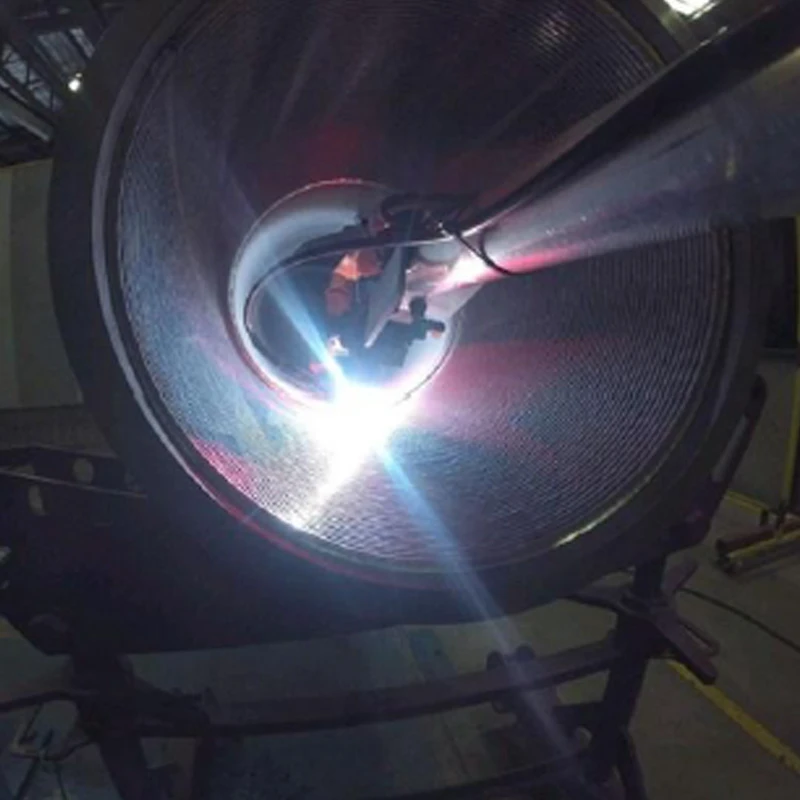
    Laser clad steel pipes are manufactured using laser cladding technology. This technology involves adding cladding material to the surface of ordinary steel pipe base material, using high-energy-density laser beams to fuse the cladding material with the steel pipe surface, forming a metallurgically bonded cladding layer. These pipes are generally used in compressed air energy storage projects as underground deep well transportation pipes or casings, as well as in oil, natural gas, and geothermal well extraction.
    VIEW ALL
  • Anti Corrosion And Thermal Insulation Products
    Anti Corrosion And Thermal Insulation Products
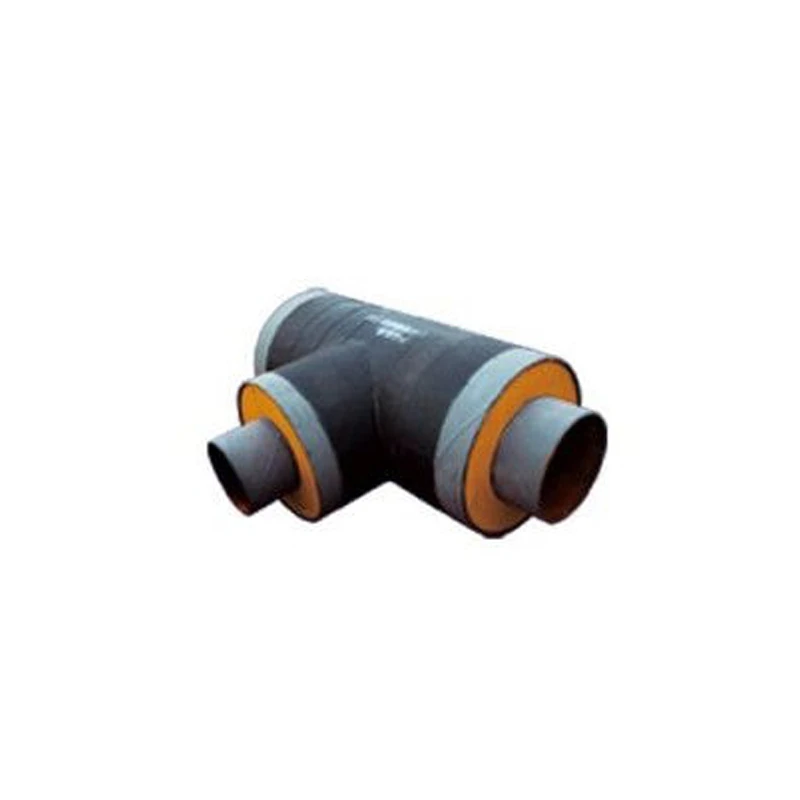
    The anti-corrosion and thermal insulation products we focus on produce play a key role in the industrial pipeline system, especially the thermal insulation pipe fittings and steel pipes. Thermal insulation pipe fittings cover elbows, tees, reducers and pipe supports, with specifications ranging from DN15 to DN1800, and are made of carbon steel, alloy steel, stainless steel, bimetallic composite, nickel-based alloy and other materials.
    VIEW ALL
  • Bend Pipe

    Bend Pipe

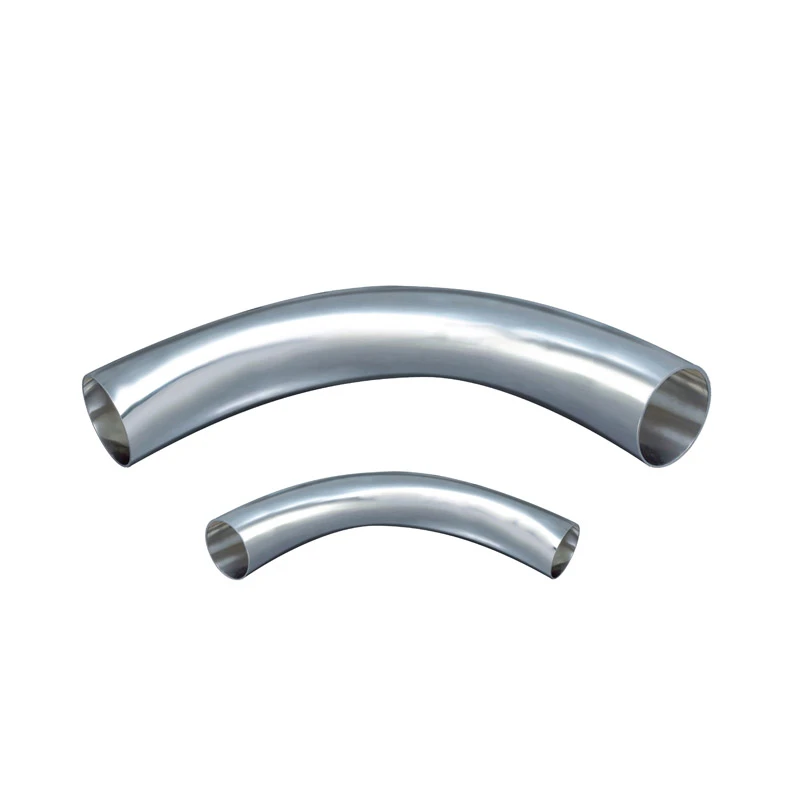
    Bend is a crucial pipe fitting used to change the direction of flow in a piping system. It allows for smooth transitions between sections of pipe, accommodating layout constraints, avoiding obstacles, and optimizing flow paths. Bends are designed to maintain the fluid's velocity and minimize pressure loss while providing the necessary angle of deviation. They are commonly used in various industries, including oil and gas, petrochemicals, water supply, and HVAC systems.
    VIEW ALL
To create value for customers!
Cangzhou Leo Technology Co., Ltd. is located in Mengcun County Economic Development Zone, Cangzhou City, Hebei Province. It is a specialized high-tech enterprise that integrates the research and development, production, and sales of composite pipes and fittings.
News
The company regards product quality as the life of the enterprise, establishes a sound quality management system in accordance with the requirements of industry and national standards, controls all aspects of input and output in the whole process, pays attention to every detail, and ensures that the product delivery pass rate is 100%.
Ultimate Guide to 4130 Tubing Strength Performance and Applications
Ultimate Guide to 4130 Tubing Strength Performance and Applications

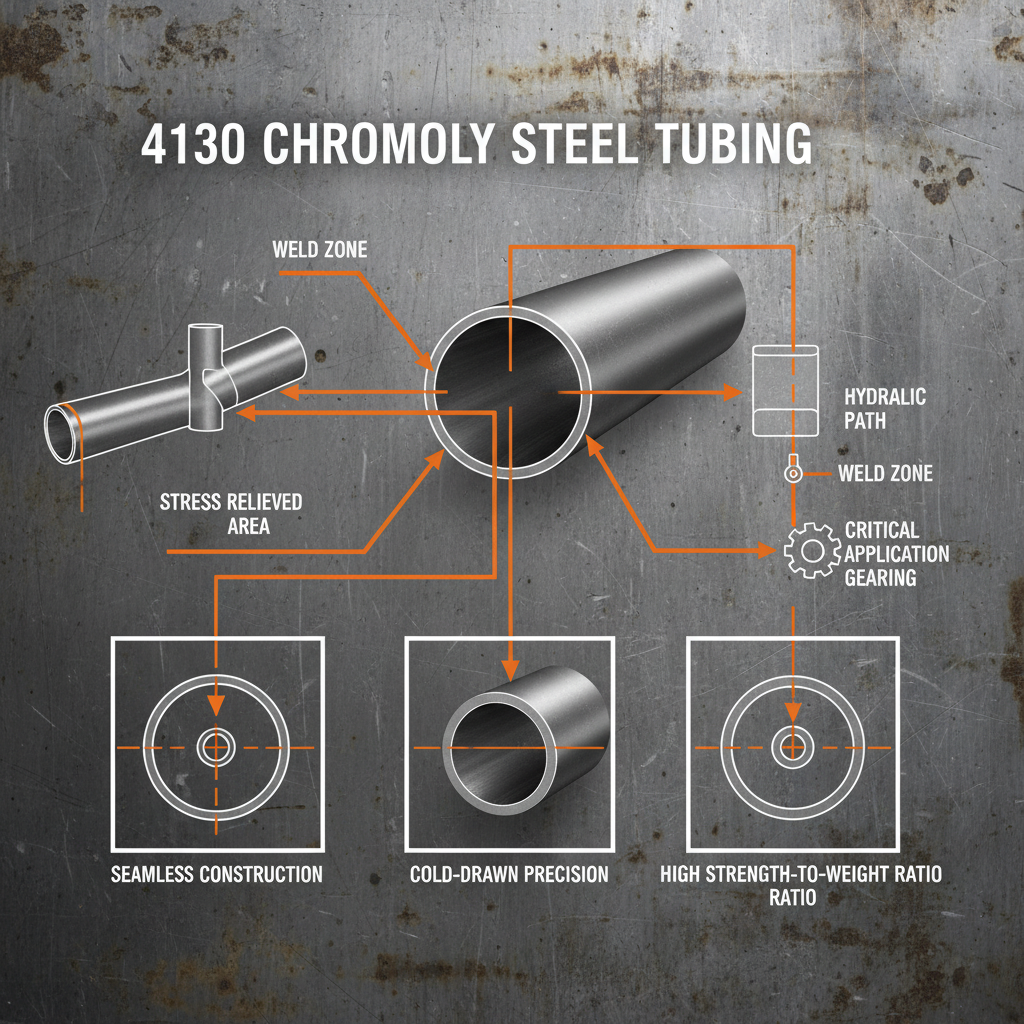
In the world of high-performance engineering, material selection is the foundation of safety and efficiency. 4130 tubing is widely regarded as the gold standard for applications requiring an exceptional strength-to-weight ratio. This chrome-molybdenum alloy steel is engineered to withstand extreme stress while remaining lightweight enough for aerospace and automotive use. Whether you are designing a roll cage, a bicycle frame, or a critical industrial component, understanding the nuances of this material is essential. In this comprehensive guide, we will explore why this specific alloy is preferred by engineers worldwide and how to choose the right specifications for your project.
Properties and Industrial Applications of 4130 steel tubing
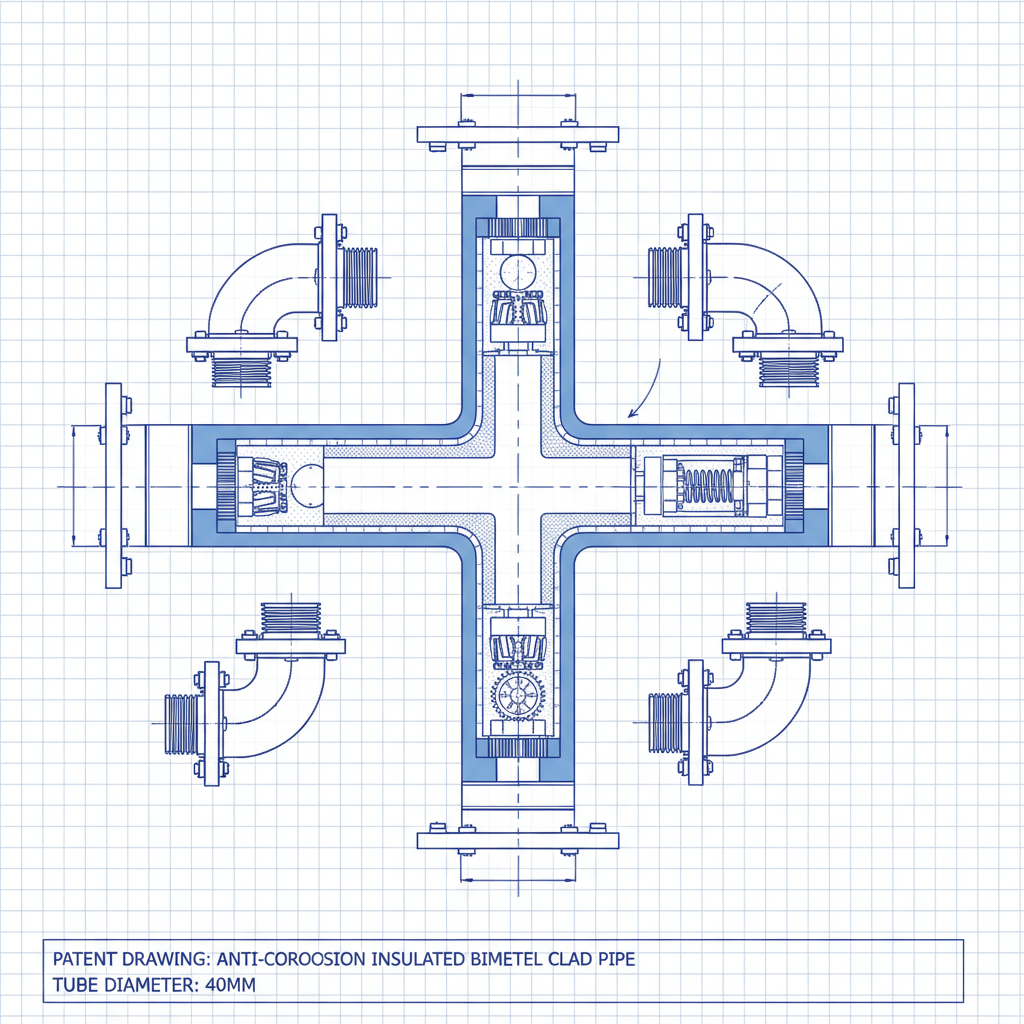
Properties and Industrial Applications of 4130 steel tubing

In the world of high-performance engineering, material selection is the foundation of safety and efficiency. 4130 steel tubing is widely recognized as the gold standard for applications requiring an exceptional strength-to-weight ratio. Known for its versatility and reliability, this chromium-molybdenum alloy is the preferred choice for everything from aircraft frames to professional roll cages. Understanding the nuances of this material allows engineers to optimize structural integrity without adding unnecessary bulk. In this comprehensive guide, we will explore why this specific alloy remains a top choice for critical industrial and aerospace components.
Comprehensive Guide to 40mm Steel Tube Applications and Material Selection
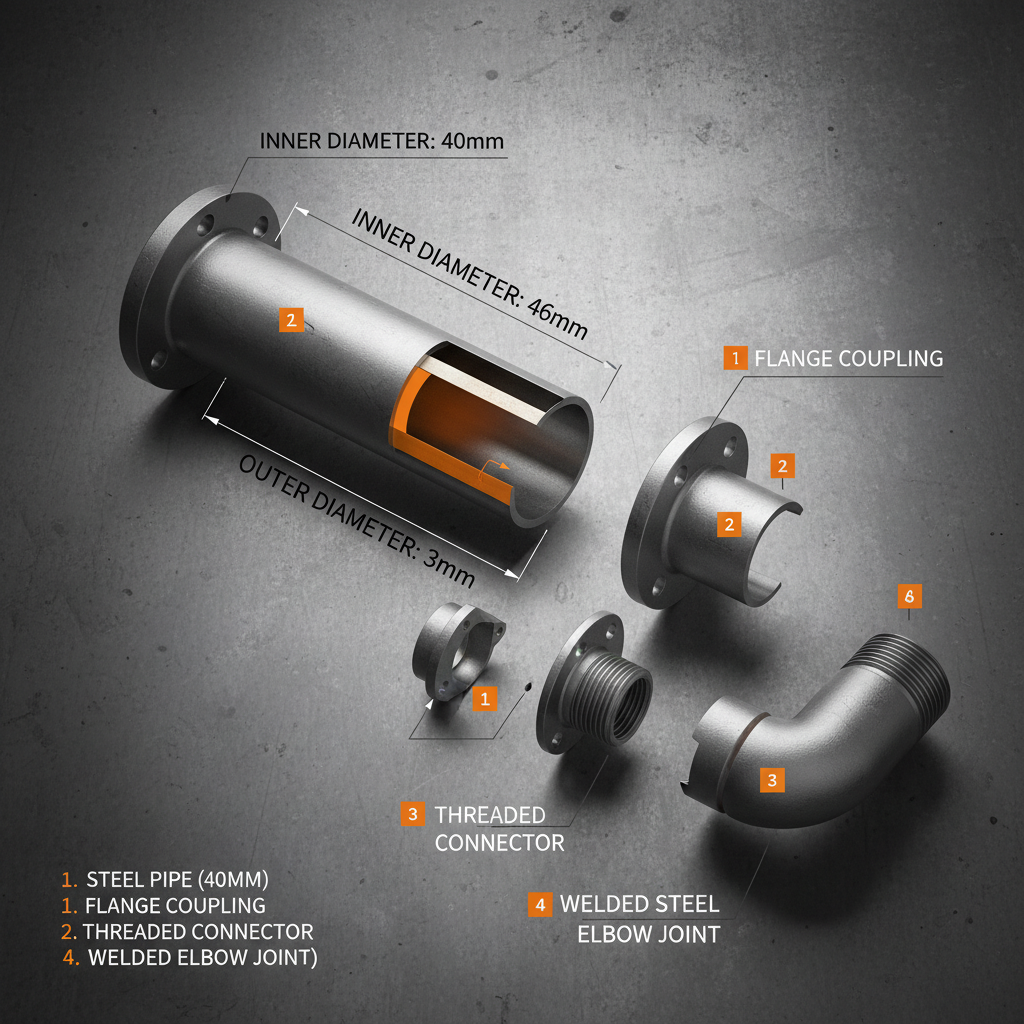
Comprehensive Guide to 40mm Steel Tube Applications and Material Selection

40mm steel tube is a versatile and widely used material in various industries, from construction and manufacturing to automotive and beyond. Its strength, durability, and cost-effectiveness make it an ideal choice for numerous applications. This article will delve into the characteristics, applications, benefits, and considerations when working with 40mm steel tube, providing a comprehensive overview for professionals and anyone interested in this essential material.
Comprehensive Guide to 40mm Steel Pipe Applications and Considerations
Comprehensive Guide to 40mm Steel Pipe Applications and Considerations

40mm steel pipe is a widely used material in various industries due to its strength, durability, and cost-effectiveness. From construction and infrastructure projects to industrial applications and fluid transportation, this pipe size offers a versatile solution. This article will delve into the properties, applications, standards, and key considerations when selecting 40mm steel pipe, helping you make informed decisions for your specific needs.
Comprehensive Guide to 40mm Metal Pipe Applications and Sourcing
Comprehensive Guide to 40mm Metal Pipe Applications and Sourcing

40mm metal pipe is a crucial component in a wide array of industries, from construction and plumbing to industrial manufacturing and fluid transport. Its strength, durability, and versatility make it a preferred material for countless applications. This article will delve into the specifics of 40mm metal pipe, exploring its various types, common uses, benefits, and where to source high-quality piping solutions.
Comprehensive Guide to 40mm Galvanised Pipe Applications and Specifications

Comprehensive Guide to 40mm Galvanised Pipe Applications and Specifications

When planning a plumbing, structural, or industrial project, selecting the right piping material is crucial. 40mm galvanised pipe is a widely used option known for its strength, durability, and corrosion resistance. This article provides a detailed overview of 40mm galvanised pipes, exploring their applications, benefits, specifications, and considerations for optimal usage. We'll cover everything from what galvanisation is to how to choose the right pipe for your specific needs.
tel email tel top

If you are interested in our products, you can choose to leave your information here, and we will be in touch with you shortly.