tel
Email
to top

Durable & Versatile Galvanized Tubular Steel for Modern Industry

Dec 01 2025
share:

Galvanized Tubular Steel: The Unsung Hero of Modern Infrastructure

When you think about the sturdy frameworks holding up everything from highways to urban buildings, galvanized tubular steel is probably not the first thing that comes to mind. Yet, it’s the invisible backbone that keeps many structures resilient against corrosion, weather, and time. Understanding galvanized tubular steel isn’t just for engineers or architects — it’s vital globally as countries look to build smarter, more sustainable infrastructure that lasts. From disaster relief shelters to industrial pipelines, this material packs a punch in durability and versatility.

Setting the Stage: Why Galvanized Tubular Steel Matters Globally

Did you know that global steel production reached over 1.8 billion metric tons in recent years? According to the International Organization for Standardization (ISO), steel's vast use spans transport, construction, and energy, sectors vital for economic development. But raw steel just won’t cut it everywhere. Rust, corrosion, and environmental wear threaten safety and longevity. Here’s where galvanized tubular steel shines — its zinc coating functions like armor, guarding steel tubes against moisture and chemicals.

With the world investing heavily in infrastructure renewal and climate-resilient construction — not to mention humanitarian aid — the need for long-lasting, adaptable materials like galvanized tubular steel couldn’t be more pressing. Think about remote industrial zones where maintenance is tough or post-disaster relief where quick, sturdy frameworks save lives — galvanized tubular steel answers these calls with aplomb.

Mini takeaway: Galvanized tubular steel’s global demand rides on its rust resistance and strength, matching the pace of urbanization and emergency response needs.

What Exactly Is Galvanized Tubular Steel?

At its core, galvanized tubular steel is just steel shaped into hollow tubes and coated with a thin layer of zinc through a process called galvanization. This zinc acts as a sacrificial shield, corroding before the steel does, which vastly improves the lifespan of the tubes. Maybe you’ve seen tubular steel in fences or scaffolding — galvanizing it means those structures won’t deteriorate easily, even under brutal conditions.

In practical terms, think of it as the "steel with a shield" — perfect for applications needing lightweight strength without compromising on durability. This is crucial in modern humanitarian infrastructure, such as modular housing units that have to be both transportable and weatherproof. In those settings, galvanized tubular steel often equals safety and dignity.

Core Features of Galvanized Tubular Steel and Their Practical Impact

1. Durability Against Corrosion

The foremost advantage is the zinc coating's protective role, which guards the steel from rust—a stealthy enemy especially in humid or saline environments. In coastal construction, this can mean the difference between structures that last decades versus ones needing costly repairs within years.

2. Lightweight yet Strong

Hollow tubular forms reduce weight while maintaining strength, making them easier to transport and install at scale. Many engineers say this balancing act simplifies logistics in projects that stretch across tough terrains or disaster zones.

3. Scalability for Varied Applications

From tiny domestic projects to massive industrial aims, galvanized tubular steel sizes and thicknesses can be customized. This adaptability makes it the go-to for everything from bicycle frames to large pipeline supports.

4. Cost Efficiency Over Time

Upfront costs might be a bit higher than untreated steel, but the long-term savings in maintenance and longevity often justify it. It’s a classic example of spending more now to save far more later.

5. Compatibility with Other Materials

Galvanized tubular steel easily integrates with timber, concrete, and plastics — a handy feature for hybrid construction methods gaining popularity in sustainable design.

Mini takeaway:

Galvanized tubular steel isn’t just tough; it’s smartly designed to fit into diverse projects while safeguarding investments.

Worldwide Uses: Real-Life Applications of Galvanized Tubular Steel

Picturesque examples abound:

  • Post-disaster shelters: The quick assembly and corrosion resistance make galvanized tubular steel vital for temporary housing after hurricanes or floods.
  • Energy infrastructure: In places like the Middle East and offshore platforms globally, these tubes hold pipelines that must resist corrosion from salty sea air.
  • Urban construction: Many Asian megacities incorporate galvanized tubular steel in scaffolding and building supports to withstand heavy rainfall and pollution.
  • Agricultural fencing: In Australia and Africa, it's prized for securing vast tracts of farmland with minimal upkeep.

In other words, this material proves its worth — and then some — from harsh deserts to humid tropics.

Advantages That Add Long-Term Value

When considering galvanized tubular steel, the benefits aren’t just technical — they carry social, economic, and environmental weight. Here are some highlights:

  • Sustainability: Longer lifespan reduces waste and the need for frequent replacements.
  • Safety: Less rust means stronger frameworks, less risk of collapse or injury.
  • Economic: Lower overall lifecycle costs, a relief to public works budgeting.
  • Innovation & Trust: Investors and governments prefer reliable materials, boosting confidence in projects.

It’s kind of satisfying when a simple zinc coat yields that kind of ripple effect in society.

Product Specification Table

Specification Detail
Material Type Carbon Steel, Hot-Dip Galvanized
Tube Diameter 16 mm to 168 mm (custom sizes available)
Wall Thickness 1.2 mm to 6 mm
Zinc Coating Thickness 45 - 85 microns (per ISO 1461)
Typical Tensile Strength 370 - 550 MPa
Standard Length 6 to 12 meters (customizable)

How Vendors Stack Up: A Quick Comparison

Vendor Product Range Quality Certifications Lead Time Global Shipping
Lion Pipeline (Recommended) Custom sizes, dual galvanizing options ISO 1461, ISO 9001 2-4 weeks Yes (worldwide)
SteelWorks Inc. Standard sizes only ISO 9001 3-6 weeks Limited regions
Global Galvanizers Wide range, mostly domestic ISO 1461 4-5 weeks No

Looking Ahead: Innovations and Trends in Galvanized Tubular Steel

The future sure looks bright (and somewhat shiny) for galvanized tubular steel. Here are some trends keeping the industry on its toes:

  • Eco-friendly coatings: Researchers are experimenting with zinc alternatives and combined coatings to reduce environmental impact during production and disposal.
  • Digital quality control: Automated inspection systems are improving galvanizing uniformity, meaning fewer defects and better lifespan.
  • Hybrid materials: Combining galvanized tubular steel with carbon fiber or polymers to achieve lighter yet stronger composites.
  • Smart infrastructure: Embedding sensors in tubular steel to monitor stress, corrosion, and temperature in real time.

Such innovations today feel kind of futuristic, but they're gradually becoming standard in high-end projects worldwide.

Common Challenges and How Experts Solve Them

For all its prowess, galvanized tubular steel isn’t without hiccups:

  • Coating Damage: Scratches during transport can expose steel to corrosion. Solution? Careful packaging and touch-up galvanizing.
  • Welding Concerns: Zinc can burn off near welds, causing weak spots. Many engineers now use protective welding techniques or post-weld galvanizing.
  • Cost Sensitivity: Higher upfront price can deter smaller clients. Yet, lifecycle cost analysis often sways decision makers.

Experts emphasize proper handling and material expertise to overcome these barriers — no shortcuts here.

FAQ: Your Quick Guide to Galvanized Tubular Steel

Q: How long does galvanized tubular steel typically last outdoors?
A: Under normal conditions, it can last 50+ years thanks to its zinc coating, making it ideal for long-term projects where maintenance is difficult.
Q: Can galvanized tubular steel be welded without losing corrosion resistance?
A: Yes, but care is needed. Protective gases and post-weld galvanizing help maintain the corrosion barrier near weld joints.
Q: Is galvanized tubular steel suitable for coastal or marine environments?
A: Absolutely. Its resistance to salty air corrosion is one reason coastal construction and offshore platforms rely on it heavily.
Q: How do I select the right diameter and thickness for my project?
A: This depends on load requirements and environmental stressors. Consulting with a structural engineer or trusted vendor like galvanized tubular steel suppliers is recommended.

Wrapping Up: Why Galvanized Tubular Steel Is Worth Your Attention

Perhaps it’s easy to overlook something as “just steel tube,” but galvanized tubular steel proves time and again it’s so much more. Durable, versatile, and increasingly innovative, it’s quietly shaping the future of infrastructure, sustainability, and safety worldwide. Whether you’re an industrialist, builder, or NGO looking to deliver reliable, cost-effective solutions, this material deserves a spot on your radar.

Curious to explore options or get custom solutions? Feel free to visit our website and see how galvanized tubular steel can support your next project.


References:
  1. Wikipedia: Galvanization
  2. International Organization for Standardization (ISO)
  3. World Bank Data on Infrastructure Investment
  • Anti Corrosion And Thermal Insulation Products
    Anti Corrosion And Thermal Insulation Products
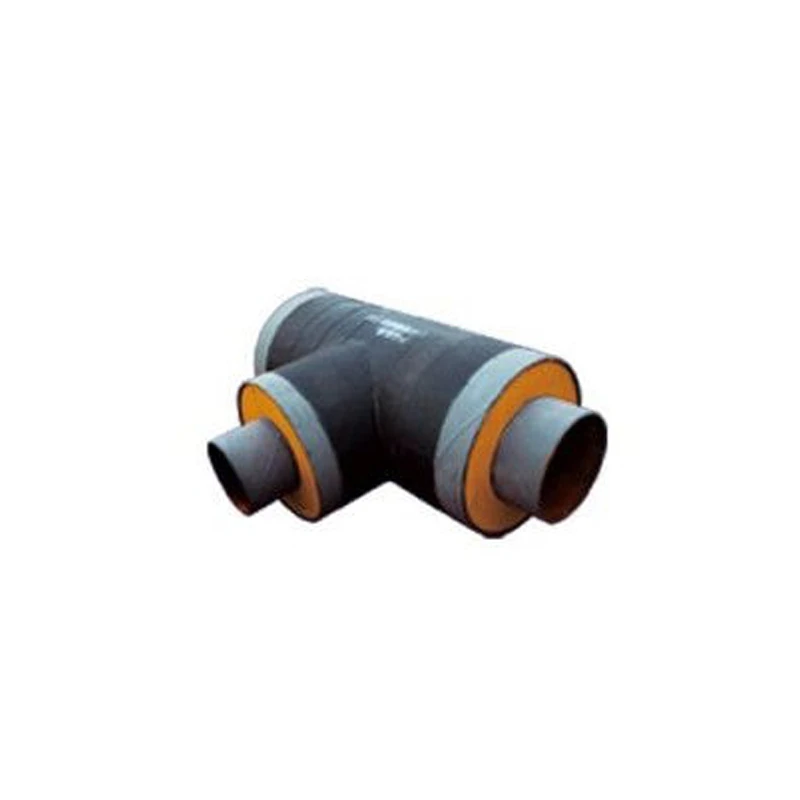
    The anti-corrosion and thermal insulation products we focus on produce play a key role in the industrial pipeline system, especially the thermal insulation pipe fittings and steel pipes. Thermal insulation pipe fittings cover elbows, tees, reducers and pipe supports, with specifications ranging from DN15 to DN1800, and are made of carbon steel, alloy steel, stainless steel, bimetallic composite, nickel-based alloy and other materials.
    VIEW ALL
  • Flange

    Flange

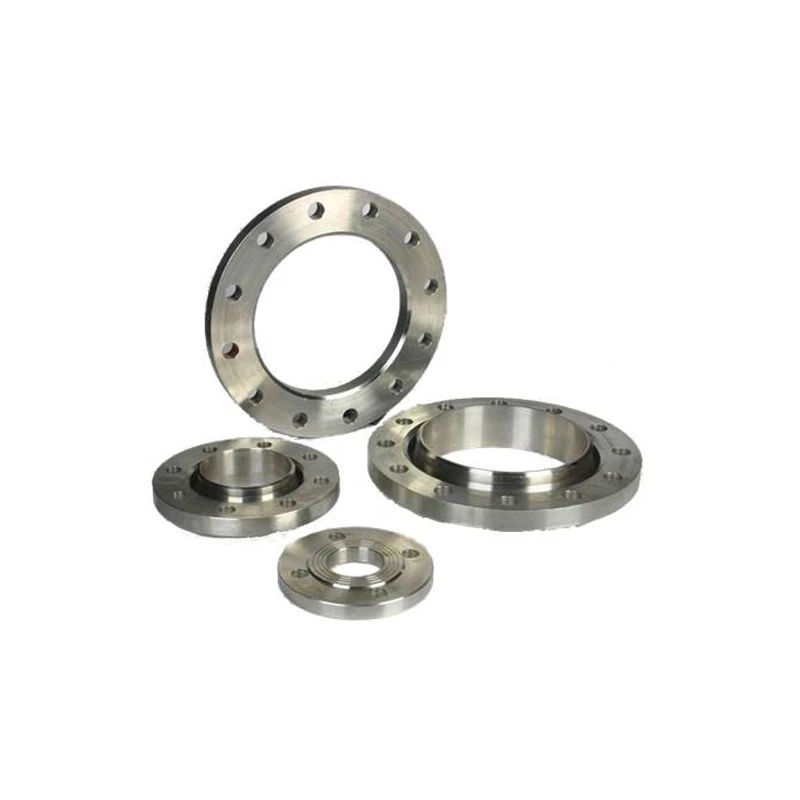
    Flange Product Introduction Flanges are used to connect pipes to pipes or pipes to equipment, ensuring a sealed and stable connection. They prevent fluid leakage and can withstand certain pressures and stresses, ensuring reliable connections. Flange nominal diameters range from DN15-DN2000 and beyond, covering various pipeline connection needs. Flanges primarily adhere to international standards such as ASME B16.5-2020, ASME B16.47-2020, and API 6A-2018.
    VIEW ALL
  • Bend Pipe

    Bend Pipe

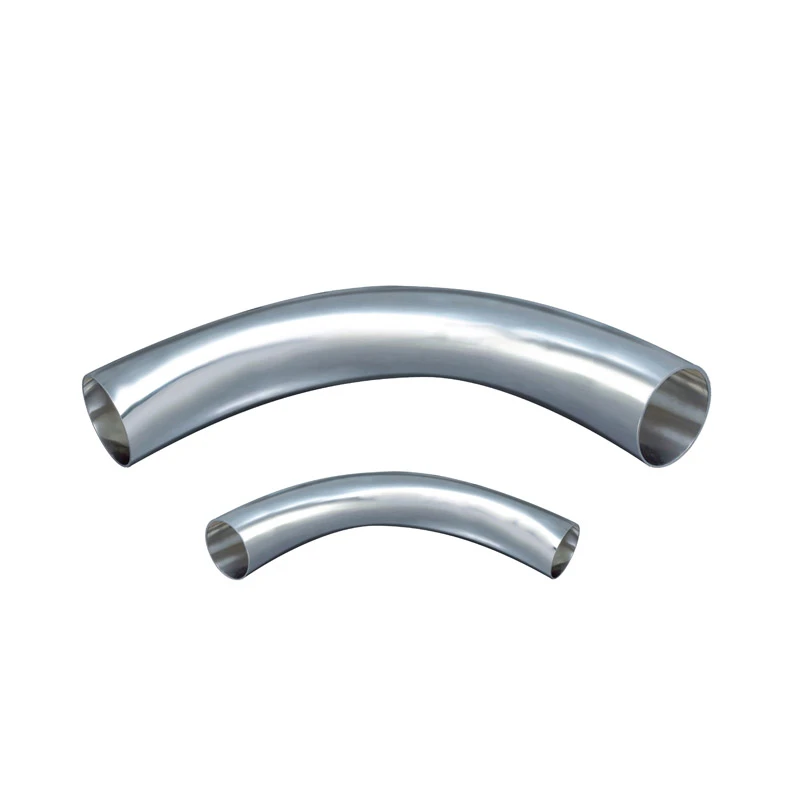
    Bend is a crucial pipe fitting used to change the direction of flow in a piping system. It allows for smooth transitions between sections of pipe, accommodating layout constraints, avoiding obstacles, and optimizing flow paths. Bends are designed to maintain the fluid's velocity and minimize pressure loss while providing the necessary angle of deviation. They are commonly used in various industries, including oil and gas, petrochemicals, water supply, and HVAC systems.
    VIEW ALL
To create value for customers!
Cangzhou Leo Technology Co., Ltd. is located in Mengcun County Economic Development Zone, Cangzhou City, Hebei Province. It is a specialized high-tech enterprise that integrates the research and development, production, and sales of composite pipes and fittings.
News
The company regards product quality as the life of the enterprise, establishes a sound quality management system in accordance with the requirements of industry and national standards, controls all aspects of input and output in the whole process, pays attention to every detail, and ensures that the product delivery pass rate is 100%.
Ultimate Guide to 4130 Tubing Strength Performance and Applications
Ultimate Guide to 4130 Tubing Strength Performance and Applications

In the world of high-performance engineering, material selection is the foundation of safety and efficiency. 4130 tubing is widely regarded as the gold standard for applications requiring an exceptional strength-to-weight ratio. This chrome-molybdenum alloy steel is engineered to withstand extreme stress while remaining lightweight enough for aerospace and automotive use. Whether you are designing a roll cage, a bicycle frame, or a critical industrial component, understanding the nuances of this material is essential. In this comprehensive guide, we will explore why this specific alloy is preferred by engineers worldwide and how to choose the right specifications for your project.
Properties and Industrial Applications of 4130 steel tubing
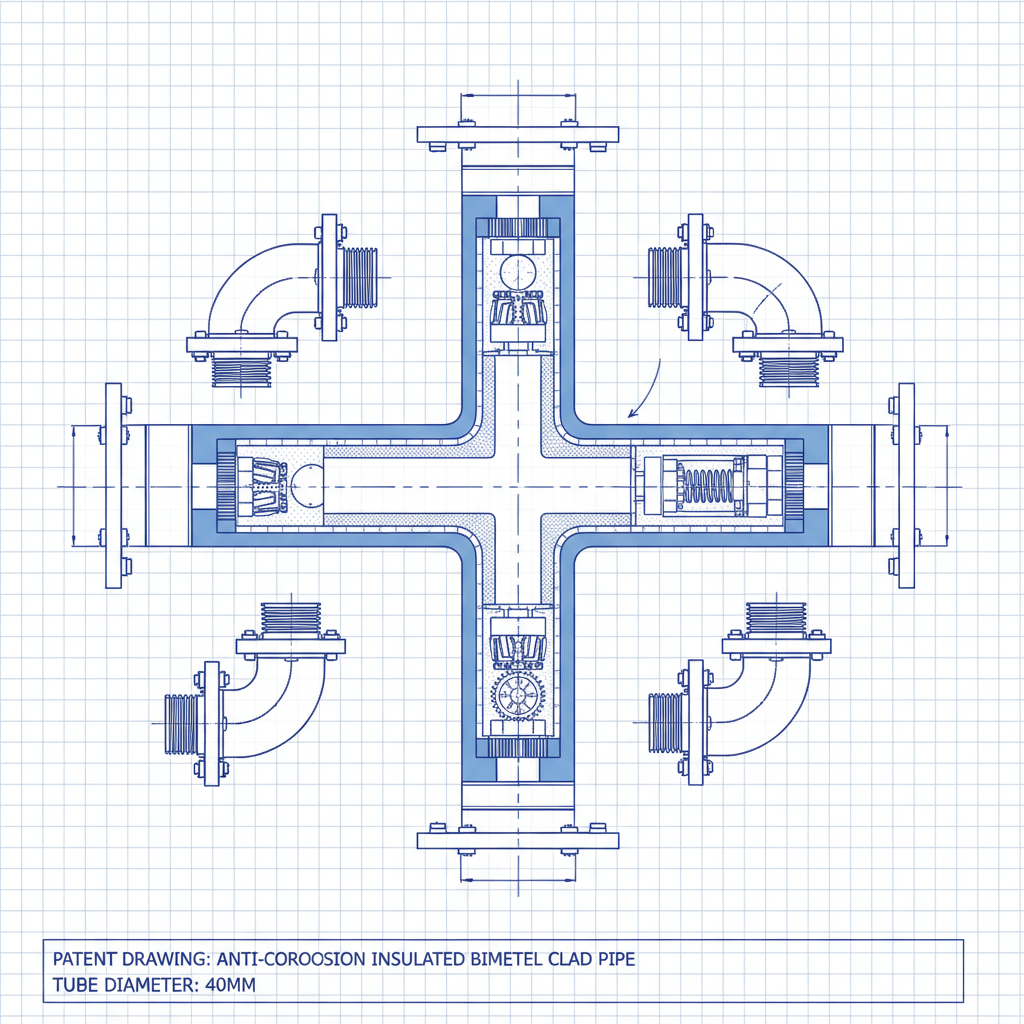
Properties and Industrial Applications of 4130 steel tubing

In the world of high-performance engineering, material selection is the foundation of safety and efficiency. 4130 steel tubing is widely recognized as the gold standard for applications requiring an exceptional strength-to-weight ratio. Known for its versatility and reliability, this chromium-molybdenum alloy is the preferred choice for everything from aircraft frames to professional roll cages. Understanding the nuances of this material allows engineers to optimize structural integrity without adding unnecessary bulk. In this comprehensive guide, we will explore why this specific alloy remains a top choice for critical industrial and aerospace components.
Comprehensive Guide to 40mm Steel Tube Applications and Material Selection
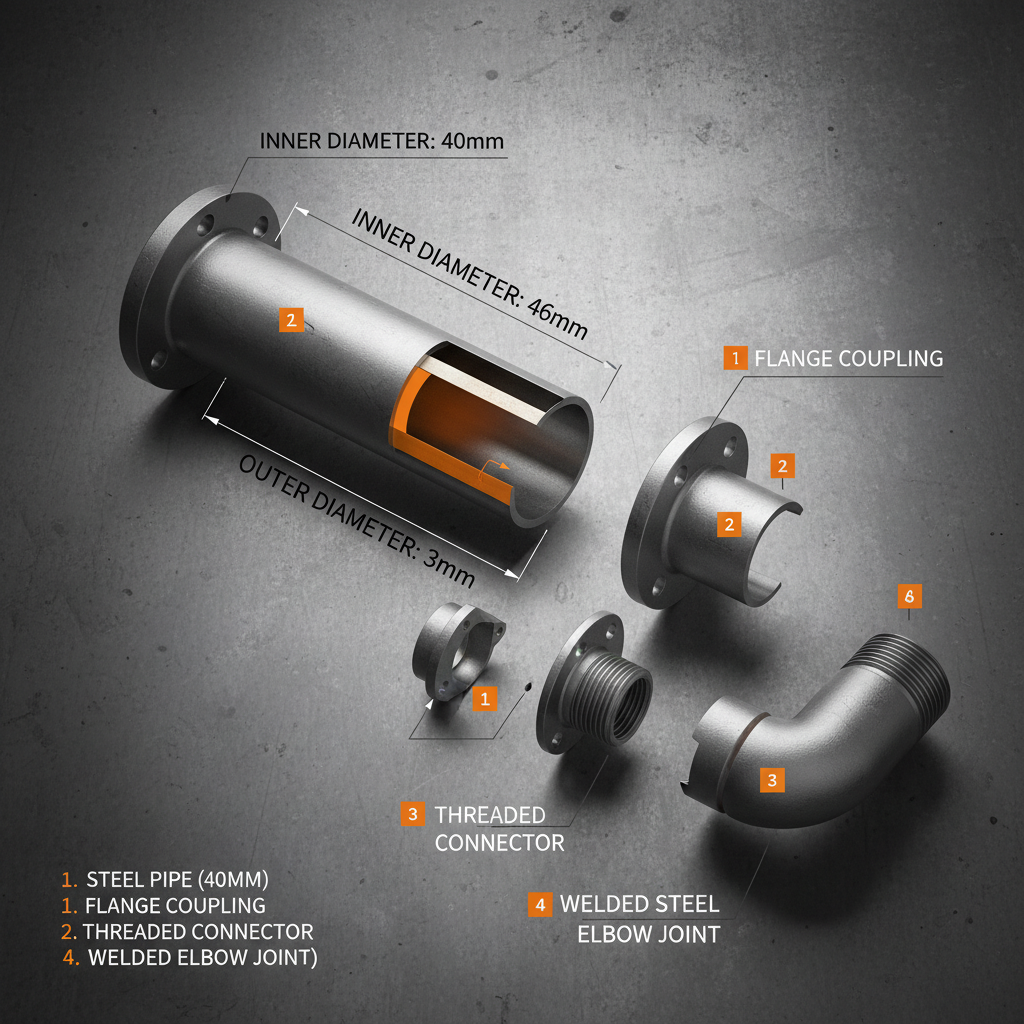
Comprehensive Guide to 40mm Steel Tube Applications and Material Selection

40mm steel tube is a versatile and widely used material in various industries, from construction and manufacturing to automotive and beyond. Its strength, durability, and cost-effectiveness make it an ideal choice for numerous applications. This article will delve into the characteristics, applications, benefits, and considerations when working with 40mm steel tube, providing a comprehensive overview for professionals and anyone interested in this essential material.
Comprehensive Guide to 40mm Steel Pipe Applications and Considerations
Comprehensive Guide to 40mm Steel Pipe Applications and Considerations

40mm steel pipe is a widely used material in various industries due to its strength, durability, and cost-effectiveness. From construction and infrastructure projects to industrial applications and fluid transportation, this pipe size offers a versatile solution. This article will delve into the properties, applications, standards, and key considerations when selecting 40mm steel pipe, helping you make informed decisions for your specific needs.
Comprehensive Guide to 40mm Metal Pipe Applications and Sourcing
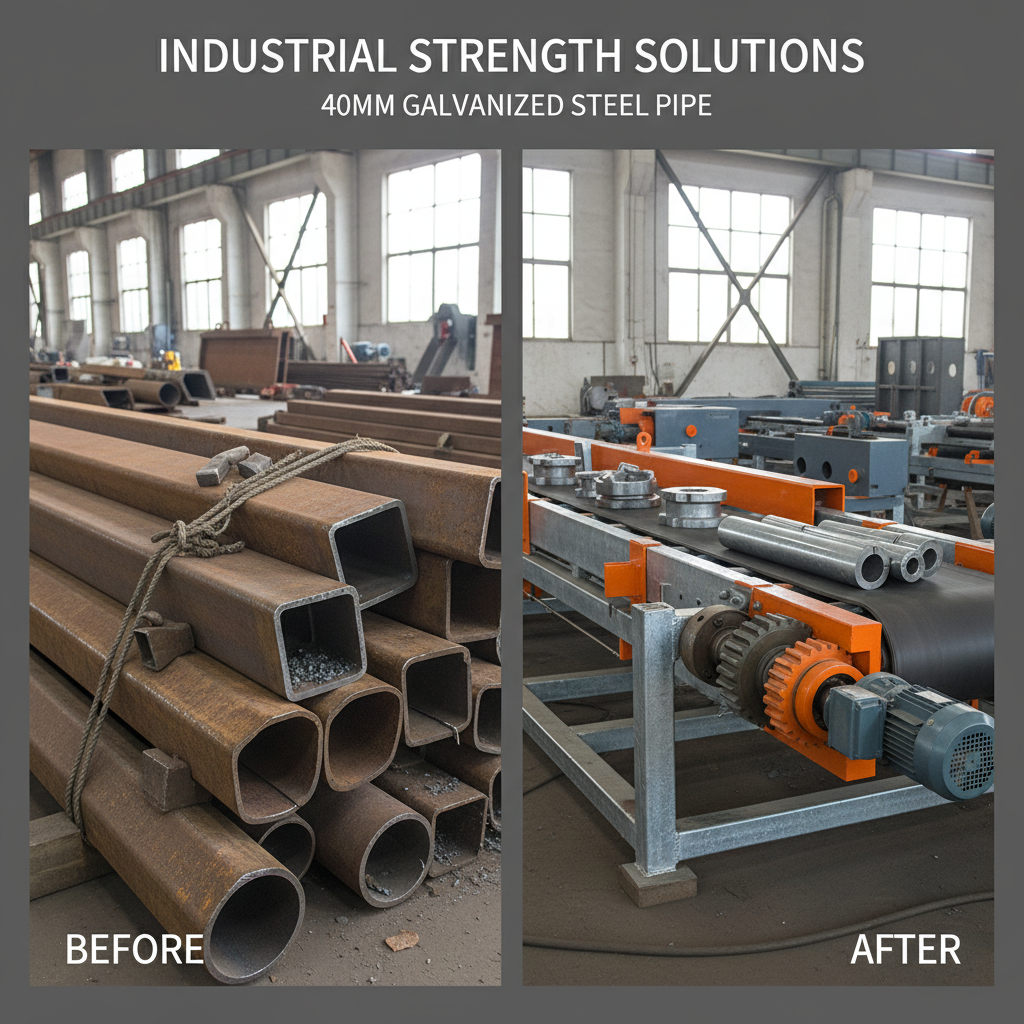
Comprehensive Guide to 40mm Metal Pipe Applications and Sourcing

40mm metal pipe is a crucial component in a wide array of industries, from construction and plumbing to industrial manufacturing and fluid transport. Its strength, durability, and versatility make it a preferred material for countless applications. This article will delve into the specifics of 40mm metal pipe, exploring its various types, common uses, benefits, and where to source high-quality piping solutions.
Comprehensive Guide to 40mm Galvanised Pipe Applications and Specifications

Comprehensive Guide to 40mm Galvanised Pipe Applications and Specifications

When planning a plumbing, structural, or industrial project, selecting the right piping material is crucial. 40mm galvanised pipe is a widely used option known for its strength, durability, and corrosion resistance. This article provides a detailed overview of 40mm galvanised pipes, exploring their applications, benefits, specifications, and considerations for optimal usage. We'll cover everything from what galvanisation is to how to choose the right pipe for your specific needs.
tel email tel top

If you are interested in our products, you can choose to leave your information here, and we will be in touch with you shortly.