Galvanized square pipes might sound like just another piece of metal tubing, but their impact is far-reaching, global even. These pipes serve as vital bones for modern infrastructure, from skyscrapers in New York to shelter projects in flood-prone Bangladesh. Understanding galvanized square pipes is key not only for engineers and architects but also for humanitarian organizations and industrial planners worldwide. Their corrosion resistance and structural robustness tackle a major global challenge: how to build long-lasting, safe structures in harsh environments.
Simply put, galvanized square pipes are steel tubes coated with zinc to prevent rust and corrosion, shaped in square cross-sections for structural versatility. They’re a quiet hero in construction, agriculture, and transport sectors, helping projects stand the test of time with minimal upkeep. Today, as climate change increases exposure to harsh weather and industries push for cost-effective, sustainable materials, galvanized square pipes become even more important.
The World Steel Association estimates over 1.8 billion tons of steel are used globally each year, with galvanized steel products forming a significant chunk. Structures using galvanized square pipes are better equipped to resist moisture and pollutants, which is critical given that infrastructure failures due to corrosion cost the global economy billions annually (ISO reports suggest up to 3-4% of GDP in some countries). In regions prone to flooding, humidity, or industrial pollution — think coastal China, the Gulf states, and parts of sub-Saharan Africa — galvanized pipes help reduce maintenance burden and increase safety.
Oddly enough, while these pipes offer obvious strength and durability, many contractors underestimate their value, opting for cheaper, less durable materials that pose future hazards. This mismatch is a big reason why so many infrastructure projects face early deterioration. Galvanized square pipes address these gaps by providing cost-effective, robust solutions that can be mass-produced and sourced globally — a real game-changer for both developed and developing economies.
The galvanized square pipe is not just a metal tube but a global pillar of resilience in construction and industry, helping solve long-standing durability and cost woes.
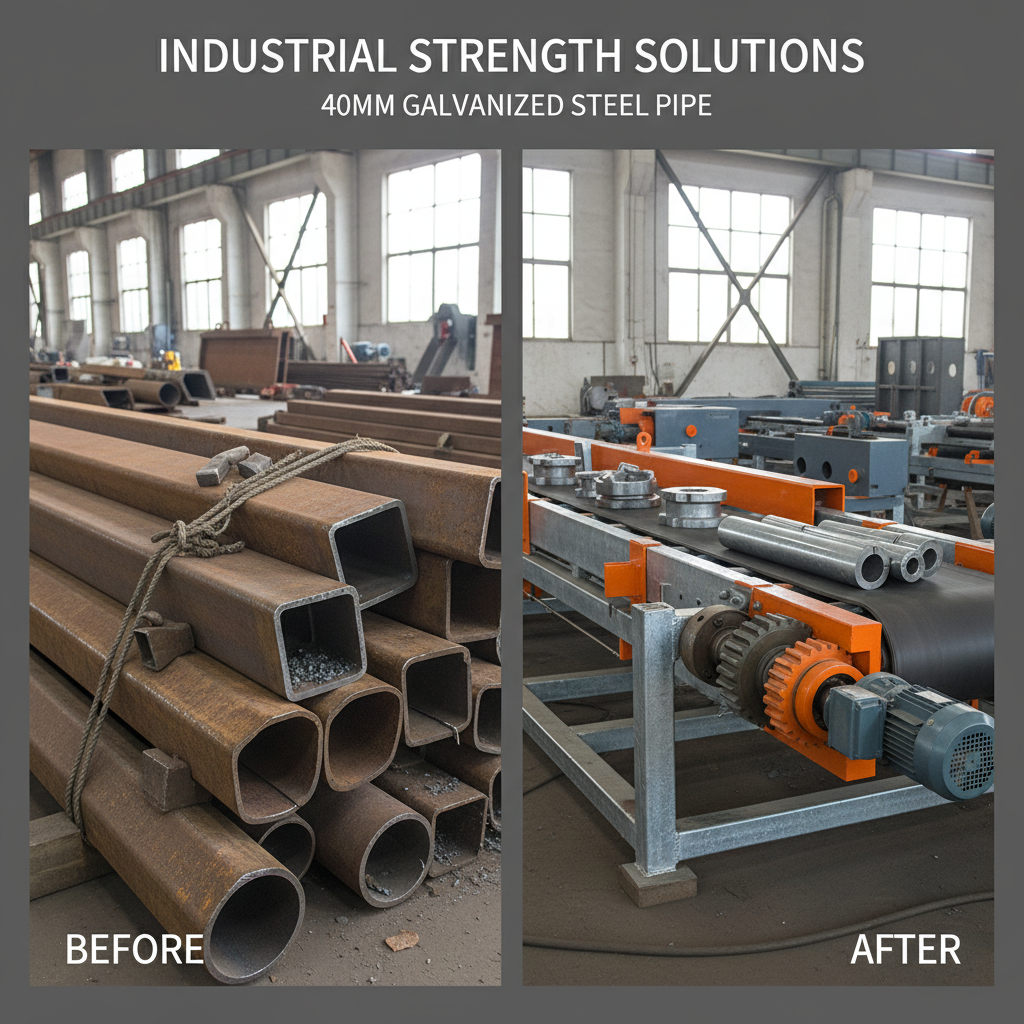
In its most straightforward form, a galvanized square pipe is a steel pipe that has been hot-dip galvanized to apply a protective zinc coating and shaped in a square profile. This differs from round pipes (which have different structural properties) and is used where flat sides and sharp corners benefit design or installation.
Historically, steel pipes were prone to rust quickly, which led to costly replacements or dangerous failures. Zinc galvanizing emerged in the 19th century — a simple, effective method of sacrificial corrosion resistance. Today’s processes have improved greatly, making these pipes integral in everything from scaffolding in urban developments to fencing in agricultural zones.
These pipes are a small but critical piece linked to broader industrial and humanitarian goals: a reliable resource helping communities withstand climate events, build clean water systems, or create sustainable housing solutions — all underpinned by their durability.
By far, the zinc coating acts as a shield against moisture and chemical exposure, far outperforming plain steel pipes. This is especially important in coastal or industrial zones where salt spray or acid rain accelerate rust.
The square shape allows easy joining, bracket fitting, and alignment compared to circular pipes. Many engineers say that this makes galvanized square pipes extremely adaptable for frameworks, fencing, and supports.
While initially pricier than uncoated pipes, their low maintenance and longer replacement cycles mean costs even out — often saving thousands over decades. In fact, some studies estimate up to 30% cost savings when factoring in fewer repairs.
The manufacturing processes and global steel supply mean galvanized square pipes come in a wide range of sizes and thicknesses, making it easy to source just what a project needs without custom delays.
Steel’s recyclability combined with galvanizing’s extended lifespan reduces waste and environmental footprint — crucial for sustainable construction practices pushing toward greener standards.
Durability, shape, and cost savings together make galvanized square pipes a smart, versatile choice across industries and geographies.
Across continents, galvanized square pipes serve critical roles. In Southeast Asia, NGOs use them for rapid-deployment shelters after typhoons. In the Middle East’s oil and gas zones, their corrosion resistance holds crucial pipeline frameworks steady amid harsh conditions. European construction firms rely on them for modern architectural frames that combine style and strength. In North America, they’re popular for urban fencing, greenhouses, and heavy-duty shelving systems, blending practicality and longevity.
One notable example is a post-flood reconstruction project in the Philippines, where galvanized square pipes formed the backbone for temporary housing and sanitation units — crucial for safety and dignity during recovery phases.
Their modular nature means they sometimes appear in creative builds like pop-up markets, exhibition stands, and even art installations, showing how industrial materials can also serve social and cultural purposes.
These pipes don’t just build structures. They build trust between planners, users, and communities because people can count on their strength and integrity, quietly reassuring us all.
The galvanized square pipe isn’t a static product. Manufacturers increasingly experiment with more advanced coatings combining zinc with other metals like aluminum to extend lifespan further. Integration with digital inventory and supply-chain tech allows real-time tracking — a boon for large-scale projects.
Green energy projects, like solar panel mounting systems and wind turbines, are adopting galvanized piping due to its longevity and environmental edge. Automation in manufacturing promises even tighter tolerances and custom sizes on demand.
Some companies work on “smart” galvanized surfaces that detect corrosion early, signaling maintenance needs before failures. It feels like the humble square pipe is gearing up to be a smart, sustainable workhorse of the future.
Despite many benefits, galvanized square pipes can face challenges: zinc coatings wear unevenly if scratched, sometimes causing hidden corrosion. Also, transportation and storage conditions can affect longevity.
Experts recommend careful handling, plus post-installation inspections to catch damaged spots early. Advances in powder coatings and sealants help improve protection, and coating thickness standards (like ASTM A123) guide quality assurance.
Training site workers and specifying best practices widely also reduce issues in the field — which, oddly enough, is often overlooked despite simple fixes.
In sum, galvanized square pipes are more than raw materials. They’re enablers of safer, stronger, and more sustainable constructions worldwide. Their proven corrosion resistance, shape benefits, and cost-effectiveness make them smart choices for engineers and planners facing climate uncertainties and budget pressures.
For those interested, galvanized square pipe options are widely available in multiple grades and custom specs, ready to meet the challenges of modern construction and industrial needs.
Take a closer look at these silent heroes of infrastructure — you might be surprised at how much they do, quietly holding the world together.
| Parameter | Typical Values | Unit | Notes |
|---|---|---|---|
| Cross Section Dimensions | 20 x 20 to 200 x 200 | mm | Standard square profiles |
| Wall Thickness | 1.5 - 6.0 | mm | Varies by load requirements |
| Coating Thickness | 80 - 275 | g/m² (zinc) | Hot-dip galvanizing per ASTM A123 |
| Tensile Strength | 380 - 550 | MPa | Depends on steel grade |
| Length | 6,000 - 12,000 | mm | Custom cut lengths available |
| Vendor | Coating Standard | Range of Sizes | Lead Time | Special Features |
|---|---|---|---|---|
| Lion Pipeline Co. | ASTM A123 / ISO 1461 | 20x20 to 150x150 mm | 2-3 weeks | Custom cutting, quick shipping |
| SteelWorks Ltd. | ASTM A653 | 30x30 to 200x200 mm | 4-6 weeks | Enhanced corrosion coating option |
| Global Metal Traders | ISO 1461 | 25x25 to 180x180 mm | 3-5 weeks | Bulk order discounts, export expertise |
Writing about galvanized square pipes feels surprisingly engaging once you realize they quietly underpin a large chunk of the infrastructure we take for granted. The mix of technical detail and global relevance makes this not just a trade product, but a connector of economies, emergency responders, and sustainable goals. Don’t underestimate the power of a well-made, properly coated steel pipe!
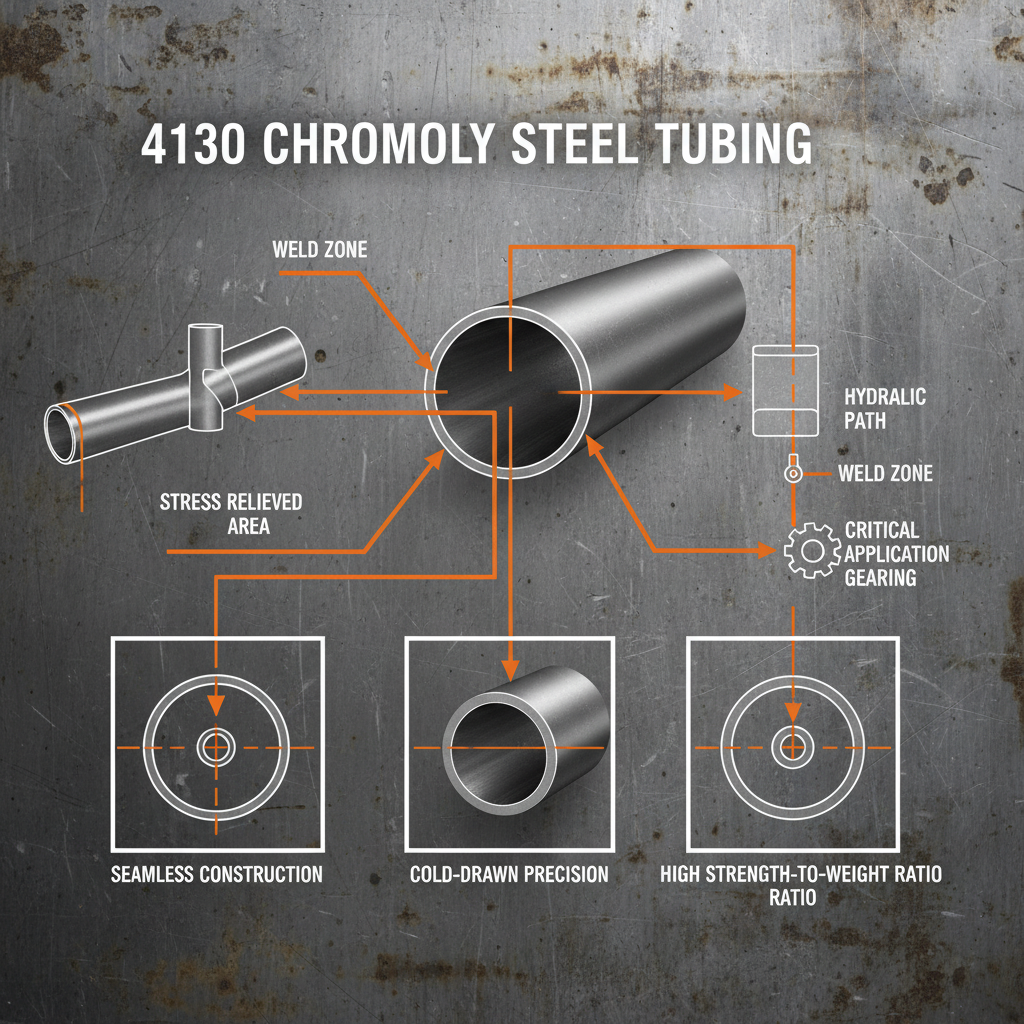
Ultimate Guide to 4130 Tubing Strength Performance and Applications
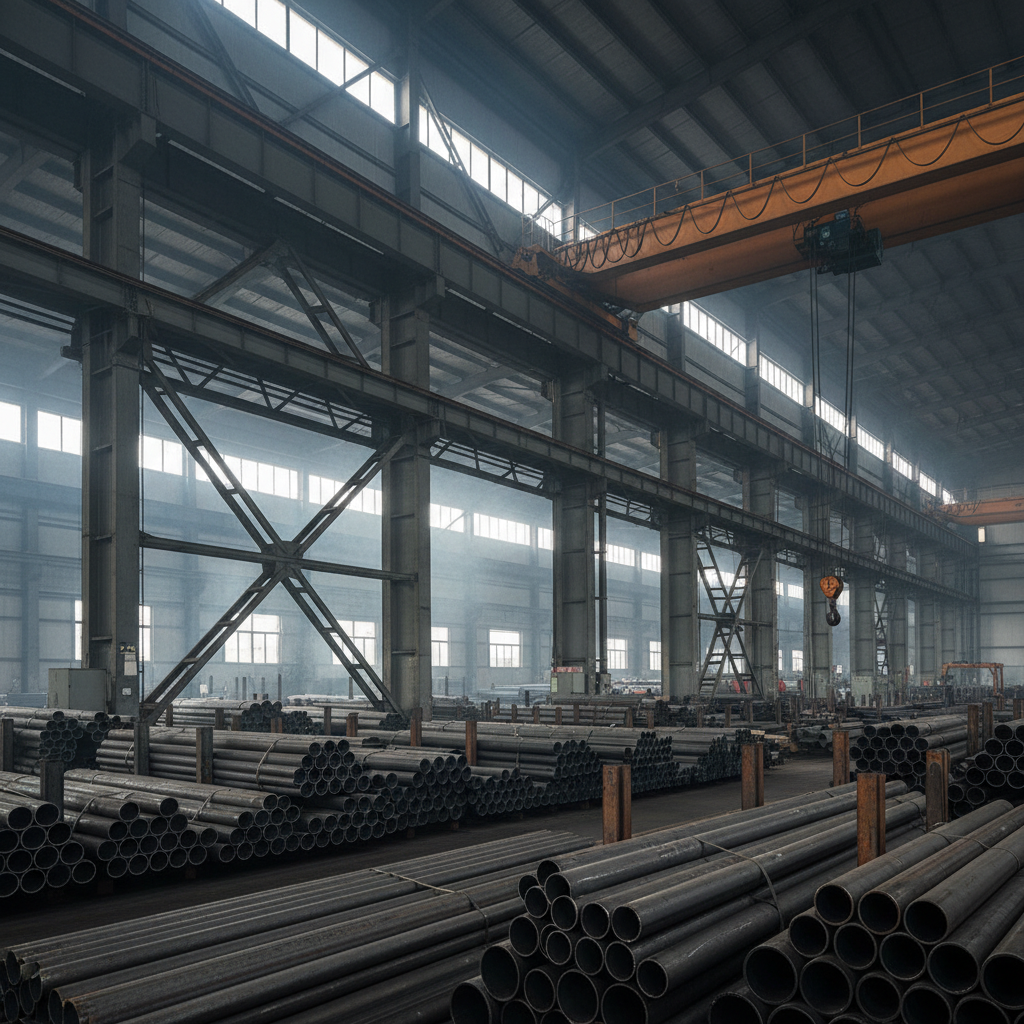
Properties and Industrial Applications of 4130 steel tubing
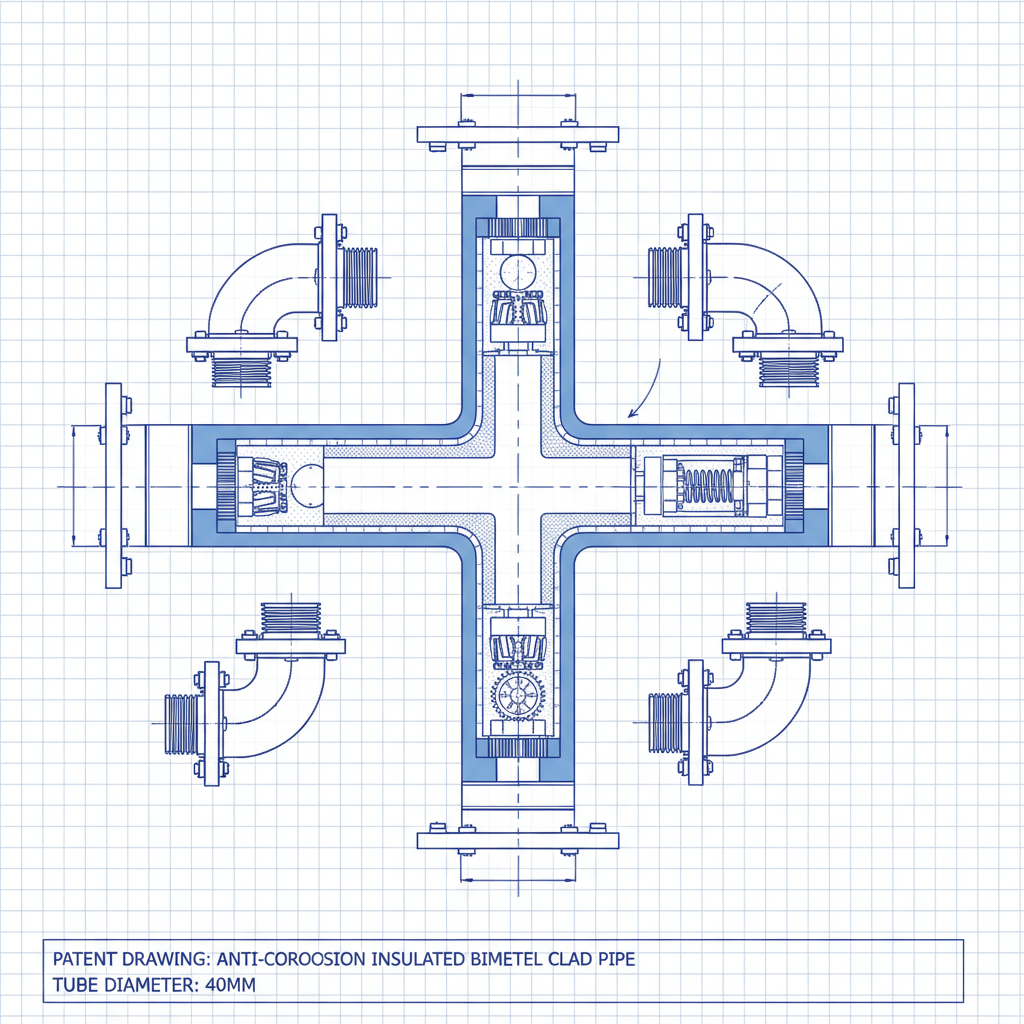
Comprehensive Guide to 40mm Steel Tube Applications and Material Selection
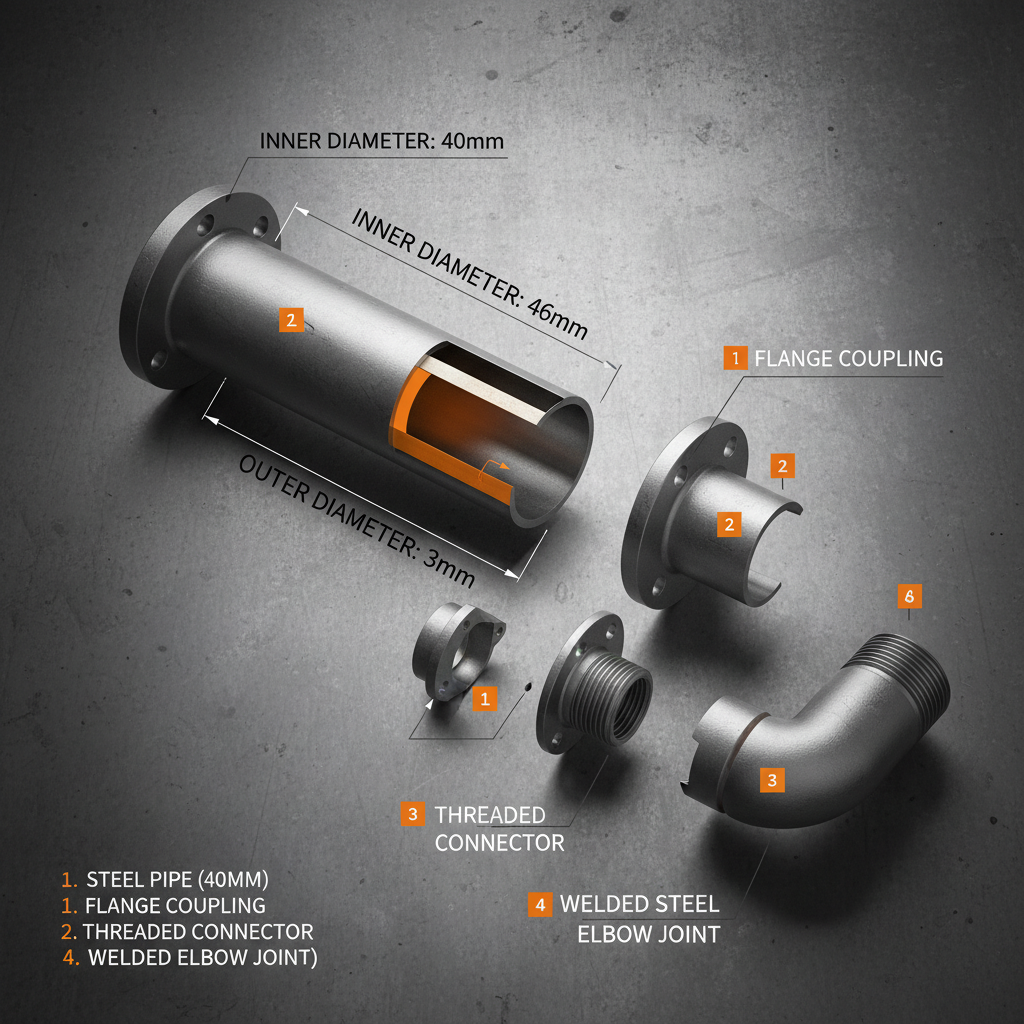
Comprehensive Guide to 40mm Steel Pipe Applications and Considerations
Comprehensive Guide to 40mm Metal Pipe Applications and Sourcing
Comprehensive Guide to 40mm Galvanised Pipe Applications and Specifications