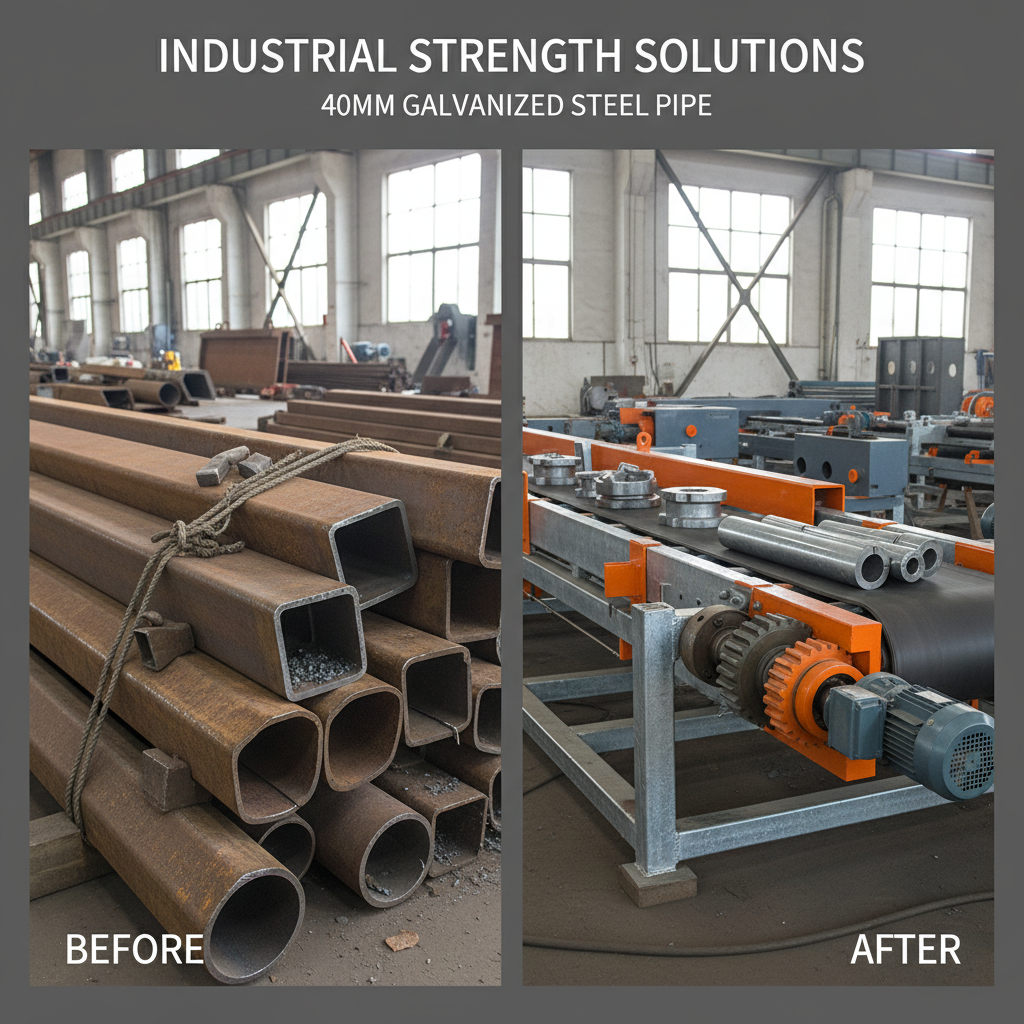
Understanding Galvanized Round Tubing: Why It Matters in Today’s World
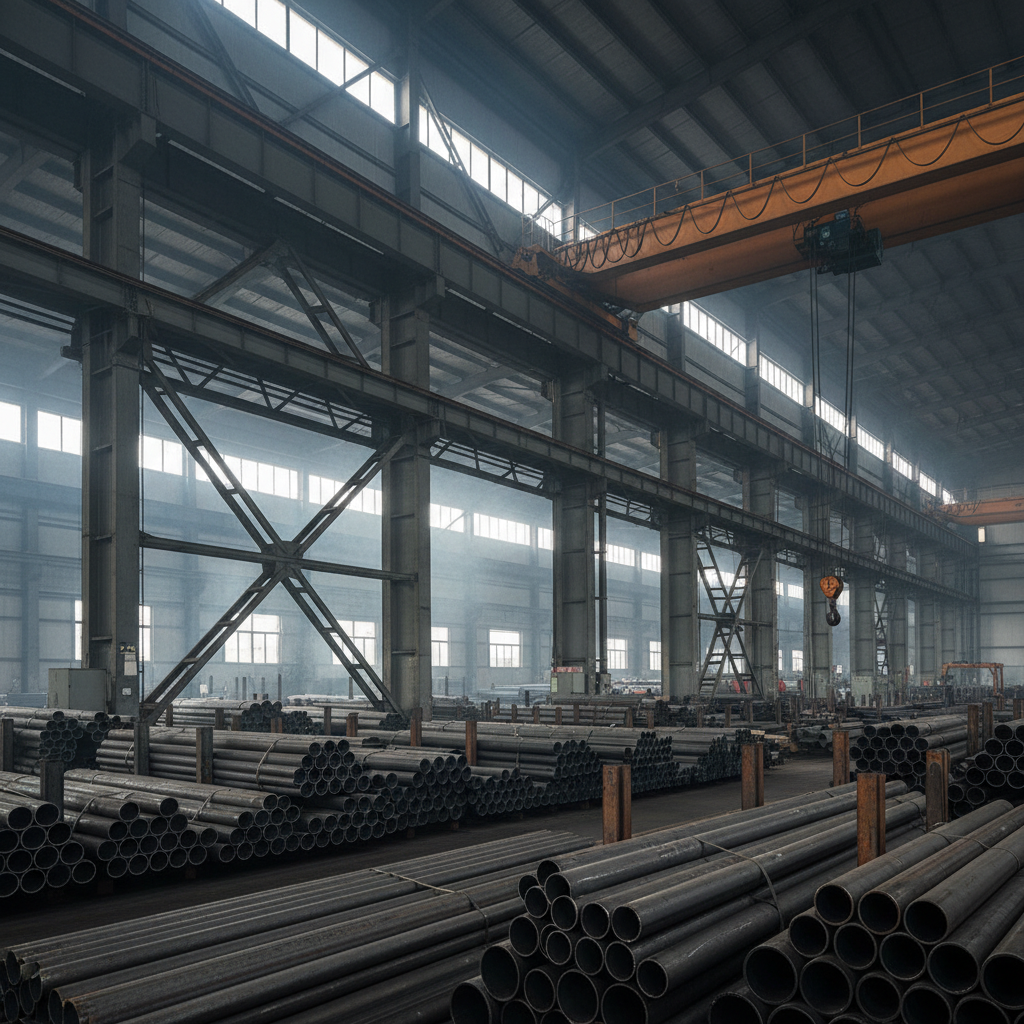
Galvanized round tubing — you’ve probably seen it on fences, poles, or even in your home framework — but have you ever paused to consider why it’s such a staple across industries and continents? This seemingly humble steel tubing coated with zinc isn’t just durable; it’s a global workhorse enabling everything from high-rise constructions to humanitarian aid shelters. The key benefits of grasping its use and importance lie not only in its corrosion resistance but also in its cost effectiveness, ease of installation, and longevity — all factors crucial in an era where infrastructure demands and sustainability goals are constantly competing.
If you’re curious why galvanized round tubing is making waves from construction sites in Dubai to off-grid solar farms in Sub-Saharan Africa, stick around. It’s one of those products quietly powering modern society’s backbone — and surprisingly versatile.
The Global Context: Galvanized Round Tubing on the World Stage
Here’s something I find fascinating: According to the United Nations’ data on urban infrastructure, over 55% of the global population now lives in urban areas, with a projected rise to nearly 70% by 2050 (1). That creates enormous demand for durable, reliable materials in construction and utilities. Galvanized round tubing enters the scene as a prime contender. Its corrosion-resistant ability helps withstand harsh climates — salty coastal air, torrential rains, or even desert dust — making it invaluable worldwide.
However, there’s a bigger issue it addresses: sustainability. Steel production accounts for roughly 7% of global CO2 emissions (2), so maximizing the lifespan of every steel component used is critical. Galvanized round tubing extends structural life, reducing the frequency of replacements and, indirectly, the environmental footprint.
Plus, there’s practicality. Many developing regions struggle with maintenance budgets and resource logistics. Having readily available, low-maintenance galvanized tubing means infrastructure that not only lasts but also cuts long-term costs — a true game changer for rural electrification or water supply projects.
What Exactly is Galvanized Round Tubing?
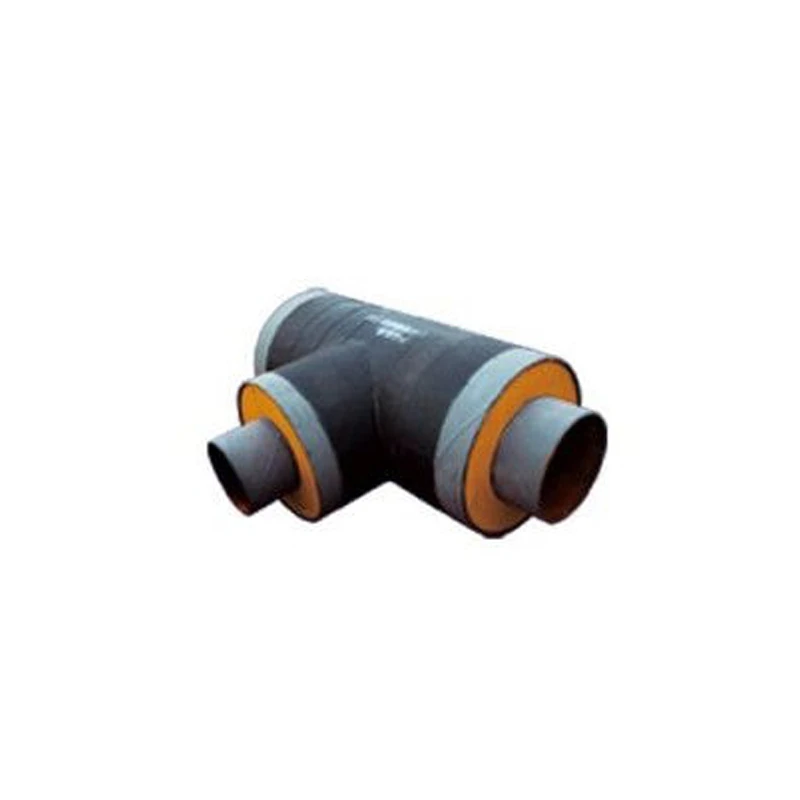
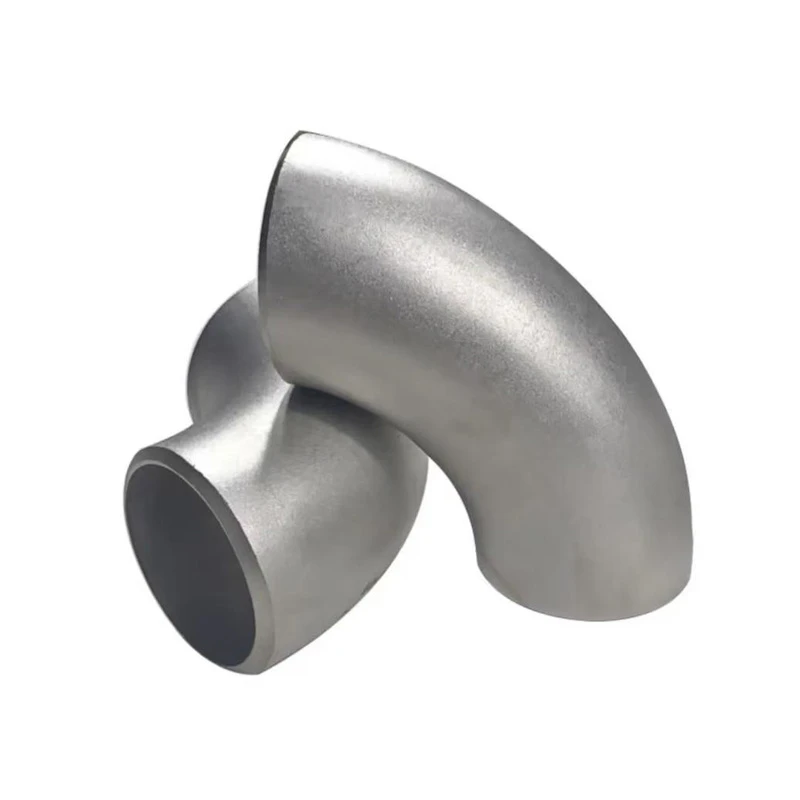
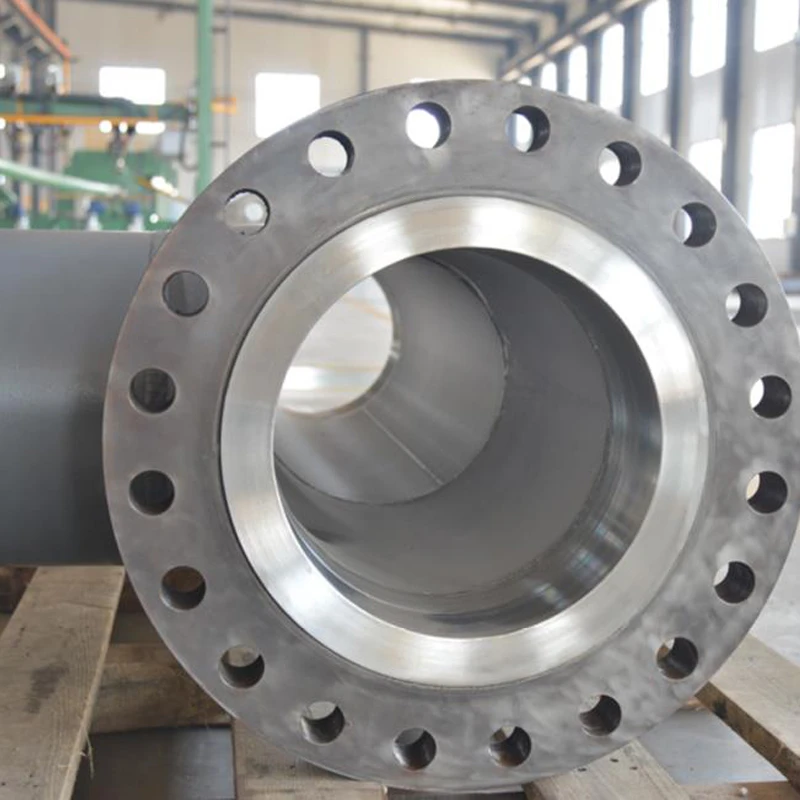
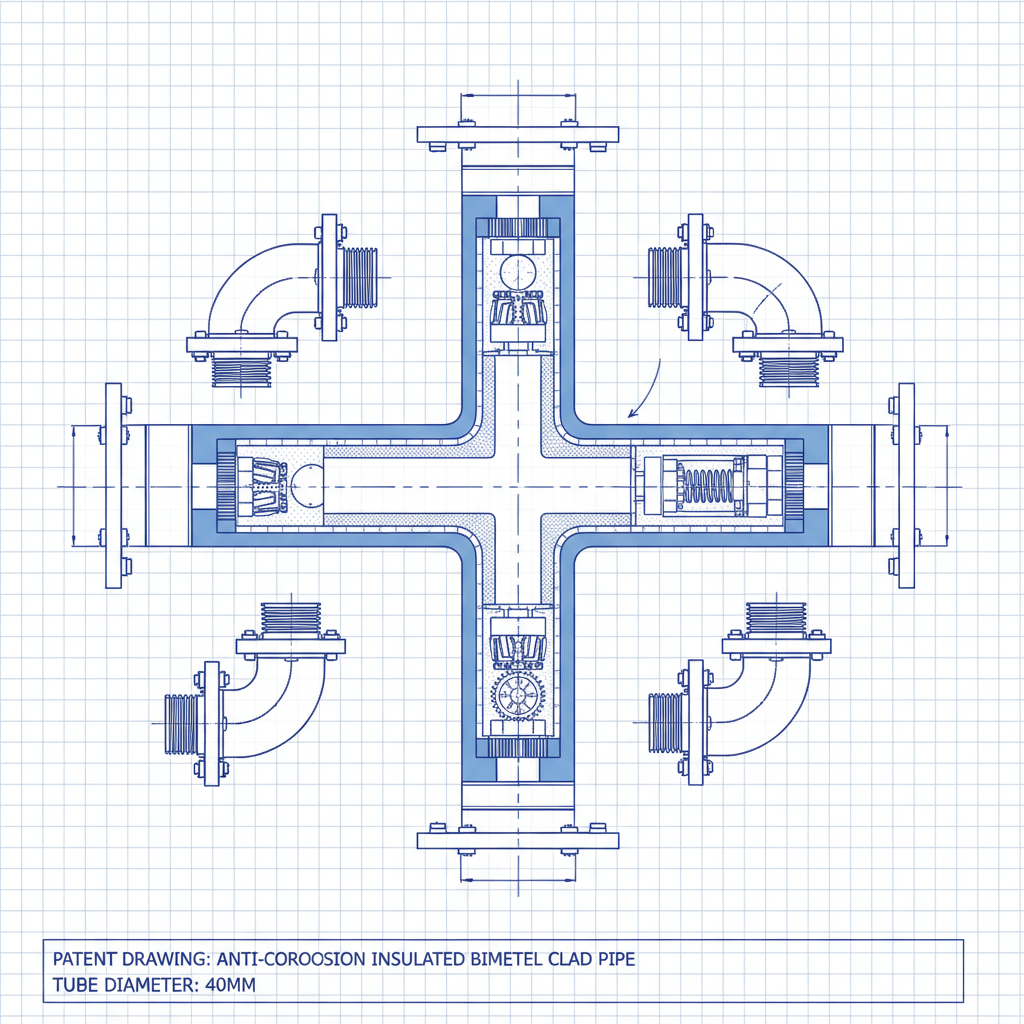
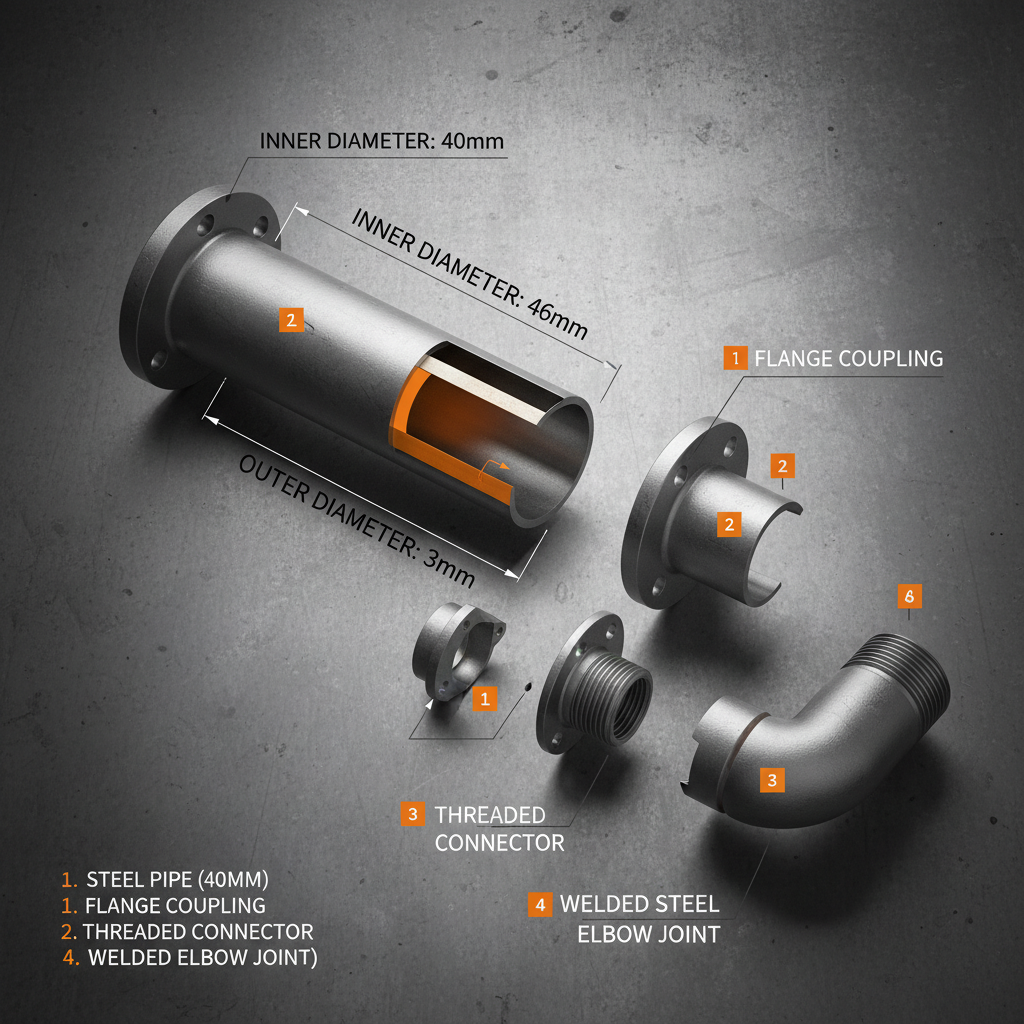
In simple terms: it’s a hollow, circular steel pipe that’s coated with a layer of zinc through a process called galvanization. This zinc layer acts as a protective shield, preventing rust and corrosion. It’s like the steel’s raincoat, shielding it from wear and tear that would otherwise severely limit its lifespan.
But why zinc? Well, zinc is sacrificial — it corrodes before the steel does, giving the tubing prolonged durability. This method has been around since the 19th century but remains the go-to for industries needing tough, dependable pipes.
In modern industry, galvanized round tubing is foundational — used in everything from scaffolding frameworks to utility poles and even modular housing frameworks in humanitarian aid situations. On a larger scale, NGOs and governments often rely on this tubing for quick, robust shelter assembly post-disasters because the materials hold up even under challenging conditions.
Key Features That Make Galvanized Round Tubing So Reliable
1. Outstanding Durability
The zinc coating ensures resistance to rust, even after years of exposure to moisture, salt air, or chemicals, which can be a literal lifesaver in coastal or industrial environments.
2. Cost Efficiency
Compared to stainless steel or other corrosion-resistant materials, galvanized tubing delivers longevity without the heightened cost. The initial price might be attractive, but it’s the low maintenance and reduced replacement expenses that really tip the scales.
3. Versatility in Design
Its circular shape balances strength and flexibility, allowing use in everything from railings and fencing to complex structural elements in buildings.
4. Ease of Installation
Lightweight and easy to handle, it shortens construction times. Plus, the zinc layer means less prep work to prevent rust before and during installation.
5. Environmental Impact
Though steel production is energy-intensive, galvanization extends tubing life substantially, which means less waste over time — a simple but effective way to advance circular economy principles.
Quick Takeaway:
Galvanized round tubing cleverly plays on strength, affordability, and long-term sustainability, making it an excellent fit for many applications.
Where in the World Is Galvanized Round Tubing Making a Difference?
In Southeast Asia, rapid urbanization has led to countless new construction projects relying on galvanized tubing for frameworks that must endure humidity and monsoon rains. Over in Africa, NGO-led clean water programs use galvanized pipes to build resilient pump housings that stand the test of time and weather.
In the energy sector, wind farms from Europe to the U.S. incorporate galvanized tubing in structural supports, valued for its corrosion resistance despite continuous outdoor exposure. Plus, solar farms in arid regions deploy galvanized tubing for mounting racks — lightweight, cost-effective, and durable.
Post-disaster zones, like those hit by hurricanes or earthquakes, often see rapid deployment shelters erected with galvanized round tubing frameworks; these enable quick on-site assembly and trustworthy resistance to elements. Notably, the Red Cross and similar organizations frequently specify this material during emergency builds for its proven track record.
Galvanized round tubing serves as a silent global hero, truly.
Benefits You Can Count On: Long-Term Value of Galvanized Round Tubing
-
Economic savings: Less time fixing rust, fewer replacements, and lower upfront costs than alternatives.
-
Sustainability benefits: Durability means fewer resources wasted, aligning with green building directives.
-
Safety and reliability: Structural integrity maintained over decades grants peace of mind for engineers and users alike.
-
Social impact: Infrastructure that lasts translates to improved living conditions, especially in vulnerable communities.
-
Innovative edge: As industries push toward modular and prefabricated designs, galvanized round tubing fits seamlessly into adaptable frameworks.
Product Specifications At a Glance
| Specification |
Typical Range |
Notes |
| Diameter |
16mm - 168mm |
Custom sizes available |
| Wall Thickness |
1.0mm - 5.0mm |
Depends on application |
| Steel Grade |
ASTM A53, API 5L |
Common industrial standards |
| Coating Weight (Zinc) |
40-275 g/m² |
Hot-dip galvanizing method |
| Length |
6m standard |
Custom cuts possible |
A Quick Vendor Comparison
| Vendor |
Price Range (USD/meter) |
Customization |
Lead Time |
Certifications |
| Alpha Steel |
$2.50 - $3.50 |
High |
2-3 weeks |
ISO 9001, ASTM |
| SteelCo Global |
$2.00 - $3.00 |
Medium |
3-4 weeks |
ISO 14001, API 5L |
| Lion Pipeline |
$2.75 - $3.25 |
Very High |
1-2 weeks |
ISO 9001, ASTM, API |
The Road Ahead: Innovations and Trends in Galvanized Round Tubing
The future looks bright, oddly enough, for a product so “old school.” New galvanizing techniques are emerging that reduce environmental impact and improve coating consistency, crucial for highly corrosive offshore applications.
Digital transformation is creeping in too — smart coatings that monitor structural health through embedded sensors can alert maintenance crews before corrosion gets out of hand. That’s the kind of innovation engineers dream about.
Sustainability initiatives advocate for even more recycled content in steel and process optimization to cut greenhouse emissions (3).
Ultimately, as solar and wind energy continue their rapid expansion, demand for strong but lightweight galvanized tubing will keep growing — and manufacturers are racing to meet that with better alloys and eco-friendly processes.
Common Challenges and Practical Solutions
Of course, not everything’s perfect. Some challenges include:
- Surface imperfections — galvanization can occasionally cause rough finishes, affecting downstream coating or welding.
- Damage during transport or installation — zinc coating can scratch or chip, opening corrosion points.
- Weight considerations — for extremely lightweight builds, alternatives sometimes edge out steel tubing.
Solutions? Careful quality assurance during production, professional packaging, and protective sleeves on-site help a lot. Engineers often specify painting or powder coating over galvanized tubing when extra protection is needed.
For weight concerns, hybrid solutions combining aluminum with galvanized steel are gaining traction.
Frequently Asked Questions About Galvanized Round Tubing
- Q: How long does galvanized round tubing typically last outdoors?
A: Under normal conditions, zinc coatings can protect steel for 20 to 50 years, depending on thickness and environment. Coastal or industrial zones may reduce lifespan, but periodic inspections and maintenance help extend durability.
- Q: Can galvanized tubing be welded or painted?
A: Yes, welding galvanized steel requires proper ventilation and safety due to zinc fumes. Painting over galvanized tubing is common to improve aesthetics or add an extra corrosion shield, but surface prep is key for good adhesion.
- Q: Is galvanized round tubing recyclable?
A: Absolutely. Both steel and zinc are recyclable materials. In fact, many producers use recycled steel in their products, contributing to reduced environmental impact.
- Q: What standards govern galvanized round tubing quality?
A: Industry standards like ASTM A53 and API 5L specify dimensions, mechanical properties, and galvanizing requirements to ensure consistent product quality worldwide.
- Q: How can NGOs source galvanized round tubing for international projects?
A: Many vendors like Lion Pipeline specialize in international shipping and certification compliance, simplifying the import process for NGOs and multinational organizations.
Wrapping Up: Why Choose Galvanized Round Tubing?
In a nutshell, galvanized round tubing brings together durability, affordability, and sustainability in a package that adapts to countless applications worldwide. Whether you’re designing a new solar array, building earthquake-resistant housing, or simply upgrading your fence, it’s a material worth considering seriously.
If nothing else, it’s a lesson in how a basic industrial product can quietly shape societies — all by standing up (and rusting less) through time’s tough tests.
For more insight on sourcing or technical details, visit
our website.
---
References
- United Nations, World Urbanization Prospects (https://population.un.org/wup/)
- World Steel Association, Steel Climate Impact (https://worldsteel.org/steel-climate-change)
- ISO Standards for steel galvanizing processes (https://www.iso.org/standard/45164.html)