Why Flexible Metal Pipes Matter in Today’s World
Flexible metal pipe — it’s one of those unsung heroes lying beneath our feet and behind the scenes in factories worldwide. If you’ve ever wondered how gas, water, or even some chemicals navigate complex routes underground or inside massive plants without breaking a sweat, flexible metal pipes are often the answer. They’re not just tubes; they’re solutions to immense challenges in transport, durability, and adaptability on a global scale.
With increasing urbanization, climate unpredictability, and expanding infrastructure projects, understanding flexible metal pipes’ benefits isn’t just technical jargon—it’s essential for sustainable development. These pipes offer a combination of strength and flexibility that rigid pipes simply can’t match, helping industries minimize downtime and maximize safety worldwide.
---
Looking at the Big Picture: The Global Role of Flexible Metal Piping Systems
The global pipeline market isn’t static — it’s expected to reach nearly $200 billion by 2030 ([source](https://www.marketsandmarkets.com)). Flexible metal pipes, as a segment, are pivotal in this growth due to their adaptability.
Consider natural gas distribution in remote or earthquake-prone regions. Rigid pipes risk failure in seismic events, but flexible metal pipes, with their bendability and resilience, can better withstand earth movements. In fact, ISO standards like ISO 10380 guide manufacturing to ensure safety and reliability.
The challenge? Infrastructure aging and climate change introduce stresses never envisioned in older system designs. Flexible metal piping addresses those challenges by offering more reliable, easier-to-install alternatives that reduce costly repairs or failures.
---
What Exactly Is a Flexible Metal Pipe?
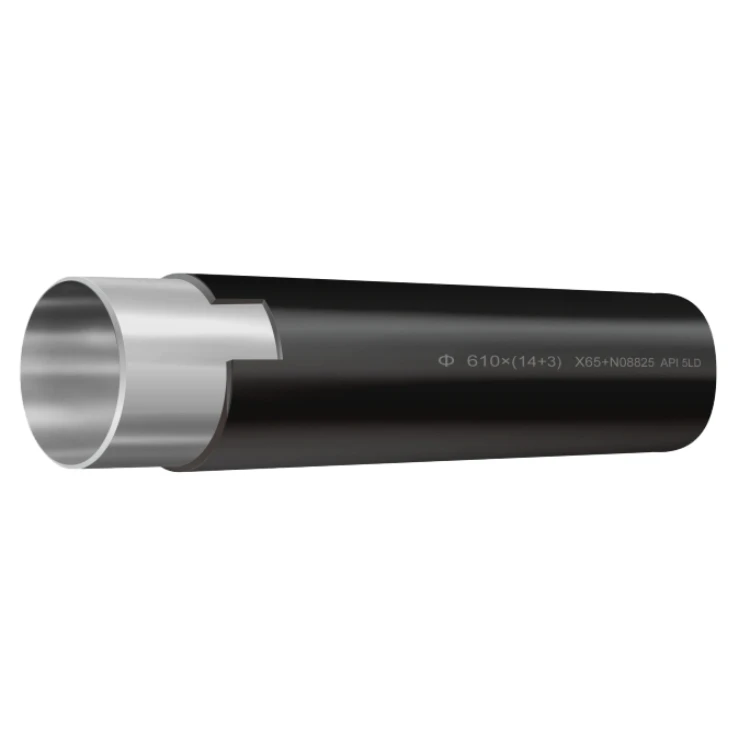
At its core, a flexible metal pipe is a conduit made primarily from metallic materials, designed to bend and flex rather than stay rigid. Imagine layering narrow metallic strips or corrugated steel inside a thin sheath to allow a pipe to curve gently around obstacles or absorb vibrations without cracking.
Industries use them to transport gases, liquids, or even slurries where rigid pipes would be fragile or impractical. It’s this marriage of strength and flexibility that makes the flexible metal pipe a staple in sectors ranging from petrochemical plants to earthquake-prone urban utilities.
Oddly enough, this humble technology supports both massive oil rigs offshore and tiny hospital gas lines — that’s versatility for you.
---
Core Features That Make Flexible Metal Pipes Indispensable
- Durability: Made from corrosion-resistant metals like stainless steel or alloys, these pipes withstand harsh environments — from salty seawater to corrosive chemicals.
- Flexibility: The signature feature: built to bend, twist, and absorb movement without compromising structural integrity. It reduces breaks during ground shifts or vibrations.
- Thermal Resistance: Capable of enduring temperature extremes, they’re perfect for transporting steam or hot gases safely.
- Ease of Installation: Less cutting and welding means faster deployment on-site, saving valuable time and lowering labor costs.
- Customization: Engineers can tailor wall thickness, length, and fittings precisely to project needs — quite important in specialized industrial uses.
- Cost Efficiency: Less maintenance and longer lifespan translate into financial savings beyond upfront purchase price.
Mini takeaway: The blend of strength, resilience, and adaptability is what keeps flexible metal pipes indispensable worldwide.
---
Global Applications & Real-World Case Studies
Flexible metal pipes span continents and industries. In Japan, for example, a country highly susceptible to earthquakes, flexible pipes are mandated in many gas distribution systems to prevent leaks when the ground shakes ([source: Japan Gas Association]). Similarly, the offshore oil rigs in the North Sea use rugged flexible pipe systems to deal with dynamic motion of the platforms and corrosion from seawater.
In humanitarian efforts, flexible metal pipe infrastructure helps restore water lines quickly after disasters. NGOs deploying emergency water supplies often choose flexible metal pipes for their speed of installation combined with durability—vital in situations where every minute counts.
Remote industrial facilities in deserts or tundras use flexible metal piping to connect modular plants, where traditional piping would be vulnerable to terrain or thermal shifts.
---
Product Specification Table: Typical Flexible Metal Pipe Parameters
| Specification |
Details |
| Material |
Stainless Steel 304/316, Inconel, Alloy 825 |
| Diameter Range |
10 mm – 1200 mm |
| Operating Pressure |
Up to 1000 psi (varies by design) |
| Temperature Range |
-196°C to 550°C |
| Bend Radius |
3x Outer Diameter (typical minimum) |
| End Fittings |
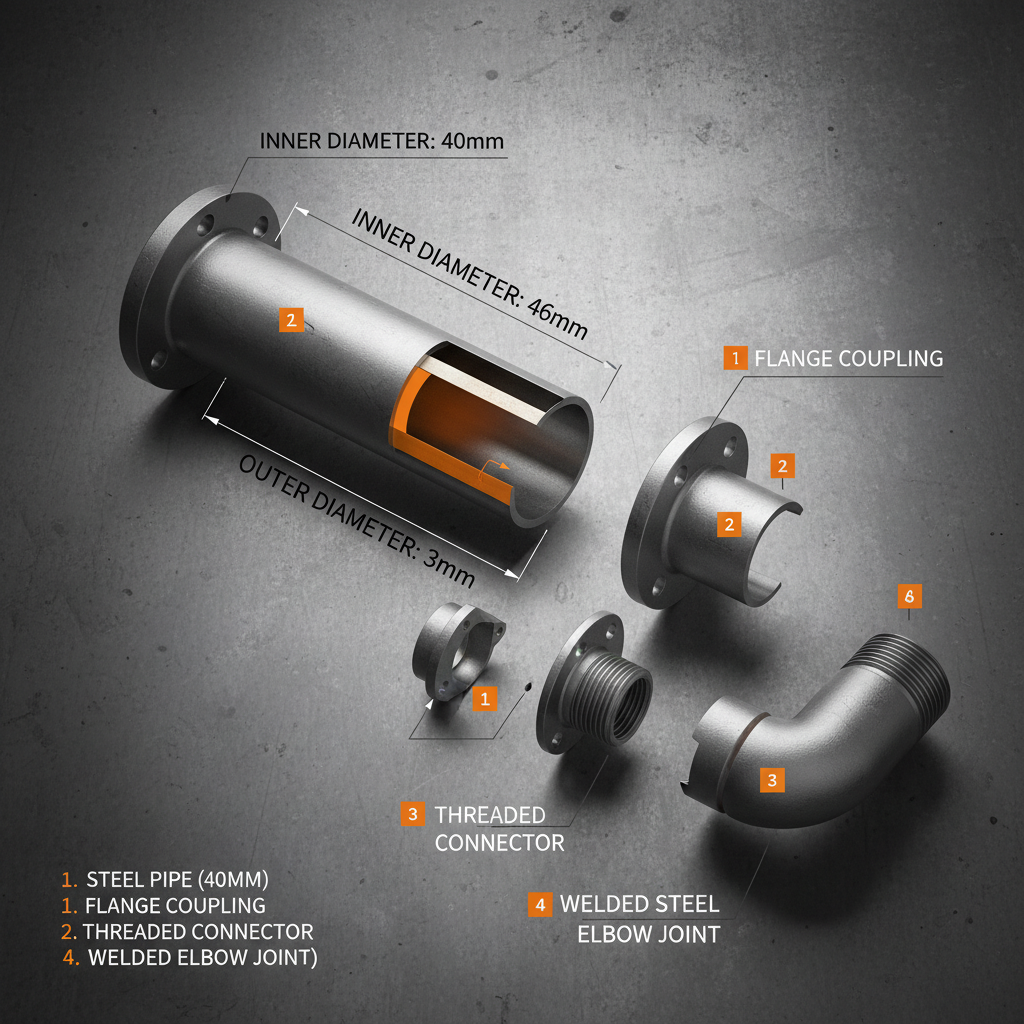
Flanged, Welded, Threaded, Quick-connect |
---
Looking Ahead: Innovations and Sustainability in Flexible Metal Pipes
Technology never sleeps, right? Today’s R&D focuses on integrating smart sensors within flexible metal pipes for real-time monitoring—imagine detecting corrosion or leaks before disaster strikes. Digital twins and IoT collaborations mean operators can predict maintenance needs rather than wait for failures.
Material science is advancing too. Lighter, stronger alloys and innovative coatings are improving sustainability profiles—lowering carbon footprints in production and extending usable life. Since pipelines can stretch hundreds of kilometers, every gram saved counts.
Renewables also lean on flexible piping for geothermal energy plants and hydrogen transport pipelines—both promising and challenging sectors that test pipes’ limits.
---
Vendor Snapshot: Comparing Three Flexible Metal Pipe Suppliers
| Supplier |
Material Range |
Max Diameter |
Special Features |
Typical Markets |
| MetalFlex Ltd. |
SS 304/316, Alloy 625 |
1000 mm |
Inline sensors, corrosion-resistant coatings |
Oil & Gas, Chemical |
| FlexPipe Solutions |
Inconel, SS 316L |
1200 mm |
Modular segments, rapid install fittings |
Renewables, Utilities |
| GlobalPipe Corp. |
SS 304, Alloy 825 |
800 mm |
Custom lengths, thermal insulation options |
Industrial, Disaster Relief |
---
Common Questions About Flexible Metal Pipes
Q1: How do flexible metal pipes handle extreme temperature changes?
Flexible metal pipes are often designed with materials and structures tailored to tolerate wide temperature ranges, from cryogenic lows to high heat. Their corrugated or multi-layered design allows thermal expansion and contraction without compromising seal integrity, which reduces risk of leaks during dynamic conditions.
Q2: Are flexible metal pipes suitable for underground installation?
Absolutely. Their flexibility makes them ideal for underground use where soil movement, settling, or seismic activity requires pipes that bend rather than break. Additionally, they resist corrosion better than some rigid pipes, especially when paired with protective coatings or sleeves.
Q3: What maintenance is typically required for flexible metal piping?
Routine inspections focus on checking for corrosion, signs of fatigue, and end fitting integrity. Advanced systems might incorporate sensors for continuous monitoring, reducing the likelihood of surprise failures and costly downtime. Generally, they require less maintenance than rigid pipelines.
Q4: Can flexible metal pipes be customized for unusual applications?
Yes. Manufacturers often offer bespoke solutions varying diameter, length, wall thickness, and fittings to meet specific project needs. This customization is critical for industries like aerospace or chemical manufacturing where conditions can be highly specialized.
---
Final Thoughts: Flexible Metal Pipes as a Future-Proof Choice
Choosing flexible metal pipes isn’t merely about swapping out rigid steel for something bendy; it’s about investing in infrastructure that can endure, adapt, and innovate alongside evolving industry demands and environmental challenges.
They combine practical advantages—like easier installation and resistance to corrosion—with forward-looking benefits: integration with smart technologies and greener materials. It feels like the sort of technical detail that quietly powers modern life with dignity and safety.
If you’re involved in infrastructure planning or facility management, delving deeper into flexible metal pipe options could save you headaches — literally and financially — down the line.
Want to explore specific models? Visit our website:
flexible metal pipe — honestly, it’s worth the quick look.
---
References & Further Reading
- Pipeline transport - Wikipedia
- ISO 10380: Petroleum and natural gas industries – Corrosion-resistant tubular goods
- UN Sustainable Development Goals: Infrastructure & Industrialization