tel
Email
to top

Corrugated Stainless Steel: Durable & Sustainable Solutions for Global Industries

Nov 29 2025
share:

Understanding Corrugated Stainless Steel: A Modern Industrial Essential

When you hear “corrugated stainless steel,” you might picture those familiar wavy metal sheets used in roofs or maybe industrial piping. But there’s so much more to this material than the eye catches. On a global scale, corrugated stainless steel has quietly become a go-to solution across industries—offering durability, cost-efficiency, and sustainability. Grasping its properties and applications isn’t just an engineer’s hobby; it’s key to smarter construction, better disaster relief, and innovative infrastructure development worldwide.

The Global Context: Why Corrugated Stainless Steel Matters Today

In today’s interconnected world, materials that blend longevity with adaptability are incredibly valuable. According to the International Organization for Standardization (ISO), stainless steel use has increased steadily due to its corrosion resistance and strength. Corrugated stainless steel, with its unique ridged form, often addresses problems like pipeline stress, weather resistance, and rapid shelter deployment. This is especially important considering climate change impacts, the rise in natural disasters, and the pressing need for sustainable infrastructure in developing regions.

For example, the United Nations stats reveal that infrastructure damage from extreme weather costs billions annually. Corrugated stainless steel’s resilience makes it a critical material to reduce vulnerability and repair costs.

Mini takeaway: Corrugated stainless steel is not just another metal product; it’s a strategic resource for sustainable development and disaster resilience worldwide.

What Is Corrugated Stainless Steel? Defining the Basics

Simply put, corrugated stainless steel is stainless steel sheet metal formed with repeating ridges and grooves, which increases its strength and flexibility. Unlike flat stainless steel sheets, the corrugation (the wave-like pattern) helps distribute loads and resist bending forces better.

This shape is prevalent not only in construction panels but also in pipes, ducts, and protective casings. The stainless steel itself—a corrosion-resistant alloy mainly composed of iron, chromium, and varying elements—means products last longer in harsh conditions without rusting or degrading.

In humanitarian contexts, for instance, corrugated stainless steel can be fashioned into quick-assembly shelters or durable water pipelines, helping communities stay safe and operational under challenging conditions.

Key Characteristics That Make Corrugated Stainless Steel a Go-To Material

1. Durability & Corrosion Resistance

One of the biggest draws is how this steel resists rust and degradation. Many engineers swear by it for coastal or wet environments—where even painted steel might flake away after a few years.

2. Scalability & Flexibility

Because of its light weight and modular corrugated design, it can be scaled up or down with relative ease. From small-diameter piping to vast roofing sheets, it adapts.

3. Cost Efficiency Over Time

Initial costs can be higher compared to galvanized steel, but long-term maintenance and replacement costs drop dramatically. In the long run, it saves both pocket and effort.

4. Ease of Installation

The ridges help panels lock together with minimal sealing, so contractors often report faster assembly times—critical for emergency relief or industrial projects on tight timelines.

5. Thermal & Structural Performance

The corrugated shape isn’t just for strength—it also helps with thermal expansion and contraction, reducing cracking and warping.

Mini takeaway: Corrugated stainless steel’s unique combination of physical and chemical traits makes it an engineer’s favorite for flexible and dependable solutions.

Real-World Use Cases: Where Corrugated Stainless Steel Shines

  • Disaster Relief Housing: After devastating hurricanes or earthquakes, NGOs use corrugated stainless steel panels for quick-to-assemble shelters that last longer than traditional tarps.
  • Pipeline Infrastructure: In remote industrial zones—especially in oil and gas—these pipes withstand extreme temperatures and pressures better than alternatives.
  • Marine and Coastal Constructions: Ports, seawalls, and docks use corrugated stainless steel to prevent corrosion and reduce maintenance time.
  • Agriculture & Farming: Corrugated steel sheds and silos resist weather impacts, protecting crops and livestock effectively.

It’s interesting how often these advantages turn up in humanitarian contexts—there’s something poetic about a resilient metal helping communities rebuild with dignity.

Product Specifications at a Glance

Specification Typical Values Notes
Material Grade 304 / 316 Stainless Steel 316 preferred for marine environments
Corrugation Pitch 20 – 40 mm Adjustable by manufacturer
Sheet Thickness 0.5 – 1.5 mm Thicker sheets used for structural strength
Weight 4 – 12 kg/m² Depends on thickness and grade
Max Length Up to 12 meters Custom cutting available

Vendor Comparison: Choosing the Right Corrugated Stainless Steel Supplier

Vendor Price Range (USD/m²) Grade Options Lead Time Special Services
Lion Pipeline 35 - 50 304, 316 2-4 weeks Custom corrugation & cutting, global shipping
MetalForm Co. 30 - 48 304 only 3-5 weeks Bulk order discount
SteelPro Supplies 40 - 55 316 only 1-2 weeks Rapid delivery, quality certificates

The Advantages and Long-Term Value of Corrugated Stainless Steel

From a logical standpoint, choosing corrugated stainless steel boils down to balancing upfront cost with lifetime value. Sure, it might feel like a steep initial purchase—but over a decade? The savings in maintenance and replacements add up big time.

There’s also a sustainability angle: Stainless steel is 100% recyclable, and corrugated designs optimize material use without sacrificing strength. For companies aiming at reducing their carbon footprint, this is heartening news.

And beyond the numbers—it just feels reassuring to know that your infrastructure can weather storms, literal and figurative. Whether it’s a coastal community bracing for hurricanes or a mining operation in a harsh climate, this material inspires trust.

Looking Forward: Innovations and Trends Shaping Corrugated Stainless Steel

Emerging trends hint at even more fascinating futures. Researchers are experimenting with nano-coatings to further improve corrosion resistance and incorporating smart sensors into steel panels for real-time structural health monitoring.

Also, with the green energy revolution, stainless steel is playing a growing role in wind turbines, solar panel supports, and hydrogen infrastructure—all of which benefit from corrugated steel’s adaptability and durability.

Automation in manufacturing means custom corrugation patterns can be produced faster and cheaper, opening doors for creative architectural uses and modular building concepts.

Challenges and How Experts Are Tackling Them

Admittedly, corrugated stainless steel isn’t perfect. The upfront cost and specialized fabrication needs might put off smaller buyers. Sometimes installation errors—like poor sealing—can reduce lifespan, oddly enough.

Experts suggest investing in training for installers and partnering with vendors offering turnkey solutions. Advances in sealants and joint design also help overcome leak problems. Plus, modular design principles simplify assembly.

FAQ: Common Questions About Corrugated Stainless Steel

What makes corrugated stainless steel better for pipelines than flat steel?
The corrugation increases structural strength and flexibility, allowing pipes to better withstand internal pressure and external forces, reducing the risk of buckling or damage.
Is corrugated stainless steel eco-friendly?
Yes, stainless steel is recyclable and highly durable, which means less waste and fewer replacements over time, helping reduce environmental impact.
How long does corrugated stainless steel typically last in outdoor conditions?
With proper installation and maintenance, it can last 30–50 years, especially grades like 316 that are marine-grade and corrosion resistant.
Can NGOs easily import corrugated stainless steel for disaster relief?
Many suppliers, such as corrugated stainless steel manufacturers, offer international shipping and custom sizing to meet urgent humanitarian needs.
Are there customization options available for specific projects?
Absolutely. Vendors often provide custom corrugation shapes, sizes, and thicknesses tailored to project demands.

Conclusion: Why Corrugated Stainless Steel Deserves a Spot in Your Next Project

In the end, corrugated stainless steel is more than just an industrial commodity—it’s a versatile, resilient solution with real-world benefits that matter for decades. Whether you’re building infrastructure in unpredictable environments or innovating for green energy futures, it delivers reliability and value that few other materials match.

Curious to explore what corrugated stainless steel can do for your next project? Visit our website: https://www.lion-pipeline.com and discover the possibilities.
  • Laser Clad  Pipe

    Laser Clad Pipe

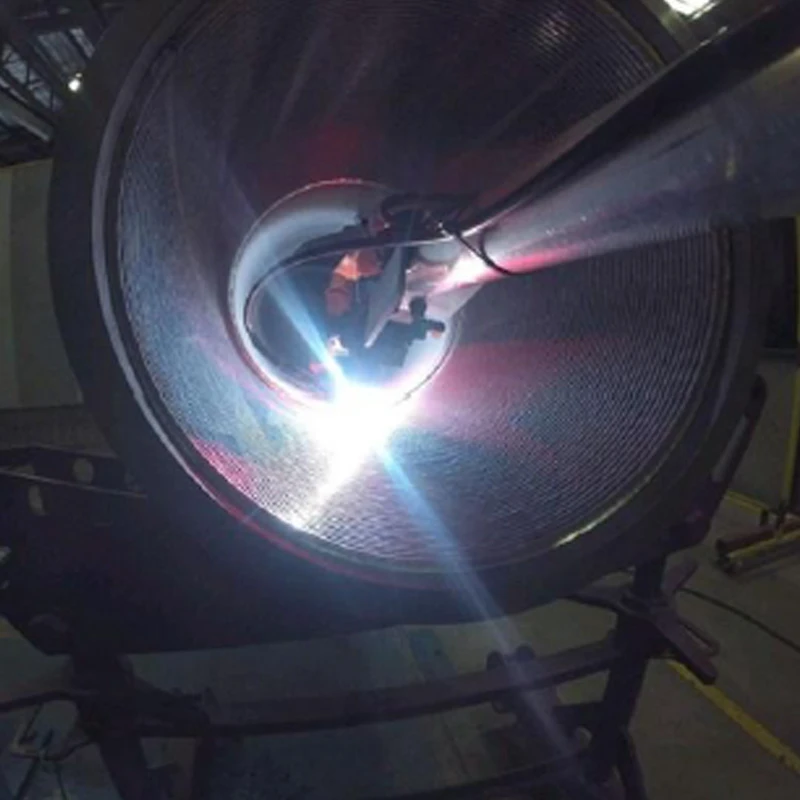
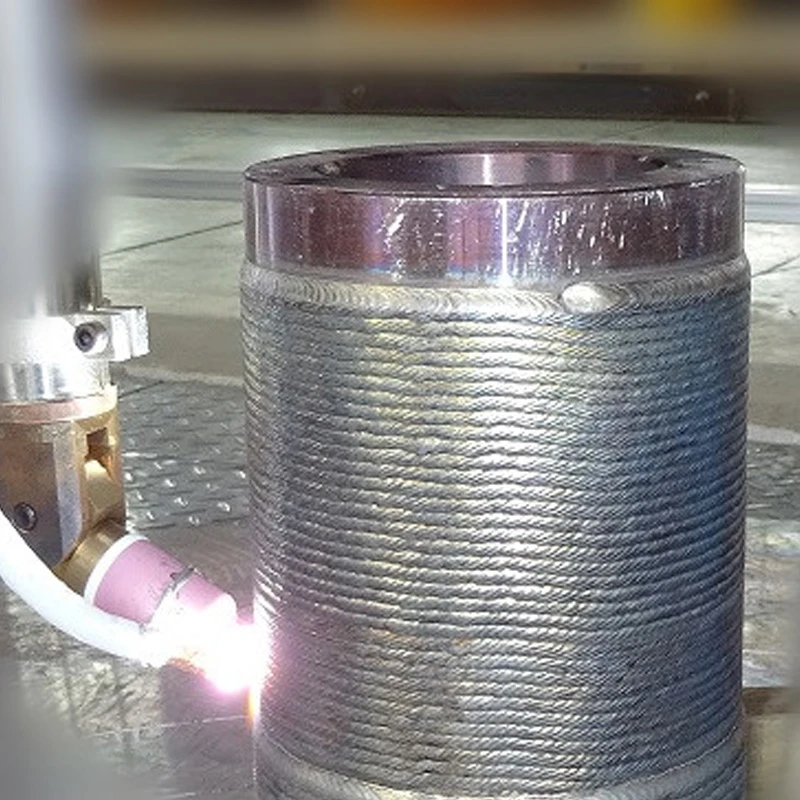
    Laser clad steel pipes are manufactured using laser cladding technology. This technology involves adding cladding material to the surface of ordinary steel pipe base material, using high-energy-density laser beams to fuse the cladding material with the steel pipe surface, forming a metallurgically bonded cladding layer. These pipes are generally used in compressed air energy storage projects as underground deep well transportation pipes or casings, as well as in oil, natural gas, and geothermal well extraction.
    VIEW ALL
  • Tee Pipe

    Tee Pipe

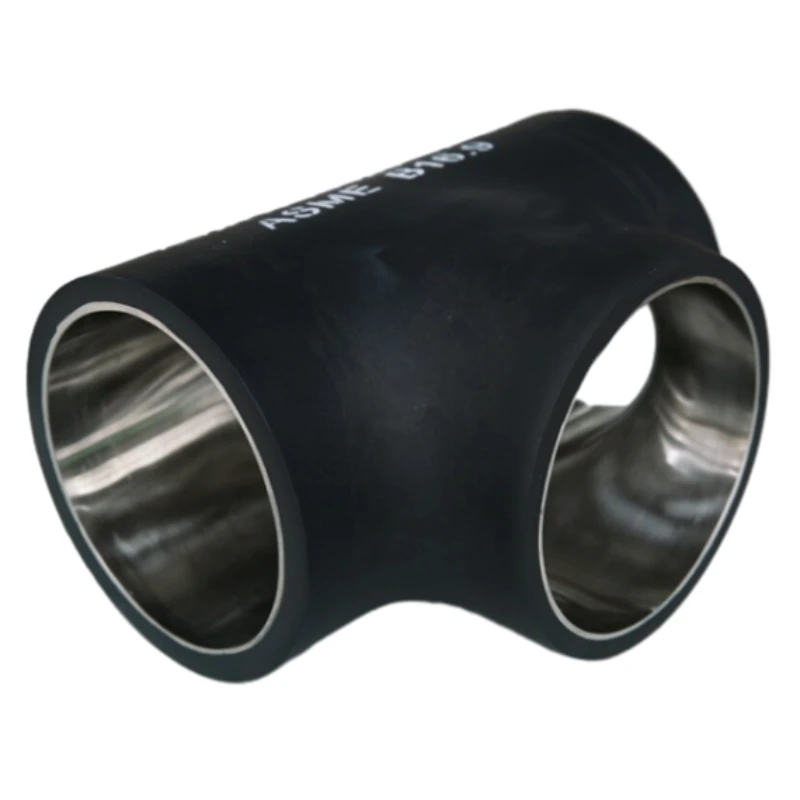
    Tee products are essential pipe fittings used to connect three sections of piping, forming a "T" shape. Available in various materials like carbon steel, stainless steel, and alloy steel, they are designed for use in systems requiring the diversion or junction of fluid flow.
    VIEW ALL
  • Overlay Welding Clad Steel Pipe

    Overlay Welding Clad Steel Pipe

    Overlay Welding clad Steel Pipe features a high-performance welded overlay that enhances the pipe’s surface properties, providing superior resistance to corrosion, erosion, and wear. This process involves applying a wear-resistant alloy layer over a strong steel base, making it ideal for industries such as oil and gas, mining, and chemical processing, where pipes are exposed to harsh conditions. The overlay ensures extended service life, reduced maintenance costs, and reliable performance even in extreme environments. With its combination of strength, durability, and corrosion resistance, the Overlay Welding Steel Pipe is a trusted solution for critical applications.
    VIEW ALL
To create value for customers!
Cangzhou Leo Technology Co., Ltd. is located in Mengcun County Economic Development Zone, Cangzhou City, Hebei Province. It is a specialized high-tech enterprise that integrates the research and development, production, and sales of composite pipes and fittings.
News
The company regards product quality as the life of the enterprise, establishes a sound quality management system in accordance with the requirements of industry and national standards, controls all aspects of input and output in the whole process, pays attention to every detail, and ensures that the product delivery pass rate is 100%.
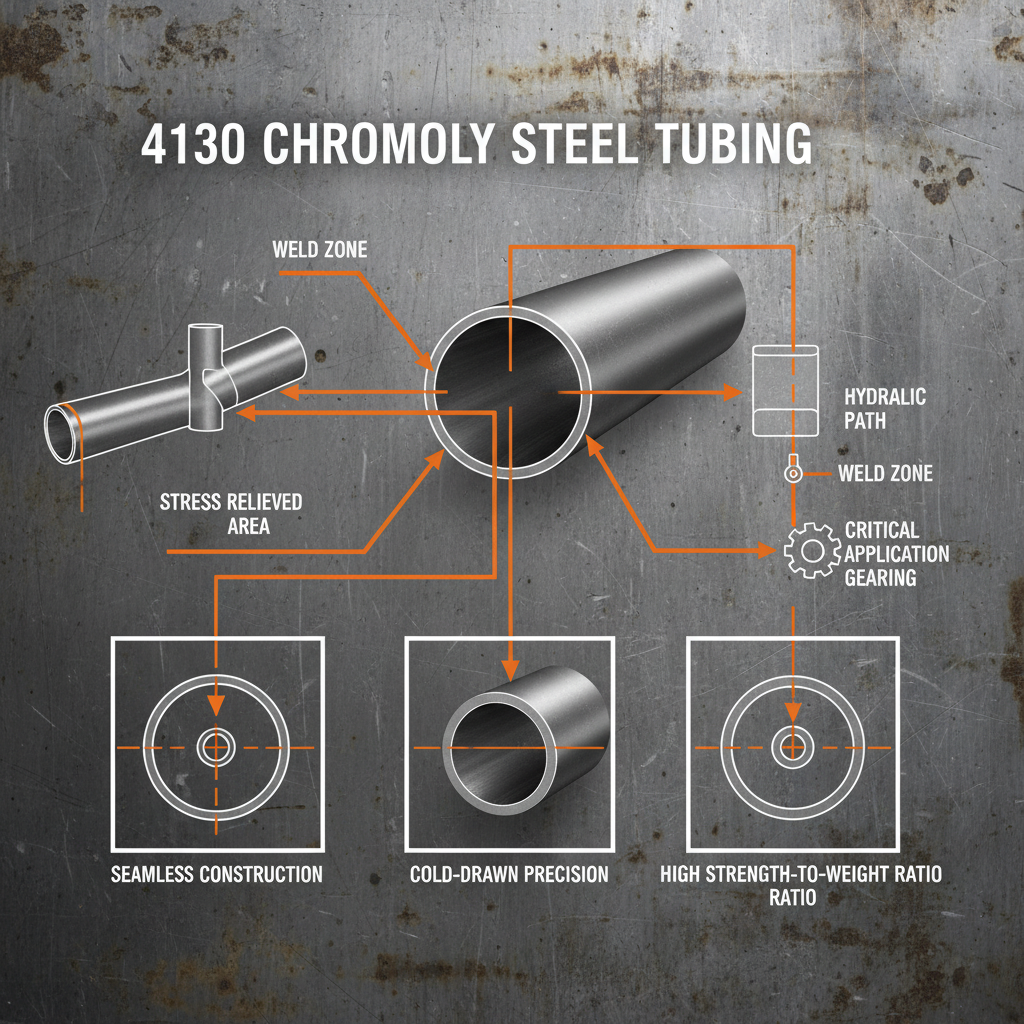
Ultimate Guide to 4130 Tubing Strength Performance and Applications
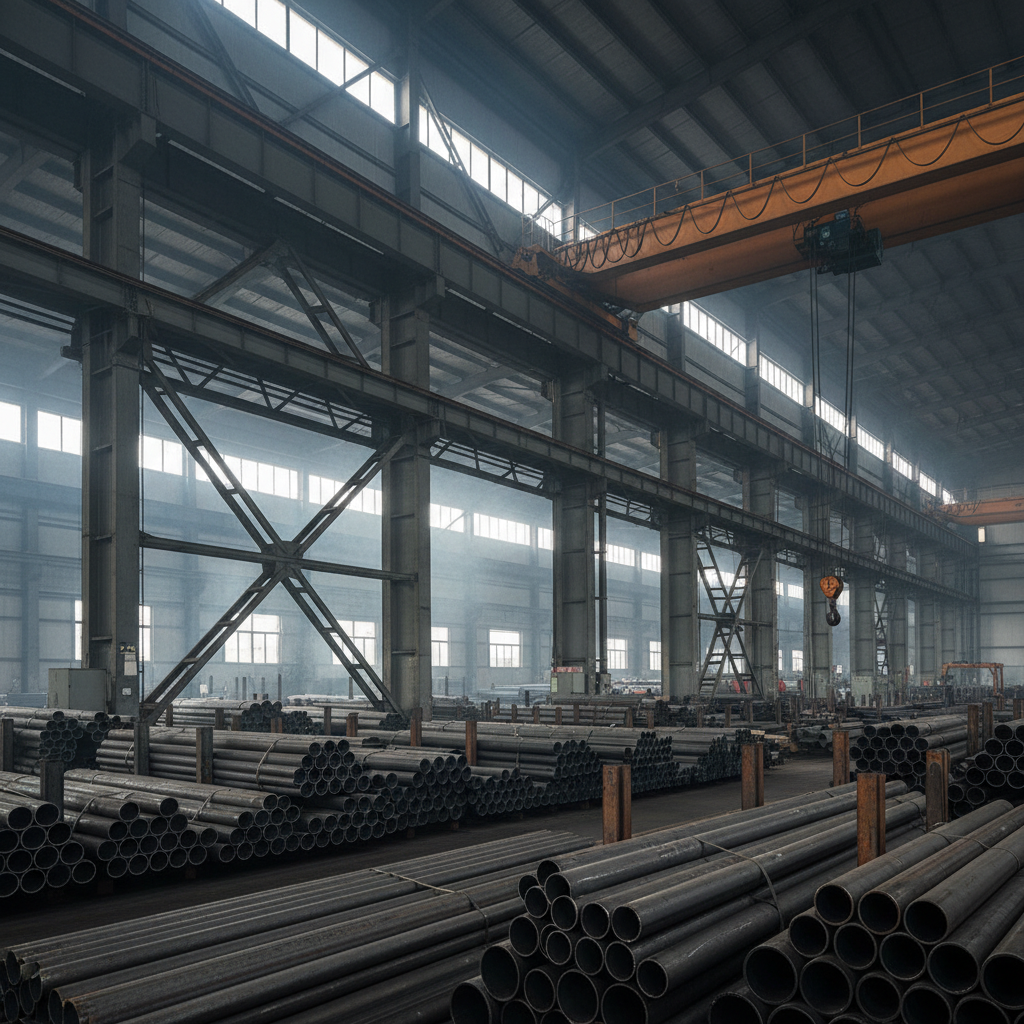
Ultimate Guide to 4130 Tubing Strength Performance and Applications

In the world of high-performance engineering, material selection is the foundation of safety and efficiency. 4130 tubing is widely regarded as the gold standard for applications requiring an exceptional strength-to-weight ratio. This chrome-molybdenum alloy steel is engineered to withstand extreme stress while remaining lightweight enough for aerospace and automotive use. Whether you are designing a roll cage, a bicycle frame, or a critical industrial component, understanding the nuances of this material is essential. In this comprehensive guide, we will explore why this specific alloy is preferred by engineers worldwide and how to choose the right specifications for your project.
Properties and Industrial Applications of 4130 steel tubing
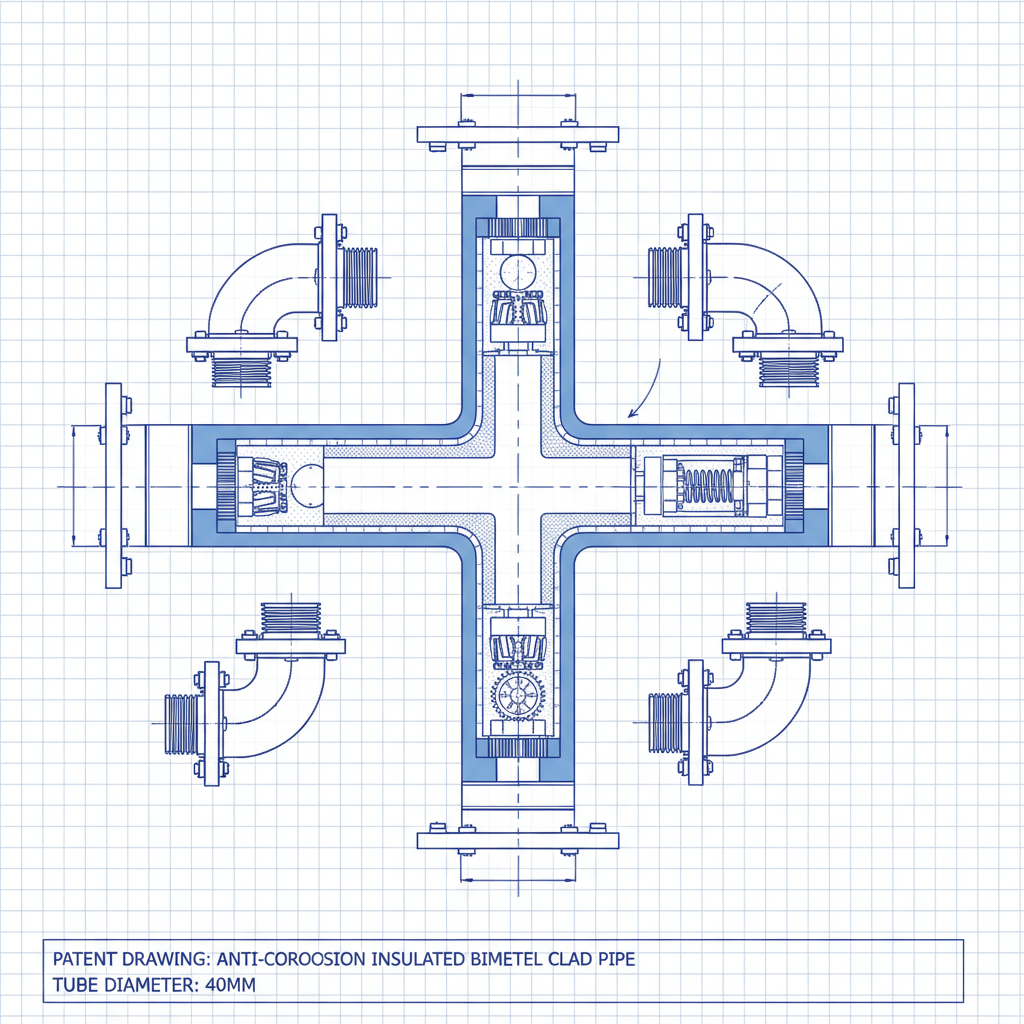
Properties and Industrial Applications of 4130 steel tubing

In the world of high-performance engineering, material selection is the foundation of safety and efficiency. 4130 steel tubing is widely recognized as the gold standard for applications requiring an exceptional strength-to-weight ratio. Known for its versatility and reliability, this chromium-molybdenum alloy is the preferred choice for everything from aircraft frames to professional roll cages. Understanding the nuances of this material allows engineers to optimize structural integrity without adding unnecessary bulk. In this comprehensive guide, we will explore why this specific alloy remains a top choice for critical industrial and aerospace components.
Comprehensive Guide to 40mm Steel Tube Applications and Material Selection
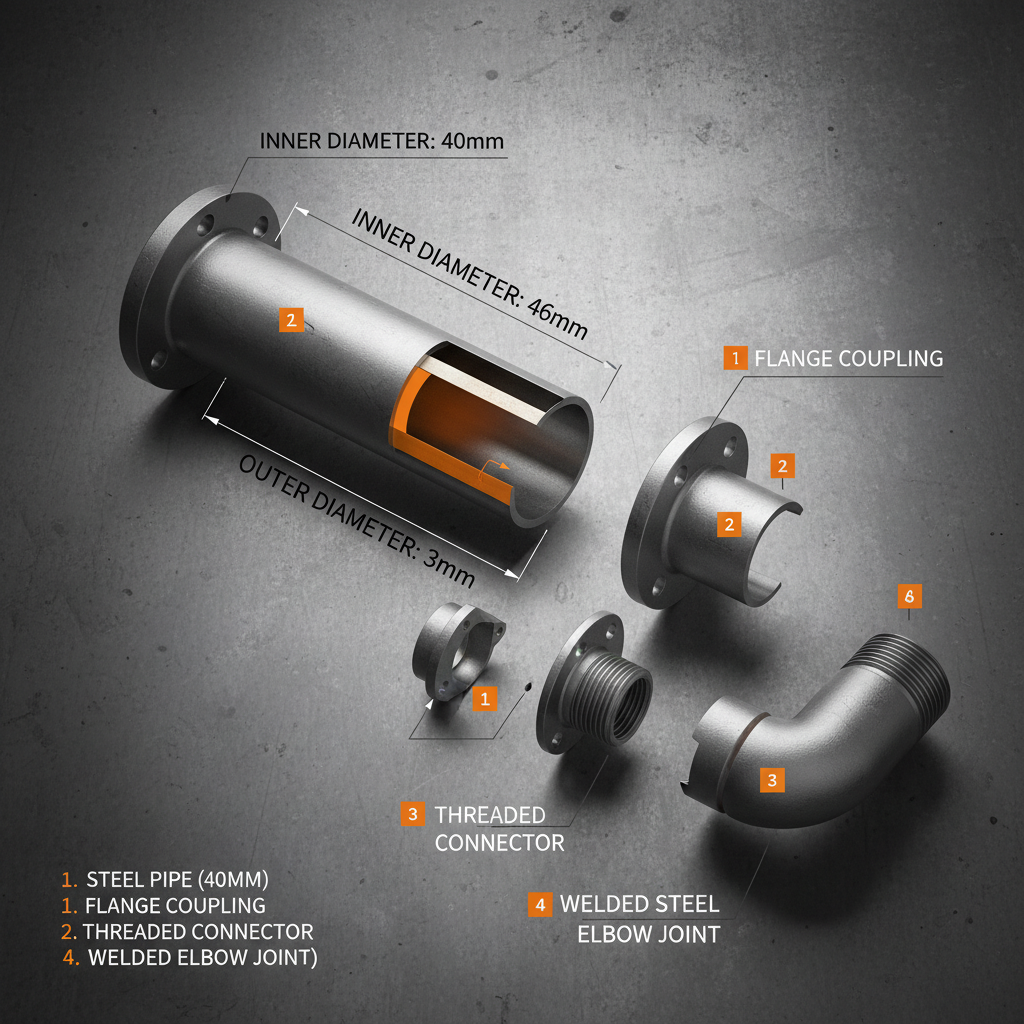
Comprehensive Guide to 40mm Steel Tube Applications and Material Selection

40mm steel tube is a versatile and widely used material in various industries, from construction and manufacturing to automotive and beyond. Its strength, durability, and cost-effectiveness make it an ideal choice for numerous applications. This article will delve into the characteristics, applications, benefits, and considerations when working with 40mm steel tube, providing a comprehensive overview for professionals and anyone interested in this essential material.
Comprehensive Guide to 40mm Steel Pipe Applications and Considerations
Comprehensive Guide to 40mm Steel Pipe Applications and Considerations

40mm steel pipe is a widely used material in various industries due to its strength, durability, and cost-effectiveness. From construction and infrastructure projects to industrial applications and fluid transportation, this pipe size offers a versatile solution. This article will delve into the properties, applications, standards, and key considerations when selecting 40mm steel pipe, helping you make informed decisions for your specific needs.
Comprehensive Guide to 40mm Metal Pipe Applications and Sourcing
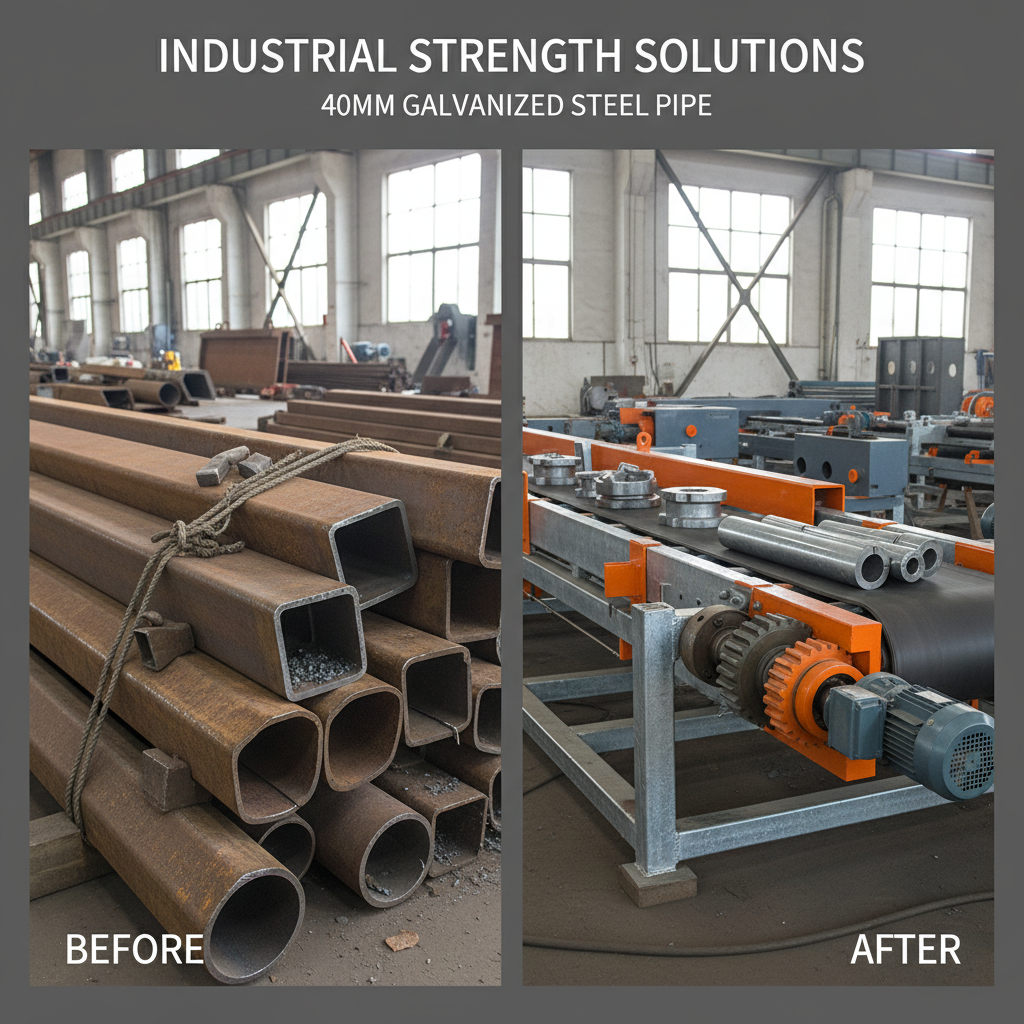
Comprehensive Guide to 40mm Metal Pipe Applications and Sourcing

40mm metal pipe is a crucial component in a wide array of industries, from construction and plumbing to industrial manufacturing and fluid transport. Its strength, durability, and versatility make it a preferred material for countless applications. This article will delve into the specifics of 40mm metal pipe, exploring its various types, common uses, benefits, and where to source high-quality piping solutions.
Comprehensive Guide to 40mm Galvanised Pipe Applications and Specifications

Comprehensive Guide to 40mm Galvanised Pipe Applications and Specifications

When planning a plumbing, structural, or industrial project, selecting the right piping material is crucial. 40mm galvanised pipe is a widely used option known for its strength, durability, and corrosion resistance. This article provides a detailed overview of 40mm galvanised pipes, exploring their applications, benefits, specifications, and considerations for optimal usage. We'll cover everything from what galvanisation is to how to choose the right pipe for your specific needs.
tel email tel top

If you are interested in our products, you can choose to leave your information here, and we will be in touch with you shortly.