Flanges are crucial components in various piping and connection systems, playing a vital role in ensuring secure and efficient fluid transfer, structural integrity, and ease of maintenance across industries. Different types of flanges serve specific purposes, and understanding their characteristics is essential for optimizing system performance. This exploration delves into several key flange varieties, including those related to offset toilet flange for cast iron pipe, orifice flange, outlet flange, output flange, and oval flange, highlighting their unique features and applications.
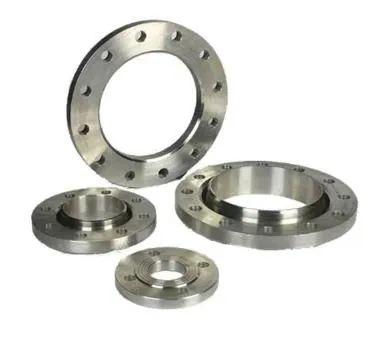
In plumbing systems, especially those involving cast iron pipes, the offset toilet flange for cast iron pipe offers a specialized solution. When dealing with misaligned or off - centered toilet connections on cast iron pipe setups, this type of flange becomes invaluable. It allows for the adjustment of the toilet's position relative to the pipe, ensuring a proper seal and preventing leaks. The offset toilet flange for cast iron pipe typically features a durable construction that can withstand the weight of the toilet and the constant movement associated with its use. Its design often includes multiple attachment points to firmly secure it to the cast iron pipe, providing stability and reliability in a bathroom setting. This flange is a key component in ensuring that plumbing systems function smoothly and that toilet installations are both efficient and leak - free.
Orifice flanges are widely used in industrial fluid - handling systems where precise measurement of fluid flow rates is necessary. These flanges incorporate an orifice plate, a thin plate with a precisely sized hole in the center, which creates a pressure drop as the fluid passes through. By measuring this pressure difference, engineers can accurately calculate the flow rate of the fluid. Orifice flanges are designed to hold the orifice plate securely in place within the pipeline, ensuring that the measurement remains consistent and accurate. They are constructed from materials such as stainless steel or carbon steel, depending on the application and the nature of the fluid being measured. In industries like oil and gas, chemical processing, and water treatment, orifice flanges play a crucial role in monitoring and controlling fluid flow, enabling efficient operation and process optimization.
Outlet flanges are essential components in systems where the discharge of fluids or gases from a container, tank, or pipeline is required. These flanges serve as the connection point for the outlet, allowing for the controlled release of substances. They are designed to withstand the pressure and flow characteristics of the fluid being discharged, ensuring a secure and leak - free connection. Outlet flanges can be found in a variety of applications, from industrial storage tanks to household plumbing fixtures. In industrial settings, they are often used to connect pipelines to equipment such as pumps, valves, and filters, facilitating the transfer of materials within the production process. Their design and size can vary depending on the specific requirements of the system, including the flow rate, pressure, and type of fluid involved.
Similar to outlet flanges, output flanges are integral to systems that require the transfer of materials from one point to another as an output. In machinery and equipment, output flanges are used to connect components such as motors to gears, shafts, or other parts, enabling the transmission of power. They are engineered to handle the torque and rotational forces associated with mechanical systems, providing a stable and reliable connection. In fluid - based systems, output flanges function as the interface for the delivery of fluids to downstream processes or storage areas. Their construction and material selection are carefully considered to ensure compatibility with the substances being transferred and the operating conditions of the system. Whether in industrial manufacturing or mechanical engineering, output flanges are essential for the proper functioning and efficiency of various systems.
Oval flanges stand out due to their distinct shape, which offers certain advantages in specific applications. The oval geometry of these flanges can be beneficial in situations where space constraints are a factor, as they can often fit into areas where circular flanges may not be practical. Oval flanges are commonly used in architectural and decorative applications, such as in the construction of ornamental railings or decorative piping systems, where their unique shape adds an aesthetic appeal. Additionally, in some industrial settings, oval flanges can be used to connect non - circular or irregularly shaped pipes or components, providing a customized solution for complex piping arrangements. Their design typically includes appropriate bolt - hole patterns and sealing surfaces to ensure a secure connection, while still maintaining the integrity of the overall system.
Choosing the appropriate flange, whether it's an offset toilet flange for cast iron pipe, orifice flange, outlet flange, output flange, or oval flange, depends on several factors. First, consider the nature of the fluid or material being transferred, including its temperature, pressure, and chemical composition. This will determine the suitable material for the flange. For example, corrosive fluids may require stainless - steel flanges. Second, assess the connection requirements, such as the size and shape of the pipes or components being joined. The flange's dimensions and bolt - hole pattern must match the mating parts. Additionally, consider the application's specific needs, like the need for flow measurement in the case of orifice flanges or space - saving in the case of oval flanges.
Maintenance of flanges varies depending on the type and application. For offset toilet flanges for cast iron pipe, regular inspection for leaks and signs of wear is important. Seals may need to be replaced periodically to maintain a watertight connection. Orifice flanges require occasional cleaning of the orifice plate to prevent debris from affecting flow - measurement accuracy. Outlet and output flanges should be checked for loose bolts and signs of corrosion, especially in harsh environments. Oval flanges, especially those in decorative applications, may need cleaning and protection from environmental elements to maintain their appearance and functionality. In all cases, following manufacturer guidelines for maintenance is crucial.
In general, flange types are not interchangeable without careful consideration. Each type, such as offset toilet flanges for cast iron pipe, orifice flanges, outlet flanges, output flanges, and oval flanges, is designed for specific purposes and operating conditions. For example, an orifice flange used for flow measurement cannot be simply replaced with an outlet flange without disrupting the measurement system. However, in some cases where the basic requirements of pressure, size, and connection type match, and the application allows, with proper engineering evaluation, certain flanges might be substituted, but this should only be done under professional guidance.
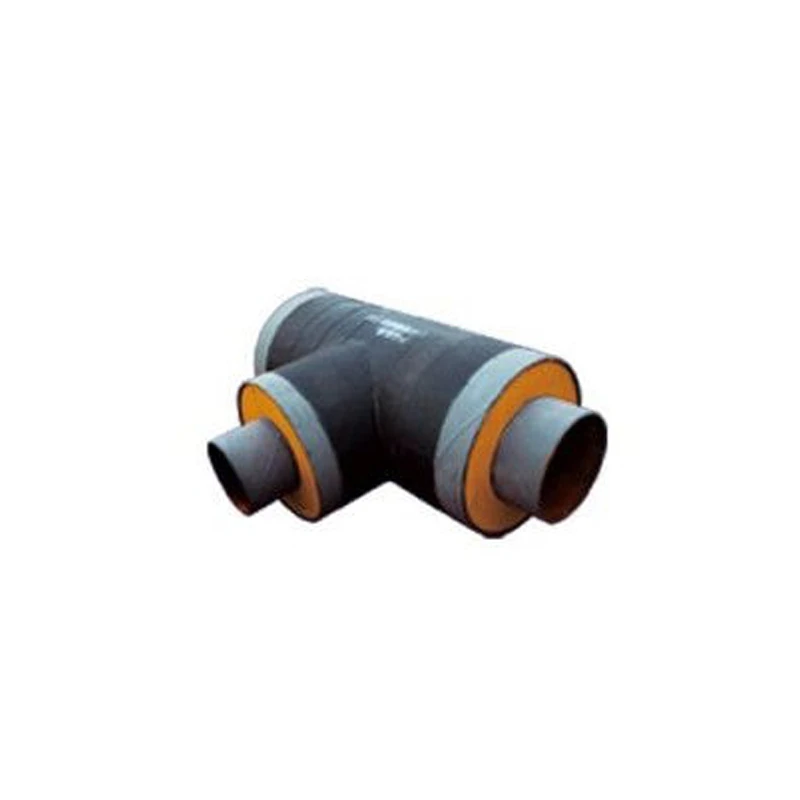
Anti Corrosion And Thermal Insulation Products
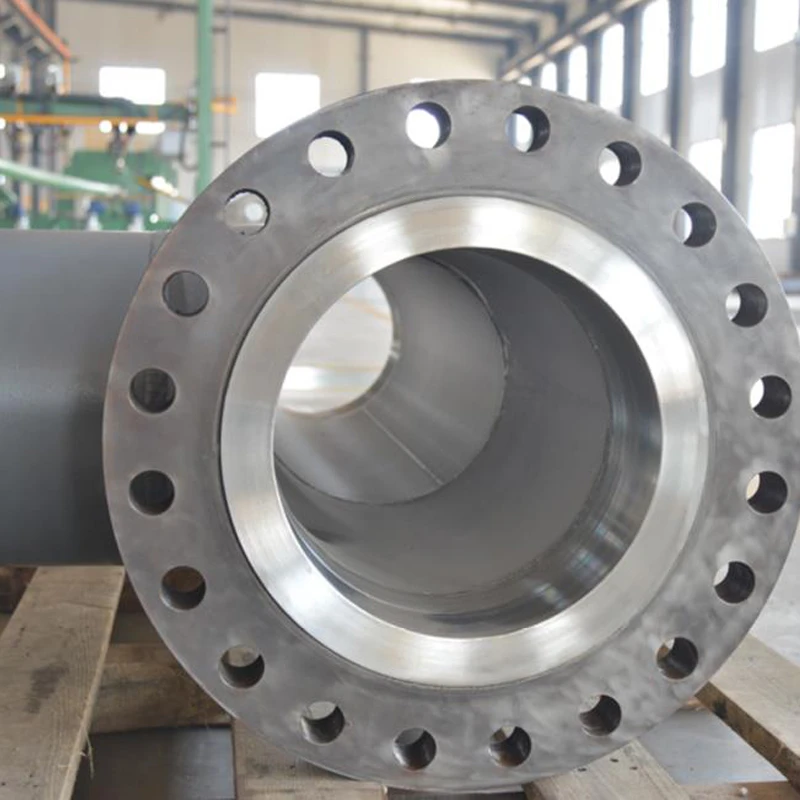
Factory Prefabricated Products
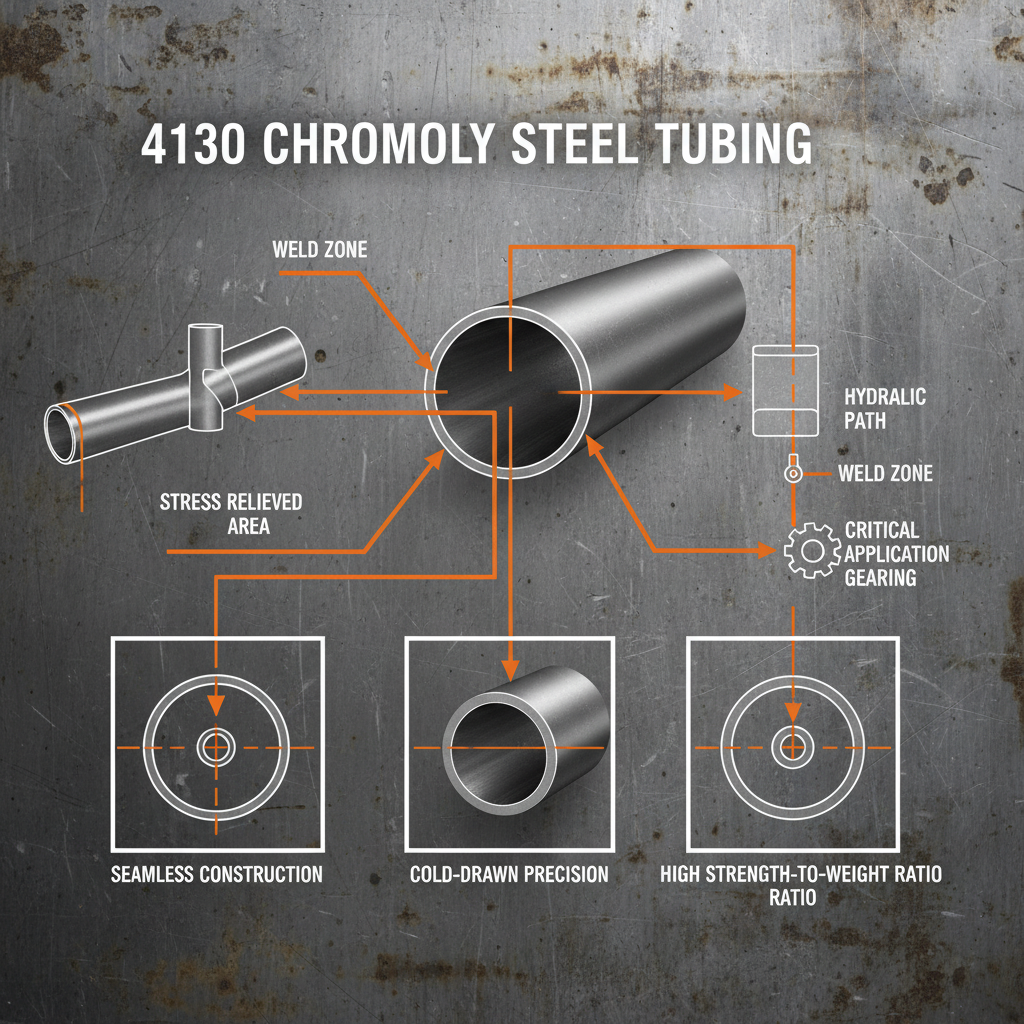
Ultimate Guide to 4130 Tubing Strength Performance and Applications
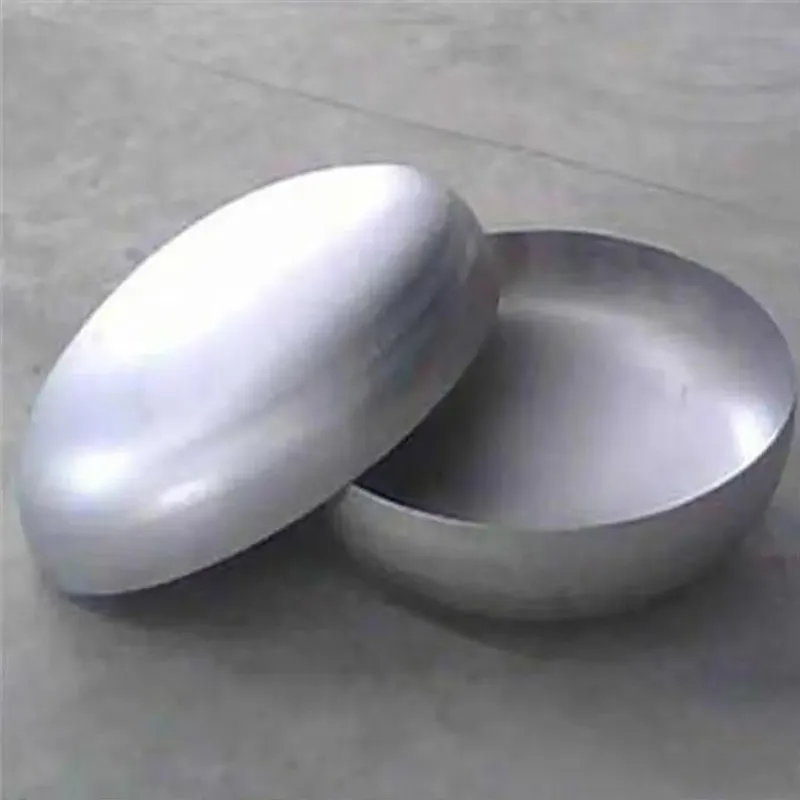
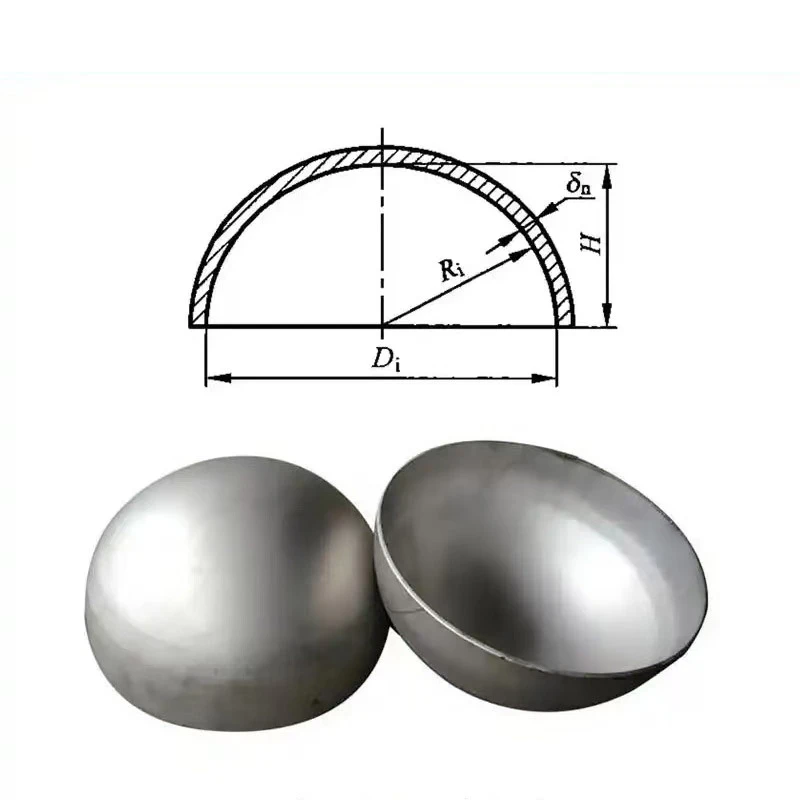
Pipe Cap-Cangzhou Lion Technology Co., Ltd.|Enhancing System Efficiency&Durability
Pipe Cap-Cangzhou Lion Technology Co., Ltd.|Enhancing System Efficiency&Durability
Pipe Cap-Cangzhou Lion Technology Co., Ltd.|Enhancing System Efficiency&Durability
Pipe Cap-Cangzhou Lion Technology Co., Ltd.|Enhancing System Efficiency&Durability
Pipe Cap-Cangzhou Lion Technology Co., Ltd.|Enhancing System Efficiency&Durability