The carbon steel reducer is an indispensable pipe fitting within heavy industries, optimizing flow transition between varied pipe diameters. This authoritative guide delves into reducer types, parameters, price formation, manufacturing technologies, global standards, use cases, and manufacturer comparison.
Global demand for carbon steel reducer is escalating due to urbanization, energy infrastructure upgrades, and strict environmental requirements driving pipeline design efficiency. The global pipe fittings market exceeded USD 18 billion in 2023 (source), with reducers accounting for approx. 16.3% share.
Key Growth Sectors: Oil & gas (refineries, pipelines), water treatment (municipality projects), chemical, metallurgy, HVAC, electric power.
Trend 1: Adoption of advanced manufacturing (CNC, robotic welding) for tighter tolerances and enhanced anti-corrosion.
Trend 2: Integration of digital quality inspection (ultrasonic, 3D scanning, hydrostatic).
Trend 3: Custom reducer designs for niche applications: cryogenic, high-pressure, or sour service.
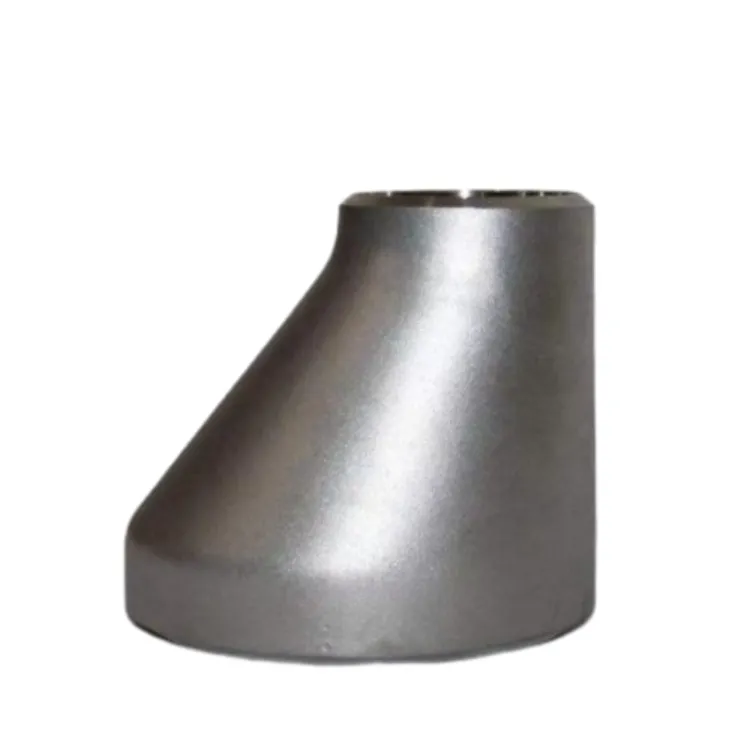
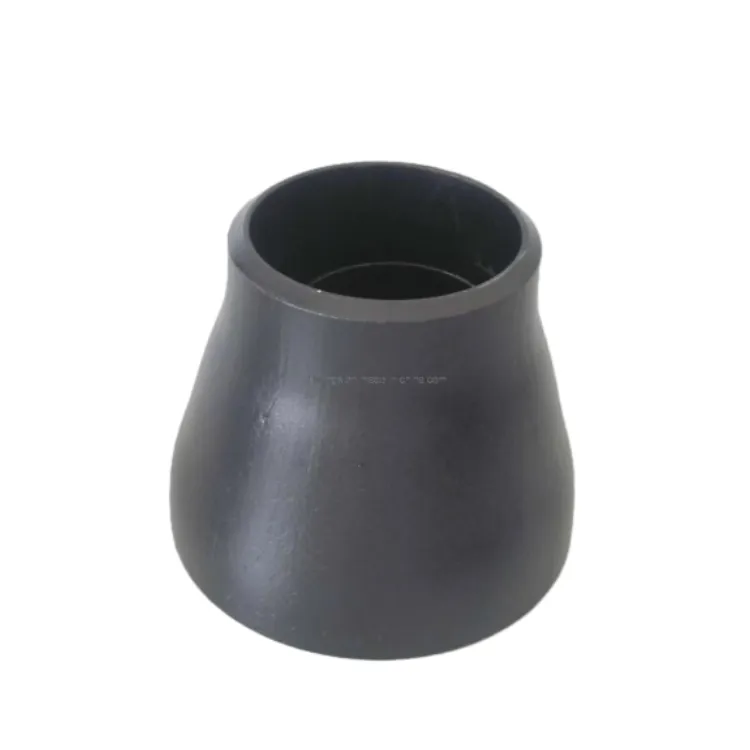
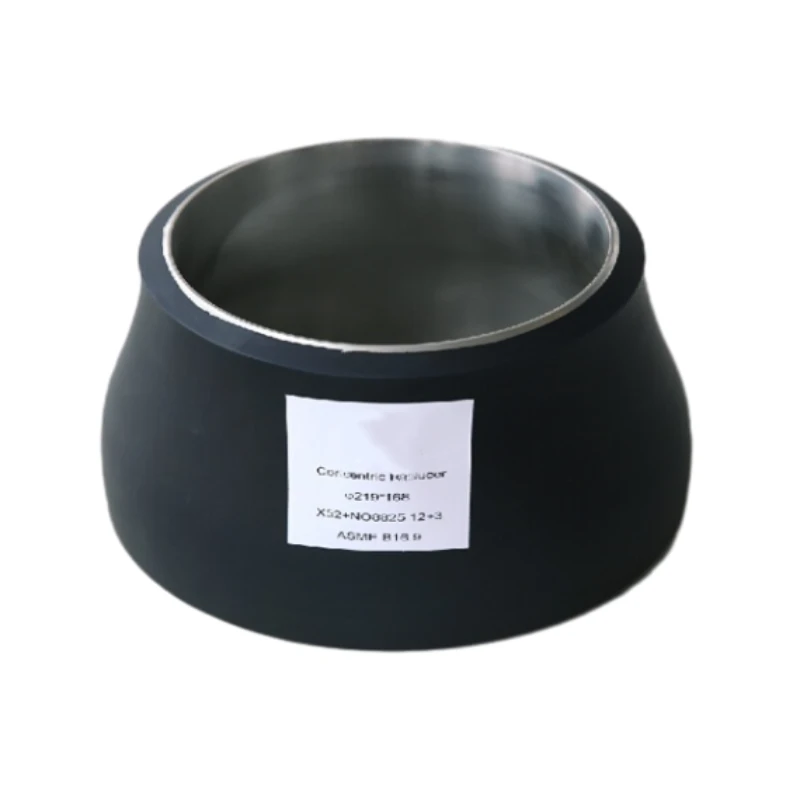
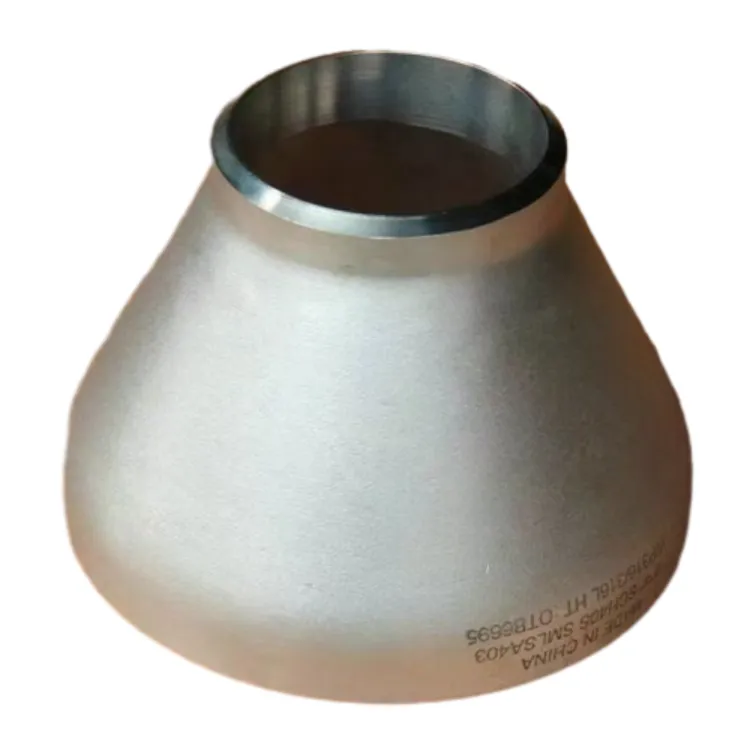
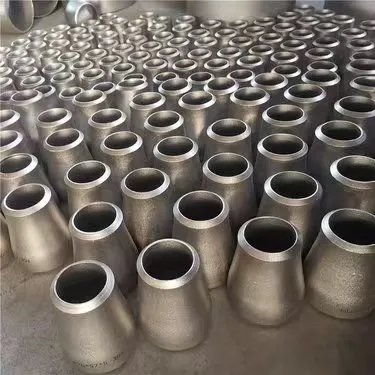
Figure 2: Assortment of reducer types catering to multilayer piping systems
2. Reducer Types Explained: Concentric vs Eccentric
Reducer Type
Shape
Typical Application
Advantages
Concentric Reducer
Cone-shaped; centerlines aligned
Vertical pipelines, slurry, vapor
Balances flow, prevents turbulence
Eccentric Reducer
Outlet offset from centerline
Horizontal pipes, pump suction
Eliminates air pockets, minimizes cavitation
Reducer types are selected based on fluid properties and the pipeline installation to maximize operational safety and efficiency.
3. Carbon Steel Reducer Manufacturing Process Flow
Figure 3: Flowchart—manufacturing stages for carbon steel reducer
Typical Carbon Steel Reducer Manufacturing Flow:
Raw Material Inspection: Certified carbon steel billets & plates (per ASTM A234, ASTM A105 standards).
Cutting & Forming: Hot forming or cold pressing using hydraulic dies.
Heat Treatment: Normalizing/annealing to optimize grain structure, enhance corrosion resistance.
CNC Machining: Precision finishing of bevels & ID/OD (tolerances as tight as ±0.05mm), surface conditioning.
Non-destructive Testing (NDT): Visual, ultrasonic, hydrostatic—complying with ISO 14692, ASTM, or ANSI standards.
Final Inspection: Dimension check, surface, hardness, marking (traceability).
Manufacturing flowchart for carbon steel reducer: from ISO-certified raw steel to final inspection and shipment
4. Technical Specifications of Carbon Steel Reducer
Professional reducer manufacturers such as Lion Pipeline
offer extensive sizing and compliance per international standards. Below is a summary of key parameters:
Parameter
Standard Value / Range
Explanation
Material Grade
ASTM A234 WPB, A420 WPL6, A860 WPHY52/60/70
Different grades for temp., pressure, and corrosion environments
Size Range
DN15–DN2000 (1/2” to 80”)
Custom sizing on request
Wall Thickness
SCH 10 to SCH 160/XH/XXH
Pipe schedules per ASME B36.10/36.19
Pressure Rating
PN10–PN420 / Class 150#–2500#
High-pressure options for critical piping
Surface Treatment
Black painting, anti-rust oil, hot-dip galvanizing
Superior Tensile Strength: 415–585 MPa (ASTM A234 WPB)—withstands pulsation & shock, ideal for high-pressure systems.
Corrosion Resistance: Options for hot-dipped galvanized/coated versions for aggressive/corrosive media.
Wide Temperature Range: Unmatched durability from -46°C up to 450°C with proper heat treatment.
Machinability: Integrates advanced CNC machining for seamless butt-weld and tight tolerance fittings.
Certifiable Quality: Third-party tests: Hydrostatic, Radiographic, UT, Magnetic Particle—all as per ISO/EN/ANSI/AWWA codes.
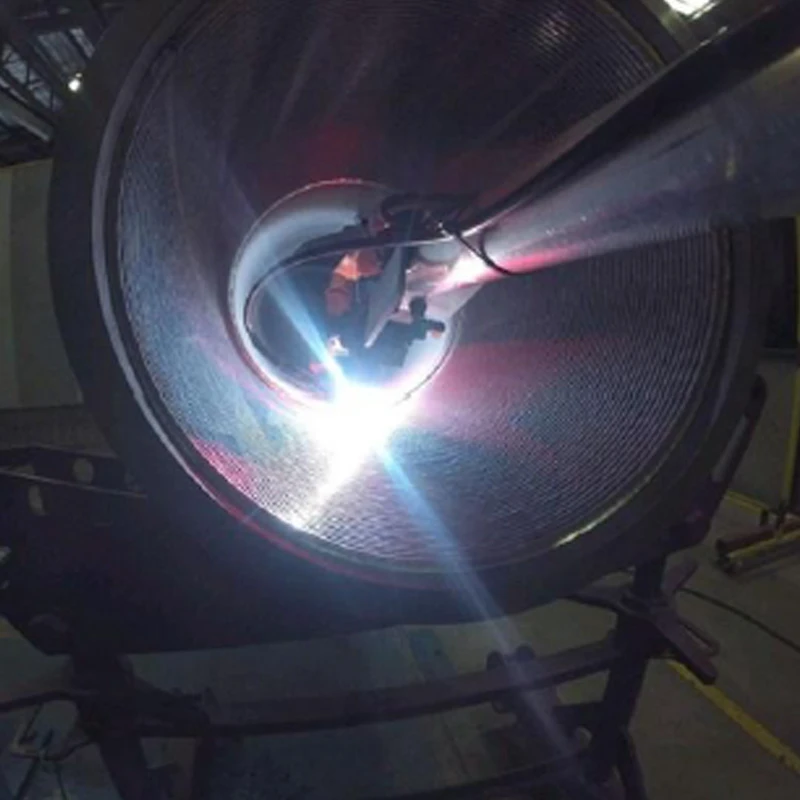
Figure 4: Reducer manufacturer’s CNC workshop with robotic arms for surface finishing
6. Industry Manufacturer Comparison Table
Manufacturer
Key Certifications
Annual Output
Lead Time (days)
Support
Target Markets
Lion Pipeline
ISO9001, API, CE, PED
12,000+ tons
7–25
Design, custom OEM & technical
Global: Asia, EU, ME, Americas
Smith Fittings
ISO9001, ASTM, EN
8,000 tons
10–27
Standard, limited custom
North America, EU
Zhejiang Qiaoyi
ISO9001, CCS
7,200 tons
17–30
Standard
Asia, EU
Lion Pipeline stands out as a reducer manufacturer with global certifications, rapid delivery, advanced production lines, and documented quality control for carbon steel reducer products.
7. Reducer Price: Cost Factors & Global Price Reference
Steel Price Index: Base material cost accounts for 68–74% of total reducer price.
Manufacturing Process: CNC/forging cost premium for smaller tolerance/high-strength needs.
Standards/Certifications: ISO/API-complied items fetch a 7–12% higher market price.
Customization: Non-standard sizes or coating requirements impact price by 10–35%.
Reducer Type
Standard Size (mm)
Manufacturing Process
EXW Price (USD/pc)
Lead Time (days)
Concentric
DN100×DN50
Hot-pressed
$7.90 – $11.80
7–10
Eccentric
DN150×DN100
CNC Machined
$10.50 – $16.00
10–13
Concentric, Large
DN500×DN250
Forged-CNC
$82 – $135
15–22
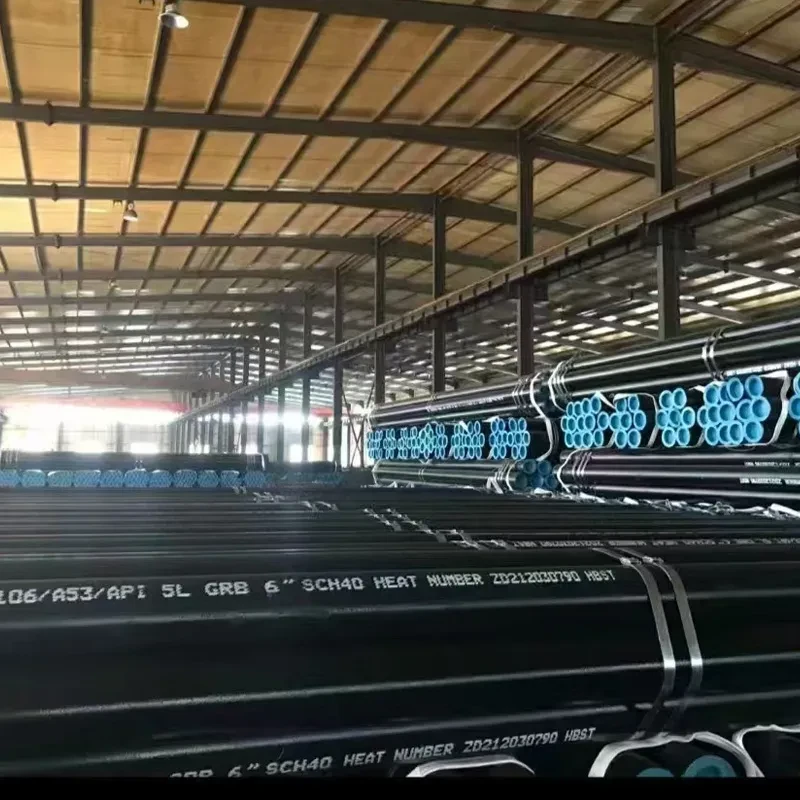
Figure 5: Ready-for-shipment stock: Quality-assured carbon steel reducer ready for global distribution
8. Custom Carbon Steel Reducer Solutions
Lion Pipeline delivers carbon steel reducer customizations for high-integrity projects:
Special Alloys: Sour service, low-temperature, or special chemical compatibility.
Tailored Dimensions: Large diameter, extra-thick wall reducers for high-pressure, critical lines.
Enhanced Testing: PED/CE compliance, 100% radiography, visual, UT, and hardness test reports.
Turnkey Design Support: CAD/3D drawings, isometric fitting optimization, on-site technical consulting—backed by 20+ years experience and thousands of successful installations globally.
9. Application Scenarios & Case Studies
Petrochemical Industry:Carbon steel reducer used in Sinopec refinery—withstood pressure cycling at 93 bar for 7 years, zero incident. [Ref: Sinopec Key Project Report, 2023]
Municipal Water: DN600–DN400 reducers supplied to Istanbul’s new water grid; achieved 13% energy savings due to improved hydraulic transition.
Power Generation: Custom reducers for a combined-cycle plant, with FBE coating, passed 3500hr salt spray test (ISO 9227).
Offshore Oil: API 5L X65 line with custom reducers, -46°C impact test qualified, DNV-GL certified.
Field feedback confirms reducer types selection and steel grade directly enhance system lifetime (>21 yrs typical) and total cost reduction by minimizing failure rates.
10. Customer Support, Lead Time & Warranty
Production Lead Time: 7–30 days (depends on quantity and customizations).
Warranty: 18–36 months—free replacement for material/processing defect.
Documentation: Full MTC (Mill Test Certificate), shipping documents, and international traceability.
11. Professional FAQ on Carbon Steel Reducer
Q: What is the main material used in carbon steel reducers? A: Commonly ASTM A234 WPB for standard service, A420 WPL6 for low temperature, and A860 WPHY for high yield strength applications.
Q: How do I select the reducer type for my pipeline? A: Use a concentric reducer for vertical flows; choose an eccentric reducer for horizontal installations to prevent air accumulation and cavitation at pump inlets.
Q: What is the standard for wall thickness and pressure classification? A: Wall thickness follows ASME B36.10/36.19 Schedules (SCH 10–XXH); pressure class is denoted as PN or Class (e.g., PN40/Class300#).
Q: Are non-destructive tests (NDT) mandatory? A: For critical applications and most export projects, 100% hydrostatics, ultrasonic, or radiographic tests per ISO 14692 and ANSI B16.9 are required.
Q: What custom surface treatments are available? A: Black painting, hot-dip galvanization, FBE coating, Xylan/PTFE, or epoxy lining for aggressive or potable water environments.
Q: How are reducers installed for best reliability? A: Always weld ends per ANSI B16.25, align pipe axes accurately, and use recommended gap/angle for non-concentric types.
Q: Can reducers be delivered with full traceability and batch certification? A: Yes, all reputable manufacturers provide MTC, batch/heat No. marking, and may offer 3.1/3.2 certification as per project requirements.
12. Conclusion & Authoritative References
Carbon steel reducer fittings remain the backbone of modern industry pipeline engineering, where reliable flow, safety, and longevity are vital. Manufacturers like Lion Pipeline set benchmarks in quality, delivery, support, and innovation.
For technical depth, standards updates, and engineering best practices, consider referencing:
Laser clad steel pipes are manufactured using laser cladding technology. This technology involves adding cladding material to the surface of ordinary steel pipe base material, using high-energy-density laser beams to fuse the cladding material with the steel pipe surface, forming a metallurgically bonded cladding layer. These pipes are generally used in compressed air energy storage projects as underground deep well transportation pipes or casings, as well as in oil, natural gas, and geothermal well extraction.
Carbon Seamless Steel Pipes are made from high-quality carbon steel and manufactured without welded seams, offering exceptional strength, durability, and resistance to pressure. These pipes are ideal for a wide range of applications, including oil and gas pipelines, construction, automotive, and fluid transportation systems. The seamless design ensures uniformity, higher structural integrity, and improved performance under high pressure and temperature conditions.
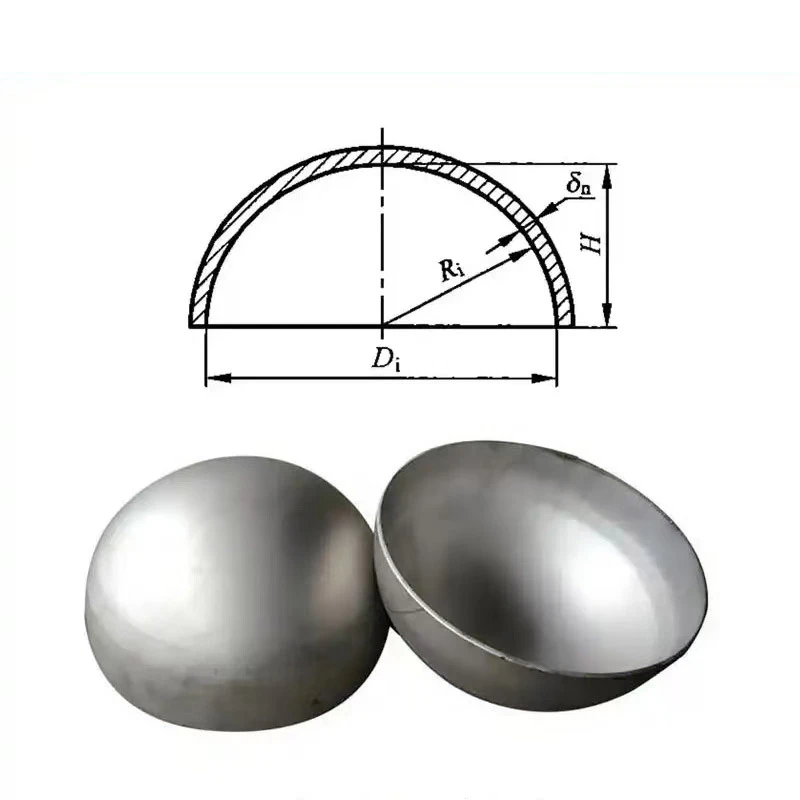
Pipe caps come in different shapes, including round, square, and oval, and can be designed for both threaded and welded connections. They ensure the integrity of piping systems during transportation, storage, and installation by protecting the pipe ends from dirt, debris, and environmental factors. Durable and easy to install, pipe caps are critical for maintaining system efficiency and safety.
Cangzhou Leo Technology Co., Ltd. is located in Mengcun County Economic Development Zone, Cangzhou City, Hebei Province. It is a specialized high-tech enterprise that integrates the research and development, production, and sales of composite pipes and fittings.
News
The company regards product quality as the life of the enterprise, establishes a sound quality management system in accordance with the requirements of industry and national standards, controls all aspects of input and output in the whole process, pays attention to every detail, and ensures that the product delivery pass rate is 100%.
Compare two mechanical steel pipe options by materials, API 5LD and DNV OS F101 references, applications, bonding descriptions and supplier documentation.
Learn how to choose the right ss bend pipe for your piping system. This guide covers material grade, bend angle, radius, pressure rating, and applicable standards to help procurement teams specify stainless steel bend pipes with confidence.
High-Performance Sink Pipe Steel: The Ultimate Guide to Industrial Piping In the demanding world of industrial manufacturing and pressure vessel construction, the selection of materials for piping systems is critical. Utilizing high-quality sink pipe steel ensures that systems can withstand extreme pressures, corrosive media, and mechanical stress. Whether it is for chemical processing, oil and gas, or construction, the right steel grade and fitting geometry can mean the difference between seamless operation and costly system failure. This guide explores the technical nuances of steel elbows and specialized clad materials designed for the most rigorous environments.
In the realm of modern industrial infrastructure, the integrity of piping systems is non-negotiable. The seamless steel pipe stands as the gold standard for transporting high-pressure fluids and gases. Unlike welded alternatives, seamless pipes are manufactured without a longitudinal seam, eliminating the most common point of failure and ensuring superior structural consistency. This makes them indispensable in sectors where safety and reliability are paramount, such as petroleum, nuclear power, and thermal energy. In this comprehensive guide, we will explore the technical advantages, material specifications, and critical applications of these high-performance components to help you make an informed procurement decision.
In the world of industrial fluid transportation and pressure vessel manufacturing, the choice of piping material can determine the safety and longevity of an entire system. Seamless steel pipes are engineered to withstand extreme conditions without the risk of weld-line failure, making them the gold standard for high-pressure environments. From oil and gas pipelines to hydraulic systems, these pipes offer unmatched structural integrity. In this comprehensive guide, we will explore the technical specifications, benefits, and diverse applications of carbon seamless steel solutions to help you make an informed procurement decision for your next engineering project.
If you are interested in our products, you can choose to leave your information here, and we will be in touch with you shortly.