tel
Email
to top

Flange Varieties and Their Essential Roles in Engineering and Plumbing

Jul 28 2025
share:

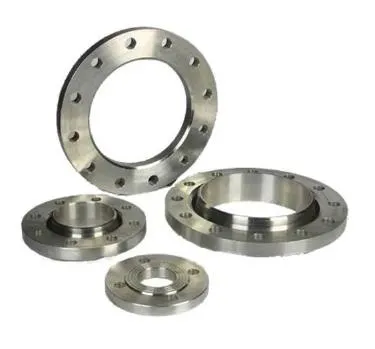
Flanges are crucial components in various systems, from industrial piping networks to household plumbing setups. Different types of flanges serve specific functions, ensuring secure connections and leak - proof joints. Understanding the characteristics and applications of flanges like loose flangeloose toilet flangemale and female flangemale female flange, and manifold flange is key to maintaining the integrity and efficiency of these systems.
 

Flange Varieties and Their Essential Roles in Engineering and Plumbing


Loose Flanges: Adaptability in Connection


In industrial piping systems, the loose flange offers a unique advantage. Unlike fixed flanges, a loose flange can move relative to the pipe, which is particularly useful when there are misalignments or thermal expansions. For instance, in large - scale manufacturing plants where pipes carry hot fluids, the ability of a loose flange to adjust to temperature - induced changes helps prevent stress on the joints and potential leaks. It is often used in combination with other components, such as gaskets, to create a tight seal. The loose nature of this flange allows for easier installation and replacement, reducing downtime during maintenance operations.


Loose Toilet Flanges: Solving Plumbing Woes


loose toilet flange can be a source of major problems in household plumbing. When a toilet flange becomes loose, it can cause the toilet to wobble, leading to potential leaks at the base. This not only creates a messy situation but can also damage the floor beneath the toilet. Fixing a loose toilet flange typically involves removing the toilet, inspecting the flange for damage, and either tightening the existing bolts or replacing the entire flange. In some cases, corrosion or wear on the flange may require the use of specialized tools and techniques to ensure a proper, secure reinstallation that will keep the toilet stable and leak - free.


Male and Female Flanges: A Perfect Pairing


Male and female flanges, also referred to as male female flange, are designed to fit together precisely. The male flange has a protruding section, while the female flange has a recessed area. This interlocking design provides a strong and reliable connection, often used in high - pressure applications. In oil and gas pipelines, for example, male and female flanges are crucial for maintaining the integrity of the system under intense pressure. The tight fit of these flanges, combined with appropriate sealing materials, minimizes the risk of leaks, ensuring the safe and efficient transport of fluids and gases over long distances.


Manifold Flanges: Centralizing Connections


Manifold flanges play a vital role in systems where multiple pipes need to be connected to a single point. In automotive engines, for instance, manifold flanges are used to attach the exhaust pipes to the engine block. These flanges must be able to withstand high temperatures and vibrations. Their design allows for the easy connection and disconnection of pipes, which is beneficial during engine maintenance or repair. Additionally, in industrial processes, manifold flanges help in organizing and directing the flow of various substances, ensuring that each part of the system receives the correct input and that waste or by - products are properly channeled away.


FAQs about Flange Types


How to Choose the Right Flange for a Specific Application


Selecting the appropriate flange depends on several factors. For high - pressure applications, male and female flanges or those designed for heavy - duty use are often preferred. In plumbing, a secure and stable toilet flange is essential, while in systems with movement or misalignment risks, a loose flange might be more suitable. Consider the pressure and temperature ratings of the flange, as well as the compatibility with the pipes and other components in the system. Consulting with experts or referring to industry standards can also help in making the right choice.


What Are the Common Signs of a Loose Toilet Flange?


The most obvious sign of a loose toilet flange is a wobbly toilet. You may also notice water pooling around the base of the toilet after flushing, which indicates a potential leak. In some cases, you might hear strange noises when using the toilet, such as a creaking or shifting sound. If you suspect a loose toilet flange, it's important to address the issue promptly to prevent further damage to your plumbing system and floor.


How Do Male and Female Flanges Ensure a Tight Seal?


The design of male and female flanges, with their interlocking shapes, provides a mechanical barrier that helps in creating a tight seal. When the two flanges are bolted together, a gasket is usually placed between them. The compression of the gasket as the bolts are tightened fills any gaps and creates an air - and watertight seal. The precision of the male - female fit, combined with the right gasket material for the specific application, ensures that fluids or gases do not leak from the joint.


Can Manifold Flanges Be Used in Residential Plumbing?


While manifold flanges are more commonly associated with industrial and automotive applications, they can be used in residential plumbing in certain situations. For example, in a large - scale residential water supply system where multiple pipes need to be connected to a main line, a manifold flange can simplify the connection process and make the system more organized. However, for typical household plumbing tasks, standard flanges designed specifically for plumbing are usually sufficient.


How Often Should Flanges Be Inspected and Maintained?


The frequency of flange inspection and maintenance depends on the application. In industrial settings with high - stress conditions, flanges should be inspected regularly, perhaps on a monthly or quarterly basis, to check for signs of wear, corrosion, or looseness. In residential plumbing, toilet flanges can be inspected during routine household maintenance, such as when cleaning the bathroom or checking for leaks. Regular inspection and timely maintenance of flanges can prevent costly repairs and ensure the safe and efficient operation of various systems.
  • Factory Prefabricated Products

    Factory Prefabricated Products

    In modern industrial construction, the quality and supply efficiency of pipe fittings directly affect the success or failure of the project. With advanced production concept and strong technical strength, we focus on the factory prefabrication of products, and provide all-round pipe fitting solutions for many key fields such as petrochemical industry and coal chemical industry.
    VIEW ALL
  • Flange

    Flange

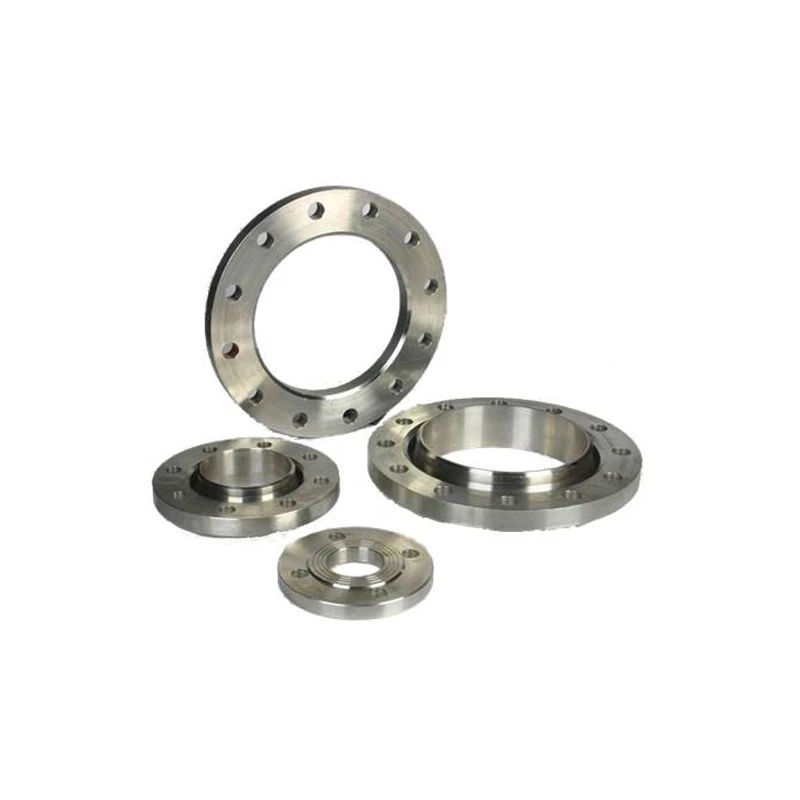
    Flange Product Introduction Flanges are used to connect pipes to pipes or pipes to equipment, ensuring a sealed and stable connection. They prevent fluid leakage and can withstand certain pressures and stresses, ensuring reliable connections. Flange nominal diameters range from DN15-DN2000 and beyond, covering various pipeline connection needs. Flanges primarily adhere to international standards such as ASME B16.5-2020, ASME B16.47-2020, and API 6A-2018.
    VIEW ALL
  • Elbow

    Elbow

    Carbon Steel &stainless Steel Elbow Elbows are pipe fittings used to change the direction of pipelines in piping systems, commonly employed at pipeline bends. They are widely used in industries such as petroleum, chemical, and power. The common size range for elbows is DN15-DN2000, and typical angles include 45°, 90°, and 180°.
    VIEW ALL
To create value for customers!
Cangzhou Leo Technology Co., Ltd. is located in Mengcun County Economic Development Zone, Cangzhou City, Hebei Province. It is a specialized high-tech enterprise that integrates the research and development, production, and sales of composite pipes and fittings.
News
The company regards product quality as the life of the enterprise, establishes a sound quality management system in accordance with the requirements of industry and national standards, controls all aspects of input and output in the whole process, pays attention to every detail, and ensures that the product delivery pass rate is 100%.
High Performance Sink Pipe Steel Guide for Industrial Piping

High Performance Sink Pipe Steel Guide for Industrial Piping

High-Performance Sink Pipe Steel: The Ultimate Guide to Industrial Piping In the demanding world of industrial manufacturing and pressure vessel construction, the selection of materials for piping systems is critical. Utilizing high-quality sink pipe steel ensures that systems can withstand extreme pressures, corrosive media, and mechanical stress. Whether it is for chemical processing, oil and gas, or construction, the right steel grade and fitting geometry can mean the difference between seamless operation and costly system failure. This guide explores the technical nuances of steel elbows and specialized clad materials designed for the most rigorous environments.
Ultimate Guide to Industrial Seamless Steel Pipe for Piping

Ultimate Guide to Industrial Seamless Steel Pipe for Piping

In the realm of modern industrial infrastructure, the integrity of piping systems is non-negotiable. The seamless steel pipe stands as the gold standard for transporting high-pressure fluids and gases. Unlike welded alternatives, seamless pipes are manufactured without a longitudinal seam, eliminating the most common point of failure and ensuring superior structural consistency. This makes them indispensable in sectors where safety and reliability are paramount, such as petroleum, nuclear power, and thermal energy. In this comprehensive guide, we will explore the technical advantages, material specifications, and critical applications of these high-performance components to help you make an informed procurement decision.
High Performance Seamless Steel Pipes for Industrial Piping

High Performance Seamless Steel Pipes for Industrial Piping

In the world of industrial fluid transportation and pressure vessel manufacturing, the choice of piping material can determine the safety and longevity of an entire system. Seamless steel pipes are engineered to withstand extreme conditions without the risk of weld-line failure, making them the gold standard for high-pressure environments. From oil and gas pipelines to hydraulic systems, these pipes offer unmatched structural integrity. In this comprehensive guide, we will explore the technical specifications, benefits, and diverse applications of carbon seamless steel solutions to help you make an informed procurement decision for your next engineering project.
High Performance Seamless Stainless Steel Pipe for Industrial Use

High Performance Seamless Stainless Steel Pipe for Industrial Use

The Ultimate Guide to Seamless Stainless Steel Pipe for Industrial Applications In the demanding world of oil and gas extraction, particularly in fields characterized by high hydrogen sulfide and carbon dioxide levels, the integrity of transportation infrastructure is critical. While traditional carbon steel often fails due to insufficient corrosion resistance, the seamless stainless steel pipe emerges as a premium solution. By eliminating weld seams, these pipes provide superior structural integrity and a seamless barrier against corrosive media. For industries operating under extreme pressure and chemical aggression, choosing the right piping material is not just about efficiencyit is about safety and long-term economic viability.
Industrial Piping Solutions Using Durable sch 40 steel pipe

Industrial Piping Solutions Using Durable sch 40 steel pipe

Optimizing Industrial Piping with SCH 40 Steel Pipe Solutions In the demanding world of industrial manufacturing and fluid transport, selecting the right piping specification is critical for safety and efficiency. The sch 40 steel pipe serves as a global standard for versatility, balancing wall thickness with internal flow capacity. Whether used in petrochemical plants, marine environments, or construction, this pipe grade provides the structural reliability needed to handle moderate pressures. However, as industries evolve, the integration of advanced technologies like laser cladding is transforming how we enhance these pipes to resist extreme corrosion and wear, extending the lifecycle of critical infrastructure.
Industrial 5 inch steel tubing Guide for High Pressure Systems

Industrial 5 inch steel tubing Guide for High Pressure Systems

The Ultimate Guide to 5 Inch Steel Tubing for Industrial Applications When designing high-pressure piping systems or structural frameworks, selecting the right material dimensions is critical for safety and efficiency. The 5 inch steel tubing serves as a versatile midpoint in industrial piping, offering a perfect balance between flow capacity and structural rigidity. Whether it is used in oil and gas transport, water management, or architectural support, the quality of the steel determines the longevity of the entire project. In this comprehensive guide, we will explore the technical specifications, material grades, and strategic advantages of utilizing this specific tubing size
tel email tel top

If you are interested in our products, you can choose to leave your information here, and we will be in touch with you shortly.