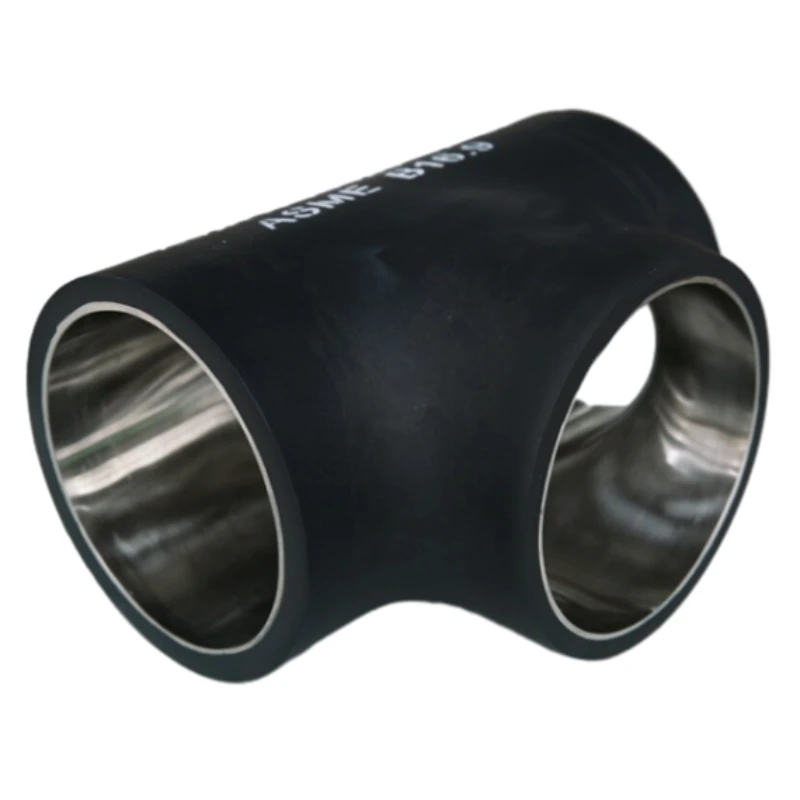
You might not think much about the humble pipe, but galvanized black pipe is quietly shaping industries worldwide — from sprawling urban infrastructure to remote humanitarian projects. It combines a classic steel core with a protective zinc coating, resulting in a resilient, corrosion-resistant tube that’s ideal for harsh environments.
Globally, infrastructure growth and industrial expansion demand durable materials. According to the International Organization for Standardization (ISO), galvanized steel piping has become a standard in sustainable construction due to its longevity and cost-efficiency. Understanding galvanized black pipe, its applications, and advantages equips engineers, project managers, and NGOs with the right tools to deliver better, safer projects — wherever in the world.
Mini takeaway: Galvanized black pipe is a surprisingly vital, versatile component that balances longevity and affordability, contributing profoundly to infrastructure resilience globally.
The World Bank estimates that infrastructure investments will need to exceed $90 trillion by 2030 to meet urbanization demands, especially in Asia and Africa. Pipe systems form the arteries of this growth, transporting water, gas, and industrial liquids securely and efficiently.
Unfortunately, many regions still struggle with premature pipe corrosion, leading to costly replacements and safety risks. The galvanized black pipe, with its zinc coating resisting rust, tackles this head-on by extending service life in challenging climates — a win for sustainability and budgets alike.
Beyond urban centers, galvanized black pipe also serves humanitarian efforts by supporting water delivery in disaster zones or remote areas. Its robust nature and ease of installation make it a go-to for fast-deployment projects under brand-new challenges.
Mini takeaway: From megacities to makeshift relief camps, galvanized black pipe solves key problems, ensuring safe, lasting infrastructure in tough conditions.
Simply put: a galvanized black pipe is a carbon steel pipe coated with zinc to prevent rust and corrosion. The “black” refers to the dark, unfinished steel surface underneath before galvanization.
Its connection to industry and humanitarian needs is straightforward yet profound. Galvanized black pipes carry everything from water and oil to compressed air safely, forming the backbone of many systems essential for daily life, health, and industry productivity.
Zinc galvanizing involves dipping steel components into molten zinc or using electroplating, creating a tough, protective barrier. This slows corrosion dramatically, especially compared to bare steel.
Mini takeaway: Think of galvanized black pipe as a rugged steel soldier cloaked in zinc armor, ready to endure long service in harsh chemical or atmospheric environments.
The zinc coating guards against rust and mechanical damage, extending pipe life beyond 50 years in many cases. For engineers, that means fewer repairs and replacements, translating to significant savings.
Though galvanized black pipes may cost slightly more upfront than uncoated options, their long service life and limited maintenance lower total expenses. This is crucial in infrastructure budgets where longevity is king.
Used in plumbing, oil and gas, agriculture, and more, the pipe’s ability to handle varied fluids and gases under pressure makes it a preferred choice for countless applications. Plus, it's compatible with standard fittings worldwide, simplifying procurement and assembly.
Whether it’s a vast refinery or a remote well station, galvanized black pipe can be cut, threaded, and connected easily, boosting on-site efficiency.
Galvanized black pipes meet many international standards (like ASTM A53) ensuring safe use in potable water systems and industrial processes — supporting both worker safety and environmental regulations.
| Specification | Details |
|---|---|
| Material | Carbon steel (ASTM A53, Grade B) |
| Coating | Hot-dip galvanized zinc coating (~85 µm thickness) |
| Diameter Range | ½ inch (15 mm) to 6 inches (150 mm) |
| Length | Standard 6 meters (custom lengths available) |
| Pressure Rating | Up to 300 psi (varies with diameter) |
| Surface Finish | Dull or shiny galvanized with rugged texture |
| Threading | NPT (National Pipe Thread) standard |
The answer: industries and regions as varied as the pipelines they build. Large petrochemical plants in the Middle East integrate galvanized steel for process piping. In the U.S. and Europe, it's common in residential water systems and sprinkler lines.
And then there’s the humanitarian angle — galvanized black pipe often gets deployed in emergency water supply setups by NGOs in tropical cyclone zones or drought-affected areas, where rust would otherwise bring failures.
Remote mining operations in Latin America also rely heavily on galvanized steel pipes for compressed air and slurry movement, leveraging the material’s ruggedness in tough natural environments.
Mini takeaway: Galvanized black pipe harmonizes with diverse user needs, whether a multinational corporation or a small local NGO responding to crisis.
Overall, this pipe type knits together economic, environmental, and social benefits — something that increasingly matters in today’s project evaluations.
There’s momentum in combining galvanized pipes with smart monitoring tech — sensors embedded to track corrosion in real-time or detect pressure drops. Digitally integrated pipeline networks could save millions in unplanned maintenance.
Also, manufacturers are experimenting with more eco-friendly galvanizing methods and recycled steel content — keeping the whole lifecycle greener. Then, regulatory bodies like ISO and ASTM continue pushing for higher testing standards, ensuring safety advances.
In parallel, alternative coatings like zinc-aluminum alloys promise stronger protection, which might edge galvanized black pipes toward even tougher environments such as offshore or chemical plants.
One big challenge? Surface damage during transport or installation can compromise the zinc layer, accelerating rust spots. Experts recommend careful handling, plus field re-galvanizing or protective coatings to fix such areas.
Another hurdle is weight: galvanized pipes are heavier than plastic alternatives, which affects logistics and labor. Modular installation and machinery help ease this load without compromising strength.
Expert tip: Always pair galvanized black pipe with compatible fittings and avoid mixed metals to prevent galvanic corrosion. It’s these details that make the biggest difference in pipe longevity.
| Supplier | Product Range | Quality Certifications | Lead Time | Price Level | Notes |
|---|---|---|---|---|---|
| SteelPro Global | ½"–6" galvanized pipes | ISO 9001, ASTM A53 | 2–3 weeks | Mid-range | Known for consistent coating thickness |
| HardenPipes Ltd. | 1"–8" sizes plus custom | ISO 14001, ASTM | 3–4 weeks | Premium | Offers eco-friendly galvanizing option |
| PipeWorks Inc. | ½"–4", high volume | API Spec 5L, ASTM | 1–2 weeks | Budget-friendly | Good for bulk procurement, limited custom services |
It’s clear that galvanized black pipe ticks many boxes: durability, cost-effectiveness, safety, and adaptability. For anyone installing plumbing, pipelines, or emergency water lines, this is a material worth considering seriously.
Want to dive deeper or find trusted suppliers? Feel free to visit our comprehensive product page. Infrastructure’s future may be massive and complex, but with galvanized black pipe, the foundation stays strong and steady.
Oddly enough, amidst all the high-tech hype, it's these tried-and-true materials that keep the wheels turning — and civilizations flowing.
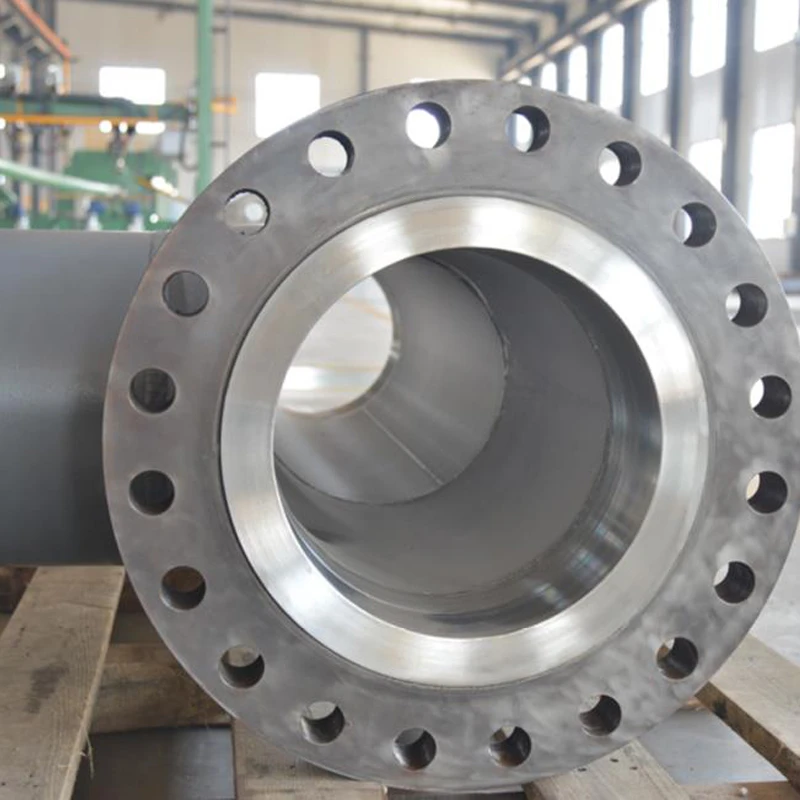
Factory Prefabricated Products
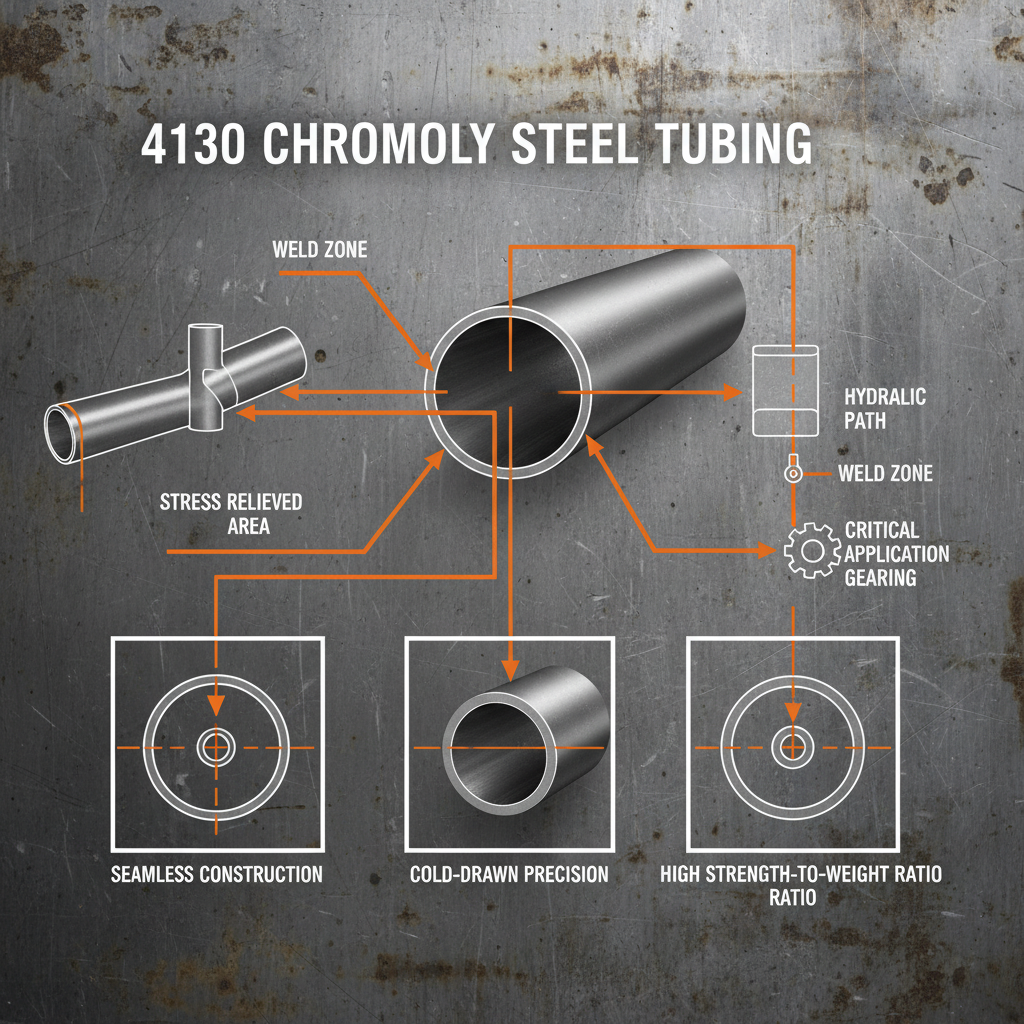
Ultimate Guide to 4130 Tubing Strength Performance and Applications
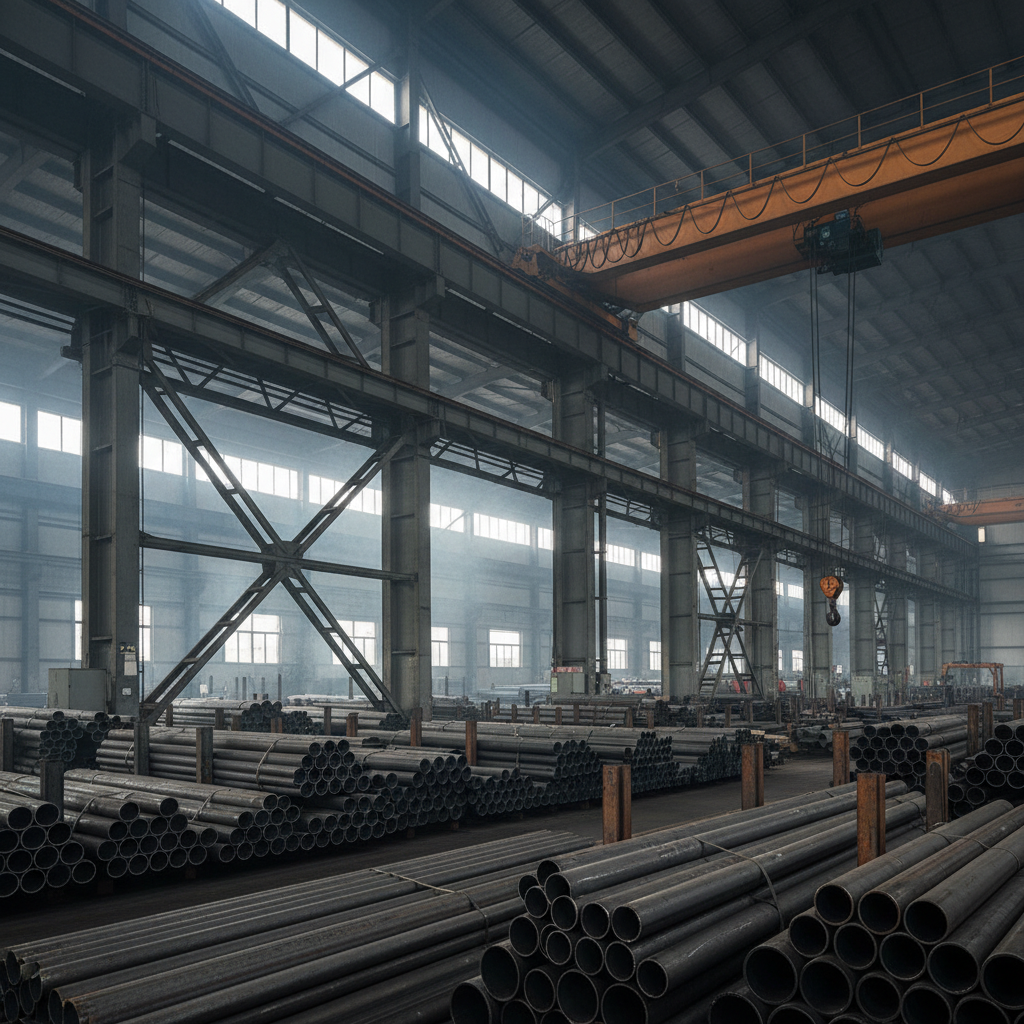
Properties and Industrial Applications of 4130 steel tubing
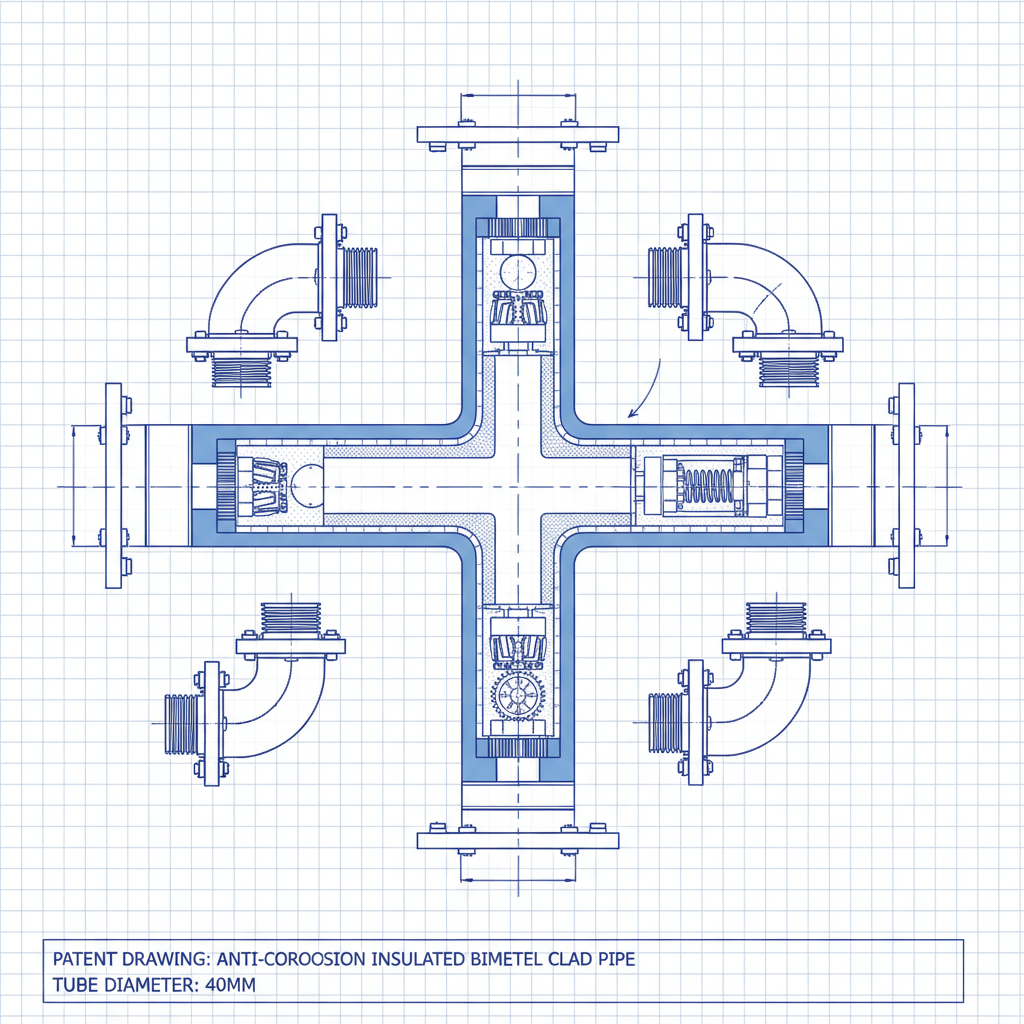
Comprehensive Guide to 40mm Steel Tube Applications and Material Selection
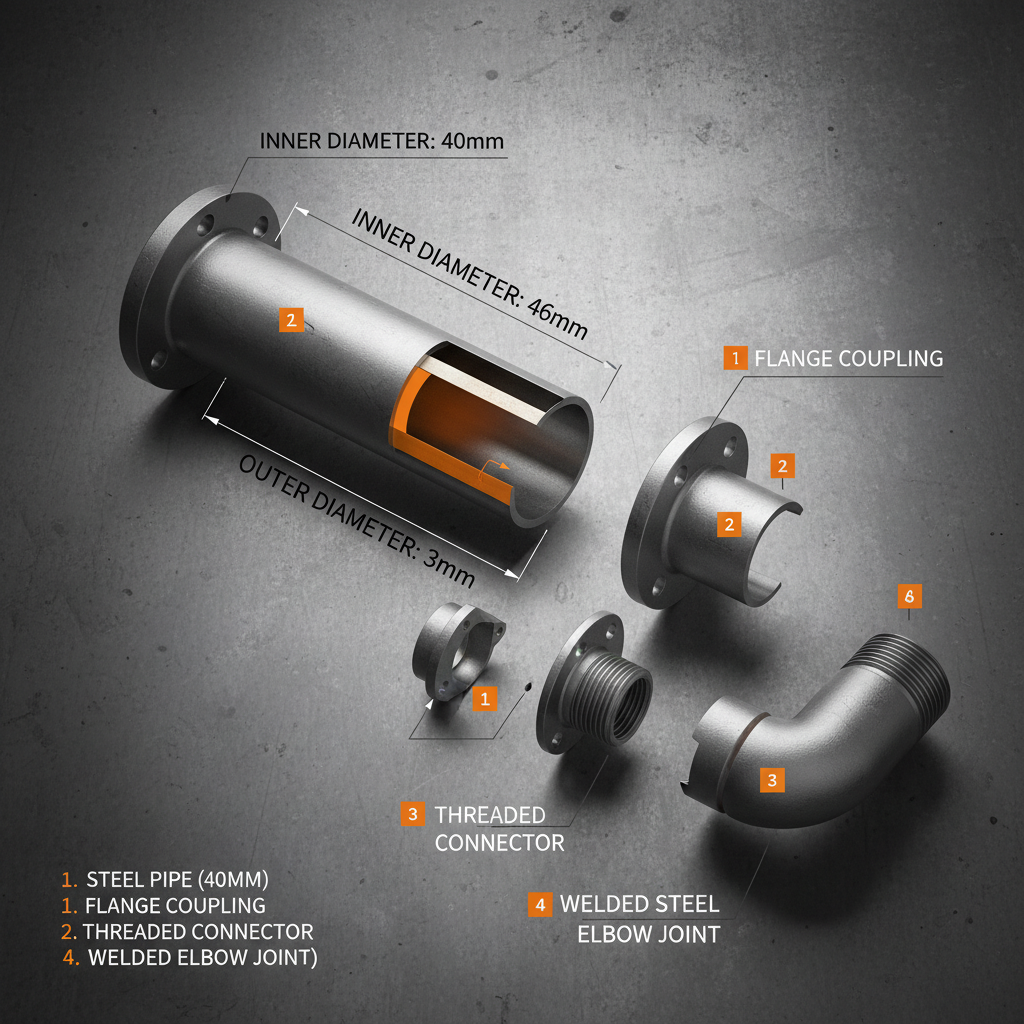
Comprehensive Guide to 40mm Steel Pipe Applications and Considerations
Comprehensive Guide to 40mm Metal Pipe Applications and Sourcing
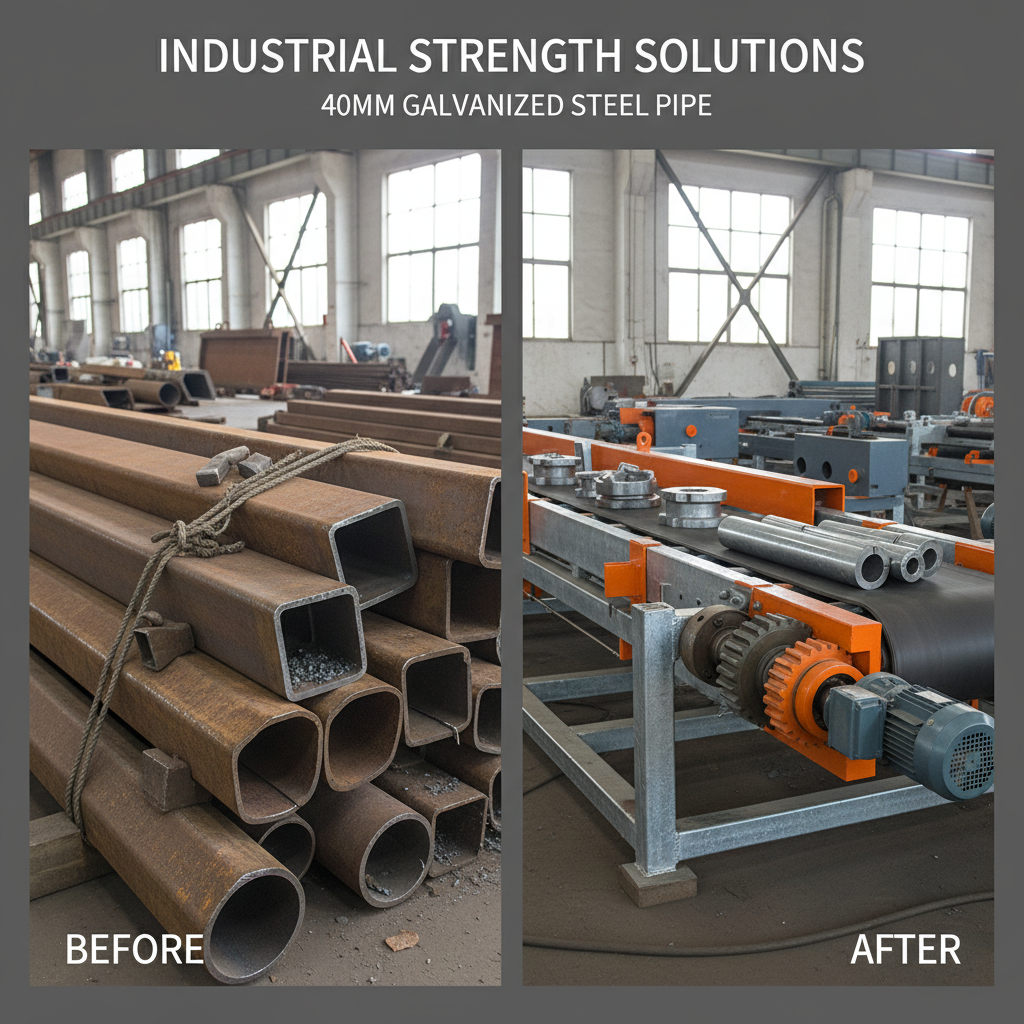
Comprehensive Guide to 40mm Galvanised Pipe Applications and Specifications