tel
Email
to top

Buy Durable and Cost-effective Galvanised Tube for Construction & Industry

Nov 30 2025
share:

Understanding Galvanised Tube: Why It Matters Worldwide

If you’ve ever paused to wonder how pipelines, fencing, or structural frames withstand the relentless assault of rust and harsh elements, then the galvanised tube likely deserves a bit of your attention. These steel tubes, coated with a protective zinc layer, have quietly become essential in construction, infrastructure, and even humanitarian projects globally. Their corrosion resistance, durability, and versatility make them indispensable across industries, especially where longevity is key and maintenance budgets are tight.
Frankly, knowing your galvanised tube from plain steel can save you headaches, cost overruns, and frankly, a lot of replacement downtime.

Introduction: The Global Relevance of Galvanised Tube

Today, global steel production exceeds 1.8 billion metric tons annually (source: World Steel Association), and a significant share of that is galvanised for corrosion protection. The United Nations estimates that infrastructure development needs to expand massively to keep pace with urbanization trends, especially in Asia and Africa. This surge means galvanised tubes aren’t just “nice-to-have”; they’re a problem solver — protecting critical water lines, electricity conduits, and even temporary shelters in disaster-prone zones.

Many engineers face one frustrating challenge: how to balance cost, longevity, and quick deployment in often unpredictable conditions. Galvanised tubes have proven to address this nicely — providing a dependable backbone for projects large and small.

What Exactly Is a Galvanised Tube?

Simply put, a galvanised tube is a steel pipe or tube coated with zinc to prevent rust and corrosion. Usually, the galvanising is done by hot-dip methods, plunging raw steel into molten zinc for a robust protective layer. The result? A product that can last decades longer than unprotected steel.

Industrially, these tubes serve as water pipes, scaffolding poles, and structural supports. But it’s also interesting how they contribute to humanitarian efforts — think emergency water supply systems or durable frame structures for shelters in post-disaster zones.

Key Factors That Make Galvanised Tubes Stand Out

Durability

The zinc coating protects from oxidation and chemical erosion. This resilience means galvanised tubes can withstand extreme weather without cracking or flaking, which is crucial for outdoor or underground applications.

Cost Efficiency

While initial costs are slightly higher than plain steel tubes, their lifespan and lower maintenance requirements often translate into long-term savings — especially in challenging environments.

Versatility

Available in many sizes and thicknesses, galvanised tubes adapt well from simple fencing projects to complex industrial pipelines and even architectural frameworks.

Environmentally Friendly Options

More factories are adopting eco-conscious galvanising methods, and zinc itself is recyclable, making galvanised tubes a more sustainable choice compared to some alternatives.

Easy Installation & Maintenance

The uniform coating also means less need for special paints or treatments in the field, speeding up installations and reducing labor costs.

Compatibility with Other Systems

They bond well with fittings, valves, and fixtures designed for standard steel tubes, adding to their practical appeal across industries.

Mini Takeaway: Galvanised tubes are like the reliable workhorse in a toolkit — strong, adaptable, and built to last, making them a smart pick for varied engineering demands.

Global Applications & Real-World Use Cases

  • Water Infrastructure: Many municipalities in Southeast Asia use galvanised tubes for potable water pipelines due to their corrosion resistance.
  • Construction & Scaffolding: Europe, particularly in the UK and Germany, depends heavily on galvanised scaffolding for safety and ease of reuse.
  • Disaster Relief: NGOs in Africa and South America use galvanised tubes to quickly assemble temporary shelters and sanitation facilities after floods or earthquakes.
  • Industrial Zones: Oil & gas fields in the Middle East deploy galvanised tubing for protective structures and pipeline parts resistant to salt and sand erosion.

For instance, after the 2019 floods in Mozambique, emergency teams installed water supply lines using galvanised tubes, cutting down setup time by 30% and drastically reducing rust-related failures.

Advantages & The Long-Term Value of Choosing Galvanised Tubes

One of the most tangible benefits is cost savings — not just in dollars but in reliability, safety, and peace of mind. Long-term exposure to moisture or harsh chemicals can cripple non-protected steel. Galvanised tubes, however, serve as a quiet insurance policy.

Emotionally, using these tubes conveys a sense of responsibility — whether a municipality choosing infrastructure solutions or an NGO building shelters. It’s about durability, yes, but also about safety and dignity for end-users.

And when technology meets craftsmanship, the result is innovation – as we see in customized galvanised tubes tailored for green building projects, merging sustainability with performance.

Looking Ahead: Future Trends & Innovations in Galvanised Tube Production

  • Green Galvanising: New processes aim to reduce energy and chemical waste in coating production, aligning with global sustainability targets.
  • Advanced Coating Technologies: Nanotechnology-infused zinc layers improve adhesion and corrosion resistance further.
  • Smart Tubes: Embedded sensors are being tested for real-time structural health monitoring in pipelines and buildings.
  • Modular Construction: Galvanised tubes designed for rapid assembly in modular housing racks, pushing fast deployment in disaster zones.

Recognizing Challenges and Finding Solutions

Despite their benefits, galvanised tubes face issues like occasional coating damage during transport or installation, which can invite localized rust. Cost can be a hurdle in some low-budget projects, too.

Experts suggest improved packaging techniques and on-site repair coatings. Plus, training installers to handle materials carefully reduces the risk. Higher upfront investment often pays off, especially when factoring in reduced downtime and replacements.

Product Specification Table: Typical Galvanised Tube

Specification Value
Material Carbon Steel
Coating Hot-Dip Zinc Galvanised
Diameter Range 10 mm to 200 mm (custom sizes possible)
Thickness 1.5 mm to 6 mm
Length Standard 6m, cut-to-length available
Weight Varies by size (approx. 3–12 kg/m)
Corrosion Resistance Up to 25+ years in normal atmospheric conditions

Vendor Comparison Table: Leading Galvanised Tube Suppliers

Vendor Coating Method Customization Price Range Lead Time
SteelCo Galvanisers Hot-dip Full custom sizes & thickness Mid-range 2–4 weeks
GalvaMax Ltd. Pre-galvanised coil Standard sizes only Budget-friendly 1–3 weeks
EnviroZinc Pipes Hot-dip + eco-friendly process Custom coatings & enhanced durability Premium 3–5 weeks

Frequently Asked Questions About Galvanised Tube

Q1: How long does a galvanised tube typically last outdoors?

A1: In average atmospheric conditions, galvanised tubes can last anywhere from 20 to 50 years depending on coating thickness, exposure, and maintenance. Coastal or industrial environments may reduce this lifespan due to harsher corrosion factors.

Q2: Can galvanised tubes be welded or cut on-site?

A2: Yes, galvanised tubes are commonly cut and welded on-site. However, care must be taken to avoid damaging the zinc coating unnecessarily, and zinc fumes require proper ventilation during welding.

Q3: Are galvanised tubes recyclable?

A3: Absolutely. Both steel and zinc components are recyclable. It’s common in many regions to recover and reuse scrap galvanised steel, aligning with circular economy goals.

Q4: How does galvanised tubing compare to stainless steel in terms of corrosion resistance?

A4: Stainless steel offers superior corrosion resistance without coating but is significantly more expensive. Galvanised tubes strike a balance by providing good protection at a lower cost, making them the preferred choice for many outdoor and industrial uses.

Q5: Where can I buy quality galvanised tubes for large projects?

A5: You can explore suppliers like SteelCo Galvanisers or galvanised tube specialists online. Choosing vendors with customizable options and reliable delivery schedules makes a significant difference for big projects.

Conclusion: Why Galvanised Tube Should Be On Your Radar

In the grand scheme, galvanised tubes offer a blend of technical performance, cost-efficiency, and versatility that’s tough to beat. Whether you’re building a bridge, fixing water lines in a remote community, or assembling quick-deploy shelters, their longevity and resilience pay off in meaningful ways. Investing a bit more upfront in galvanised tubing often translates to significant savings — not just in money but in trust, safety, and environmental responsibility.

So next time you glance at a sturdy pipeline or a resilient scaffold, you might just spot the unassuming hero — the galvanised tube – standing guard silently against corrosion’s endless war.
Visit our website for more information and options on galvanised tube to fit your project needs.
References

  1. World Steel Association – Global Steel Production
  2. Wikipedia – Galvanization
  3. ISO Standards on Hot-Dip Galvanizing
  • Mechanical Clad Steel Pipe

    Mechanical Clad Steel Pipe

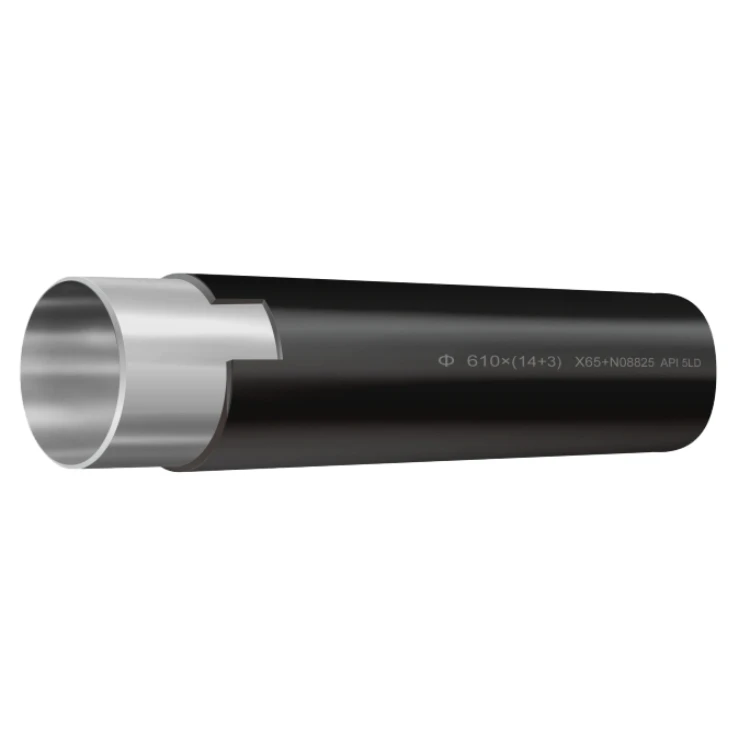
    Mechanical clad steel pipe (MCSP) is a kind of high-performance pipe, which is specially designed for demanding industrial applications. Combining the durability and strength of steel with advanced composite materials, MCSP provides enhanced corrosion resistance, high pressure and extreme temperatures.
    VIEW ALL
  • Flange

    Flange

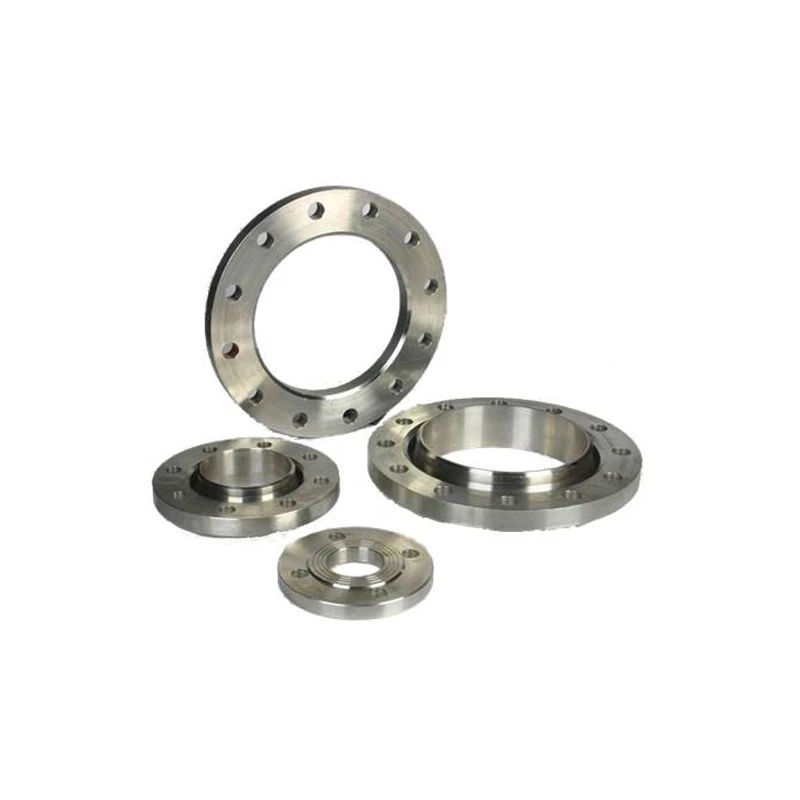
    Flange Product Introduction Flanges are used to connect pipes to pipes or pipes to equipment, ensuring a sealed and stable connection. They prevent fluid leakage and can withstand certain pressures and stresses, ensuring reliable connections. Flange nominal diameters range from DN15-DN2000 and beyond, covering various pipeline connection needs. Flanges primarily adhere to international standards such as ASME B16.5-2020, ASME B16.47-2020, and API 6A-2018.
    VIEW ALL
  • Carbon Semless Steel Pipes

    Carbon Semless Steel Pipes

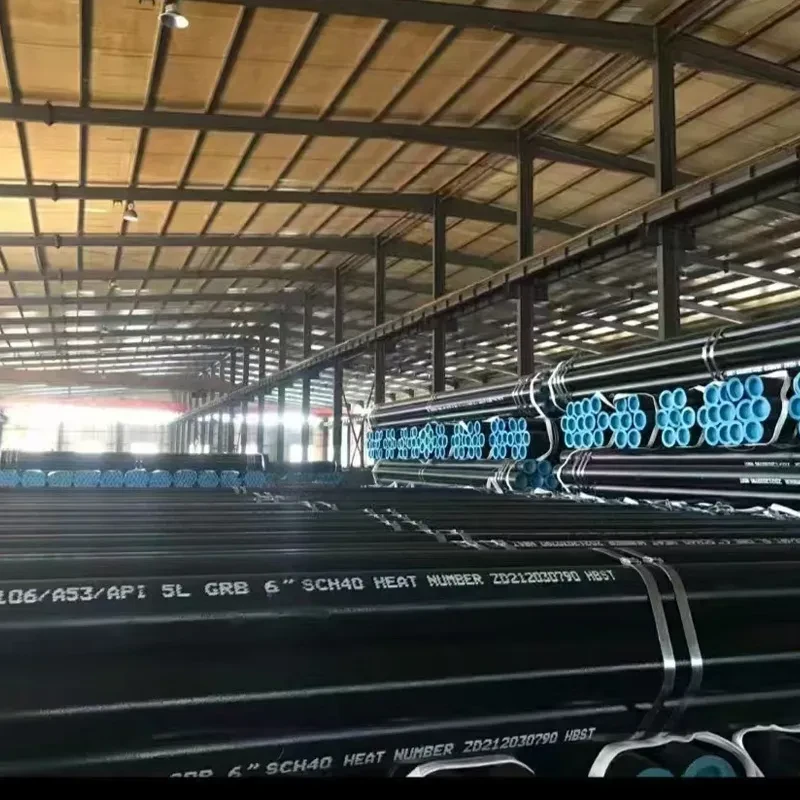
    Carbon Seamless Steel Pipes are made from high-quality carbon steel and manufactured without welded seams, offering exceptional strength, durability, and resistance to pressure. These pipes are ideal for a wide range of applications, including oil and gas pipelines, construction, automotive, and fluid transportation systems. The seamless design ensures uniformity, higher structural integrity, and improved performance under high pressure and temperature conditions.
    VIEW ALL
To create value for customers!
Cangzhou Leo Technology Co., Ltd. is located in Mengcun County Economic Development Zone, Cangzhou City, Hebei Province. It is a specialized high-tech enterprise that integrates the research and development, production, and sales of composite pipes and fittings.
News
The company regards product quality as the life of the enterprise, establishes a sound quality management system in accordance with the requirements of industry and national standards, controls all aspects of input and output in the whole process, pays attention to every detail, and ensures that the product delivery pass rate is 100%.
Ultimate Guide to 4130 Tubing Strength Performance and Applications
Ultimate Guide to 4130 Tubing Strength Performance and Applications

In the world of high-performance engineering, material selection is the foundation of safety and efficiency. 4130 tubing is widely regarded as the gold standard for applications requiring an exceptional strength-to-weight ratio. This chrome-molybdenum alloy steel is engineered to withstand extreme stress while remaining lightweight enough for aerospace and automotive use. Whether you are designing a roll cage, a bicycle frame, or a critical industrial component, understanding the nuances of this material is essential. In this comprehensive guide, we will explore why this specific alloy is preferred by engineers worldwide and how to choose the right specifications for your project.
Properties and Industrial Applications of 4130 steel tubing
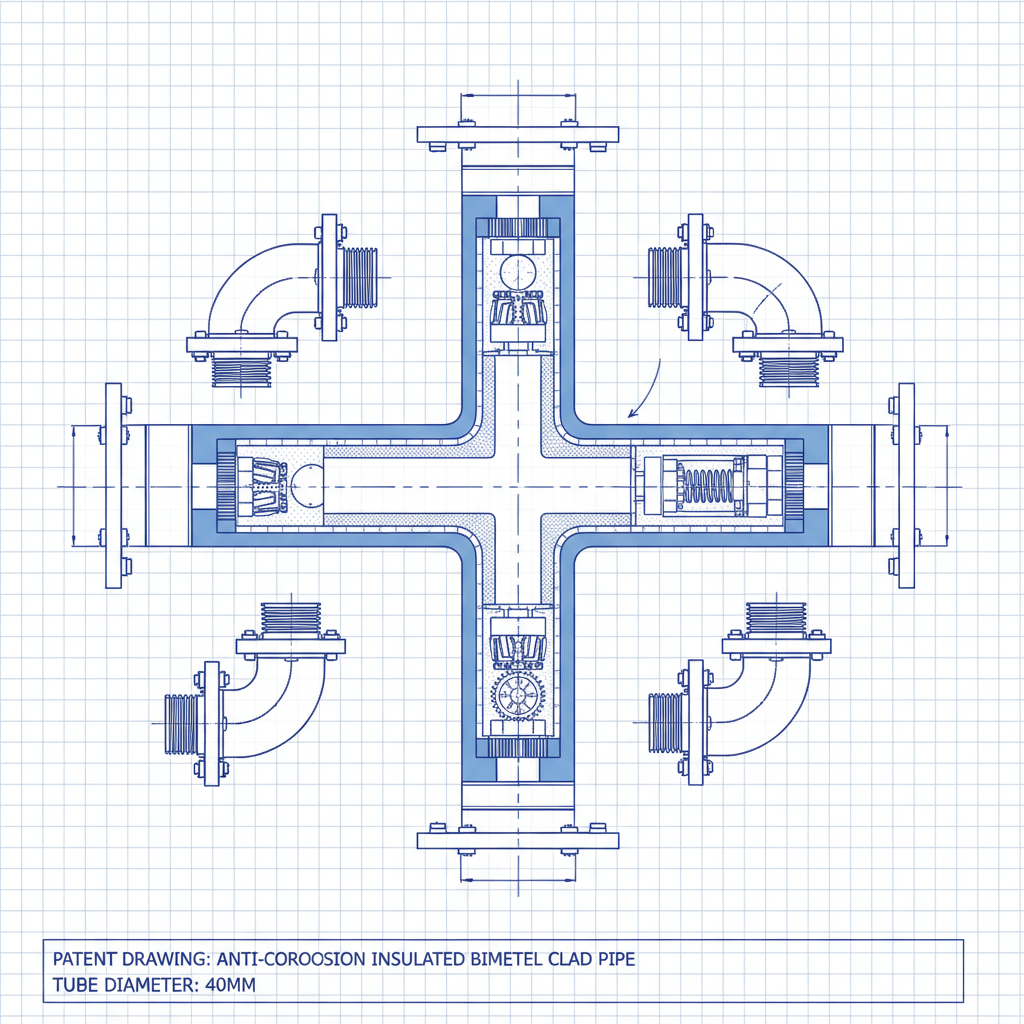
Properties and Industrial Applications of 4130 steel tubing

In the world of high-performance engineering, material selection is the foundation of safety and efficiency. 4130 steel tubing is widely recognized as the gold standard for applications requiring an exceptional strength-to-weight ratio. Known for its versatility and reliability, this chromium-molybdenum alloy is the preferred choice for everything from aircraft frames to professional roll cages. Understanding the nuances of this material allows engineers to optimize structural integrity without adding unnecessary bulk. In this comprehensive guide, we will explore why this specific alloy remains a top choice for critical industrial and aerospace components.
Comprehensive Guide to 40mm Steel Tube Applications and Material Selection
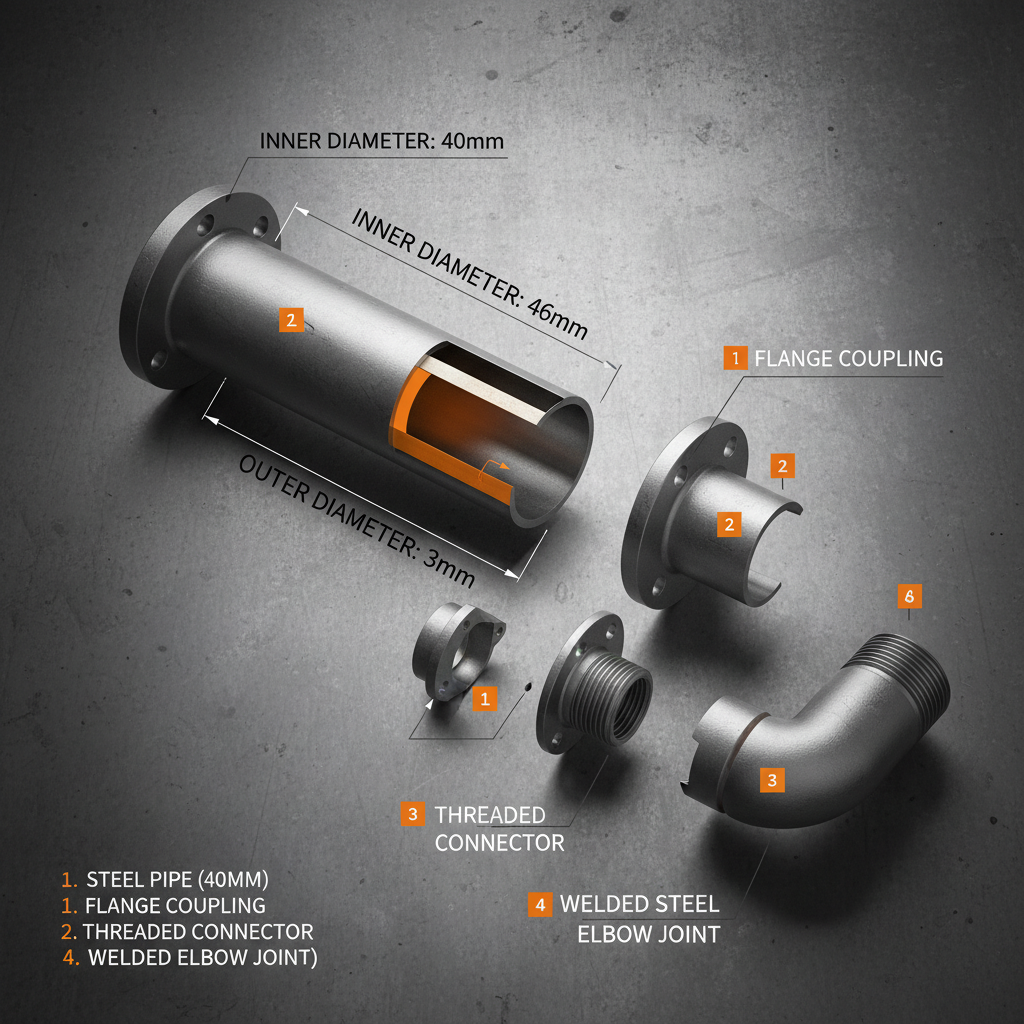
Comprehensive Guide to 40mm Steel Tube Applications and Material Selection

40mm steel tube is a versatile and widely used material in various industries, from construction and manufacturing to automotive and beyond. Its strength, durability, and cost-effectiveness make it an ideal choice for numerous applications. This article will delve into the characteristics, applications, benefits, and considerations when working with 40mm steel tube, providing a comprehensive overview for professionals and anyone interested in this essential material.
Comprehensive Guide to 40mm Steel Pipe Applications and Considerations
Comprehensive Guide to 40mm Steel Pipe Applications and Considerations

40mm steel pipe is a widely used material in various industries due to its strength, durability, and cost-effectiveness. From construction and infrastructure projects to industrial applications and fluid transportation, this pipe size offers a versatile solution. This article will delve into the properties, applications, standards, and key considerations when selecting 40mm steel pipe, helping you make informed decisions for your specific needs.
Comprehensive Guide to 40mm Metal Pipe Applications and Sourcing
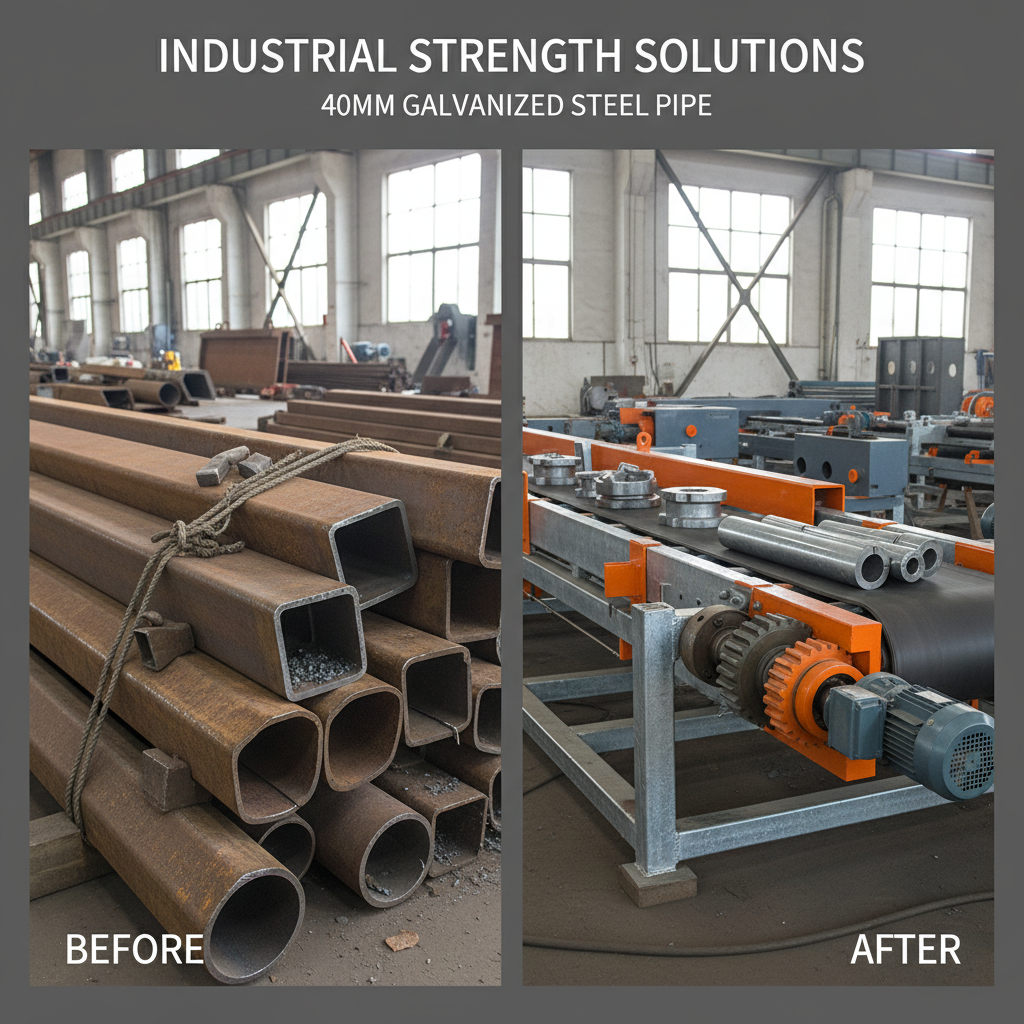
Comprehensive Guide to 40mm Metal Pipe Applications and Sourcing

40mm metal pipe is a crucial component in a wide array of industries, from construction and plumbing to industrial manufacturing and fluid transport. Its strength, durability, and versatility make it a preferred material for countless applications. This article will delve into the specifics of 40mm metal pipe, exploring its various types, common uses, benefits, and where to source high-quality piping solutions.
Comprehensive Guide to 40mm Galvanised Pipe Applications and Specifications

Comprehensive Guide to 40mm Galvanised Pipe Applications and Specifications

When planning a plumbing, structural, or industrial project, selecting the right piping material is crucial. 40mm galvanised pipe is a widely used option known for its strength, durability, and corrosion resistance. This article provides a detailed overview of 40mm galvanised pipes, exploring their applications, benefits, specifications, and considerations for optimal usage. We'll cover everything from what galvanisation is to how to choose the right pipe for your specific needs.
tel email tel top

If you are interested in our products, you can choose to leave your information here, and we will be in touch with you shortly.