tel
Email
to top

Anti Corrosion Steel Pipe Overview and Applications

Apr 14 2025
share:

Corrosion is a major challenge in industrial and infrastructure applications, leading to material degradation, increased maintenance costs, and potential safety hazards. Anti-corrosion steel pipe provides an effective solution by combining durable materials with advanced protective coatings, ensuring long-term performance in harsh environments. These pipes are essential in industries such as oil and gas, chemical processing, water distribution, and heating systems, where resistance to rust, chemicals, and extreme temperatures is critical.


Understanding Anti-Corrosion Steel Pipe and Its Importance


The fundamental purpose of anti-corrosion steel pipe lies in its engineered resistance to oxidation and chemical breakdown. Unlike standard steel pipes that may deteriorate rapidly when exposed to moisture or aggressive substances, these specialized pipes incorporate protective measures at both material and surface treatment levels. The base material often consists of high-grade steel alloys, with carbon steel A106 and A106B carbon steel, being particularly favored for their balanced properties of strength and workability. These materials serve as excellent substrates for additional protective layers.


Surface treatments play an equally crucial role in enhancing corrosion resistance. Common methods include hot-dip galvanization, where pipes are coated with a layer of zinc to create a sacrificial barrier. More advanced options involve epoxy or polyethylene coatings applied through sophisticated processes like electrostatic spraying or extrusion wrapping. Such treatments not only prevent direct contact between the steel and corrosive elements but also provide additional benefits like improved abrasion resistance. In marine or underground applications, cathodic protection systems may be integrated with anti-corrosion steel pipes to further extend service life through electrochemical means.


Types of Anti-Corrosion Steel Pipes and Their Uses


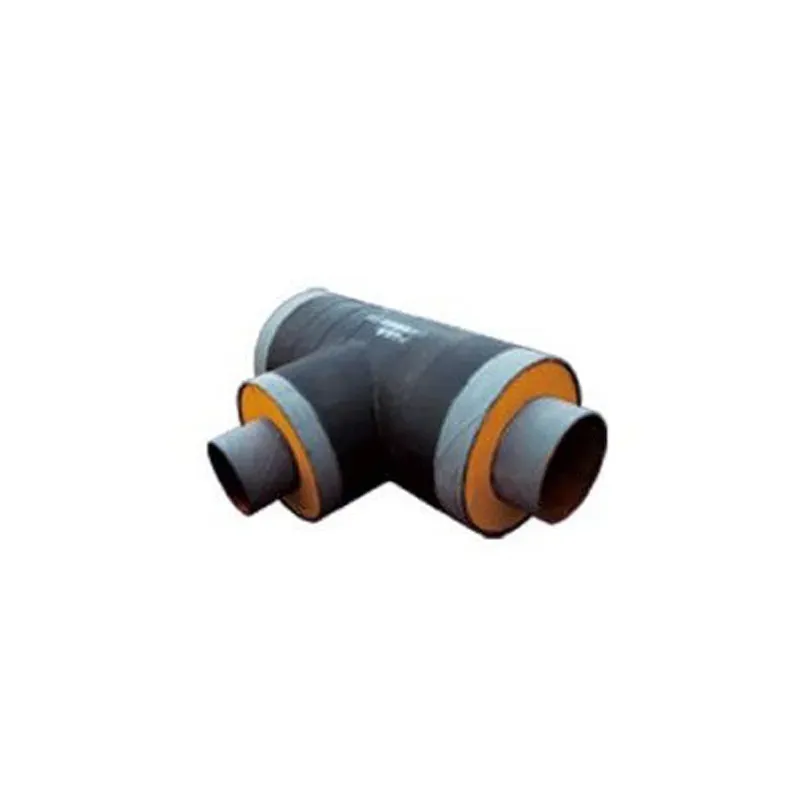
The diversity of anti-corrosion steel pipe products addresses varying industrial requirements through specialized designs. Pre-insulated black steel pipe represents a significant category, featuring both corrosion protection and thermal insulation in a single unit. These pipes typically consist of a steel core wrapped in moisture-resistant insulation material, all encased in a protective outer jacket. This design proves particularly valuable in district heating networks where maintaining fluid temperature is as important as pipe durability. Similarly, pre-insulated carbon steel pipe offers enhanced thermal performance for applications ranging from industrial process lines to geothermal systems.


For high-pressure applications, carbon seamless steel pipes provide superior reliability due to their homogeneous structure without welded seams. The absence of weld lines eliminates potential weak points where corrosion might initiate, making these pipes ideal for critical services in power plants and refineries. When mechanical strength needs to be combined with chemical resistance, composite tube solutions come into play. These innovative products layer different materials, typically with a steel structural core and polymer protective lining, to achieve optimal performance characteristics. The square-profile variants, known as composite square tubing, find particular utility in structural applications where both corrosion resistance and load-bearing capacity are required.


Fluid transfer systems often employ flexible alternatives like composite hose pipe, which combines metal reinforcement with synthetic liners to handle aggressive chemicals while maintaining flexibility. In building services, composite plumbing pipe systems are increasingly replacing traditional materials due to their corrosion-free performance and ease of installation. These composite solutions demonstrate how material science innovations continue to expand the capabilities of anti-corrosion steel pipes across multiple sectors.


Manufacturing and Quality Assurance of Anti-Corrosion Steel Pipes


The production of anti-corrosion steel pipe begins with stringent material selection, where steel grades like carbon steel A106 are chosen for their optimal chemical composition and mechanical properties. Modern manufacturing employs either seamless or welded methods, with seamless pipes created through rotary piercing and elongation processes, while welded pipes undergo forming and electric resistance welding. Surface preparation is critical, involving abrasive blasting and chemical treatments to ensure proper coating adhesion. Various protective systems are then applied, including fusion-bonded epoxy coatings through electrostatic spraying or extruded polyethylene layers, while pre-insulated carbon steel pipe receives additional polyurethane foam injection between the pipe and outer casing.


Quality assurance is maintained through rigorous testing at every production stage. Non-destructive methods like ultrasonic inspection verify wall thickness and detect flaws, while hydrostatic testing confirms pressure containment capability. Finished pipes undergo coating integrity checks using holiday detection systems, and insulation properties are verified through thermal conductivity testing. Manufacturers adhere to international standards such as ASTM, API, and ISO to ensure anti-corrosion steel pipe products meet the demanding requirements of global industries, guaranteeing both performance and longevity in challenging applications.


Anti-corrosion steel pipe plays a vital role in modern infrastructure by combining durability with advanced corrosion protection. From standard carbon steel A106 pipes to innovative composite tube solutions, these products meet diverse industrial needs while reducing maintenance costs. As material science advances, future developments will further enhance their performance and expand applications across critical industries. With its proven reliability and evolving technology, anti-corrosion steel pipe remains an essential solution for long-term piping requirements.
 

Anti Corrosion Steel Pipe Overview and Applications


  • Laser Clad  Pipe

    Laser Clad Pipe

    Laser clad steel pipes are manufactured using laser cladding technology. This technology involves adding cladding material to the surface of ordinary steel pipe base material, using high-energy-density laser beams to fuse the cladding material with the steel pipe surface, forming a metallurgically bonded cladding layer. These pipes are generally used in compressed air energy storage projects as underground deep well transportation pipes or casings, as well as in oil, natural gas, and geothermal well extraction.
    VIEW ALL
  • Reducer

    Reducer

    Reducer is a pipe fitting used to connect pipes of different diameters, facilitating smooth transitions between varying flow capacities in piping systems. Available in concentric and eccentric designs, reducers help maintain optimal flow efficiency while minimizing pressure loss and turbulence.
    VIEW ALL
  • Flange

    Flange

    Flange Product Introduction Flanges are used to connect pipes to pipes or pipes to equipment, ensuring a sealed and stable connection. They prevent fluid leakage and can withstand certain pressures and stresses, ensuring reliable connections. Flange nominal diameters range from DN15-DN2000 and beyond, covering various pipeline connection needs. Flanges primarily adhere to international standards such as ASME B16.5-2020, ASME B16.47-2020, and API 6A-2018.
    VIEW ALL
To create value for customers!
Cangzhou Leo Technology Co., Ltd. is located in Mengcun County Economic Development Zone, Cangzhou City, Hebei Province. It is a specialized high-tech enterprise that integrates the research and development, production, and sales of composite pipes and fittings.
News
The company regards product quality as the life of the enterprise, establishes a sound quality management system in accordance with the requirements of industry and national standards, controls all aspects of input and output in the whole process, pays attention to every detail, and ensures that the product delivery pass rate is 100%.
Industrial Guide to High Quality 5 8 Stainless Steel Tubing

Industrial Guide to High Quality 5 8 Stainless Steel Tubing

The Ultimate Guide to 5 8 Stainless Steel Tubing for Industrial Applications In the world of high-pressure fluid systems and structural engineering, precision is everything. 5 8 stainless steel tubing serves as a critical component across various sectors, providing an optimal balance between wall thickness, flow capacity, and mechanical strength. Whether you are dealing with corrosive chemicals in a pharmaceutical plant or high-temperature steam in a power station, choosing the right tubing size and grade is essential for system longevity and safety. This guide explores the technical nuances, material advantages, and practical applications of this specific tubing dimension to help you make an informed procurement decision.
5 8 Square Tubing Applications and Technical Specifications

5 8 Square Tubing Applications and Technical Specifications

The Ultimate Guide to 5 8 Square Tubing: Applications and Specifications When it comes to structural integrity and precision engineering, selecting the right materials is the cornerstone of any successful project. 5 8 square tubing offers a perfect balance of strength, weight, and versatility, making it a preferred choice for architects, automotive engineers, and DIY enthusiasts alike. Whether you are constructing a heavy-duty industrial frame or a sleek piece of modern furniture, understanding the nuances of this specific tubing size is essential for optimizing performance. In this comprehensive guide, we will explore the technical specifications, material options, and various industry applications
Ultimate Guide to 4130 Tubing Strength Performance and Applications
Ultimate Guide to 4130 Tubing Strength Performance and Applications

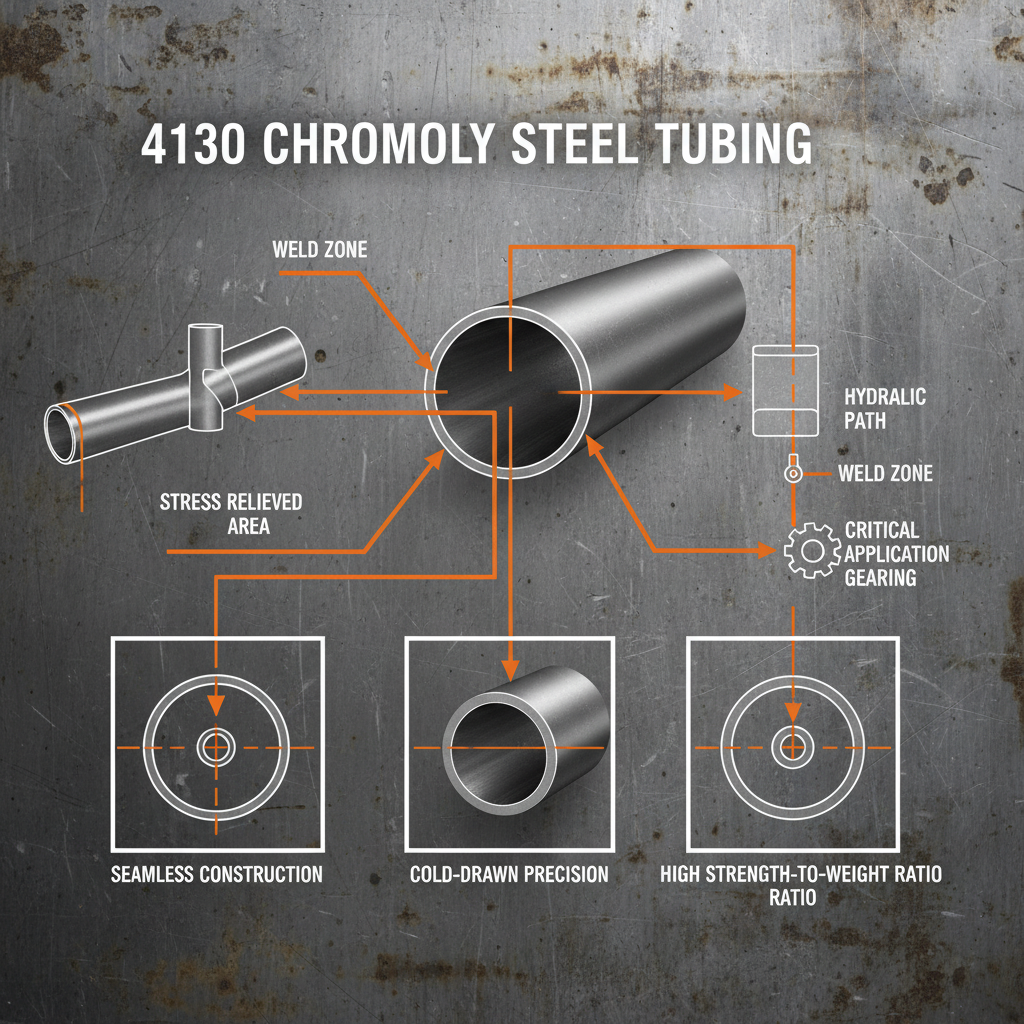
In the world of high-performance engineering, material selection is the foundation of safety and efficiency. 4130 tubing is widely regarded as the gold standard for applications requiring an exceptional strength-to-weight ratio. This chrome-molybdenum alloy steel is engineered to withstand extreme stress while remaining lightweight enough for aerospace and automotive use. Whether you are designing a roll cage, a bicycle frame, or a critical industrial component, understanding the nuances of this material is essential. In this comprehensive guide, we will explore why this specific alloy is preferred by engineers worldwide and how to choose the right specifications for your project.
Properties and Industrial Applications of 4130 steel tubing

Properties and Industrial Applications of 4130 steel tubing

In the world of high-performance engineering, material selection is the foundation of safety and efficiency. 4130 steel tubing is widely recognized as the gold standard for applications requiring an exceptional strength-to-weight ratio. Known for its versatility and reliability, this chromium-molybdenum alloy is the preferred choice for everything from aircraft frames to professional roll cages. Understanding the nuances of this material allows engineers to optimize structural integrity without adding unnecessary bulk. In this comprehensive guide, we will explore why this specific alloy remains a top choice for critical industrial and aerospace components.
Comprehensive Guide to 40mm Steel Tube Applications and Material Selection

Comprehensive Guide to 40mm Steel Tube Applications and Material Selection

40mm steel tube is a versatile and widely used material in various industries, from construction and manufacturing to automotive and beyond. Its strength, durability, and cost-effectiveness make it an ideal choice for numerous applications. This article will delve into the characteristics, applications, benefits, and considerations when working with 40mm steel tube, providing a comprehensive overview for professionals and anyone interested in this essential material.
Comprehensive Guide to 40mm Steel Pipe Applications and Considerations

Comprehensive Guide to 40mm Steel Pipe Applications and Considerations

40mm steel pipe is a widely used material in various industries due to its strength, durability, and cost-effectiveness. From construction and infrastructure projects to industrial applications and fluid transportation, this pipe size offers a versatile solution. This article will delve into the properties, applications, standards, and key considerations when selecting 40mm steel pipe, helping you make informed decisions for your specific needs.
tel email tel top

If you are interested in our products, you can choose to leave your information here, and we will be in touch with you shortly.