tel
Email
to top

Common Types of Pipe Fittings and Their Applications

Apr 14 2025
share:

Pipe fittings serve as critical components in industrial, commercial, and residential piping systems, facilitating the efficient transport of liquids, gases, and other substances. These components are designed to connect, redirect, branch, or terminate pipelines while maintaining structural integrity and optimal flow conditions. Manufacturers produce fittings in various materials, sizes, and configurations to accommodate different pressure ratings, temperature conditions, and environmental factors. Among the most widely used materials are carbon steel, stainless steel, and black steel, each offering distinct advantages depending on the application.


Pipe Fittings for Directional Changes


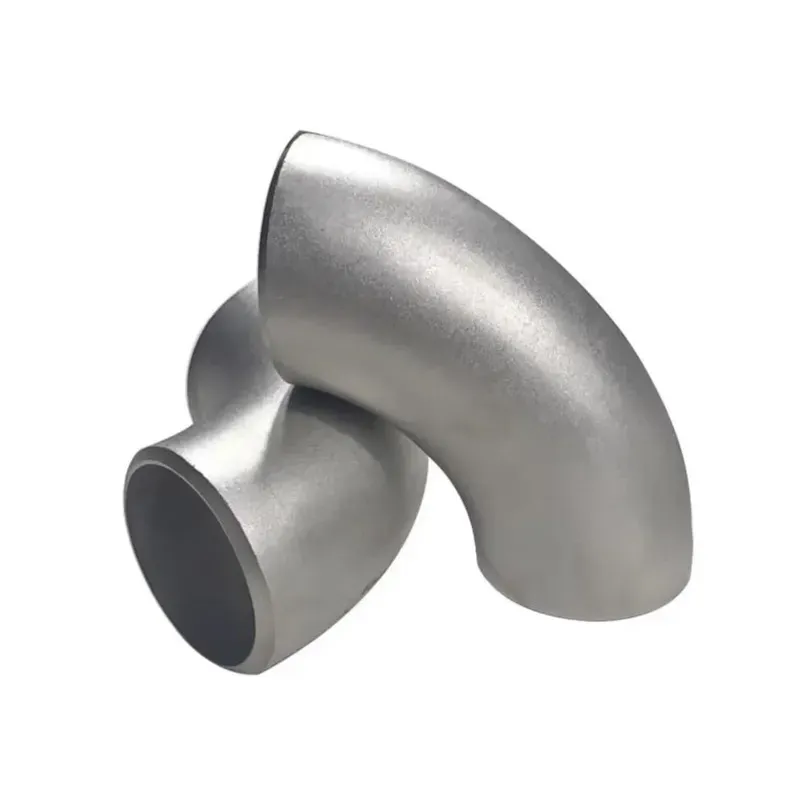
Altering the direction of pipeline systems is a fundamental requirement in many installations, and elbows are the most common solution for this purpose. These fittings are manufactured in standard angles, with 45-degree and 90-degree bends being the most prevalent. A black steel pipe elbow is frequently utilized in gas distribution and water supply systems due to its high strength and resistance to oxidation. Its uncoated surface makes it suitable for environments where paint or other protective layers are unnecessary or undesirable.


For applications requiring a sharper directional shift, a carbon steel 90-degree elbow is often the preferred choice. This fitting ensures minimal turbulence in the flow, reducing pressure drop and maintaining system efficiency. Carbon steel's durability makes it ideal for high-stress applications, including petrochemical plants and heavy industrial piping networks. Additionally, an elbow black steel fitting is commonly used in fire sprinkler systems and compressed air lines, where threaded connections provide secure joining without requiring welding.


Pipe Fittings for Branch Connections


When a pipeline must split into multiple directions, tee fittings become essential. These components allow for the division of flow while maintaining structural stability. A metal tee fitting is a versatile option, available in equal or unequal configurations depending on whether the branch line matches the diameter of the main pipeline. These fittings are widely used in plumbing, HVAC systems, and industrial process piping.


In environments where corrosion resistance is critical, such as chemical processing or marine applications, stainless steel tee fittings are the optimal choice. Their ability to withstand harsh chemicals and saline conditions ensures long-term reliability. Similarly, a stainless tee fitting is indispensable in the food, beverage, and pharmaceutical industries, where sanitary standards require smooth, non-reactive surfaces to prevent contamination. These fittings are often polished to meet strict hygiene regulations while maintaining durability under frequent cleaning and sterilization.


Pipe Fittings for Termination and Size Adjustment


Sealing the end of a pipeline is necessary for maintenance, pressure testing, or system modifications. Steel caps for pipes provide a secure closure, preventing debris ingress and pressure loss. Threaded variants, such as a threaded steel cap, allow for easy removal and reinstallation, making them suitable for systems that require periodic inspection or cleaning. A threaded steel pipe cap is particularly useful in high-pressure applications, where a tight seal is crucial to prevent leaks.


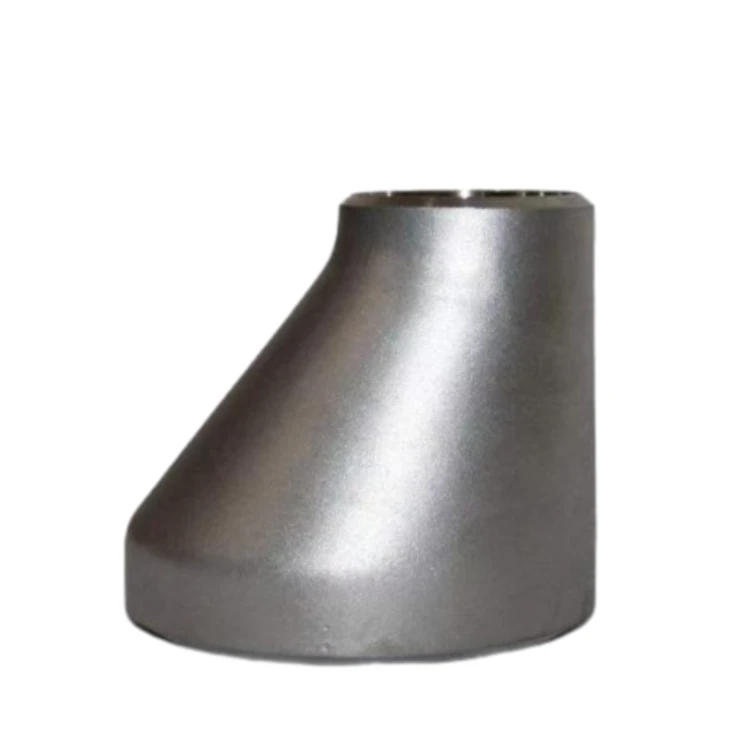
In addition to termination, adjusting pipe diameters is often necessary to accommodate different flow rates or equipment connections. A carbon steel reducer serves this purpose by joining pipes of differing sizes while maintaining a smooth transition to minimize turbulence. These fittings are commonly used in pump inlets, compressor lines, and other systems where pressure and velocity regulation are essential. Concentric and eccentric reducers are available, with the latter being particularly useful in preventing air pocket formation in horizontal pipelines.


Pipe fittings play a fundamental role in ensuring the proper functioning and longevity of piping systems across various industries. From redirecting flow with black steel pipe elbow and carbon steel 90 degree elbow fittings to creating branch connections using stainless steel tee fittings, each component serves a distinct purpose in maintaining system integrity. The selection of appropriate fittings directly impacts the efficiency, safety, and maintenance requirements of the entire pipeline network.


When designing or modifying piping systems, engineers must carefully consider termination and size adjustment solutions such as threaded steel pipe caps and carbon steel reducer fittings. These components not only provide necessary functionality but also contribute to the overall reliability of fluid transport systems. By understanding the specific applications and advantages of different fitting types, professionals can optimize pipeline performance while meeting industry standards and operational demands.
 

Common Types of Pipe Fittings and Their Applications


  • Pipe Cap

    Pipe Cap

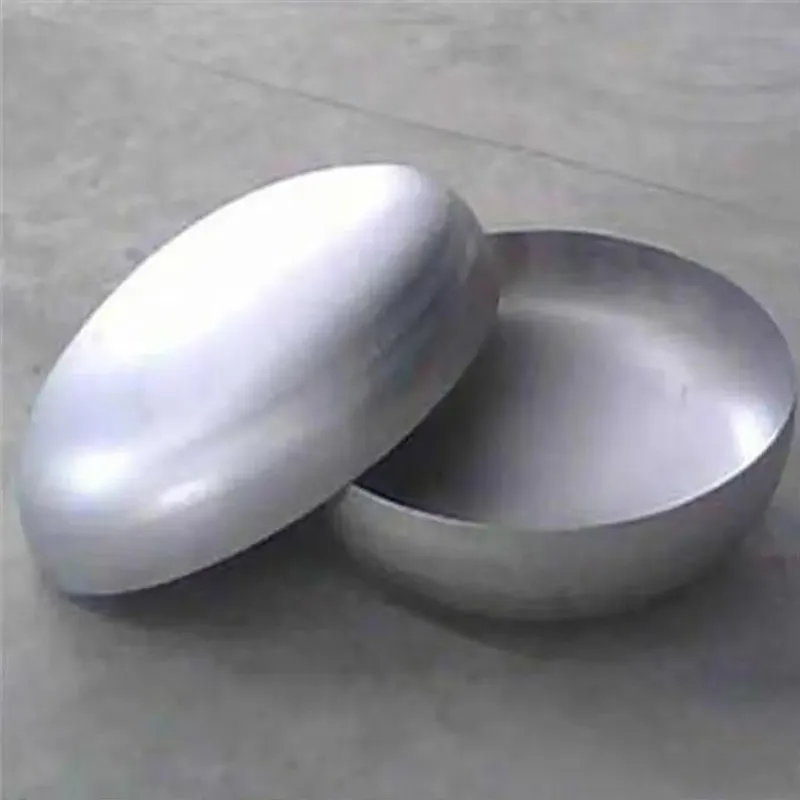
    Pipe caps come in different shapes, including round, square, and oval, and can be designed for both threaded and welded connections. They ensure the integrity of piping systems during transportation, storage, and installation by protecting the pipe ends from dirt, debris, and environmental factors. Durable and easy to install, pipe caps are critical for maintaining system efficiency and safety.
    VIEW ALL
  • Anti Corrosion And Thermal Insulation Products

    Anti Corrosion And Thermal Insulation Products

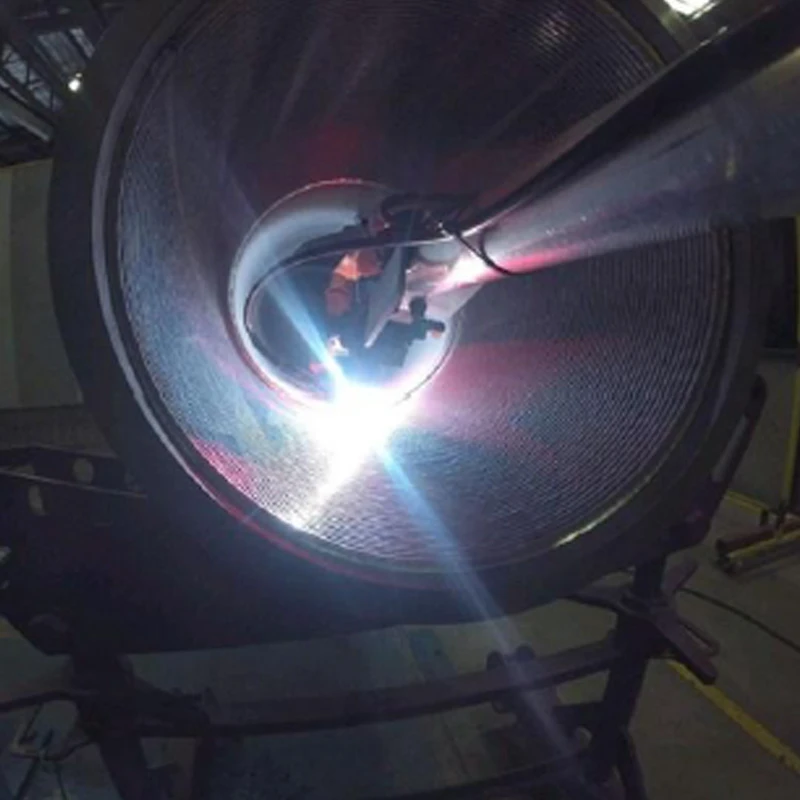
    The anti-corrosion and thermal insulation products we focus on produce play a key role in the industrial pipeline system, especially the thermal insulation pipe fittings and steel pipes. Thermal insulation pipe fittings cover elbows, tees, reducers and pipe supports, with specifications ranging from DN15 to DN1800, and are made of carbon steel, alloy steel, stainless steel, bimetallic composite, nickel-based alloy and other materials.
    VIEW ALL
  • Flange

    Flange

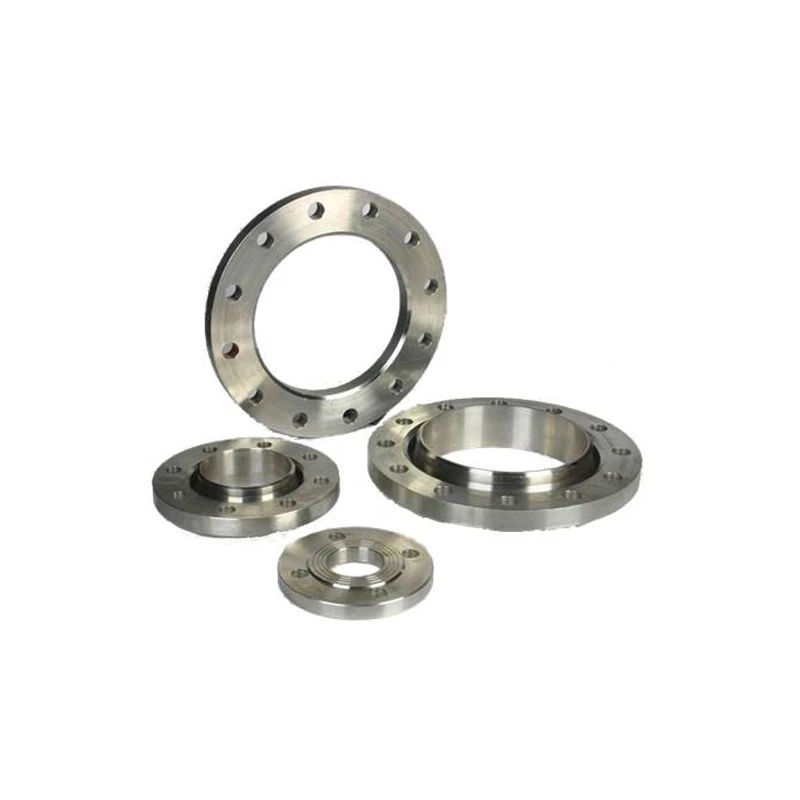
    Flange Product Introduction Flanges are used to connect pipes to pipes or pipes to equipment, ensuring a sealed and stable connection. They prevent fluid leakage and can withstand certain pressures and stresses, ensuring reliable connections. Flange nominal diameters range from DN15-DN2000 and beyond, covering various pipeline connection needs. Flanges primarily adhere to international standards such as ASME B16.5-2020, ASME B16.47-2020, and API 6A-2018.
    VIEW ALL
To create value for customers!
Cangzhou Leo Technology Co., Ltd. is located in Mengcun County Economic Development Zone, Cangzhou City, Hebei Province. It is a specialized high-tech enterprise that integrates the research and development, production, and sales of composite pipes and fittings.
News
The company regards product quality as the life of the enterprise, establishes a sound quality management system in accordance with the requirements of industry and national standards, controls all aspects of input and output in the whole process, pays attention to every detail, and ensures that the product delivery pass rate is 100%.
Ultimate Guide to 4130 Tubing Strength Performance and Applications
Ultimate Guide to 4130 Tubing Strength Performance and Applications

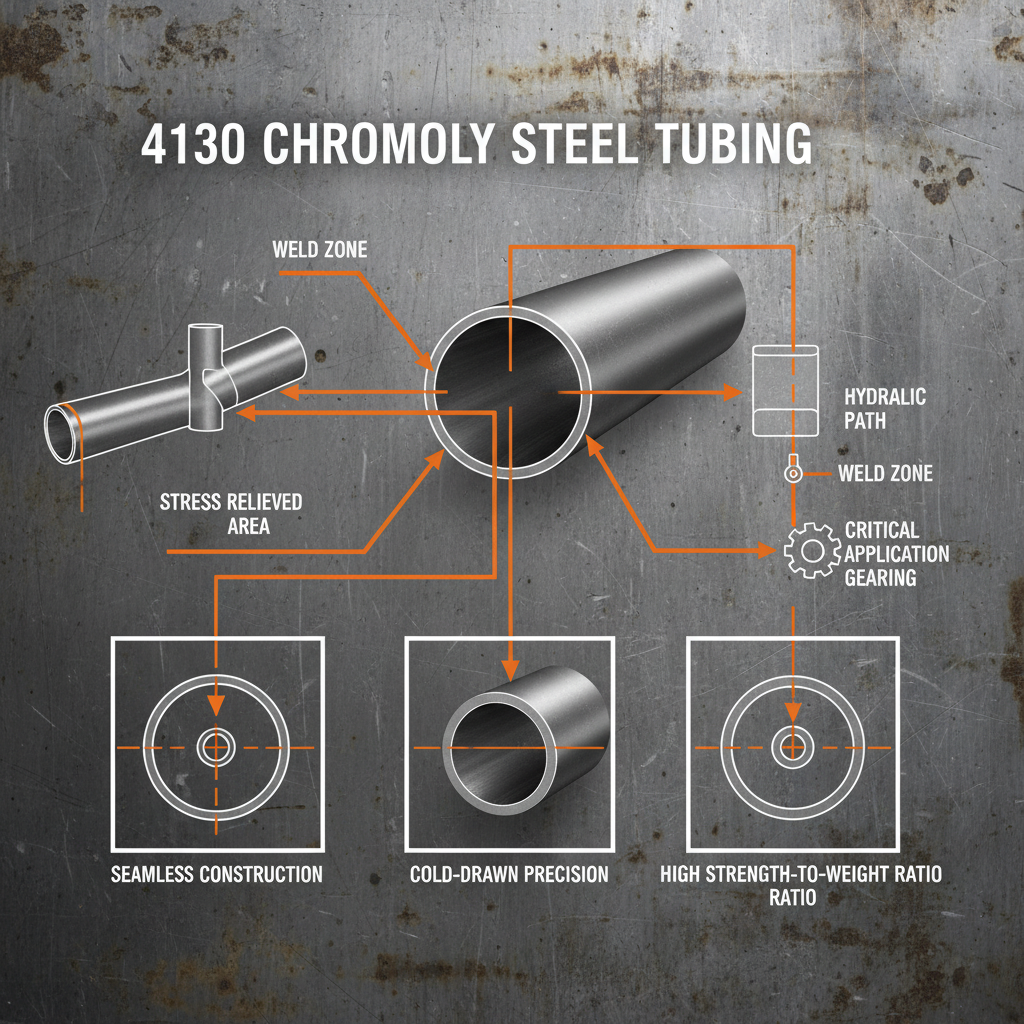
In the world of high-performance engineering, material selection is the foundation of safety and efficiency. 4130 tubing is widely regarded as the gold standard for applications requiring an exceptional strength-to-weight ratio. This chrome-molybdenum alloy steel is engineered to withstand extreme stress while remaining lightweight enough for aerospace and automotive use. Whether you are designing a roll cage, a bicycle frame, or a critical industrial component, understanding the nuances of this material is essential. In this comprehensive guide, we will explore why this specific alloy is preferred by engineers worldwide and how to choose the right specifications for your project.
Properties and Industrial Applications of 4130 steel tubing

Properties and Industrial Applications of 4130 steel tubing

In the world of high-performance engineering, material selection is the foundation of safety and efficiency. 4130 steel tubing is widely recognized as the gold standard for applications requiring an exceptional strength-to-weight ratio. Known for its versatility and reliability, this chromium-molybdenum alloy is the preferred choice for everything from aircraft frames to professional roll cages. Understanding the nuances of this material allows engineers to optimize structural integrity without adding unnecessary bulk. In this comprehensive guide, we will explore why this specific alloy remains a top choice for critical industrial and aerospace components.
Comprehensive Guide to 40mm Steel Tube Applications and Material Selection

Comprehensive Guide to 40mm Steel Tube Applications and Material Selection

40mm steel tube is a versatile and widely used material in various industries, from construction and manufacturing to automotive and beyond. Its strength, durability, and cost-effectiveness make it an ideal choice for numerous applications. This article will delve into the characteristics, applications, benefits, and considerations when working with 40mm steel tube, providing a comprehensive overview for professionals and anyone interested in this essential material.
Comprehensive Guide to 40mm Steel Pipe Applications and Considerations

Comprehensive Guide to 40mm Steel Pipe Applications and Considerations

40mm steel pipe is a widely used material in various industries due to its strength, durability, and cost-effectiveness. From construction and infrastructure projects to industrial applications and fluid transportation, this pipe size offers a versatile solution. This article will delve into the properties, applications, standards, and key considerations when selecting 40mm steel pipe, helping you make informed decisions for your specific needs.
Comprehensive Guide to 40mm Metal Pipe Applications and Sourcing

Comprehensive Guide to 40mm Metal Pipe Applications and Sourcing

40mm metal pipe is a crucial component in a wide array of industries, from construction and plumbing to industrial manufacturing and fluid transport. Its strength, durability, and versatility make it a preferred material for countless applications. This article will delve into the specifics of 40mm metal pipe, exploring its various types, common uses, benefits, and where to source high-quality piping solutions.
Comprehensive Guide to 40mm Galvanised Pipe Applications and Specifications

Comprehensive Guide to 40mm Galvanised Pipe Applications and Specifications

When planning a plumbing, structural, or industrial project, selecting the right piping material is crucial. 40mm galvanised pipe is a widely used option known for its strength, durability, and corrosion resistance. This article provides a detailed overview of 40mm galvanised pipes, exploring their applications, benefits, specifications, and considerations for optimal usage. We'll cover everything from what galvanisation is to how to choose the right pipe for your specific needs.
tel email tel top

If you are interested in our products, you can choose to leave your information here, and we will be in touch with you shortly.