tel
Email
to top

An Overview of Steel Tube Types and Their Applications

Apr 14 2025
share:

Steel tube types serve as fundamental components across multiple industrial sectors due to their structural integrity, durability, and adaptability. These hollow cylindrical structures are manufactured in various forms to meet specific operational demands. Their classification depends on production techniques, material composition, and intended functionality.


Common Steel Tube Types Based on Manufacturing Methods


The production process significantly influences the mechanical properties and performance of steel tubes. The two primary manufacturing categories are seamless and welded tubes, each offering distinct advantages depending on application requirements.


First of all, carbon seamless steel pipes are manufactured through an extrusion process where a solid steel billet is heated and pierced to form a hollow tube. This method eliminates welded seams, resulting in a uniform structure with superior strength and pressure resistance. Industries requiring high-performance piping, such as oil refineries and power plants, prefer seamless carbon steel tube products due to their reliability in high-stress environments.


Besides, welded steel tubes are fabricated by rolling steel sheets or strips into cylindrical shapes and welding the seams. While this method is more economical and suitable for mass production, welded tubes may exhibit weaker points along the weld line compared to seamless CS pipe alternatives. They are commonly used in structural applications, fencing, and low-pressure fluid transport where extreme durability is not a critical factor.


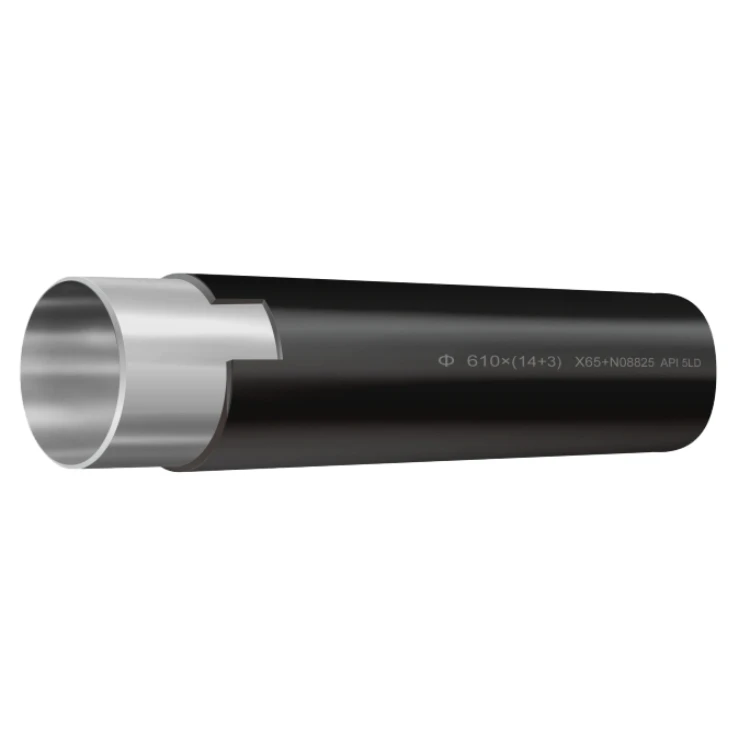
Furthermore, advanced manufacturing techniques have led to the development of hybrid tubes such as bimetal tube, which combines two different metals to optimize performance. For instance, a steel core with an outer aluminum layer enhances corrosion resistance while maintaining structural rigidity. These tubes are increasingly utilized in chemical processing and marine engineering where environmental factors demand enhanced material properties.


Material-Specific Steel Tube Types and Their Properties


The composition of steel tubes plays a crucial role in determining their suitability for specific applications. Variations in alloying elements and composite materials allow manufacturers to produce tubes with tailored characteristics such as enhanced strength, corrosion resistance, or thermal conductivity. In addition to standard carbon steel options, CS seamless pipe products are widely used in high-temperature and high-pressure systems. Their homogeneous structure ensures consistent performance in demanding environments such as steam boilers, hydraulic systems, and petrochemical plants. The absence of weld seams reduces the risk of failure under cyclic stress, making them a preferred choice for critical infrastructure.


Another notable innovation is the aluminum composite pipe, which integrates aluminum with other metals to achieve a balance between weight reduction and structural integrity. This type of tube is particularly valuable in the aerospace and automotive industries, where lightweight yet durable materials are essential for fuel efficiency and performance.


Similarly, the aluminum plastic composite pipe incorporates layers of plastic and aluminum to provide a versatile solution for plumbing and heating systems. The plastic interior ensures smooth fluid flow and chemical resistance, while the aluminum layer adds strength and prevents deformation under pressure. These pipes are commonly installed in residential and commercial water supply networks.


Finally, specialized components such as the carbon steel reducer are integral to piping systems where diameter adjustments are necessary. These fittings facilitate smooth transitions between pipe sections, ensuring optimal flow dynamics and minimizing turbulence in industrial pipelines.


Key Applications of Different Steel Tube Types


The selection of steel tube types is dictated by operational demands, environmental conditions, and regulatory standards. Each variant offers unique benefits that make it suitable for specific industrial applications.


Seamless CS pipe is extensively employed in the oil and gas sector for transporting hydrocarbons under high pressure. Its robust construction minimizes the risk of leaks and ruptures, ensuring safe and efficient operation in pipelines and drilling equipment. Additionally, power generation plants utilize these pipes in steam and heat exchange systems where temperature fluctuations require durable materials.


Moreover, bimetal tube configurations are increasingly adopted in chemical processing and desalination plants. The combination of corrosion-resistant outer layers with high-strength cores extends the service life of piping systems exposed to aggressive media.


Additionally, aluminum composite pipe is favored in modern architecture for its lightweight properties and aesthetic flexibility. It is often used in curtain walls, handrails, and structural frameworks where both functionality and visual appeal are important. The aluminum plastic composite pipe has gained widespread acceptance in residential and commercial plumbing due to its ease of installation, resistance to scaling, and long-term durability. Its flexibility allows for efficient routing in confined spaces, reducing installation time and labor costs.


Last, carbon steel reducer fittings are essential in complex piping networks, enabling seamless integration of different pipe sizes. Their use in water treatment plants, HVAC systems, and industrial manufacturing ensures efficient fluid control and system compatibility.


The diversity of steel tube types available today reflects the evolving demands of modern industries. From high-pressure carbon seamless steel pipes to corrosion-resistant bimetal tube solutions, each variant is engineered to address specific challenges in industrial applications. Understanding the distinctions between seamless and welded tubes, as well as the advantages of composite materials, allows engineers and project managers to make informed decisions. Whether for infrastructure development, energy transportation, or architectural design, selecting the appropriate steel tube types ensures optimal performance, longevity, and cost-efficiency in any operational context.
 

An Overview of Steel Tube Types and Their Applications


  • Reducer

    Reducer

    Reducer is a pipe fitting used to connect pipes of different diameters, facilitating smooth transitions between varying flow capacities in piping systems. Available in concentric and eccentric designs, reducers help maintain optimal flow efficiency while minimizing pressure loss and turbulence.
    VIEW ALL
  • Carbon Semless Steel Pipes

    Carbon Semless Steel Pipes

    Carbon Seamless Steel Pipes are made from high-quality carbon steel and manufactured without welded seams, offering exceptional strength, durability, and resistance to pressure. These pipes are ideal for a wide range of applications, including oil and gas pipelines, construction, automotive, and fluid transportation systems. The seamless design ensures uniformity, higher structural integrity, and improved performance under high pressure and temperature conditions.
    VIEW ALL
  • Bend Pipe

    Bend Pipe

    Bend is a crucial pipe fitting used to change the direction of flow in a piping system. It allows for smooth transitions between sections of pipe, accommodating layout constraints, avoiding obstacles, and optimizing flow paths. Bends are designed to maintain the fluid's velocity and minimize pressure loss while providing the necessary angle of deviation. They are commonly used in various industries, including oil and gas, petrochemicals, water supply, and HVAC systems.
    VIEW ALL
To create value for customers!
Cangzhou Leo Technology Co., Ltd. is located in Mengcun County Economic Development Zone, Cangzhou City, Hebei Province. It is a specialized high-tech enterprise that integrates the research and development, production, and sales of composite pipes and fittings.
News
The company regards product quality as the life of the enterprise, establishes a sound quality management system in accordance with the requirements of industry and national standards, controls all aspects of input and output in the whole process, pays attention to every detail, and ensures that the product delivery pass rate is 100%.
High Performance Sink Pipe Steel Guide for Industrial Piping

High Performance Sink Pipe Steel Guide for Industrial Piping

High-Performance Sink Pipe Steel: The Ultimate Guide to Industrial Piping In the demanding world of industrial manufacturing and pressure vessel construction, the selection of materials for piping systems is critical. Utilizing high-quality sink pipe steel ensures that systems can withstand extreme pressures, corrosive media, and mechanical stress. Whether it is for chemical processing, oil and gas, or construction, the right steel grade and fitting geometry can mean the difference between seamless operation and costly system failure. This guide explores the technical nuances of steel elbows and specialized clad materials designed for the most rigorous environments.
Ultimate Guide to Industrial Seamless Steel Pipe for Piping

Ultimate Guide to Industrial Seamless Steel Pipe for Piping

In the realm of modern industrial infrastructure, the integrity of piping systems is non-negotiable. The seamless steel pipe stands as the gold standard for transporting high-pressure fluids and gases. Unlike welded alternatives, seamless pipes are manufactured without a longitudinal seam, eliminating the most common point of failure and ensuring superior structural consistency. This makes them indispensable in sectors where safety and reliability are paramount, such as petroleum, nuclear power, and thermal energy. In this comprehensive guide, we will explore the technical advantages, material specifications, and critical applications of these high-performance components to help you make an informed procurement decision.
High Performance Seamless Steel Pipes for Industrial Piping

High Performance Seamless Steel Pipes for Industrial Piping

In the world of industrial fluid transportation and pressure vessel manufacturing, the choice of piping material can determine the safety and longevity of an entire system. Seamless steel pipes are engineered to withstand extreme conditions without the risk of weld-line failure, making them the gold standard for high-pressure environments. From oil and gas pipelines to hydraulic systems, these pipes offer unmatched structural integrity. In this comprehensive guide, we will explore the technical specifications, benefits, and diverse applications of carbon seamless steel solutions to help you make an informed procurement decision for your next engineering project.
High Performance Seamless Stainless Steel Pipe for Industrial Use

High Performance Seamless Stainless Steel Pipe for Industrial Use

The Ultimate Guide to Seamless Stainless Steel Pipe for Industrial Applications In the demanding world of oil and gas extraction, particularly in fields characterized by high hydrogen sulfide and carbon dioxide levels, the integrity of transportation infrastructure is critical. While traditional carbon steel often fails due to insufficient corrosion resistance, the seamless stainless steel pipe emerges as a premium solution. By eliminating weld seams, these pipes provide superior structural integrity and a seamless barrier against corrosive media. For industries operating under extreme pressure and chemical aggression, choosing the right piping material is not just about efficiencyit is about safety and long-term economic viability.
Industrial Piping Solutions Using Durable sch 40 steel pipe

Industrial Piping Solutions Using Durable sch 40 steel pipe

Optimizing Industrial Piping with SCH 40 Steel Pipe Solutions In the demanding world of industrial manufacturing and fluid transport, selecting the right piping specification is critical for safety and efficiency. The sch 40 steel pipe serves as a global standard for versatility, balancing wall thickness with internal flow capacity. Whether used in petrochemical plants, marine environments, or construction, this pipe grade provides the structural reliability needed to handle moderate pressures. However, as industries evolve, the integration of advanced technologies like laser cladding is transforming how we enhance these pipes to resist extreme corrosion and wear, extending the lifecycle of critical infrastructure.
Industrial 5 inch steel tubing Guide for High Pressure Systems

Industrial 5 inch steel tubing Guide for High Pressure Systems

The Ultimate Guide to 5 Inch Steel Tubing for Industrial Applications When designing high-pressure piping systems or structural frameworks, selecting the right material dimensions is critical for safety and efficiency. The 5 inch steel tubing serves as a versatile midpoint in industrial piping, offering a perfect balance between flow capacity and structural rigidity. Whether it is used in oil and gas transport, water management, or architectural support, the quality of the steel determines the longevity of the entire project. In this comprehensive guide, we will explore the technical specifications, material grades, and strategic advantages of utilizing this specific tubing size
tel email tel top

If you are interested in our products, you can choose to leave your information here, and we will be in touch with you shortly.