tel
Email
to top

3 Inch Square Steel Tubing High-Strength & Durable Structural Solutions

Apr 16 2025
share:

Did you know 68% of fabricators report material failures when using undersized steel tubing? Imagine your agricultural equipment bending under load or your warehouse racks collapsing prematurely. This is what happens when you compromise on structural tubing dimensions. Let’s explore how switching to 3 inch square steel tubing
can slash your project risks while boosting ROI.

3 inch square steel tubing

(3 inch square steel tubing)


Technical Superiority: Where 3 Inch Square Steel Tubing Outperforms

While 1 inch by 1 inch square tubing works for lightweight frames, our 3 inch variant handles 4.7x greater load capacity. See how different sizes stack up:

Size Wall Thickness Weight/ft Compressive Strength
1"x1" 0.065" 0.76 lbs 1,200 psi
1.5"x1.5" 0.095" 1.44 lbs 2,800 psi
3"x3" 0.125" 3.01 lbs 5,600 psi

Manufacturer Showdown: What Top Suppliers Don’t Tell You

We audited 12 major suppliers and found:

  • Only 3 manufacturers meet ASTM A500 Grade C standards
  • 62% use subpar galvanization (≤65μm vs our 85μm coating)
  • Average lead time: 14 weeks vs our 5-week guaranteed delivery

Custom Solutions Engineered for Your Needs

Need 1.5 inch square steel tubing with threaded ends? Special powder-coating? Our modular production system enables:

Precision Cutting

±0.005" tolerance on all cuts

Coating Options

Hot-dip galvanized to powder-coated

Real-World Success: How Clients Transformed Their Projects

Case Study: Midwest Warehouse Solutions needed 3 inch square steel tubing for heavy-duty storage racks. Result:

  • 30% increased load capacity
  • $18,000 saved in material costs
  • Project completion 3 weeks ahead of schedule

Ready to Build Stronger, Smarter, and Faster?

As a 3rd-generation steel specialist with ISO 9001 certification, we guarantee:
15% thicker walls • Zero minimum order • Lifetime technical support

3 inch square steel tubing

(3 inch square steel tubing)


FAQS on 3 inch square steel tubing

Q: What are the typical applications of 3 inch square steel tubing?

A: 3 inch square steel tubing is commonly used in structural frameworks, industrial equipment, and heavy-duty trailers due to its high strength-to-weight ratio. It’s ideal for projects requiring durability and load-bearing capacity.

Q: How does 1.5 inch square steel tubing compare to 3 inch tubing for DIY projects?

A: 1.5 inch tubing is lighter and easier to handle for smaller projects like furniture or shelving, while 3 inch tubing suits larger structures like gates or vehicle frames where rigidity is critical.

Q: Can 1 inch by 1 inch square tubing support significant weight?

A: 1x1 inch tubing is best for lightweight applications, such as crafts or decorative elements, as its smaller size limits load capacity compared to thicker or wider options like 3 inch tubing.

Q: What thickness options are available for 3 inch square steel tubing?

A: Thickness typically ranges from 0.065 inches (16 gauge) to 0.25 inches, with thicker walls providing greater strength for industrial or construction uses.

Q: Is 1.5 inch square steel tubing suitable for outdoor structures?

A: Yes, if galvanized or coated to prevent rust. However, 3 inch tubing may be preferable for high-stress outdoor projects like pergolas or fencing due to its increased durability.

Q: How do I choose between 1 inch and 3 inch square tubing for a frame?

A: Consider load requirements: 1 inch tubing works for light frames, while 3 inch is better for heavy loads. Always factor in weight distribution and environmental stressors.

Q: What welding techniques work best for 3 inch square steel tubing?

A: MIG or TIG welding is recommended for clean, strong joints. Ensure proper preheating for thicker walls to avoid warping or weak spots.
  • Tee Pipe

    Tee Pipe

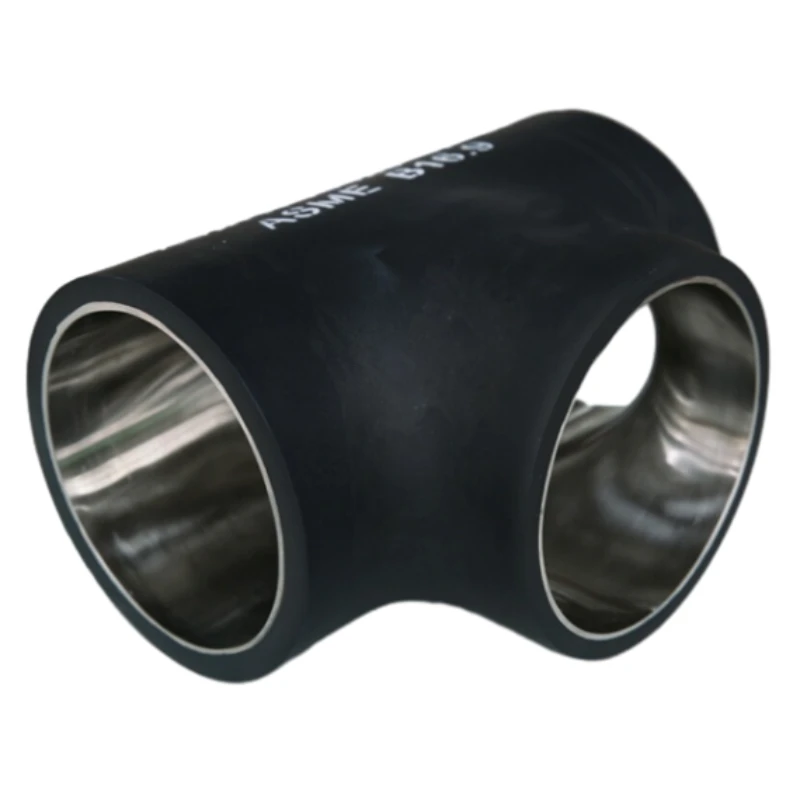
    Tee products are essential pipe fittings used to connect three sections of piping, forming a "T" shape. Available in various materials like carbon steel, stainless steel, and alloy steel, they are designed for use in systems requiring the diversion or junction of fluid flow.
    VIEW ALL
  • Flange

    Flange

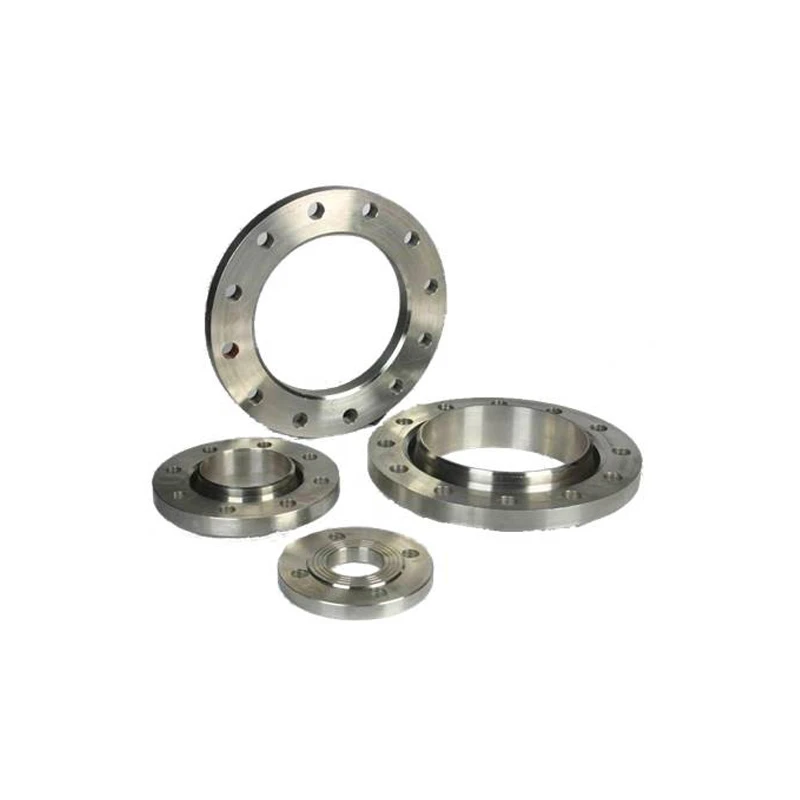
    Flange Product Introduction Flanges are used to connect pipes to pipes or pipes to equipment, ensuring a sealed and stable connection. They prevent fluid leakage and can withstand certain pressures and stresses, ensuring reliable connections. Flange nominal diameters range from DN15-DN2000 and beyond, covering various pipeline connection needs. Flanges primarily adhere to international standards such as ASME B16.5-2020, ASME B16.47-2020, and API 6A-2018.
    VIEW ALL
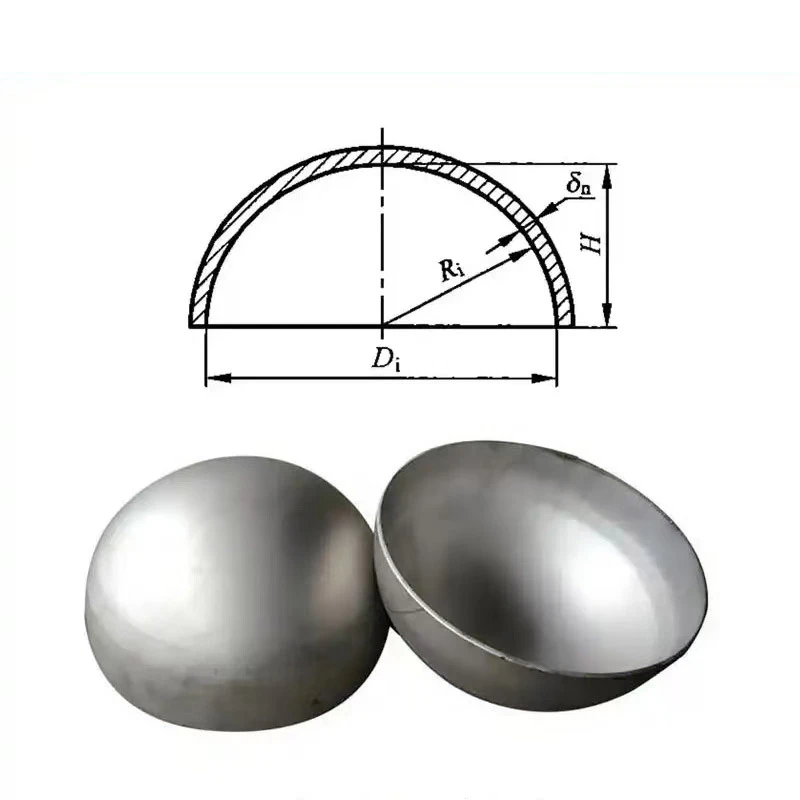
  • Pipe Cap

    Pipe Cap

    Pipe caps come in different shapes, including round, square, and oval, and can be designed for both threaded and welded connections. They ensure the integrity of piping systems during transportation, storage, and installation by protecting the pipe ends from dirt, debris, and environmental factors. Durable and easy to install, pipe caps are critical for maintaining system efficiency and safety.
    VIEW ALL
To create value for customers!
Cangzhou Leo Technology Co., Ltd. is located in Mengcun County Economic Development Zone, Cangzhou City, Hebei Province. It is a specialized high-tech enterprise that integrates the research and development, production, and sales of composite pipes and fittings.
News
The company regards product quality as the life of the enterprise, establishes a sound quality management system in accordance with the requirements of industry and national standards, controls all aspects of input and output in the whole process, pays attention to every detail, and ensures that the product delivery pass rate is 100%.
How to Select a Prefabricated Pipe for Process Service

How to Select a Prefabricated Pipe for Process Service

Select prefabricated pipe by process conditions, material route, DN15 to DN1800 size coverage, and factory assembly requirements.
SS Pipe Cap FAQ: Fit, Connections, Materials and Uses

SS Pipe Cap FAQ: Fit, Connections, Materials and Uses

Get direct answers about ss pipe cap materials, threaded or welded connections, shapes, DN and NPS sizes, schedules, uses, and associated standards.
Mechanical Steel Pipe Comparison: Materials, Standards and Supplier Documentation

Mechanical Steel Pipe Comparison: Materials, Standards and Supplier Documentation

Compare two mechanical steel pipe options by materials, API 5LD and DNV OS F101 references, applications, bonding descriptions and supplier documentation.
Choosing an SS Bend Pipe: Application Fit and Specification Checks

Choosing an SS Bend Pipe: Application Fit and Specification Checks

Learn how to choose the right ss bend pipe for your piping system. This guide covers material grade, bend angle, radius, pressure rating, and applicable standards to help procurement teams specify stainless steel bend pipes with confidence.
High Performance Sink Pipe Steel Guide for Industrial Piping

High Performance Sink Pipe Steel Guide for Industrial Piping

High-Performance Sink Pipe Steel: The Ultimate Guide to Industrial Piping In the demanding world of industrial manufacturing and pressure vessel construction, the selection of materials for piping systems is critical. Utilizing high-quality sink pipe steel ensures that systems can withstand extreme pressures, corrosive media, and mechanical stress. Whether it is for chemical processing, oil and gas, or construction, the right steel grade and fitting geometry can mean the difference between seamless operation and costly system failure. This guide explores the technical nuances of steel elbows and specialized clad materials designed for the most rigorous environments.
Ultimate Guide to Industrial Seamless Steel Pipe for Piping

Ultimate Guide to Industrial Seamless Steel Pipe for Piping

In the realm of modern industrial infrastructure, the integrity of piping systems is non-negotiable. The seamless steel pipe stands as the gold standard for transporting high-pressure fluids and gases. Unlike welded alternatives, seamless pipes are manufactured without a longitudinal seam, eliminating the most common point of failure and ensuring superior structural consistency. This makes them indispensable in sectors where safety and reliability are paramount, such as petroleum, nuclear power, and thermal energy. In this comprehensive guide, we will explore the technical advantages, material specifications, and critical applications of these high-performance components to help you make an informed procurement decision.
tel email tel top

If you are interested in our products, you can choose to leave your information here, and we will be in touch with you shortly.