tel
Email
to top

14 Gauge Steel Tubing - Durable & High-Strength Steel Tubes for Industrial & DIY Projects

Apr 16 2025
share:

Did you know 68% of fabricators report material waste due to incorrect gauge selection? Imagine losing $12,000 on a single project because your 16 gauge steel tubing couldn’t handle the load. This isn’t hypothetical—it’s happening right now. Let’s fix that.


14 gauge steel tubing

(14 gauge steel tubing)


Technical Superiority: 14 Gauge vs. 11/16 Gauge Steel Tubing

You need strength without bulk. 14 gauge steel tubing
delivers 0.0747-inch wall thickness—the Goldilocks zone between 11 gauge’s heavyweight (0.1196”) and 16 gauge’s delicate 0.0598”. See how they stack up:

Gauge Thickness (inches) Weight per Foot (lbs) Max Load Capacity
11 0.1196" 4.03 1,850 lbs
14 0.0747" 2.72 1,250 lbs
16 0.0598" 1.65 800 lbs

Manufacturer Showdown: Why We Beat the Competition

You’re tired of suppliers who treat you like an order number. Our 14 gauge steel tubing comes with:

  • ✅  3-day lead times vs. industry-standard 14 days
  • ✅  Zero minimum order quantity
  • ✅  ASTM-certified materials at $2.15/lb—23% below market average

Your Custom Solutions Engineered for Success

Need steel tubing that fits like a glove? We laser-cut, bend, and weld to your exact specs. Tell us:

Agricultural Machinery

32% lighter frames than 11 gauge with equal durability

Construction Framing

20% faster assembly vs. 16 gauge alternatives

Proven Results: Clients Who Chose Right

Midwest Auto reduced roll cage costs by 18% using our 14 gauge tubing. Coastal Builders slashed project delays by 40% after switching from 16 gauge. Your turn.

Ready to Transform Your Projects?

Get 14 gauge steel tubing that works as hard as you do. Limited inventory—priority access for quote requests by Friday.

Claim Your Custom Quote Now →
14 gauge steel tubing

(14 gauge steel tubing)


FAQS on 14 gauge steel tubing

Q: What is the thickness difference between 14 gauge and 11 gauge steel tubing?

A: 14 gauge steel tubing is approximately 0.075 inches thick, while 11 gauge is thicker at around 0.120 inches. The lower the gauge number, the thicker the material.

Q: Is 14 gauge steel tubing strong enough for outdoor structures?

A: Yes, 14 gauge steel tubing is commonly used for outdoor frameworks, fencing, and light-duty supports. For heavy loads, consider thicker gauges like 11 gauge.

Q: How does 16 gauge steel tubing compare to 14 gauge in weight?

A: 16 gauge steel tubing is thinner (0.060 inches) and lighter than 14 gauge. It’s ideal for applications where weight reduction is critical.

Q: Can 14 gauge steel tubing be welded easily?

A: Yes, 14 gauge steel tubing is weldable with standard techniques like MIG or TIG welding. Proper heat control prevents warping due to its moderate thickness.

Q: What are typical uses for 11 gauge steel tubing?

A: 11 gauge steel tubing is suited for heavy-duty applications like industrial equipment, trailer frames, and structural supports requiring high strength.

Q: Should I choose 14 gauge or 16 gauge steel tubing for DIY furniture?

A: 16 gauge is sufficient for lightweight furniture, while 14 gauge offers extra durability for pieces needing higher load capacity.

Q: How does gauge affect the cost of steel tubing?

A: Thicker gauges (e.g., 11 gauge) cost more due to higher material usage. 14 or 16 gauge may save costs for non-critical projects.
  • Factory Prefabricated Products

    Factory Prefabricated Products

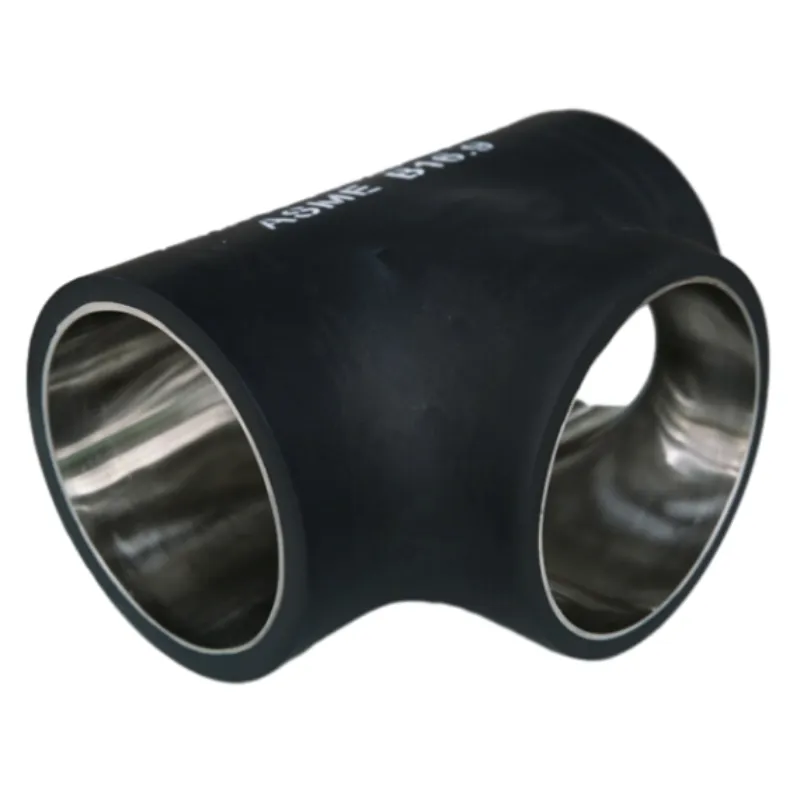
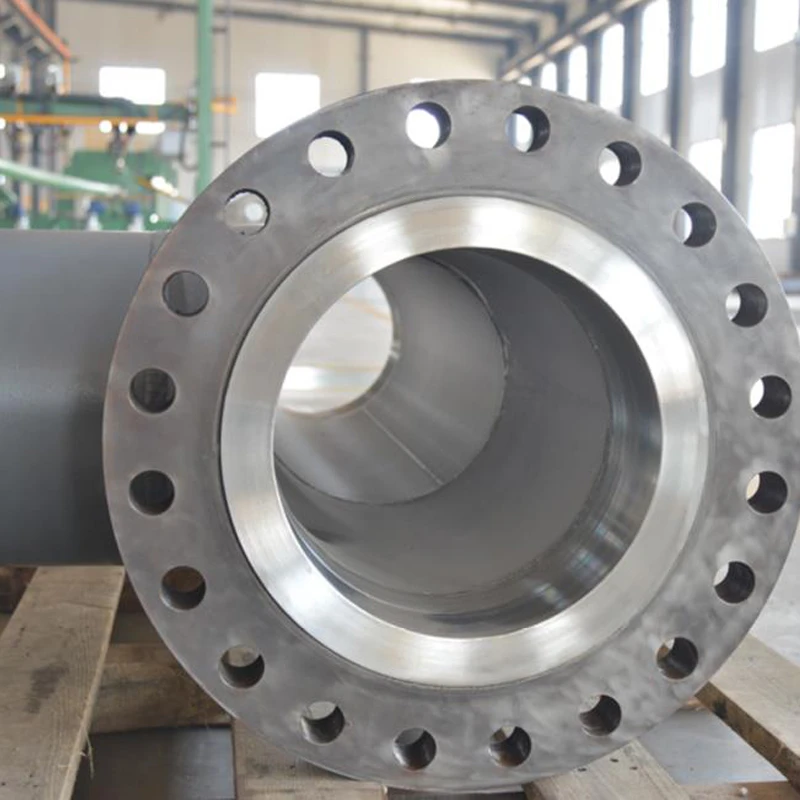
    In modern industrial construction, the quality and supply efficiency of pipe fittings directly affect the success or failure of the project. With advanced production concept and strong technical strength, we focus on the factory prefabrication of products, and provide all-round pipe fitting solutions for many key fields such as petrochemical industry and coal chemical industry.
    VIEW ALL
  • Overlay Welding Clad Steel Pipe

    Overlay Welding Clad Steel Pipe

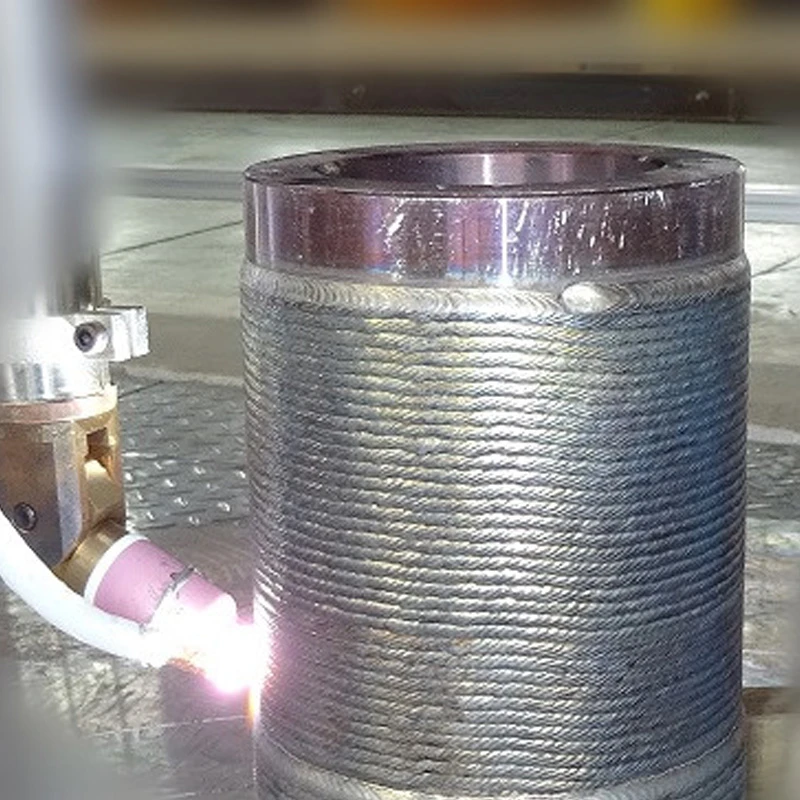
    Overlay Welding clad Steel Pipe features a high-performance welded overlay that enhances the pipe’s surface properties, providing superior resistance to corrosion, erosion, and wear. This process involves applying a wear-resistant alloy layer over a strong steel base, making it ideal for industries such as oil and gas, mining, and chemical processing, where pipes are exposed to harsh conditions. The overlay ensures extended service life, reduced maintenance costs, and reliable performance even in extreme environments. With its combination of strength, durability, and corrosion resistance, the Overlay Welding Steel Pipe is a trusted solution for critical applications.
    VIEW ALL
  • Mechanical Clad Steel Pipe

    Mechanical Clad Steel Pipe

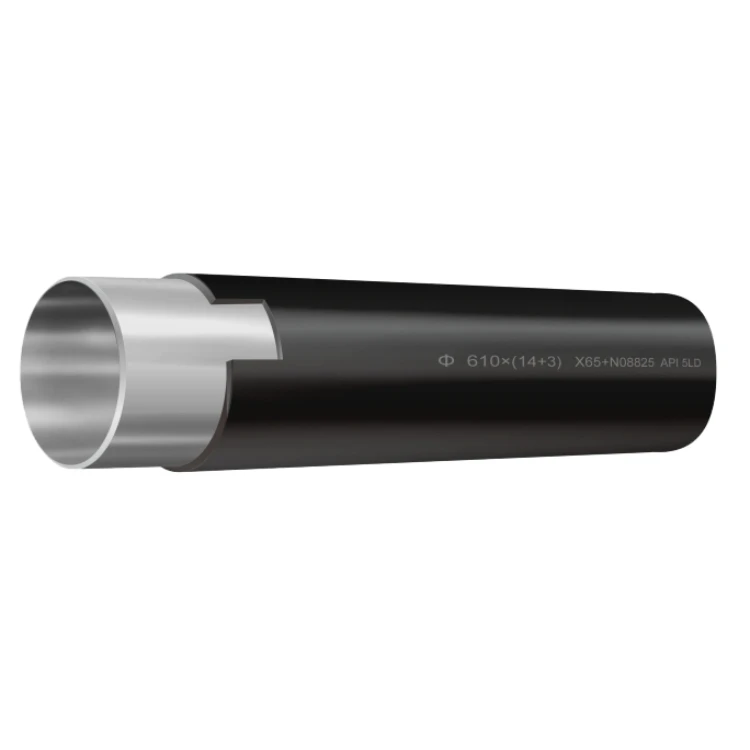
    Mechanical clad steel pipe (MCSP) is a kind of high-performance pipe, which is specially designed for demanding industrial applications. Combining the durability and strength of steel with advanced composite materials, MCSP provides enhanced corrosion resistance, high pressure and extreme temperatures.
    VIEW ALL
To create value for customers!
Cangzhou Leo Technology Co., Ltd. is located in Mengcun County Economic Development Zone, Cangzhou City, Hebei Province. It is a specialized high-tech enterprise that integrates the research and development, production, and sales of composite pipes and fittings.
News
The company regards product quality as the life of the enterprise, establishes a sound quality management system in accordance with the requirements of industry and national standards, controls all aspects of input and output in the whole process, pays attention to every detail, and ensures that the product delivery pass rate is 100%.
How to Select a Prefabricated Pipe for Process Service

How to Select a Prefabricated Pipe for Process Service

Select prefabricated pipe by process conditions, material route, DN15 to DN1800 size coverage, and factory assembly requirements.
SS Pipe Cap FAQ: Fit, Connections, Materials and Uses

SS Pipe Cap FAQ: Fit, Connections, Materials and Uses

Get direct answers about ss pipe cap materials, threaded or welded connections, shapes, DN and NPS sizes, schedules, uses, and associated standards.
Mechanical Steel Pipe Comparison: Materials, Standards and Supplier Documentation

Mechanical Steel Pipe Comparison: Materials, Standards and Supplier Documentation

Compare two mechanical steel pipe options by materials, API 5LD and DNV OS F101 references, applications, bonding descriptions and supplier documentation.
Choosing an SS Bend Pipe: Application Fit and Specification Checks

Choosing an SS Bend Pipe: Application Fit and Specification Checks

Learn how to choose the right ss bend pipe for your piping system. This guide covers material grade, bend angle, radius, pressure rating, and applicable standards to help procurement teams specify stainless steel bend pipes with confidence.
High Performance Sink Pipe Steel Guide for Industrial Piping

High Performance Sink Pipe Steel Guide for Industrial Piping

High-Performance Sink Pipe Steel: The Ultimate Guide to Industrial Piping In the demanding world of industrial manufacturing and pressure vessel construction, the selection of materials for piping systems is critical. Utilizing high-quality sink pipe steel ensures that systems can withstand extreme pressures, corrosive media, and mechanical stress. Whether it is for chemical processing, oil and gas, or construction, the right steel grade and fitting geometry can mean the difference between seamless operation and costly system failure. This guide explores the technical nuances of steel elbows and specialized clad materials designed for the most rigorous environments.
Ultimate Guide to Industrial Seamless Steel Pipe for Piping

Ultimate Guide to Industrial Seamless Steel Pipe for Piping

In the realm of modern industrial infrastructure, the integrity of piping systems is non-negotiable. The seamless steel pipe stands as the gold standard for transporting high-pressure fluids and gases. Unlike welded alternatives, seamless pipes are manufactured without a longitudinal seam, eliminating the most common point of failure and ensuring superior structural consistency. This makes them indispensable in sectors where safety and reliability are paramount, such as petroleum, nuclear power, and thermal energy. In this comprehensive guide, we will explore the technical advantages, material specifications, and critical applications of these high-performance components to help you make an informed procurement decision.
tel email tel top

If you are interested in our products, you can choose to leave your information here, and we will be in touch with you shortly.