tel
Email
to top

What is a Steel Pipe? Carbon Seamless Pipes, 8" Price & Fittings

Apr 26 2025
share:
  • Overview of Steel Pipes and Their Industrial Significance
  • Technical Advantages of Carbon Steel Seamless Pipes
  • Market Analysis: 8-Inch Steel Pipe Price Trends
  • Manufacturer Comparison: Quality vs. Cost
  • Custom Solutions for Pipe and Pipe Fittings
  • Case Study: Application in Infrastructure Projects
  • Key Considerations for Selecting Steel Pipes

what is a steel pipe

(what is a steel pipe)


What Is a Steel Pipe and Why Does It Matter in Modern Industry?

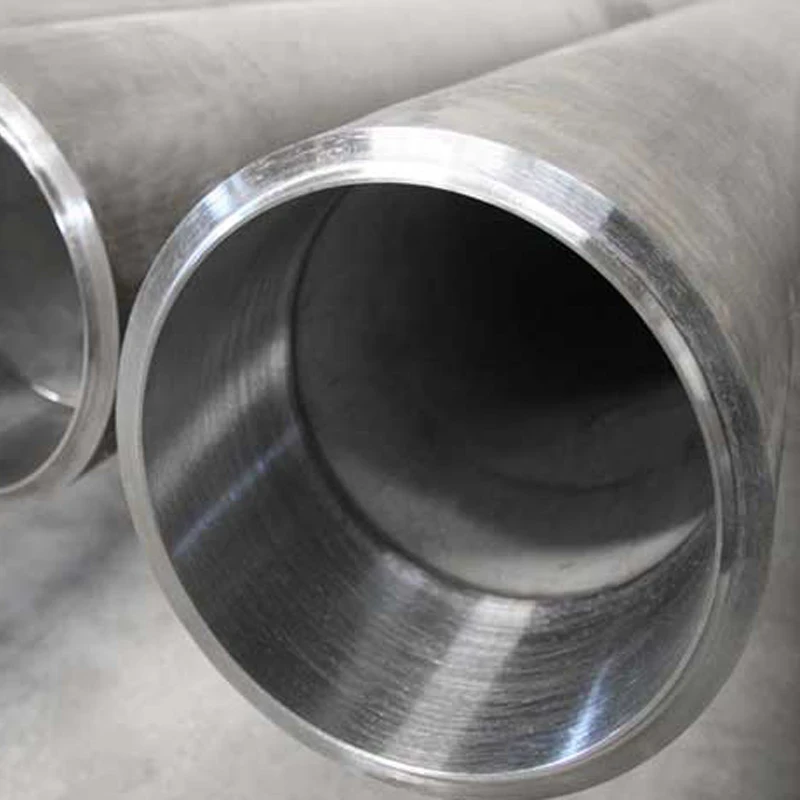
Steel pipes, particularly carbon steel seamless steel pipes, serve as critical components in industries ranging from oil and gas to construction. These cylindrical tubes are manufactured through processes like hot rolling or cold drawing, ensuring structural integrity under high pressure. According to the World Steel Association, global demand for steel pipes grew by 5.8% in 2023, driven by infrastructure expansion and renewable energy projects. Their versatility in transporting fluids, gases, and mechanical components makes them indispensable.

Technical Advantages of Carbon Steel Seamless Pipes

Seamless pipes eliminate weld seams, reducing weak points and enhancing durability. Key benefits include:

  • Pressure Resistance: Withstand up to 20,000 PSI, ideal for hydraulic systems.
  • Corrosion Resistance: ASTM A106 Grade B pipes exhibit 15% higher longevity in harsh environments.
  • Temperature Tolerance: Operate efficiently between -50°C and 450°C.

A 2022 study by the American Petroleum Institute found seamless pipes reduced maintenance costs by 32% compared to welded alternatives.

Market Analysis: 8-Inch Steel Pipe Price Trends

The average price for 8-inch steel pipes fluctuates based on raw material costs and regional demand. Below is a Q1 2024 comparison:

RegionPrice per Meter (USD)YoY Change
North America$28.50+4.2%
Europe€25.80+3.1%
Asia$22.30-1.8%

China's increased production capacity has stabilized Asian prices, while tariffs impacted North American markets.

Manufacturer Comparison: Quality vs. Cost

ManufacturerCertificationWall Thickness TolerancePrice Range
Company AAPI 5L±5%$25–$30/m
Company BISO 3183±3%$30–$36/m
Company CASTM A53±7%$20–$25/m

Premium-certified manufacturers like Company B offer tighter tolerances but at a 20% price premium over budget options.

Custom Solutions for Pipe and Pipe Fittings

Advanced suppliers provide tailored pipe and pipe fittings for specialized applications:

  • Threaded Ends: Custom threading per ASME B1.20.1 standards.
  • Protective Coatings: Epoxy or zinc coatings extend lifespan by 8–12 years.
  • Non-Standard Sizes: 90% of surveyed engineers reported improved project efficiency using bespoke diameters.

Case Study: Application in Infrastructure Projects

A 2023 water treatment plant in Germany utilized 8-inch carbon steel pipes to handle 12,000 cubic meters of water daily. Post-installation data revealed:

  • 17% reduction in pipe replacement frequency
  • 9% lower energy consumption due to optimized flow
  • ROI achieved within 18 months

How to Choose the Right 8-Inch Steel Pipe for Your Project

When selecting steel pipes, prioritize ASTM/API certifications and supplier track records. For budget-sensitive projects, consider Asian suppliers offering ISO-compliant pipes at $22–$26/m. High-pressure applications demand seamless pipes with ±3% wall thickness tolerance, despite the 25–30% cost increase. Always validate mill test certificates and request 3rd-party inspection reports.

what is a steel pipe

(what is a steel pipe)


FAQS on what is a steel pipe

Q: What is a steel pipe?

A: A steel pipe is a cylindrical hollow tube made primarily from steel, used for transporting liquids, gases, or structural applications. It is durable, corrosion-resistant, and available in various sizes, such as the 8-inch steel pipe. Manufacturing methods include seamless or welded processes.

Q: How does a carbon steel seamless steel pipe differ from regular steel pipes?

A: Carbon steel seamless steel pipes lack welded seams, offering higher strength and pressure resistance compared to welded pipes. They are ideal for high-stress applications like oil and gas pipelines. Their seamless construction reduces leakage risks.

Q: What are common uses for pipe and pipe fittings?

A: Pipe fittings connect, redirect, or control flow within piping systems, such as elbows, tees, and flanges. They ensure secure, leak-proof joints in industrial, plumbing, or construction projects. Materials like carbon steel are chosen for durability.

Q: What factors influence the 8-inch steel pipe price?

A: The 8-inch steel pipe price depends on material grade (e.g., carbon steel), manufacturing method (seamless vs. welded), and market demand. Additional costs include coatings, certifications, and regional supply chain fluctuations.

Q: Can carbon steel pipes be used for high-temperature applications?

A: Yes, carbon steel pipes withstand high temperatures, making them suitable for boilers, refineries, and steam systems. Their performance depends on carbon content and alloy additives. Seamless variants are preferred for extreme conditions.
  • Flange

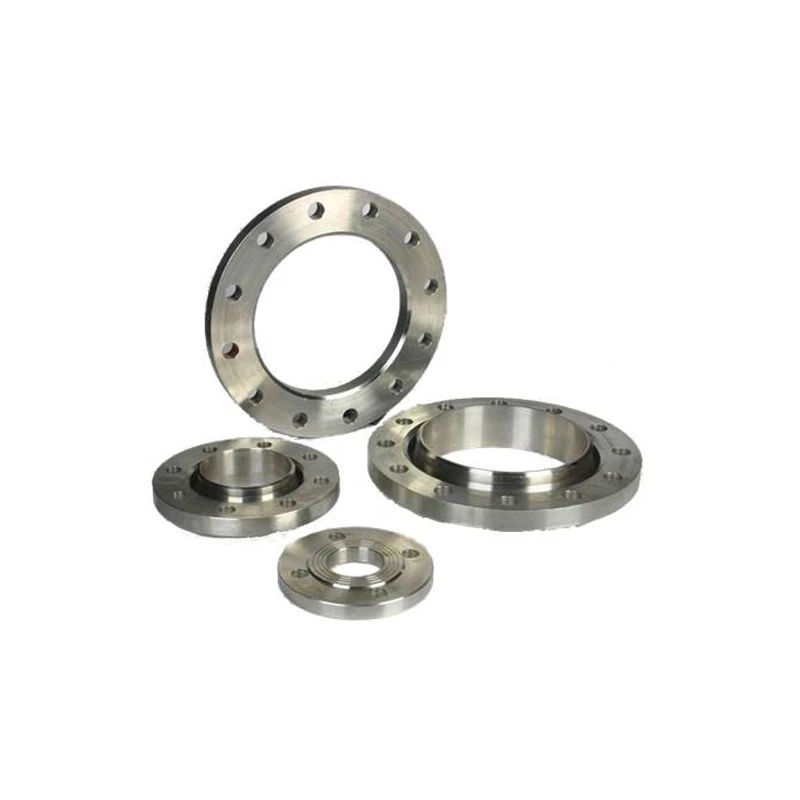
    Flange

    Flange Product Introduction Flanges are used to connect pipes to pipes or pipes to equipment, ensuring a sealed and stable connection. They prevent fluid leakage and can withstand certain pressures and stresses, ensuring reliable connections. Flange nominal diameters range from DN15-DN2000 and beyond, covering various pipeline connection needs. Flanges primarily adhere to international standards such as ASME B16.5-2020, ASME B16.47-2020, and API 6A-2018.
    VIEW ALL
  • Mechanical Clad Steel Pipe

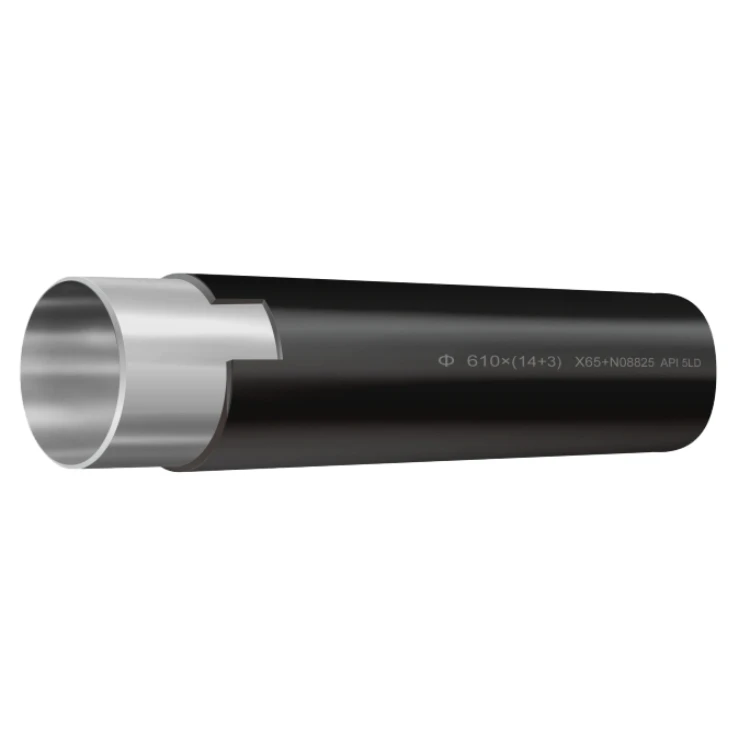
    Mechanical Clad Steel Pipe

    Mechanical clad steel pipe (MCSP) is a kind of high-performance pipe, which is specially designed for demanding industrial applications. Combining the durability and strength of steel with advanced composite materials, MCSP provides enhanced corrosion resistance, high pressure and extreme temperatures.
    VIEW ALL
  • Elbow

    Elbow

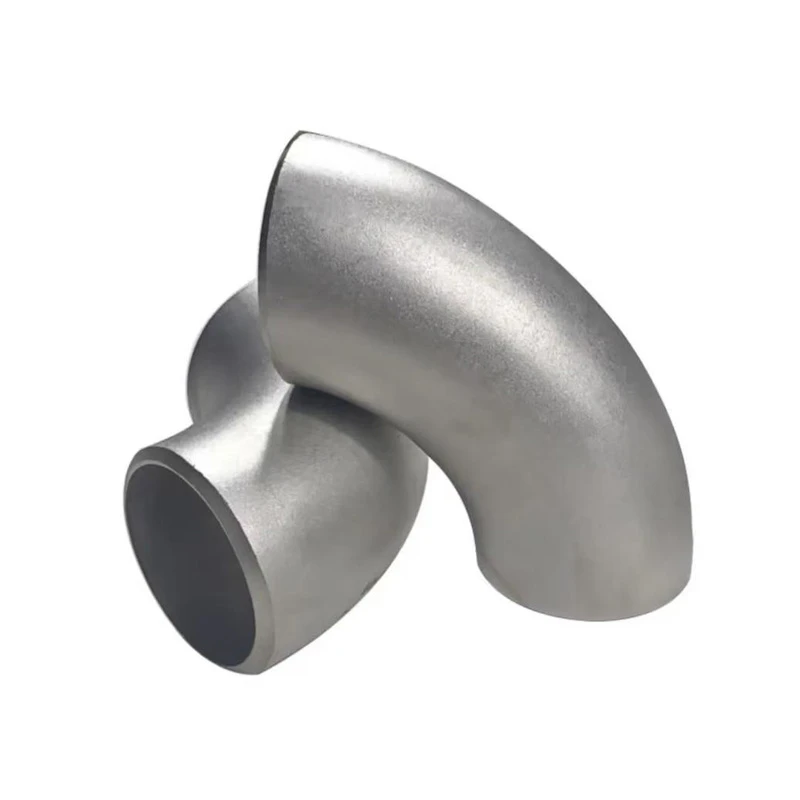
    Carbon Steel &stainless Steel Elbow Elbows are pipe fittings used to change the direction of pipelines in piping systems, commonly employed at pipeline bends. They are widely used in industries such as petroleum, chemical, and power. The common size range for elbows is DN15-DN2000, and typical angles include 45°, 90°, and 180°.
    VIEW ALL
To create value for customers!
Cangzhou Leo Technology Co., Ltd. is located in Mengcun County Economic Development Zone, Cangzhou City, Hebei Province. It is a specialized high-tech enterprise that integrates the research and development, production, and sales of composite pipes and fittings.
News
The company regards product quality as the life of the enterprise, establishes a sound quality management system in accordance with the requirements of industry and national standards, controls all aspects of input and output in the whole process, pays attention to every detail, and ensures that the product delivery pass rate is 100%.
Ultimate Guide to 4130 Tubing Strength Performance and Applications
Ultimate Guide to 4130 Tubing Strength Performance and Applications

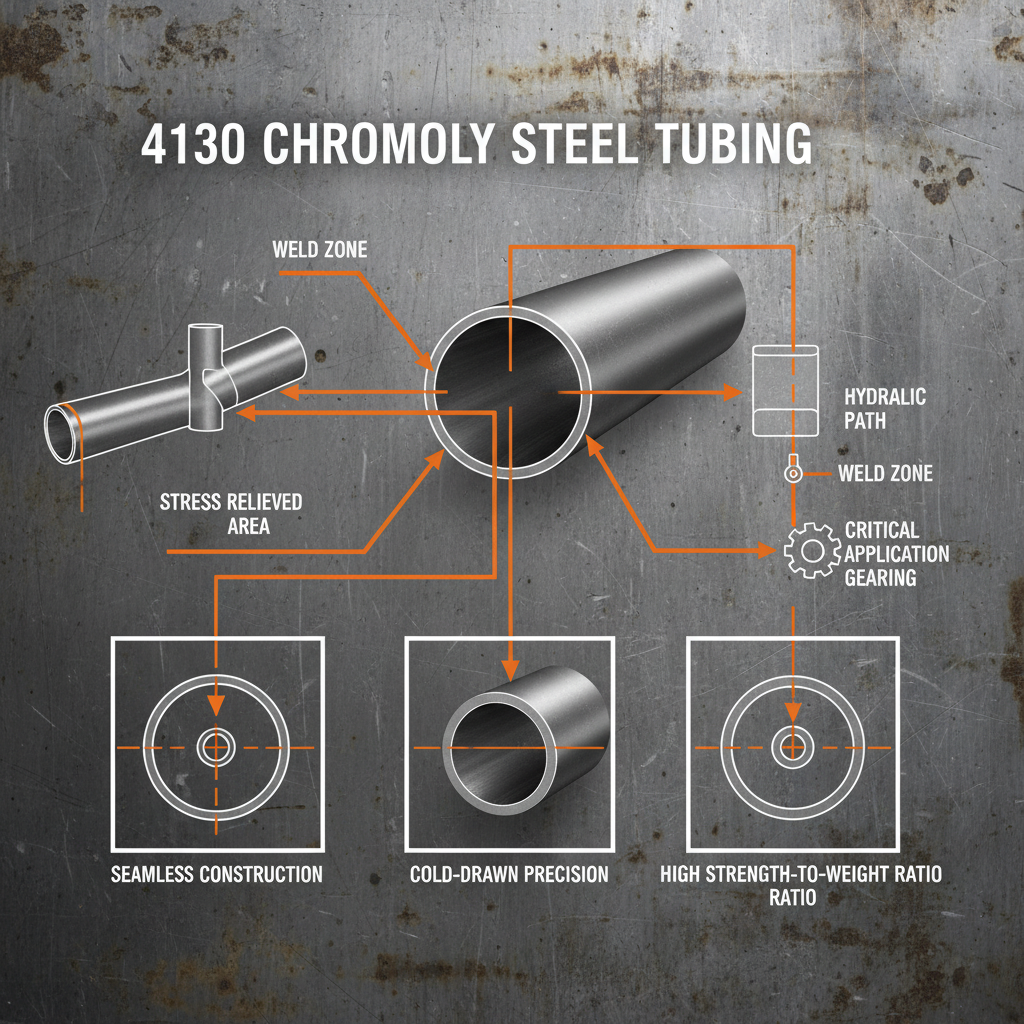
In the world of high-performance engineering, material selection is the foundation of safety and efficiency. 4130 tubing is widely regarded as the gold standard for applications requiring an exceptional strength-to-weight ratio. This chrome-molybdenum alloy steel is engineered to withstand extreme stress while remaining lightweight enough for aerospace and automotive use. Whether you are designing a roll cage, a bicycle frame, or a critical industrial component, understanding the nuances of this material is essential. In this comprehensive guide, we will explore why this specific alloy is preferred by engineers worldwide and how to choose the right specifications for your project.
Properties and Industrial Applications of 4130 steel tubing
Properties and Industrial Applications of 4130 steel tubing

In the world of high-performance engineering, material selection is the foundation of safety and efficiency. 4130 steel tubing is widely recognized as the gold standard for applications requiring an exceptional strength-to-weight ratio. Known for its versatility and reliability, this chromium-molybdenum alloy is the preferred choice for everything from aircraft frames to professional roll cages. Understanding the nuances of this material allows engineers to optimize structural integrity without adding unnecessary bulk. In this comprehensive guide, we will explore why this specific alloy remains a top choice for critical industrial and aerospace components.
Comprehensive Guide to 40mm Steel Tube Applications and Material Selection
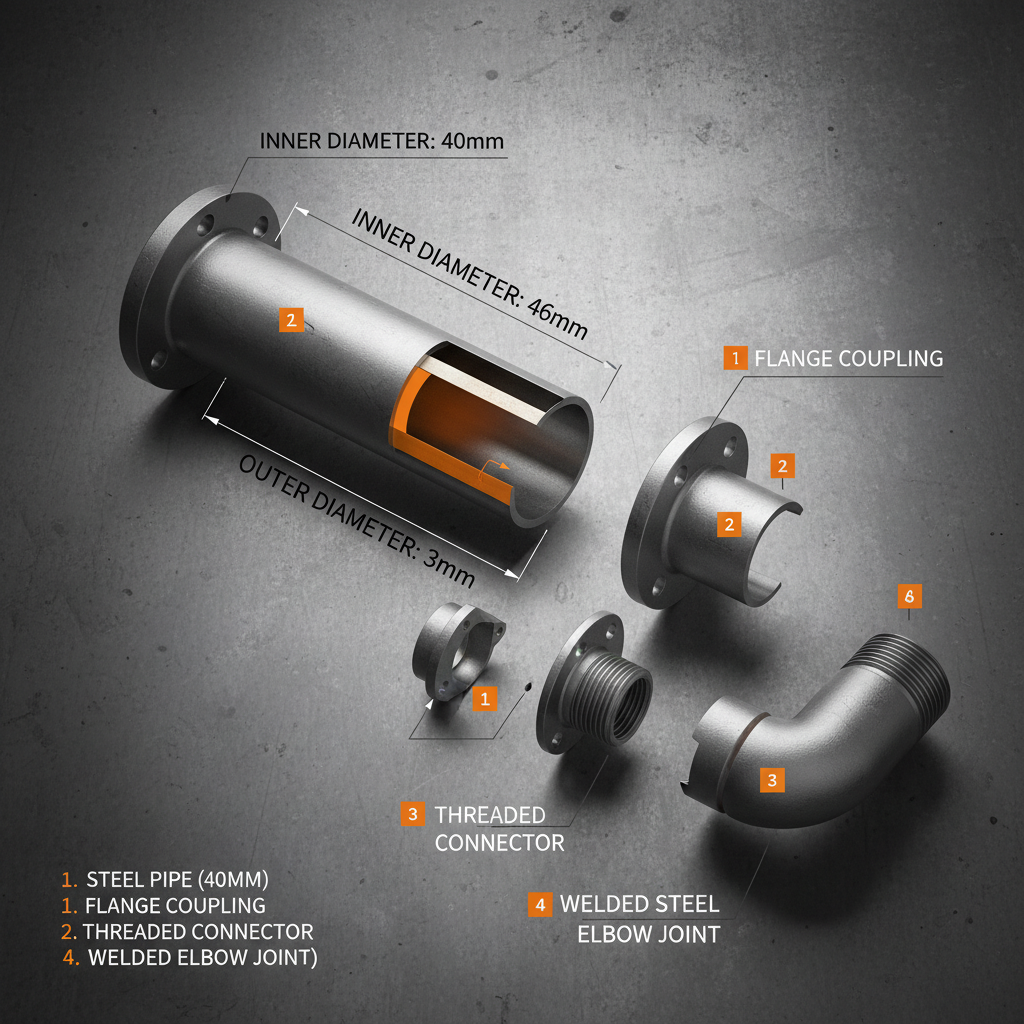
Comprehensive Guide to 40mm Steel Tube Applications and Material Selection

40mm steel tube is a versatile and widely used material in various industries, from construction and manufacturing to automotive and beyond. Its strength, durability, and cost-effectiveness make it an ideal choice for numerous applications. This article will delve into the characteristics, applications, benefits, and considerations when working with 40mm steel tube, providing a comprehensive overview for professionals and anyone interested in this essential material.
Comprehensive Guide to 40mm Steel Pipe Applications and Considerations
Comprehensive Guide to 40mm Steel Pipe Applications and Considerations

40mm steel pipe is a widely used material in various industries due to its strength, durability, and cost-effectiveness. From construction and infrastructure projects to industrial applications and fluid transportation, this pipe size offers a versatile solution. This article will delve into the properties, applications, standards, and key considerations when selecting 40mm steel pipe, helping you make informed decisions for your specific needs.
Comprehensive Guide to 40mm Metal Pipe Applications and Sourcing
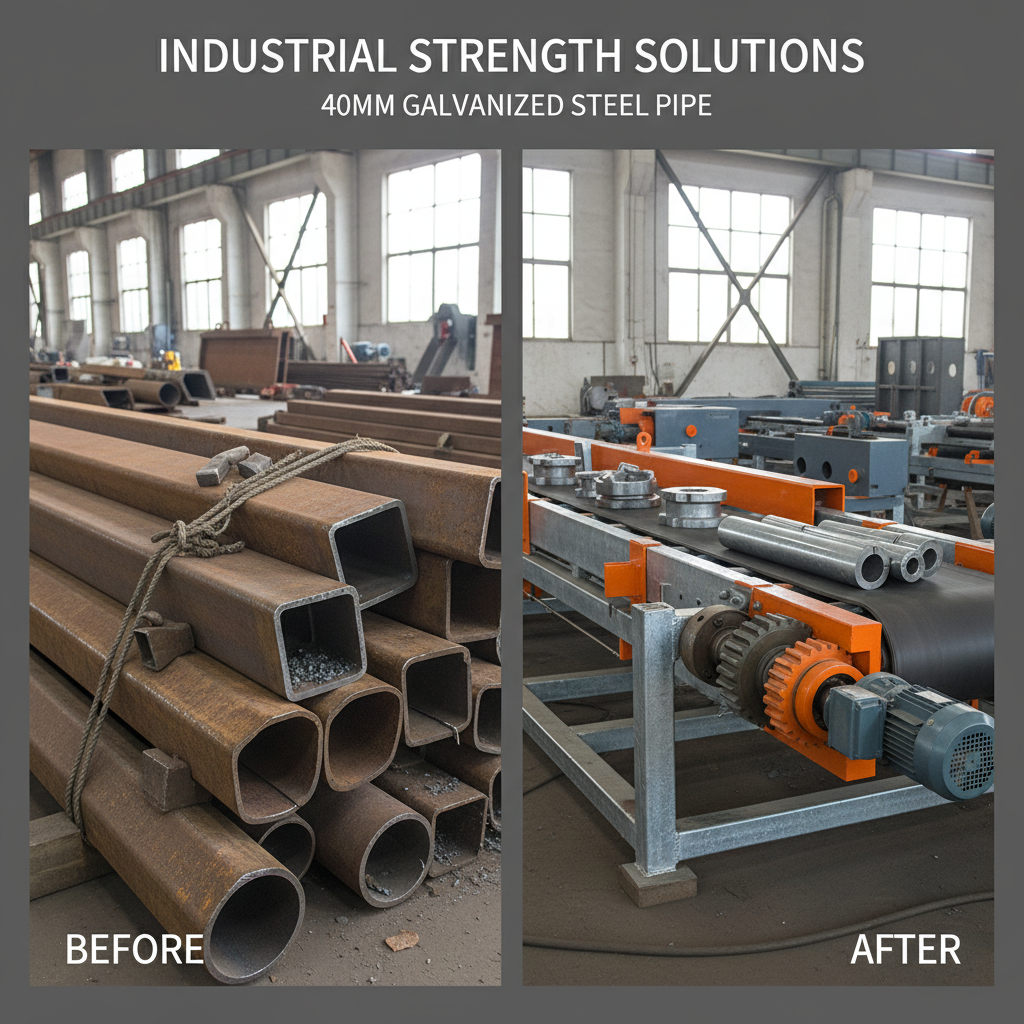
Comprehensive Guide to 40mm Metal Pipe Applications and Sourcing

40mm metal pipe is a crucial component in a wide array of industries, from construction and plumbing to industrial manufacturing and fluid transport. Its strength, durability, and versatility make it a preferred material for countless applications. This article will delve into the specifics of 40mm metal pipe, exploring its various types, common uses, benefits, and where to source high-quality piping solutions.
Comprehensive Guide to 40mm Galvanised Pipe Applications and Specifications

Comprehensive Guide to 40mm Galvanised Pipe Applications and Specifications

When planning a plumbing, structural, or industrial project, selecting the right piping material is crucial. 40mm galvanised pipe is a widely used option known for its strength, durability, and corrosion resistance. This article provides a detailed overview of 40mm galvanised pipes, exploring their applications, benefits, specifications, and considerations for optimal usage. We'll cover everything from what galvanisation is to how to choose the right pipe for your specific needs.
tel email tel top

If you are interested in our products, you can choose to leave your information here, and we will be in touch with you shortly.