Toilet flanges are essential components in plumbing systems, providing a secure connection between the toilet and the waste pipe. Different types of toilet flanges are available to accommodate various installation requirements, materials, and structural conditions. Selecting the correct flange ensures a leak-free and stable toilet installation. This article explores the common types of toilet flanges, their materials, and their applications in residential and commercial plumbing.
First of all, toilet flanges are categorized by their design, which determines their compatibility with different plumbing setups. The most widely used designs include standard flanges, offset flanges, and deep-seal flanges.
A standard 4 inch toilet flange is the most common type, designed to fit a 4-inch waste pipe. It is typically used in new construction or straightforward installations where the pipe aligns directly with the toilet’s drain opening.
An offset flange, such as a 4-offset toilet flange, is used when the waste pipe is not perfectly aligned with the toilet’s drain. This design allows for minor adjustments in positioning, making it useful in bathroom renovations where the original plumbing may not match the new layout. Deep-seal flanges are used in installations where the waste pipe sits deeper below the floor. These flanges provide an extended collar to ensure a proper seal, preventing leaks and maintaining stability.
Besides design variations, flanges also differ in their attachment methods. Some are designed to be screwed directly into the floor, while others use a twist-and-lock mechanism for easier installation.
In addition to design differences, types of toilet flanges are manufactured using various materials, each offering distinct advantages in terms of durability and corrosion resistance.
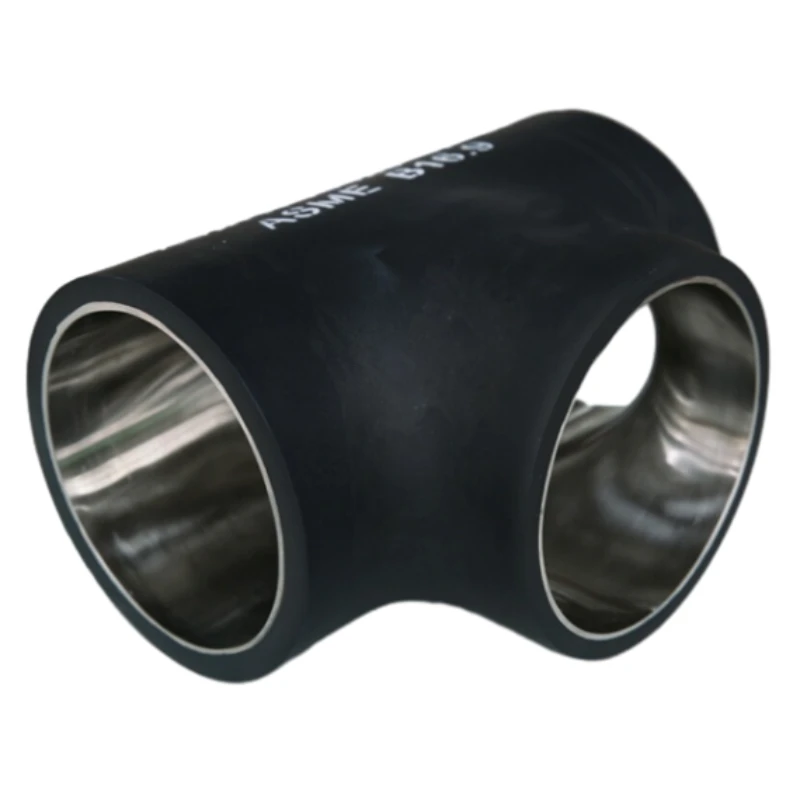
PVC flanges are lightweight, affordable, and resistant to rust, making them suitable for most residential applications. They are easy to install and work well in environments where moisture exposure is moderate. Cast iron flanges are heavier and more durable, often used in older homes or commercial buildings where long-term stability is required. These flanges are typically secured with heavy-duty bolts and provide excellent resistance to high pressure. Stainless steel flanges, similar to stainless steel tee fittings and stainless steel unequal tee, offer superior corrosion resistance, making them ideal for areas with high humidity or exposure to harsh cleaning chemicals. They are commonly used in hospitals, industrial facilities, and coastal properties.
For heavy-duty applications, metal flanges such as those made from carbon steel elbow or alloy steel elbow materials may be used in specialized plumbing systems where extreme durability is required. However, these are less common in standard toilet installations.
Finally, proper installation is crucial to ensure the longevity and functionality of a 4 toilet flange or any other type. Several factors must be considered, including floor type, pipe alignment, and sealing method.
When installing a flange on a concrete floor, anchoring with concrete screws or epoxy ensures a secure fit. For wooden subfloors, corrosion-resistant screws are recommended to prevent weakening over time.
If the existing plumbing does not align with the toilet drain, an offset flange or an adjustable stainless tee fitting may be necessary to bridge the gap. Proper sealing with a wax ring or rubber gasket is essential to prevent leaks and odors.
In cases where the flange is damaged or corroded, replacement with a compatible material—such as PVC for moisture resistance or stainless steel for durability—is advisable. Ensuring the correct types of toilet flanges are selected based on the plumbing system’s requirements will result in a secure and long-lasting installation.
By understanding the different types of toilet flanges, their materials, and installation methods, plumbers and homeowners can make informed decisions for efficient and leak-free bathroom setups. Whether using a standard 4-inch toilet flange or an offset variant, selecting the right product ensures optimal performance and minimizes future maintenance issues.
Choosing the correct types of toilet flanges is essential for a secure, leak-proof, and long-lasting plumbing installation. Factors such as material durability, design compatibility, and proper installation techniques must be considered to ensure functionality. A standard 4-inch toilet flange works well for aligned waste pipes, while an offset design like the 4 offset toilet flange accommodates misaligned plumbing. Materials such as PVC, cast iron, and stainless steel—similar to stainless steel tee fittings—offer varying levels of corrosion resistance and strength for different environments. Whether replacing an old flange or installing a new one, selecting the appropriate 4 toilet flange based on floor type, pipe alignment, and sealing method will prevent future issues. By understanding these key aspects, homeowners and professionals can ensure a reliable and efficient toilet installation.
Factory Prefabricated Products

SS Pipe Cap FAQ: Fit, Connections, Materials and Uses

Mechanical Steel Pipe Comparison: Materials, Standards and Supplier Documentation

Choosing an SS Bend Pipe: Application Fit and Specification Checks

High Performance Sink Pipe Steel Guide for Industrial Piping

Ultimate Guide to Industrial Seamless Steel Pipe for Piping

High Performance Seamless Steel Pipes for Industrial Piping