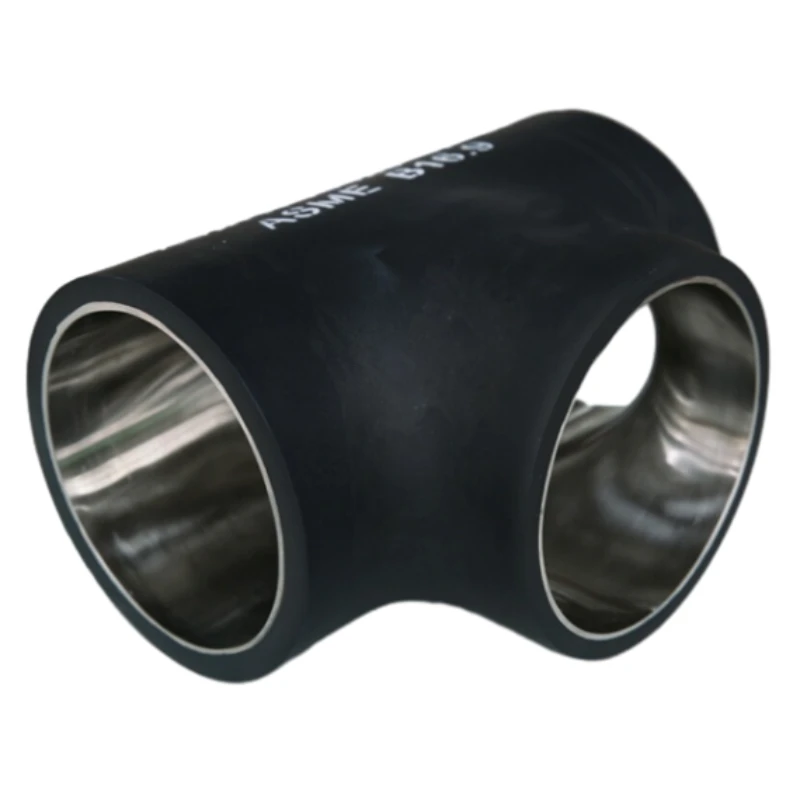
Straight pipe thread fittings are essential components in various piping systems, providing secure connections for fluid and gas transfer. These fittings feature uniform threading along their length, ensuring a tight seal when joined with compatible pipes or other fittings. Industries such as oil and gas, construction, and manufacturing rely on straight pipe thread fittings due to their durability and ease of installation. This article explores the characteristics, types, and uses of these fittings, along with related components such as galvanized steel 90-degree elbow, mild steel 90-degree elbow, and carbon steel tee.
Straight pipe thread fittings are manufactured from different materials to suit specific applications. Common materials include stainless steel, carbon steel, and galvanized steel, each offering distinct advantages.
Stainless steel fittings are resistant to corrosion, making them ideal for harsh environments where exposure to moisture or chemicals is a concern. They are commonly used in food processing, pharmaceutical, and marine applications. Carbon steel fittings, including forged steel tee and hot rolled steel tee, provide high strength and durability, often used in high-pressure systems such as oil refineries and industrial machinery. Their ability to withstand extreme conditions makes them a reliable choice for heavy-duty applications.
Galvanized steel fittings, such as the galvanized steel 90-degree elbow, feature a protective zinc coating to prevent rust, extending their lifespan in outdoor or wet conditions. These fittings are frequently used in water supply systems, fire sprinklers, and agricultural piping. Besides material variations, straight pipe thread fittings are available in different configurations to accommodate various piping needs. For example, the schedule 40 90-degree elbow steel is designed for high-pressure applications, ensuring structural integrity under stress. Components like bendable stainless tubing and u-bend steel tubing allow for directional changes in piping systems without requiring additional fittings, reducing potential leak points.
Proper installation of straight pipe thread fittings ensures leak-proof connections and system longevity. First of all, the threading must match the pipe or fitting it connects to, as mismatched threads can cause leaks or structural failure. Thread sealants such as Teflon tape or pipe dope are often applied to enhance the seal and prevent fluid or gas leakage.
In addition, torque must be carefully controlled during installation. Over-tightening can strip the threads or deform the fitting, leading to weak joints, while insufficient tightening may result in loose connections and leaks. Using a torque wrench can help achieve the correct tightness. For systems requiring directional changes, components like the mild steel 90-degree elbow or bending stainless steel wire can be integrated without compromising structural integrity. These fittings allow for smooth transitions in piping layouts while maintaining pressure resistance.
Finally, compatibility with the transported medium must be considered. For instance, stainless steel fittings are preferred for corrosive fluids, whereas carbon steel fittings, including carbon steel tee, are suitable for non-corrosive, high-pressure applications. The operating temperature and pressure ratings of the fittings should also align with the system requirements to prevent premature failure. Proper material selection and installation techniques ensure optimal performance and safety in any piping system.
Straight pipe thread fittings are widely used across multiple industries due to their reliability and adaptability. In the oil and gas sector, they connect pipelines and equipment, ensuring secure fluid transfer. The forged steel tee is commonly used in branching pipelines, while the hot rolled steel tee is favored for high-temperature applications due to its enhanced durability.
In construction, these fittings facilitate plumbing and HVAC systems. The galvanized steel 90 degree elbow is frequently used in water supply lines due to its corrosion resistance, while bendable stainless tubing allows for custom routing in tight spaces. Manufacturing plants utilize u bend steel tubing for specialized piping layouts, reducing the need for additional joints and minimizing potential leak points.
Furthermore, straight pipe thread fittings are essential in hydraulic and pneumatic systems, where secure connections prevent pressure loss. The schedule 40 90-degree elbow steel is often employed in these systems due to its ability to withstand high pressure. Their versatility makes them indispensable in industries ranging from automotive to chemical processing, ensuring efficient and safe fluid conveyance.
Straight pipe thread fittings play a critical role in ensuring efficient and secure piping systems across various industries. Their material options, including stainless steel, carbon steel, and galvanized steel, provide versatility for different environments and applications. Proper installation and compatibility checks are necessary to maintain system integrity. With components such as mild steel 90-degree elbow, carbon steel tee, and bending stainless steel wire, these fittings enable flexible and durable piping solutions. Understanding their characteristics and uses ensures optimal performance in any industrial or construction setting.


SS Pipe Cap FAQ: Fit, Connections, Materials and Uses

Mechanical Steel Pipe Comparison: Materials, Standards and Supplier Documentation

Choosing an SS Bend Pipe: Application Fit and Specification Checks

High Performance Sink Pipe Steel Guide for Industrial Piping

Ultimate Guide to Industrial Seamless Steel Pipe for Piping

High Performance Seamless Steel Pipes for Industrial Piping