Flange price, a crucial element in pipeline construction and industrial maintenance, directly impacts project costs and operational efficiency globally. Understanding the factors influencing flange price – from material composition and manufacturing processes to market demand and supply chain dynamics – is paramount for engineers, procurement professionals, and business leaders. Proper assessment of flange price allows for accurate budgeting, informed decision-making, and ultimately, successful project delivery.
The global flange market is substantial, driven by ongoing infrastructure development in emerging economies and the continued need for maintenance and upgrades in established industrial nations. According to industry reports, the global industrial flanges market was valued at approximately $7.5 billion in 2023 and is projected to reach $9.2 billion by 2028, showcasing a compound annual growth rate (CAGR) of 4.3%. This growth highlights the consistent demand for flanges across diverse sectors.
Fluctuations in raw material costs, particularly steel and alloys, significantly affect flange price. Geopolitical events and trade policies also play a role, impacting supply chains and overall market stability. Efficient flange price management is not merely about cost-cutting, but about optimizing value and ensuring long-term reliability and safety within critical infrastructure.
Understanding the Core of Flange Price
At its most fundamental, flange price represents the total cost associated with acquiring flanges, components vital for connecting pipes, valves, pumps, and other equipment in piping systems. This price isn't simply the material cost; it encompasses manufacturing, testing, certification, and transportation. A thorough understanding of these components is essential for accurate cost assessment and effective budget allocation.
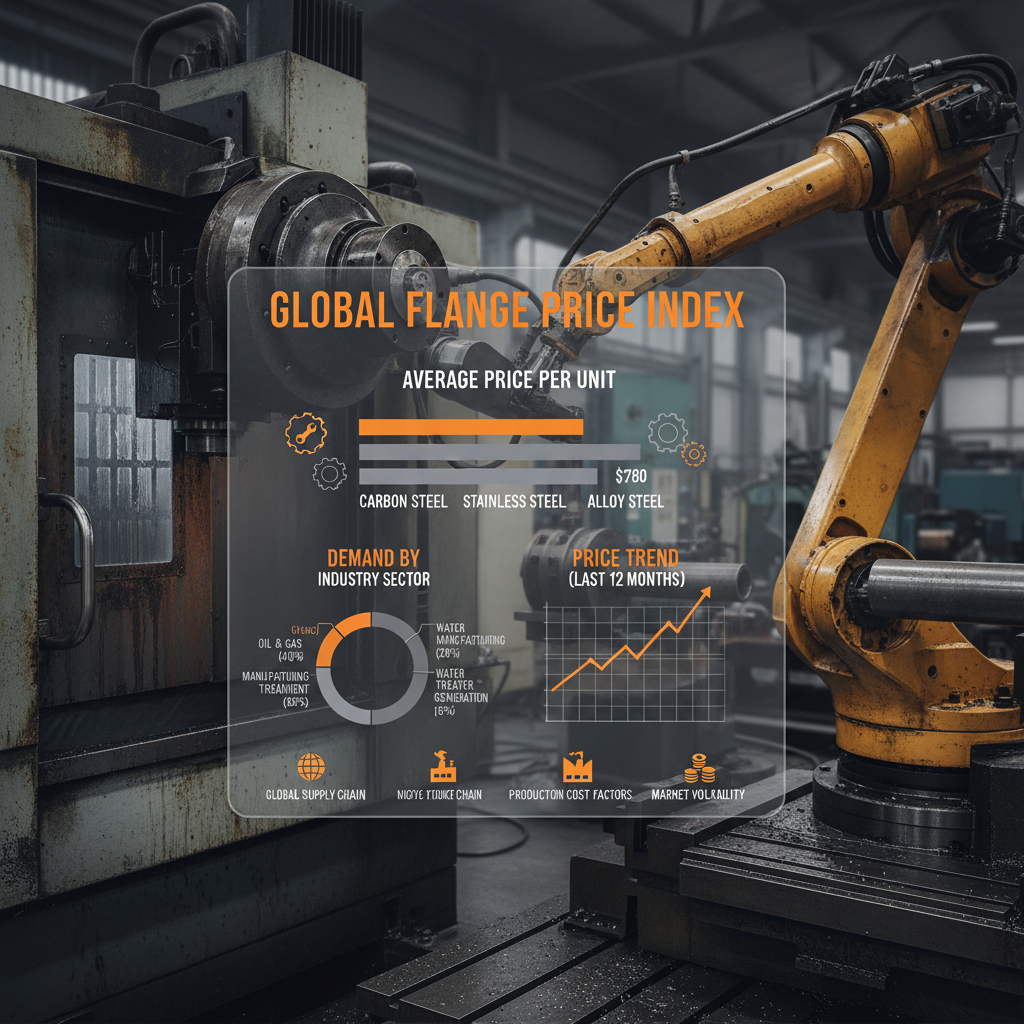
A complex interplay of market forces and technical specifications determines the final flange price. Different flange types (weld neck, slip-on, blind, threaded, etc.), materials (carbon steel, stainless steel, alloys), pressure ratings, and sizes all contribute to the overall cost. Successfully navigating these variables is crucial for optimal procurement strategies.
The Global Relevance of Flange Price
Flange price is a global concern due to the widespread use of piping systems in critical industries such as oil and gas, petrochemicals, power generation, water treatment, and manufacturing. Disruptions in the flange supply chain, whether due to material shortages, geopolitical instability, or logistical bottlenecks, can have cascading effects on these vital sectors.
Developing countries undergoing rapid industrialization often experience increased demand for flanges, impacting price volatility. Organizations like the World Bank and the United Nations emphasize the importance of robust infrastructure – which inherently relies on flanges – for sustainable development. Therefore, understanding flange price trends is integral to global economic stability.
International standards, such as those set by the American Society of Mechanical Engineers (ASME) and the International Organization for Standardization (ISO), dictate flange specifications and quality control. Compliance with these standards adds to the cost, but ensures safety and reliability, further highlighting the critical importance of informed flange price management.
Defining Flange Price and its Importance
Flange price is the total expenditure incurred to acquire a flange, including the cost of raw materials, fabrication, testing, quality control, packaging, and transportation. It's not a fixed value but varies significantly based on numerous factors detailed later in this guide. Effective flange price management is crucial for maintaining project budgets and ensuring profitability.
In modern industry, flanges are integral to maintaining the integrity of fluid and gas transfer systems. Their reliability is non-negotiable, as failures can lead to costly downtime, environmental damage, and even safety hazards. A well-considered flange price reflects not only the immediate cost but also the long-term reliability and safety of the entire system.
The importance of understanding flange price extends beyond simple procurement. It necessitates a comprehensive assessment of lifecycle costs, including maintenance, repair, and potential replacement. Investing in higher-quality flanges, even with a higher initial price, can often prove more cost-effective in the long run due to reduced maintenance and increased operational lifespan.
Key Factors Influencing Flange Price
Several key factors significantly influence flange price. Material composition is paramount, with stainless steel and exotic alloys commanding higher prices than carbon steel due to their corrosion resistance and strength. The flange’s pressure rating and size also directly impact cost – higher pressure and larger diameters require more material and more stringent manufacturing processes.
Manufacturing complexity plays a crucial role. Flanges requiring specialized machining, heat treatment, or non-destructive testing will inevitably be more expensive. Furthermore, the quantity ordered affects price; bulk purchases often qualify for volume discounts. Geographic location and transportation costs are also substantial contributors to the overall flange price.
Flange Price Breakdown by Component
Global Applications and Use Cases
Flanges are indispensable across a broad spectrum of industries globally. In the oil and gas sector, they connect pipelines, wellheads, and processing equipment, often operating under extreme pressure and temperature conditions. Similarly, the petrochemical industry relies heavily on flanges for safe and efficient fluid transfer.
Power generation plants – including nuclear, coal, and renewable energy facilities – utilize flanges in steam systems, cooling water circuits, and fuel delivery lines. Water treatment plants employ flanges in filtration systems, pump stations, and distribution networks. In remote industrial zones, reliable flange performance is critical due to limited access for maintenance and repairs.
Advantages of Optimized Flange Price Management
Optimized flange price management translates directly into cost savings, improved project profitability, and enhanced operational efficiency. By strategically sourcing flanges, negotiating favorable contracts, and leveraging volume discounts, organizations can significantly reduce their overall procurement expenses.
Furthermore, selecting high-quality flanges reduces the risk of failures, minimizing downtime and associated repair costs. A proactive approach to flange management also fosters sustainability by extending the lifespan of piping systems and reducing the need for premature replacements. It builds trust and reliability with stakeholders.
Beyond cost, effective flange price management enhances safety. Reliable flanges prevent leaks and failures, protecting personnel and the environment. By prioritizing quality and compliance, organizations demonstrate a commitment to responsible operations and long-term sustainability.
Future Trends in Flange Price and Procurement
Several emerging trends are poised to reshape flange price and procurement strategies. The increasing adoption of digital technologies, such as e-procurement platforms and data analytics, will enhance price transparency and streamline the sourcing process. Automation in manufacturing processes promises to reduce production costs and improve consistency.
Sustainability concerns are driving demand for eco-friendly flange materials and manufacturing practices. Flanges made from recycled materials or utilizing energy-efficient production methods are gaining prominence. The development of smart flanges – equipped with sensors for monitoring performance and predicting failures – represents another significant innovation, potentially reducing lifecycle costs.
The growth of green energy projects, particularly in offshore wind and hydrogen production, will create new opportunities and challenges for flange suppliers. These applications often require specialized flanges designed to withstand harsh environmental conditions and corrosive fluids, impacting flange price and design considerations.
Summary of Key Future Trends Affecting Flange Price
| Trend |
Impact on Flange Price |
Implementation Difficulty (1-10) |
Long-Term Benefits (1-10) |
| Digital Procurement |
Increased price transparency, reduced transaction costs |
6 |
8 |
| Automation in Manufacturing |
Lower production costs, improved consistency |
7 |
9 |
| Sustainable Materials |
Potentially higher initial cost, but long-term environmental benefits |
5 |
7 |
| Smart Flanges |
Higher initial investment, but reduced maintenance costs and increased reliability |
8 |
10 |
| Supply Chain Diversification |
Increased resilience, potentially higher sourcing costs |
4 |
7 |
| Additive Manufacturing (3D Printing) |
Potential for customized designs and reduced lead times, but currently limited materials |
9 |
6 |
FAQS
Several factors contribute to flange price, with material composition (e.g., carbon steel vs. stainless steel) being a primary driver. Flange size, pressure rating, manufacturing complexity, quantity ordered, and transportation costs all play substantial roles. Current market conditions and supplier availability also influence pricing. Negotiating with suppliers and understanding these variables is crucial for optimizing costs.
Strategies to reduce costs include bulk purchasing to leverage volume discounts, exploring alternative materials (where applicable and without compromising safety), implementing e-procurement systems for greater price transparency, and diversifying your supplier base to foster competition. Long-term contracts with key suppliers can also secure favorable pricing.
Typically, weld neck flanges are more expensive than slip-on flanges. This is due to the more complex manufacturing process required for weld neck flanges, which involves machining a raised face and requiring skilled welding during installation. Slip-on flanges are simpler to install and generally have a lower material requirement.
International trade regulations, such as tariffs and import duties, can significantly impact flange price, particularly when sourcing from overseas suppliers. Changes in trade policies or the imposition of new tariffs can increase costs. Understanding these regulations and incorporating them into your procurement strategy is essential for accurate budgeting. Supply chain disruptions can also drastically change pricing.
Look for flanges certified to relevant industry standards, such as ASME (American Society of Mechanical Engineers), ISO (International Organization for Standardization), and API (American Petroleum Institute). Certifications demonstrate that the flanges have been manufactured and tested to meet specific quality and safety requirements. Material test reports (MTRs) should also be available.
TCO extends beyond the initial purchase price. Consider factors like installation costs, maintenance requirements, potential downtime due to failures, and the lifespan of the flange. Investing in higher-quality flanges with a longer lifespan may have a higher upfront cost but lower TCO in the long run. Regularly scheduled inspections will help avoid expensive failures.
Conclusion
Understanding flange price involves navigating a complex interplay of material costs, manufacturing processes, market dynamics, and global regulations. Optimizing flange procurement is crucial for cost control, project success, and long-term operational efficiency across a wide range of industries. Prioritizing quality, embracing sustainable practices, and adapting to emerging technologies will be key to managing flange price effectively in the future.
As industries evolve, so too will the factors influencing flange price. Staying informed about emerging trends, fostering strong supplier relationships, and leveraging data-driven insights will be paramount. For expert guidance and a comprehensive range of flanges at competitive prices, visit our website: flange price.