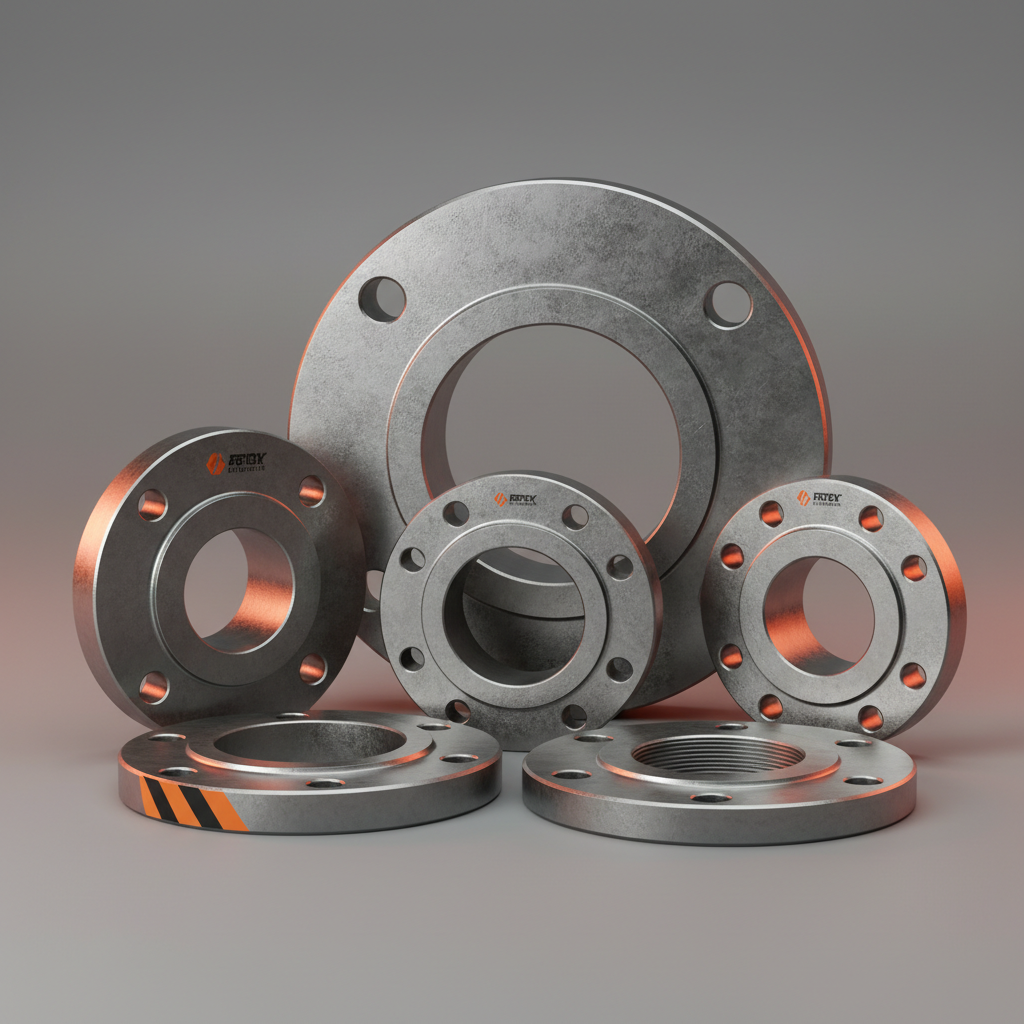
Selecting the right partner among global steel pipes manufacturers often determines the operational lifespan of an entire industrial plant. In high-pressure environments, the difference between a standard pipe and a precision-engineered component is not just a matter of specification, but a matter of systemic safety and leak prevention.
The shift toward more corrosive media and extreme temperature cycles in the energy and chemical sectors has forced a transition from basic carbon steel to advanced bimetallic and clad solutions. This evolution requires a deeper understanding of how material layering and additive manufacturing impact long-term durability.
This analysis explores the technical criteria for evaluating pipe and fitting quality, the strategic importance of cladding technologies, and how to navigate the complexities of material selection for critical infrastructure.


The fundamental challenge in pressure vessel and pipe manufacturing is balancing mechanical strength with chemical inertness. Carbon steel provides the necessary structural integrity and cost-efficiency for high-pressure containment, but it lacks the resistance required for aggressive chemical environments.
Modern steel pipes manufacturers address this by integrating different materials into a single component. Bimetallic clad pipes, for instance, utilize a strong carbon steel outer shell and a corrosion-resistant alloy inner layer, such as stainless steel or nickel-based alloys.
Clad fittings are designed to eliminate the vulnerabilities found in traditional coated pipes. While a coating can peel or crack under thermal expansion, a clad layer is metallurgically bonded to the base metal. This ensures that the protective layer moves and expands in unison with the structural steel, maintaining a seamless barrier against oxidation and chemical attack.
The design logic focuses on optimizing the thickness of the alloy layer. Over-engineering the clad thickness increases costs without proportional gains in service life, while under-engineering risks premature breakthrough corrosion. Precision control during the bonding process is therefore critical for ensuring a uniform protective thickness across complex geometries like elbows and tees.
Furthermore, the compatibility of the transition zone between the two metals is a key engineering focus. Inconsistent thermal expansion coefficients can lead to internal stresses; hence, high-end manufacturing involves controlled heat treatments to stabilize the microstructure of the bond.
Overlay welding is the cornerstone of producing high-performance clad flanges. By applying a high-performance alloy layer onto a base metal surface, manufacturers can create components that withstand the most demanding conditions in oil, gas, and power generation industries.
The strategic advantage of overlay welding lies in its ability to combine the mechanical strength of base carbon steel with the superior surface protection of expensive alloys, resulting in a cost-effective component that does not compromise on durability or safety.
This process allows for precise control over the alloy thickness, which is essential for components like flanges that face concentrated wear and chemical exposure at connection points. The resulting composite structure significantly reduces the frequency of replacements and minimizes unplanned downtime in critical systems.
Evaluating the suitability of different steel pipes requires a qualitative analysis of their performance against specific environmental stressors. While carbon steel is unmatched in cost-to-strength ratio, its vulnerability to moisture and chemicals makes it unsuitable for pharmaceutical or offshore applications without significant protection.
In contrast, stainless steel and nickel-based alloys offer exceptional oxidation resistance but come with a higher price point. The "value index" of a material is therefore a calculation of initial procurement cost versus the projected cost of maintenance and failure over a 20-year cycle.
In a typical offshore oil platform, the piping system is exposed to both high-pressure internal hydrocarbons and external saltwater corrosion. In this scenario, a combination of Carbon Seamless Steel Pipes for structural bulk and Bimetal Clad Pipe for high-risk transfer zones is the most efficient architecture. This hybrid approach ensures that the most expensive materials are deployed only where they provide the most value.
Similarly, in chemical processing plants where hygiene and purity are paramount, stainless steel flanges and pipes are the standard. However, when these systems must connect to larger, high-pressure structural manifolds, the use of composite flanges allows for a secure, leak-proof transition between different material grades without introducing points of galvanic corrosion.
The industry is moving toward "intelligent" piping systems, where additive manufacturing allows for internal wall optimizations that reduce turbulence and erosion. Laser additive manufacturing is becoming a key tool for steel pipes manufacturers to create complex internal geometries that were previously impossible with traditional casting or forging.
Another significant trend is the adoption of AI-driven non-destructive testing (NDT). By integrating AI into visual inspection, manufacturers can identify microscopic defects in the clad layer before the product leaves the factory, moving closer to a "zero-defect" delivery model.
Sustainability is also driving a shift toward materials with longer lifecycles and lower carbon footprints during production. The focus is shifting from "lowest initial cost" to "lowest total cost of ownership," encouraging the adoption of more durable, albeit initially more expensive, clad and alloy solutions.
Choosing between carbon steel, stainless steel, and clad options requires a systematic evaluation of the operating environment. The decision should be based on a matrix of pressure requirements, chemical composition of the transported fluid, and the frequency of thermal cycling.
A common mistake is selecting a material based on a single factor—such as corrosion resistance—while ignoring the mechanical strength needed for high-pressure surges. A balanced framework considers the synergy between the base metal's strength and the alloy's protection.
For those evaluating steel pipes manufacturers, the ability of the supplier to provide certified heat treatment and NDT reports is a primary indicator of product reliability.
| Environment | Primary Risk | Recommended Material | Key Advantage |
|---|---|---|---|
| Low Corrosive / High Pressure | Mechanical Failure | Carbon Seamless Steel | Max Structural Strength |
| Highly Corrosive / Moderate Pressure | Pitting/Oxidation | Stainless Steel | Inherent Inertness |
| Extreme Corrosion / High Pressure | Wall Thinning | Bimetal Clad Pipe | Strength + Protection |
| Ultra-High Temp / Acidic | Thermal Degradation | Nickel-Based Alloy | High-Temp Stability |
| Drinking Water / Urban | Contamination | 304 Lined Bimetal | Hygiene & Durability |
| Offshore / Marine | Salt Spray/Chlorides | Composite Clad | Environmental Shielding |
A coated pipe features a protective layer applied to the surface, which can delaminate or peel under extreme thermal or mechanical stress. In contrast, a clad pipe uses a metallurgical bond to fuse a corrosion-resistant alloy layer to a structural base metal. This ensures the protective layer becomes an integral part of the pipe wall, offering far superior resistance to peeling and providing a more reliable long-term seal in high-pressure environments.
Clad flanges are ideal when you require the extreme corrosion resistance of an alloy but the structural strength and cost-efficiency of carbon steel. For very large diameter flanges in high-pressure systems, using solid stainless steel can be prohibitively expensive and may not provide the same mechanical rigidity as carbon steel. Cladding allows you to protect only the wetted surfaces, reducing material costs while maintaining safety standards.
Overlay welding applies a high-performance alloy layer onto the base metal, specifically targeting areas prone to wear and chemical attack. This process creates a reinforced surface that resists abrasion, oxidation, and high-temperature degradation. By precisely controlling the thickness of this alloy layer, manufacturers can tailor the flange to withstand specific harsh chemicals or extreme pressures, significantly extending the component's service life compared to standard carbon steel.
Selection depends primarily on the required pressure rating (PN), the diameter (DN), and the chemical nature of the transported medium. Carbon seamless pipes are chosen for their lack of longitudinal welds, which eliminates a potential point of failure and makes them superior for high-pressure applications. Engineers must also consider the wall thickness (S) and the environmental temperature to ensure the material does not become brittle or lose strength.
Yes, specifically those lined with materials like 304 stainless steel. Bimetallic pipes for drinking water combine the cost-effectiveness of steel with the hygienic properties of stainless steel. This prevents the water from coming into contact with carbon steel, thereby eliminating rust and contamination, while ensuring the pipe remains strong enough to withstand the pressures of municipal water distribution networks.
The primary risk is galvanic corrosion or chemical pitting, which can lead to catastrophic seal failure and fluid leakage. If a flange material is incompatible with the piping or the chemicals being transported, the connection point becomes the weakest link. This can cause unplanned shutdowns, environmental hazards, and safety risks. Using a carefully selected composite or clad flange ensures a compatible transition and a reliable seal across varying temperature and pressure ranges.
The complexity of modern industrial fluid transport demands a move away from "one-size-fits-all" piping solutions. By integrating bimetallic cladding, precision overlay welding, and advanced seamless steel, operators can build systems that are both economically viable and technically resilient.
Ultimately, the goal is to optimize the intersection of material science and mechanical engineering. Partnering with steel pipes manufacturers who prioritize metallurgical integrity and zero-defect testing is the most effective way to ensure long-term operational safety and efficiency.