Different types of flanges are essential components in piping systems across a vast array of industries, from oil and gas and chemical processing to water treatment and power generation. These seemingly simple connectors play a critical role in ensuring the safe and efficient transfer of fluids, gases, and other materials. Their proper selection and implementation are paramount to preventing leaks, maintaining system integrity, and ultimately, ensuring operational safety and environmental protection. Understanding the nuances of different flange designs, materials, and standards is therefore crucial for engineers, technicians, and anyone involved in the design, installation, and maintenance of piping infrastructure.
The global flange market is a substantial one, driven by continued infrastructure development, particularly in emerging economies, and the growing demands of key industries. According to industry reports, the market is projected to reach significant value in the coming years, reflecting sustained investment in pipelines, processing plants, and energy projects. The increasing focus on corrosion resistance, particularly in harsh environments, is also fueling demand for specialized flange materials and coatings. Organizations like ISO and ASME set crucial standards that govern flange design, manufacturing, and testing, ensuring compatibility and interoperability across global supply chains.
The challenges associated with flange failures – including potential environmental hazards, production downtime, and safety risks – underscore the importance of selecting the appropriate flange type for each specific application. This document will explore the key characteristics of different types of flanges, their applications, advantages, and future trends, providing a comprehensive overview of this critical component in modern industrial systems.
Introduction to different types of flanges
Different types of flanges are mechanical components used to connect pipes, valves, pumps, and other equipment in a piping system. They allow for easy disassembly and reassembly for maintenance, inspection, or repair. The appropriate selection of a flange depends on several factors, including the pressure and temperature of the system, the fluid being conveyed, and the applicable industry standards. Choosing the wrong flange can lead to costly leaks, system failures, and even safety hazards.
The evolution of flange technology has been driven by the need for increased reliability, improved sealing performance, and compatibility with increasingly demanding applications. From early designs employing simple bolted connections to modern flanges utilizing advanced materials and sealing technologies, the industry continually strives to optimize performance and minimize risks. Understanding the different types of flanges available is therefore essential for ensuring the longevity and safety of any piping system.
Defining different types of flanges
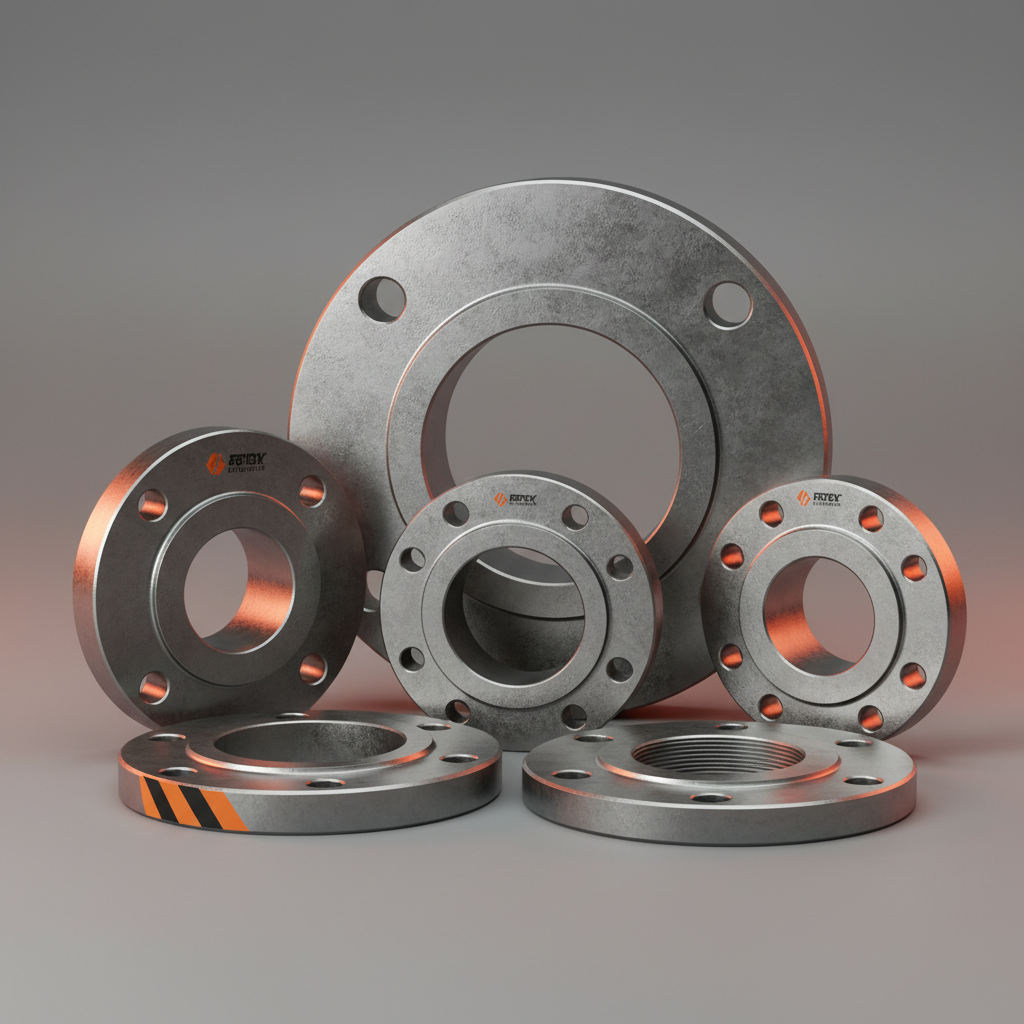
At its core, a flange is a projecting rim, edge, rib, or collar used to strengthen an object, or as a mounting point. In the context of piping, a flange is a protruding disc, typically circular, that is bolted to another flange to create a connection. These connections are crucial for linking sections of pipe, connecting pipes to valves, pumps, and other components, and providing access for inspection and maintenance. The term ‘different types of flanges’ encompasses a wide variety of designs, each suited to specific applications and operating conditions.
The flange connection isn’t just about the physical joining of two pipes; it's about creating a secure, leak-proof seal that can withstand pressure, temperature fluctuations, and the corrosive effects of the fluid or gas being conveyed. Different types of flanges employ various sealing methods, including gaskets, O-rings, and metal-to-metal seals, each offering varying levels of performance and reliability.
The selection of a flange type is deeply intertwined with industry regulations and safety standards. Compliance with standards like those set by ASME, ANSI, and DIN is not merely recommended, but often legally mandated, ensuring the integrity and reliability of piping systems across the globe. These standards dictate everything from the materials used to the dimensions and tolerances of the flanges themselves.
Key Characteristics of different types of flanges
Durability is a paramount characteristic of different types of flanges. They are often exposed to harsh environments, including extreme temperatures, corrosive chemicals, and high pressures. Therefore, the material selection is critical. Common materials include carbon steel, stainless steel, alloy steel, and specialized alloys like Inconel and Hastelloy. The chosen material must resist corrosion, erosion, and fatigue to ensure long-term reliability.
Scalability refers to the ability of a flange to accommodate changes in system requirements. For example, a flange might need to be replaced with a larger size to increase flow capacity or a different material to handle a more corrosive fluid. The availability of different flange sizes, pressure ratings, and materials ensures that a piping system can be easily adapted to changing needs without requiring a complete overhaul.
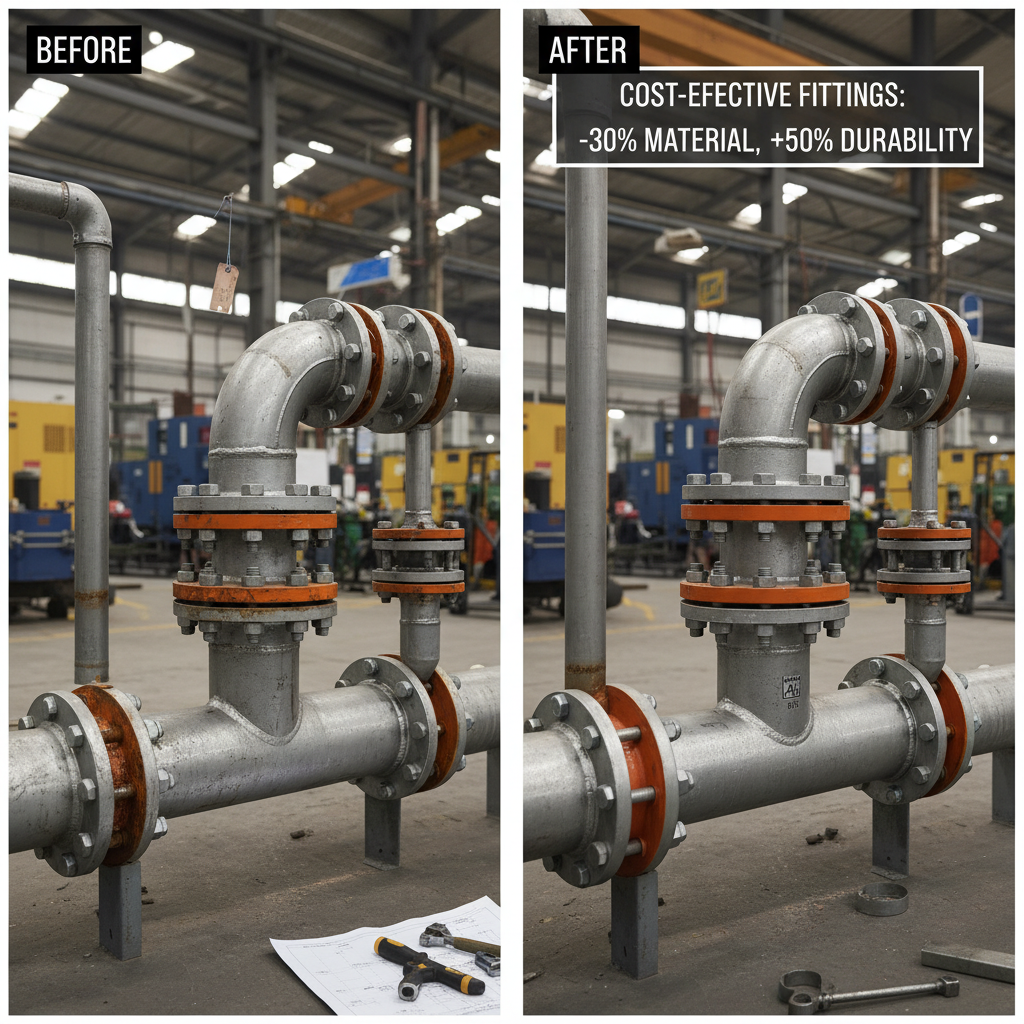
Cost efficiency is an important consideration, especially for large-scale projects. While high-performance flanges made from exotic materials can be expensive, they often offer a lower total cost of ownership due to their increased durability and reduced maintenance requirements. Balancing initial cost with long-term performance and reliability is crucial for making informed decisions.
Global Applications of different types of flanges
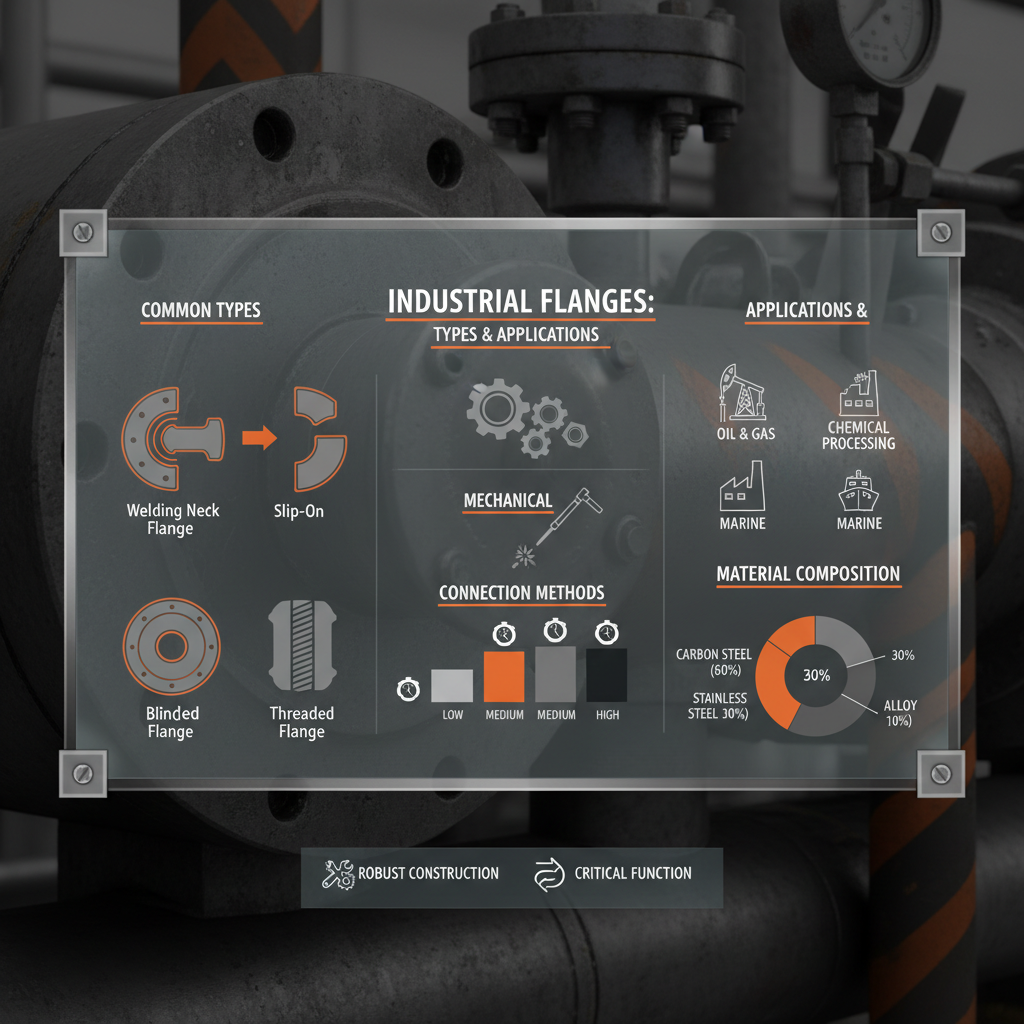
Different types of flanges find extensive application in the oil and gas industry, where they are used to connect pipelines, storage tanks, and processing equipment. The high pressures and temperatures involved in these operations demand robust flanges capable of withstanding extreme conditions. In the chemical processing industry, flanges are essential for handling corrosive fluids and gases, requiring the use of specialized materials like stainless steel and Hastelloy.
The power generation sector relies heavily on different types of flanges in steam turbine systems, cooling water pipelines, and fuel supply lines. The reliability of these flanges is critical for ensuring the continuous operation of power plants. In water treatment facilities, flanges are used to connect pipes, pumps, and valves, playing a vital role in delivering clean and safe water to communities.
Even in remote industrial zones, such as mining operations in Australia or oil exploration sites in the Arctic, different types of flanges are indispensable. Their robust design and ability to withstand harsh conditions make them suitable for these challenging environments. Similarly, in post-disaster relief operations, portable water purification systems often utilize flanged connections for quick and easy assembly.
Performance Comparison of different types of flanges
Advantages of Using different types of flanges
Using different types of flanges offers a significant reduction in maintenance costs. Properly selected and installed flanges require minimal upkeep, reducing downtime and associated expenses. Their modular design allows for easy replacement of damaged sections, avoiding the need to shut down entire systems for repairs. This is particularly valuable in critical industries where continuous operation is paramount.
Flanges enhance system safety by providing a secure and reliable connection that minimizes the risk of leaks and failures. The use of appropriate materials and sealing mechanisms ensures that hazardous fluids and gases are contained, protecting personnel and the environment. Compliance with industry standards further reinforces safety protocols and reduces the likelihood of accidents.
Future Trends in different types of flanges
The development of advanced materials, such as composite flanges, is poised to revolutionize the industry. These materials offer superior corrosion resistance, reduced weight, and improved mechanical properties compared to traditional materials. The integration of smart sensors into flanges will enable real-time monitoring of critical parameters like pressure, temperature, and corrosion levels, providing valuable insights for predictive maintenance.
Automation and digital twin technology are also transforming the flange industry. Automated flange facing machines and robotic welding systems are improving efficiency and precision in manufacturing and installation. Digital twins – virtual replicas of physical flanges – allow engineers to simulate performance under various conditions, optimizing designs and identifying potential issues before they arise.
Sustainability is driving the demand for eco-friendly flange coatings and manufacturing processes. Reducing the environmental impact of flange production and disposal is becoming increasingly important, leading to the development of biodegradable coatings and recycling initiatives.
Challenges and Solutions with different types of flanges
A common challenge is galvanic corrosion, which occurs when dissimilar metals are in contact in the presence of an electrolyte. This can lead to accelerated corrosion of the less noble metal. Solutions include using compatible materials, applying protective coatings, and implementing cathodic protection systems. Another challenge is the proper selection of gasket materials to ensure a leak-proof seal under varying operating conditions.
The high cost of specialized flange materials, such as Inconel and Hastelloy, can be a barrier for some applications. However, the long-term cost savings associated with increased durability and reduced maintenance often outweigh the initial investment. Exploring alternative materials and optimizing flange designs can also help to reduce costs without compromising performance.
Ensuring proper installation and torqueing of flange bolts is crucial for maintaining seal integrity. Incorrect torqueing can lead to leaks or bolt failure. Training personnel on proper installation procedures and using calibrated torque wrenches are essential for preventing these issues.
Summary of challenges and potential solutions for different types of flanges.
| Challenge |
Impact |
Potential Solution |
Implementation Cost |
| Galvanic Corrosion |
Accelerated material degradation |
Use compatible materials, protective coatings |
Low to Medium |
| Gasket Failure |
Leakage, system downtime |
Proper gasket material selection, correct compression |
Low |
| High Material Costs |
Increased project budget |
Alternative material assessment, design optimization |
Low to High |
| Improper Bolt Torque |
Leakage, bolt failure |
Personnel training, calibrated torque wrenches |
Low |
| Erosion from fluid flow |
Material wear and tear |
Hard facing, utilizing erosion-resistant materials |
Medium |
| Temperature fluctuations |
Stress on flange and gasket |
Expansion joints, selection of temperature-resistant materials |
Medium to High |
FAQS
Weld neck flanges are welded to the pipe using a full penetration weld, providing a stronger and more reliable connection, especially for high-pressure and high-temperature applications. Slip-on flanges, on the other hand, simply slip over the pipe and are welded at the ends, requiring less precision but offering lower structural integrity. Weld neck flanges are generally preferred where safety and long-term reliability are critical, while slip-on flanges are often used in less demanding applications where cost is a significant factor.
The correct pressure rating for a flange is determined by considering the maximum operating pressure of the system, the temperature of the fluid, and the applicable industry standards. Flanges are typically rated according to ANSI/ASME standards, with ratings denoted by numbers like 150, 300, 600, etc. It’s crucial to select a flange with a pressure rating that exceeds the maximum operating pressure of the system by a safety margin. Consulting with a qualified engineer is recommended for complex applications.
Stainless steel flanges offer superior corrosion resistance compared to carbon steel flanges, making them ideal for applications involving corrosive fluids or harsh environments. They also have higher tensile strength and temperature resistance. While stainless steel flanges are generally more expensive, their increased durability and reduced maintenance requirements can result in lower total cost of ownership over the long term. Carbon steel flanges are suitable for less corrosive environments and cost-sensitive applications.
A flange gasket is a crucial component that creates a leak-proof seal between the mating surfaces of two flanges. Common gasket materials include non-asbestos fiber, rubber (such as EPDM and Viton), PTFE (Teflon), and metal gaskets. The choice of gasket material depends on the fluid being conveyed, the temperature and pressure of the system, and the compatibility with the flange materials. Proper gasket selection and installation are essential for maintaining seal integrity.
Bolt loosening can be prevented by using properly sized and lubricated bolts, applying the correct torque during installation, and utilizing locking mechanisms such as lock washers or thread-locking compounds. Regular inspections and re-torqueing of bolts are also recommended, especially in applications subject to vibration or thermal cycling. Following manufacturer’s recommendations and industry best practices is crucial for maintaining bolt tension.
Blind flanges are solid discs without a center opening, used to seal off the end of a pipe, valve, or other equipment. They are commonly used for temporary closures during maintenance, testing, or to isolate sections of a piping system. They can also be used permanently to cap off unused connections. Blind flanges must be rated to withstand the same pressure and temperature as the system they are sealing.
Conclusion
In conclusion, understanding different types of flanges is fundamental to ensuring the safe, reliable, and efficient operation of piping systems across a multitude of industries. From weld neck to slip-on, each flange type offers unique advantages and is suited to specific applications. Proper material selection, adherence to industry standards, and meticulous installation are critical for maximizing performance and minimizing risks. The advancements in materials and technologies promise even more robust and intelligent flange solutions in the future.
Looking ahead, continued innovation in flange technology will be driven by the need for increased sustainability, reduced maintenance, and improved operational efficiency. Embracing these advancements, coupled with a commitment to best practices, will be essential for meeting the evolving demands of the global industrial landscape. For more information on different types of flanges and how they can benefit your operations, visit our website: www.lion-pipeline.com.