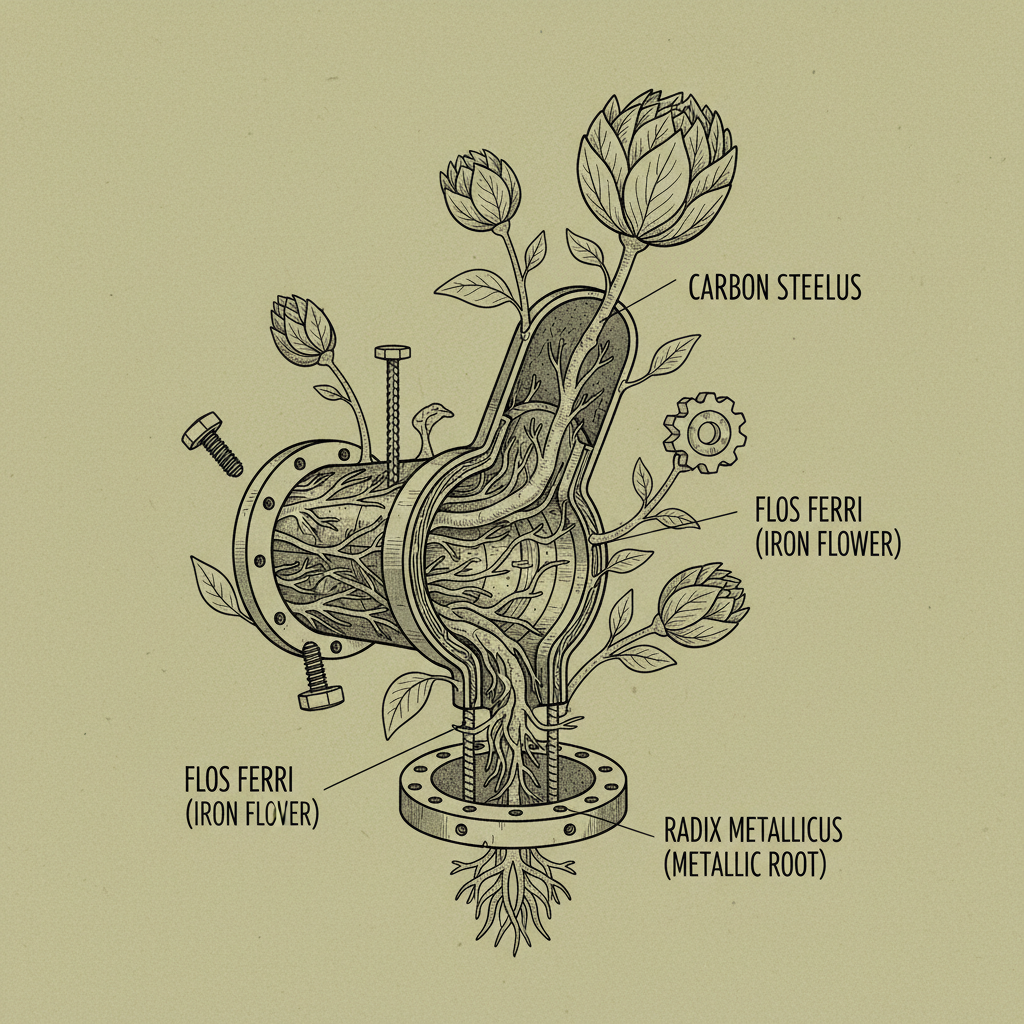
Different types of hose pipe fittings are essential components in a vast array of industries, from agriculture and construction to oil and gas, and even domestic applications. Their ability to securely connect hoses, control fluid flow, and withstand varying pressures makes them indispensable. Understanding the nuances of these fittings – their materials, connection types, and pressure ratings – is crucial for ensuring system efficiency, safety, and longevity. The global market for hose fittings is substantial and continually evolving, driven by technological advancements and increasing demands for specialized solutions.
The significance of properly selected hose pipe fittings extends beyond mere functionality. Incorrect fittings can lead to leaks, system failures, and potentially hazardous situations. Furthermore, the choice of material impacts durability and compatibility with the conveyed fluids. With stringent regulatory standards and a growing emphasis on environmental responsibility, the demand for high-quality, reliable fittings continues to rise. This importance is magnified in critical infrastructure and emergency response scenarios.
Ultimately, the widespread adoption and continued innovation in different types of hose pipe fittings represent a commitment to efficient fluid handling, increased safety, and sustainable industrial practices. From simple garden hoses to complex industrial pipelines, these components play a vital, often unseen, role in modern life.
Introduction to different types of hose pipe fittings
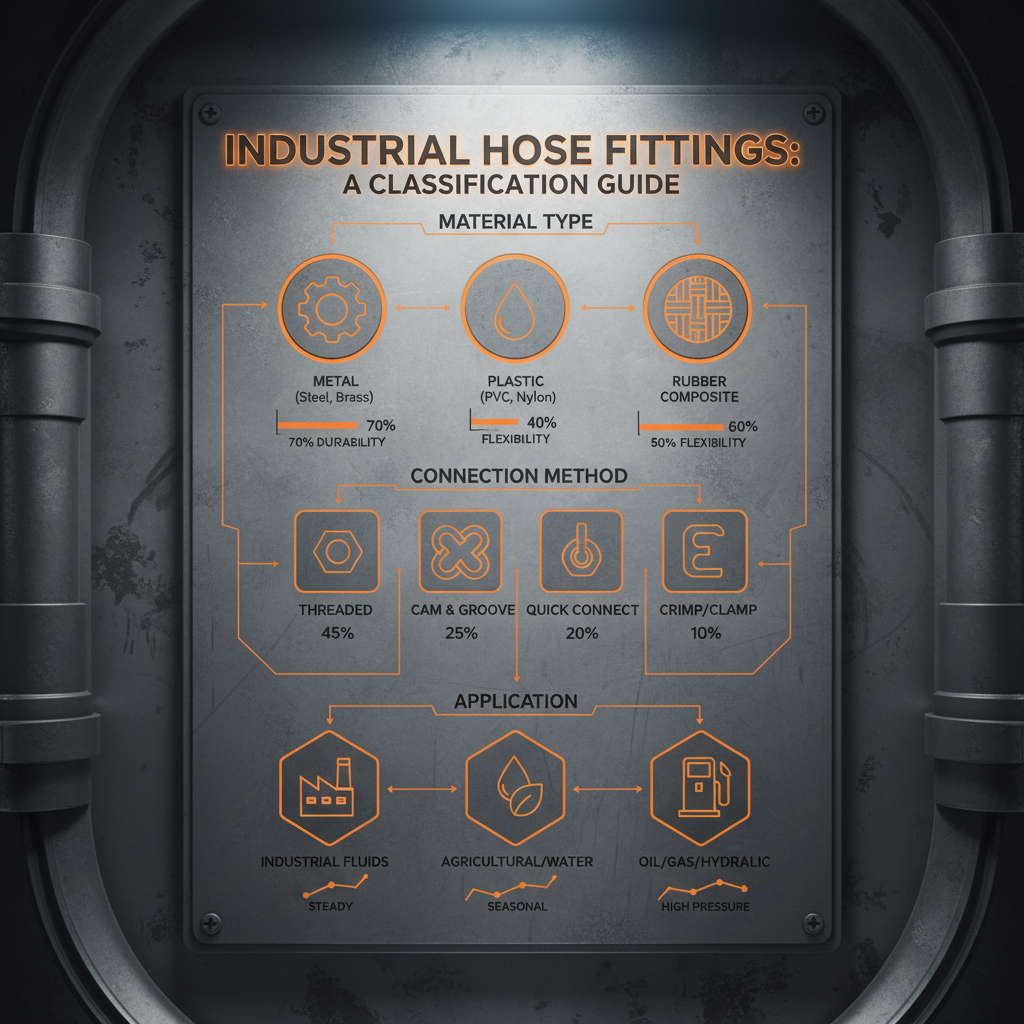
Different types of hose pipe fittings encompass a broad range of connectors used to join, terminate, or change the direction of hoses. These fittings are critical for maintaining the integrity of fluid transfer systems, preventing leaks, and ensuring efficient operation. They are categorized by connection type, material, pressure rating, and application. The correct selection of a fitting is vital for system performance.
The choice of fitting significantly influences the longevity and reliability of a hose assembly. Factors like chemical compatibility, temperature resistance, and mechanical stress must be considered. From simple barbed fittings for low-pressure applications to complex swaged or crimped fittings for high-pressure systems, the available options are extensive and require careful evaluation.
Defining Hose Pipe Fittings
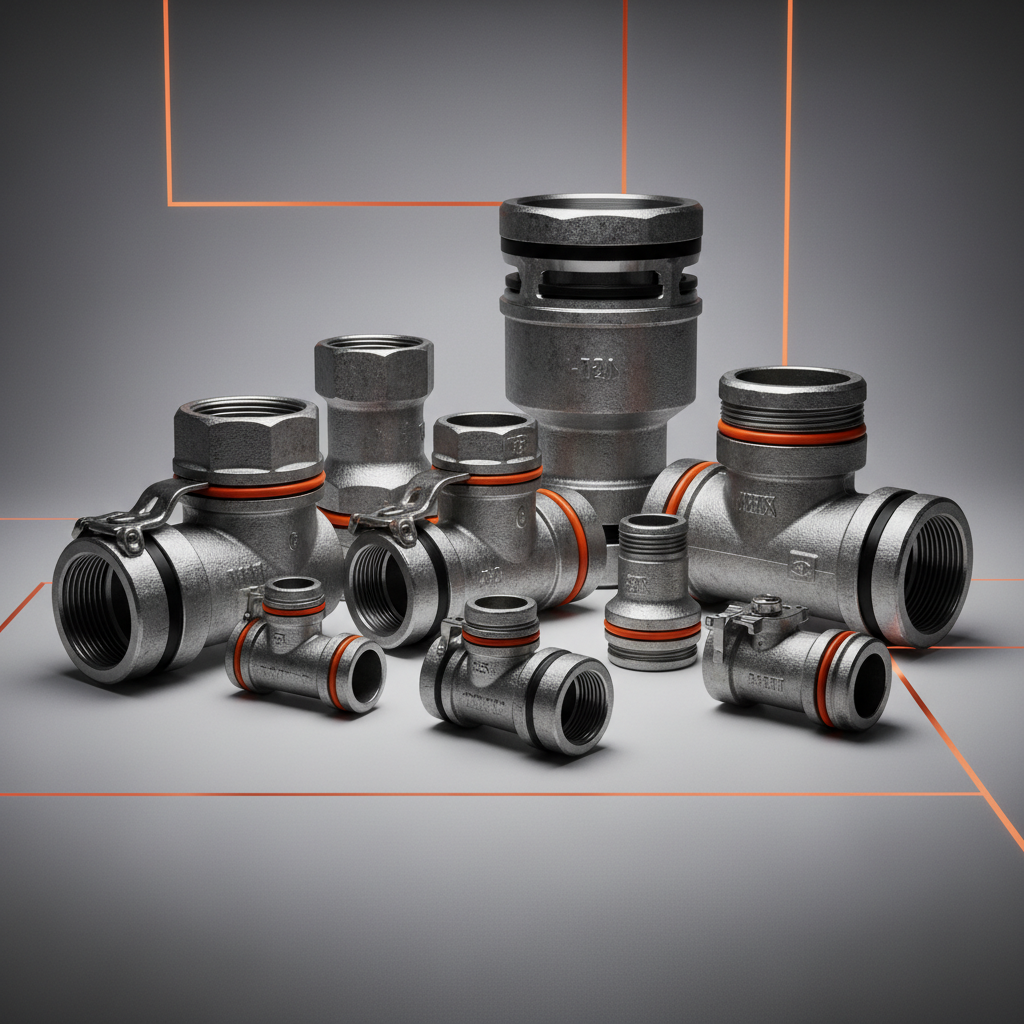
Hose pipe fittings are the components that facilitate the connection between hoses, or between a hose and other equipment, to enable the transfer of fluids, gases, or solids. They are not simply adapters; they play a crucial role in maintaining pressure, preventing leaks, and ensuring the safe and efficient operation of fluid handling systems. different types of hose pipe fittings come in various materials like brass, stainless steel, plastic, and aluminum, each suited for different applications and fluid types.
The functionality of these fittings connects directly to modern industrial needs. In manufacturing, precise fluid delivery relies on secure connections provided by specialized hose fittings. In humanitarian aid, quick-connect fittings allow for rapid deployment of water and sanitation systems. Even in everyday life, the garden hose utilizes simple fittings to provide access to water.
Understanding the terminology – couplings, adapters, nipples, and nozzles – is vital when discussing hose pipe fittings. Each component has a specific function and contributes to the overall system's performance. Selecting the appropriate fitting based on the application's demands is a fundamental aspect of engineering and maintenance.
Key Factors in Hose Pipe Fitting Selection
Durability is paramount when selecting hose pipe fittings. The material's resistance to corrosion, abrasion, and fatigue directly impacts the fitting’s lifespan and the overall reliability of the system. Fittings used in harsh environments – such as offshore oil rigs or chemical processing plants – require materials like stainless steel or specialized alloys to withstand extreme conditions.
Pressure rating is another critical factor. Fittings must be able to withstand the maximum pressure the system is expected to experience, with a safety margin. Exceeding the pressure rating can lead to catastrophic failure and potentially dangerous situations. Different fittings are rated for varying pressures, denoted in PSI or bar.
Compatibility with the conveyed fluid is crucial. Certain fluids can react with specific materials, causing corrosion or degradation. Choosing a fitting material that is chemically inert to the fluid ensures long-term performance and prevents contamination. For example, stainless steel is often preferred for corrosive fluids, while plastic fittings are suitable for many non-corrosive applications.
Global Applications of Hose Pipe Fittings
The applications of different types of hose pipe fittings are incredibly diverse and span across numerous industries globally. In agriculture, fittings are essential for irrigation systems, fertilizer application, and pesticide spraying. These fittings must be durable and resistant to chemicals.
Within the construction industry, hose pipe fittings are used for delivering concrete, supplying water to power tools, and operating pneumatic equipment. The fittings used in construction often need to be robust and able to withstand harsh site conditions. In remote industrial zones, reliable hose connections are vital for maintaining operations and minimizing downtime.
In post-disaster relief operations, quick-connect hose fittings facilitate the rapid deployment of water purification systems and sanitation facilities. The speed and ease of connection are critical in these emergency situations. Furthermore, oil and gas industries rely heavily on high-pressure hose fittings for transferring fuels, chemicals and other crucial fluids.
different types of hose pipe fittings Application Breakdown
Advantages and Long-Term Value
Using high-quality hose pipe fittings translates directly into cost savings over the long term. Reduced downtime, minimized maintenance, and prevention of costly leaks contribute to a lower total cost of ownership. Choosing durable materials and appropriate fitting types extends the lifespan of the entire fluid handling system.
Beyond financial benefits, the reliability of these fittings enhances safety and reduces environmental impact. Preventing leaks minimizes the risk of hazardous spills and contamination, protecting both personnel and the environment. Investing in reliable components builds trust and demonstrates a commitment to responsible operations.
Future Trends and Innovations
The future of hose pipe fittings is focused on smart technology and sustainable materials. The integration of sensors and IoT connectivity enables real-time monitoring of pressure, temperature, and flow rates, allowing for predictive maintenance and preventing failures.
Furthermore, the development of biodegradable and recycled materials is gaining momentum, reducing the environmental footprint of these components. Research into advanced polymers and alloys is also underway, aiming to create fittings that are even more durable, corrosion-resistant, and compatible with emerging fluids and gases.
Automation in the manufacturing process is also becoming more prevalent, leading to improved precision, reduced waste, and lower production costs. These innovations will contribute to a more efficient, sustainable, and reliable future for hose pipe fitting technology.
Challenges and Solutions
One of the primary challenges in the hose pipe fitting industry is the wide variety of standards and regulations across different regions and industries. This complexity can lead to confusion and potential compatibility issues. The solution lies in adopting unified standards and certifications to ensure consistent quality and safety.
Another challenge is the need for fittings that can withstand increasingly harsh operating conditions, such as extreme temperatures, corrosive fluids, and high pressures. This requires ongoing research and development into new materials and manufacturing techniques.
Finally, managing supply chain disruptions and ensuring timely delivery of fittings can be a significant hurdle. Diversifying sourcing, building strategic partnerships, and implementing robust inventory management systems can mitigate these risks.
Key Performance Indicators for different types of hose pipe fittings
| Fitting Type |
Material Durability (1-10) |
Pressure Resistance (PSI) |
Cost Efficiency (1-10) |
| Barbed Fittings |
6 |
150 |
9 |
| Swaged Fittings |
8 |
500 |
7 |
| Threaded Fittings |
7 |
300 |
8 |
| Quick-Connect Fittings |
5 |
200 |
6 |
| Flanged Fittings |
9 |
1000 |
5 |
| Crimped Fittings |
9 |
750 |
6 |
FAQS
The most common materials include brass, stainless steel, aluminum, and various plastics like nylon and polypropylene. Brass is favored for its corrosion resistance and affordability, while stainless steel offers superior durability in harsh environments. Aluminum is lightweight and suitable for certain applications, and plastics are cost-effective and versatile. The best choice depends on the fluid being conveyed, the operating pressure, and the surrounding environment.
Determining the correct size involves identifying the hose's inner diameter (ID) and outer diameter (OD). The fitting’s size must match the hose’s OD to ensure a secure and leak-proof connection. It’s crucial to use accurate measuring tools and consult the hose manufacturer’s specifications to avoid compatibility issues. Incorrect sizing can lead to leakage and system failure.
Both swaged and crimped fittings provide secure connections, but they differ in the method of attachment. Swaging involves expanding the fitting over the hose, creating a tight interference fit. Crimping uses a specialized tool to compress a metal sleeve around the hose and fitting, creating a robust connection. Crimped fittings generally offer higher pressure ratings and are more durable, while swaged fittings are often easier to install.
Thread sealant is crucially important when using threaded fittings. It prevents leaks by filling microscopic imperfections in the threads and creating a watertight seal. Common thread sealants include Teflon tape (PTFE tape) and pipe dope. Applying sealant correctly ensures a reliable connection and prevents costly leaks and potential hazards. Always follow the manufacturer’s instructions for application.
Quick-connect fittings allow for fast and easy connections and disconnections without the need for tools. They typically utilize a push-and-lock mechanism. They’re commonly used in applications where frequent hose changes are required, such as irrigation systems, air compressors, and pneumatic tools. They are also invaluable in emergency response situations where rapid deployment is essential.
Preventing corrosion involves selecting appropriate materials for the conveyed fluid and operating environment. Stainless steel and specialized alloys offer excellent corrosion resistance. Applying protective coatings, such as galvanizing or powder coating, can also extend the lifespan of fittings. Regular inspection and maintenance, including cleaning and lubrication, are essential for preventing corrosion.
Conclusion
In conclusion, understanding different types of hose pipe fittings is critical for ensuring the safe, efficient, and reliable operation of countless systems across diverse industries. From selecting the appropriate materials and connection types to considering pressure ratings and environmental factors, a thoughtful approach to fitting selection yields substantial long-term benefits. The continued innovation in materials, manufacturing processes, and smart technologies promises to further enhance the performance and sustainability of these essential components.
Looking ahead, embracing advancements in sensor technology, biodegradable materials, and automated manufacturing will be key to addressing evolving industry needs and environmental concerns. Investing in quality fittings and adhering to industry best practices are not merely cost-saving measures but a demonstration of commitment to safety, reliability, and responsible operations. Visit our website at different types of hose pipe fittings to learn more about our extensive range of products and solutions.