Look, I've been running around construction sites for fifteen years, and honestly, the biggest thing I'm seeing right now is everyone chasing "smart" and "integrated." Every supplier is talking about IoT, remote monitoring, and predictive maintenance for carbon steel pipes. It's good, don't get me wrong, but a lot of it feels like putting lipstick on a pig. The core material still needs to be good.
You wouldn’t believe the amount of time I spend explaining basic corrosion resistance. People want a fancy coating, sure, but if the base carbon steel isn't right to begin with... forget it. It'll rust through anyway. It’s like building a house on sand.
And the pressure ratings… Don’t even get me started. Everyone’s pushing for thinner walls to save money, and then they wonder why things are failing under stress.
What's Happening on the Ground
I’m telling you, prefabrication is huge. Everyone’s trying to move more of the work off-site to control quality and speed things up. That means carbon steel pipe suppliers are dealing with tighter tolerances and more complex assemblies. Strangely, the guys doing the welding are getting younger… which isn't necessarily a bad thing, but you lose some of that old-school experience.
Another thing? Sustainability is finally becoming a real concern. Not just for show, but because customers are asking for lower-carbon steel options. It's tough, because the cheaper stuff is often the dirtiest to produce, but the pressure's on.
Design Pitfalls – The Devil’s in the Details
People get so caught up in the big picture they forget about the small stuff. Have you noticed how many designs specify a perfectly smooth internal surface? Sounds good on paper, but it’s a nightmare to achieve consistently in carbon steel, and it doesn't always make a practical difference. It just drives up the cost and leads to rejection rates.
And then there's the issue of weld preparation. A badly beveled edge, even a millimeter off, can cause a catastrophic failure down the line. I saw it happen at a refinery in Louisiana once… Messy.
Another trap? Trying to use one size pipe for everything. Yeah, it simplifies ordering, but it sacrifices efficiency. The optimal pipe diameter changes with flow rate and pressure.
The Feel of the Steel – Material Matters
You can tell a good piece of carbon steel just by holding it. It's got a weight to it, a solidity. The smell of the mill scale… you get used to it. Some of the cheaper stuff feels… spongy. It’s hard to describe, but you know when it doesn’t feel right. And the surface finish is critical. Too rough, and it creates turbulence; too smooth, and it can be prone to cracking.
I encountered this at a factory in Chongqing last time. They were using a new supplier for their seamless pipes, and the finish was all over the place. It took us three days to sort through it all and find the usable pieces. The guys complained the whole time!
Then there's the impact of temperature. Cold steel is brittle; warm steel is more malleable. Welding in freezing conditions is a whole different ball game. And the type of steel matters too, of course. A106, X42, X52… they all have different properties.
Real-World Testing – Beyond the Lab
Those lab tests are useful, sure, but they don't tell the whole story. I want to see the pipe vibrate. I want to see it freeze. I want to see it get banged around during transport. We do hydrostatic testing on-site, of course, but we also do impact tests with a sledgehammer. Sounds barbaric, but it reveals weaknesses that a pressure test won't.
Anyway, I think the best test is just time. Put it in the ground, let it sit for a year, then dig it up and see what happened. That's the only way to truly know if it’s going to last.
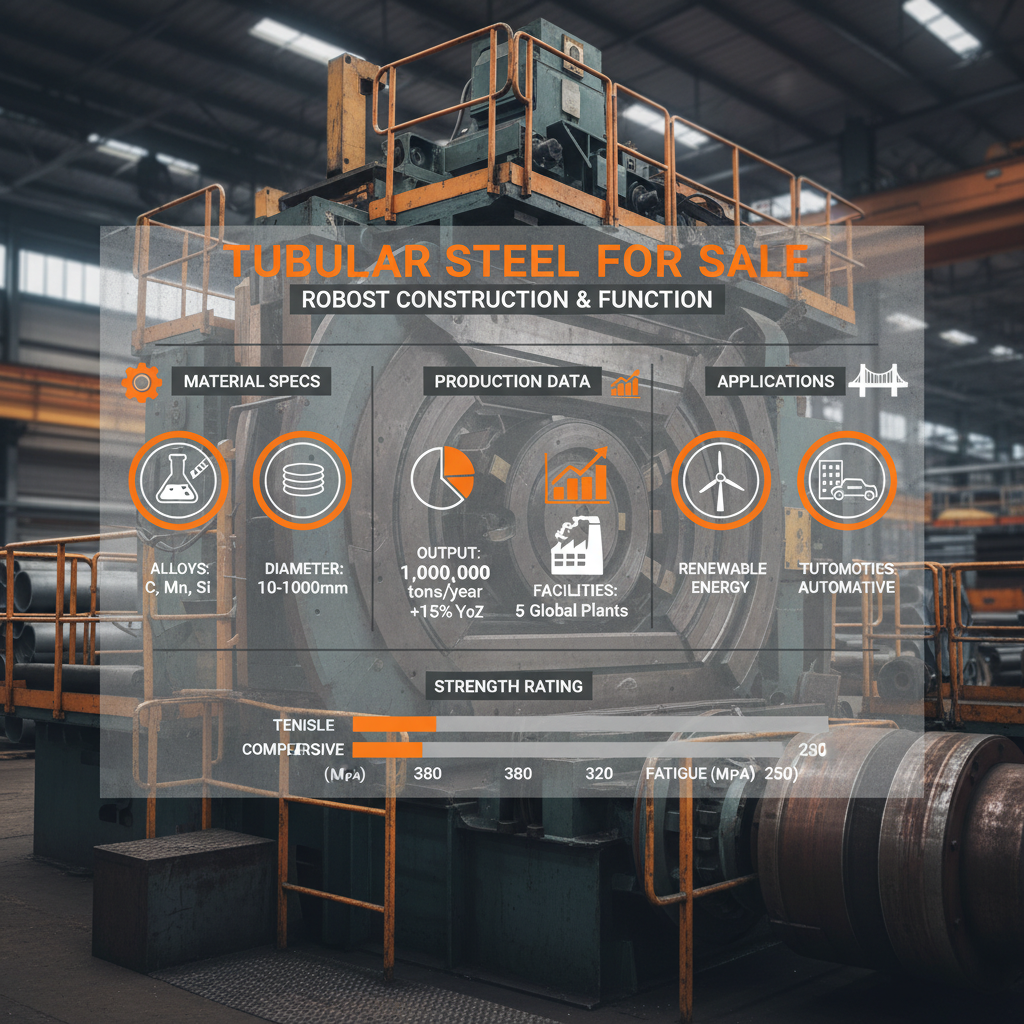
Carbon Steel Pipe Supplier Performance - Key Metrics
How It's Actually Used – Surprising Insights
You wouldn’t believe how often people use carbon steel pipe for things it wasn't designed for. Like running compressed air lines… That's a recipe for disaster. Or using it as a structural support. It'll work for a while, maybe, but it's not safe.
And the amount of improvisation I see in the field… People cutting corners, using whatever they have on hand. It's resourceful, I guess, but it’s also terrifying.
The Good, The Bad, and the Customizable
The biggest advantage of carbon steel? Cost, plain and simple. It’s cheap, readily available, and easy to work with. But that cheapness comes at a price – corrosion. You have to protect it with a coating or cathodic protection. And the weight… It’s a bear to move around.
Customization is definitely possible. I had a client last year who needed pipes with a very specific internal coating to handle a highly corrosive fluid. It wasn’t cheap, but we got it done. It involved a multi-layer epoxy coating applied by a specialized vendor.
A Shenzhen Story – Customer Realities
Last month, that small boss in Shenzhen who makes smart home devices insisted on changing the interface to , and the result was a complete logistical nightmare. He wanted all the pipes to have a threaded connector for some reason... said it was "future-proof." We tried to explain it wasn't a practical application, but he wouldn't listen. Ended up delaying the project by two weeks while we sourced custom fittings and reworked the entire design. Waste of everyone’s time.
He finally understood when his prototypes started leaking. Sometimes, you gotta let people learn the hard way.
Anyway, I think it's always a good reminder that engineering decisions should be based on practicality, not hype.
Summary of Key Supplier Selection Criteria
| Supplier Reputation |
Material Certification |
Production Capacity |
Lead Time & Logistics |
| Years in business, customer reviews, industry recognition |
Compliance with ASTM/ASME standards, material test reports |
Maximum monthly output, ability to handle large orders |
Shipping options, delivery timeline, packaging quality |
| Strong track record of consistent quality |
Full traceability of materials |
Flexibility to scale production quickly |
Responsive communication and proactive problem-solving |
| Positive feedback from other construction professionals |
Independent lab testing verification |
Ability to manage multiple concurrent projects |
Insurance and liability coverage |
| Proven experience with similar projects |
Adherence to quality control procedures |
Investment in modern manufacturing equipment |
Competitive pricing and transparent cost breakdown |
| Willingness to provide references |
Availability of material safety data sheets (MSDS) |
Commitment to on-time delivery |
Ability to handle custom orders |
| Financial stability and long-term viability |
Compliance with environmental regulations |
Efficient inventory management |
Strong relationships with transportation providers |
FAQS
Lead times vary drastically, honestly. It depends on the size of the order, the specific steel grade, and the supplier’s current workload. Generally, for a significant order, you’re looking at 4-8 weeks minimum. But if it’s a custom spec or the supplier is backed up, it can easily stretch to 12 weeks or more. It's always best to plan well in advance and get a firm quote with a guaranteed delivery date.
Corrosion protection is key. The most common methods are applying a protective coating – epoxy, polyethylene, or even just a good coat of paint. Cathodic protection is another option, especially for buried pipelines. The best approach depends on the environment the pipe will be exposed to. If it’s saltwater, you need a much more robust solution than if it’s just exposed to normal atmospheric conditions. We also look at the steel grade itself - some are more corrosion-resistant to begin with.
We do hydrostatic testing, which is basically pressure testing to make sure there are no leaks. Then there's non-destructive testing like ultrasonic testing to check for flaws in the steel itself. Impact testing, as I mentioned before, is crucial. And we always require a mill test report that certifies the steel meets the specified ASTM standards. Honestly, I've seen suppliers try to cut corners on testing… That's when you walk away.
Absolutely. You can customize almost anything – diameter, wall thickness, length, coatings, threading, flanges… whatever you need. But it’s going to cost more and take longer. I had a client a while back who needed a specific pipe with a very tight tolerance for the inner diameter. It meant a special manufacturing process and a lot of quality control, but we delivered. The key is to be clear about your requirements upfront.
Reputation is huge. You want a supplier with a proven track record of delivering quality products on time. Check their certifications, ask for references, and visit their facility if possible. Also, consider their production capacity, lead times, and customer service. Don’t just go with the cheapest option; you’ll often end up paying more in the long run with poor quality or delays. It’s about finding a reliable partner.
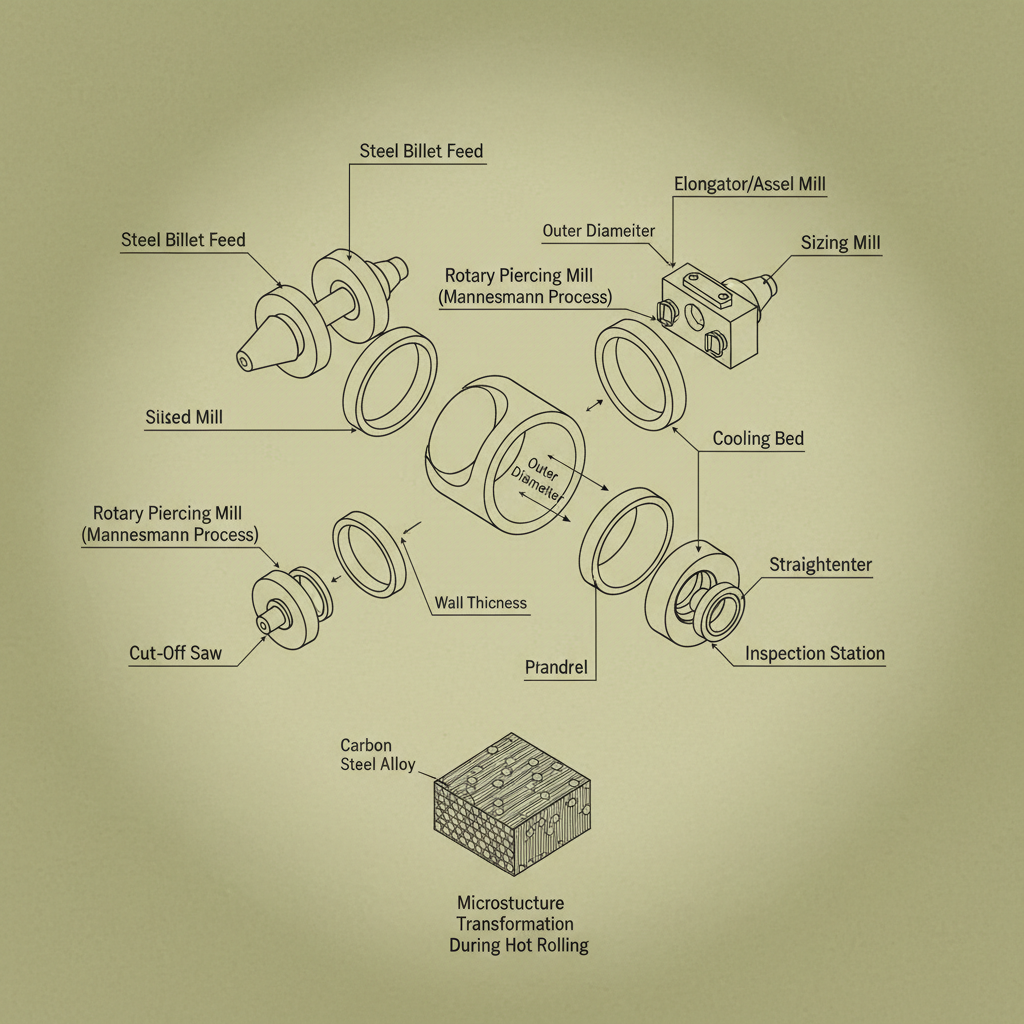
Seamless pipes are made from a solid billet of steel that's been pierced to create the hollow tube. Welded pipes are made by rolling a sheet of steel into a cylinder and welding the seam. Seamless pipes are generally stronger and more reliable, especially for high-pressure applications. Welded pipes are cheaper, but the weld seam can be a potential point of failure if it’s not done properly. We usually recommend seamless for critical applications, but welded can be perfectly fine for less demanding uses.
Conclusion
So, yeah, carbon steel pipes. Seems simple, right? But it's a surprisingly complex world, filled with nuances and potential pitfalls. From the raw material selection to the final installation, every step matters. You gotta consider corrosion, pressure, temperature, and a whole lot more.
Ultimately, whether this thing works or not, the worker will know the moment he tightens the screw. And if you’ve chosen the right supplier, and the material is up to snuff, that screw will tighten smoothly, and everything will hold. If you're looking for reliable carbon steel pipe suppliers, check out carbon steel pipe suppliers.