tel
Email
to top

Steel Tube Sizes Chart Comprehensive Guide & Dimensions

Jun 08 2025
share:
  • Fundamentals of Steel Tube Size Standardization
  • Technical Advantages Across Different Measurement Systems
  • Market Leaders: Global Steel Tube Manufacturer Comparison
  • Industry-Specific Customization Solutions
  • Practical Applications and Case Studies
  • Interpreting Dimensional Charts Effectively
  • Critical Considerations for Steel Tee Section Sizing

steel tube sizes

(steel tube sizes)


Fundamentals of Steel Tube Size Standardization

Standardization creates manufacturing efficiency and design reliability across industries. ASTM A500 establishes dimensional tolerances for structural applications permitting only ±0.5% deviation on nominal wall thickness. Industrial projects commonly utilize round tubes ranging from 0.5-inch (12.7mm) capillary tubing to 24-inch (610mm) transmission pipes. The table below outlines fundamental sizing parameters:

Application Sector Common Outer Diameter Range Wall Thickness Tolerance Materials Used
Structural Engineering 2"-16" (50-400mm) ±0.5% A500 Gr B/C, A1085
Hydraulic Systems 0.25"-6" (6-150mm) ±7.5% Stainless 304/316
Oil & Gas Transmission 4"-24" (100-610mm) ±10% API 5L X42-X80

Dimensional variations occur across measurement systems with European EN standards differing from American specifications. British metric tubing follows EN 10255 classifications where diameters range between 21.3mm to 114.3mm. Sectional properties including moment of inertia and torsional stiffness calculations rely directly on these standardized measurements.

Technical Advantages Across Different Measurement Systems

Precision-engineered tubing delivers structural efficiencies unattainable with solid sections. Rectangular hollow sections (RHS) provide 40% greater torsional resistance compared to I-beams of equivalent weight. Material optimization reduces project costs substantially where structural tubing requires 20-30% less steel than alternative profiles. Surface-to-weight ratios significantly impact corrosion resistance - circular sections exhibit 25% less exposed surface area than angular profiles.

Advanced manufacturing techniques now permit hybrid sections meeting multiple structural requirements simultaneously. Integrated finite element analysis during fabrication validates performance characteristics against theoretical calculations. Protective treatments including hot-dip galvanizing according to ASTM A123 increase service life to over 50 years in corrosive environments.

Market Leaders: Global Steel Tube Manufacturer Comparison

Material selection directly impacts performance characteristics across operating environments. Leading manufacturers specialize in distinct production methodologies as shown in the technical comparison:

Manufacturer Production Method Quality Certifications Diameter Range Material Options
Vallourec Seamless/Pilger Mill API Q1, ISO 9001 0.5"-24" 260+ alloys
Tenaris Continuous Seamless API 5CT, PED 1"-20" Carbon/alloy/stainless
Nippon Steel ERW/HFW JIS, DNV GL 0.25"-60" Carbon/TMCP steels

Recent industry developments highlight production innovations including SSAB's laser-welded tubes achieving wall thicknesses down to 0.8mm with ±0.05mm precision. Such technical capabilities enable applications in aerospace and medical sectors previously dominated by non-metallic composites.

Industry-Specific Customization Solutions

Bespoke fabrication addresses specialized engineering requirements where conventional sizing proves insufficient. Bridge construction frequently employs non-standard elliptical sections reducing wind load resistance by up to 18% compared to circular equivalents. Petrochemical installations implementing API 5L grade X100 pipes with wall thicknesses exceeding 40mm withstand pressures surpassing 15,000 psi.

Material scientists increasingly develop application-specific steel formulations. Offshore drilling operations utilize modified duplex stainless steels containing 25% chromium and 7% nickel to withstand chloride-induced stress corrosion cracking. Architectural fabrications employ weathering steels forming stable oxide layers that eliminate painting requirements while maintaining structural integrity.

Practical Applications and Case Studies

Berlin Hauptbahnhof incorporated over 5,000 tonnes of custom rectangular hollow sections spanning 38-50 meters without intermediate supports. The specialized sections measuring 400x200mm with 20mm walls demonstrated 32% weight reduction compared to conventional structural alternatives. Construction timelines decreased by approximately 6 weeks due to prefabricated modular components.

Automotive manufacturers employ precisely calibrated tubular frames meeting stringent impact regulations. Roll-over protection systems utilize circular sections between 2"-3.5" diameter with wall thicknesses optimized through crash simulation modeling. Computer-optimized hydroformed tubes achieve complex three-dimensional geometries unattainable through traditional manufacturing while improving torsional rigidity by up to 50%.

Interpreting Dimensional Charts Effectively

Material selection depends on accurate chart interpretation beginning with identification parameters. Nominal Pipe Size systems specify approximate inner dimensions while structural tubing charts reference exact outer diameters. European EN charts organize profiles by sectional properties rather than geometric dimensions. Supplemental notations indicate material grade with critical distinctions between yield strengths - ASTM A500 Gr B specifies 46ksi minimum yield strength versus Gr C's 50ksi requirement.

Conversion tools aid transnational projects but engineers must recognize differences. European EN 10210 S355J2H strength ratings correspond to American A500 Gr C yet chemical compositions vary substantially. Industry specialists recommend maintaining original specifications except when supplementary physical testing validates material substitutions.

Critical Considerations for Steel Tee Section Sizing

Unequal tee sections solve junction transition challenges in piping networks. Branch-to-run diameter ratios determine stress concentration factors with standard ANSI B16.9 tees maintaining 1:1.25 limitations. Structural tee dimensions follow ASTM A6 specifications with flange thickness exceeding web measurements for load transfer efficiency. Offshore platforms employ reinforcing pad tees where branch connections undergo calculated 40% thickness increases to withstand cyclic wave loading.

Recent innovations in tee section production include monolithic forged branch connections eliminating traditional welds. Stress analysis indicates superior fatigue resistance especially for large-diameter applications exceeding 48-inch runs. Computer-controlled hydroforming yields precise dimensional accuracy ensuring optimized flow characteristics in process piping installations.

steel tube sizes

(steel tube sizes)


FAQS on steel tube sizes

Q: What are common steel tube sizes?

A: Standard sizes include diameters ranging from 1/2 inch to 12 inches, with varied wall thicknesses based on application needs. These sizes cover everything from small piping to large structural components.

Q: How do I use a steel tube sizes chart?

A: Charts list dimensions like outer diameter, wall thickness, and weight per foot for easy reference. Simply match your requirements to find compatible tubes for projects like frameworks or pipelines.

Q: What factors influence steel tube size selection?

A: Size depends on load-bearing requirements, material grade, and end-use scenarios such as construction or machinery. Always consult engineering specs to ensure optimal performance.

Q: What are steel tee section sizes for?

A: Tee sections feature varied flange widths and web depths for joining tubes in T-shaped connections. Sizes are standardized for structural supports in buildings or bridges.

Q: Where are specific steel tube sizes applied in industry?

A: Smaller sizes suit handrails or furniture, while larger ones handle pipelines or heavy structures. Charts help match sizes to contexts like automotive or infrastructure.
  • Anti Corrosion And Thermal Insulation Products
    Anti Corrosion And Thermal Insulation Products

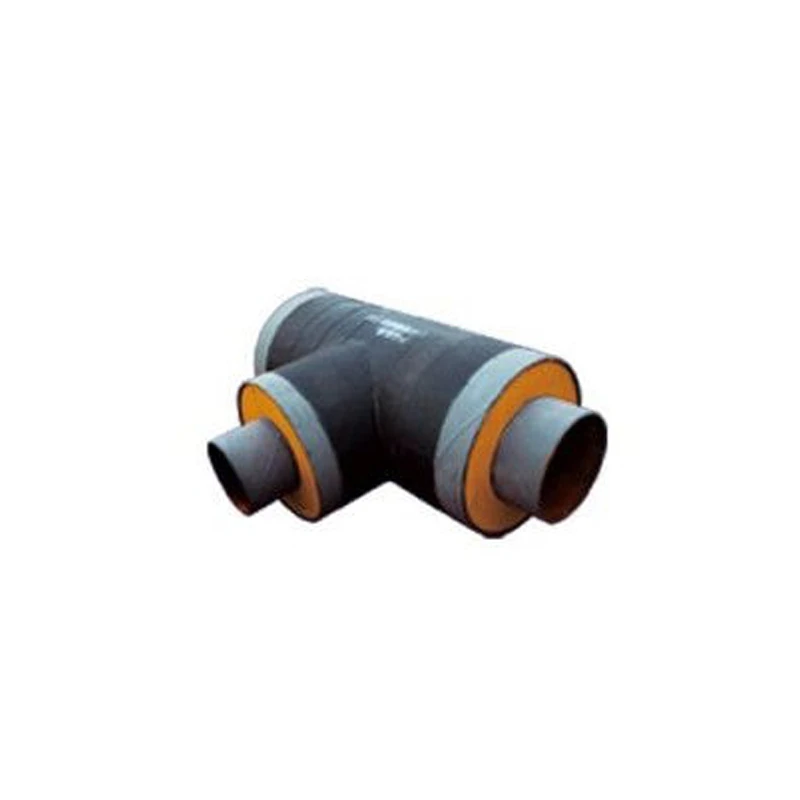
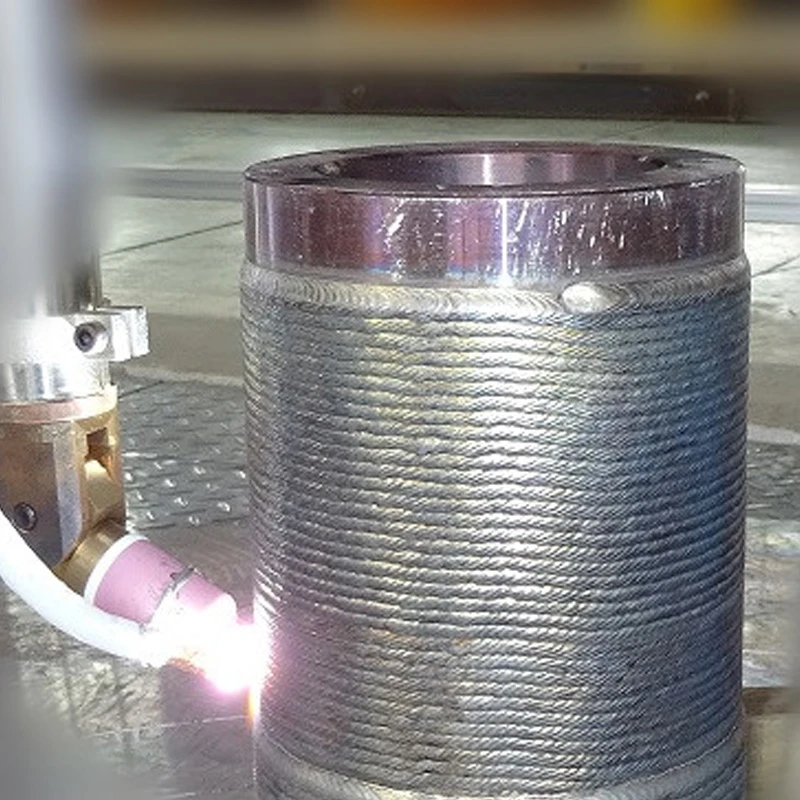
    The anti-corrosion and thermal insulation products we focus on produce play a key role in the industrial pipeline system, especially the thermal insulation pipe fittings and steel pipes. Thermal insulation pipe fittings cover elbows, tees, reducers and pipe supports, with specifications ranging from DN15 to DN1800, and are made of carbon steel, alloy steel, stainless steel, bimetallic composite, nickel-based alloy and other materials.
    VIEW ALL
  • Overlay Welding Clad Steel Pipe

    Overlay Welding Clad Steel Pipe

    Overlay Welding clad Steel Pipe features a high-performance welded overlay that enhances the pipe’s surface properties, providing superior resistance to corrosion, erosion, and wear. This process involves applying a wear-resistant alloy layer over a strong steel base, making it ideal for industries such as oil and gas, mining, and chemical processing, where pipes are exposed to harsh conditions. The overlay ensures extended service life, reduced maintenance costs, and reliable performance even in extreme environments. With its combination of strength, durability, and corrosion resistance, the Overlay Welding Steel Pipe is a trusted solution for critical applications.
    VIEW ALL
  • Elbow

    Elbow

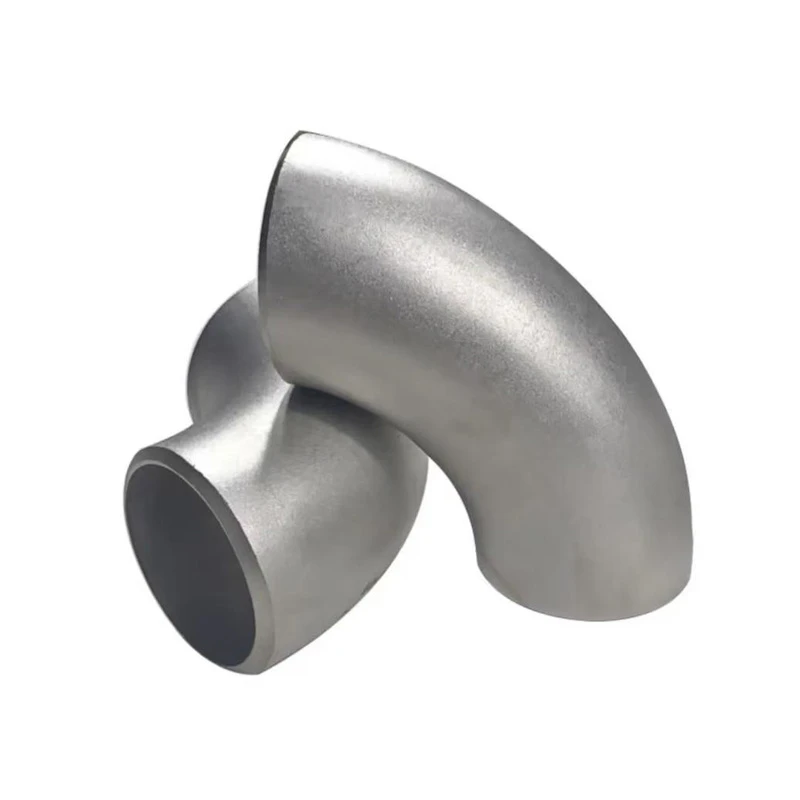
    Carbon Steel &stainless Steel Elbow Elbows are pipe fittings used to change the direction of pipelines in piping systems, commonly employed at pipeline bends. They are widely used in industries such as petroleum, chemical, and power. The common size range for elbows is DN15-DN2000, and typical angles include 45°, 90°, and 180°.
    VIEW ALL
To create value for customers!
Cangzhou Leo Technology Co., Ltd. is located in Mengcun County Economic Development Zone, Cangzhou City, Hebei Province. It is a specialized high-tech enterprise that integrates the research and development, production, and sales of composite pipes and fittings.
News
The company regards product quality as the life of the enterprise, establishes a sound quality management system in accordance with the requirements of industry and national standards, controls all aspects of input and output in the whole process, pays attention to every detail, and ensures that the product delivery pass rate is 100%.
Ultimate Guide to 4130 Tubing Strength Performance and Applications
Ultimate Guide to 4130 Tubing Strength Performance and Applications

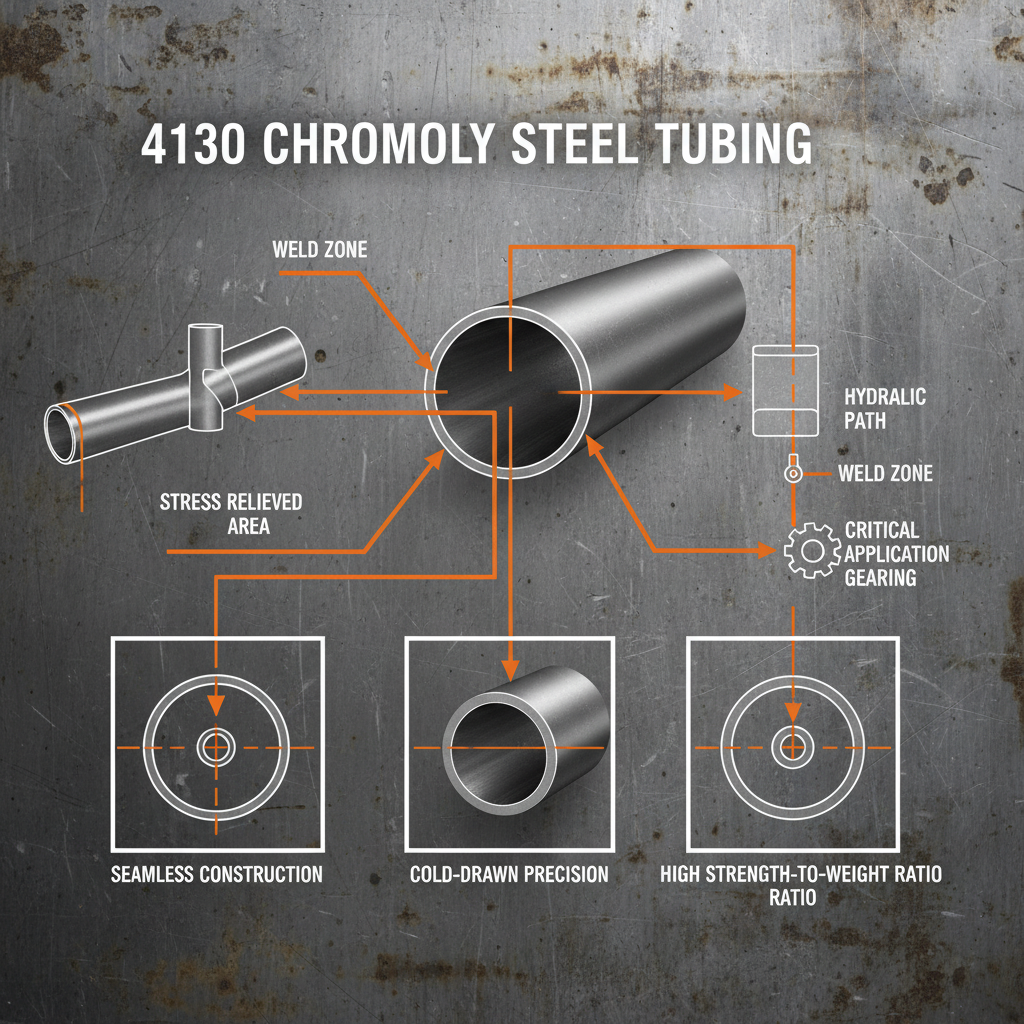
In the world of high-performance engineering, material selection is the foundation of safety and efficiency. 4130 tubing is widely regarded as the gold standard for applications requiring an exceptional strength-to-weight ratio. This chrome-molybdenum alloy steel is engineered to withstand extreme stress while remaining lightweight enough for aerospace and automotive use. Whether you are designing a roll cage, a bicycle frame, or a critical industrial component, understanding the nuances of this material is essential. In this comprehensive guide, we will explore why this specific alloy is preferred by engineers worldwide and how to choose the right specifications for your project.
Properties and Industrial Applications of 4130 steel tubing
Properties and Industrial Applications of 4130 steel tubing

In the world of high-performance engineering, material selection is the foundation of safety and efficiency. 4130 steel tubing is widely recognized as the gold standard for applications requiring an exceptional strength-to-weight ratio. Known for its versatility and reliability, this chromium-molybdenum alloy is the preferred choice for everything from aircraft frames to professional roll cages. Understanding the nuances of this material allows engineers to optimize structural integrity without adding unnecessary bulk. In this comprehensive guide, we will explore why this specific alloy remains a top choice for critical industrial and aerospace components.
Comprehensive Guide to 40mm Steel Tube Applications and Material Selection
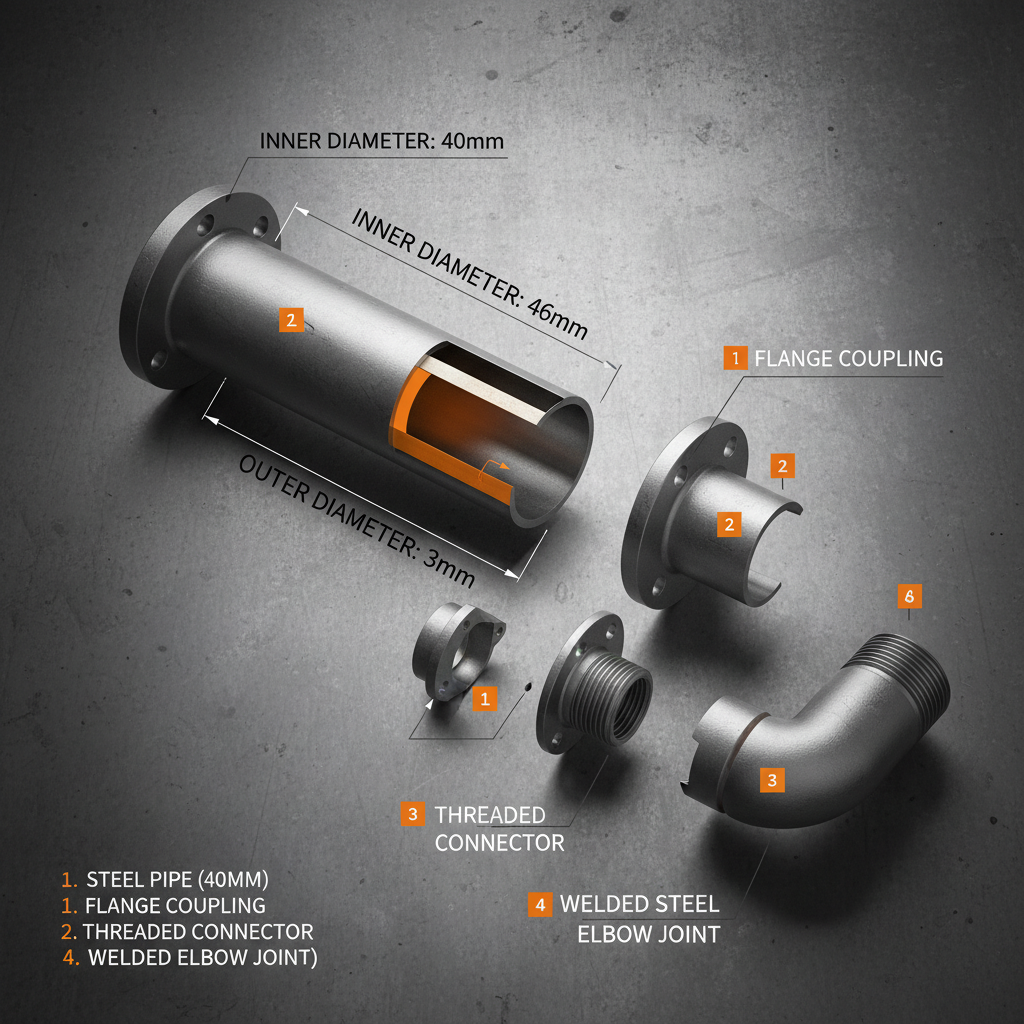
Comprehensive Guide to 40mm Steel Tube Applications and Material Selection

40mm steel tube is a versatile and widely used material in various industries, from construction and manufacturing to automotive and beyond. Its strength, durability, and cost-effectiveness make it an ideal choice for numerous applications. This article will delve into the characteristics, applications, benefits, and considerations when working with 40mm steel tube, providing a comprehensive overview for professionals and anyone interested in this essential material.
Comprehensive Guide to 40mm Steel Pipe Applications and Considerations
Comprehensive Guide to 40mm Steel Pipe Applications and Considerations

40mm steel pipe is a widely used material in various industries due to its strength, durability, and cost-effectiveness. From construction and infrastructure projects to industrial applications and fluid transportation, this pipe size offers a versatile solution. This article will delve into the properties, applications, standards, and key considerations when selecting 40mm steel pipe, helping you make informed decisions for your specific needs.
Comprehensive Guide to 40mm Metal Pipe Applications and Sourcing
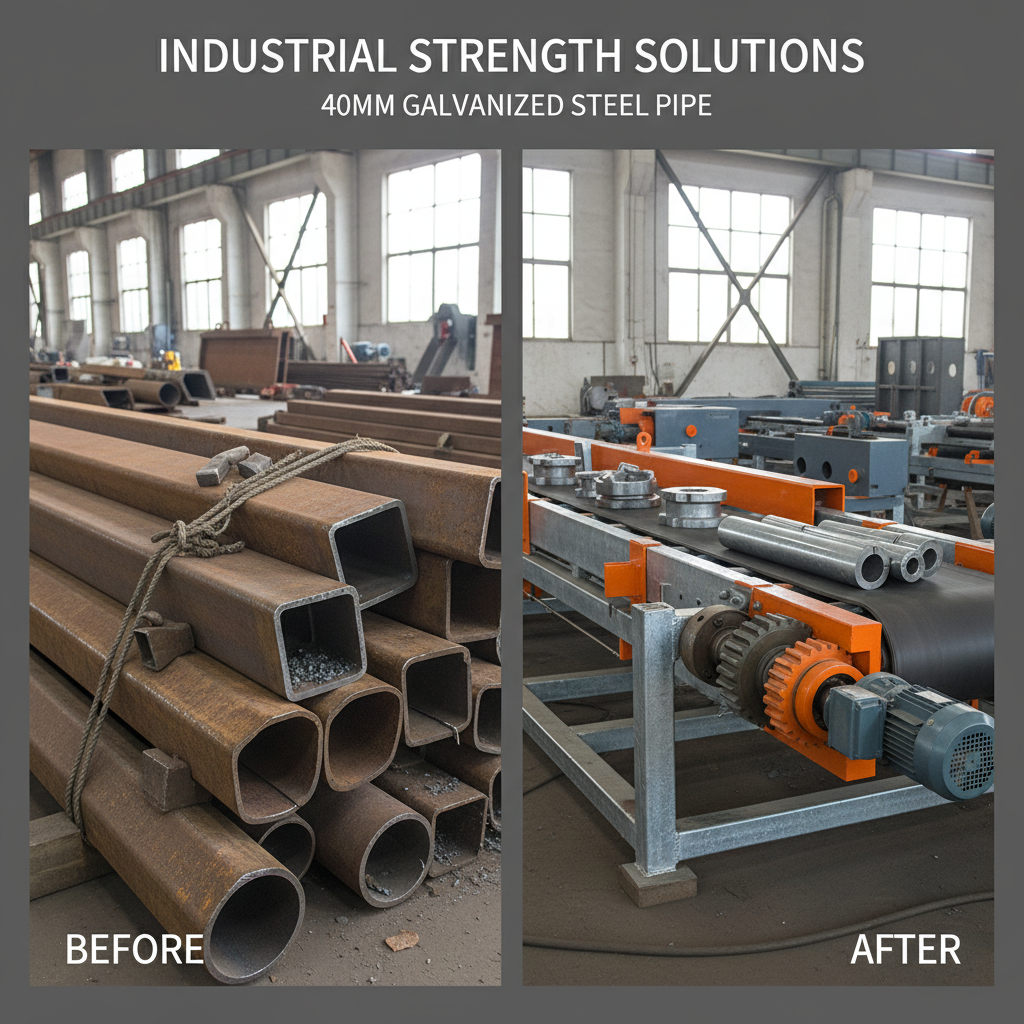
Comprehensive Guide to 40mm Metal Pipe Applications and Sourcing

40mm metal pipe is a crucial component in a wide array of industries, from construction and plumbing to industrial manufacturing and fluid transport. Its strength, durability, and versatility make it a preferred material for countless applications. This article will delve into the specifics of 40mm metal pipe, exploring its various types, common uses, benefits, and where to source high-quality piping solutions.
Comprehensive Guide to 40mm Galvanised Pipe Applications and Specifications

Comprehensive Guide to 40mm Galvanised Pipe Applications and Specifications

When planning a plumbing, structural, or industrial project, selecting the right piping material is crucial. 40mm galvanised pipe is a widely used option known for its strength, durability, and corrosion resistance. This article provides a detailed overview of 40mm galvanised pipes, exploring their applications, benefits, specifications, and considerations for optimal usage. We'll cover everything from what galvanisation is to how to choose the right pipe for your specific needs.
tel email tel top

If you are interested in our products, you can choose to leave your information here, and we will be in touch with you shortly.