tel
Email
to top

Steel Tube Dimensions Precision Pipe Fittings & Flange Sizes for Industrial Use

Apr 18 2025
share:

Did you know 73% of industrial project delays stem from incorrect steel tube dimension
s
? Imagine this: You're finalizing piping layouts when discovery of mismatched flange dimensions forces costly redesigns. With global demand for precision-engineered tubes projected to reach $723 billion by 2030 (Grand View Research), can you afford guesswork in your specifications?
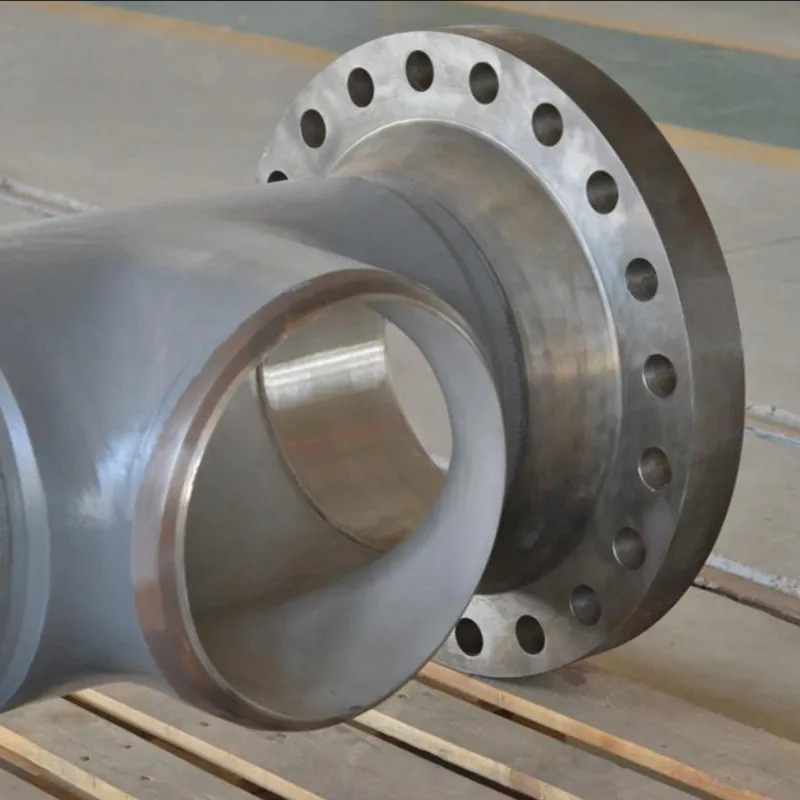

steel tube dimension

(steel tube dimension)


Technical Superiority That Redefines Precision

We manufacture steel tubes with tolerances tighter than ISO 3304 standards. Our 16-point verification system checks every parameter from outer diameter (±0.1mm) to wall thickness consistency. Why settle for "good enough" when you can have:

  • ASTM A500 Grade C certified compositions
  • Custom pipe fittings dimensions in 48-hour lead times
  • 3D laser scanning for flange face flatness verification

Manufacturer Showdown: Why We Outperform

SpecificationIndustry StandardOur Standard
Diameter Tolerance±1.5%±0.3%
Wall Thickness Variance±10%±2%
Surface Finish (Ra)3.2 μm0.8 μm

Custom Solutions for Unique Challenges

When a Texas oil refinery needed non-standard flange dimensions for high-pressure CO₂ transport, our engineers delivered:

  • Custom 28° flare angles instead of standard 37°
  • Electropolished inner surfaces (≤0.4μm Ra)
  • 3D-printed prototypes in 72 hours

Proven Success Across Industries

Our 316L stainless tubes with optimized steel tube dimensions helped a pharmaceutical client:

  • Reduce cleaning validation time by 40%
  • Achieve 99.97% pass rate in FDA inspections
  • Cut material waste through perfect weld joint alignment

Your Precision Partner Awaits

With 85+ years of metallurgical expertise, we've supplied steel tube dimensions for Burj Khalifa's HVAC systems and SpaceX's fuel lines. Our ISO 9001:2015 certified facilities guarantee dimensional perfection. Ready to eliminate fitting errors forever?

Get Your Custom Dimension Blueprint Now →

©2024 PrecisionTube Masters • ASTM/ISO Certified • 24/7 Technical Support
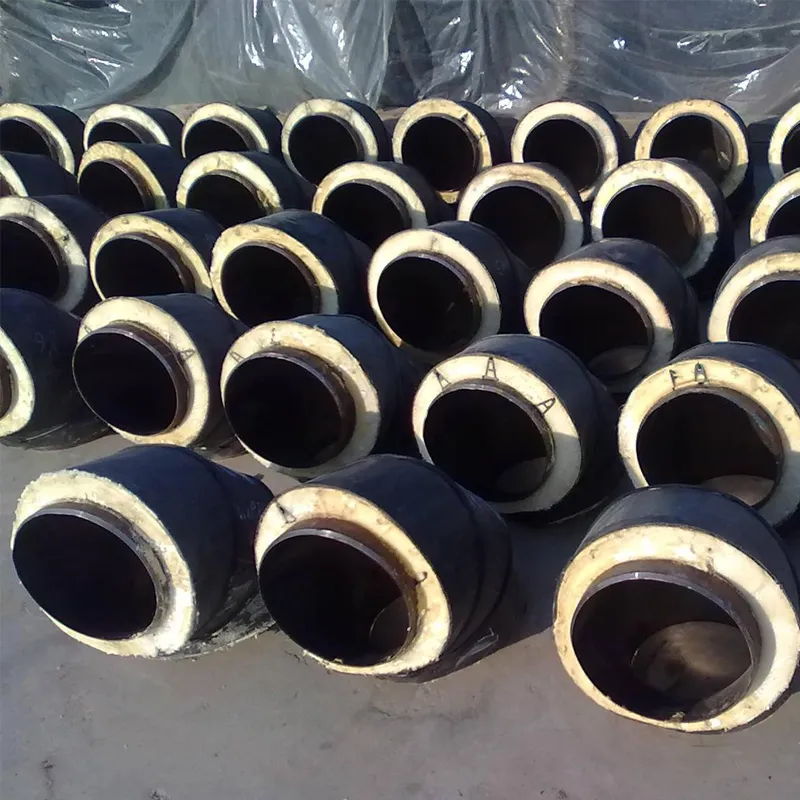

steel tube dimension

(steel tube dimension)


FAQS on steel tube dimension

Q: What are the standard dimensions for steel tubes?

A: Standard steel tube dimensions are governed by ASTM, ISO, and ANSI specifications. Common parameters include outer diameter (OD), wall thickness, and length. For example, ASTM A500 covers cold-formed welded carbon steel tubing.

Q: How are pipe fittings dimensions determined for compatibility?

A: Pipe fittings dimensions align with Nominal Pipe Size (NPS) and schedule numbers to ensure seamless connections. Standards like ASME B16.9 define elbow, tee, and reducer dimensions. Material and pressure ratings also influence sizing.

Q: What key measurements define flange dimensions?

A: Flange dimensions include outer diameter, bolt circle diameter, and number of bolt holes. Standards like ASME B16.5 specify pressure classes (e.g., 150 or 300) and face types (e.g., flat or raised). Thickness and hub dimensions vary by application.

Q: How to measure steel tube wall thickness accurately?

A: Use calipers or ultrasonic thickness gauges for precision. Wall thickness is critical for pressure ratings and structural integrity. Ensure compliance with standards like ASTM A106 for seamless tubes.

Q: Are flange dimensions interchangeable across standards?

A: Flange dimensions vary between standards (e.g., ASME vs. EN). Interchangeability depends on matching pressure class, bolt pattern, and face type. Adapter rings or custom fittings may bridge discrepancies.
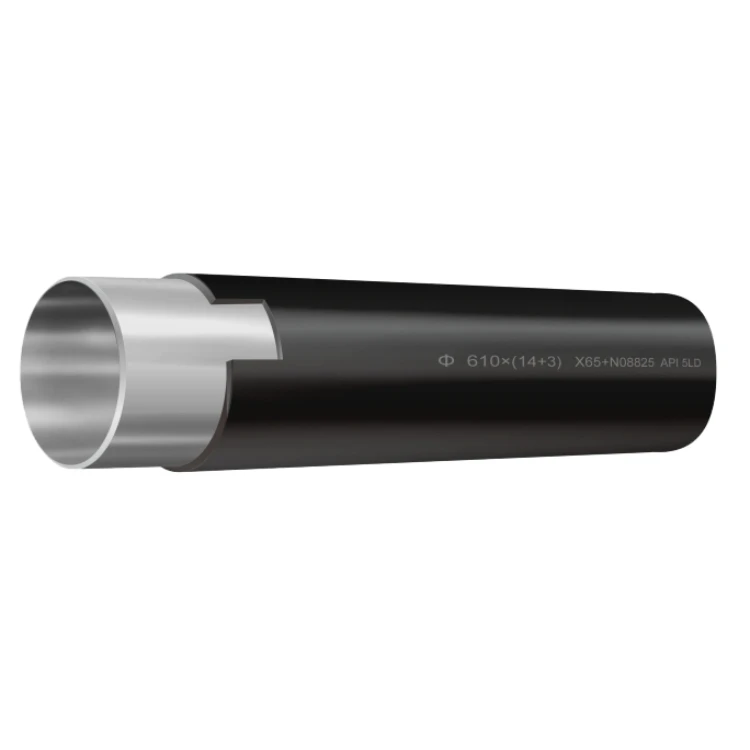
  • Mechanical Clad Steel Pipe

    Mechanical Clad Steel Pipe

    Mechanical clad steel pipe (MCSP) is a kind of high-performance pipe, which is specially designed for demanding industrial applications. Combining the durability and strength of steel with advanced composite materials, MCSP provides enhanced corrosion resistance, high pressure and extreme temperatures.
    VIEW ALL
  • Bend Pipe

    Bend Pipe

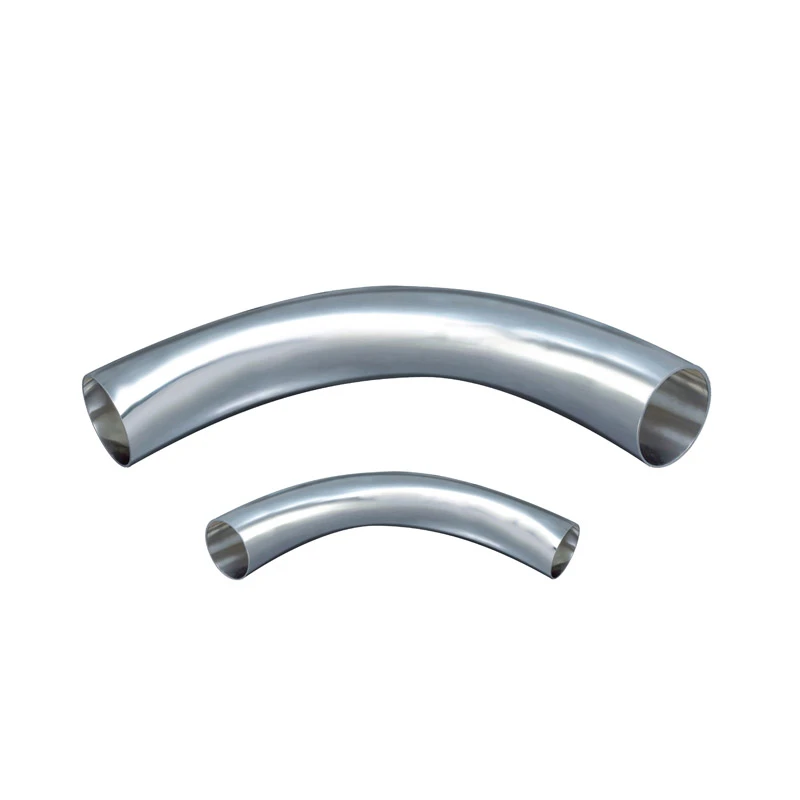
    Bend is a crucial pipe fitting used to change the direction of flow in a piping system. It allows for smooth transitions between sections of pipe, accommodating layout constraints, avoiding obstacles, and optimizing flow paths. Bends are designed to maintain the fluid's velocity and minimize pressure loss while providing the necessary angle of deviation. They are commonly used in various industries, including oil and gas, petrochemicals, water supply, and HVAC systems.
    VIEW ALL
  • Laser Clad  Pipe

    Laser Clad Pipe

    Laser clad steel pipes are manufactured using laser cladding technology. This technology involves adding cladding material to the surface of ordinary steel pipe base material, using high-energy-density laser beams to fuse the cladding material with the steel pipe surface, forming a metallurgically bonded cladding layer. These pipes are generally used in compressed air energy storage projects as underground deep well transportation pipes or casings, as well as in oil, natural gas, and geothermal well extraction.
    VIEW ALL
To create value for customers!
Cangzhou Leo Technology Co., Ltd. is located in Mengcun County Economic Development Zone, Cangzhou City, Hebei Province. It is a specialized high-tech enterprise that integrates the research and development, production, and sales of composite pipes and fittings.
News
The company regards product quality as the life of the enterprise, establishes a sound quality management system in accordance with the requirements of industry and national standards, controls all aspects of input and output in the whole process, pays attention to every detail, and ensures that the product delivery pass rate is 100%.
How to Select a Prefabricated Pipe for Process Service

How to Select a Prefabricated Pipe for Process Service

Select prefabricated pipe by process conditions, material route, DN15 to DN1800 size coverage, and factory assembly requirements.
SS Pipe Cap FAQ: Fit, Connections, Materials and Uses

SS Pipe Cap FAQ: Fit, Connections, Materials and Uses

Get direct answers about ss pipe cap materials, threaded or welded connections, shapes, DN and NPS sizes, schedules, uses, and associated standards.
Mechanical Steel Pipe Comparison: Materials, Standards and Supplier Documentation

Mechanical Steel Pipe Comparison: Materials, Standards and Supplier Documentation

Compare two mechanical steel pipe options by materials, API 5LD and DNV OS F101 references, applications, bonding descriptions and supplier documentation.
Choosing an SS Bend Pipe: Application Fit and Specification Checks

Choosing an SS Bend Pipe: Application Fit and Specification Checks

Learn how to choose the right ss bend pipe for your piping system. This guide covers material grade, bend angle, radius, pressure rating, and applicable standards to help procurement teams specify stainless steel bend pipes with confidence.
High Performance Sink Pipe Steel Guide for Industrial Piping

High Performance Sink Pipe Steel Guide for Industrial Piping

High-Performance Sink Pipe Steel: The Ultimate Guide to Industrial Piping In the demanding world of industrial manufacturing and pressure vessel construction, the selection of materials for piping systems is critical. Utilizing high-quality sink pipe steel ensures that systems can withstand extreme pressures, corrosive media, and mechanical stress. Whether it is for chemical processing, oil and gas, or construction, the right steel grade and fitting geometry can mean the difference between seamless operation and costly system failure. This guide explores the technical nuances of steel elbows and specialized clad materials designed for the most rigorous environments.
Ultimate Guide to Industrial Seamless Steel Pipe for Piping

Ultimate Guide to Industrial Seamless Steel Pipe for Piping

In the realm of modern industrial infrastructure, the integrity of piping systems is non-negotiable. The seamless steel pipe stands as the gold standard for transporting high-pressure fluids and gases. Unlike welded alternatives, seamless pipes are manufactured without a longitudinal seam, eliminating the most common point of failure and ensuring superior structural consistency. This makes them indispensable in sectors where safety and reliability are paramount, such as petroleum, nuclear power, and thermal energy. In this comprehensive guide, we will explore the technical advantages, material specifications, and critical applications of these high-performance components to help you make an informed procurement decision.
tel email tel top

If you are interested in our products, you can choose to leave your information here, and we will be in touch with you shortly.