tel
Email
to top

Steel Pipes for Sale: Welded, Stainless, Composite Solutions

Sep 11 2025
share:

Advanced Overlay Welding Clad Steel Pipes: A Strategic Investment

In the demanding landscape of industrial infrastructure, the selection of appropriate piping solutions is paramount for operational integrity and long-term cost efficiency. Enterprises seeking high-performance steel pipes for sale increasingly turn to advanced materials that offer superior resistance to corrosion, abrasion, and high temperatures. Among these, Overlay Welding Clad Steel Pipes stand out as a technologically sophisticated choice, combining the mechanical strength of a base material with the exceptional surface properties of a corrosion-resistant alloy (CRA). This innovative solution addresses critical challenges across various sectors, delivering extended service life and reduced maintenance burdens.

The global market for industrial piping, including specialized options like welded pipe and stainless steel welded pipe, is experiencing sustained growth, driven by expansion in the energy, petrochemical, and chemical processing industries. The demand for pipes capable of operating in aggressive environments without premature failure is accelerating, pushing manufacturers towards advanced material science. As a leading composite pipe manufacturer, our focus is on providing solutions that not only meet but exceed these evolving industry requirements, ensuring reliability and cost-effectiveness for critical applications worldwide. This article delves into the technical specifics, manufacturing excellence, and real-world advantages of these specialized steel pipes.

Technical Specifications and Structural Integrity

Overlay Welding Clad Steel Pipes are engineered for optimal performance in harsh conditions where both structural integrity and corrosion resistance are non-negotiable. The fundamental design involves a robust base pipe, typically made from carbon steel or low-alloy steel (e.g., API 5L Gr. B, X42, X52, ASTM A106 Gr. B), which provides the necessary mechanical strength and pressure containment capabilities. An internal cladding layer, composed of a corrosion-resistant alloy such as Stainless Steel (304L, 316L, Duplex 2205, Super Duplex 2507) or Nickel Alloys (Inconel 625, Hastelloy C-276), is then metallurgically bonded to the inner surface of the base pipe.

This dual-layer structure leverages the strengths of both materials: the cost-effectiveness and mechanical properties of the base steel and the superior corrosion/erosion resistance of the cladding material. The thickness of the clad layer typically ranges from 2.5 mm to 5 mm, depending on the application's specific corrosive media and operational parameters. Key design parameters and standards adhered to include API Spec 5LD, ASTM A264, ASTM B898, and NACE MR0175/ISO 15156, ensuring fitness for service in demanding oil & gas, chemical, and petrochemical environments.

Typical Product Specification Table: Overlay Welding Clad Steel Pipe

Parameter Specification / Range
Base Pipe Material API 5L Gr. B, X42, X52, X65; ASTM A106 Gr. B, A333 Gr. 6
Cladding Material UNS S31603 (316L), S31803 (Duplex 2205), N06625 (Inconel 625), N10276 (Hastelloy C-276)
Cladding Method Submerged Arc Welding (SAW), Gas Metal Arc Welding (GMAW), Strip Cladding
Outer Diameter (OD) DN100 - DN1200 (4 inch - 48 inch)
Wall Thickness (WT) 6 mm - 80 mm
Clad Layer Thickness 2.5 mm - 5 mm (customizable)
Length 6 m, 12 m (customizable up to 18 m)
Testing Standards API 5LD, ASTM A264, NACE MR0175, ASME B31.3, ISO 15156, EN 10204 3.1
Service Life 25+ years in specified conditions (with proper maintenance)
Steel Pipes for Sale: Welded, Stainless, Composite Solutions

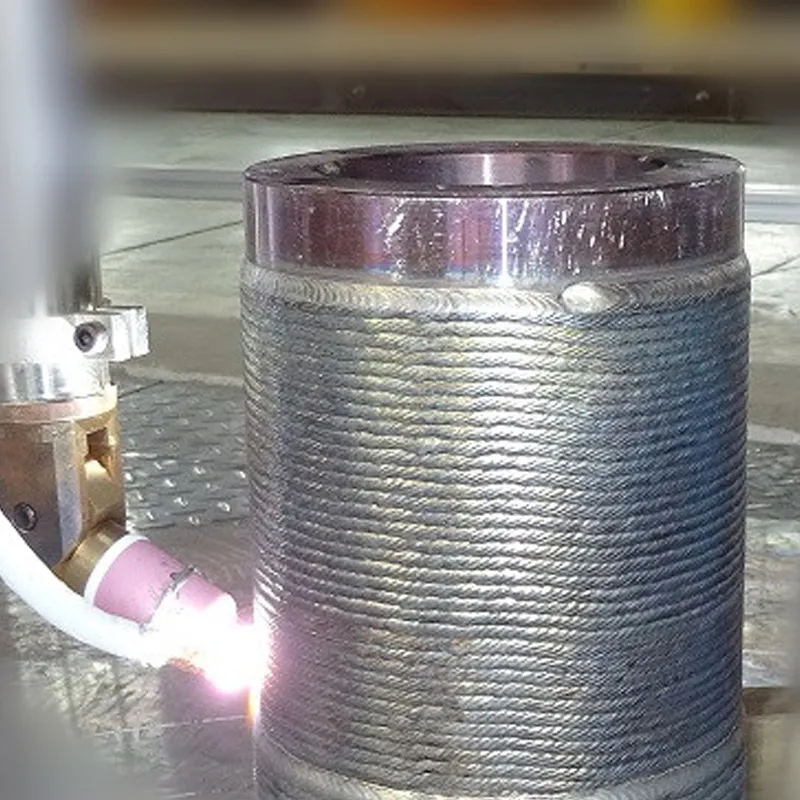
Fig 1: Cross-section of a high-performance Overlay Welding Clad Steel Pipe, showcasing its dual-layer composition.

Precision Manufacturing Process Flow

The production of high-quality steel pipes for sale, particularly Overlay Welding Clad Steel Pipes, involves a rigorous, multi-stage process designed to ensure a metallurgical bond and optimal performance characteristics. This meticulous approach is crucial for preventing delamination and maintaining the integrity of both the base and cladding layers under operational stresses.

Process Flow Overview:

  1. Base Pipe Selection and Preparation: High-grade carbon or low-alloy steel pipes are sourced, conforming to specifications like API 5L or ASTM A106. These pipes undergo thorough inspection, cleaning, and surface preparation (e.g., grit blasting) to ensure optimal adhesion for the cladding layer.
  2. Cladding Material Selection: The appropriate corrosion-resistant alloy (CRA) is selected based on the client's specific application and corrosive media. This could include stainless steels (e.g., 304L, 316L, Duplex 2205) or nickel-based alloys (e.g., Inconel 625, Hastelloy C-276) in wire or strip form.
  3. Overlay Welding (Cladding): The core of the process. Advanced welding techniques such as Submerged Arc Welding (SAW), Gas Metal Arc Welding (GMAW), or Electro-slag Welding (ESW) in a strip cladding configuration are employed. The CRA material is precisely deposited onto the inner surface of the base pipe in multiple passes to achieve the desired thickness and metallurgical bond. Parameters like current, voltage, travel speed, and oscillation are meticulously controlled.
  4. Post-Weld Heat Treatment (PWHT): After cladding, the pipe undergoes controlled heat treatment to relieve residual stresses, refine microstructure, and optimize mechanical properties of both layers. This step is critical for preventing stress corrosion cracking and ensuring material stability.
  5. Machining and Sizing: The clad pipe is then machined to achieve precise dimensions, including internal bore finishing, beveling of pipe ends for welding, and overall length accuracy. CNC machining ensures tight tolerances.
  6. Non-Destructive Testing (NDT): A comprehensive suite of NDT methods is applied to verify the integrity of the clad layer and the base pipe. This includes Ultrasonic Testing (UT) for bond integrity, Radiographic Testing (RT) for weld defects, Liquid Penetrant Testing (PT) for surface cracks, and Visual Inspection (VI).
  7. Hydrostatic Testing: Each pipe is subjected to hydrostatic pressure testing to validate its pressure containment capability and structural soundness according to industry standards (e.g., API 5L, ASME B31.3).
  8. Final Inspection and Surface Treatment: Final dimensional checks, surface finish verification, and application of external coatings (e.g., FBE, 3LPE) for external corrosion protection. Marking and documentation are completed before dispatch.

The adherence to stringent international testing standards such as ISO 9001 for quality management, API Q1 for oil and gas equipment, and ANSI B31.3 for process piping is integral to our manufacturing ethos. This rigorous process ensures the superior quality, extended service life, and demonstrated advantages in energy saving and corrosion resistance that our clad pipes offer in typical application scenarios.
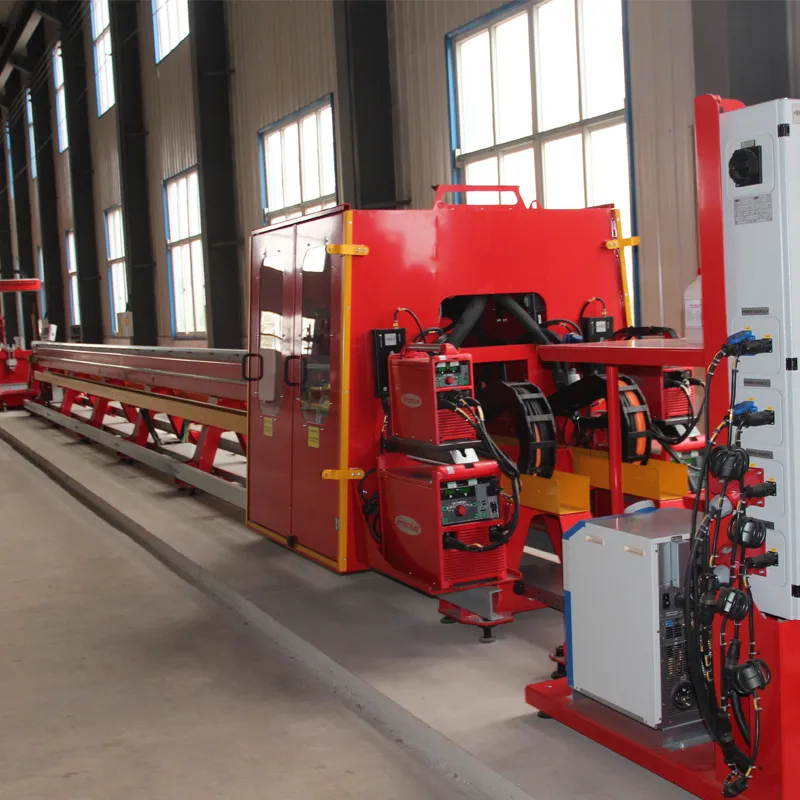
Steel Pipes for Sale: Welded, Stainless, Composite Solutions

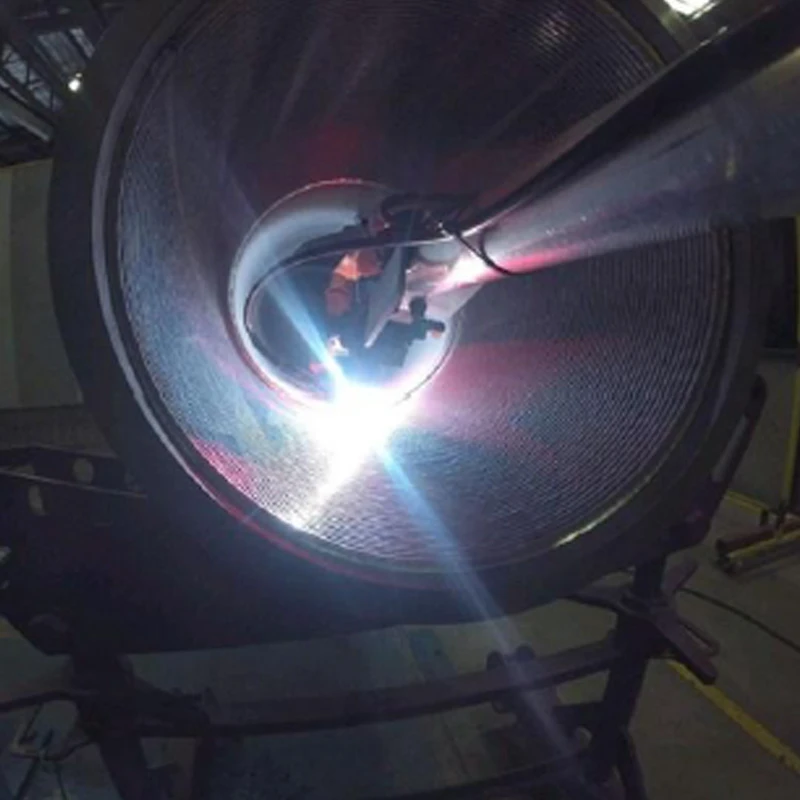
Fig 2: Advanced welding processes used in manufacturing high-quality clad pipes.

Unrivaled Technical Advantages and Performance

The strategic integration of dissimilar metals through overlay welding bestows Overlay Welding Clad Steel Pipes with a unique set of technical advantages, making them the preferred choice for critical applications. These benefits translate directly into operational efficiencies and significant long-term savings for B2B stakeholders.

  • Superior Corrosion Resistance: The internal CRA layer provides an impenetrable barrier against highly corrosive media, including acids, chlorides, and sulfides, vastly outperforming conventional carbon steel pipes. This is crucial in environments prone to pitting, crevice corrosion, and stress corrosion cracking.
  • Enhanced Wear and Erosion Resistance: Certain cladding alloys also offer exceptional resistance to abrasive particles and high-velocity fluid flows, extending the pipe's service life in slurry transport or other erosive applications.
  • High-Temperature and Pressure Capability: The robust base pipe ensures structural integrity under extreme temperatures and pressures, while the clad layer maintains its anti-corrosive properties, providing a reliable solution for demanding process conditions.
  • Cost-Effectiveness: While the initial investment might be higher than solid carbon steel, clad pipes offer a significantly lower lifecycle cost compared to solid CRA pipes. They eliminate the need for frequent replacements and extensive maintenance, leading to substantial operational expenditure (OpEx) savings. The strategic use of expensive alloys only where needed reduces material costs dramatically.
  • Extended Service Life: With proper material selection and manufacturing, these pipes can offer a service life of 25 years or more, drastically reducing downtime associated with pipe failures and replacements. This contributes directly to improved project economics and operational continuity.
  • Environmental and Safety Benefits: Reduced material consumption (less pure CRA needed) and minimized leakages contribute to a smaller environmental footprint. Enhanced pipe integrity also improves safety records by preventing hazardous material releases.

For businesses looking for steel pipes for sale that promise longevity and performance under duress, the advantages of overlay welded clad pipes are clear. They represent a smart, sustainable investment for critical infrastructure.

Diverse Application Scenarios and Target Industries

The robust performance characteristics of Overlay Welding Clad Steel Pipes make them indispensable across a wide spectrum of industries where material degradation poses significant operational and safety risks. Their versatility in handling corrosive and erosive media positions them as a leading choice for demanding applications.

  • Petrochemical and Oil & Gas Industry: Widely utilized for upstream, midstream, and downstream operations. This includes subsea pipelines, flow lines, risers, heat exchangers, separators, and reactors handling sour gas, high chloride content crude oil, and aggressive chemicals. The ability to resist H2S and CO2 corrosion is critical here.
  • Chemical Processing Plants: Essential for transporting various acids, alkalis, and other corrosive chemical agents in reactors, storage tanks, and process piping. This ensures process purity and prevents contamination.
  • Water Supply & Drainage / Desalination: Used in large-scale desalination plants for transporting highly corrosive seawater and brine, where standard materials would quickly succumb to pitting and crevice corrosion. Also for industrial wastewater treatment facilities.
  • Power Generation (especially Nuclear & Thermal): Employed in critical systems where high-purity water, steam, or aggressive chemical coolants are circulated, ensuring system reliability and safety.
  • Mining and Metallurgy: For pipelines carrying abrasive slurries, acid leaching solutions, and other corrosive agents in mineral processing.
  • Marine Engineering and Shipbuilding: In offshore platforms, ship piping systems, and underwater structures exposed to aggressive saltwater environments.

For any project requiring robust welded pipe or stainless steel welded pipe solutions in corrosive environments, these clad pipes offer a reliable and economically sound alternative to solid high-alloy options.
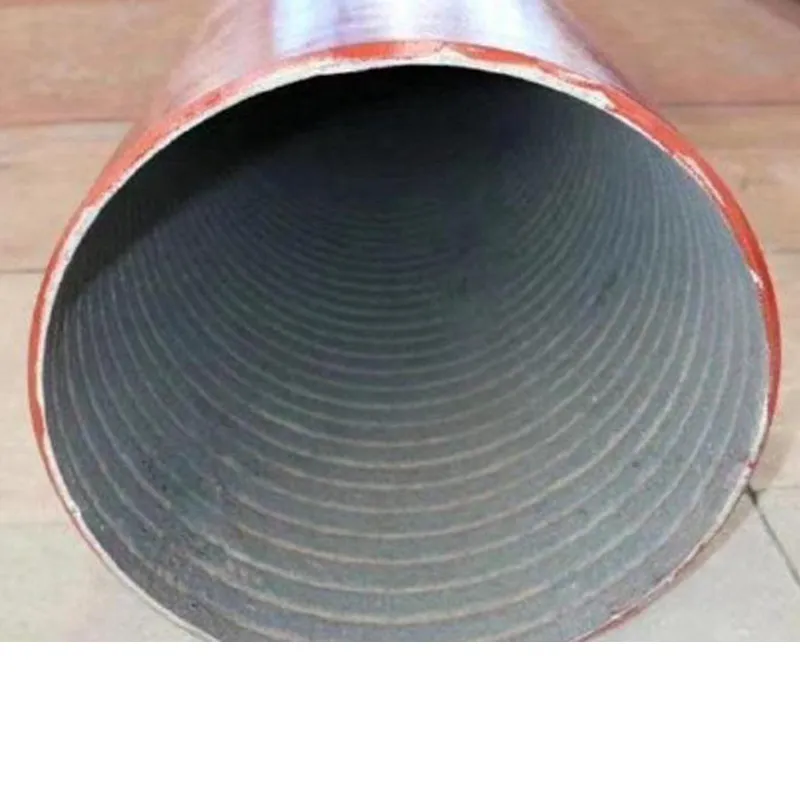
Steel Pipes for Sale: Welded, Stainless, Composite Solutions

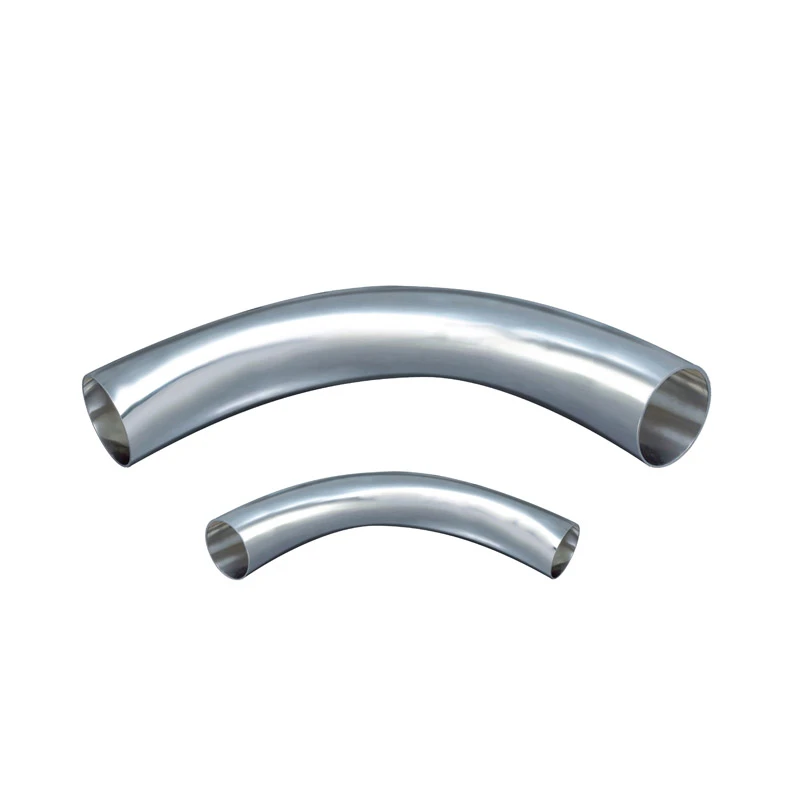
Fig 3: Clad pipes ready for deployment in a complex industrial project.

Choosing a Composite Pipe Manufacturer & Customization Solutions

Selecting the right composite pipe manufacturer is a critical decision that impacts project timelines, budget, and long-term operational success. A reputable manufacturer differentiates itself through technical expertise, robust quality control, and the ability to provide tailored solutions.

Key Considerations for Vendor Comparison:

Attribute High-Quality Manufacturer Standard Manufacturer
Certifications & Standards API 5LD, ISO 9001, ASME, NACE MR0175, EN 10204 3.1 Basic ISO 9001, limited specific product certifications
R&D and Engineering Capability In-house R&D, metallurgical expertise, custom solution design Limited R&D, standard product catalog focus
Manufacturing Technology Advanced automatic welding, precise heat treatment, sophisticated NDT Manual/semi-automatic welding, basic QC
Experience & Track Record Decades in B2B clad pipe production, global project references Newer to market, limited complex project history
After-Sales Support Technical consultation, installation guidance, warranty support, field services Basic warranty, limited technical guidance

Customized Solutions for Unique Challenges:

Effective steel pipes for sale often require customization. A leading manufacturer understands that one-size-fits-all solutions are rarely optimal for complex industrial applications. We offer extensive customization capabilities, including:

  • Material Combinations: Tailoring base pipe and cladding alloy combinations (e.g., specific grades of carbon steel with Duplex SS or Inconel 625) to precisely match operating conditions, including temperature, pressure, and chemical composition of the conveyed fluid.
  • Dimensions: Production of pipes in non-standard diameters, wall thicknesses, and lengths to reduce field welds and optimize system design.
  • End Connections: Custom beveling, flanging, or other end preparations to seamlessly integrate with existing or new piping systems.
  • Special Coatings and Linings: Application of external coatings (e.g., 3LPE, FBE, epoxy) for external corrosion protection in harsh soil or marine environments.
  • Fabrication Services: Provision of pre-fabricated spools, bends, tees, and other fittings, all clad to specification, reducing on-site fabrication complexity and cost.

Our deep experience as a composite pipe manufacturer enables us to collaborate closely with clients from conceptual design to final deployment, ensuring that every clad pipe solution is perfectly optimized for its intended purpose.

Real-World Application Case Studies & Customer Experience

The efficacy of Overlay Welding Clad Steel Pipes is best demonstrated through their successful deployment in challenging industrial environments. Our extensive project portfolio includes numerous instances where these advanced steel pipes for sale have delivered superior performance and long-term value.

Case Study 1: Offshore Sour Gas Pipeline

A major energy client faced severe internal corrosion in a critical offshore sour gas gathering pipeline, leading to frequent maintenance and safety concerns. Conventional materials failed to withstand the high concentrations of H2S, CO2, and chlorides at elevated pressures and temperatures. We provided 32-inch OD Overlay Welding Clad Steel Pipes with an API 5L X65 base pipe and an Inconel 625 cladding layer. The project involved complex fabrication of clad bends and tees. Post-installation, the pipeline has operated flawlessly for over 8 years, significantly exceeding the previous service life expectations and drastically reducing operational risks and costs. The client reported a 70% reduction in maintenance expenditures related to internal corrosion.

Case Study 2: Desalination Plant Brine Lines

For a large-scale reverse osmosis desalination plant in the Middle East, the high salinity and temperature of the concentrated brine effluent posed a severe corrosion challenge to traditional 316L stainless steel pipes, resulting in premature failure. We supplied 24-inch OD Overlay Welding Clad Steel Pipes featuring a carbon steel base with a Super Duplex 2507 (UNS S32750) cladding. Super Duplex was chosen for its exceptional resistance to chloride-induced pitting and crevice corrosion. The pipes have been in continuous service for 5 years without any reported corrosion issues, ensuring uninterrupted operation of the plant and substantial savings on replacement costs compared to solid Super Duplex pipes.

Customer feedback consistently highlights the reliability, extended service life, and cost-effectiveness of our clad pipe solutions. Our long-standing partnerships with global industry leaders underscore our reputation for quality and technical excellence as a trusted welded pipe and stainless steel welded pipe provider.
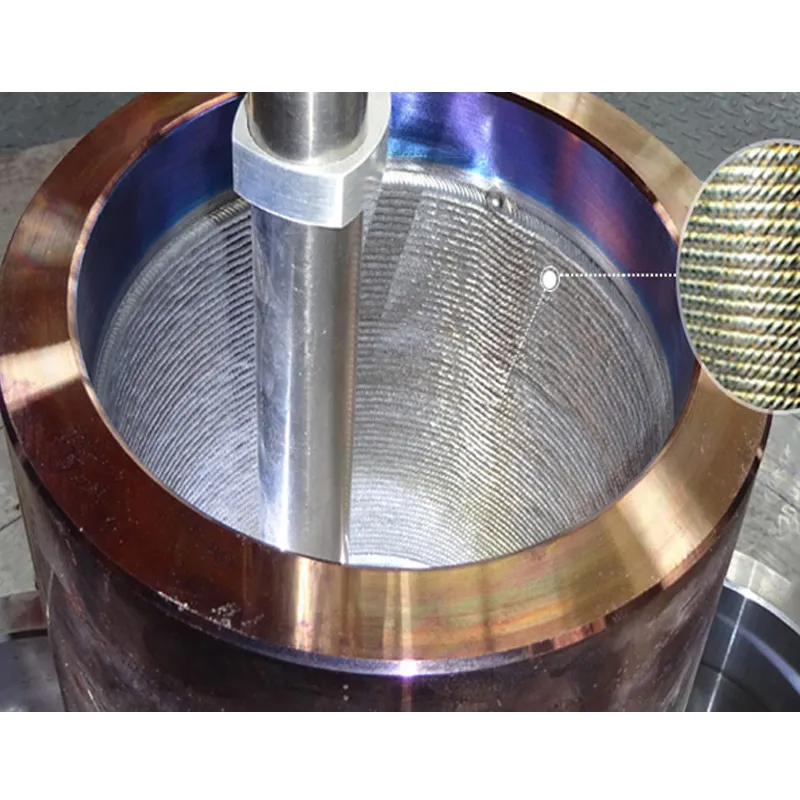
Steel Pipes for Sale: Welded, Stainless, Composite Solutions

Fig 4: Inspection of large-diameter clad pipes before dispatch.

Frequently Asked Questions (FAQ)

Q1: What is the primary advantage of Overlay Welding Clad Steel Pipe over solid CRA pipes?

A1: The primary advantage is cost-effectiveness. Overlay Welding Clad Steel Pipes provide the same corrosion resistance as solid CRA pipes by utilizing an expensive alloy only where it is needed (the internal surface), while the structural strength is provided by a more economical base steel. This significantly reduces material costs, especially for large diameter and thick-walled pipes.

Q2: How is the bond integrity between the base pipe and cladding layer ensured?

A2: Bond integrity is ensured through meticulous process control during the overlay welding, post-weld heat treatment, and rigorous non-destructive testing (NDT). Ultrasonic Testing (UT) specifically verifies the metallurgical bond across the entire clad surface, detecting any unbonded areas.

Q3: What are the typical lead times for custom Overlay Welding Clad Steel Pipes?

A3: Lead times for custom orders can vary depending on pipe diameter, wall thickness, material combination, and order volume. Generally, lead times range from 8 to 20 weeks from order confirmation to dispatch. We provide detailed project schedules upon inquiry and strive to meet critical deadlines efficiently.

Q4: What warranty and after-sales support do you offer for your steel pipes for sale?

A4: We provide a comprehensive product warranty against manufacturing defects and material failures under specified operating conditions, typically for 1-2 years from delivery. Our after-sales support includes technical consultation, troubleshooting assistance, and expert guidance on installation and maintenance. Our team is committed to ensuring long-term customer satisfaction and operational success.

Conclusion: The Future of Industrial Piping

The demand for robust, reliable, and cost-effective piping solutions in aggressive industrial environments continues to grow. Overlay Welding Clad Steel Pipes represent a pinnacle of material engineering, offering an optimal balance of structural strength, corrosion resistance, and economic viability. For any enterprise seeking high-performance steel pipes for sale, our expertise as a leading composite pipe manufacturer ensures access to superior products and tailored solutions. By choosing clad pipes, industries can achieve extended service life, reduced maintenance, and enhanced operational safety, securing long-term value and sustainability for their critical infrastructure.
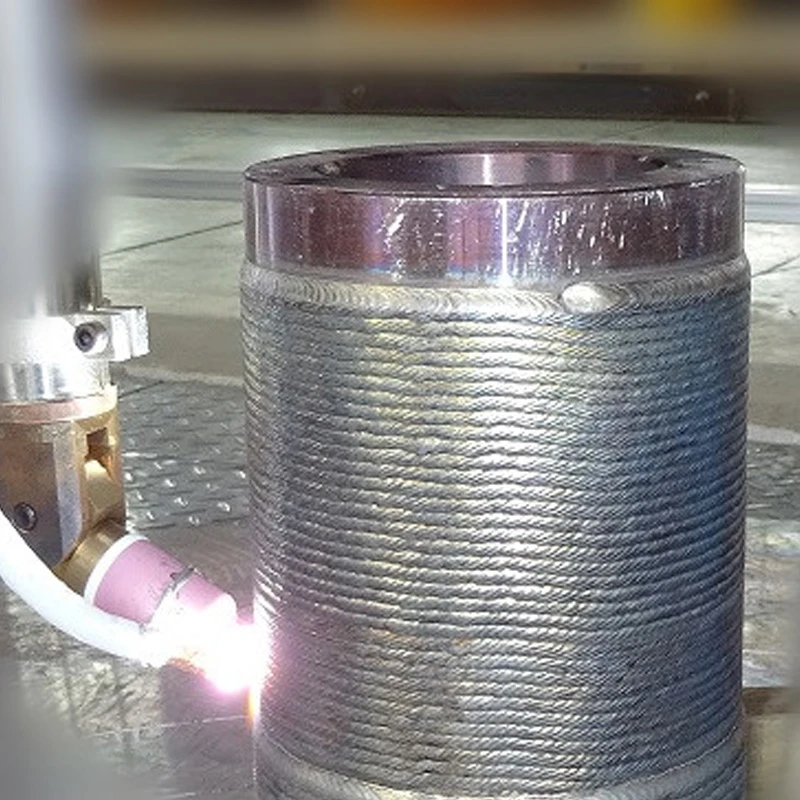
Authoritative References

  1. API Specification 5LD: CRA Clad or Lined Steel Pipe. American Petroleum Institute.
  2. ASTM A264/A264M: Standard Specification for Stainless Chromium-Nickel Steel-Clad Plate. ASTM International.
  3. NACE MR0175/ISO 15156: Petroleum and natural gas industries—Materials for use in H2S-containing environments in oil and gas production. NACE International / ISO.
  4. ASME B31.3: Process Piping. American Society of Mechanical Engineers.
  5. ASM Handbook, Volume 6: Welding, Brazing, and Soldering. ASM International.
  • Overlay Welding Clad Steel Pipe

    Overlay Welding Clad Steel Pipe

    Overlay Welding clad Steel Pipe features a high-performance welded overlay that enhances the pipe’s surface properties, providing superior resistance to corrosion, erosion, and wear. This process involves applying a wear-resistant alloy layer over a strong steel base, making it ideal for industries such as oil and gas, mining, and chemical processing, where pipes are exposed to harsh conditions. The overlay ensures extended service life, reduced maintenance costs, and reliable performance even in extreme environments. With its combination of strength, durability, and corrosion resistance, the Overlay Welding Steel Pipe is a trusted solution for critical applications.
    VIEW ALL
  • Laser Clad  Pipe

    Laser Clad Pipe

    Laser clad steel pipes are manufactured using laser cladding technology. This technology involves adding cladding material to the surface of ordinary steel pipe base material, using high-energy-density laser beams to fuse the cladding material with the steel pipe surface, forming a metallurgically bonded cladding layer. These pipes are generally used in compressed air energy storage projects as underground deep well transportation pipes or casings, as well as in oil, natural gas, and geothermal well extraction.
    VIEW ALL
  • Bend Pipe

    Bend Pipe

    Bend is a crucial pipe fitting used to change the direction of flow in a piping system. It allows for smooth transitions between sections of pipe, accommodating layout constraints, avoiding obstacles, and optimizing flow paths. Bends are designed to maintain the fluid's velocity and minimize pressure loss while providing the necessary angle of deviation. They are commonly used in various industries, including oil and gas, petrochemicals, water supply, and HVAC systems.
    VIEW ALL
To create value for customers!
Cangzhou Leo Technology Co., Ltd. is located in Mengcun County Economic Development Zone, Cangzhou City, Hebei Province. It is a specialized high-tech enterprise that integrates the research and development, production, and sales of composite pipes and fittings.
News
The company regards product quality as the life of the enterprise, establishes a sound quality management system in accordance with the requirements of industry and national standards, controls all aspects of input and output in the whole process, pays attention to every detail, and ensures that the product delivery pass rate is 100%.
Ultimate Guide to 4130 Tubing Strength Performance and Applications
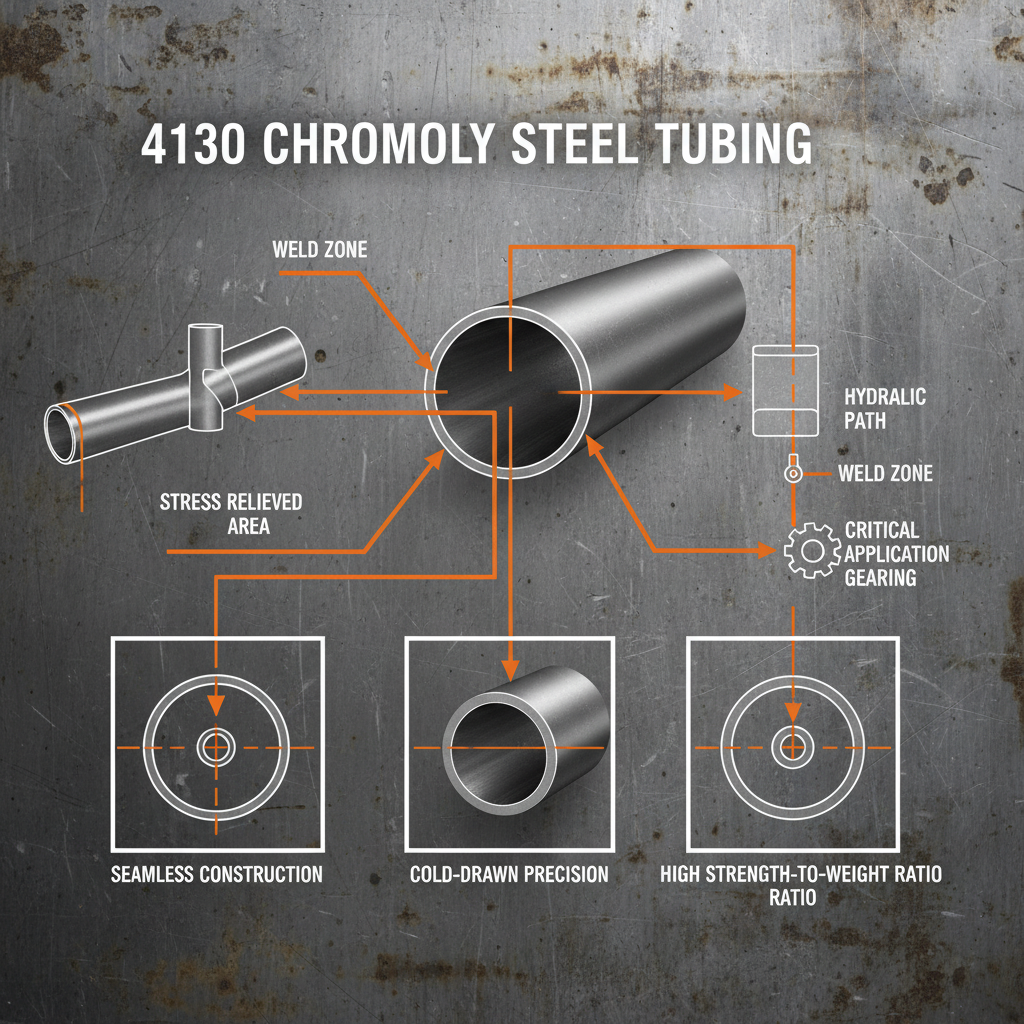
Ultimate Guide to 4130 Tubing Strength Performance and Applications

In the world of high-performance engineering, material selection is the foundation of safety and efficiency. 4130 tubing is widely regarded as the gold standard for applications requiring an exceptional strength-to-weight ratio. This chrome-molybdenum alloy steel is engineered to withstand extreme stress while remaining lightweight enough for aerospace and automotive use. Whether you are designing a roll cage, a bicycle frame, or a critical industrial component, understanding the nuances of this material is essential. In this comprehensive guide, we will explore why this specific alloy is preferred by engineers worldwide and how to choose the right specifications for your project.
Properties and Industrial Applications of 4130 steel tubing
Properties and Industrial Applications of 4130 steel tubing

In the world of high-performance engineering, material selection is the foundation of safety and efficiency. 4130 steel tubing is widely recognized as the gold standard for applications requiring an exceptional strength-to-weight ratio. Known for its versatility and reliability, this chromium-molybdenum alloy is the preferred choice for everything from aircraft frames to professional roll cages. Understanding the nuances of this material allows engineers to optimize structural integrity without adding unnecessary bulk. In this comprehensive guide, we will explore why this specific alloy remains a top choice for critical industrial and aerospace components.
Comprehensive Guide to 40mm Steel Tube Applications and Material Selection
Comprehensive Guide to 40mm Steel Tube Applications and Material Selection

40mm steel tube is a versatile and widely used material in various industries, from construction and manufacturing to automotive and beyond. Its strength, durability, and cost-effectiveness make it an ideal choice for numerous applications. This article will delve into the characteristics, applications, benefits, and considerations when working with 40mm steel tube, providing a comprehensive overview for professionals and anyone interested in this essential material.
Comprehensive Guide to 40mm Steel Pipe Applications and Considerations
Comprehensive Guide to 40mm Steel Pipe Applications and Considerations

40mm steel pipe is a widely used material in various industries due to its strength, durability, and cost-effectiveness. From construction and infrastructure projects to industrial applications and fluid transportation, this pipe size offers a versatile solution. This article will delve into the properties, applications, standards, and key considerations when selecting 40mm steel pipe, helping you make informed decisions for your specific needs.
Comprehensive Guide to 40mm Metal Pipe Applications and Sourcing
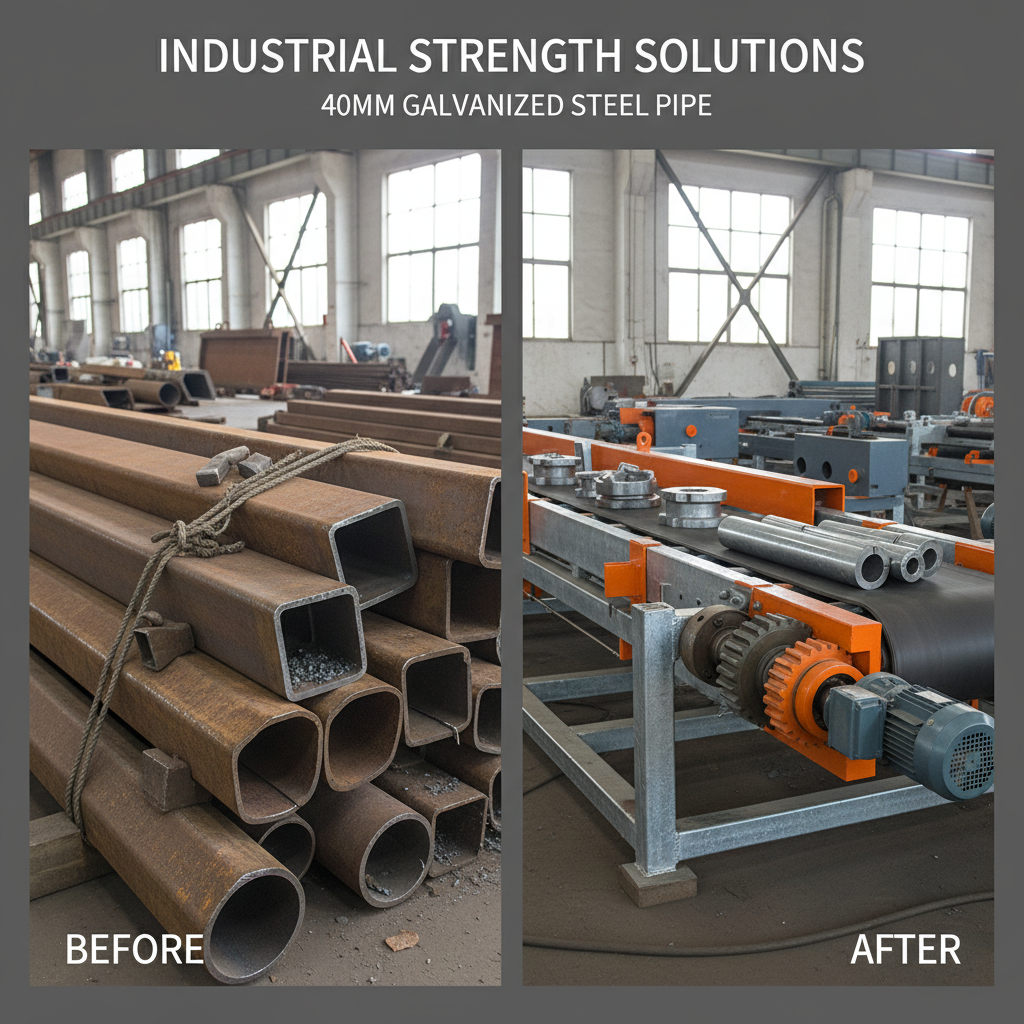
Comprehensive Guide to 40mm Metal Pipe Applications and Sourcing

40mm metal pipe is a crucial component in a wide array of industries, from construction and plumbing to industrial manufacturing and fluid transport. Its strength, durability, and versatility make it a preferred material for countless applications. This article will delve into the specifics of 40mm metal pipe, exploring its various types, common uses, benefits, and where to source high-quality piping solutions.
Comprehensive Guide to 40mm Galvanised Pipe Applications and Specifications

Comprehensive Guide to 40mm Galvanised Pipe Applications and Specifications

When planning a plumbing, structural, or industrial project, selecting the right piping material is crucial. 40mm galvanised pipe is a widely used option known for its strength, durability, and corrosion resistance. This article provides a detailed overview of 40mm galvanised pipes, exploring their applications, benefits, specifications, and considerations for optimal usage. We'll cover everything from what galvanisation is to how to choose the right pipe for your specific needs.
tel email tel top

If you are interested in our products, you can choose to leave your information here, and we will be in touch with you shortly.