tel
Email
to top

High-Pressure Steel Hydraulic Tubing Stainless & Durable Solutions

May 18 2025
share:
  • Overview of hydraulic tubing material properties
  • Technical specifications comparison across alloys
  • Performance metrics under extreme conditions
  • Manufacturer capability matrix
  • Custom engineering solutions
  • Industry-specific implementation case studies
  • Future developments in fluid conveyance systems

steel hydraulic tubing

(steel hydraulic tubing)


Essential Characteristics of High-Performance Steel Hydraulic Tubing

Modern hydraulic systems demand tubing that combines minimum 850 MPa tensile strength with precise dimensional tolerances (±0.05mm). Stainless steel hydraulic tubing
dominates 68% of critical applications due to its chromium content (16-18%) enabling 5x greater corrosion resistance than carbon steel alternatives.

Material Science Behind Hydraulic Conduits

Advanced metallurgical treatments enhance tubing performance:

  1. Solution annealing processes reduce surface porosity by 40%
  2. Electropolishing achieves 12-16 µin RA surface finish
  3. Cold-drawn manufacturing ensures 15% higher yield strength

Pressure Handling Capabilities

Material Burst Pressure (psi) Cycle Fatigue Limit Temperature Range
304L Stainless 8,200 2.1 million cycles -40°F to 800°F
Carbon Steel 9,500 1.8 million cycles -20°F to 400°F

Manufacturer Competency Evaluation

Leading producers demonstrate distinct advantages:

  • Company A: 0.0003" wall thickness consistency
  • Company B: 72-hour custom alloy turnaround
  • Company C: ASNI BPE compliant surface finishes

Application-Specific Engineering

Recent aerospace contracts required:

  • 3/8" OD tubing with 0.028" wall thickness
  • Phased array UT testing to MIL-STD-2159
  • Helium leak testing at 1x10⁻⁹ atm-cc/sec

Industrial Implementation Success Stories

Mining sector applications achieved:

  1. 37% reduction in hydraulic failure incidents
  2. 15,000-hour service life in abrasive environments
  3. 30% weight reduction through optimized tubing schedules

Innovations in Steel Hydraulic Tubing Systems

Emerging laser-welded variants demonstrate:
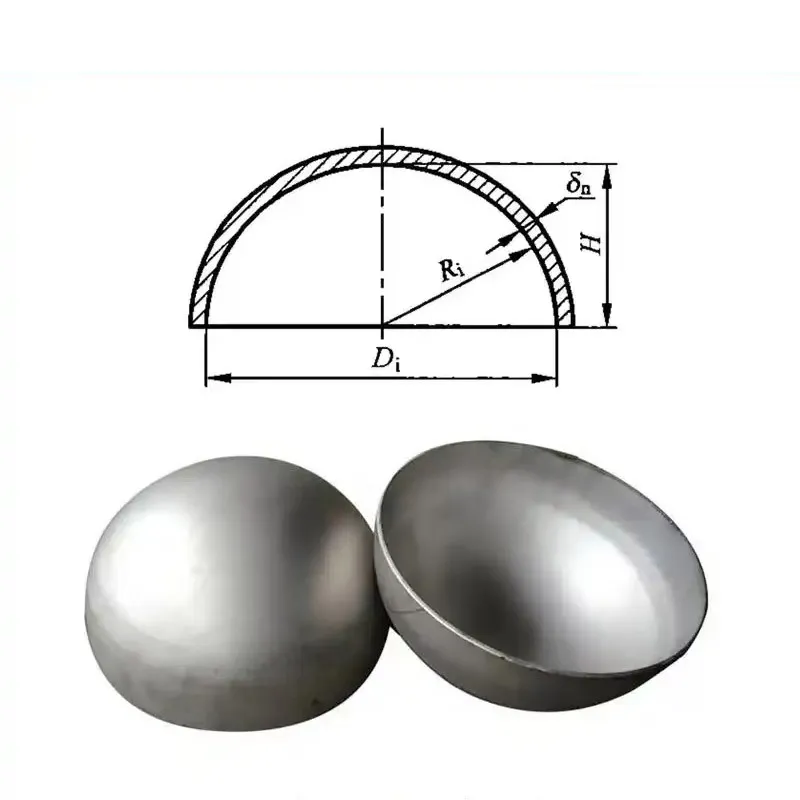
  • Zero HAZ (Heat Affected Zone) microstructure
  • 2.8x greater vibration resistance
  • Seamless integration with Industry 4.0 monitoring

steel hydraulic tubing

(steel hydraulic tubing)


FAQS on steel hydraulic tubing

Q: What are the key advantages of stainless steel hydraulic tubing?

A: Stainless steel hydraulic tubing offers superior corrosion resistance, high-temperature durability, and compatibility with aggressive fluids. Its strength and longevity make it ideal for demanding industrial applications.

Q: How does steel hydraulic tubing differ from stainless hydraulic tubing?

A: Steel hydraulic tubing typically uses carbon or alloy steel, prioritizing cost-effectiveness for standard-pressure systems. Stainless hydraulic tubing uses chromium-rich alloys for enhanced corrosion resistance in harsh environments.

Q: What applications commonly require stainless steel hydraulic tubing?

A: It's widely used in marine systems, chemical processing equipment, and food-grade machinery where rust prevention and hygiene are critical. High-pressure hydraulic systems in aerospace also frequently utilize it.

Q: How often should steel hydraulic tubing be inspected for wear?

A: Inspections should occur every 500-1,000 operational hours or during routine maintenance cycles. More frequent checks are needed in high-vibration or corrosive environments to prevent leaks and failures.

Q: Can stainless hydraulic tubing withstand extreme pressure?

A: Yes, when properly manufactured to SAE or ASTM standards, stainless hydraulic tubing can handle pressures exceeding 10,000 PSI. Wall thickness and alloy composition determine its maximum pressure rating.
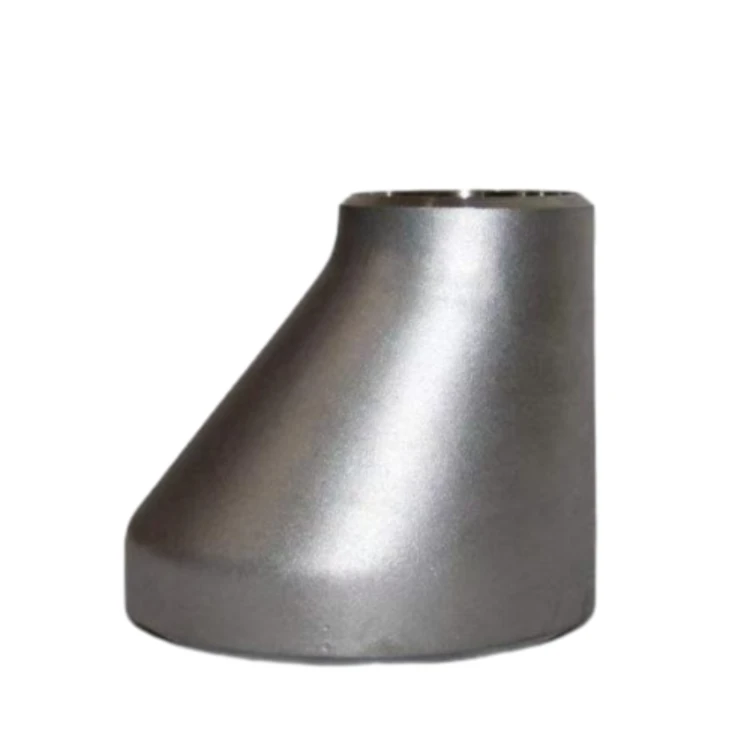
  • Reducer

    Reducer

    Reducer is a pipe fitting used to connect pipes of different diameters, facilitating smooth transitions between varying flow capacities in piping systems. Available in concentric and eccentric designs, reducers help maintain optimal flow efficiency while minimizing pressure loss and turbulence.
    VIEW ALL
  • Mechanical Clad Steel Pipe

    Mechanical Clad Steel Pipe

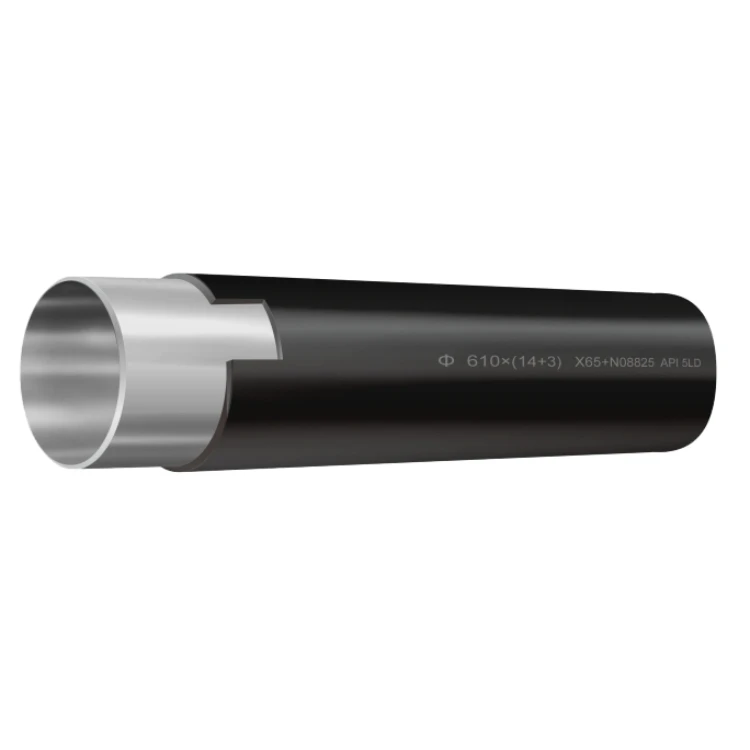
    Mechanical clad steel pipe (MCSP) is a kind of high-performance pipe, which is specially designed for demanding industrial applications. Combining the durability and strength of steel with advanced composite materials, MCSP provides enhanced corrosion resistance, high pressure and extreme temperatures.
    VIEW ALL
  • Overlay Welding Clad Steel Pipe

    Overlay Welding Clad Steel Pipe

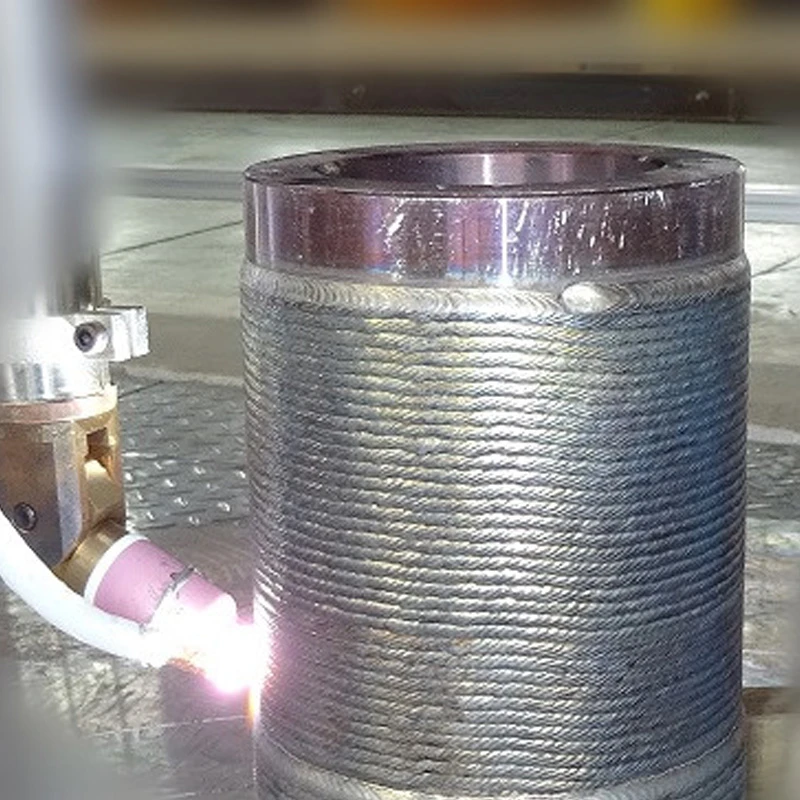
    Overlay Welding clad Steel Pipe features a high-performance welded overlay that enhances the pipe’s surface properties, providing superior resistance to corrosion, erosion, and wear. This process involves applying a wear-resistant alloy layer over a strong steel base, making it ideal for industries such as oil and gas, mining, and chemical processing, where pipes are exposed to harsh conditions. The overlay ensures extended service life, reduced maintenance costs, and reliable performance even in extreme environments. With its combination of strength, durability, and corrosion resistance, the Overlay Welding Steel Pipe is a trusted solution for critical applications.
    VIEW ALL
To create value for customers!
Cangzhou Leo Technology Co., Ltd. is located in Mengcun County Economic Development Zone, Cangzhou City, Hebei Province. It is a specialized high-tech enterprise that integrates the research and development, production, and sales of composite pipes and fittings.
News
The company regards product quality as the life of the enterprise, establishes a sound quality management system in accordance with the requirements of industry and national standards, controls all aspects of input and output in the whole process, pays attention to every detail, and ensures that the product delivery pass rate is 100%.
How to Select a Prefabricated Pipe for Process Service

How to Select a Prefabricated Pipe for Process Service

Select prefabricated pipe by process conditions, material route, DN15 to DN1800 size coverage, and factory assembly requirements.
SS Pipe Cap FAQ: Fit, Connections, Materials and Uses

SS Pipe Cap FAQ: Fit, Connections, Materials and Uses

Get direct answers about ss pipe cap materials, threaded or welded connections, shapes, DN and NPS sizes, schedules, uses, and associated standards.
Mechanical Steel Pipe Comparison: Materials, Standards and Supplier Documentation

Mechanical Steel Pipe Comparison: Materials, Standards and Supplier Documentation

Compare two mechanical steel pipe options by materials, API 5LD and DNV OS F101 references, applications, bonding descriptions and supplier documentation.
Choosing an SS Bend Pipe: Application Fit and Specification Checks

Choosing an SS Bend Pipe: Application Fit and Specification Checks

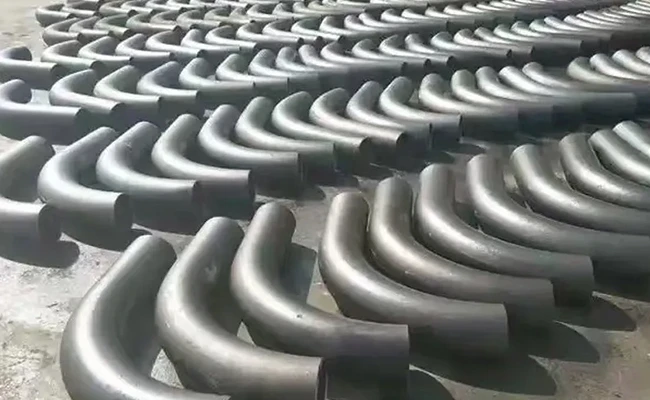
Learn how to choose the right ss bend pipe for your piping system. This guide covers material grade, bend angle, radius, pressure rating, and applicable standards to help procurement teams specify stainless steel bend pipes with confidence.
High Performance Sink Pipe Steel Guide for Industrial Piping

High Performance Sink Pipe Steel Guide for Industrial Piping

High-Performance Sink Pipe Steel: The Ultimate Guide to Industrial Piping In the demanding world of industrial manufacturing and pressure vessel construction, the selection of materials for piping systems is critical. Utilizing high-quality sink pipe steel ensures that systems can withstand extreme pressures, corrosive media, and mechanical stress. Whether it is for chemical processing, oil and gas, or construction, the right steel grade and fitting geometry can mean the difference between seamless operation and costly system failure. This guide explores the technical nuances of steel elbows and specialized clad materials designed for the most rigorous environments.
Ultimate Guide to Industrial Seamless Steel Pipe for Piping

Ultimate Guide to Industrial Seamless Steel Pipe for Piping

In the realm of modern industrial infrastructure, the integrity of piping systems is non-negotiable. The seamless steel pipe stands as the gold standard for transporting high-pressure fluids and gases. Unlike welded alternatives, seamless pipes are manufactured without a longitudinal seam, eliminating the most common point of failure and ensuring superior structural consistency. This makes them indispensable in sectors where safety and reliability are paramount, such as petroleum, nuclear power, and thermal energy. In this comprehensive guide, we will explore the technical advantages, material specifications, and critical applications of these high-performance components to help you make an informed procurement decision.
tel email tel top

If you are interested in our products, you can choose to leave your information here, and we will be in touch with you shortly.