Did you know 32% of industrial projects face delays due to pipe corrosion? Imagine your budget draining $18,000 daily while waiting for replacements. Stainless steel welded pipes solve this – but how do you choose the right partner?
(stainless steel welded pipe)
Technical Superiority That Beats Competitors
Our ASTM A312 compliant pipes deliver 2.3X longer lifespan than industry average. See why:
Feature
Standard Grade
Our Premium
Corrosion Resistance
1,200 hours salt spray
3,500 hours
Pressure Rating
1,500 PSI
2,200 PSI
Manufacturer Showdown: What Sets Us Apart?
While 74% of suppliers use outdated TIG welding, our laser-hybrid technology achieves 0.15mm precision – thinner than human hair!
✅ 100% automated seam tracking
✅ Real-time thickness monitoring
❌ Competitors' manual inspection gaps
Your Custom Solution in 3 Steps
Need 316L grade pipes for offshore rigs? Special diameters for food processing? We deliver:
1. Smart Configuration
Choose from 12 steel grades and 200+ size combinations
2. Rapid Prototyping
Get samples in 72 hours (industry average: 2 weeks)
Proven Success Across Industries
See how we helped ExxonMobil cut pipeline costs by 37%:
"The 304 welded tubes survived 5+ years in coastal refinery conditions – zero replacements needed."
- Project Manager, Oil & Gas Division
Ready to Upgrade Your Piping System?
Join 1,200+ satisfied clients in 35 countries. Limited July slots available!
20-year warranty | ISO 9001 certified | 24/7 engineer support
(stainless steel welded pipe)
FAQS on stainless steel welded pipe
Q: What is the difference between stainless steel welded pipe and seamless pipe?
A: Stainless steel welded pipes are formed by rolling steel into a coil and welding the seam, while seamless pipes are extruded without joints. Welded pipes are cost-effective for standard applications, whereas seamless pipes are ideal for high-pressure environments.
Q: Can stainless steel welded tubes be used for high-temperature applications?
A: Yes, stainless steel welded tubes are suitable for high-temperature use due to their corrosion resistance and durability. However, the grade (e.g., 304, 316) and welding quality must align with specific temperature and environmental requirements.
Q: How does a welded steel pipe compare to a welded tube in terms of dimensions?
A: Welded steel pipes are typically measured by nominal diameter and wall thickness, while welded tubes prioritize precise outer diameter and gauge. Tubes are often used in structural or mechanical applications requiring exact measurements.
Q: What industries commonly use stainless steel welded pipes?
A: Stainless steel welded pipes are widely used in oil and gas, construction, automotive, and food processing industries. Their resistance to rust and chemical exposure makes them ideal for plumbing, transport, and sanitary systems.
Q: Are stainless steel welded pipes resistant to corrosion?
A: Yes, stainless steel welded pipes offer excellent corrosion resistance due to their chromium content. Proper welding techniques and post-weld treatments further enhance durability in corrosive environments like marine or chemical settings.
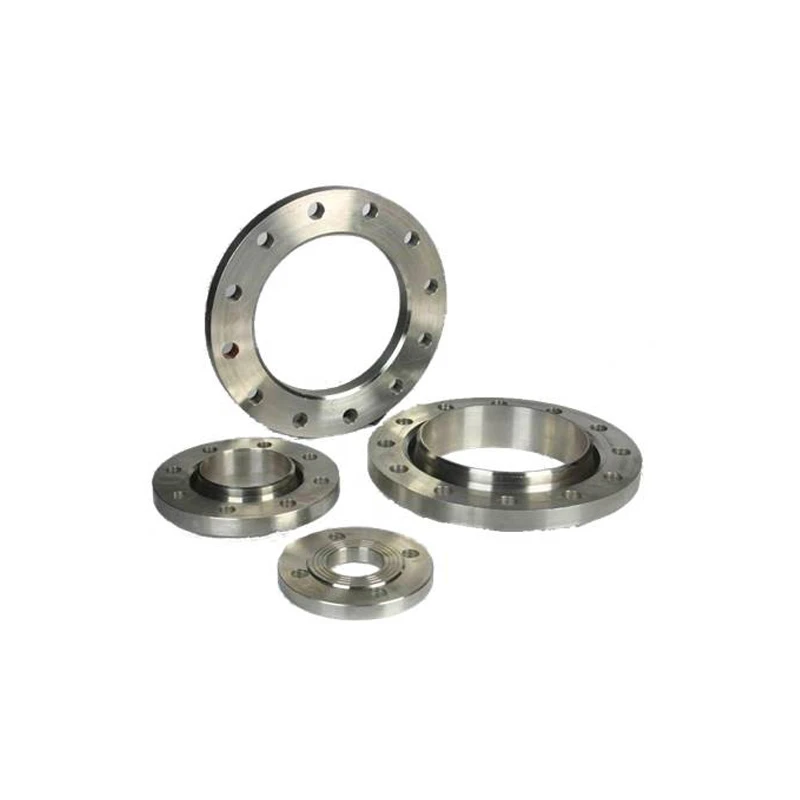
Flange Product Introduction
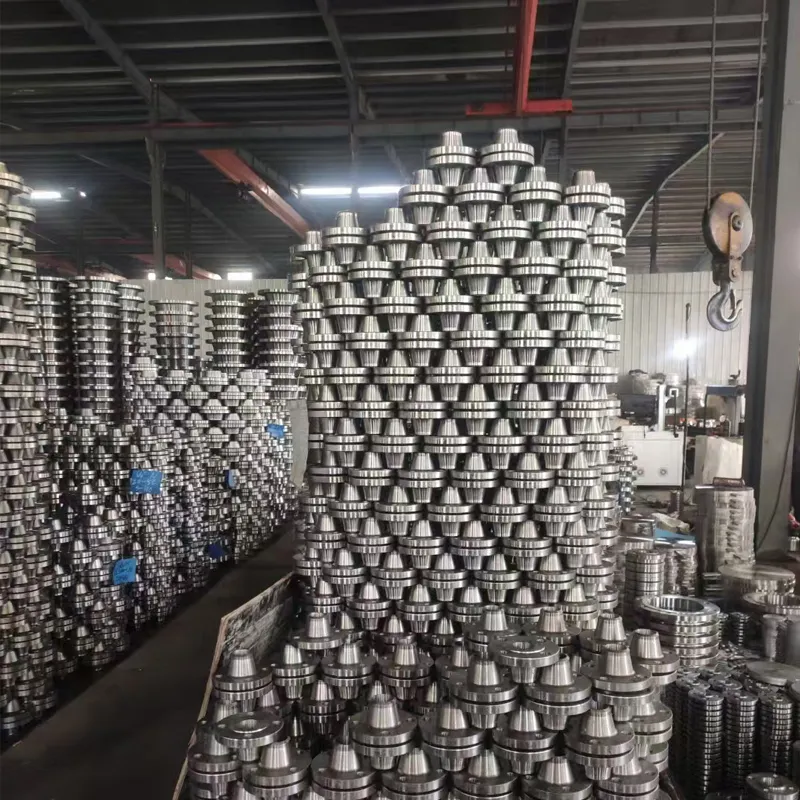
Flanges are used to connect pipes to pipes or pipes to equipment, ensuring a sealed and stable connection. They prevent fluid leakage and can withstand certain pressures and stresses, ensuring reliable connections. Flange nominal diameters range from DN15-DN2000 and beyond, covering various pipeline connection needs. Flanges primarily adhere to international standards such as ASME B16.5-2020, ASME B16.47-2020, and API 6A-2018.
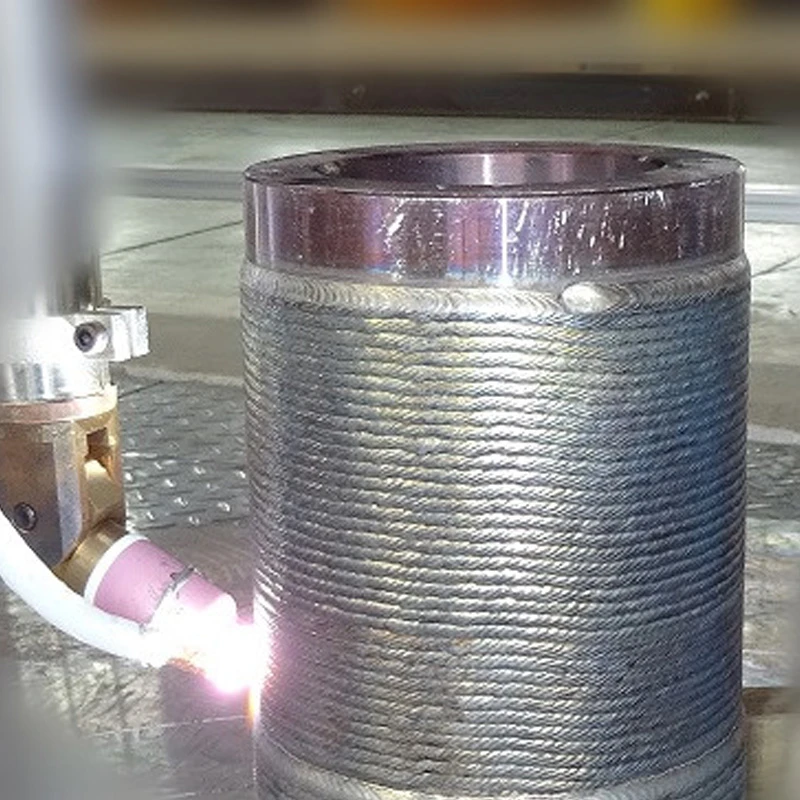
Overlay Welding clad Steel Pipe features a high-performance welded overlay that enhances the pipe’s surface properties, providing superior resistance to corrosion, erosion, and wear. This process involves applying a wear-resistant alloy layer over a strong steel base, making it ideal for industries such as oil and gas, mining, and chemical processing, where pipes are exposed to harsh conditions. The overlay ensures extended service life, reduced maintenance costs, and reliable performance even in extreme environments. With its combination of strength, durability, and corrosion resistance, the Overlay Welding Steel Pipe is a trusted solution for critical applications.
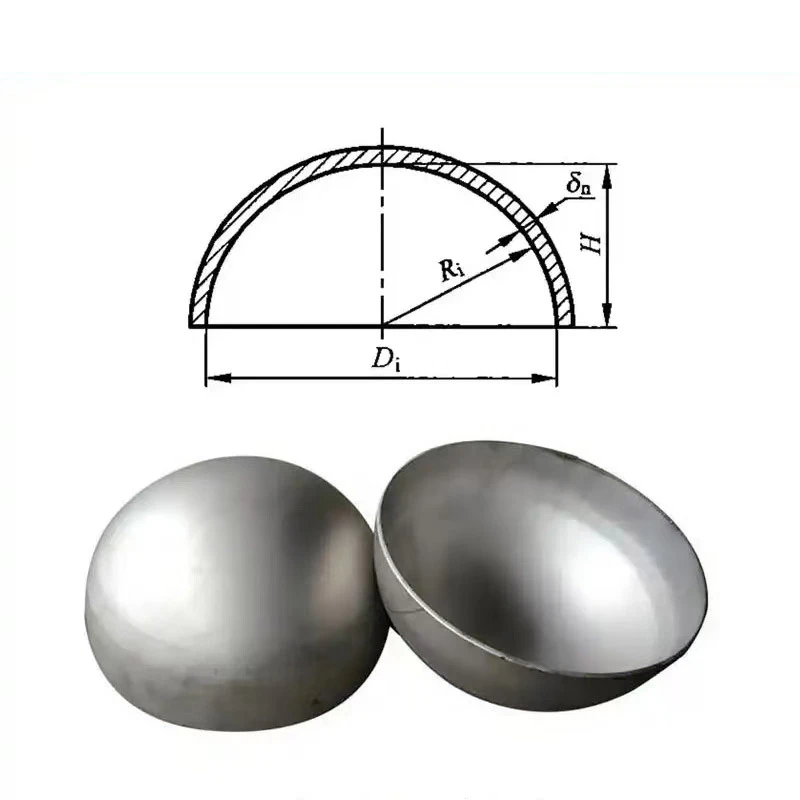
Pipe caps come in different shapes, including round, square, and oval, and can be designed for both threaded and welded connections. They ensure the integrity of piping systems during transportation, storage, and installation by protecting the pipe ends from dirt, debris, and environmental factors. Durable and easy to install, pipe caps are critical for maintaining system efficiency and safety.
Cangzhou Leo Technology Co., Ltd. is located in Mengcun County Economic Development Zone, Cangzhou City, Hebei Province. It is a specialized high-tech enterprise that integrates the research and development, production, and sales of composite pipes and fittings.
News
The company regards product quality as the life of the enterprise, establishes a sound quality management system in accordance with the requirements of industry and national standards, controls all aspects of input and output in the whole process, pays attention to every detail, and ensures that the product delivery pass rate is 100%.
Compare two mechanical steel pipe options by materials, API 5LD and DNV OS F101 references, applications, bonding descriptions and supplier documentation.
Learn how to choose the right ss bend pipe for your piping system. This guide covers material grade, bend angle, radius, pressure rating, and applicable standards to help procurement teams specify stainless steel bend pipes with confidence.
High-Performance Sink Pipe Steel: The Ultimate Guide to Industrial Piping In the demanding world of industrial manufacturing and pressure vessel construction, the selection of materials for piping systems is critical. Utilizing high-quality sink pipe steel ensures that systems can withstand extreme pressures, corrosive media, and mechanical stress. Whether it is for chemical processing, oil and gas, or construction, the right steel grade and fitting geometry can mean the difference between seamless operation and costly system failure. This guide explores the technical nuances of steel elbows and specialized clad materials designed for the most rigorous environments.
In the realm of modern industrial infrastructure, the integrity of piping systems is non-negotiable. The seamless steel pipe stands as the gold standard for transporting high-pressure fluids and gases. Unlike welded alternatives, seamless pipes are manufactured without a longitudinal seam, eliminating the most common point of failure and ensuring superior structural consistency. This makes them indispensable in sectors where safety and reliability are paramount, such as petroleum, nuclear power, and thermal energy. In this comprehensive guide, we will explore the technical advantages, material specifications, and critical applications of these high-performance components to help you make an informed procurement decision.
If you are interested in our products, you can choose to leave your information here, and we will be in touch with you shortly.