Did you know 17% of residential water damage stems from corroded pipes? While you battle leaks and replacement costs, the plumbing industry has shifted to stainless steel solutions that last 3x longer than traditional materials. Discover how upgrading your pipes could save you $3,200+ in decade-long maintenance.
(stainless steel plumbing pipe)
The Titanium-Strong Advantage
Stainless steel plumbing pipes dominate with 0.03mm/year corrosion rates versus 0.25mm in galvanized steel. Our 304/316L grade pipes withstand:
• 150 PSI burst pressure
• -40°F to 800°F thermal shocks
• 50+ year lifespan (per ASTM A312)
Manufacturer Showdown: Who Delivers Real Value?
Feature
Us
Brand X
Brand Y
Wall Thickness
2.11mm
1.73mm
1.55mm
Hydrostatic Pressure
5,800 PSI
4,200 PSI
3,900 PSI
Your Project, Perfected
Need composite pipes for chemical plants? Custom fittings for historic renovations? Our 72-hour rapid prototyping handles:
• 15+ plumbing pipe fitting types
• 0.5"-24" diameter ranges
• 20+ surface finishes
Proven Success: Phoenix Hotel Case Study
After switching to our stainless steel plumbing system:
• 83% reduction in maintenance calls
• $18K annual water bill savings
• ROI achieved in 14 months
Ready to Revolutionize Your Plumbing?
As North America’s 1 certified stainless steel pipe supplier, we offer:
🛡️ Lifetime corrosion warranty
💸 22% bulk order discounts
🚚 48-hour expedited shipping
(stainless steel plumbing pipe)
FAQS on stainless steel plumbing pipe
Q: What are the advantages of stainless steel plumbing pipes?
A: Stainless steel plumbing pipes offer exceptional corrosion resistance, durability, and high-temperature tolerance, making them ideal for long-term use in residential and industrial plumbing systems. They are also hygienic and low-maintenance compared to other materials.
Q: How do composite pipes for plumbing differ from stainless steel pipes?
A: Composite pipes, often made from layered materials like PEX-aluminum-PEX, are lightweight and flexible, whereas stainless steel pipes are rigid and more resistant to extreme pressures and temperatures. Composite pipes are typically cheaper but less durable in harsh environments.
Q: What are common plumbing pipe fitting types used with stainless steel pipes?
A: Common fittings include couplings, elbows, tees, and unions, often made from stainless steel or brass for compatibility. Compression fittings and threaded connections are widely used to ensure leak-proof joints in stainless steel plumbing systems.
Q: Can stainless steel plumbing pipes be used for both water and gas systems?
A: Yes, stainless steel pipes are suitable for potable water, gas, and chemical transport due to their non-reactive surface. However, local building codes and specific application requirements should always be verified before installation.
Q: Are stainless steel plumbing pipes more expensive than copper pipes?
A: While stainless steel pipes often have a higher upfront cost than copper, they provide longer lifespan and lower maintenance costs. Copper pipes may corrode over time, whereas stainless steel resists rust and degradation.
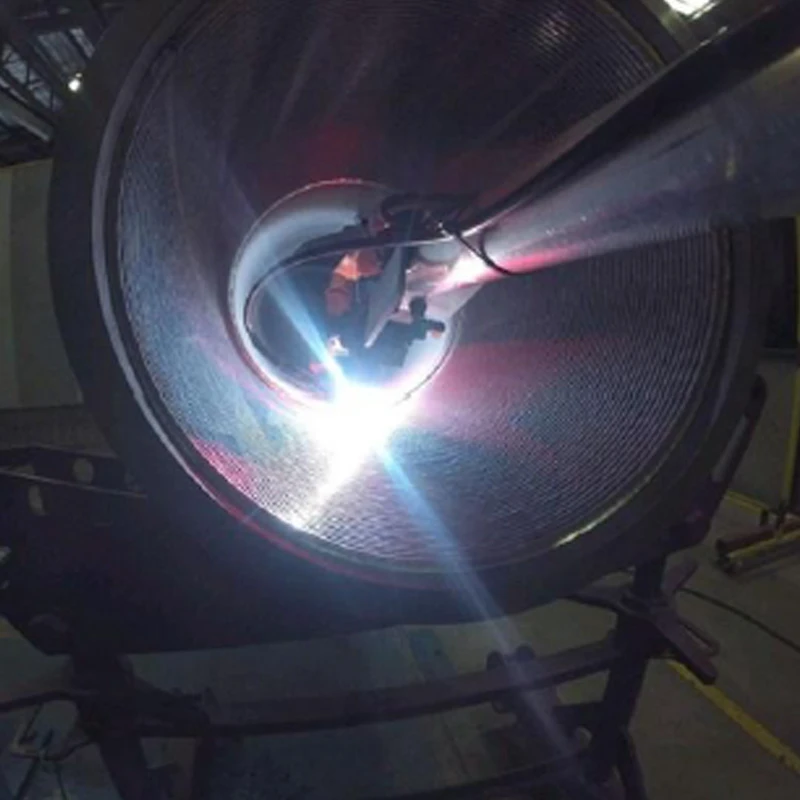
Laser clad steel pipes are manufactured using laser cladding technology. This technology involves adding cladding material to the surface of ordinary steel pipe base material, using high-energy-density laser beams to fuse the cladding material with the steel pipe surface, forming a metallurgically bonded cladding layer. These pipes are generally used in compressed air energy storage projects as underground deep well transportation pipes or casings, as well as in oil, natural gas, and geothermal well extraction.
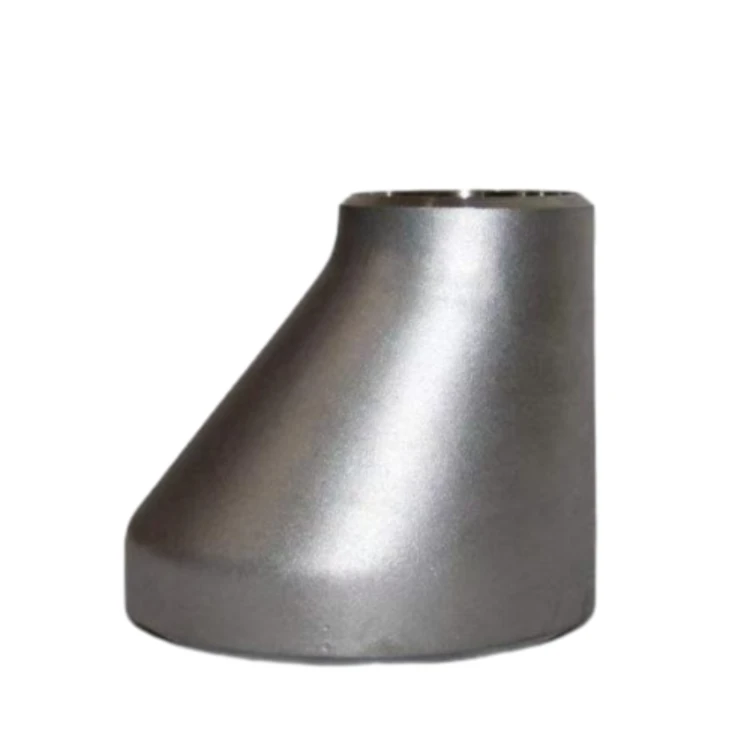
Reducer is a pipe fitting used to connect pipes of different diameters, facilitating smooth transitions between varying flow capacities in piping systems. Available in concentric and eccentric designs, reducers help maintain optimal flow efficiency while minimizing pressure loss and turbulence.
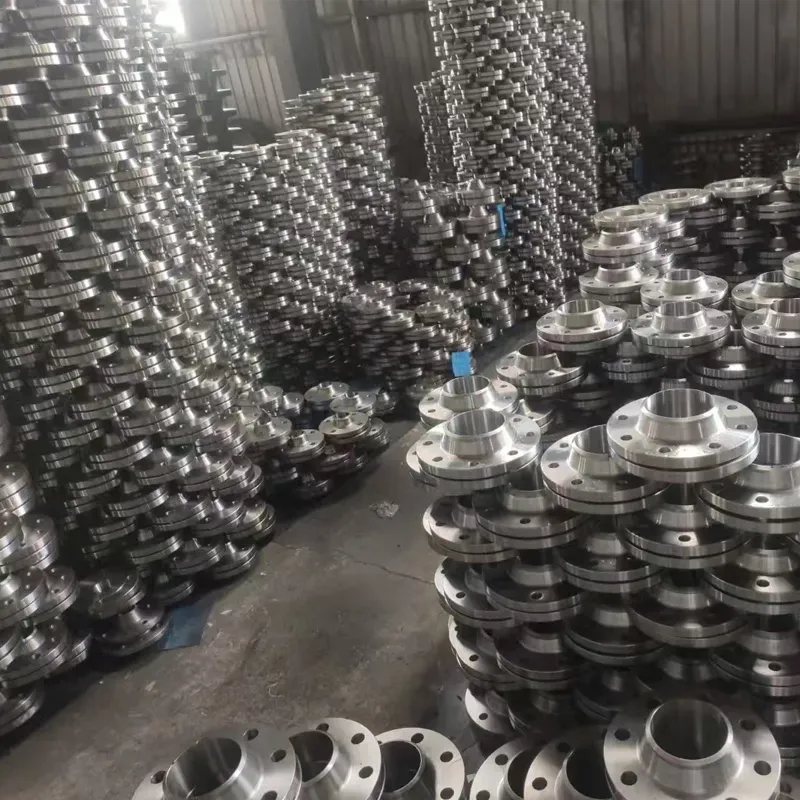
In modern industrial construction, the quality and supply efficiency of pipe fittings directly affect the success or failure of the project. With advanced production concept and strong technical strength, we focus on the factory prefabrication of products, and provide all-round pipe fitting solutions for many key fields such as petrochemical industry and coal chemical industry.
Cangzhou Leo Technology Co., Ltd. is located in Mengcun County Economic Development Zone, Cangzhou City, Hebei Province. It is a specialized high-tech enterprise that integrates the research and development, production, and sales of composite pipes and fittings.
News
The company regards product quality as the life of the enterprise, establishes a sound quality management system in accordance with the requirements of industry and national standards, controls all aspects of input and output in the whole process, pays attention to every detail, and ensures that the product delivery pass rate is 100%.
Compare two mechanical steel pipe options by materials, API 5LD and DNV OS F101 references, applications, bonding descriptions and supplier documentation.
Learn how to choose the right ss bend pipe for your piping system. This guide covers material grade, bend angle, radius, pressure rating, and applicable standards to help procurement teams specify stainless steel bend pipes with confidence.
High-Performance Sink Pipe Steel: The Ultimate Guide to Industrial Piping In the demanding world of industrial manufacturing and pressure vessel construction, the selection of materials for piping systems is critical. Utilizing high-quality sink pipe steel ensures that systems can withstand extreme pressures, corrosive media, and mechanical stress. Whether it is for chemical processing, oil and gas, or construction, the right steel grade and fitting geometry can mean the difference between seamless operation and costly system failure. This guide explores the technical nuances of steel elbows and specialized clad materials designed for the most rigorous environments.
In the realm of modern industrial infrastructure, the integrity of piping systems is non-negotiable. The seamless steel pipe stands as the gold standard for transporting high-pressure fluids and gases. Unlike welded alternatives, seamless pipes are manufactured without a longitudinal seam, eliminating the most common point of failure and ensuring superior structural consistency. This makes them indispensable in sectors where safety and reliability are paramount, such as petroleum, nuclear power, and thermal energy. In this comprehensive guide, we will explore the technical advantages, material specifications, and critical applications of these high-performance components to help you make an informed procurement decision.
In the world of industrial fluid transportation and pressure vessel manufacturing, the choice of piping material can determine the safety and longevity of an entire system. Seamless steel pipes are engineered to withstand extreme conditions without the risk of weld-line failure, making them the gold standard for high-pressure environments. From oil and gas pipelines to hydraulic systems, these pipes offer unmatched structural integrity. In this comprehensive guide, we will explore the technical specifications, benefits, and diverse applications of carbon seamless steel solutions to help you make an informed procurement decision for your next engineering project.
If you are interested in our products, you can choose to leave your information here, and we will be in touch with you shortly.