tel
Email
to top

Stainless Steel Bend | Precision, Corrosion-Resistant, 304

Oct 16 2025
share:

Bend Pipe Field Notes: What Buyers Keep Asking (and What Engineers Quietly Care About)

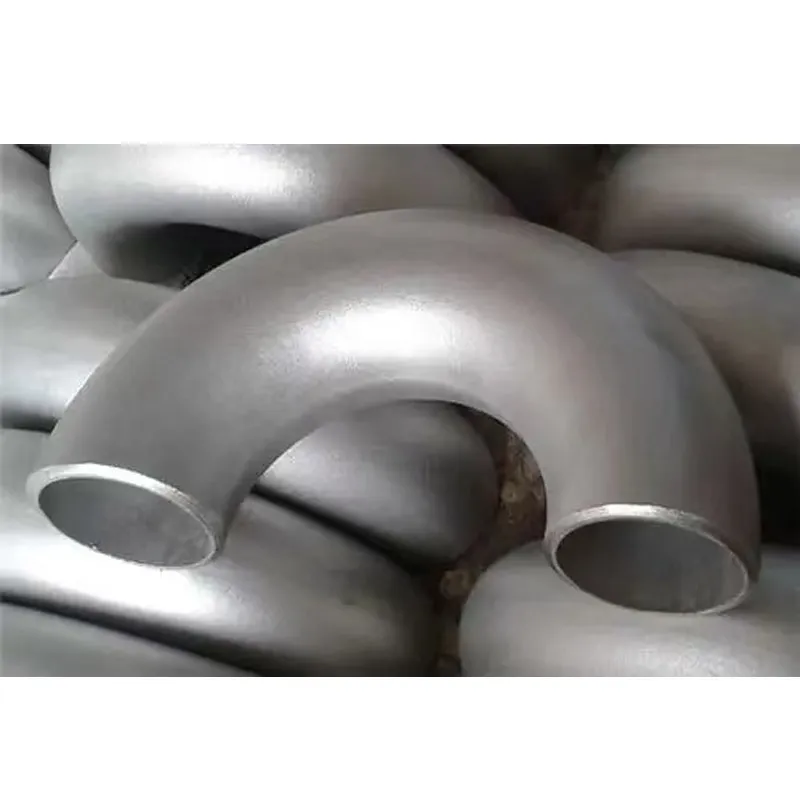
If you’re speccing a stainless steel bend for a new run or a tricky retrofit, here’s the short version: quality shows up in the radius, wall consistency, and documentation trail. Coming out of the Economic Development Zone of Mengcun county, Cangzhou, Hebei (a surprisingly busy elbow-and-bend cluster), the current production scene is efficient, pragmatic, and—actually—more traceable than it used to be.
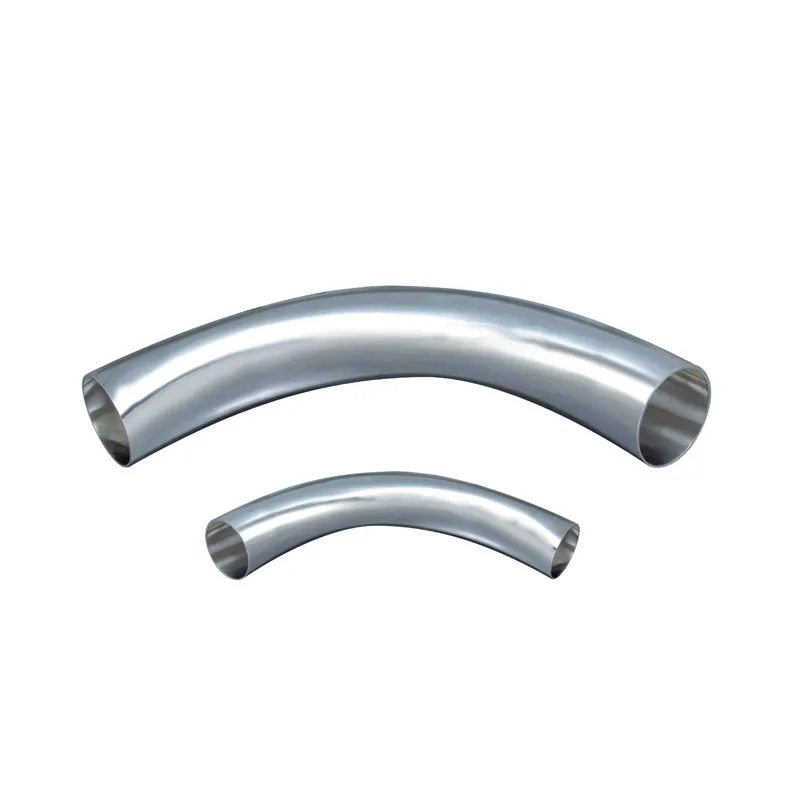
Stainless Steel Bend | Precision, Corrosion-Resistant, 304

What’s moving in the market

Three real trends: tighter tolerances for modular skids, push for lower ΔP in energy audits, and more paperwork—think MTR 3.1, PMI photos, and weld maps. Many customers say they prefer long-radius (stainless steel bend) to smooth out flow, even in water and HVAC, not just oil and gas. And yes, ESG is nudging more buyers toward longer service life over lowest upfront price.
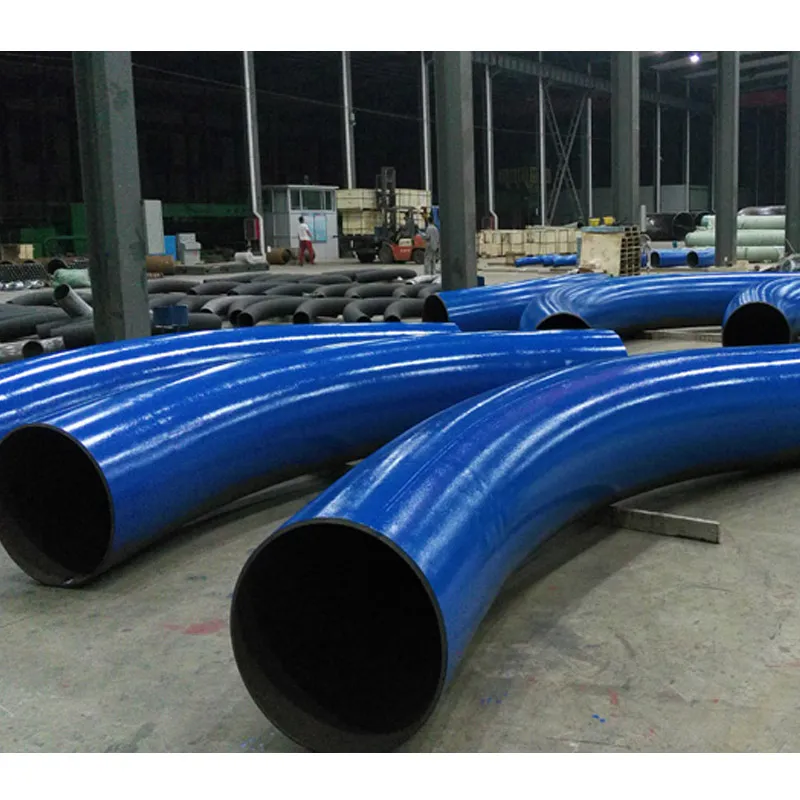
Stainless Steel Bend | Precision, Corrosion-Resistant, 304

Core specs that matter

Parameter Typical Range/Notes
Grades 304/304L, 316/316L; duplex on request (≈2205)
Sizes (NPS) 1/2"–48" (larger by induction bending, around 60" possible)
Radius SR (1D) / LR (1.5D) / custom 2D–10D
Angles 15°, 22.5°, 30°, 45°, 60°, 90°, 180°, custom sweep
Standards ASME B16.9, ASTM A403; process per ASME B31.3/31.1 design
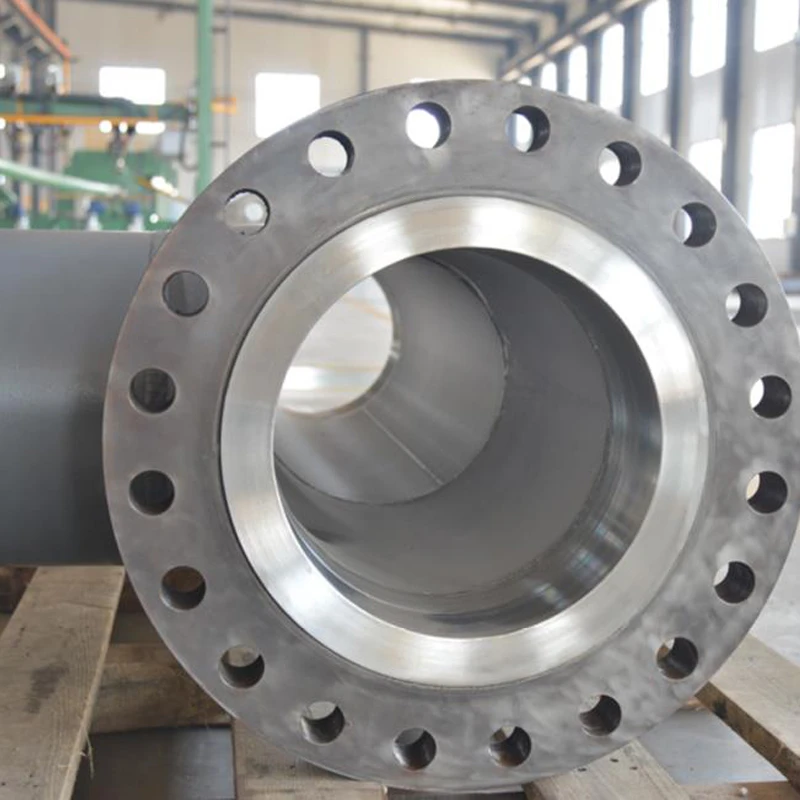
Ends Beveled (ASME B16.25), plain, grooved; polish Ra ≈0.8–3.2 μm
Pressure class Matches pipe schedule (Sch10–XXS); real-world use may vary
Stainless Steel Bend | Precision, Corrosion-Resistant, 304

How it’s made (quick but not flimsy)

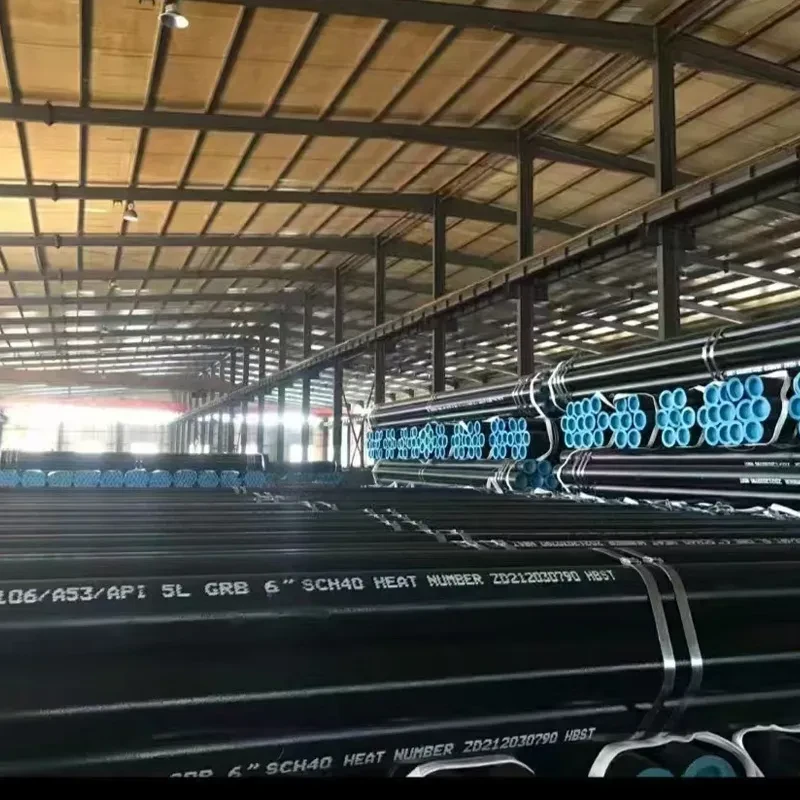
  • Materials: certified plate/pipe; PMI check on heat lots.
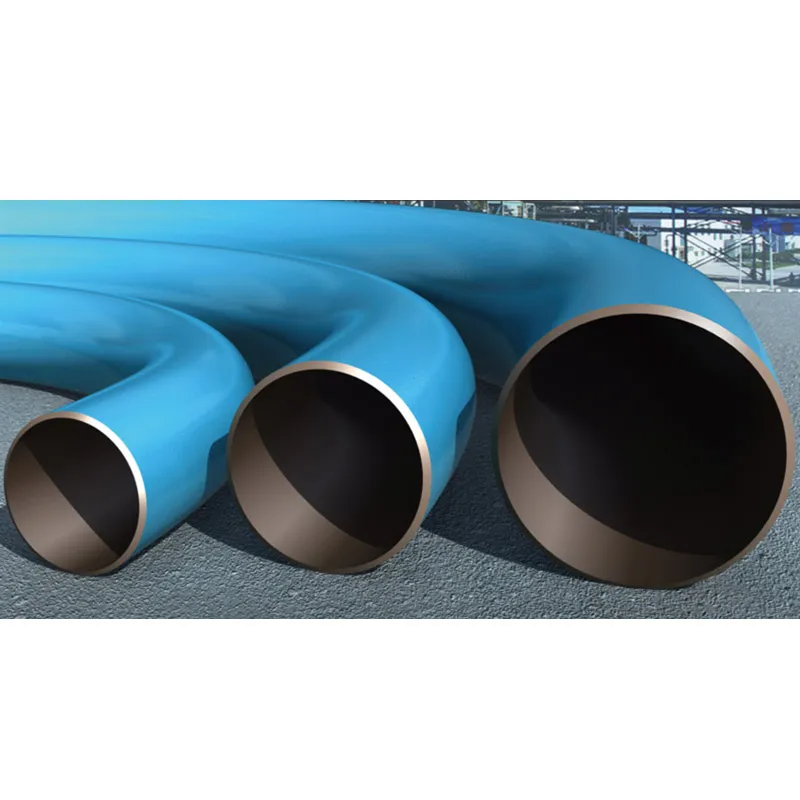
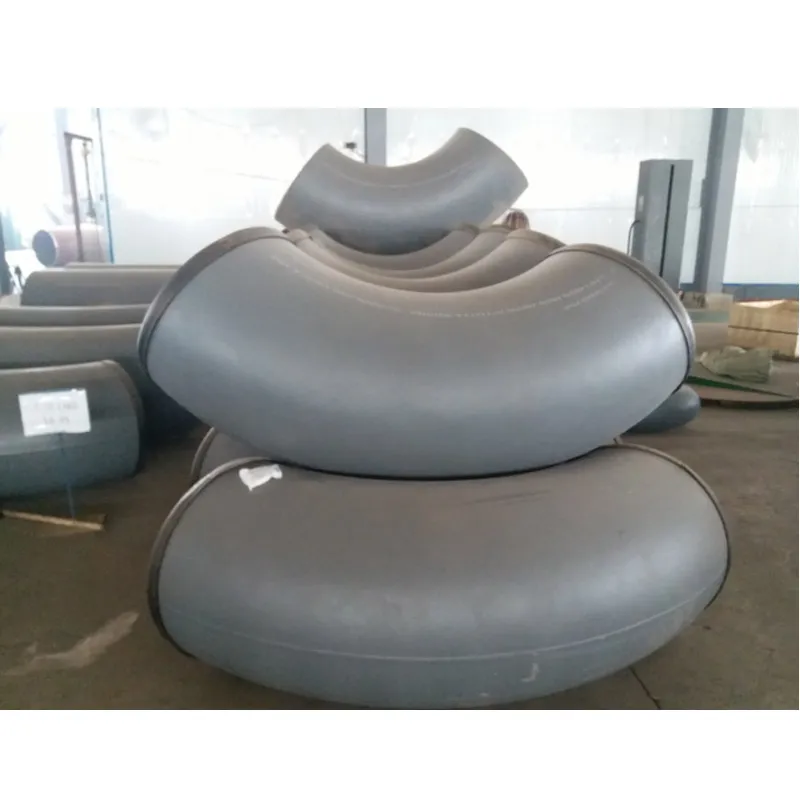
  • Methods: mandrel cold bending for small/medium; hot-induction for large stainless steel bend.
  • Heat treatment: solution anneal where required; pickling/passivation per ASTM A380/A967.
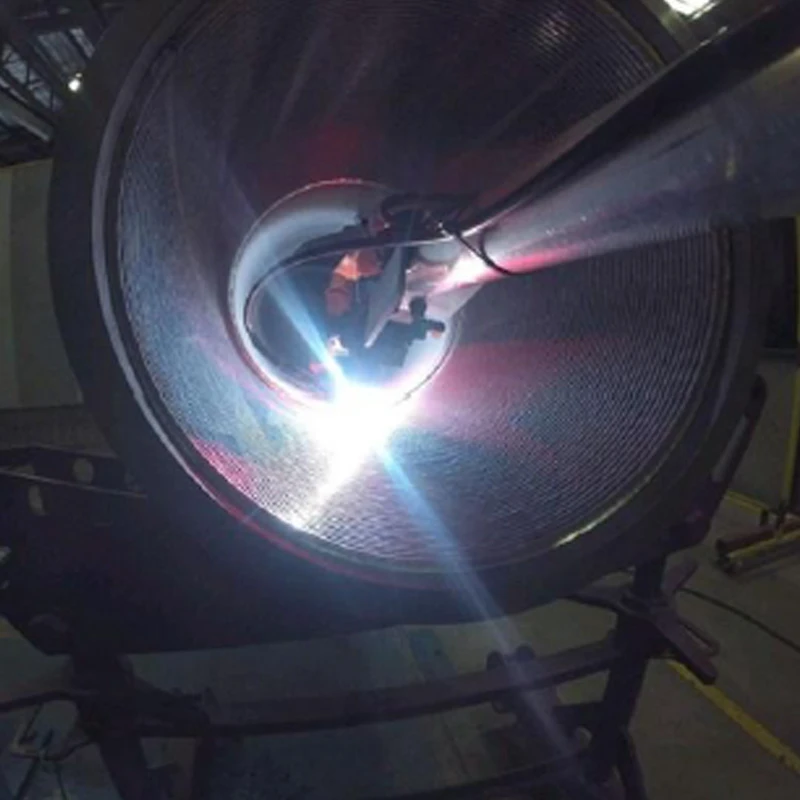
  • NDE: dye penetrant on welds; UT on suspect zones; dimensional check per ASME B16.9 (ovality, wall thinning).
  • Testing: hydrostatic samples ≈1.5× design pressure; hardness mapping; roughness sampling.
  • Docs: EN 10204 3.1 MTR, weld procedure/WPQR, traceability from heat to final bend.
  • Service life: around 20–50 years depending on media, chloride load, and maintenance.
Stainless Steel Bend | Precision, Corrosion-Resistant, 304

Where it’s used and why

Oil & gas, petrochem, water supply, HVAC, food, pharma, and marine. Advantages: corrosion resistance, smooth ID for lower pressure drop, good weldability, and predictable QA. One plant engineer told me, “We swapped to LR stainless steel bend on a chilled water loop and shaved a couple of pumps off the BOM.” Not every day, but it happens.

Vendor snapshot (real-world choices)

Vendor Lead Time Customization Certs (typical) Notes
Lion Pipeline (Hebei) ≈10–25 days Angles, 2D–10D radius, polish, bevel ISO 9001; PED on request Strong on large-radius induction bends
Global Distributor Stock/expedite Limited (mostly standard) ISO 9001, 3.1 docs Fast but pricier
Local Fabricator Around 1–3 weeks High, project-specific Varies (check WPQR) Great for odd angles
Stainless Steel Bend | Precision, Corrosion-Resistant, 304

Customization and two quick case notes

Customization: pick grade (316L near chlorides), radius (2D–10D), schedule, end prep, and surface finish. For hygienic loops, specify Ra ≤0.8 μm. For sour service, align with NACE MR0175/ISO 15156 and documented hardness.

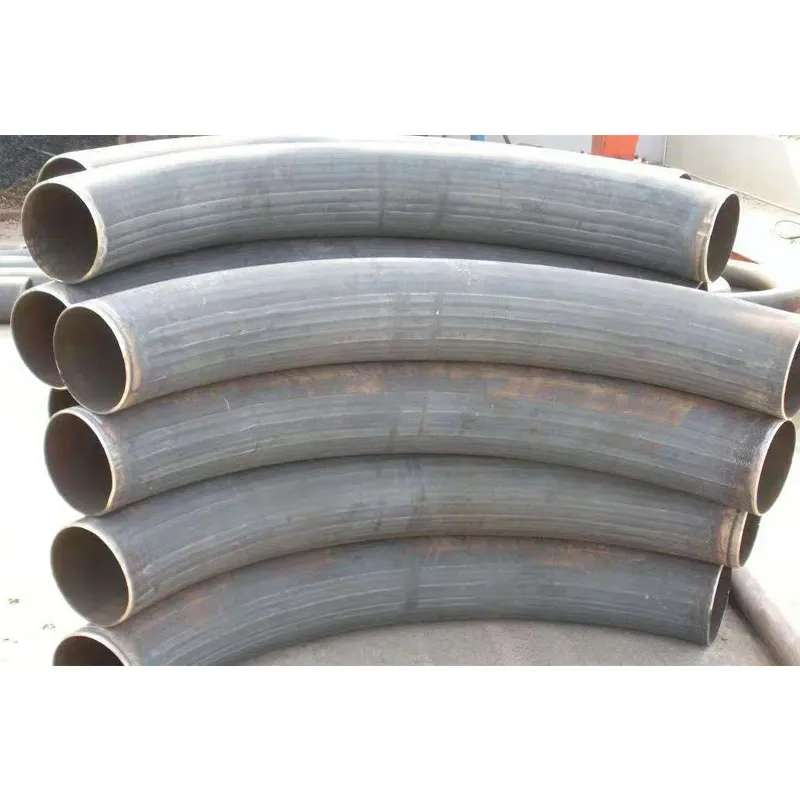
Case A (refinery revamp): switching to LR stainless steel bend reduced calculated pressure drop ≈8–12% on a 10-bar hydrocarbon line; fewer vibration issues. Case B (desalination): 316L bends with pickled/passivated ID held up nicely; customer feedback was “no under-deposit surprises after first shutdown.”
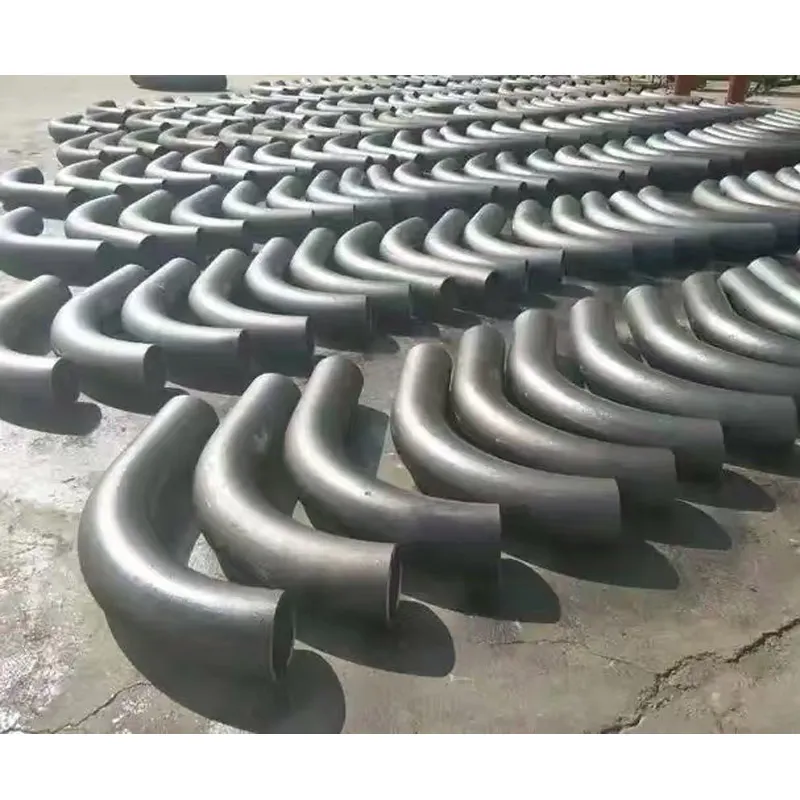
Stainless Steel Bend | Precision, Corrosion-Resistant, 304

Standards, testing, and a bit of data

  • Conformance: ASME B16.9; material ASTM A403 (WP304L/316L).
  • Design basis: ASME B31.3/31.1; large induction bends may reference ISO 15590-1.
  • QA: PMI, DP on weld seams, dimensional to B16.9; sample hydro ≈1.5× design P.
  • Typical measurements (example lot): ovality 1.6% (limit ≤3%); wall thinning ≈8% at intrados; roughness ID Ra ≈1.6–2.0 μm.
Stainless Steel Bend | Precision, Corrosion-Resistant, 304

Final thought: in practice, a well-made stainless steel bend is quiet—no drama, no leaks, no pump complaints. That’s the goal.
Citations

  1. ASME B16.9 – Factory-Made Wrought Buttwelding Fittings.
  2. ASTM A403/A403M – Wrought Austenitic Stainless Steel Piping Fittings.
  3. ASME B31.3 – Process Piping (design and fabrication guidance).
  4. ASTM A380/A967 – Cleaning, Descaling, and Passivation of Stainless Steel Parts.
  5. ISO 15590-1 – Induction bends for pipeline transportation systems (reference for large bends).
  • Anti Corrosion And Thermal Insulation Products

    Anti Corrosion And Thermal Insulation Products

    The anti-corrosion and thermal insulation products we focus on produce play a key role in the industrial pipeline system, especially the thermal insulation pipe fittings and steel pipes. Thermal insulation pipe fittings cover elbows, tees, reducers and pipe supports, with specifications ranging from DN15 to DN1800, and are made of carbon steel, alloy steel, stainless steel, bimetallic composite, nickel-based alloy and other materials.
    VIEW ALL
  • Carbon Semless Steel Pipes

    Carbon Semless Steel Pipes

    Carbon Seamless Steel Pipes are made from high-quality carbon steel and manufactured without welded seams, offering exceptional strength, durability, and resistance to pressure. These pipes are ideal for a wide range of applications, including oil and gas pipelines, construction, automotive, and fluid transportation systems. The seamless design ensures uniformity, higher structural integrity, and improved performance under high pressure and temperature conditions.
    VIEW ALL
  • Elbow

    Elbow

    Carbon Steel &stainless Steel Elbow Elbows are pipe fittings used to change the direction of pipelines in piping systems, commonly employed at pipeline bends. They are widely used in industries such as petroleum, chemical, and power. The common size range for elbows is DN15-DN2000, and typical angles include 45°, 90°, and 180°.
    VIEW ALL
To create value for customers!
Cangzhou Leo Technology Co., Ltd. is located in Mengcun County Economic Development Zone, Cangzhou City, Hebei Province. It is a specialized high-tech enterprise that integrates the research and development, production, and sales of composite pipes and fittings.
News
The company regards product quality as the life of the enterprise, establishes a sound quality management system in accordance with the requirements of industry and national standards, controls all aspects of input and output in the whole process, pays attention to every detail, and ensures that the product delivery pass rate is 100%.
Industrial Guide to High Quality 5 8 Stainless Steel Tubing

Industrial Guide to High Quality 5 8 Stainless Steel Tubing

The Ultimate Guide to 5 8 Stainless Steel Tubing for Industrial Applications In the world of high-pressure fluid systems and structural engineering, precision is everything. 5 8 stainless steel tubing serves as a critical component across various sectors, providing an optimal balance between wall thickness, flow capacity, and mechanical strength. Whether you are dealing with corrosive chemicals in a pharmaceutical plant or high-temperature steam in a power station, choosing the right tubing size and grade is essential for system longevity and safety. This guide explores the technical nuances, material advantages, and practical applications of this specific tubing dimension to help you make an informed procurement decision.
5 8 Square Tubing Applications and Technical Specifications

5 8 Square Tubing Applications and Technical Specifications

The Ultimate Guide to 5 8 Square Tubing: Applications and Specifications When it comes to structural integrity and precision engineering, selecting the right materials is the cornerstone of any successful project. 5 8 square tubing offers a perfect balance of strength, weight, and versatility, making it a preferred choice for architects, automotive engineers, and DIY enthusiasts alike. Whether you are constructing a heavy-duty industrial frame or a sleek piece of modern furniture, understanding the nuances of this specific tubing size is essential for optimizing performance. In this comprehensive guide, we will explore the technical specifications, material options, and various industry applications
Ultimate Guide to 4130 Tubing Strength Performance and Applications
Ultimate Guide to 4130 Tubing Strength Performance and Applications

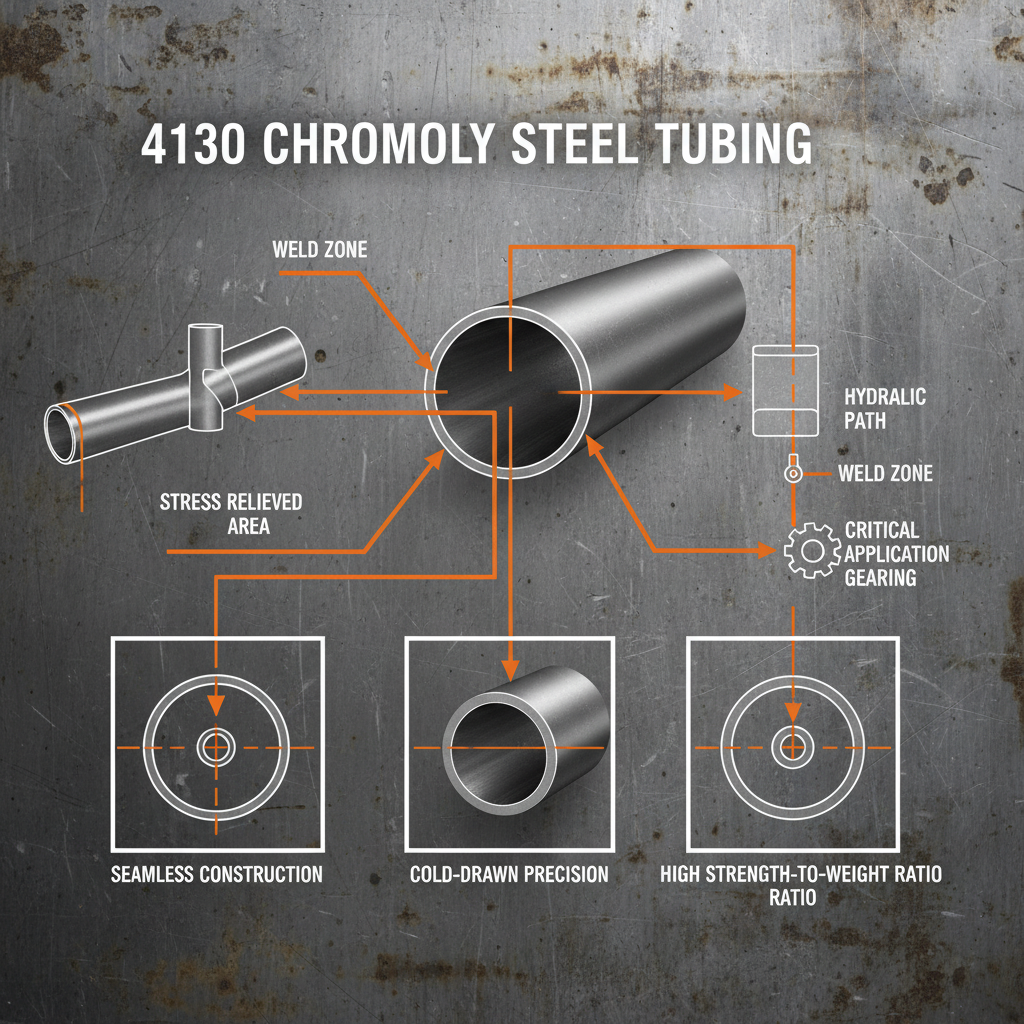
In the world of high-performance engineering, material selection is the foundation of safety and efficiency. 4130 tubing is widely regarded as the gold standard for applications requiring an exceptional strength-to-weight ratio. This chrome-molybdenum alloy steel is engineered to withstand extreme stress while remaining lightweight enough for aerospace and automotive use. Whether you are designing a roll cage, a bicycle frame, or a critical industrial component, understanding the nuances of this material is essential. In this comprehensive guide, we will explore why this specific alloy is preferred by engineers worldwide and how to choose the right specifications for your project.
Properties and Industrial Applications of 4130 steel tubing

Properties and Industrial Applications of 4130 steel tubing

In the world of high-performance engineering, material selection is the foundation of safety and efficiency. 4130 steel tubing is widely recognized as the gold standard for applications requiring an exceptional strength-to-weight ratio. Known for its versatility and reliability, this chromium-molybdenum alloy is the preferred choice for everything from aircraft frames to professional roll cages. Understanding the nuances of this material allows engineers to optimize structural integrity without adding unnecessary bulk. In this comprehensive guide, we will explore why this specific alloy remains a top choice for critical industrial and aerospace components.
Comprehensive Guide to 40mm Steel Tube Applications and Material Selection

Comprehensive Guide to 40mm Steel Tube Applications and Material Selection

40mm steel tube is a versatile and widely used material in various industries, from construction and manufacturing to automotive and beyond. Its strength, durability, and cost-effectiveness make it an ideal choice for numerous applications. This article will delve into the characteristics, applications, benefits, and considerations when working with 40mm steel tube, providing a comprehensive overview for professionals and anyone interested in this essential material.
Comprehensive Guide to 40mm Steel Pipe Applications and Considerations

Comprehensive Guide to 40mm Steel Pipe Applications and Considerations

40mm steel pipe is a widely used material in various industries due to its strength, durability, and cost-effectiveness. From construction and infrastructure projects to industrial applications and fluid transportation, this pipe size offers a versatile solution. This article will delve into the properties, applications, standards, and key considerations when selecting 40mm steel pipe, helping you make informed decisions for your specific needs.
tel email tel top

If you are interested in our products, you can choose to leave your information here, and we will be in touch with you shortly.