tel
Email
to top

Premium Stainless Steel 304L Pipe Fittings Durable & Corrosion Resistant

Jun 05 2025
share:
  • Technical advantages and properties of stainless pipe fittings
  • Material specifications: Comparing 304, 304L and other stainless grades
  • Manufacturing processes and quality control measures
  • Leading suppliers comparison for industrial procurement
  • Custom fabrication capabilities and specialized solutions
  • Real-world application case studies across industries
  • Maintenance protocols and lifecycle performance data

stainless pipe fittings

(stainless pipe fittings)


Stainless Pipe Fittings: Engineering Excellence in Fluid Systems

Modern industrial operations increasingly depend on stainless pipe fittings due to their exceptional performance in demanding environments. These critical components ensure leak-proof connections while maintaining system integrity under extreme conditions. Industries from pharmaceutical processing to offshore drilling platforms specify stainless steel fittings for their ability to handle pressures up to 5,000 PSI at temperature ranges from -425°F to 1,500°F.

Material Specifications and Metallurgical Properties

The material composition determines fitting performance. Stainless steel 304L pipe fittings contain maximum 0.03% carbon content and 18-20% chromium, making them ideal for corrosion resistance. Grade 316L adds 2-3% molybdenum for enhanced chloride resistance. Critical mechanical properties include:

  • Tensile strength: 75,000 - 80,000 PSI (304/304L)
  • Yield strength: 30,000 - 35,000 PSI
  • Elongation: 40-50% in 2 inches
  • Hardness: 80 HRB maximum

Precision Manufacturing Techniques

Superior fittings begin with cold forming of seamless tubing under ISO 9001:2015 protocols. Computer-controlled CNC machines maintain tolerance precision of ±0.005 inches during threading and grooving operations. Post-processing includes:

  • Electropolishing for 15-30 μm Ra surface finish
  • Solution annealing at 1900°F for stress relief
  • ASME-compliant hydrostatic testing at 1.5x rated pressure
  • Third-party validation against ASTM A403 and ASME B16.11 standards

Leading Manufacturer Capability Comparison

Supplier Material Grades Pressure Rating Lead Time (Days) Certifications
Steeltek Solutions 304, 304L, 316, 316L 6000 PSI max 10-14 PED, ASME, NACE MR0175
Corr-Resist Industries 304L, 316Ti, 904L 10,000 PSI max 21-28 API 6A, ISO 9001:2015
Precision Fittings Inc. 304, 316L, Alloy 20 4500 PSI max 7-10 AS9100D, 3.1 Material Certs

Custom Fabrication Solutions

Specialized applications require tailored configurations unavailable in standard catalogs. Technical teams develop fittings with:

  • Non-standard angles (22.5°, 67.5° elbows)
  • Hybrid material cladding (Inconel 625 overlay)
  • Proprietary sealing mechanisms for ultra-high vacuum
  • Bespoke threading patterns matching legacy systems

Industry Application Performance Metrics

Case Study 1: Chemical Processing Plant
After installing schedule 80S 304L stainless pipe fittings in acid transfer systems, downtime decreased 70% with zero corrosion failures after 3 years of continuous operation in 20% sulfuric acid at 150°F.

Case Study 2: Offshore Drilling Platform
Super duplex stainless steel fittings handling seawater injection at 8,500 PSI maintained 99.97% leak-free performance after 18-month stress test under corrosive marine conditions.

Maintaining Optimal Performance of Stainless Steel Pipe Fittings

Regular inspection protocols extend service life beyond 25 years in aggressive environments. Ultrasonic thickness testing every 18 months detects potential erosion, with statistical data showing proper maintenance reduces replacement costs by 62%. Following installation best practices ensures maximum performance:
  • Torque wrench installation to 85% of maximum rating
  • Annual visual inspection for galvanic corrosion
  • Pipe alignment within 0.5° tolerance range
  • Quarterly gasket integrity checks

stainless pipe fittings

(stainless pipe fittings)


FAQS on stainless pipe fittings

Q: What are stainless pipe fittings used for?

A: Stainless pipe fittings connect and direct pipelines in corrosive or high-purity systems like chemical plants and food processing. Their corrosion resistance and durability make them ideal for demanding industrial applications requiring hygiene and reliability.

Q: Why choose 304L stainless steel for pipe fittings?

A: 304L stainless steel pipe fittings offer excellent corrosion resistance and weldability due to low carbon content. They resist oxidation in temperatures up to 870°C, making them suitable for acidic environments and marine applications.

Q: Where can I find stainless steel pipe fittings for sale?

A: Reputable industrial suppliers like PipeSource or GlobalSpec offer stainless steel pipe fittings online with certifications. Always verify material grades (e.g., 304/316) and pressure ratings when purchasing to ensure compatibility.

Q: How do stainless steel 304L fittings handle extreme temperatures?

A: Stainless steel 304L pipe fittings maintain structural integrity from -196°C to 400°C continuously. Their low carbon content prevents carbide precipitation during welding, reducing cracking risks in cryogenic or high-heat scenarios.

Q: What industries typically require stainless steel pipe fittings?

A: Petrochemical, pharmaceutical, and food/beverage industries rely on stainless pipe fittings for contamination prevention. Offshore rigs and desalination plants also use them extensively due to saltwater corrosion resistance.

  • Carbon Semless Steel Pipes

    Carbon Semless Steel Pipes

    Carbon Seamless Steel Pipes are made from high-quality carbon steel and manufactured without welded seams, offering exceptional strength, durability, and resistance to pressure. These pipes are ideal for a wide range of applications, including oil and gas pipelines, construction, automotive, and fluid transportation systems. The seamless design ensures uniformity, higher structural integrity, and improved performance under high pressure and temperature conditions.
    VIEW ALL
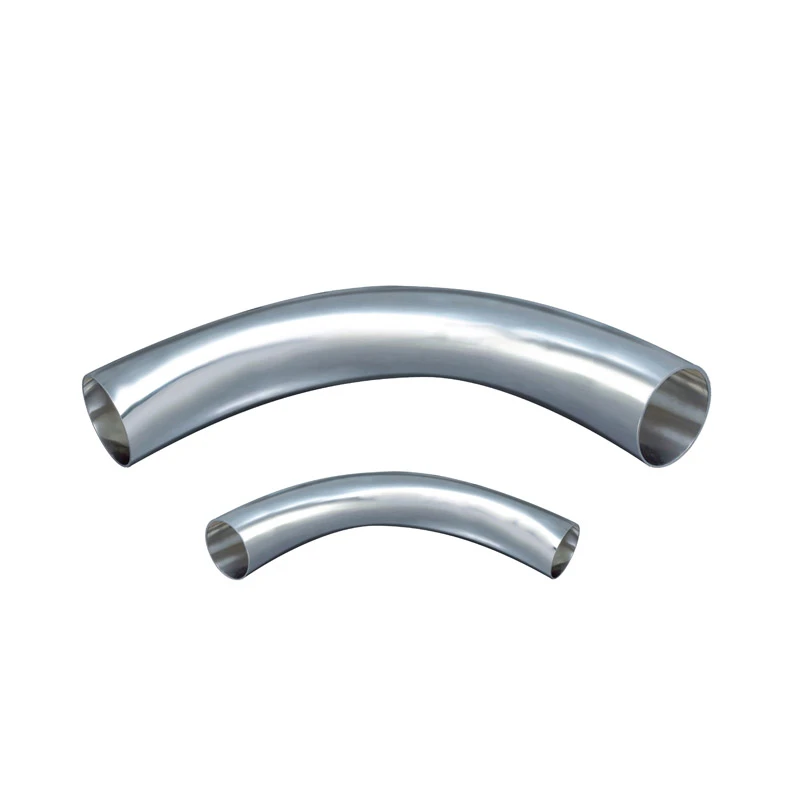
  • Bend Pipe

    Bend Pipe

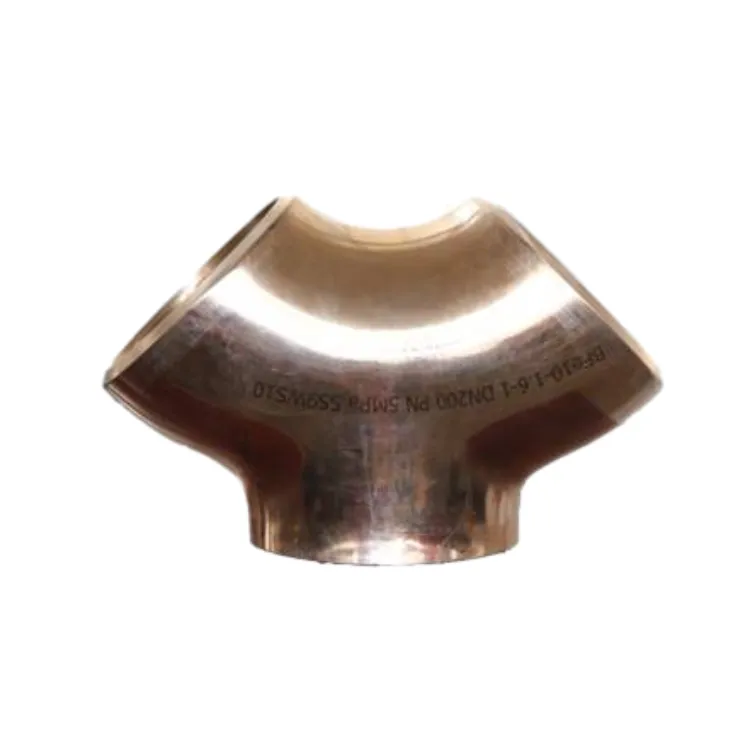
    Bend is a crucial pipe fitting used to change the direction of flow in a piping system. It allows for smooth transitions between sections of pipe, accommodating layout constraints, avoiding obstacles, and optimizing flow paths. Bends are designed to maintain the fluid's velocity and minimize pressure loss while providing the necessary angle of deviation. They are commonly used in various industries, including oil and gas, petrochemicals, water supply, and HVAC systems.
    VIEW ALL
  • Flange

    Flange

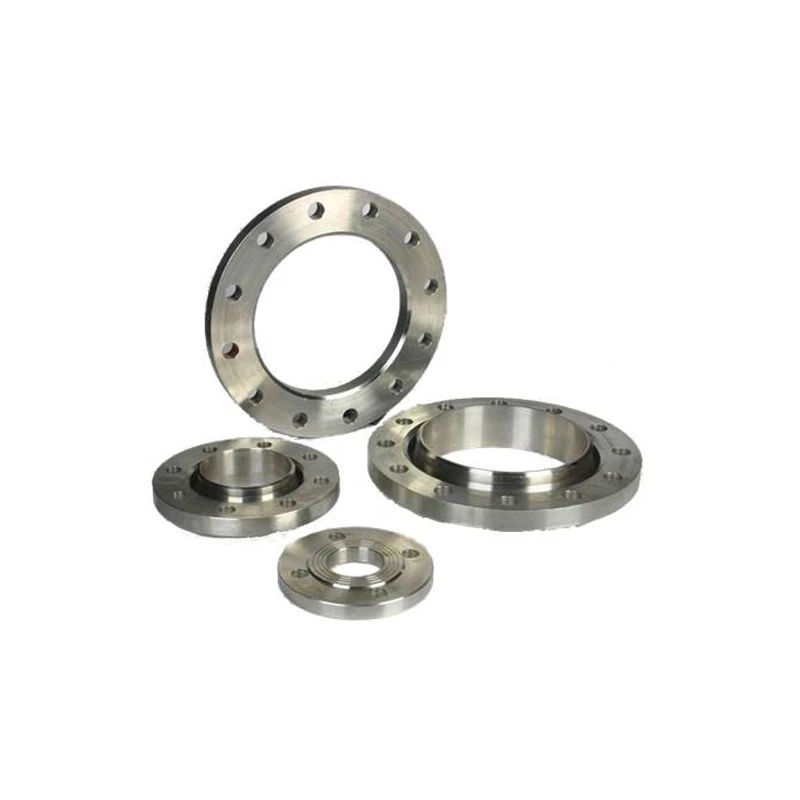
    Flange Product Introduction Flanges are used to connect pipes to pipes or pipes to equipment, ensuring a sealed and stable connection. They prevent fluid leakage and can withstand certain pressures and stresses, ensuring reliable connections. Flange nominal diameters range from DN15-DN2000 and beyond, covering various pipeline connection needs. Flanges primarily adhere to international standards such as ASME B16.5-2020, ASME B16.47-2020, and API 6A-2018.
    VIEW ALL
To create value for customers!
Cangzhou Leo Technology Co., Ltd. is located in Mengcun County Economic Development Zone, Cangzhou City, Hebei Province. It is a specialized high-tech enterprise that integrates the research and development, production, and sales of composite pipes and fittings.
News
The company regards product quality as the life of the enterprise, establishes a sound quality management system in accordance with the requirements of industry and national standards, controls all aspects of input and output in the whole process, pays attention to every detail, and ensures that the product delivery pass rate is 100%.
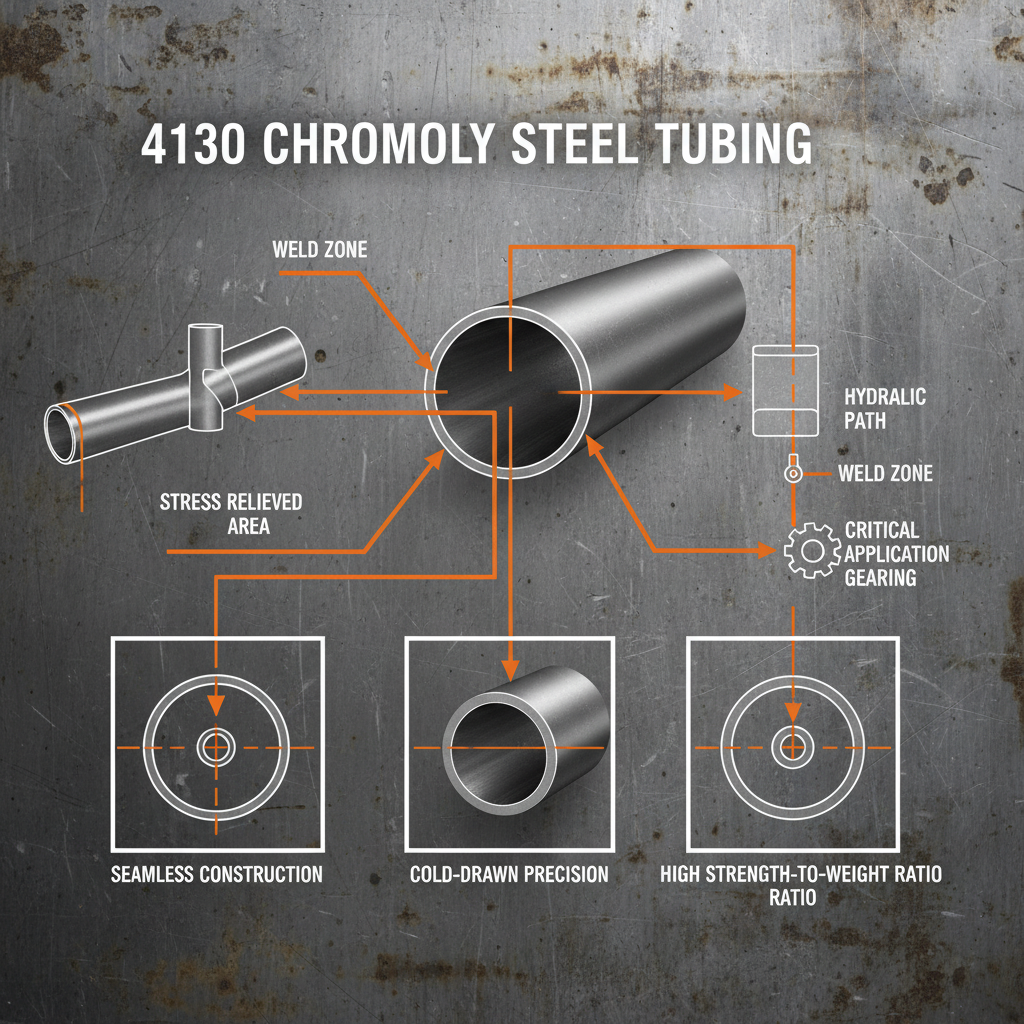
Ultimate Guide to 4130 Tubing Strength Performance and Applications
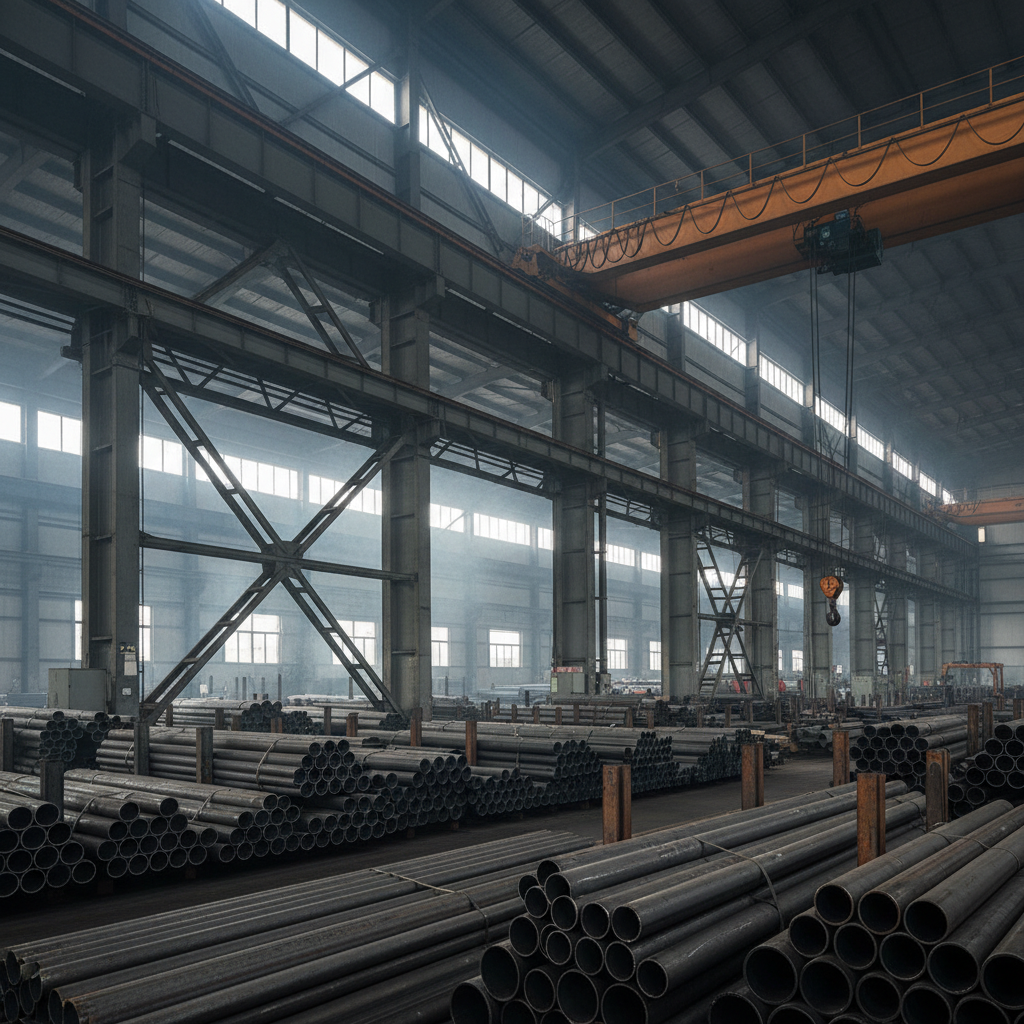
Ultimate Guide to 4130 Tubing Strength Performance and Applications

In the world of high-performance engineering, material selection is the foundation of safety and efficiency. 4130 tubing is widely regarded as the gold standard for applications requiring an exceptional strength-to-weight ratio. This chrome-molybdenum alloy steel is engineered to withstand extreme stress while remaining lightweight enough for aerospace and automotive use. Whether you are designing a roll cage, a bicycle frame, or a critical industrial component, understanding the nuances of this material is essential. In this comprehensive guide, we will explore why this specific alloy is preferred by engineers worldwide and how to choose the right specifications for your project.
Properties and Industrial Applications of 4130 steel tubing
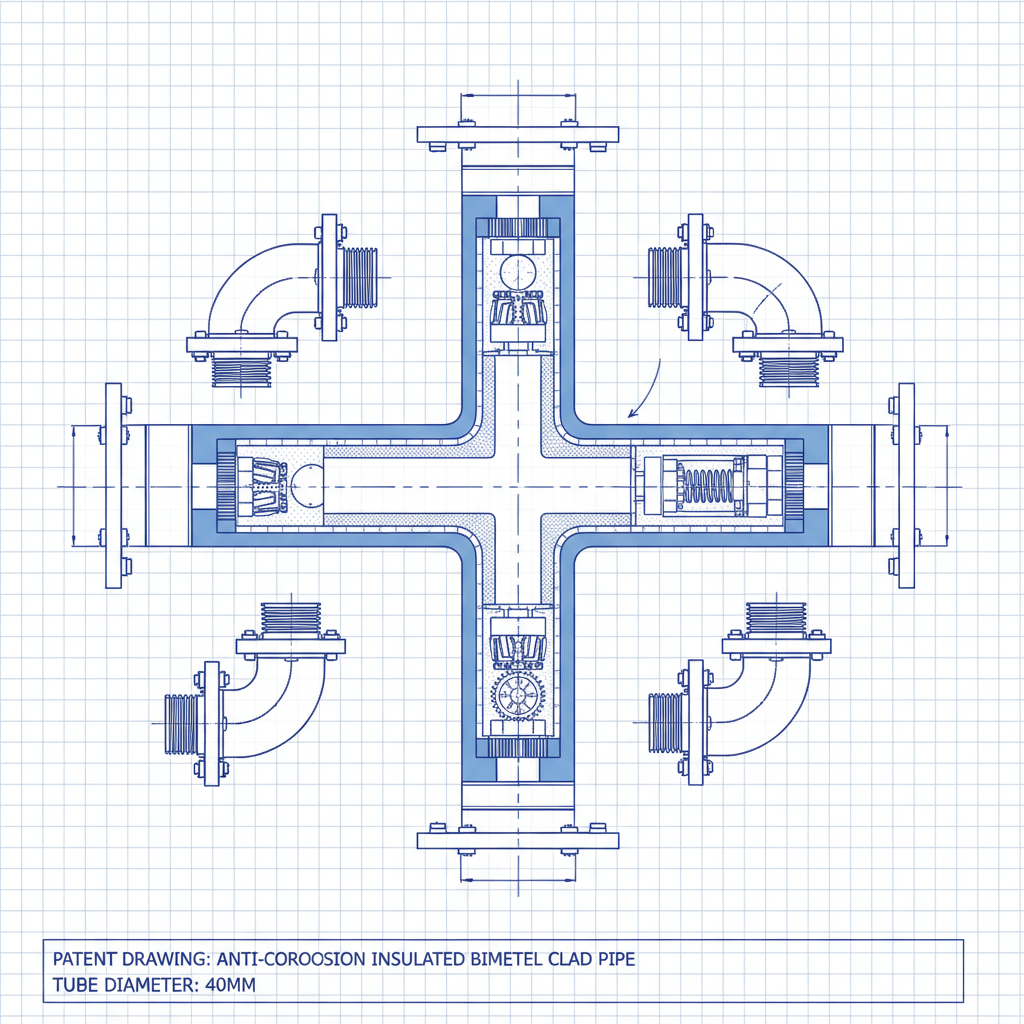
Properties and Industrial Applications of 4130 steel tubing

In the world of high-performance engineering, material selection is the foundation of safety and efficiency. 4130 steel tubing is widely recognized as the gold standard for applications requiring an exceptional strength-to-weight ratio. Known for its versatility and reliability, this chromium-molybdenum alloy is the preferred choice for everything from aircraft frames to professional roll cages. Understanding the nuances of this material allows engineers to optimize structural integrity without adding unnecessary bulk. In this comprehensive guide, we will explore why this specific alloy remains a top choice for critical industrial and aerospace components.
Comprehensive Guide to 40mm Steel Tube Applications and Material Selection
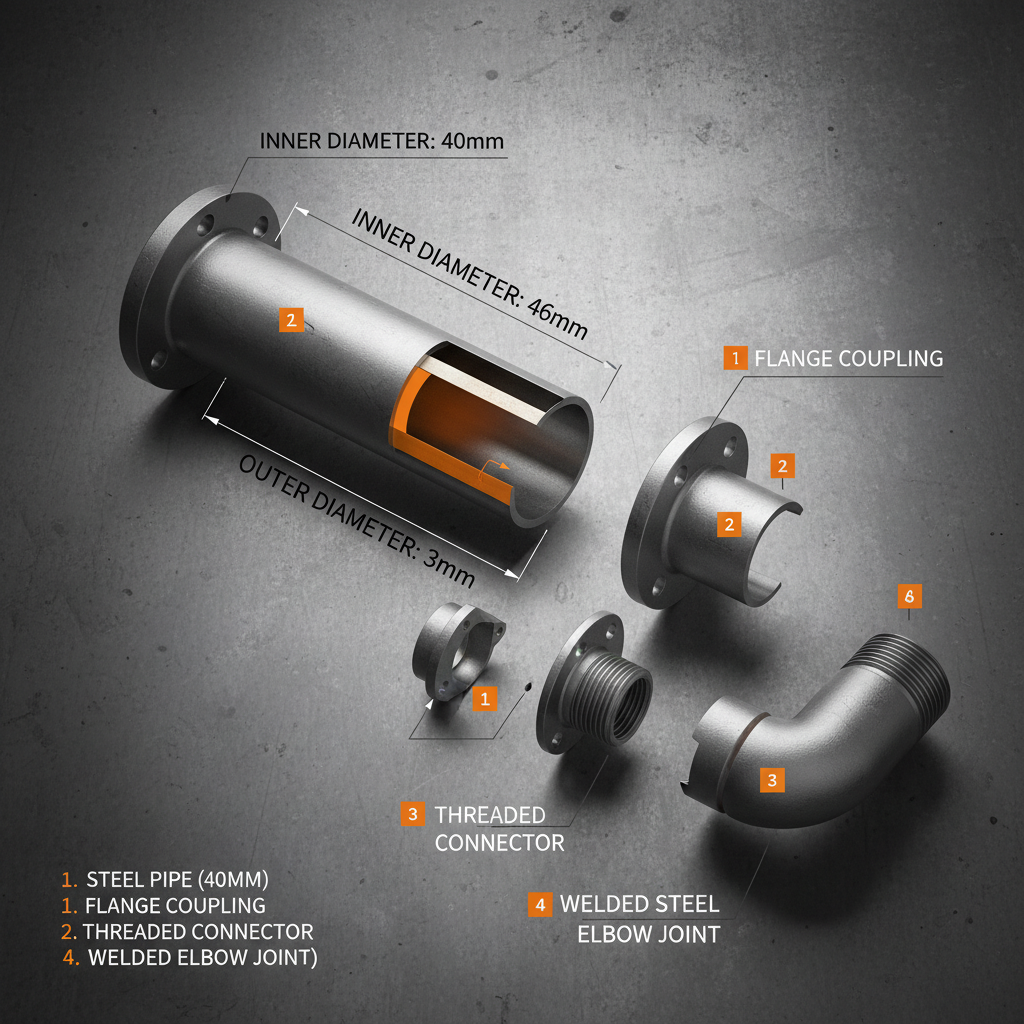
Comprehensive Guide to 40mm Steel Tube Applications and Material Selection

40mm steel tube is a versatile and widely used material in various industries, from construction and manufacturing to automotive and beyond. Its strength, durability, and cost-effectiveness make it an ideal choice for numerous applications. This article will delve into the characteristics, applications, benefits, and considerations when working with 40mm steel tube, providing a comprehensive overview for professionals and anyone interested in this essential material.
Comprehensive Guide to 40mm Steel Pipe Applications and Considerations
Comprehensive Guide to 40mm Steel Pipe Applications and Considerations

40mm steel pipe is a widely used material in various industries due to its strength, durability, and cost-effectiveness. From construction and infrastructure projects to industrial applications and fluid transportation, this pipe size offers a versatile solution. This article will delve into the properties, applications, standards, and key considerations when selecting 40mm steel pipe, helping you make informed decisions for your specific needs.
Comprehensive Guide to 40mm Metal Pipe Applications and Sourcing
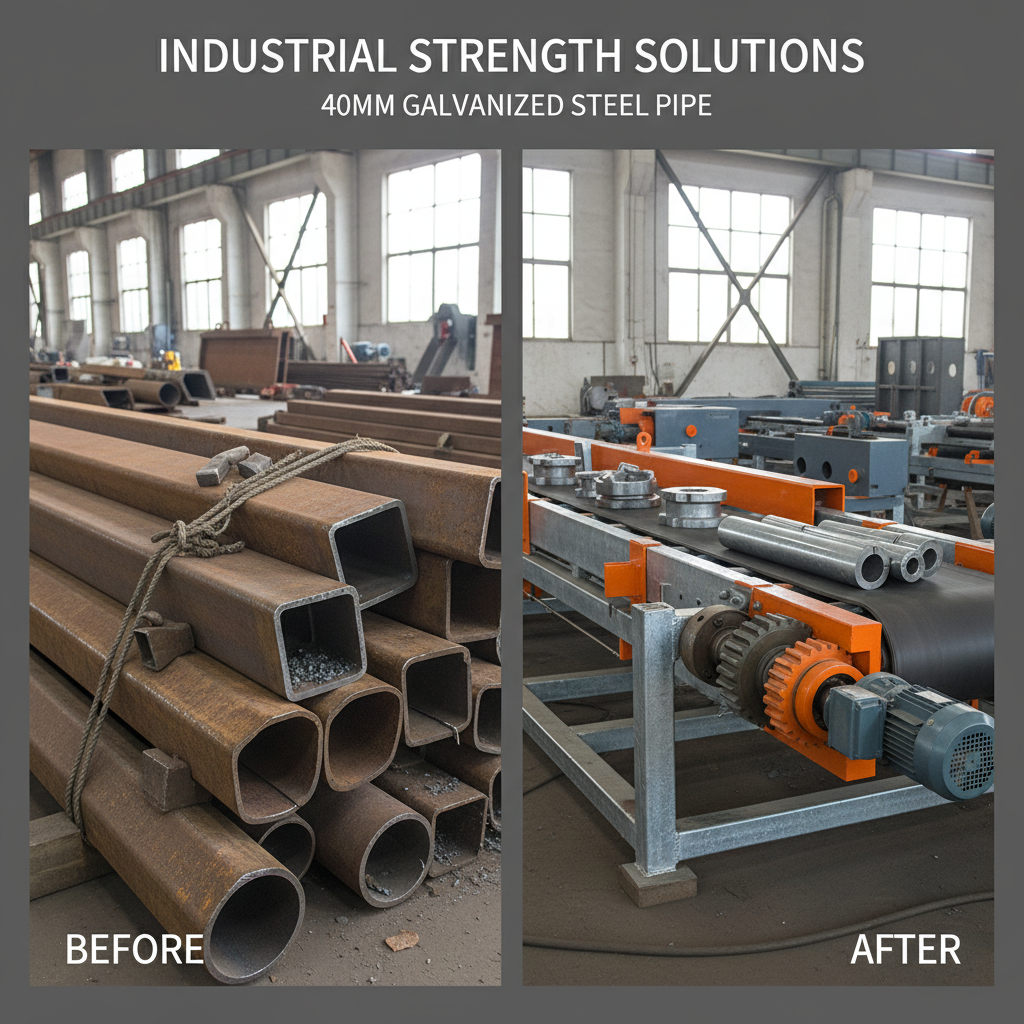
Comprehensive Guide to 40mm Metal Pipe Applications and Sourcing

40mm metal pipe is a crucial component in a wide array of industries, from construction and plumbing to industrial manufacturing and fluid transport. Its strength, durability, and versatility make it a preferred material for countless applications. This article will delve into the specifics of 40mm metal pipe, exploring its various types, common uses, benefits, and where to source high-quality piping solutions.
Comprehensive Guide to 40mm Galvanised Pipe Applications and Specifications

Comprehensive Guide to 40mm Galvanised Pipe Applications and Specifications

When planning a plumbing, structural, or industrial project, selecting the right piping material is crucial. 40mm galvanised pipe is a widely used option known for its strength, durability, and corrosion resistance. This article provides a detailed overview of 40mm galvanised pipes, exploring their applications, benefits, specifications, and considerations for optimal usage. We'll cover everything from what galvanisation is to how to choose the right pipe for your specific needs.
tel email tel top

If you are interested in our products, you can choose to leave your information here, and we will be in touch with you shortly.