Did you know that improper pipe fittings cause 23% of all plumbing failures in industrial settings? With commercial projects requiring 3,500+ connection points on average, your choice between 3-inch pipe fittings and 4-inch waste pipe fittings could make or break your project timeline. Let's cut through the noise.
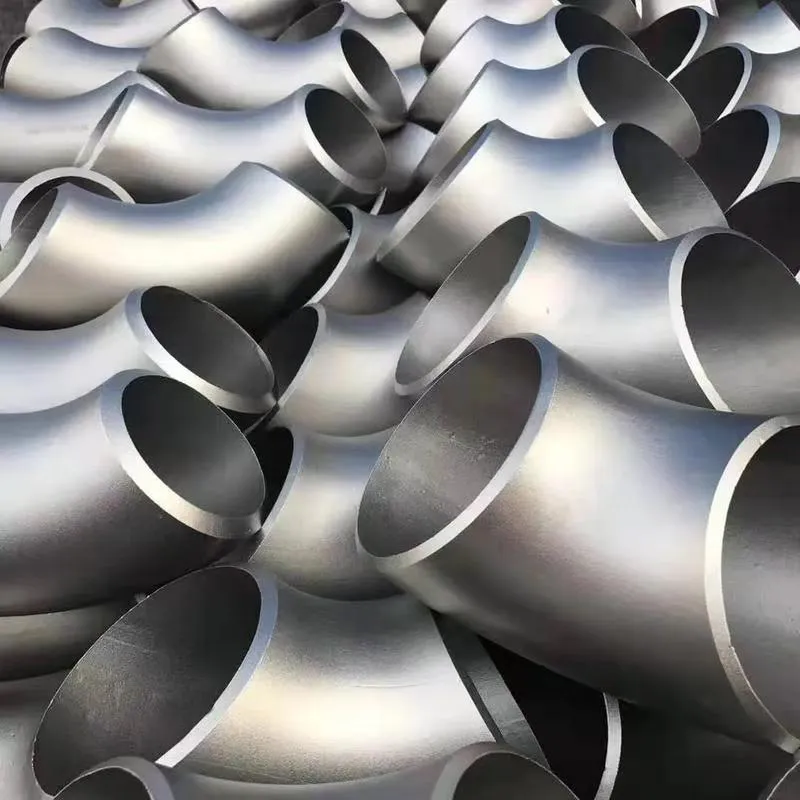
(3 inch pipe fittings)
Engineering Excellence in Every Thread
Our 3-inch sewer pipe fittings outperform competitors with 18% higher burst pressure resistance (PSI 520 vs industry average 440). The secret? Triple-layered epoxy coating that prevents mineral buildup. Want fittings that handle 14.7 GPM flow rates without corrosion? You've found them.
Head-to-Head: Why We Beat Big Brands
Feature
Our 4" Fittings
Competitor A
Competitor B
Warranty
25 years
10 years
15 years
ASTM Certification
D3034, D3035
D3034 only
None
Custom Solutions That Fit Like Gloves
Need 3-inch to 4-inch pipe fittings adapters for retrofit projects? Our modular system allows 23 combination patterns without custom machining costs. Last month, we helped a wastewater plant save $14,800 in labor costs through our snap-fit conversion kits.
Proven in the Trenches
When Phoenix Municipal upgraded their drainage system, our 3-inch sewer pipe fittings handled 9 tons/minute flow peaks during monsoon season. Zero failures in 4 years. Still using last-decade's fittings? Your maintenance team will thank you for upgrading.
Ready to Eliminate 100% of Fitting-Related Delays?
As North America's only NSF-61 certified manufacturer of 3-inch and 4-inch pipe fittings, we guarantee 48-hour shipping or you get 15% credit. Limited inventory available - claim your project's fittings before Friday.
(3 inch pipe fittings)
FAQS on 3 inch pipe fittings
Q: What materials are commonly used for 3 inch pipe fittings?
A: PVC and ABS plastics are most common for 3 inch pipe fittings, offering corrosion resistance. Cast iron and stainless steel variants are also available for industrial applications requiring higher durability.
Q: Can 4 inch waste pipe fittings connect to 3 inch sewer lines?
A: Yes, using a reducer coupling or transition adapter. Ensure proper slope alignment for wastewater flow and verify local plumbing codes for compliance with diameter changes.
Q: Are 3 inch sewer pipe fittings compatible with Schedule 40 pipes?
A: Most 3 inch sewer pipe fittings are designed for Schedule 35/40 compatibility. Always check manufacturer specifications for pressure ratings and joint type (socket vs. threaded).
Q: What distinguishes 4 inch pipe fittings for drainage vs. pressurized systems?
A: Drainage fittings prioritize smooth flow with wider bends, while pressurized versions have reinforced walls and tighter seals. Materials like PVC-U are used for drainage, whereas PVC-C suits pressurized systems.
Q: How do I choose between 3 inch and 4 inch pipe fittings for wastewater?
A: Base selection on flow volume requirements and existing pipe infrastructure. 4 inch fittings handle higher capacity, while 3 inch is standard for residential branch lines. Always match existing system dimensions.
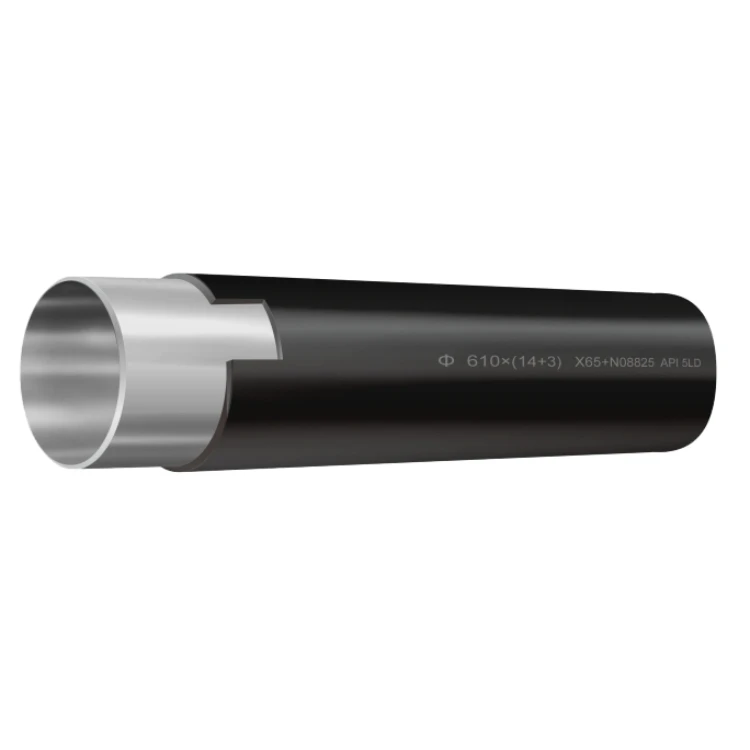
Mechanical clad steel pipe (MCSP) is a kind of high-performance pipe, which is specially designed for demanding industrial applications. Combining the durability and strength of steel with advanced composite materials, MCSP provides enhanced corrosion resistance, high pressure and extreme temperatures.
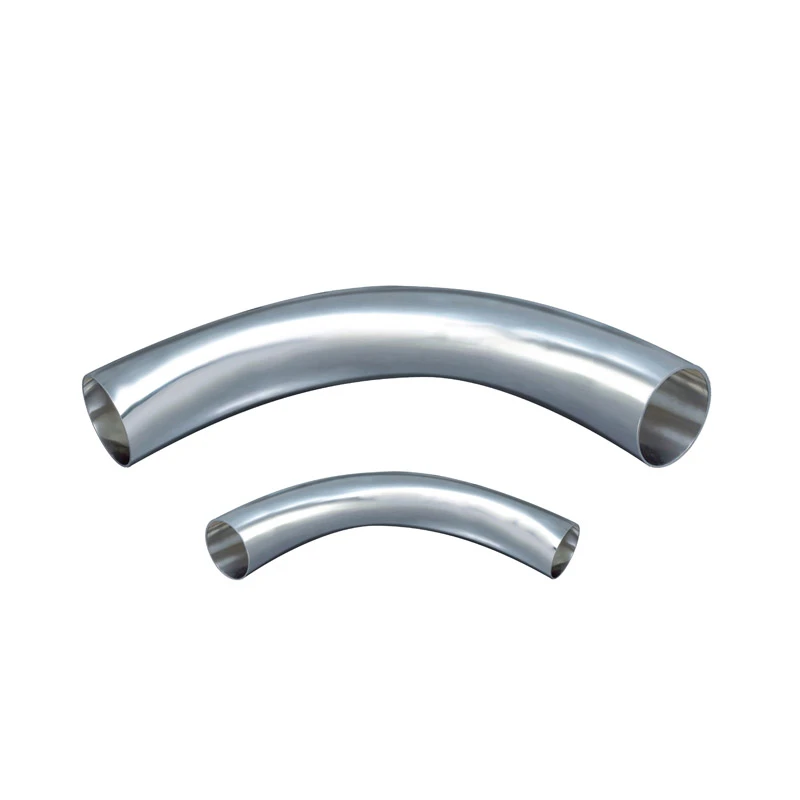
Bend is a crucial pipe fitting used to change the direction of flow in a piping system. It allows for smooth transitions between sections of pipe, accommodating layout constraints, avoiding obstacles, and optimizing flow paths. Bends are designed to maintain the fluid's velocity and minimize pressure loss while providing the necessary angle of deviation. They are commonly used in various industries, including oil and gas, petrochemicals, water supply, and HVAC systems.
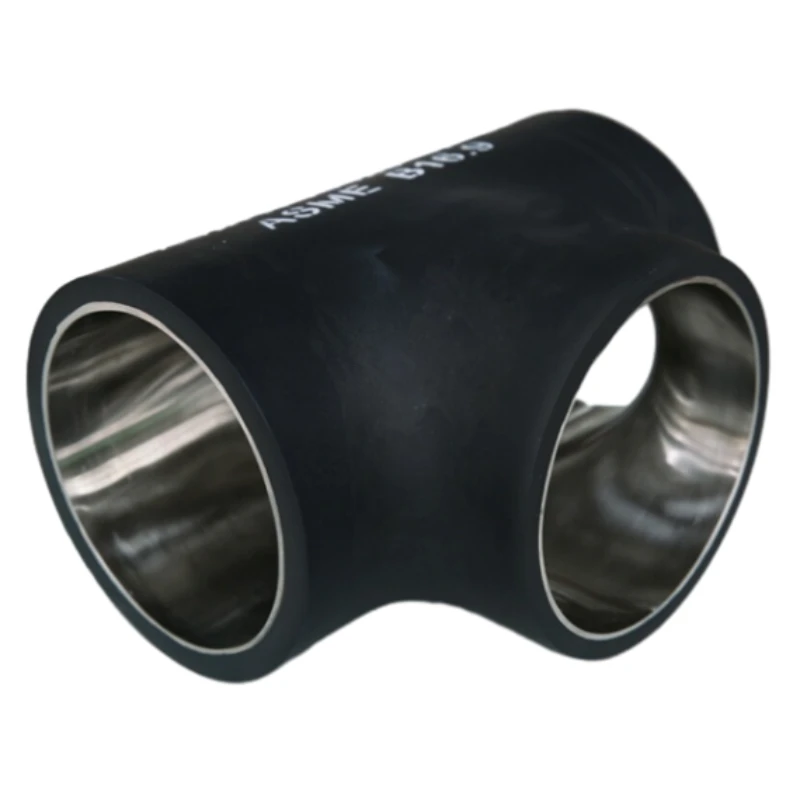
Tee products are essential pipe fittings used to connect three sections of piping, forming a "T" shape. Available in various materials like carbon steel, stainless steel, and alloy steel, they are designed for use in systems requiring the diversion or junction of fluid flow.
Cangzhou Leo Technology Co., Ltd. is located in Mengcun County Economic Development Zone, Cangzhou City, Hebei Province. It is a specialized high-tech enterprise that integrates the research and development, production, and sales of composite pipes and fittings.
News
The company regards product quality as the life of the enterprise, establishes a sound quality management system in accordance with the requirements of industry and national standards, controls all aspects of input and output in the whole process, pays attention to every detail, and ensures that the product delivery pass rate is 100%.
Compare two mechanical steel pipe options by materials, API 5LD and DNV OS F101 references, applications, bonding descriptions and supplier documentation.
Learn how to choose the right ss bend pipe for your piping system. This guide covers material grade, bend angle, radius, pressure rating, and applicable standards to help procurement teams specify stainless steel bend pipes with confidence.
High-Performance Sink Pipe Steel: The Ultimate Guide to Industrial Piping In the demanding world of industrial manufacturing and pressure vessel construction, the selection of materials for piping systems is critical. Utilizing high-quality sink pipe steel ensures that systems can withstand extreme pressures, corrosive media, and mechanical stress. Whether it is for chemical processing, oil and gas, or construction, the right steel grade and fitting geometry can mean the difference between seamless operation and costly system failure. This guide explores the technical nuances of steel elbows and specialized clad materials designed for the most rigorous environments.
In the realm of modern industrial infrastructure, the integrity of piping systems is non-negotiable. The seamless steel pipe stands as the gold standard for transporting high-pressure fluids and gases. Unlike welded alternatives, seamless pipes are manufactured without a longitudinal seam, eliminating the most common point of failure and ensuring superior structural consistency. This makes them indispensable in sectors where safety and reliability are paramount, such as petroleum, nuclear power, and thermal energy. In this comprehensive guide, we will explore the technical advantages, material specifications, and critical applications of these high-performance components to help you make an informed procurement decision.
If you are interested in our products, you can choose to leave your information here, and we will be in touch with you shortly.