tel
Email
to top

Mild Steel Exhaust Tubing: Durable, Cost-Efficient, and Globally Vital Industrial Solutions

Dec 02 2025
share:

Mild Steel Exhaust Tubing: The Backbone of Durable Industrial Exhaust Systems

When you think of exhaust systems, the intricate pipes, bends, and joins probably don’t get much thought—until something goes wrong. Yet, mild steel exhaust tubing plays a surprisingly pivotal role worldwide, from manufacturing plants to automobiles and even humanitarian logistics. Understanding this material and its uses unlocks better reliability, cost-efficiency, and sustainability in exhaust solutions globally.

Global Context of Mild Steel Exhaust Tubing

Globally, industries consume millions of tons of steel tubing annually. According to the World Steel Association, steel production surpassed 1.8 billion tons in recent years. Mild steel exhaust tubing constitutes a significant slice, mainly due to its balance of strength, flexibility, and affordability.

Why does this matter? Exhaust systems, whether in vehicles or factories, are central to managing harmful emissions and ensuring operational safety. Yet the challenge has been finding tubing that withstands heat, corrosion, and mechanical stress without breaking the bank. Mild steel exhaust tubing fills that gap by offering reliable performance while allowing producers to keep costs manageable. As global regulations nudge industries towards cleaner emissions, the demand for efficient, durable exhaust tubing is only poised to grow.

What Is Mild Steel Exhaust Tubing?

At its core, mild steel exhaust tubing is just what it says on the tin—a cylindrical pipe made from mild steel used primarily in exhaust systems to guide gases away safely. Mild steel is a low-carbon steel alloy known for its ductility and weldability, making it an ideal candidate for tubing that needs custom shapes and consistent resilience.

This tubing connects the dots between industrial machines, vehicles, and environmental safety devices — helping to channel exhaust emissions efficiently, prevent leaks, and avoid premature failures. In humanitarian contexts too, such as in setting up mobile power units after disasters, mild steel exhaust tubing is crucial for equipment longevity and safety.

Key Factors Driving the Popularity of Mild Steel Exhaust Tubing

Durability

Mild steel offers enough toughness to hold up under high temperature fluctuations and mechanical impacts, especially when treated with coatings that resist rust. It’s often preferred over thinner or brittle alternatives for exhaust applications where lifespan and safety are priorities.

Cost Efficiency

Compared with more exotic metals like stainless steel or titanium, mild steel is notably affordable. This cost advantage allows manufacturers to build extensive exhaust systems without overshooting budgets, an especially vital factor in emerging markets.

Customizability

The low carbon content means the tubing bends and welds easily without cracking, making it a favorite among engineers who need precision-fitted exhaust components. This flexibility reduces waste and speeds up production cycles.

Scalability

From single vehicle exhausts to massive industrial stacks, mild steel tubing can be produced in a variety of thicknesses and diameters. It scales well to meet both small batch and massive orders, a huge plus in globally interconnected supply chains.

Environmental Compatibility

Though recycling steel is an age-old practice, mild steel’s recyclability reduces environmental footprint noticeably. When coupled with emission management protocols, it earns a respectable place in eco-conscious manufacturing.

Product Specifications at a Glance

Specification Details
Material Grade Mild Steel (ASTM A135 / A53)
Diameter Range 10mm to 150mm (custom sizes available)
Wall Thickness 1.2mm to 5mm
Coating Options Galvanized, painted, or heat-resistant coatings
Temperature Range Up to 600°C (depends on coating and thickness)
Manufacturing Standards ISO 9001 compliant

Applications Around the Globe

Mild steel exhaust tubing finds its way into diverse sectors everywhere. In automotive manufacturing, it’s the primary material for exhaust pipes helping vehicles meet emission standards. Industrial plants in Asia and Europe deploy it extensively for smoke stacks, ventilation ducts, and exhaust systems. Oddly enough, in remote industrial zones, such tubing is vital as replacement parts because it’s easier to weld and repair on-site.

Post-disaster relief teams also rely on mobile generators and equipment with mild steel tubing in their exhaust systems to avoid breakdowns. It’s a quiet hero in maintaining safety and cleanliness when and where it matters most.

Vendor Comparison: What’s on the Market?

Vendor Price Range (per meter) Quality Certification Custom Options Lead Time
SteelWorks Ltd. $1.20 - $2.00 ISO 9001 Yes, bending & coatings 2 weeks
Global Tubes Inc. $1.50 - $2.50 ISO 9001 + CE Custom diameters, galvanized 3 weeks
EcoPipe Solutions $1.10 - $1.90 ISO 14001 (Eco-certified) Heat-resistant coatings 1 week

Advantages & Long-Term Value

  • Cost Savings: Mild steel’s affordability means projects stay on budget without sacrificing quality.
  • Longevity: When properly maintained or coated, these tubes last for years despite harsh environments.
  • Environmental Impact: Most mild steel can be recycled, reducing waste and supporting circular economies.
  • Safety and Trust: Reliable exhaust tubing helps prevent leaks and toxic gas escapes, ensuring workplace and public safety.

There’s also an emotional side to it. You feel reassured knowing that behind every engine’s roar or factory’s puff is a system built on trusted materials, designed to protect workers and communities alike.

Looking Ahead: Trends and Innovations

The industry isn’t standing still. Innovations such as high-temperature resistant coatings, integration with sensor tech for leak detection, and digital fabrication methods are on the horizon. Plus, sustainability pushes manufacturers to refine steel recycling and explore hybrid materials that maintain strength but lower environmental costs.

Perhaps most intriguing is how automation can improve manufacturing precision, reducing waste and accelerating lead times. It feels like we’re on the cusp of a mild steel tubing renaissance, driven by smarter tech and sharper environmental focus.

Challenges & Practical Solutions

Of course, mild steel tubing isn’t flawless. Corrosion remains the biggest nemesis, especially in humid or acidic environments. Oddly enough, many projects underestimate maintenance needs. However, solutions such as galvanized coatings, regular inspections, and protective wraps extend product life significantly.

Another challenge lies in fluctuating steel prices and supply chain disruptions—something many clients grapple with. Here, building strong vendor relationships and bulk purchasing strategies help smooth out unpredictabilities.

FAQs About Mild Steel Exhaust Tubing

What makes mild steel exhaust tubing suitable for vehicle exhausts?
Mild steel’s balance of flexibility, heat resistance (up to 600°C), and affordability makes it ideal for vehicle exhausts where components must withstand thermal cycling without cracking. Plus, it welds easily for custom fitment.
How long can mild steel exhaust tubing last in industrial settings?
With proper coating and maintenance, mild steel tubing can last 10-15 years or more, depending on exposure to corrosive agents. Routine inspections help catch corrosion early and prevent failures.
Is mild steel tubing environmentally friendly?
Steel is one of the most recycled materials worldwide; mild steel especially benefits from efficient recycling processes, reducing extraction impacts. When paired with thoughtful end-of-life planning, it’s a greener choice than many alternatives.
Can I order custom diameters and coatings?
Yes, most manufacturers offer customization to fit specific project needs, including diameter, thickness, and protective coatings tailored to operating conditions.

Conclusion: Why Mild Steel Exhaust Tubing Still Matters

In an age of rapid technological change, something as straightforward as mild steel exhaust tubing remains a cornerstone for industrial durability, safety, and cost efficiency. Its adaptability and accessibility make it vital for every corner of the globe—from bustling factories to emergency relief operations.

If you’re ready to explore robust and affordable exhaust tubing, visit our website at mild steel exhaust tubing for our latest options and expert advice.

Mini takeaway: Despite newer materials and tech trends, mild steel exhaust tubing remains central to both innovation and tradition in exhaust system design.


References:
  1. World Steel Association Sustainability Guidelines
  2. Mild Steel - Wikipedia
  3. ISO Standards Overview
  • Mechanical Clad Steel Pipe

    Mechanical Clad Steel Pipe

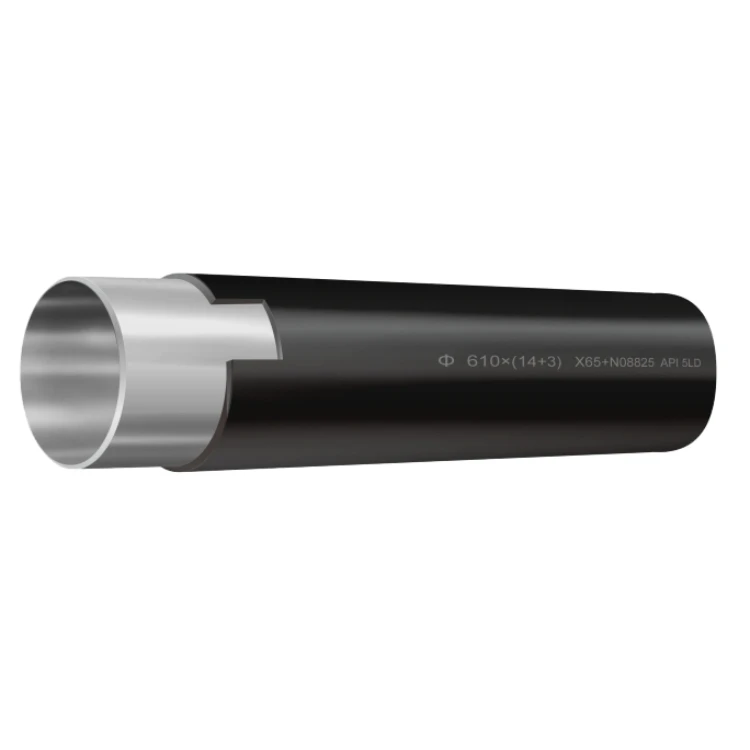
    Mechanical clad steel pipe (MCSP) is a kind of high-performance pipe, which is specially designed for demanding industrial applications. Combining the durability and strength of steel with advanced composite materials, MCSP provides enhanced corrosion resistance, high pressure and extreme temperatures.
    VIEW ALL
  • Laser Clad  Pipe

    Laser Clad Pipe

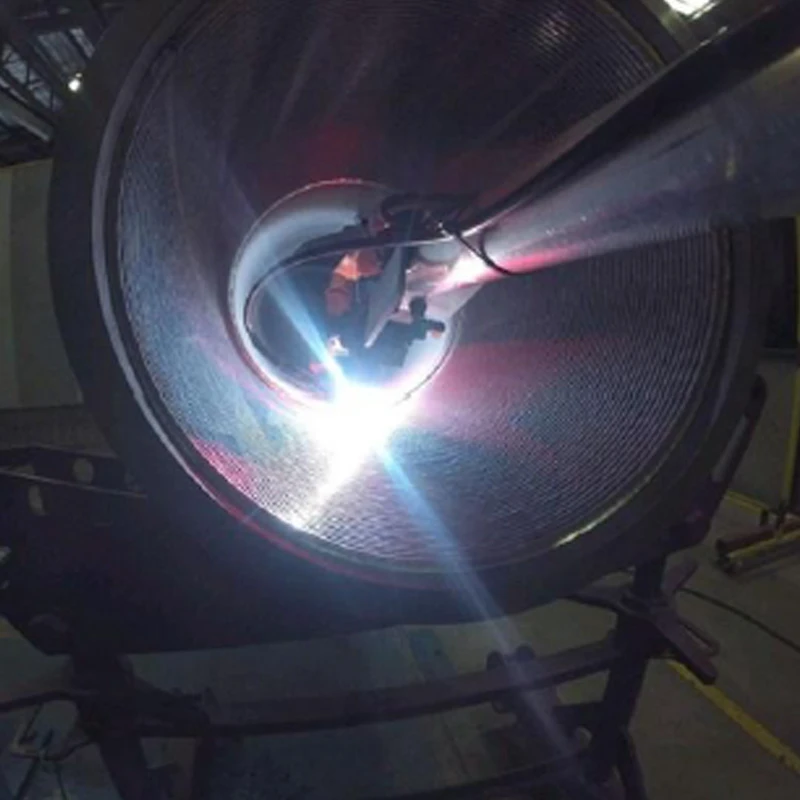
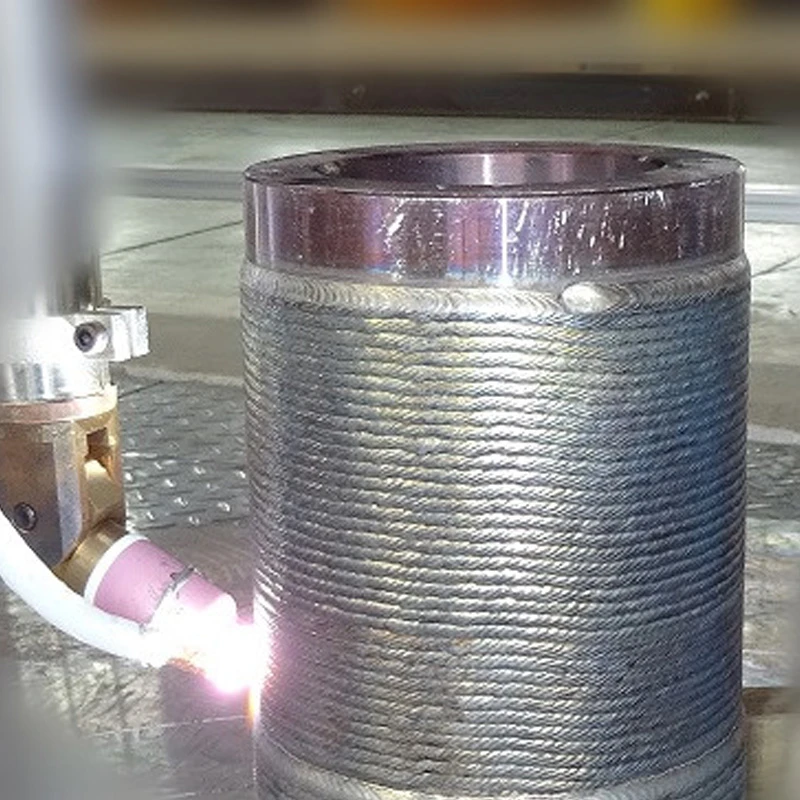
    Laser clad steel pipes are manufactured using laser cladding technology. This technology involves adding cladding material to the surface of ordinary steel pipe base material, using high-energy-density laser beams to fuse the cladding material with the steel pipe surface, forming a metallurgically bonded cladding layer. These pipes are generally used in compressed air energy storage projects as underground deep well transportation pipes or casings, as well as in oil, natural gas, and geothermal well extraction.
    VIEW ALL
  • Overlay Welding Clad Steel Pipe

    Overlay Welding Clad Steel Pipe

    Overlay Welding clad Steel Pipe features a high-performance welded overlay that enhances the pipe’s surface properties, providing superior resistance to corrosion, erosion, and wear. This process involves applying a wear-resistant alloy layer over a strong steel base, making it ideal for industries such as oil and gas, mining, and chemical processing, where pipes are exposed to harsh conditions. The overlay ensures extended service life, reduced maintenance costs, and reliable performance even in extreme environments. With its combination of strength, durability, and corrosion resistance, the Overlay Welding Steel Pipe is a trusted solution for critical applications.
    VIEW ALL
To create value for customers!
Cangzhou Leo Technology Co., Ltd. is located in Mengcun County Economic Development Zone, Cangzhou City, Hebei Province. It is a specialized high-tech enterprise that integrates the research and development, production, and sales of composite pipes and fittings.
News
The company regards product quality as the life of the enterprise, establishes a sound quality management system in accordance with the requirements of industry and national standards, controls all aspects of input and output in the whole process, pays attention to every detail, and ensures that the product delivery pass rate is 100%.
How to Select a Prefabricated Pipe for Process Service

How to Select a Prefabricated Pipe for Process Service

Select prefabricated pipe by process conditions, material route, DN15 to DN1800 size coverage, and factory assembly requirements.
SS Pipe Cap FAQ: Fit, Connections, Materials and Uses

SS Pipe Cap FAQ: Fit, Connections, Materials and Uses

Get direct answers about ss pipe cap materials, threaded or welded connections, shapes, DN and NPS sizes, schedules, uses, and associated standards.
Mechanical Steel Pipe Comparison: Materials, Standards and Supplier Documentation

Mechanical Steel Pipe Comparison: Materials, Standards and Supplier Documentation

Compare two mechanical steel pipe options by materials, API 5LD and DNV OS F101 references, applications, bonding descriptions and supplier documentation.
Choosing an SS Bend Pipe: Application Fit and Specification Checks

Choosing an SS Bend Pipe: Application Fit and Specification Checks

Learn how to choose the right ss bend pipe for your piping system. This guide covers material grade, bend angle, radius, pressure rating, and applicable standards to help procurement teams specify stainless steel bend pipes with confidence.
High Performance Sink Pipe Steel Guide for Industrial Piping

High Performance Sink Pipe Steel Guide for Industrial Piping

High-Performance Sink Pipe Steel: The Ultimate Guide to Industrial Piping In the demanding world of industrial manufacturing and pressure vessel construction, the selection of materials for piping systems is critical. Utilizing high-quality sink pipe steel ensures that systems can withstand extreme pressures, corrosive media, and mechanical stress. Whether it is for chemical processing, oil and gas, or construction, the right steel grade and fitting geometry can mean the difference between seamless operation and costly system failure. This guide explores the technical nuances of steel elbows and specialized clad materials designed for the most rigorous environments.
Ultimate Guide to Industrial Seamless Steel Pipe for Piping

Ultimate Guide to Industrial Seamless Steel Pipe for Piping

In the realm of modern industrial infrastructure, the integrity of piping systems is non-negotiable. The seamless steel pipe stands as the gold standard for transporting high-pressure fluids and gases. Unlike welded alternatives, seamless pipes are manufactured without a longitudinal seam, eliminating the most common point of failure and ensuring superior structural consistency. This makes them indispensable in sectors where safety and reliability are paramount, such as petroleum, nuclear power, and thermal energy. In this comprehensive guide, we will explore the technical advantages, material specifications, and critical applications of these high-performance components to help you make an informed procurement decision.
tel email tel top

If you are interested in our products, you can choose to leave your information here, and we will be in touch with you shortly.