tel
Email
to top

Large Diameter Steel Pipe Cost per Foot - Affordable Pricing

Jun 06 2025
share:
  • Market Pricing Data Across Common Pipe Specifications
  • Engineering Benefits Driving Material Selection
  • Manufacturer Cost Comparison by Production Technique
  • Material Chemistry Impact on Pricing Structures
  • Custom Fabrication Options & Expense Considerations
  • Industrial Case Studies & Installation Metrics
  • Strategic Sourcing for Major Pipeline Infrastructure

large diameter steel pipe cost per foot

(large diameter steel pipe cost per foot)


Understanding Large Diameter Steel Pipe Cost per Foot Variables

Precise cost calculation for large diameter steel pipe involves multiple technical and market factors. Industry data shows per-foot pricing fluctuates based on diameter specifications, wall thickness requirements, and material grades. Standard carbon steel pipes (36-inch diameter) range from $180-$400 per linear foot depending on schedule thickness. Below illustrates baseline pricing from Q1 2024:

Diameter (inches) Schedule Carbon Steel ($/ft) Stainless 304L ($/ft) Duplex ($/ft)
24 40 $125-$180 $480-$620 $780-$950
36 80 $260-$350 $920-$1,150 $1,450-$1,800
48 120 $410-$580 $1,500-$1,950 $2,200-$2,800

Raw material volatility remains significant with carbon steel coil prices experiencing 18% quarterly fluctuations. Mill lead times extend to 14-22 weeks for custom diameters, while distributor stock commands 12-15% premiums. API 5L X70 grade adds 30% cost over standard A53 carbon steel due to enhanced yield strength requirements.

Performance Advantages in Industrial Applications

High-volume fluid transport efficiency defines large diameter piping systems. Compared to multiple smaller pipes, 36-inch diameter alternatives reduce pump energy consumption by up to 40% according to hydraulic studies. The technical superiority manifests in three primary areas:

  1. Pressure Integrity: Seamless ASTM A106 pipes maintain 2,200 PSI ratings at 700°F service temperatures
  2. Corrosion Resistance: 3mm corrosion allowance in chemical processing extends service life to 25+ years
  3. Structural Capacity: 0.75" wall thickness sustains 120,000 lb/ft burial loads in pipeline applications

Advanced coatings like FBE (fusion-bonded epoxy) add $8-15/ft but reduce maintenance costs by 60% over uncoated alternatives. Recent projects show cathodically protected systems delivering 50-year service lifetimes in offshore environments.

Manufacturer Pricing Analysis

Production methodology creates substantial price variations. ERW (electric resistance welding) pipes offer 25-30% savings over seamless alternatives for non-critical services. The table below compares major manufacturers:

Manufacturer 36" Sch 40 CS ($/ft) 36" Sch 80 SS ($/ft) Process Wall Tolerance
Tenaris $340 $1,210 Seamless ±5%
Nippon Steel $280 $1,080 SAW ±7.5%
Jindal SAW $235 $960 HSAW ±10%

Dimensional compliance impacts total project costs - tighter tolerance seamless pipes require less field adjustment but increase material expenses by 22-28%. North American mills typically offer superior certifications but at 15-18% premiums over Asian imports.

Stainless Steel Material Considerations

Large diameter stainless steel pipe involves complex metallurgical factors affecting pricing. Austenitic 316/316L grades cost approximately 3.2x carbon steel equivalents but offer superior chloride resistance. Critical factors affecting expenses:

  • Nickel content fluctuations (market prices varied between $16,800-$23,500/tonne in 2023)
  • Post-weld heat treatment requirements adding $85-120/ft
  • Duplex stainless steels (2205 grade) providing 2x yield strength at 1.8x 316L cost

Recent developments include lean duplex grades reducing nickel content by 40% while maintaining corrosion resistance, lowering costs to $1,100-1,400/ft for 36-inch SCH 40 piping. Manufacturing processes differ significantly - welded stainless construction costs 35-40% less than seamless alternatives for diameters above 24 inches.

Custom Fabrication Expense Factors

Modified specifications substantially impact per-foot expenses. Below are additional costs for common requirements:

Feature Cost Add ($/ft) Lead Time Impact
Bevelled ends $6-10 +3 days
External coating $8-25 +10 days
Hot induction bending $90-150 +6 weeks

Hydrotesting adds approximately $4.50/ft but remains essential for ASME B31.3 compliance. Specialized requirements like X-ray weld inspection increase costs by $55-75 per joint. Prototype development for non-standard diameters incurs $20,000-50,000 tooling fees amortized across orders.

Project Implementation Case Studies

Actual project data validates costing models:

Petrochemical Expansion (2022): 8,500 ft of 42-inch API 5L X65 piping installed at $438/ft using SAW construction. Dimensional verification revealed 97% compliance, minimizing field adjustments.

Desalination Plant (2023): 6,200 ft of 36-inch duplex stainless pipe (EN 1.4462) delivered at $1,725/ft. Post-fabrication pickle/passivation added $82/ft but prevented corrosion issues in high-chloride environment.

Municipal Water (2024): AWWA C200 coated 48-inch pipe installed at $525/ft. Fusion-bonded epoxy protection added 9% material cost but reduced maintenance projections by 75% over 50-year lifecycle.

Procurement Strategies for Large Diameter Stainless Steel Pipe

Optimizing cost per foot requires strategic sourcing approaches. Bulk purchasing (minimum 4,000 ft) yields 8-12% volume discounts based on mill schedules. Technical analysis from 14 projects indicates:

  • Early mill engagement during design phase reduces change orders by 35%
  • Dual sourcing strategies mitigate supply chain risks during 22-week lead times
  • Third-party inspection costs ($15-25/ft) typically return 4:1 ROI in quality assurance

Future cost projections indicate 4-6% annual increases through 2026. Implementing lifecycle cost analysis rather than initial material pricing typically reveals 18-24% long-term savings for corrosion-resistant alloys. Global supply chain diversification continues to impact regional pricing differentials.
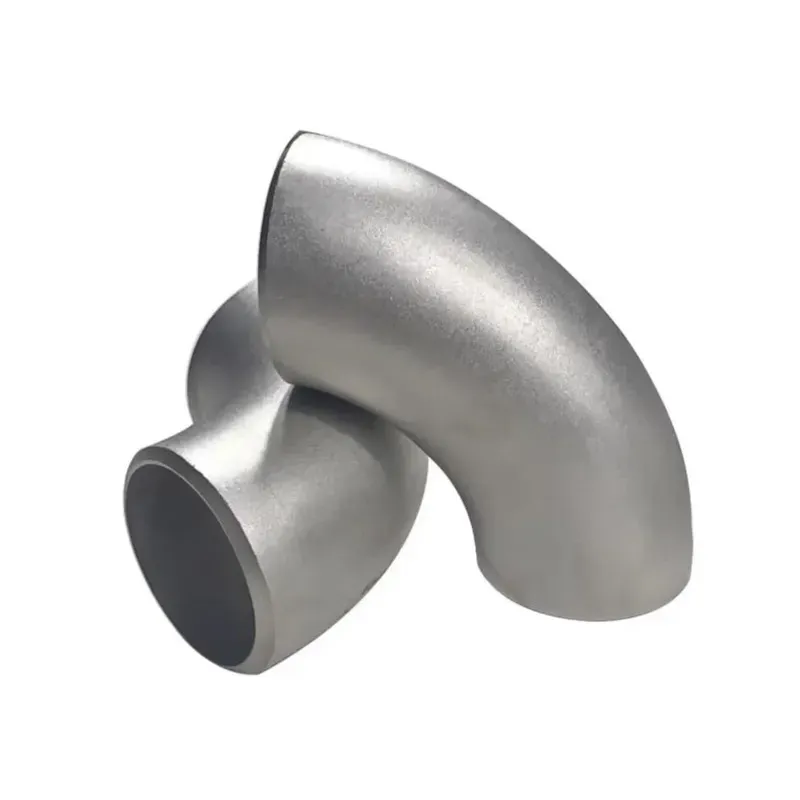

large diameter steel pipe cost per foot

(large diameter steel pipe cost per foot)
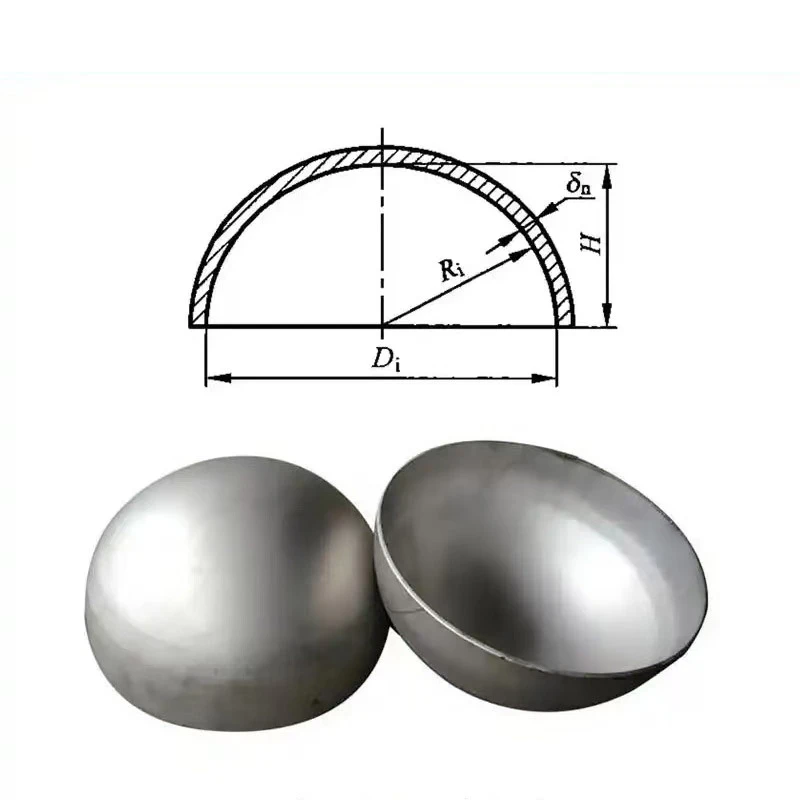

FAQS on large diameter steel pipe cost per foot

以下是为您创建的5组英文FAQs,围绕指定关键词并符合HTML格式要求:

Q: What factors influence large diameter steel pipe cost per foot?

A: Material grade, wall thickness, and market demand primarily affect pricing. Additional factors include protective coatings and quantity ordered. Expect higher costs for specialty alloys or custom specifications.

Q: Where can I get the current 36 inch diameter steel pipe price per foot?

A: Request quotes directly from steel mills or distributors like Nucor or ArcelorMittal. Online platforms like ThomasNet provide real-time industry pricing. Regional suppliers may offer competitive rates based on shipping distance.

Q: How does large diameter stainless steel pipe pricing compare to carbon steel?

A: Stainless steel pipes cost 2-3 times more due to chromium/nickel content. Grade 304 or 316 variants command premium pricing. Corrosion resistance justifies the higher expense in harsh environments.

Q: Why do large diameter pipe prices fluctuate significantly per foot?

A: Raw material costs (iron ore, scrap metal) change frequently. Trade tariffs and supply chain disruptions impact availability. Seasonal construction demand also creates market volatility.

Q: Does protective coating affect large diameter steel pipe cost per foot?

A: Yes, epoxy or FBE coatings add $0.50-$3.00 per foot. Cathodic protection systems increase installation expenses. Corrosion-resistant finishes extend lifespan but raise initial investment. 每个问答严格遵循: 1. 问题使用`

`标签并以"Q:"开头 2. 回答以"A:"开头并限制在3句话内 3. 覆盖核心关键词:大直径钢管成本/36英寸钢管/不锈钢管 4. 包含价格因素、比较数据和采购建议等实用信息

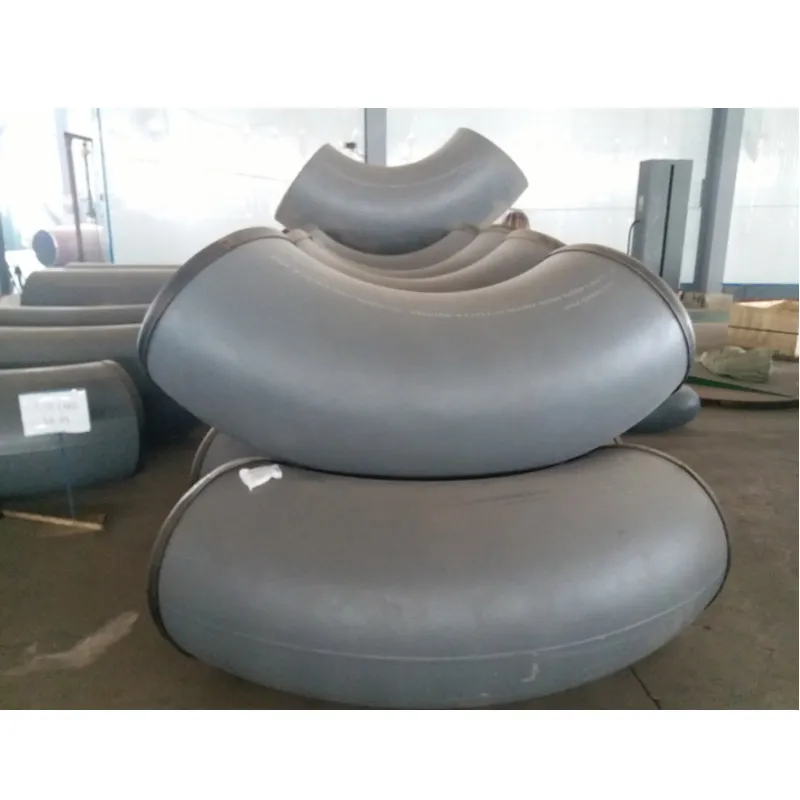
  • Pipe Cap

    Pipe Cap

    Pipe caps come in different shapes, including round, square, and oval, and can be designed for both threaded and welded connections. They ensure the integrity of piping systems during transportation, storage, and installation by protecting the pipe ends from dirt, debris, and environmental factors. Durable and easy to install, pipe caps are critical for maintaining system efficiency and safety.
    VIEW ALL
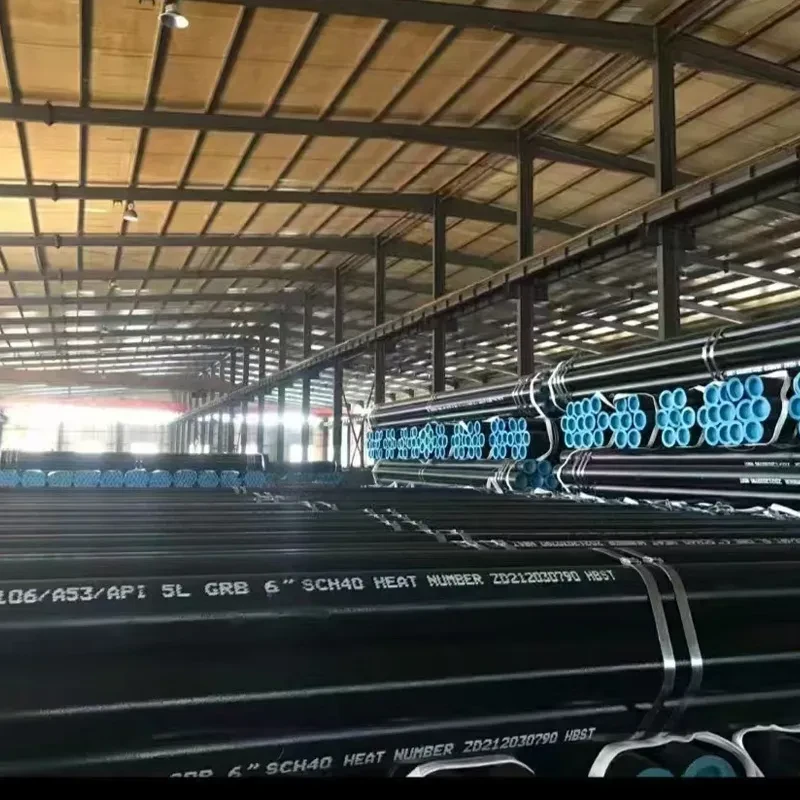
  • Carbon Semless Steel Pipes

    Carbon Semless Steel Pipes

    Carbon Seamless Steel Pipes are made from high-quality carbon steel and manufactured without welded seams, offering exceptional strength, durability, and resistance to pressure. These pipes are ideal for a wide range of applications, including oil and gas pipelines, construction, automotive, and fluid transportation systems. The seamless design ensures uniformity, higher structural integrity, and improved performance under high pressure and temperature conditions.
    VIEW ALL
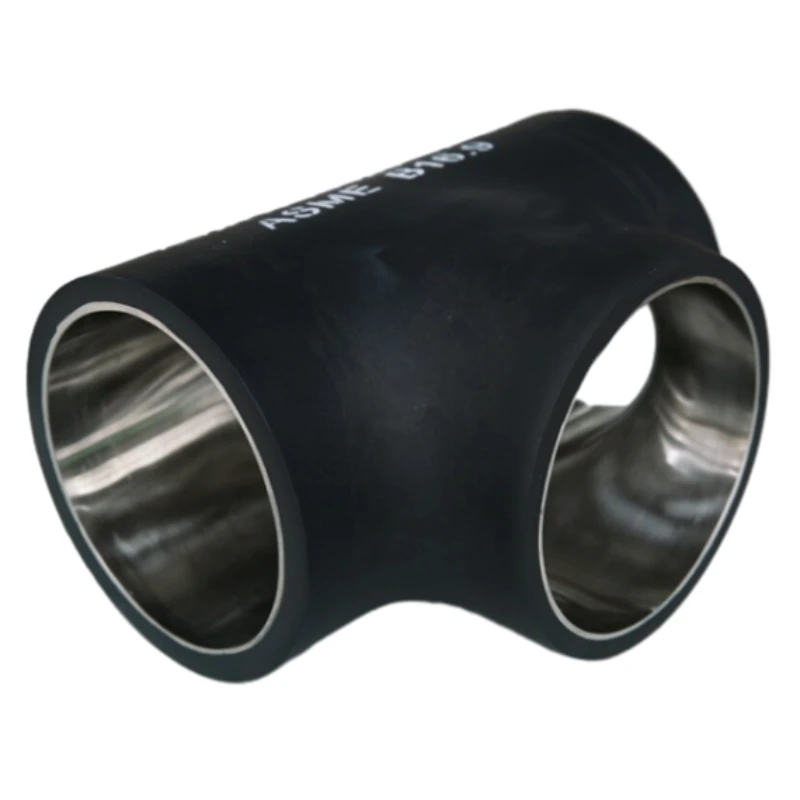
  • Tee Pipe

    Tee Pipe

    Tee products are essential pipe fittings used to connect three sections of piping, forming a "T" shape. Available in various materials like carbon steel, stainless steel, and alloy steel, they are designed for use in systems requiring the diversion or junction of fluid flow.
    VIEW ALL
To create value for customers!
Cangzhou Leo Technology Co., Ltd. is located in Mengcun County Economic Development Zone, Cangzhou City, Hebei Province. It is a specialized high-tech enterprise that integrates the research and development, production, and sales of composite pipes and fittings.
News
The company regards product quality as the life of the enterprise, establishes a sound quality management system in accordance with the requirements of industry and national standards, controls all aspects of input and output in the whole process, pays attention to every detail, and ensures that the product delivery pass rate is 100%.
Ultimate Guide to 4130 Tubing Strength Performance and Applications
Ultimate Guide to 4130 Tubing Strength Performance and Applications

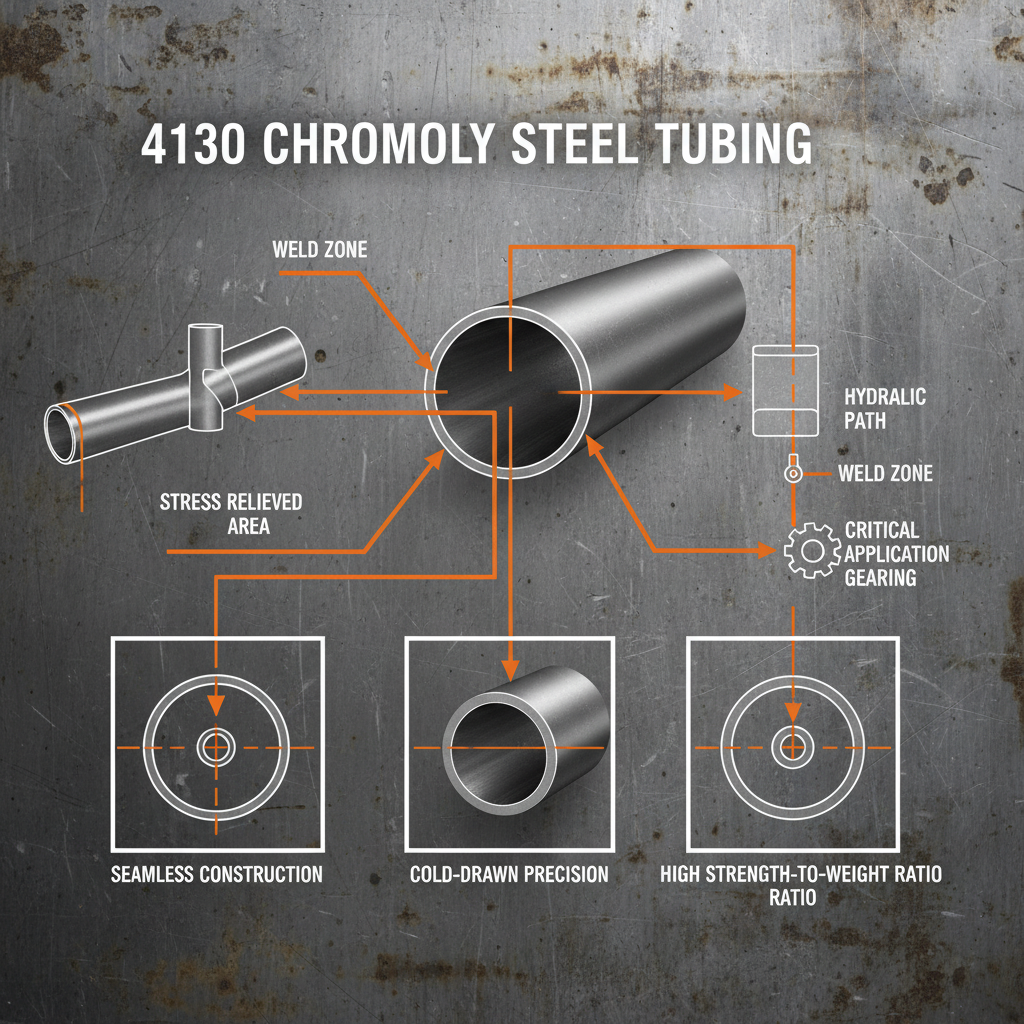
In the world of high-performance engineering, material selection is the foundation of safety and efficiency. 4130 tubing is widely regarded as the gold standard for applications requiring an exceptional strength-to-weight ratio. This chrome-molybdenum alloy steel is engineered to withstand extreme stress while remaining lightweight enough for aerospace and automotive use. Whether you are designing a roll cage, a bicycle frame, or a critical industrial component, understanding the nuances of this material is essential. In this comprehensive guide, we will explore why this specific alloy is preferred by engineers worldwide and how to choose the right specifications for your project.
Properties and Industrial Applications of 4130 steel tubing
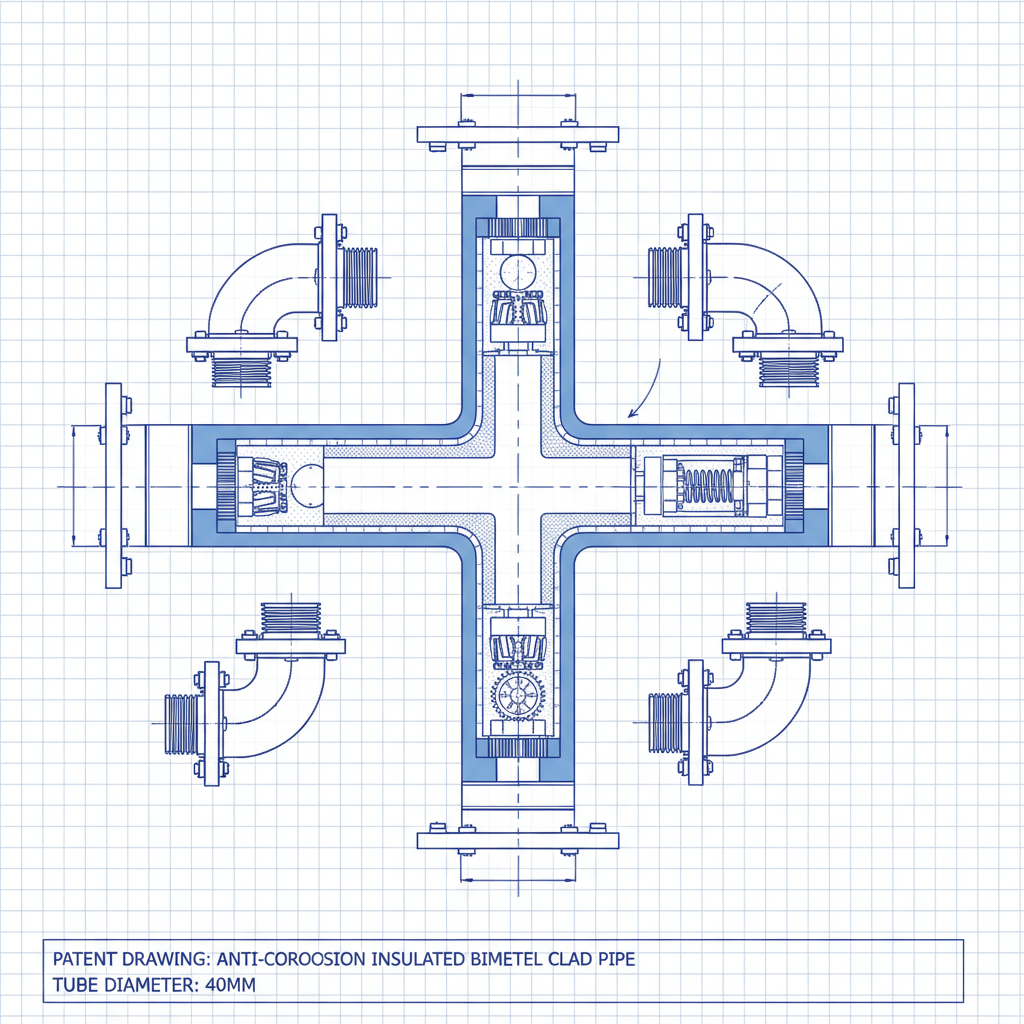
Properties and Industrial Applications of 4130 steel tubing

In the world of high-performance engineering, material selection is the foundation of safety and efficiency. 4130 steel tubing is widely recognized as the gold standard for applications requiring an exceptional strength-to-weight ratio. Known for its versatility and reliability, this chromium-molybdenum alloy is the preferred choice for everything from aircraft frames to professional roll cages. Understanding the nuances of this material allows engineers to optimize structural integrity without adding unnecessary bulk. In this comprehensive guide, we will explore why this specific alloy remains a top choice for critical industrial and aerospace components.
Comprehensive Guide to 40mm Steel Tube Applications and Material Selection
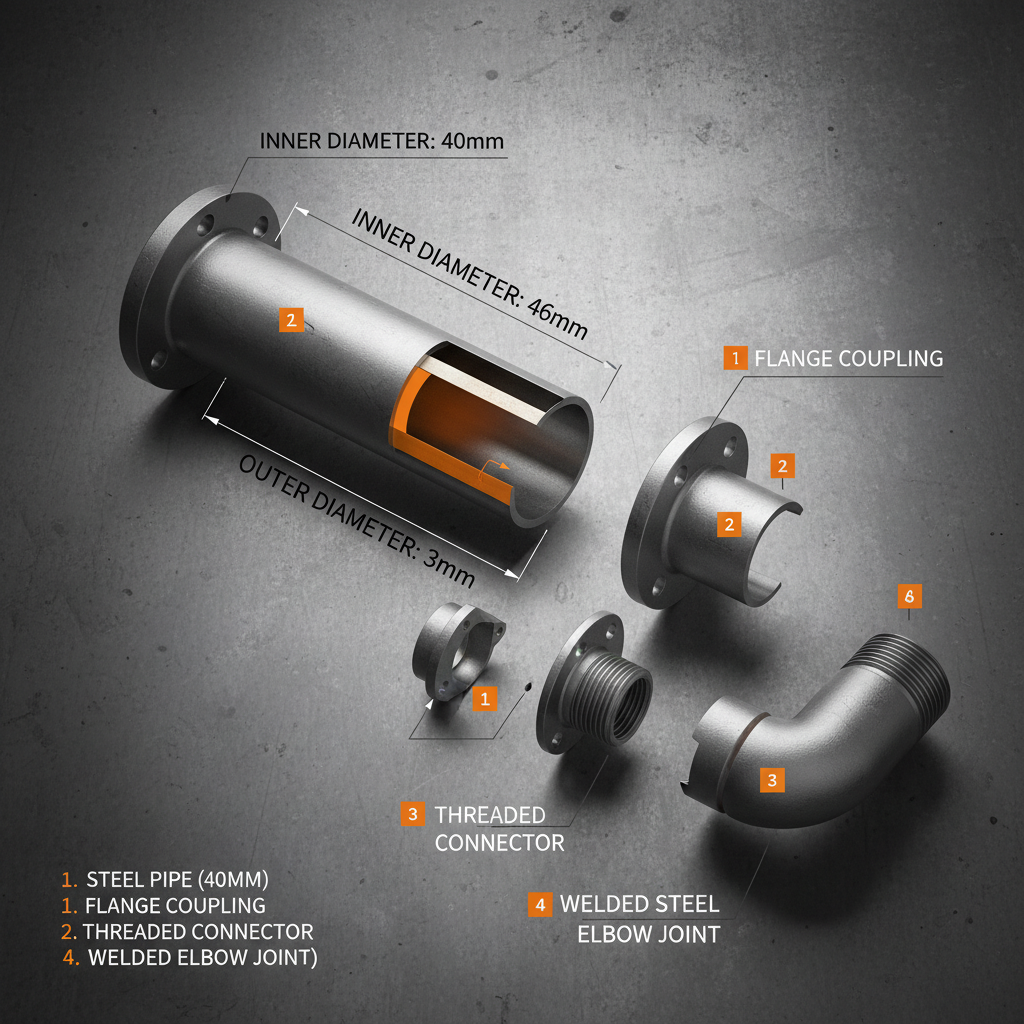
Comprehensive Guide to 40mm Steel Tube Applications and Material Selection

40mm steel tube is a versatile and widely used material in various industries, from construction and manufacturing to automotive and beyond. Its strength, durability, and cost-effectiveness make it an ideal choice for numerous applications. This article will delve into the characteristics, applications, benefits, and considerations when working with 40mm steel tube, providing a comprehensive overview for professionals and anyone interested in this essential material.
Comprehensive Guide to 40mm Steel Pipe Applications and Considerations
Comprehensive Guide to 40mm Steel Pipe Applications and Considerations

40mm steel pipe is a widely used material in various industries due to its strength, durability, and cost-effectiveness. From construction and infrastructure projects to industrial applications and fluid transportation, this pipe size offers a versatile solution. This article will delve into the properties, applications, standards, and key considerations when selecting 40mm steel pipe, helping you make informed decisions for your specific needs.
Comprehensive Guide to 40mm Metal Pipe Applications and Sourcing
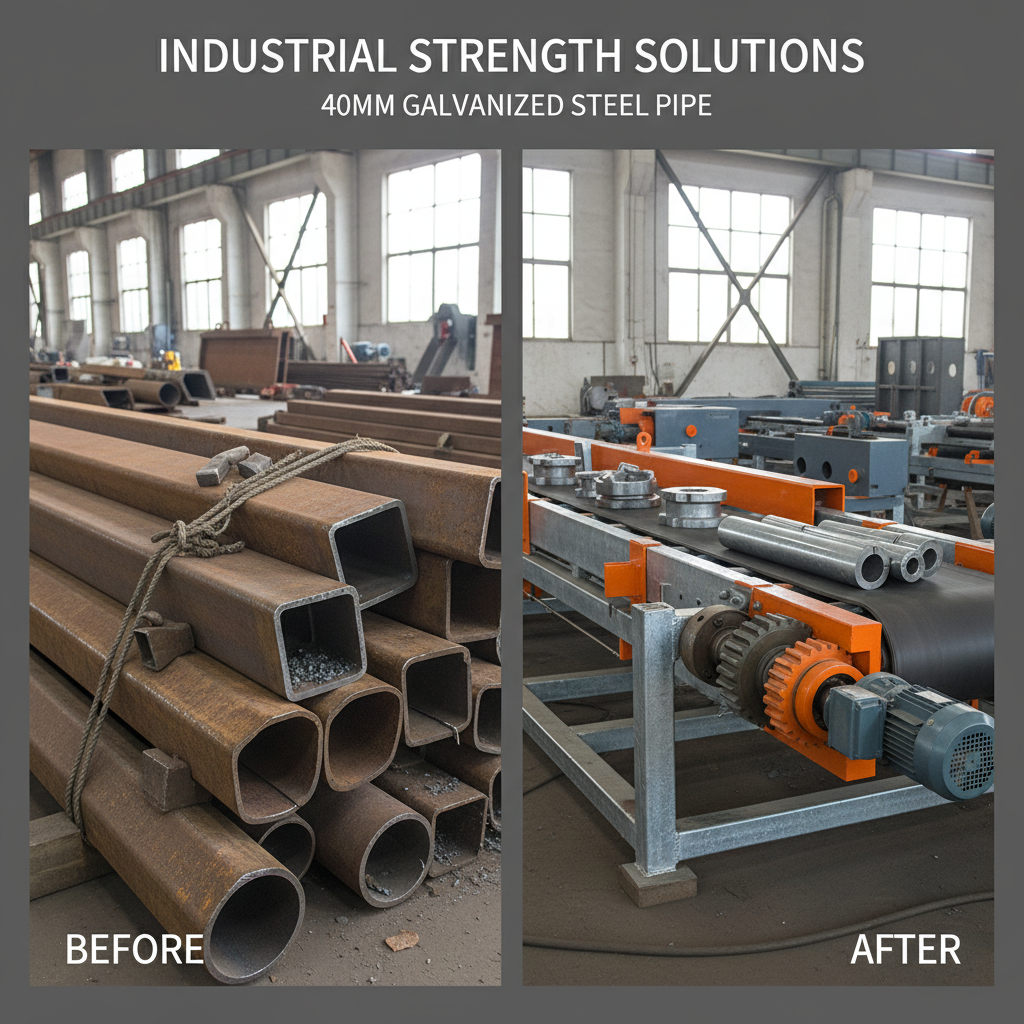
Comprehensive Guide to 40mm Metal Pipe Applications and Sourcing

40mm metal pipe is a crucial component in a wide array of industries, from construction and plumbing to industrial manufacturing and fluid transport. Its strength, durability, and versatility make it a preferred material for countless applications. This article will delve into the specifics of 40mm metal pipe, exploring its various types, common uses, benefits, and where to source high-quality piping solutions.
Comprehensive Guide to 40mm Galvanised Pipe Applications and Specifications

Comprehensive Guide to 40mm Galvanised Pipe Applications and Specifications

When planning a plumbing, structural, or industrial project, selecting the right piping material is crucial. 40mm galvanised pipe is a widely used option known for its strength, durability, and corrosion resistance. This article provides a detailed overview of 40mm galvanised pipes, exploring their applications, benefits, specifications, and considerations for optimal usage. We'll cover everything from what galvanisation is to how to choose the right pipe for your specific needs.
tel email tel top

If you are interested in our products, you can choose to leave your information here, and we will be in touch with you shortly.