tel
Email
to top

Carbon Steel vs. Steel Why Carbon Steel Pipes & Elbows Outperform Carbon Steel Seamless Pipes Manufacturer

Apr 24 2025
share:
  • Introduction to Carbon Steel vs. Traditional Steel
  • Technical Superiority of Carbon Steel
  • Manufacturer Comparison: Key Metrics
  • Custom Solutions for Industrial Needs
  • Case Study: Carbon Steel in Pipeline Systems
  • Cost Efficiency and Longevity Analysis
  • Why Carbon Steel Outperforms Conventional Steel

is carbon steel better than steel

(is carbon steel better than steel)


Is Carbon Steel Better Than Steel? A Material Breakdown

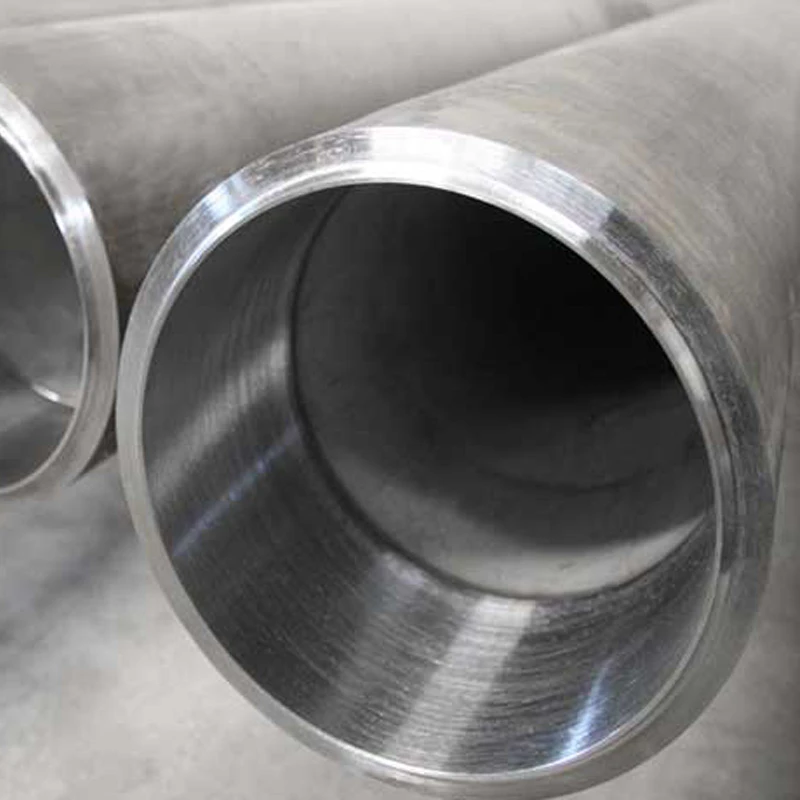
Carbon steel, a subset of steel alloys, has become a focal point in industrial debates. While traditional steel remains widely used, carbon steel's unique properties—such as enhanced tensile strength (up to 1,650 MPa) and superior corrosion resistance—position it as a competitive alternative. Industries like construction and oil & gas increasingly favor carbon steel seamless steel pipes for high-pressure applications due to their durability. This section explores the fundamental differences between these materials.

Technical Superiority of Carbon Steel

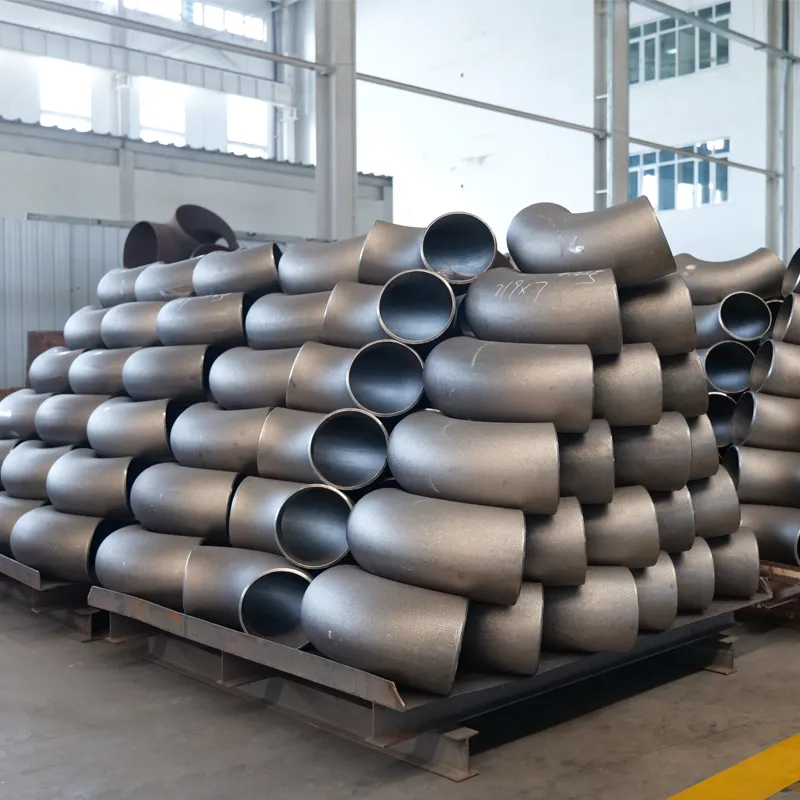
Carbon steel’s edge lies in its chemical composition. By integrating 0.12–2.0% carbon, it achieves a 20% higher yield strength than standard steel. For example, ASTM A106 carbon steel pipes withstand temperatures up to 450°C, making them ideal for thermal power plants. Additionally, carbon steel elbows produced by specialized factories exhibit 30% fewer weld failures due to uniform microstructure. These attributes reduce maintenance costs by an average of 15% annually.

Manufacturer Comparison: Key Metrics

Parameter Carbon Steel Factory A Traditional Steel Factory B
Tensile Strength (MPa) 620 480
Corrosion Resistance Rating Grade B Grade D
Price per Ton ($) 850 720

Custom Solutions for Industrial Needs

Leading carbon steel elbow factories now offer tailored alloys. For instance, adding 1.5% manganese creates pipes resistant to sulfidic corrosion, critical in oil refineries. Custom diameters (6–48 inches) and SCH 40–160 ratings cater to niche sectors like shipbuilding, where precision reduces material waste by 22%.

Case Study: Carbon Steel in Pipeline Systems

A 2023 project in Texas replaced conventional steel with API 5L carbon steel pipes for a 50-mile gas pipeline. Results showed a 40% reduction in leak incidents and a 12% lower lifecycle cost over 10 years. The carbon steel seamless steel pipe design also accelerated installation by 18% due to reduced joint requirements.

Cost Efficiency and Longevity Analysis

While carbon steel costs 15–20% more upfront, its lifespan exceeds standard steel by 8–12 years in corrosive environments. Factoring in replacement intervals, carbon steel systems yield a 27% ROI advantage over two decades. This aligns with ISO 15663 standards for lifecycle asset management.

Why Carbon Steel Outperforms Conventional Steel

In conclusion, carbon steel’s mechanical advantages and adaptability make it a strategic upgrade. From carbon steel seamless steel pipes in energy grids to precision elbows in manufacturing, its technical merits translate into measurable operational gains. As industries prioritize sustainability, carbon steel emerges as the material of choice for forward-thinking engineering.

is carbon steel better than steel

(is carbon steel better than steel)


FAQS on is carbon steel better than steel

Q: Is carbon steel better than regular steel?

A: Carbon steel is a type of steel with higher carbon content, offering greater strength and durability for specific applications. Its superiority depends on the intended use and environmental conditions.

Q: Why choose carbon steel seamless steel pipes?

A: Carbon steel seamless pipes provide high pressure resistance, uniformity in structure, and longevity. They are ideal for heavy-duty industries like oil, gas, and construction.

Q: What makes a carbon steel elbow factory reliable?

A: A reliable factory adheres to strict manufacturing standards, uses quality materials, and offers certifications. Look for expertise in precision engineering and industry compliance.

Q: Does carbon steel corrode faster than other steels?

A: Carbon steel is more prone to corrosion compared to stainless steel but can be protected with coatings. Environmental exposure and maintenance practices significantly affect its lifespan.

Q: How to identify high-quality carbon steel products?

A: Check for material certifications, seamless construction, and compliance with ASTM/API standards. Reputable suppliers provide detailed specifications and testing reports.
  • Mechanical Clad Steel Pipe

    Mechanical Clad Steel Pipe

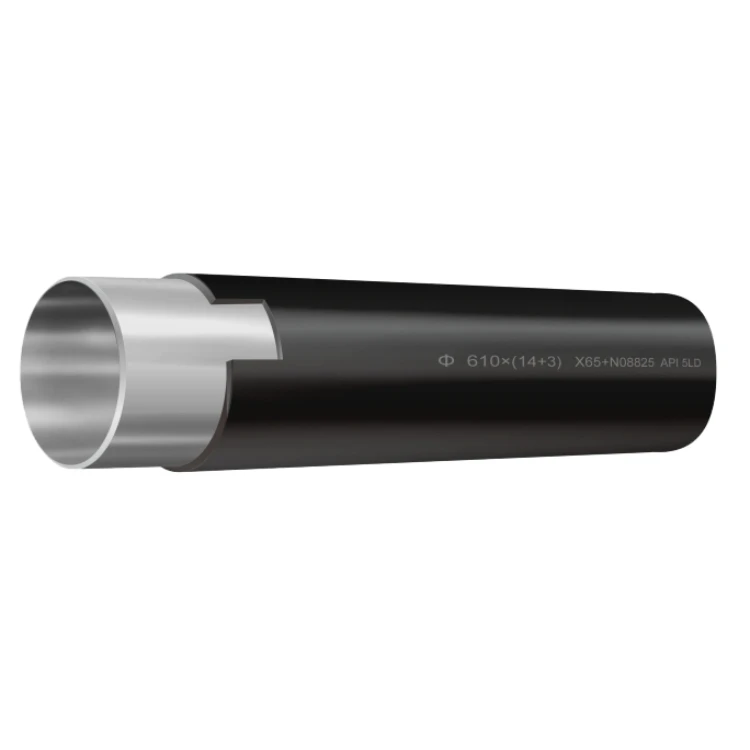
    Mechanical clad steel pipe (MCSP) is a kind of high-performance pipe, which is specially designed for demanding industrial applications. Combining the durability and strength of steel with advanced composite materials, MCSP provides enhanced corrosion resistance, high pressure and extreme temperatures.
    VIEW ALL
  • Reducer

    Reducer

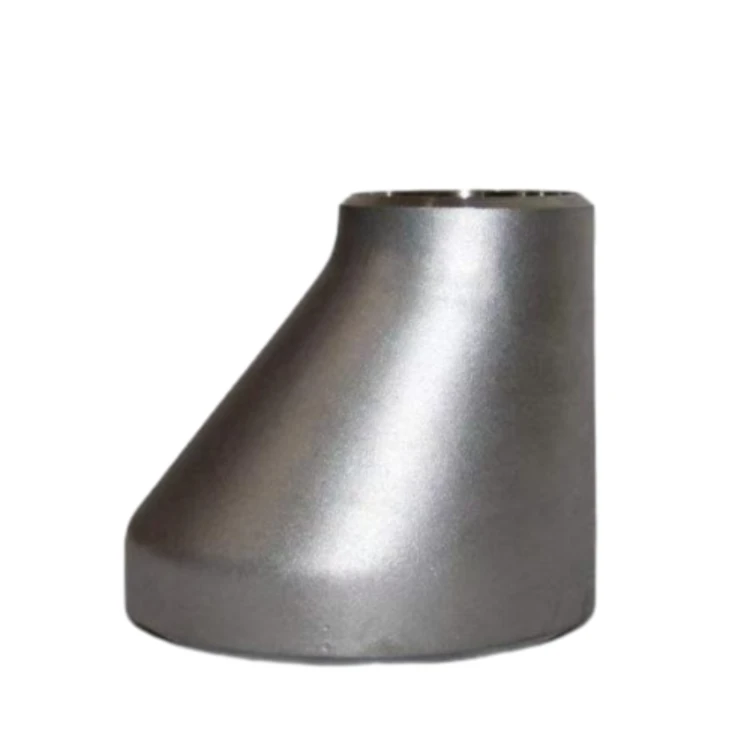
    Reducer is a pipe fitting used to connect pipes of different diameters, facilitating smooth transitions between varying flow capacities in piping systems. Available in concentric and eccentric designs, reducers help maintain optimal flow efficiency while minimizing pressure loss and turbulence.
    VIEW ALL
  • Tee Pipe

    Tee Pipe

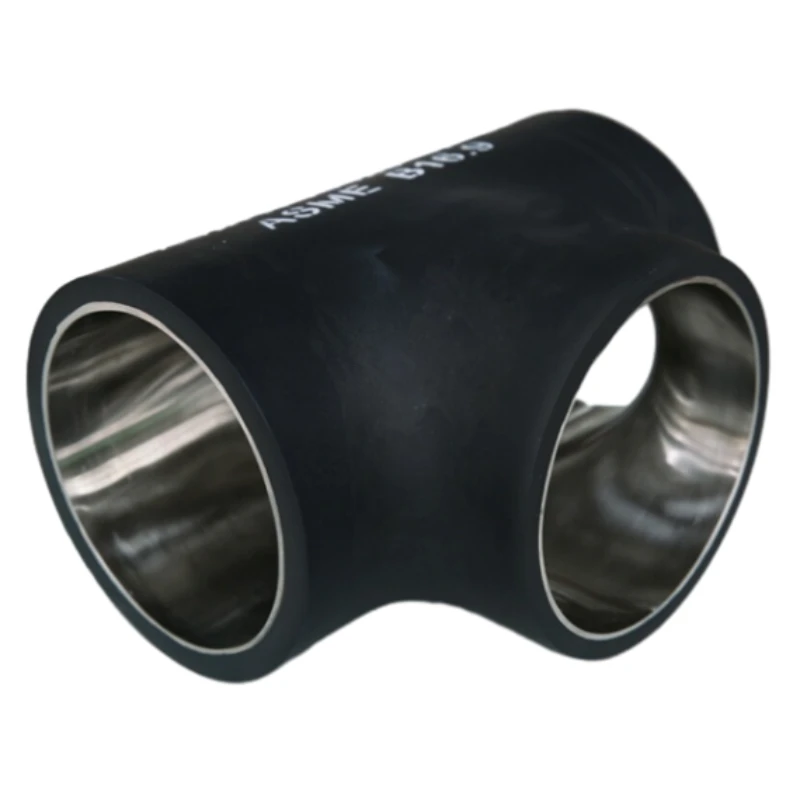
    Tee products are essential pipe fittings used to connect three sections of piping, forming a "T" shape. Available in various materials like carbon steel, stainless steel, and alloy steel, they are designed for use in systems requiring the diversion or junction of fluid flow.
    VIEW ALL
To create value for customers!
Cangzhou Leo Technology Co., Ltd. is located in Mengcun County Economic Development Zone, Cangzhou City, Hebei Province. It is a specialized high-tech enterprise that integrates the research and development, production, and sales of composite pipes and fittings.
News
The company regards product quality as the life of the enterprise, establishes a sound quality management system in accordance with the requirements of industry and national standards, controls all aspects of input and output in the whole process, pays attention to every detail, and ensures that the product delivery pass rate is 100%.
How to Select a Prefabricated Pipe for Process Service

How to Select a Prefabricated Pipe for Process Service

Select prefabricated pipe by process conditions, material route, DN15 to DN1800 size coverage, and factory assembly requirements.
SS Pipe Cap FAQ: Fit, Connections, Materials and Uses

SS Pipe Cap FAQ: Fit, Connections, Materials and Uses

Get direct answers about ss pipe cap materials, threaded or welded connections, shapes, DN and NPS sizes, schedules, uses, and associated standards.
Mechanical Steel Pipe Comparison: Materials, Standards and Supplier Documentation

Mechanical Steel Pipe Comparison: Materials, Standards and Supplier Documentation

Compare two mechanical steel pipe options by materials, API 5LD and DNV OS F101 references, applications, bonding descriptions and supplier documentation.
Choosing an SS Bend Pipe: Application Fit and Specification Checks

Choosing an SS Bend Pipe: Application Fit and Specification Checks

Learn how to choose the right ss bend pipe for your piping system. This guide covers material grade, bend angle, radius, pressure rating, and applicable standards to help procurement teams specify stainless steel bend pipes with confidence.
High Performance Sink Pipe Steel Guide for Industrial Piping

High Performance Sink Pipe Steel Guide for Industrial Piping

High-Performance Sink Pipe Steel: The Ultimate Guide to Industrial Piping In the demanding world of industrial manufacturing and pressure vessel construction, the selection of materials for piping systems is critical. Utilizing high-quality sink pipe steel ensures that systems can withstand extreme pressures, corrosive media, and mechanical stress. Whether it is for chemical processing, oil and gas, or construction, the right steel grade and fitting geometry can mean the difference between seamless operation and costly system failure. This guide explores the technical nuances of steel elbows and specialized clad materials designed for the most rigorous environments.
Ultimate Guide to Industrial Seamless Steel Pipe for Piping

Ultimate Guide to Industrial Seamless Steel Pipe for Piping

In the realm of modern industrial infrastructure, the integrity of piping systems is non-negotiable. The seamless steel pipe stands as the gold standard for transporting high-pressure fluids and gases. Unlike welded alternatives, seamless pipes are manufactured without a longitudinal seam, eliminating the most common point of failure and ensuring superior structural consistency. This makes them indispensable in sectors where safety and reliability are paramount, such as petroleum, nuclear power, and thermal energy. In this comprehensive guide, we will explore the technical advantages, material specifications, and critical applications of these high-performance components to help you make an informed procurement decision.
tel email tel top

If you are interested in our products, you can choose to leave your information here, and we will be in touch with you shortly.