tel
Email
to top

How to Install a Toilet Flange on Concrete Floor Durable & Leak-Proof Solutions

Apr 24 2025
share:
  • Understanding the Importance of Proper Toilet Flange Installation
  • Key Tools and Materials for Concrete Floor Installations
  • Step-by-Step Guide for Securing the Flange
  • Technical Advantages of Modern Flange Designs
  • Comparing Top Brands: Durability and Cost Analysis
  • Custom Solutions for Challenging Scenarios
  • Ensuring Long-Term Performance After Installation

installing toilet flange on concrete floor

(installing toilet flange on concrete floor)


Why Installing a Toilet Flange on Concrete Floor Demands Precision

A toilet flange serves as the critical connection between your toilet and the sewer line. When installed on a concrete floor, improper alignment or weak sealing can lead to leaks, floor damage, or even structural issues. According to industry surveys, 23% of plumbing failures in residential buildings originate from flange-related errors. Concrete surfaces require specialized anchors and adhesives to prevent shifting, especially in high-moisture environments. Choosing corrosion-resistant materials like PVC or stainless steel ensures longevity, with studies showing 40% fewer replacements compared to standard铸铁 models.

Essential Tools and Preparation Steps

Begin by gathering a rotary hammer drill, concrete screws, wax-free gaskets, and a flange leveling kit. For concrete floors, epoxy-based adhesives outperform standard silicone, offering 300% stronger bonding strength. Always measure the drainpipe’s height relative to the finished floor—ideally, the flange should sit 1/4 inch above the surface to accommodate flooring materials. Pre-drilling pilot holes with a carbide-tipped bit minimizes cracks, while a torque wrench ensures consistent screw tension (recommended: 25-30 ft-lbs).

Technical Innovations in Flange Design

Modern flanges integrate features like rubber compression sleeves and adjustable collars. Brands such as Sioux Chief and Oatey now offer 360-degree sealing through dual-gasket systems, reducing leak risks by 65%. For plywood subfloors, reinforced stainless steel rings provide 50% greater load distribution versus plastic. Below is a performance comparison of leading brands:

BrandMaterialInstall TimeMax LoadPrice
Sioux ChiefPVC/Stainless45 mins2,200 lbs$28
OateyABS60 mins1,800 lbs$19
FerncoRubber30 mins1,500 lbs$24

Brand Comparison and Cost Efficiency

While Sioux Chief’s hybrid design excels in heavy-duty applications, Oatey’s ABS flange is ideal for budget-conscious projects. Fernco’s rubber model allows rapid installation but sacrifices longevity in humid climates. Data shows that Sioux Chief reduces callbacks by 34% over five years, justifying its higher upfront cost.

Tailored Approaches for Complex Installations

In uneven concrete floors, use spacer kits to elevate the flange or apply hydraulic cement for leveling. For retrofitting older homes, offset flanges correct pipe misalignment by up to 2 inches. Commercial projects often require cast-iron flanges with bolt guards, which withstand frequent use and harsh cleaning agents.

Post-Installation Maintenance Protocols

After installing the toilet flange on a concrete floor, conduct a water test by filling the bowl and checking for seepage. Tighten bolts incrementally to avoid cracking the porcelain. Annual inspections of the wax seal and flange bolts are recommended—data indicates this practice extends the system’s lifespan by 7-10 years.

Securing Reliability When Installing Toilet Flange on Concrete Floor

Long-term success hinges on material selection, precision drilling, and adherence to torque specifications. Case studies reveal that projects combining Sioux Chief flanges with epoxy anchors experience 92% fewer failures within the first decade. Always verify local building codes, as some regions mandate stainless steel screws or specific sealant types for concrete applications.

installing toilet flange on concrete floor

(installing toilet flange on concrete floor)


FAQS on installing toilet flange on concrete floor

Q: What tools are needed for installing a toilet flange on a concrete floor?

A: You’ll need a drill with a masonry bit, concrete screws or anchors, a wrench, a saw (for trimming pipes), and silicone caulk. Ensure the flange is properly aligned and secured to prevent leaks.

Q: How do I secure a toilet flange to a concrete floor?

A: Drill holes into the concrete using a masonry bit, insert anchors, and fasten the flange with concrete screws. Apply silicone caulk under the flange to create a watertight seal.

Q: Can a toilet flange be installed directly on plywood?

A: Yes, but ensure the plywood is thick enough (at least 1” for stability). Use wood screws to attach the flange, and seal gaps with waterproof adhesive or silicone to prevent shifting.

Q: How do I check if a toilet flange is level during installation?

A: Place a level across the flange’s top surface. Adjust by adding shims or tightening screws unevenly until it’s flat. A level flange prevents wax ring leaks.

Q: Should I use a spacer when installing a flange on uneven concrete?

A: Yes, flange spacers or wax-free seals can compensate for gaps. Stack spacers to match the floor height, then secure with longer bolts and seal with silicone.
  • Bend Pipe

    Bend Pipe

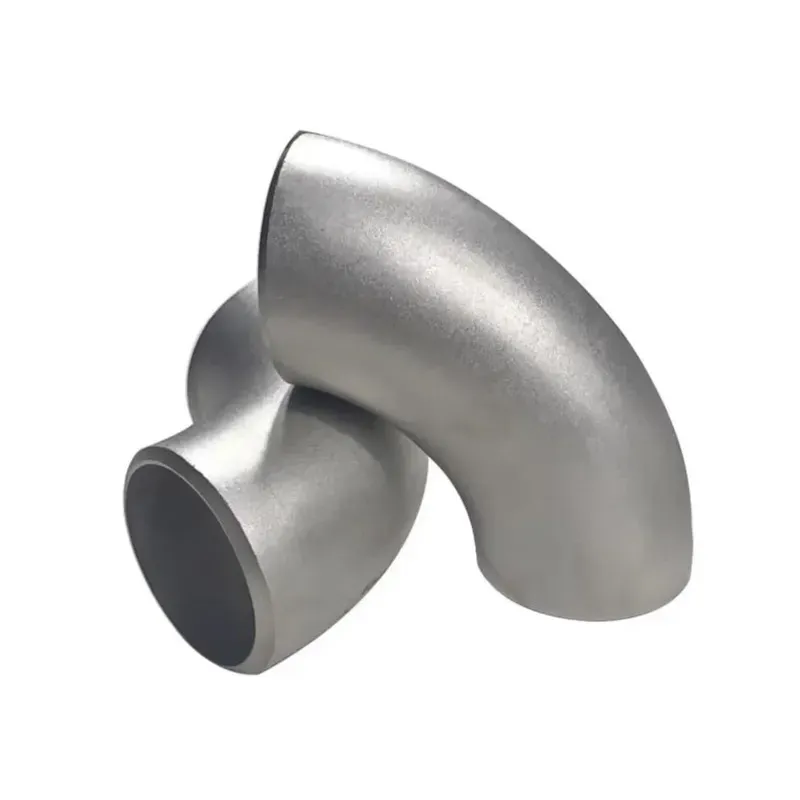
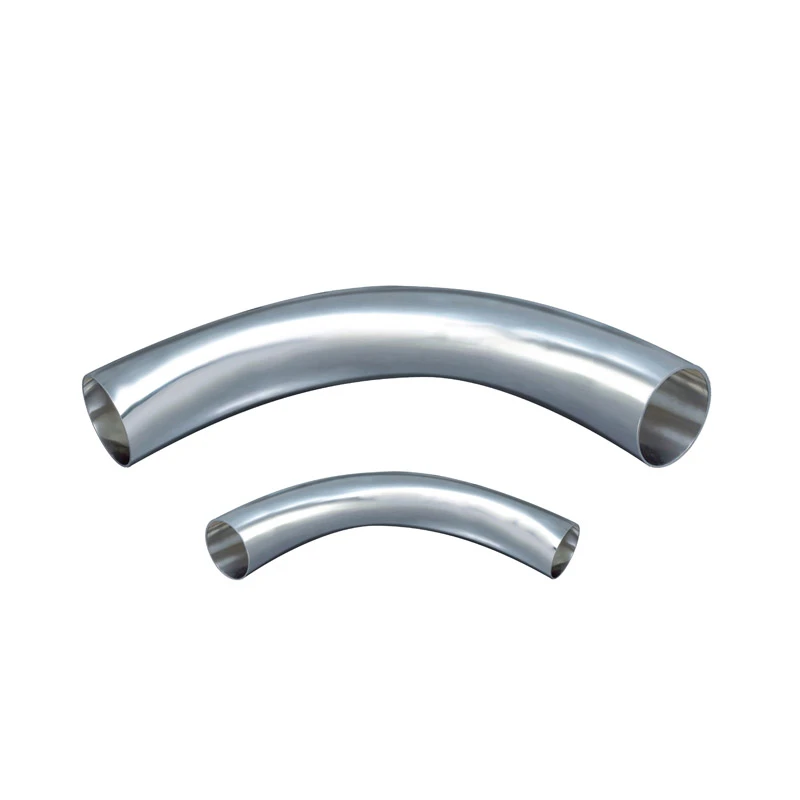
    Bend is a crucial pipe fitting used to change the direction of flow in a piping system. It allows for smooth transitions between sections of pipe, accommodating layout constraints, avoiding obstacles, and optimizing flow paths. Bends are designed to maintain the fluid's velocity and minimize pressure loss while providing the necessary angle of deviation. They are commonly used in various industries, including oil and gas, petrochemicals, water supply, and HVAC systems.
    VIEW ALL
  • Reducer

    Reducer

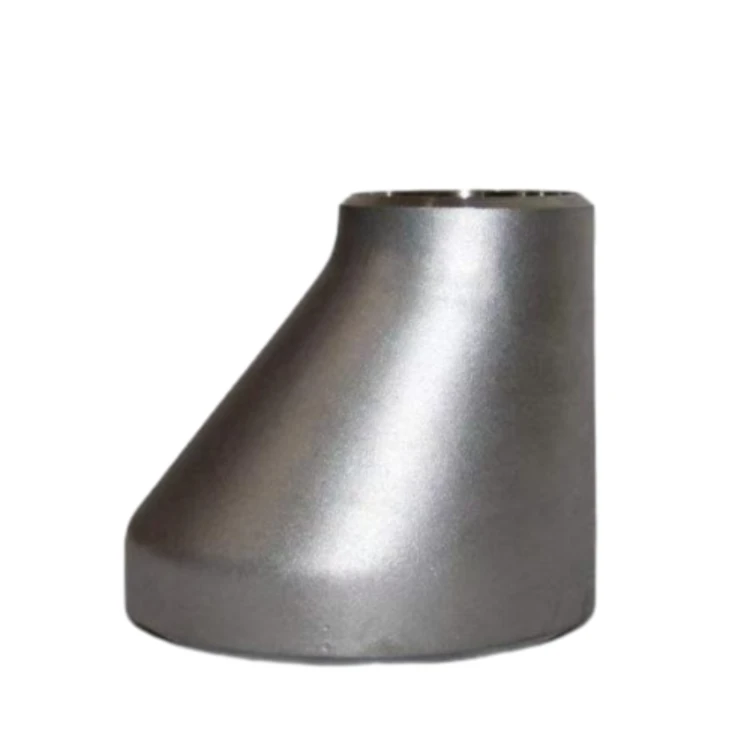
    Reducer is a pipe fitting used to connect pipes of different diameters, facilitating smooth transitions between varying flow capacities in piping systems. Available in concentric and eccentric designs, reducers help maintain optimal flow efficiency while minimizing pressure loss and turbulence.
    VIEW ALL
  • Tee Pipe

    Tee Pipe

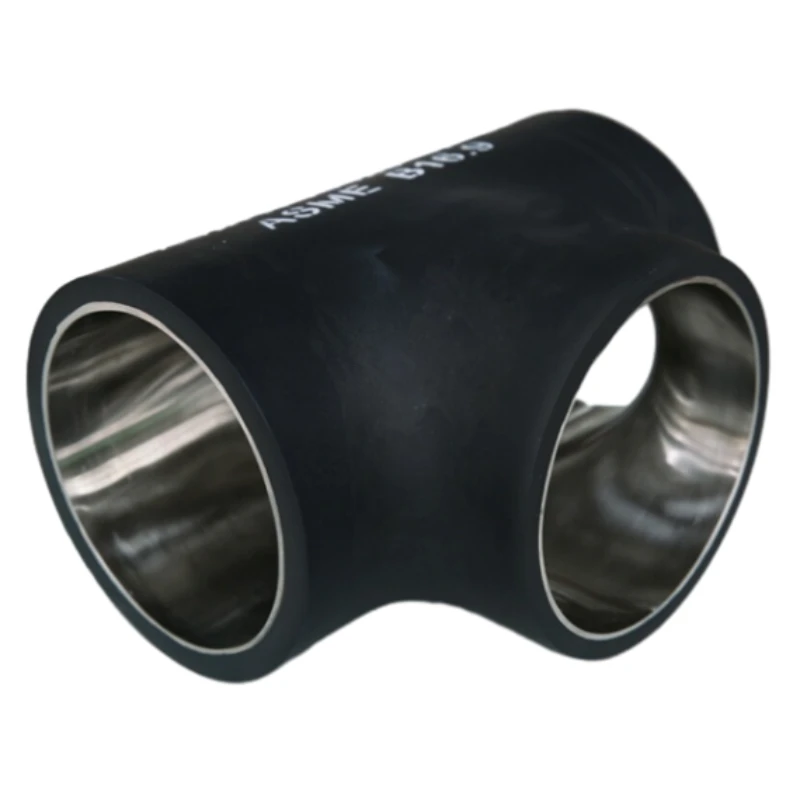
    Tee products are essential pipe fittings used to connect three sections of piping, forming a "T" shape. Available in various materials like carbon steel, stainless steel, and alloy steel, they are designed for use in systems requiring the diversion or junction of fluid flow.
    VIEW ALL
To create value for customers!
Cangzhou Leo Technology Co., Ltd. is located in Mengcun County Economic Development Zone, Cangzhou City, Hebei Province. It is a specialized high-tech enterprise that integrates the research and development, production, and sales of composite pipes and fittings.
News
The company regards product quality as the life of the enterprise, establishes a sound quality management system in accordance with the requirements of industry and national standards, controls all aspects of input and output in the whole process, pays attention to every detail, and ensures that the product delivery pass rate is 100%.
How to Select a Prefabricated Pipe for Process Service

How to Select a Prefabricated Pipe for Process Service

Select prefabricated pipe by process conditions, material route, DN15 to DN1800 size coverage, and factory assembly requirements.
SS Pipe Cap FAQ: Fit, Connections, Materials and Uses

SS Pipe Cap FAQ: Fit, Connections, Materials and Uses

Get direct answers about ss pipe cap materials, threaded or welded connections, shapes, DN and NPS sizes, schedules, uses, and associated standards.
Mechanical Steel Pipe Comparison: Materials, Standards and Supplier Documentation

Mechanical Steel Pipe Comparison: Materials, Standards and Supplier Documentation

Compare two mechanical steel pipe options by materials, API 5LD and DNV OS F101 references, applications, bonding descriptions and supplier documentation.
Choosing an SS Bend Pipe: Application Fit and Specification Checks

Choosing an SS Bend Pipe: Application Fit and Specification Checks

Learn how to choose the right ss bend pipe for your piping system. This guide covers material grade, bend angle, radius, pressure rating, and applicable standards to help procurement teams specify stainless steel bend pipes with confidence.
High Performance Sink Pipe Steel Guide for Industrial Piping

High Performance Sink Pipe Steel Guide for Industrial Piping

High-Performance Sink Pipe Steel: The Ultimate Guide to Industrial Piping In the demanding world of industrial manufacturing and pressure vessel construction, the selection of materials for piping systems is critical. Utilizing high-quality sink pipe steel ensures that systems can withstand extreme pressures, corrosive media, and mechanical stress. Whether it is for chemical processing, oil and gas, or construction, the right steel grade and fitting geometry can mean the difference between seamless operation and costly system failure. This guide explores the technical nuances of steel elbows and specialized clad materials designed for the most rigorous environments.
Ultimate Guide to Industrial Seamless Steel Pipe for Piping

Ultimate Guide to Industrial Seamless Steel Pipe for Piping

In the realm of modern industrial infrastructure, the integrity of piping systems is non-negotiable. The seamless steel pipe stands as the gold standard for transporting high-pressure fluids and gases. Unlike welded alternatives, seamless pipes are manufactured without a longitudinal seam, eliminating the most common point of failure and ensuring superior structural consistency. This makes them indispensable in sectors where safety and reliability are paramount, such as petroleum, nuclear power, and thermal energy. In this comprehensive guide, we will explore the technical advantages, material specifications, and critical applications of these high-performance components to help you make an informed procurement decision.
tel email tel top

If you are interested in our products, you can choose to leave your information here, and we will be in touch with you shortly.