tel
Email
to top

High-Quality Metal Flange: Stainless, Offset, Flexible Options

Sep 13 2025
share:

Industry Trends and the Essential Role of metal flange in Modern Infrastructure

In the intricate world of industrial piping systems, the integrity and efficiency of connections are paramount. A critical component ensuring this reliability is the metal flange. These robust devices serve as a crucial interface, allowing for the secure and often detachable joining of pipes, valves, pumps, and other equipment, facilitating maintenance, system modifications, and overall operational longevity. The global market for industrial flanges is projected to grow significantly, driven by expanding investments in oil & gas, petrochemicals, power generation, and water treatment infrastructure.

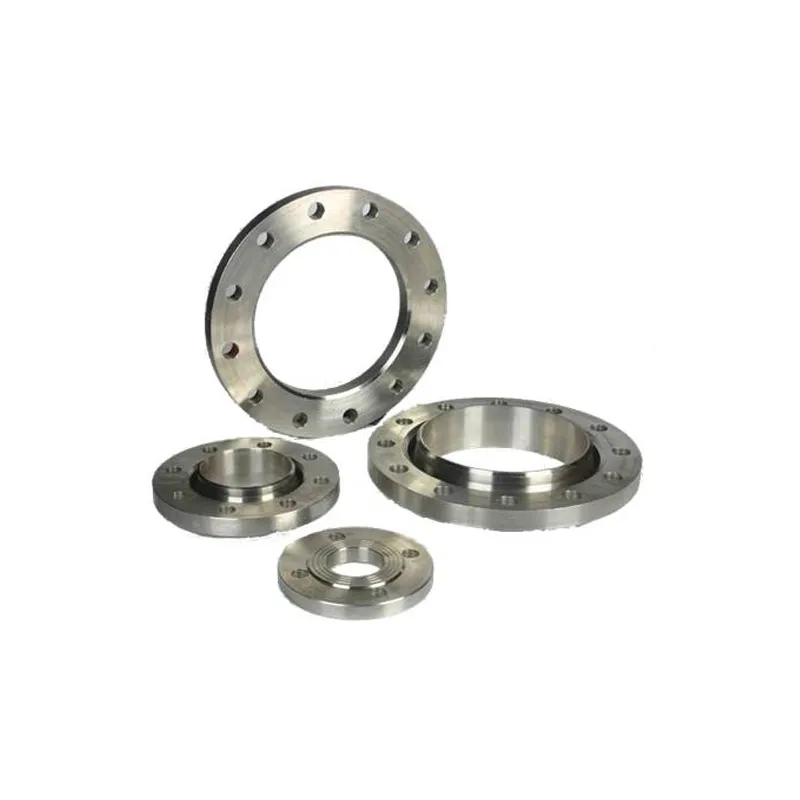
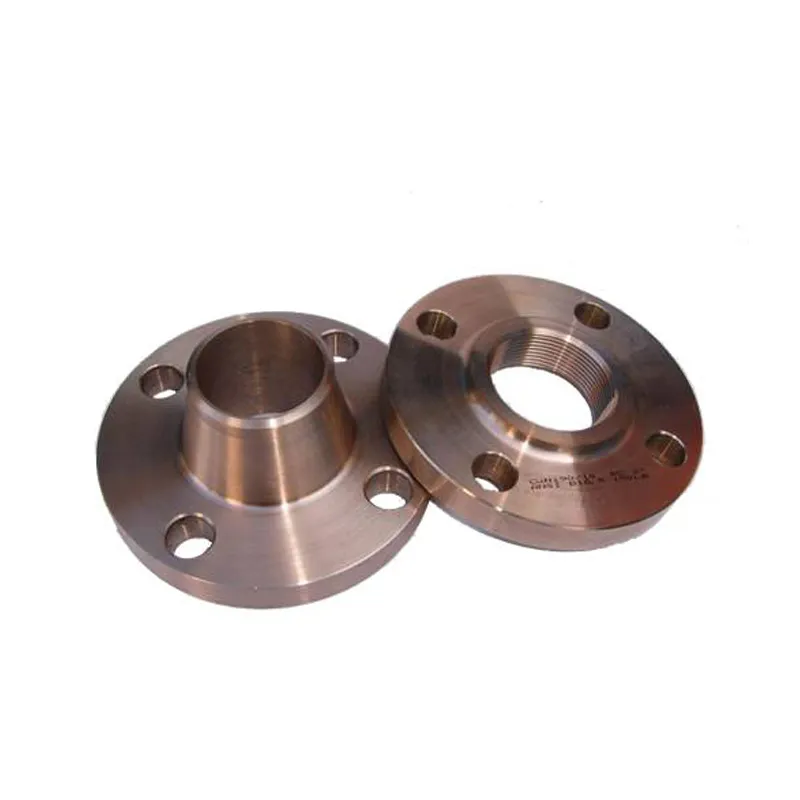
Current industry trends highlight an increasing demand for specialized flanges capable of withstanding extreme conditions, including high pressures, corrosive environments, and fluctuating temperatures. This demand is particularly pronounced for stainless steel flange varieties due to their superior corrosion resistance and durability. Furthermore, innovations in design, such as the emergence of the offset flange for improved spatial efficiency and flexible flange options for vibration dampening and misalignment compensation, are shaping the future of pipeline engineering. As industries strive for enhanced safety, efficiency, and reduced operational costs, the selection and application of appropriate flange types become increasingly vital. Understanding the different types of flanges available, from weld neck and slip-on to blind and threaded, is essential for optimal system design and performance.
High-Quality Metal Flange: Stainless, Offset, Flexible Options

Manufacturing Process of a Metal Flange: From Raw Material to Precision Component

The manufacturing of a high-quality metal flange is a multi-stage process requiring precision engineering and adherence to stringent quality controls. This process ensures that the final product meets the demanding performance specifications of various industrial applications.

Process Flow Steps:

  • Material Selection & Preparation: The journey begins with selecting appropriate raw materials, typically carbon steel, alloy steel, or stainless steel flange grades (e.g., ASTM A105, A182 F304/316, A694 F52). These materials are chosen based on the intended service environment, considering factors like pressure, temperature, and corrosive media. Raw material is cut to the required size.
  • Forming Processes (Forging or Casting):
    • Forging: Forging involves heating the metal to a plastic state and shaping it under immense pressure using dies. This process refines the grain structure, enhancing the flange's strength, toughness, and fatigue resistance. Forged flanges are preferred for high-pressure and high-temperature applications due to their superior mechanical properties.
    • Casting: Casting involves pouring molten metal into a mold. While offering more design flexibility, cast flanges typically have lower mechanical strength compared to forged ones and are generally used for less critical applications.
  • Heat Treatment: Post-forming, flanges undergo specific heat treatment processes (e.g., normalizing, quenching, tempering). This step optimizes mechanical properties, relieves internal stresses, and improves ductility and hardness, ensuring the material achieves its full potential.
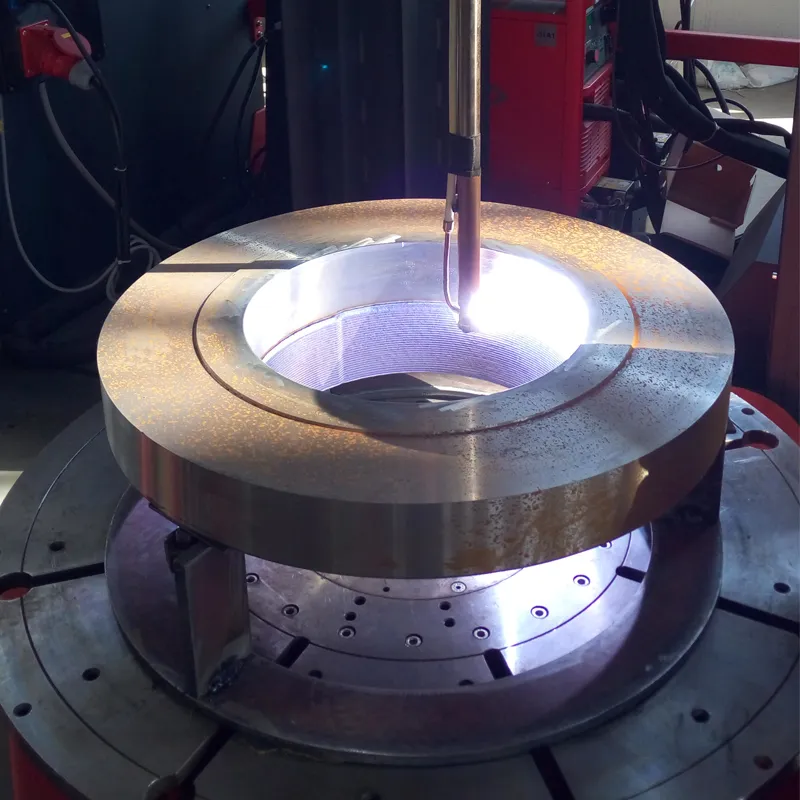
  • CNC Machining: Precision machining using Computer Numerical Control (CNC) equipment shapes the flange to its final dimensions, including the bore, bolt holes, and critical sealing surfaces (e.g., raised face, ring type joint). This ensures dimensional accuracy and surface finish as per design specifications.
  • Surface Finishing & Coating: Depending on the application, flanges may receive surface treatments such as galvanizing, painting, or specialized coatings to enhance corrosion resistance and prolong service life.
  • Quality Control & Testing: Rigorous testing is performed at various stages. This includes chemical composition analysis, mechanical testing (tensile, impact, hardness), ultrasonic testing for internal defects, magnetic particle inspection for surface cracks, and dimensional inspection. Industry standards like ISO (e.g., ISO 9001 for quality management), ANSI/ASME B16.5, B16.47, EN 1092-1, and JIS B2220 govern these testing procedures.
  • Marking & Packaging: Each flange is marked with essential information (material grade, size, pressure rating, manufacturer's name/logo) and carefully packaged to prevent damage during transit.

The typical service life of a well-manufactured metal flange can range from 20 to 50 years, often matching the lifespan of the pipeline system itself, provided it is correctly installed and maintained. Target industries for these components include petrochemical, oil & gas exploration and refining, power generation, water supply & drainage, shipbuilding, and metallurgy. Advantages in typical application scenarios include enhanced energy saving through leak-free connections, superior corrosion resistance in harsh environments, and the ability to withstand extreme pressures and temperatures, contributing to overall system integrity and reduced operational downtime.
High-Quality Metal Flange: Stainless, Offset, Flexible Options

Technical Specifications and Parameters for Metal Flange

The performance and compatibility of a metal flange are dictated by a comprehensive set of technical specifications. Understanding these parameters is crucial for engineers and procurement professionals to ensure the correct selection for specific applications. Below is a representative table outlining common specifications for various different types of flanges.

Typical Metal Flange Specifications

Parameter Description Common Values/Standards
Material Grades Chemical composition and mechanical properties. ASTM A105 (Carbon Steel), ASTM A182 F304/316 (Stainless Steel), ASTM A694 F52/F60 (High Yield), ASTM A350 LF2 (Low Temp Carbon Steel)
Nominal Pipe Size (NPS) Indicates the pipe size the flange is intended to fit. 1/2" to 60" (DN15 to DN1500)
Pressure Class/Rating Maximum allowable working pressure (MAWP) at a given temperature. ASME B16.5: Class 150, 300, 600, 900, 1500, 2500; EN 1092-1: PN6, PN10, PN16, PN25, PN40, PN63, PN100, PN160
Facing Type Surface finish of the sealing area. Raised Face (RF), Flat Face (FF), Ring Type Joint (RTJ), Lap Joint (LJ), Tongue and Groove (T&G), Male and Female (M&F)
Manufacturing Standard Adherence to specific industry dimensional and material standards. ASME B16.5, ASME B16.47, EN 1092-1, API 6A, JIS B2220, BS 4504
Corrosion Resistance Ability to withstand degradation from corrosive media. Highly resistant (e.g., 316L stainless steel flange), Moderate (e.g., Carbon Steel with coatings), Low (unprotected Carbon Steel)
Temperature Range Operating temperature limits. Typically -45°C to 550°C (depending on material and pressure class)

The flange price is influenced by these factors, including material grade, size, pressure rating, and manufacturing complexity. Specialized flanges, such as high-alloy or custom-fabricated designs, naturally command a higher price point due to material cost and advanced manufacturing techniques.
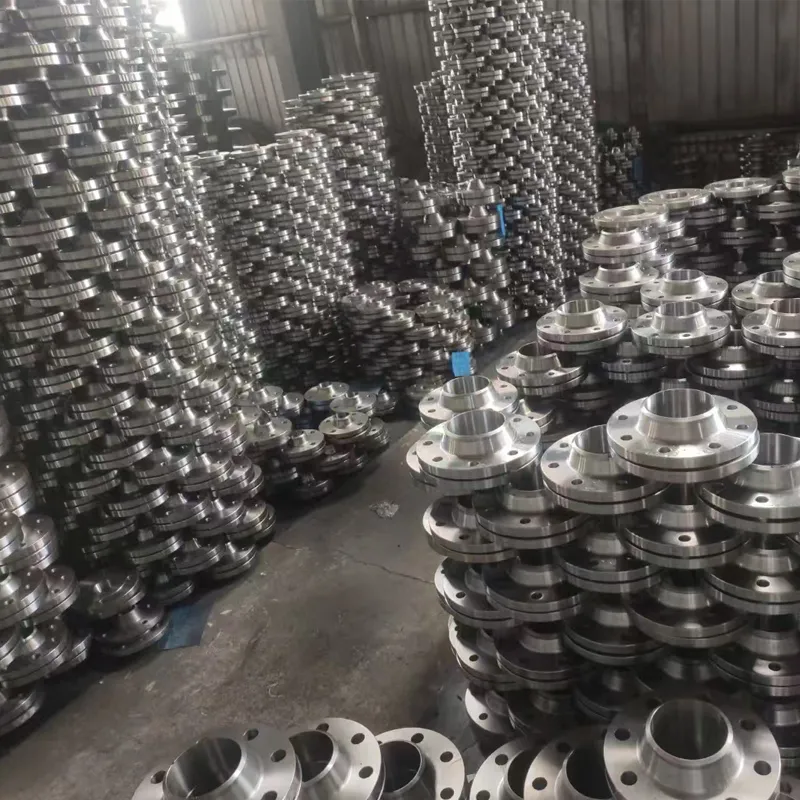
High-Quality Metal Flange: Stainless, Offset, Flexible Options

Application Scenarios and Technical Advantages of Metal Flange

The versatility of the metal flange makes it indispensable across a vast array of industrial sectors. Its ability to create strong, leak-proof, yet detachable joints is critical for system flexibility and maintenance.
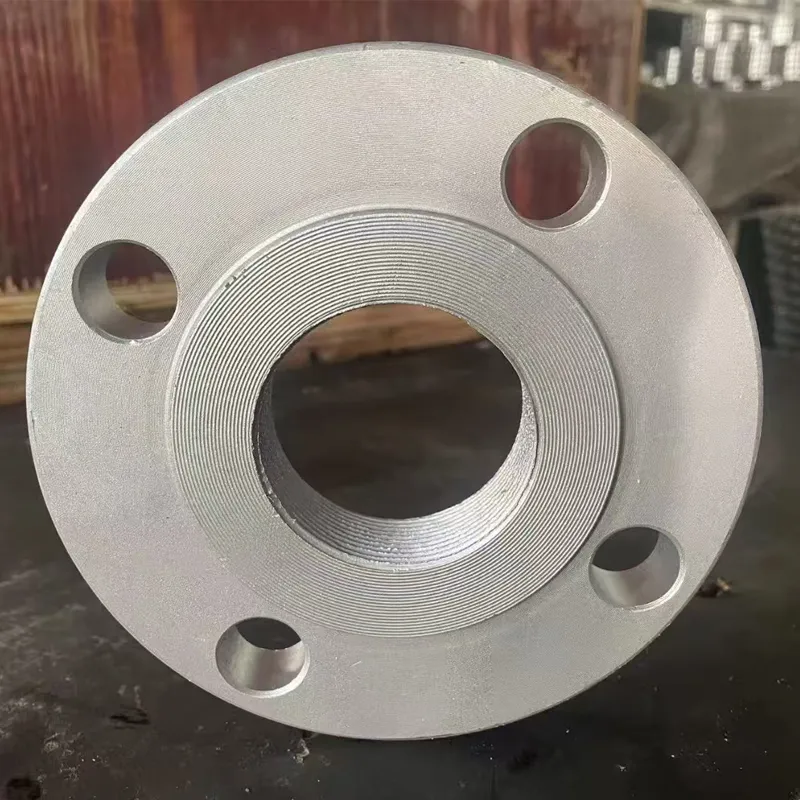
Key Application Scenarios:

  • Oil & Gas Industry: From upstream exploration and drilling to midstream transportation (pipelines) and downstream refining, flanges are used in high-pressure, high-temperature, and corrosive environments to connect pipes, valves, and wellhead equipment. Weld neck and blind flanges are particularly common here.
  • Petrochemical Plants: Handling a wide range of chemicals, often at elevated temperatures and pressures, requires flanges made from materials like stainless steel flange to resist chemical attack and maintain system integrity.
  • Power Generation: In both fossil fuel and nuclear power plants, flanges connect steam lines, cooling water systems, and fuel supply lines. High-temperature and high-pressure applications demand robust flanges adhering to strict safety standards.
  • Water Treatment & Desalination: Flanges are essential for connecting large-diameter pipes, pumps, and filters in water infrastructure, often requiring corrosion-resistant materials for potable water and seawater applications.
  • Shipbuilding: Used extensively in marine piping systems for fuel, cooling, and ballast water, where resistance to saltwater corrosion is a key consideration.
  • HVAC Systems: In commercial and industrial heating, ventilation, and air conditioning, flanges connect ductwork and piping for chilled water and steam lines.
High-Quality Metal Flange: Stainless, Offset, Flexible Options

Technical Advantages:

  • Superior Sealing Integrity: When properly installed with appropriate gaskets, flanges create highly reliable, leak-proof connections critical for preventing media loss, ensuring safety, and optimizing operational efficiency.
  • Corrosion Resistance: By selecting the right material, such as various grades of stainless steel flange (e.g., 304, 316, Duplex), flanges can offer exceptional resistance to chemical corrosion, oxidation, and pitting in aggressive environments, significantly extending system lifespan.
  • High Pressure and Temperature Capability: Engineered and tested to stringent standards (e.g., ASME B16.5), flanges can reliably operate under extreme pressure and temperature variations, making them suitable for demanding process applications.
  • Ease of Maintenance & Modularity: The detachable nature of flanged connections greatly simplifies inspection, repair, replacement of components, and system expansion or modification, leading to reduced downtime and lower maintenance costs.
  • Vibration Dampening & Misalignment Compensation: The use of an offset flange or flexible flange can absorb minor vibrations and accommodate slight misalignments in piping systems, preventing stress on equipment and reducing noise.
  • Standardization: Adherence to international standards ensures interchangeability, facilitating procurement, installation, and global project deployment.

These advantages collectively underscore why flanges remain the preferred connection method for critical industrial piping systems worldwide.
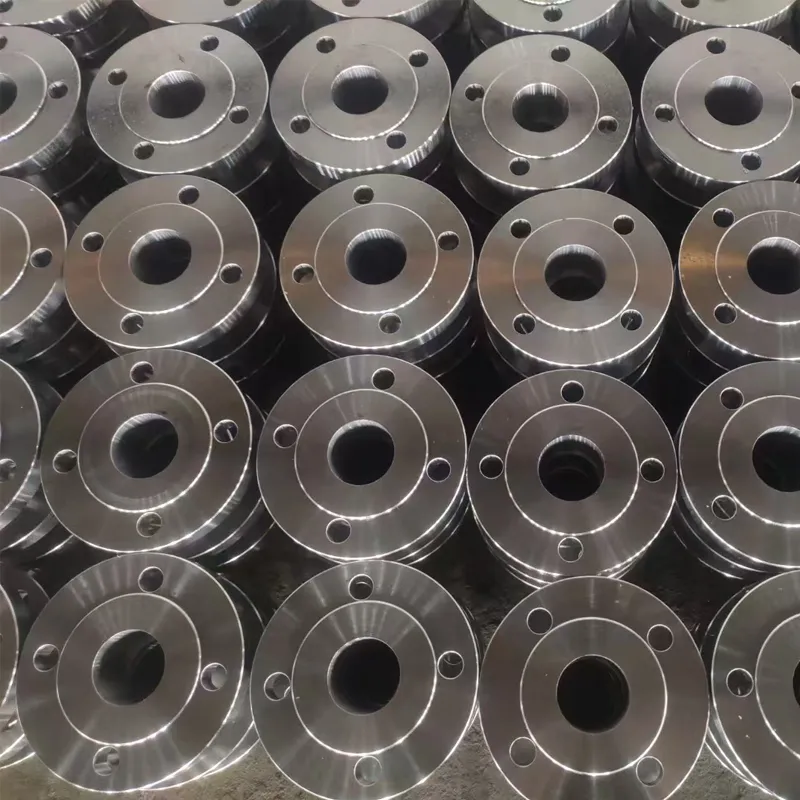
High-Quality Metal Flange: Stainless, Offset, Flexible Options

Vendor Comparison and Customized Solutions for Metal Flange

Selecting the right supplier for industrial flanges is a strategic decision that impacts project timelines, operational reliability, and overall cost-effectiveness. A thorough vendor comparison goes beyond just the flange price.
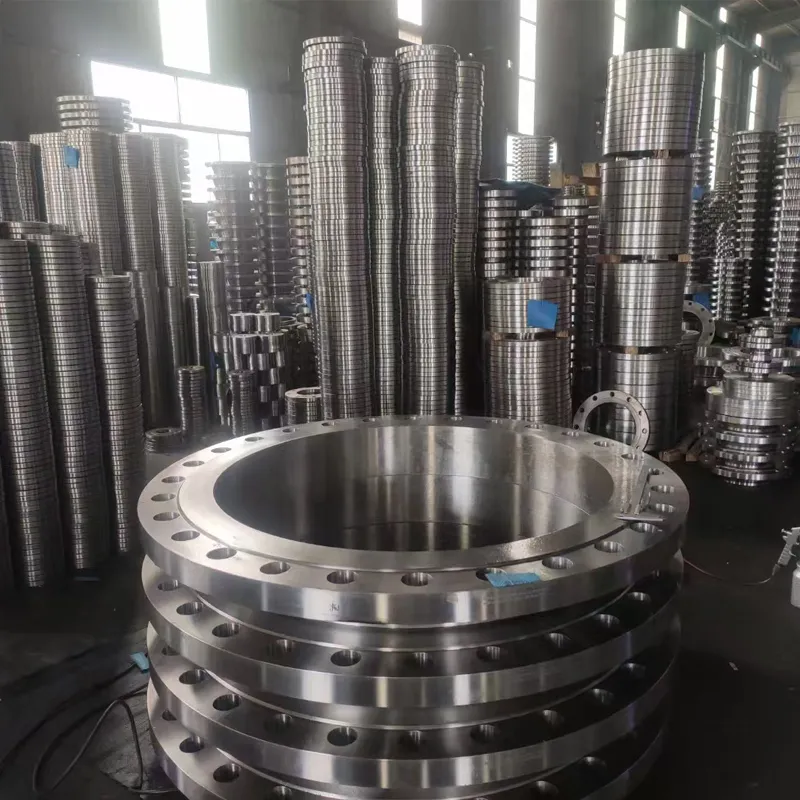
Key Factors for Vendor Comparison:

  • Quality and Certifications: Assess adherence to international standards (e.g., ISO 9001, PED 2014/68/EU, API certifications). Look for comprehensive material traceability and robust quality control processes.
  • Manufacturing Capabilities: Evaluate the vendor's capacity for both standard and specialized production (e.g., large-diameter flanges, high-pressure ratings, exotic materials, custom offset flange designs).
  • Material Expertise: A good vendor should demonstrate profound knowledge across different types of flanges materials, including various grades of stainless steel flange, carbon steel, and alloy steels, advising on the best fit for specific applications.
  • Lead Time and Logistics: Timely delivery is crucial for project schedules. Assess the vendor's typical lead times, inventory levels, and logistical capabilities for global distribution.
  • Technical Support & After-Sales Service: Look for vendors who offer expert technical consultation, design assistance, and responsive after-sales support, including warranty and replacement policies.
  • Reputation and Experience: Longevity in the market, testimonials, and a portfolio of reputable clients can signify a trustworthy and authoritative supplier.
High-Quality Metal Flange: Stainless, Offset, Flexible Options

Customized Solutions:

Many industrial applications require flanges that deviate from standard specifications. Leading manufacturers offer comprehensive customization services, providing significant value to clients with unique project requirements.

  • Non-Standard Dimensions: Custom bore sizes, bolt hole patterns, or overall flange diameters to integrate with existing infrastructure or specialized equipment.
  • Exotic Material Grades: Fabrication from specialized alloys (e.g., Inconel, Monel, Hastelloy) for extreme corrosion resistance or high-temperature strength beyond standard stainless steel flange offerings.
  • Unique Facing Types: Tailored flange facing designs to accommodate specific gasket types or achieve unique sealing characteristics.
  • Special Coatings and Linings: Application of internal or external coatings (e.g., PTFE lining, ceramic coatings) for enhanced chemical resistance or abrasion protection.
  • High-Pressure/Temperature Designs: Engineering and manufacturing flanges for ultra-high pressure or temperature services that exceed standard class ratings. This might include specialized designs for flexible flange connections in dynamic systems.
  • Optimized Lead Time: For urgent projects, vendors can offer expedited manufacturing and delivery schedules for custom products, provided capacities allow.

A strong partnership with a manufacturer capable of delivering customized metal flange solutions can significantly optimize project performance and reduce total cost of ownership by precisely matching components to system demands.
High-Quality Metal Flange: Stainless, Offset, Flexible Options

Application Case Studies: Metal Flange in Action

Real-world application case studies demonstrate the reliability and critical performance of metal flange components in diverse industrial settings.

Case Study 1: High-Pressure Offshore Oil & Gas Platform

Challenge: An offshore platform required robust, corrosion-resistant connections for its subsea crude oil transfer lines, operating under pressures up to 2500 PSI and in extreme saltwater conditions. Traditional carbon steel flanges showed accelerated degradation.
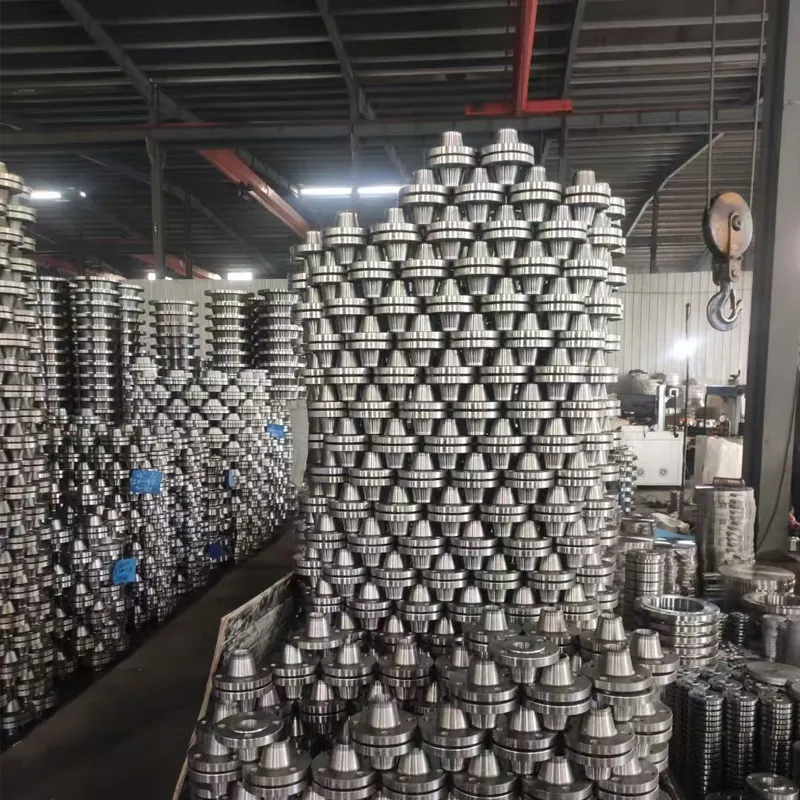
Solution: High-yield stainless steel flange (ASTM A182 F55 Duplex Stainless Steel) weld neck flanges, Class 2500, with RTJ facings were supplied. These flanges were manufactured to ASME B16.5 standards, with full material traceability and extensive ultrasonic testing to ensure integrity.
Outcome: The duplex stainless steel flanges provided superior corrosion resistance and strength, extending the service life of the subsea connections by over 30% compared to previous installations, significantly reducing maintenance frequency and enhancing operational safety. The total project cost, despite a higher initial flange price for duplex material, was reduced over the long term due to decreased downtime.
High-Quality Metal Flange: Stainless, Offset, Flexible Options

Case Study 2: Chemical Processing Plant Expansion

Challenge: A plant expanding its sulfuric acid production unit needed a variety of flanges capable of resisting highly corrosive chemicals at elevated temperatures (up to 200°C). Space constraints also necessitated innovative solutions for certain pipe runs.
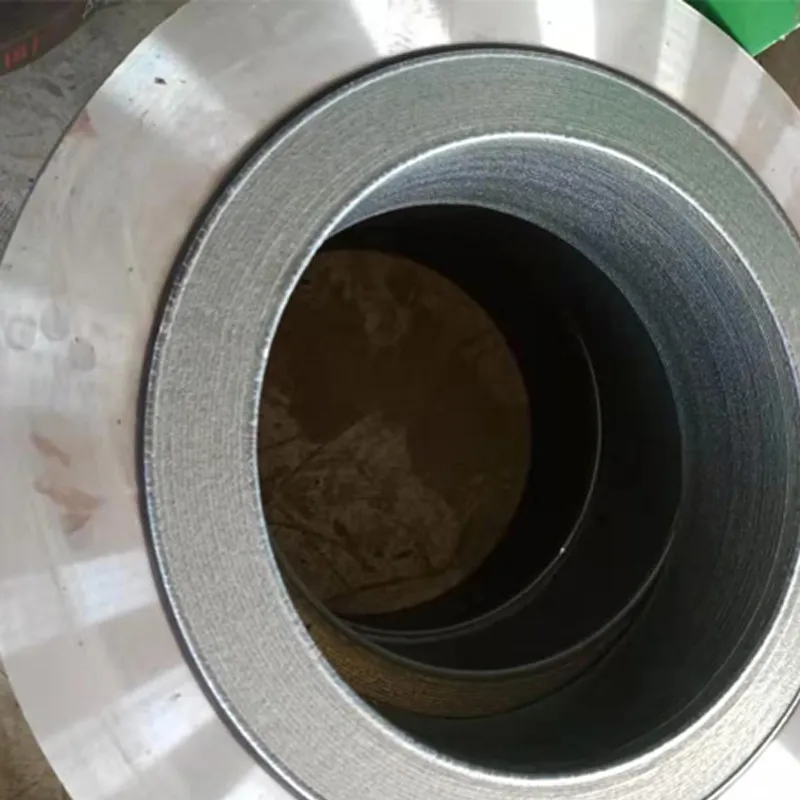
Solution: A combination of 316L stainless steel flange and Monel 400 flanges (for the most aggressive sections) were specified. For areas with limited space, custom-designed offset flange components were fabricated, allowing for tighter pipe bending radii without compromising flow or structural integrity. All flanges conformed to EN 1092-1 PN40 standards.
Outcome: The tailored material selection and custom offset designs ensured perfect chemical compatibility and fit within the confined plant layout. The system has operated for five years without any flange-related leaks or material degradation, demonstrating the effectiveness of specialized solutions.
High-Quality Metal Flange: Stainless, Offset, Flexible Options

Case Study 3: Municipal Water Treatment Plant Upgrade

Challenge: An aging municipal water treatment plant required an upgrade of its main intake and distribution lines, where large diameter pipes (DN1000) experienced slight ground movement and vibration from large pumps. Standard rigid flanges were prone to stress cracking over time.
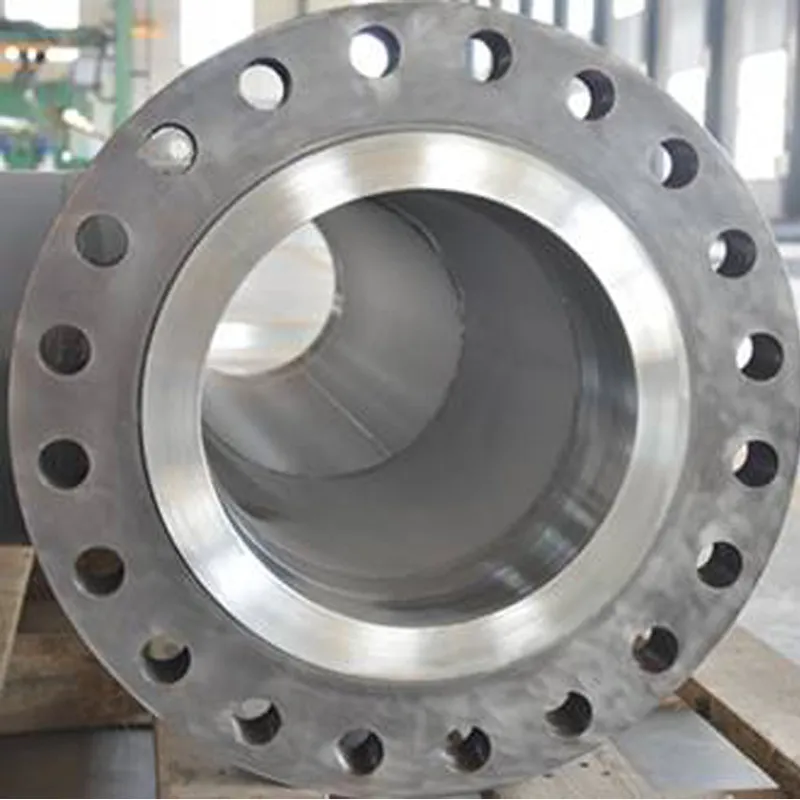
Solution: Large-diameter carbon steel flanges (PN16, EN 1092-1) were used, but specifically designed with a slight inherent flexibility and paired with specialized flexible flange couplings in critical sections. These couplings allowed for minor angular and axial deflections. All flanges were internally epoxy coated for enhanced corrosion protection against treated water.
Outcome: The integrated flexible flange system effectively absorbed ground shifts and pump vibrations, preventing premature fatigue failures seen in previous rigid setups. The epoxy coating ensured long-term resistance to water corrosion, contributing to a projected service life of 40+ years for the upgraded infrastructure.
High-Quality Metal Flange: Stainless, Offset, Flexible Options

Trustworthiness and Support: Your Partner in Flange Solutions

At Lion Pipeline, our commitment to quality, reliability, and customer satisfaction is paramount. We understand that for B2B decision-makers and engineers, trust is built on proven processes, clear commitments, and robust support.

Frequently Asked Questions (FAQ):

  • Q: What are the primary factors influencing flange price?
    A: Price is primarily influenced by material type (e.g., carbon steel vs. stainless steel flange, exotic alloys), size (NPS), pressure class, manufacturing process (forged vs. cast), and any special certifications or testing required.
  • Q: How do I select the correct type of metal flange for my application?
    A: Selection depends on several factors: media being transported, operating pressure and temperature, pipe size (NPS), type of connection (welded, threaded), and environmental conditions. Our technical team can assist you in identifying the ideal solution among the different types of flanges.
  • Q: Are your flanges certified to international standards?
    A: Yes, all our flanges are manufactured and tested in strict accordance with major international standards such as ASME B16.5, ASME B16.47, EN 1092-1, API 6A, and ISO 9001 quality management systems, ensuring global compatibility and reliability.
  • Q: Can you provide custom flange solutions, such as an offset flange or flexible flange?
    A: Absolutely. We specialize in custom manufacturing for non-standard dimensions, specific material grades, unique facing types, and specialized designs to meet precise project requirements. Please contact our engineering team with your specifications.
High-Quality Metal Flange: Stainless, Offset, Flexible Options

Lead Time & Fulfillment:

Our streamlined manufacturing processes and robust supply chain allow us to offer competitive lead times. For standard metal flange products, typical lead times range from 2-4 weeks. Customized or large-volume orders may require 6-10 weeks, depending on complexity and material availability. We prioritize clear communication, providing transparent updates throughout the order fulfillment process to ensure project schedules are met.

Warranty Commitments:

Lion Pipeline provides a comprehensive warranty against manufacturing defects and material imperfections for all our metal flange products. Our standard warranty period is 12 months from the date of installation or 18 months from the date of shipment, whichever comes first. This commitment underscores our confidence in the quality and durability of our products.

Customer Support Information:

Our dedicated customer support team is available to assist you with technical inquiries, order status, and after-sales service. We offer expert guidance from initial consultation to post-installation support.
Email: sales@lion-pipeline.com
Phone: +86-XXX-XXXX-XXXX (example number)
Operating Hours: Monday - Friday, 8:00 AM - 5:00 PM (GMT+8)
High-Quality Metal Flange: Stainless, Offset, Flexible Options

References

  1. ASME Boiler and Pressure Vessel Code. Section VIII – Rules for Construction of Pressure Vessels. American Society of Mechanical Engineers.
  2. ASTM International. Standard Specification for Carbon Steel Forgings for Piping Applications.
  3. EN 1092-1: Flanges and their joints – Circular flanges for pipes, valves, fittings and accessories, PN designated – Part 1: Steel flanges. European Committee for Standardization.
  4. ISO 9001: Quality management systems — Requirements. International Organization for Standardization.
  5. "Materials Selection for Hydrocarbon and Chemical Plants" by L. M. G. S. Fontes, Woodhead Publishing Series in Metals and Surface Engineering, 2012.
  • Reducer

    Reducer

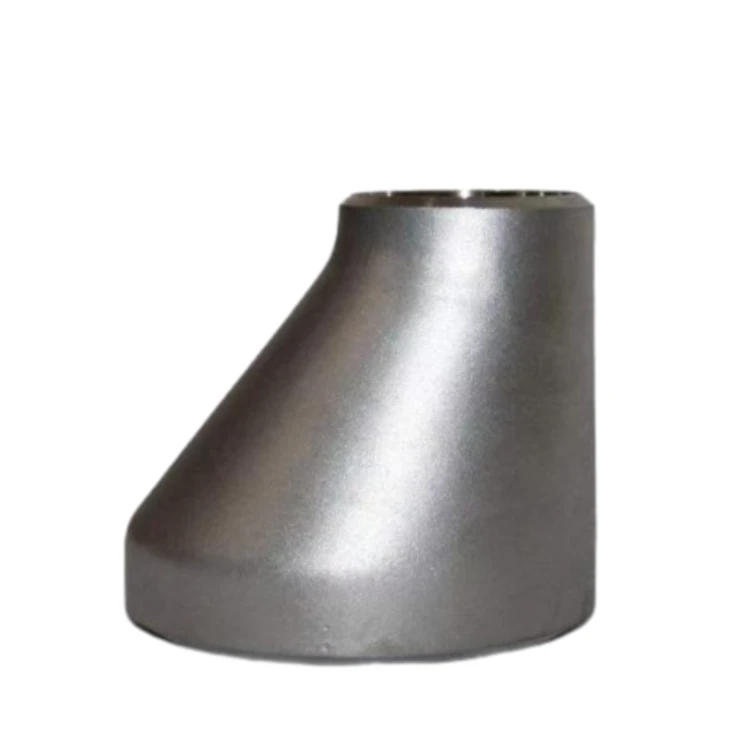
    Reducer is a pipe fitting used to connect pipes of different diameters, facilitating smooth transitions between varying flow capacities in piping systems. Available in concentric and eccentric designs, reducers help maintain optimal flow efficiency while minimizing pressure loss and turbulence.
    VIEW ALL
  • Factory Prefabricated Products

    Factory Prefabricated Products

    In modern industrial construction, the quality and supply efficiency of pipe fittings directly affect the success or failure of the project. With advanced production concept and strong technical strength, we focus on the factory prefabrication of products, and provide all-round pipe fitting solutions for many key fields such as petrochemical industry and coal chemical industry.
    VIEW ALL
  • Carbon Semless Steel Pipes

    Carbon Semless Steel Pipes

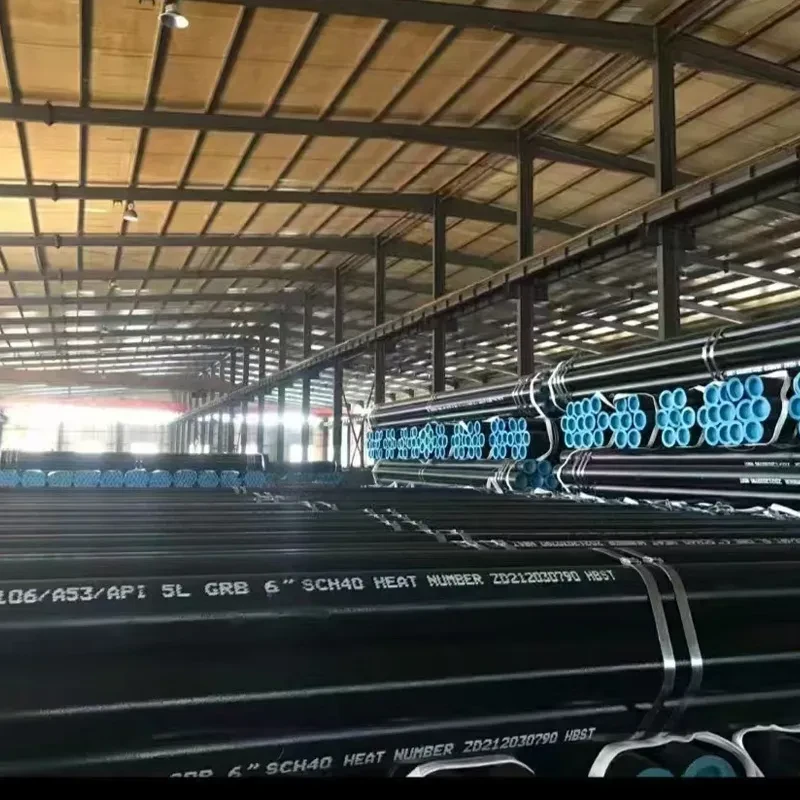
    Carbon Seamless Steel Pipes are made from high-quality carbon steel and manufactured without welded seams, offering exceptional strength, durability, and resistance to pressure. These pipes are ideal for a wide range of applications, including oil and gas pipelines, construction, automotive, and fluid transportation systems. The seamless design ensures uniformity, higher structural integrity, and improved performance under high pressure and temperature conditions.
    VIEW ALL
To create value for customers!
Cangzhou Leo Technology Co., Ltd. is located in Mengcun County Economic Development Zone, Cangzhou City, Hebei Province. It is a specialized high-tech enterprise that integrates the research and development, production, and sales of composite pipes and fittings.
News
The company regards product quality as the life of the enterprise, establishes a sound quality management system in accordance with the requirements of industry and national standards, controls all aspects of input and output in the whole process, pays attention to every detail, and ensures that the product delivery pass rate is 100%.
Ultimate Guide to 4130 Tubing Strength Performance and Applications
Ultimate Guide to 4130 Tubing Strength Performance and Applications

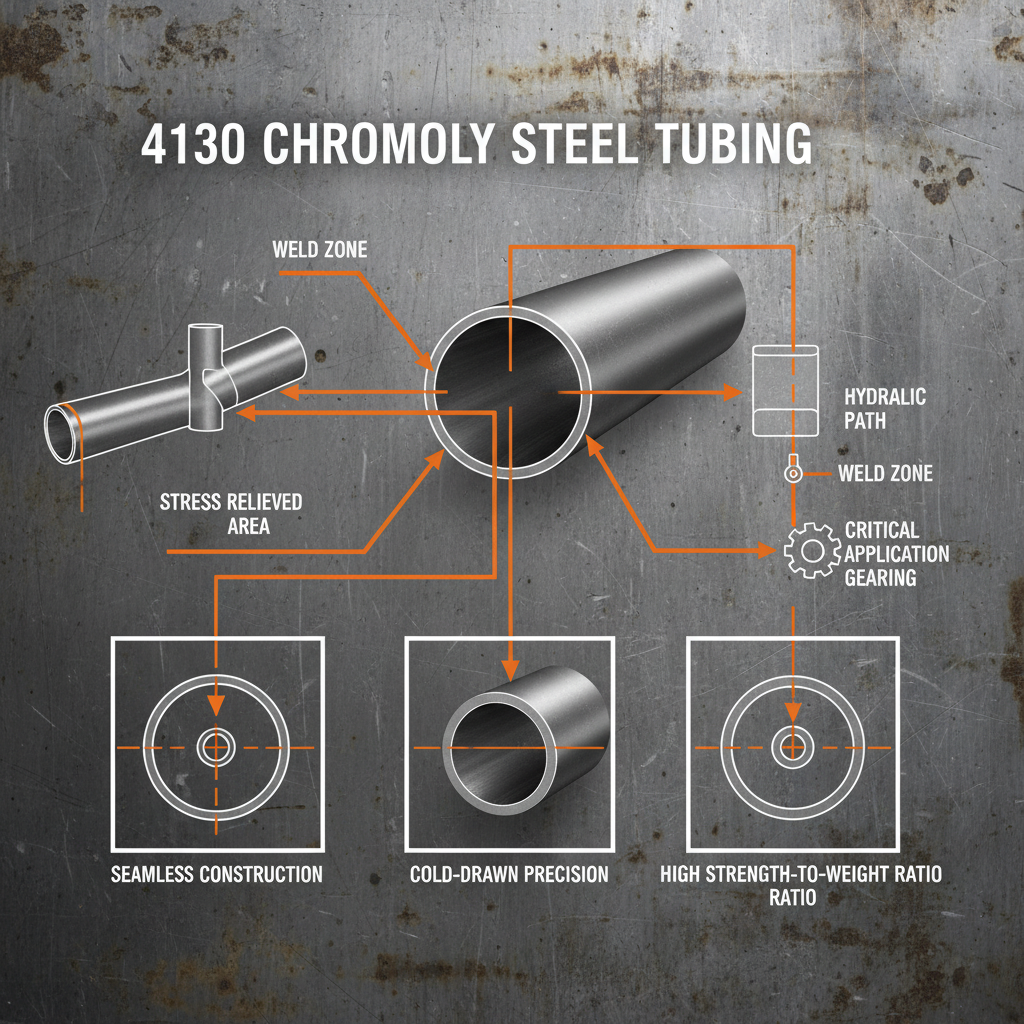
In the world of high-performance engineering, material selection is the foundation of safety and efficiency. 4130 tubing is widely regarded as the gold standard for applications requiring an exceptional strength-to-weight ratio. This chrome-molybdenum alloy steel is engineered to withstand extreme stress while remaining lightweight enough for aerospace and automotive use. Whether you are designing a roll cage, a bicycle frame, or a critical industrial component, understanding the nuances of this material is essential. In this comprehensive guide, we will explore why this specific alloy is preferred by engineers worldwide and how to choose the right specifications for your project.
Properties and Industrial Applications of 4130 steel tubing
Properties and Industrial Applications of 4130 steel tubing

In the world of high-performance engineering, material selection is the foundation of safety and efficiency. 4130 steel tubing is widely recognized as the gold standard for applications requiring an exceptional strength-to-weight ratio. Known for its versatility and reliability, this chromium-molybdenum alloy is the preferred choice for everything from aircraft frames to professional roll cages. Understanding the nuances of this material allows engineers to optimize structural integrity without adding unnecessary bulk. In this comprehensive guide, we will explore why this specific alloy remains a top choice for critical industrial and aerospace components.
Comprehensive Guide to 40mm Steel Tube Applications and Material Selection
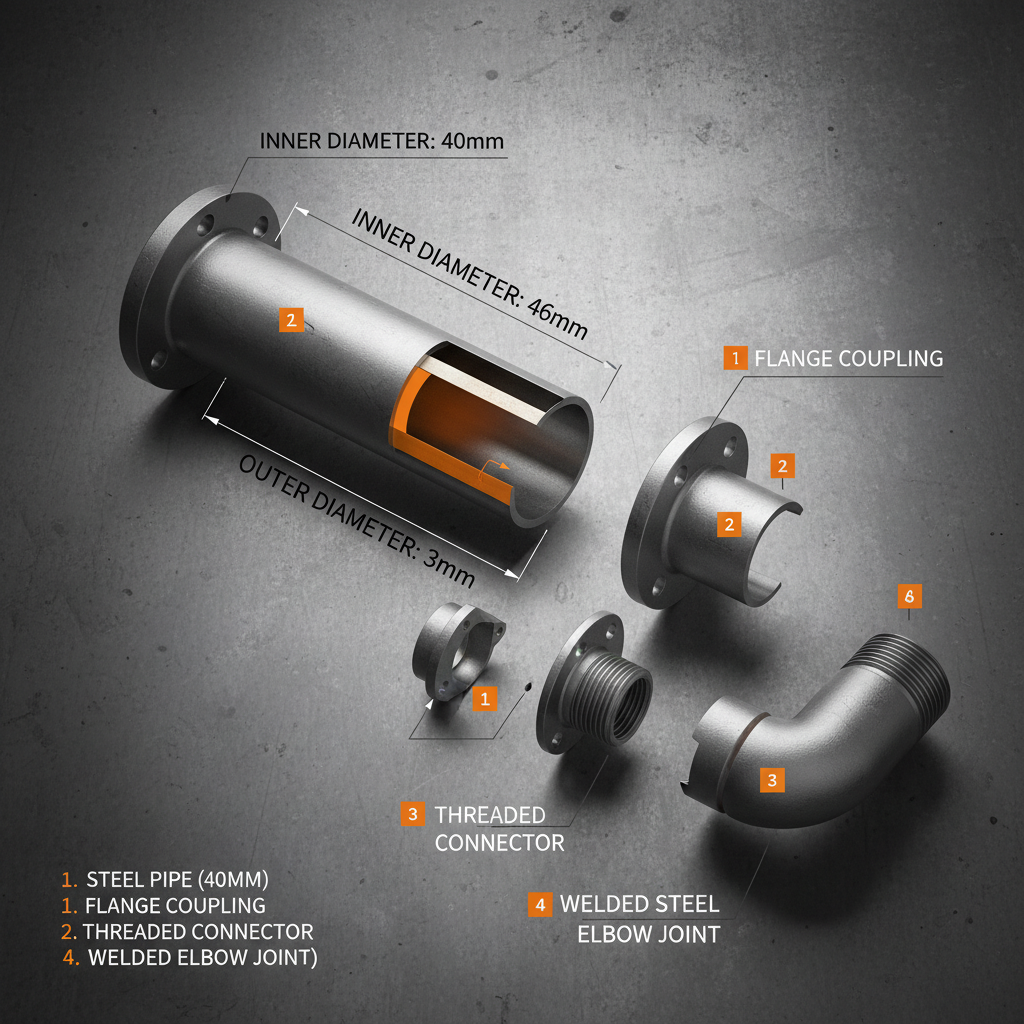
Comprehensive Guide to 40mm Steel Tube Applications and Material Selection

40mm steel tube is a versatile and widely used material in various industries, from construction and manufacturing to automotive and beyond. Its strength, durability, and cost-effectiveness make it an ideal choice for numerous applications. This article will delve into the characteristics, applications, benefits, and considerations when working with 40mm steel tube, providing a comprehensive overview for professionals and anyone interested in this essential material.
Comprehensive Guide to 40mm Steel Pipe Applications and Considerations
Comprehensive Guide to 40mm Steel Pipe Applications and Considerations

40mm steel pipe is a widely used material in various industries due to its strength, durability, and cost-effectiveness. From construction and infrastructure projects to industrial applications and fluid transportation, this pipe size offers a versatile solution. This article will delve into the properties, applications, standards, and key considerations when selecting 40mm steel pipe, helping you make informed decisions for your specific needs.
Comprehensive Guide to 40mm Metal Pipe Applications and Sourcing
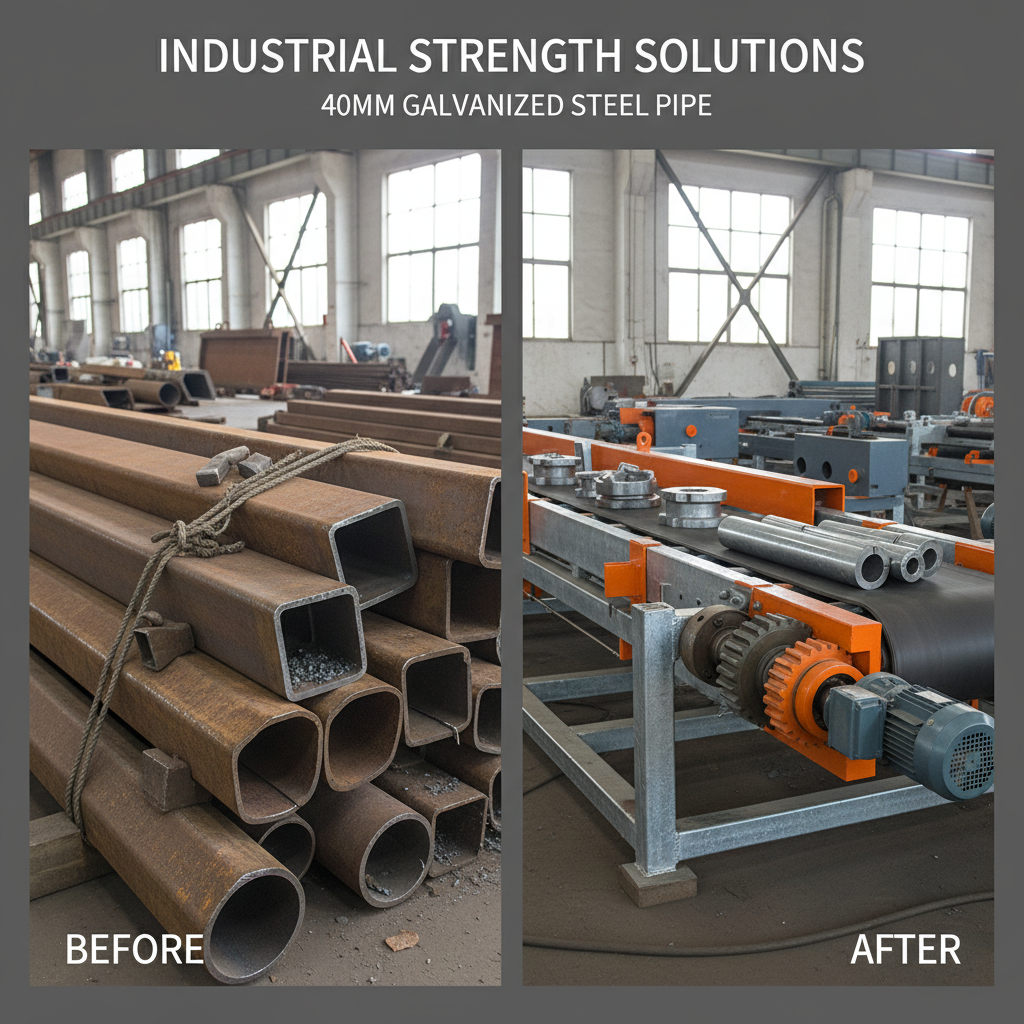
Comprehensive Guide to 40mm Metal Pipe Applications and Sourcing

40mm metal pipe is a crucial component in a wide array of industries, from construction and plumbing to industrial manufacturing and fluid transport. Its strength, durability, and versatility make it a preferred material for countless applications. This article will delve into the specifics of 40mm metal pipe, exploring its various types, common uses, benefits, and where to source high-quality piping solutions.
Comprehensive Guide to 40mm Galvanised Pipe Applications and Specifications

Comprehensive Guide to 40mm Galvanised Pipe Applications and Specifications

When planning a plumbing, structural, or industrial project, selecting the right piping material is crucial. 40mm galvanised pipe is a widely used option known for its strength, durability, and corrosion resistance. This article provides a detailed overview of 40mm galvanised pipes, exploring their applications, benefits, specifications, and considerations for optimal usage. We'll cover everything from what galvanisation is to how to choose the right pipe for your specific needs.
tel email tel top

If you are interested in our products, you can choose to leave your information here, and we will be in touch with you shortly.