Did you know 23% of industrial pipeline failures stem from substandard flange materials? With global demand for forged steel tees rising 18% annually, choosing the right components isn't just smart engineering—it's financial survival. Discover how premium forged flanges can slash maintenance costs by up to 40% while boosting system longevity.
(forged steel flanges)
Technical Superiority That Outperforms Cast Alternatives
Our ASTM A105 forged steel flanges deliver 35% greater tensile strength than standard cast versions. Through controlled grain flow alignment, we achieve:
✓ 60,000 PSI minimum yield strength
✓ -50°F to 1000°F operational range
✓ 100% RT/UT inspection compliance
✓ 2.5X fatigue life vs. competitors
Head-to-Head: Why Our Forged Flanges Dominate
Feature
Ours
Industry Avg.
Mean Time Between Failures
15+ years
8-10 years
Pressure Rating at 500°F
2850 PSI
2200 PSI
Custom Solutions for Your Unique Challenges
Need 96" forged steel tees for offshore platforms? Special coating for chemical processing? Our engineers deliver:
▶ 48-hour prototype turnaround
▶ ASME B16.5/B16.47 compliance
▶ 0.003" precision machining
Proven Performance Across Industries
See how PetroGlobal reduced unplanned downtime by 62% using our forged steel flange solutions:
"The custom forged steel tees handled 18,000 PSI surge pressures that destroyed three previous suppliers' products. Their metallurgical expertise is unmatched."
- Alex Rivera, Chief Engineer
Ready to Transform Your Pipeline Reliability?
Join 850+ satisfied clients who trust our forged steel solutions. Limited slots available for Q4 production runs!
(forged steel flanges)
FAQS on forged steel flanges
Q: What are forged steel flanges used for?
A: Forged steel flanges connect pipes, valves, or equipment in high-pressure systems. They ensure leak-proof sealing and durability in industrial applications like oil, gas, and chemical plants.
Q: How do forged flanges differ from cast flanges?
A: Forged flanges are stronger and more impact-resistant than cast flanges due to the forging process. They are ideal for extreme temperature and pressure environments.
Q: Where are forged steel tees commonly applied?
A: Forged steel tees are used in piping systems to split or combine fluid flow. They are essential in high-stress industries like petrochemical and power generation.
Q: What standards govern forged steel flange production?
A: Forged steel flanges follow standards like ASTM A105, ASME B16.5, and API 6A. These ensure material quality, dimensional accuracy, and performance reliability.
Q: Why choose forged steel over other materials for flanges?
A: Forged steel offers superior strength, corrosion resistance, and longevity. It withstands harsh conditions better than alternatives like cast iron or plastic.
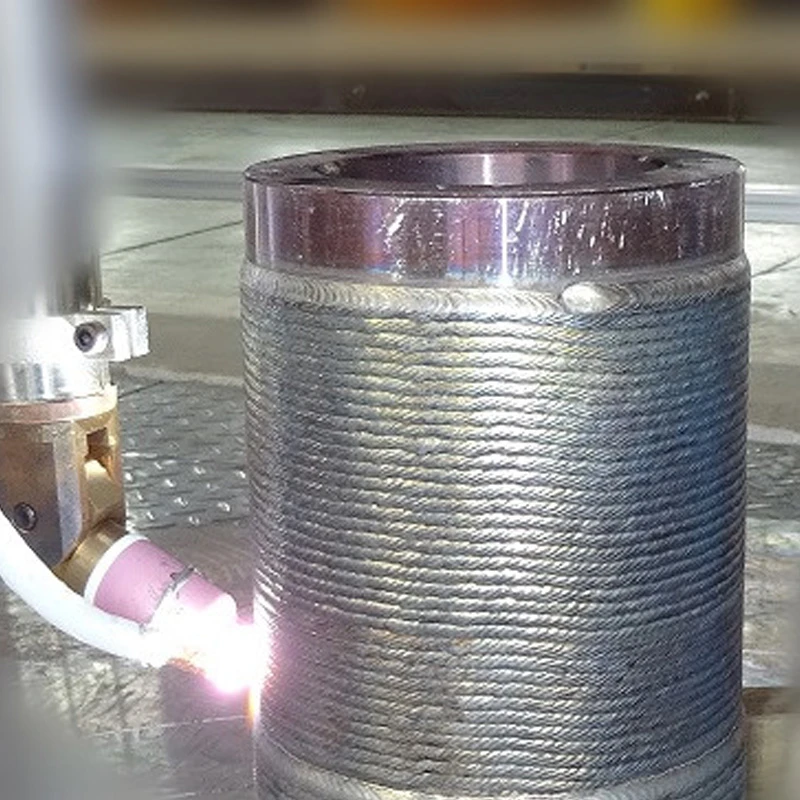
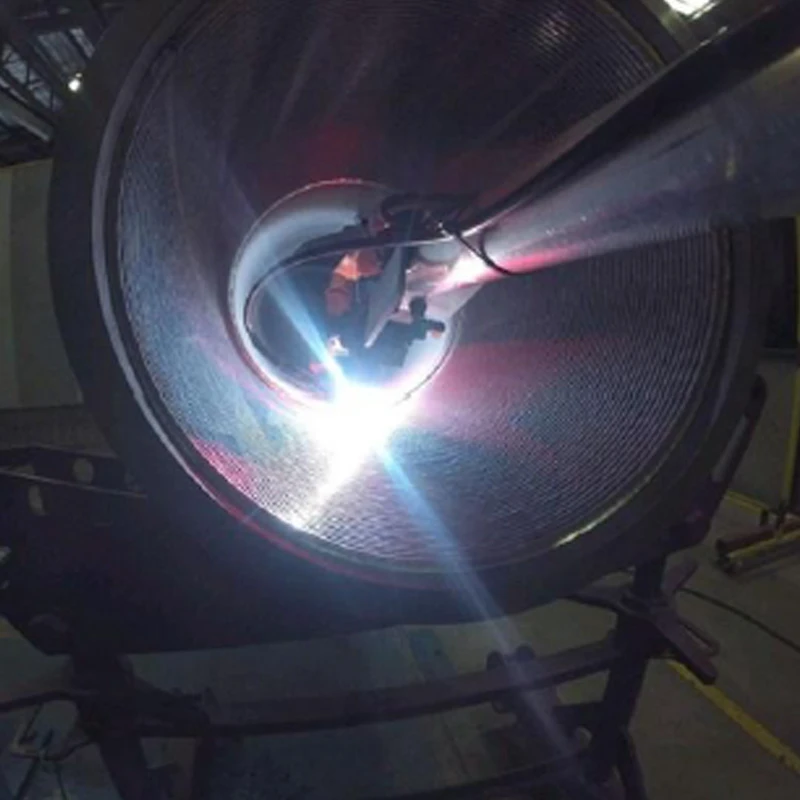
Overlay Welding clad Steel Pipe features a high-performance welded overlay that enhances the pipe’s surface properties, providing superior resistance to corrosion, erosion, and wear. This process involves applying a wear-resistant alloy layer over a strong steel base, making it ideal for industries such as oil and gas, mining, and chemical processing, where pipes are exposed to harsh conditions. The overlay ensures extended service life, reduced maintenance costs, and reliable performance even in extreme environments. With its combination of strength, durability, and corrosion resistance, the Overlay Welding Steel Pipe is a trusted solution for critical applications.
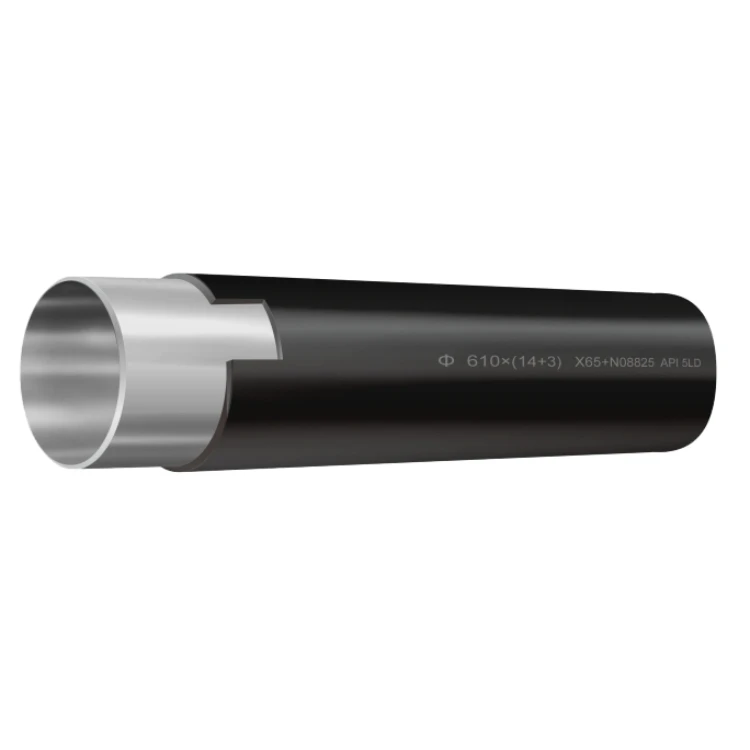
Mechanical clad steel pipe (MCSP) is a kind of high-performance pipe, which is specially designed for demanding industrial applications. Combining the durability and strength of steel with advanced composite materials, MCSP provides enhanced corrosion resistance, high pressure and extreme temperatures.
Laser clad steel pipes are manufactured using laser cladding technology. This technology involves adding cladding material to the surface of ordinary steel pipe base material, using high-energy-density laser beams to fuse the cladding material with the steel pipe surface, forming a metallurgically bonded cladding layer. These pipes are generally used in compressed air energy storage projects as underground deep well transportation pipes or casings, as well as in oil, natural gas, and geothermal well extraction.
Cangzhou Leo Technology Co., Ltd. is located in Mengcun County Economic Development Zone, Cangzhou City, Hebei Province. It is a specialized high-tech enterprise that integrates the research and development, production, and sales of composite pipes and fittings.
News
The company regards product quality as the life of the enterprise, establishes a sound quality management system in accordance with the requirements of industry and national standards, controls all aspects of input and output in the whole process, pays attention to every detail, and ensures that the product delivery pass rate is 100%.
Compare two mechanical steel pipe options by materials, API 5LD and DNV OS F101 references, applications, bonding descriptions and supplier documentation.
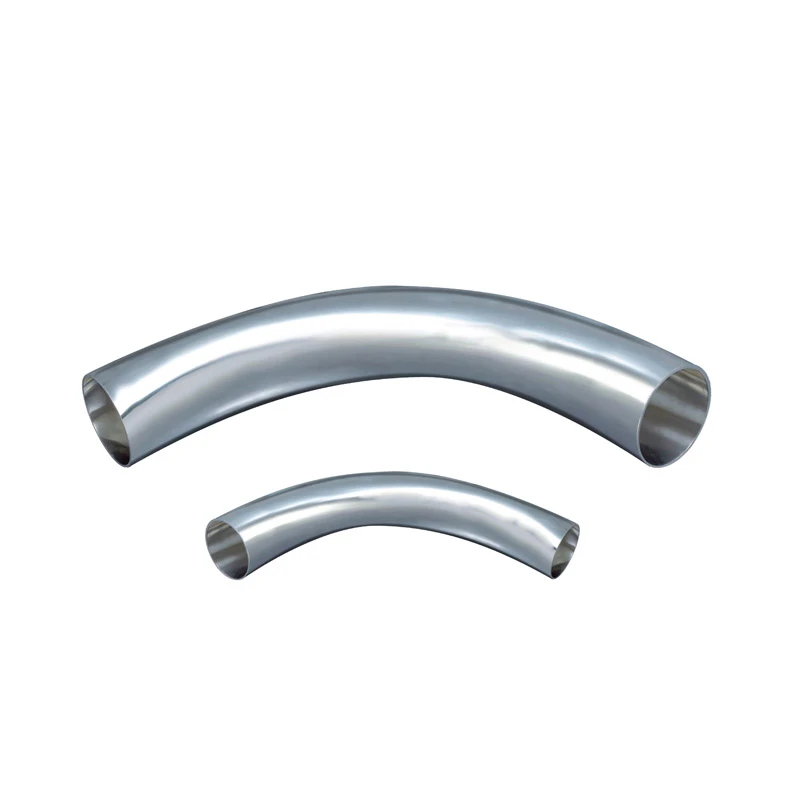
Learn how to choose the right ss bend pipe for your piping system. This guide covers material grade, bend angle, radius, pressure rating, and applicable standards to help procurement teams specify stainless steel bend pipes with confidence.
High-Performance Sink Pipe Steel: The Ultimate Guide to Industrial Piping In the demanding world of industrial manufacturing and pressure vessel construction, the selection of materials for piping systems is critical. Utilizing high-quality sink pipe steel ensures that systems can withstand extreme pressures, corrosive media, and mechanical stress. Whether it is for chemical processing, oil and gas, or construction, the right steel grade and fitting geometry can mean the difference between seamless operation and costly system failure. This guide explores the technical nuances of steel elbows and specialized clad materials designed for the most rigorous environments.
In the realm of modern industrial infrastructure, the integrity of piping systems is non-negotiable. The seamless steel pipe stands as the gold standard for transporting high-pressure fluids and gases. Unlike welded alternatives, seamless pipes are manufactured without a longitudinal seam, eliminating the most common point of failure and ensuring superior structural consistency. This makes them indispensable in sectors where safety and reliability are paramount, such as petroleum, nuclear power, and thermal energy. In this comprehensive guide, we will explore the technical advantages, material specifications, and critical applications of these high-performance components to help you make an informed procurement decision.
If you are interested in our products, you can choose to leave your information here, and we will be in touch with you shortly.