Flanges are integral components in a wide range of industrial systems, facilitating secure connections between pipes, tubes, and other equipment. Different types of flanges serve specific purposes, tailored to various operational requirements, materials, and pressure conditions. This exploration delves into the characteristics and applications of c flange, cable flange, camlock flange, carbon steel flange, and cf flange, highlighting their significance in diverse industrial setups.
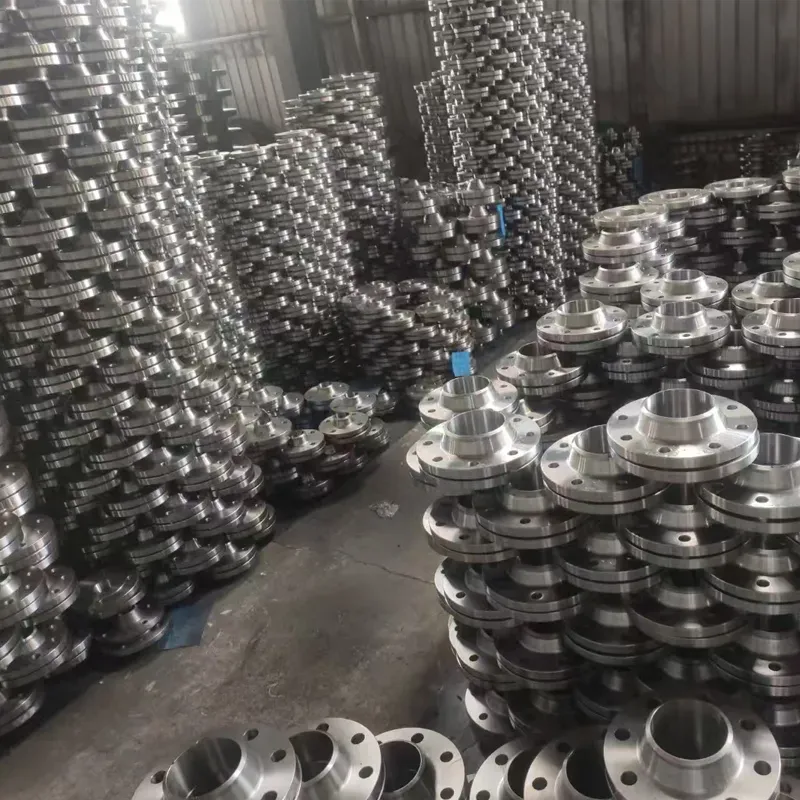
In the realm of industrial pipe fittings, the c flange stands out for its unique design and functionality. Commonly used in certain piping systems where a compact and reliable connection is needed, the c flange features a specific shape and bolt - hole arrangement that allows for easy alignment and attachment. Its construction often enables it to withstand moderate levels of pressure, making it suitable for applications in industries such as chemical processing plants. Here, c flange is employed to connect pipes that carry various chemicals, ensuring a leak - proof seal that is crucial for safety and efficient operation. The standardized dimensions of c flange also contribute to its popularity, as it can be easily sourced and interchanged with other compatible components within a piping network.
Cable flange plays a vital role in electrical and instrumentation systems. These flanges are designed to provide a secure and protected entry point for cables into enclosures, panels, or equipment. By using a cable flange, the integrity of the cable is maintained, and it is safeguarded from environmental factors such as moisture, dust, and mechanical damage. In power plants, for example, cable flange is used to route electrical cables from outdoor substations into control rooms. The flange creates a tight seal around the cables, preventing any unwanted ingress of elements that could disrupt the electrical flow or damage the sensitive equipment connected to the cables. Additionally, cable flange often comes with strain - relief features, ensuring that the cables are not subjected to excessive stress during installation or operation.
Camlock flange offers a unique solution for applications that require rapid connection and disconnection. This type of flange utilizes a cam - and - groove mechanism, allowing for quick attachment and detachment without the need for tools. In industries such as oil and gas transportation, camlock flange is widely used in hoses and portable transfer systems. When transferring fuel from a storage tank to a vehicle, for instance, the camlock flange enables operators to connect and disconnect the hoses swiftly, increasing the efficiency of the refueling process. The secure locking mechanism of camlock flange ensures that the connection remains tight even under high - pressure and vibration conditions, making it a reliable choice for critical fluid transfer operations.
Carbon steel flange is renowned for its strength and durability, making it one of the most commonly used flanges in industrial applications. Composed primarily of carbon steel, these flanges can withstand high pressures and temperatures, making them suitable for demanding environments such as oil refineries and power generation facilities. In a petrochemical plant, carbon steel flange is used to connect large - diameter pipes that carry hot, high - pressure hydrocarbons. The robust nature of carbon steel ensures that the flanges can endure the corrosive effects of the chemicals and the mechanical stresses imposed by the fluid flow. Moreover, carbon steel flange can be customized with various surface treatments, such as galvanization or painting, to further enhance its resistance to corrosion and extend its service life.
CF flange, or Conflat flange, is specifically designed for use in high - vacuum systems. These flanges feature a unique knife - edge seal design that creates an extremely tight seal, minimizing the risk of air leaks. In semiconductor manufacturing, where maintaining a high - vacuum environment is crucial for the production of microchips, CF flange is extensively used to connect vacuum chambers, pumps, and other equipment. The precision - engineered design of CF flange allows for the evacuation of air to extremely low pressures, enabling processes such as chemical vapor deposition and etching to occur with high accuracy. Additionally, CF flange is often made from materials like stainless steel, which offers excellent resistance to corrosion and contamination, ensuring the integrity of the high - vacuum system over time.
Selecting the appropriate flange depends on several factors. Consider the operating pressure and temperature of the system, as different flanges like carbon steel flange or CF flange are rated for specific pressure and temperature ranges. The type of fluid or gas being transported also matters; for corrosive substances, materials with better corrosion resistance may be required. Additionally, the ease of installation and the need for quick connection or disconnection, as seen with camlock flange, should be taken into account. Always refer to industry standards and consult with experts to ensure the chosen flange meets the safety and performance requirements of the application.
Regular inspection is essential for flanges to ensure their continued functionality. Check for signs of corrosion, leaks, or damage, especially around the sealing surfaces. For flanges like carbon steel flange, periodic cleaning and application of protective coatings can help prevent corrosion. In the case of cable flange, ensure that the cable entry remains sealed and that there is no damage to the cable or the flange itself. Tighten bolts regularly according to the specified torque values to maintain a secure connection. If any issues are detected, such as a leak or excessive wear, replace the flange or repair it promptly to avoid potential safety hazards or system failures.
Yes, flanges can be used with various pipe materials. However, it's important to ensure compatibility between the flange and the pipe material. For example, carbon steel flange can be used with carbon steel pipes, but if connecting to a different material like stainless steel, appropriate gaskets and precautions may be needed to prevent galvanic corrosion. When using cable flange, make sure that the flange is suitable for the type of cable insulation and diameter. In general, understanding the material properties and potential interactions between the flange and the pipe or cable is crucial for a successful and long - lasting connection.
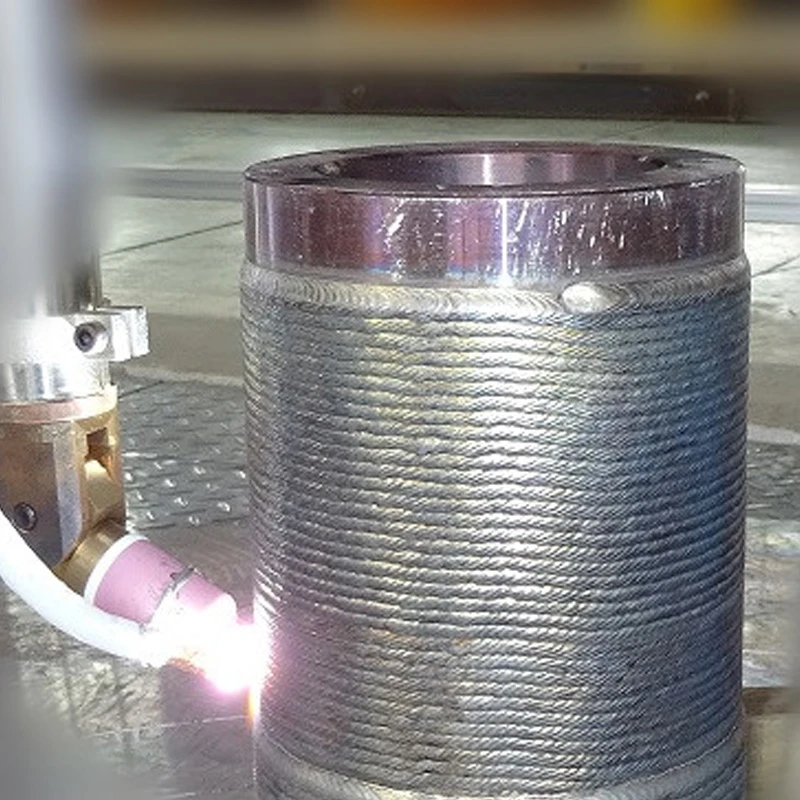
Overlay Welding Clad Steel Pipe

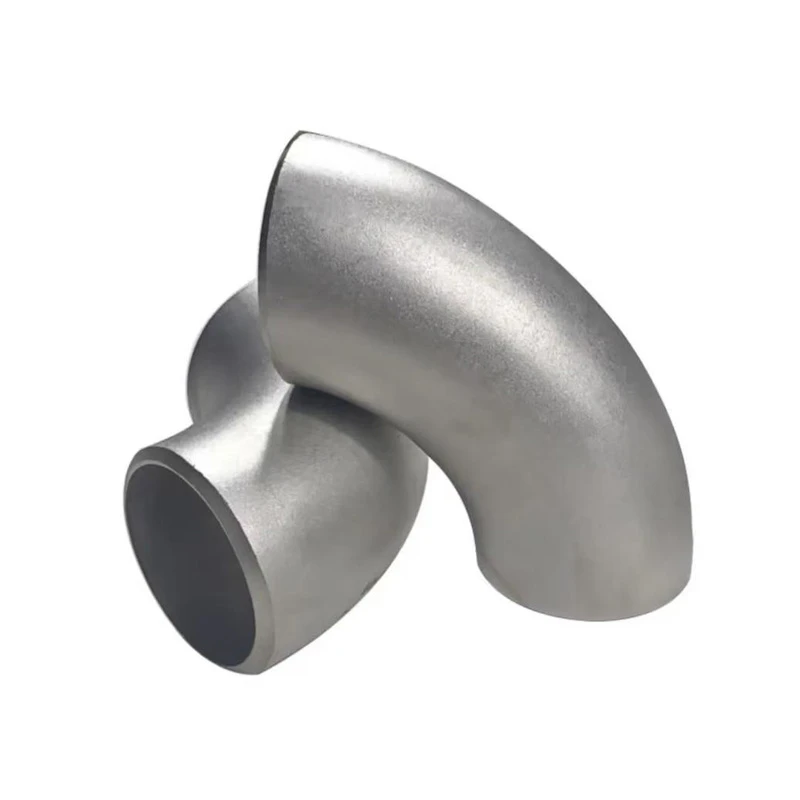
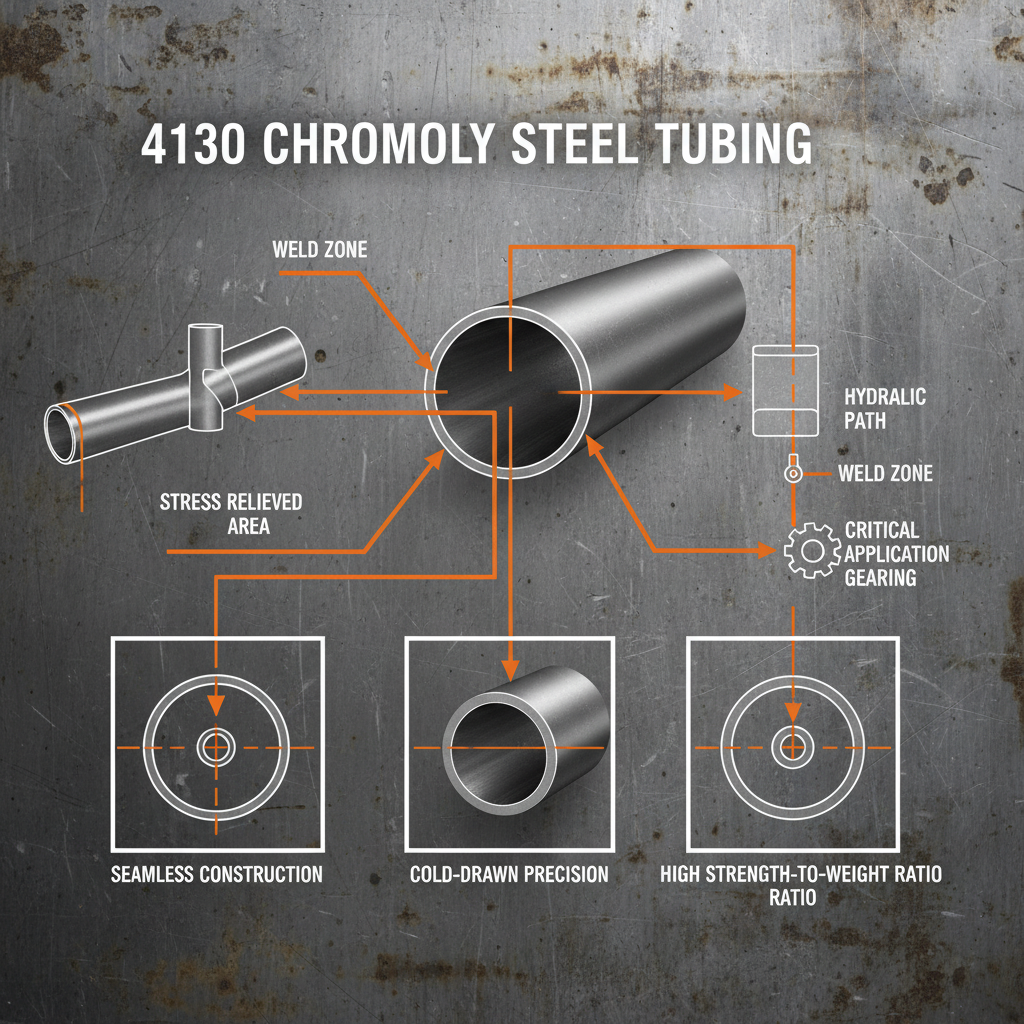
Ultimate Guide to 4130 Tubing Strength Performance and Applications
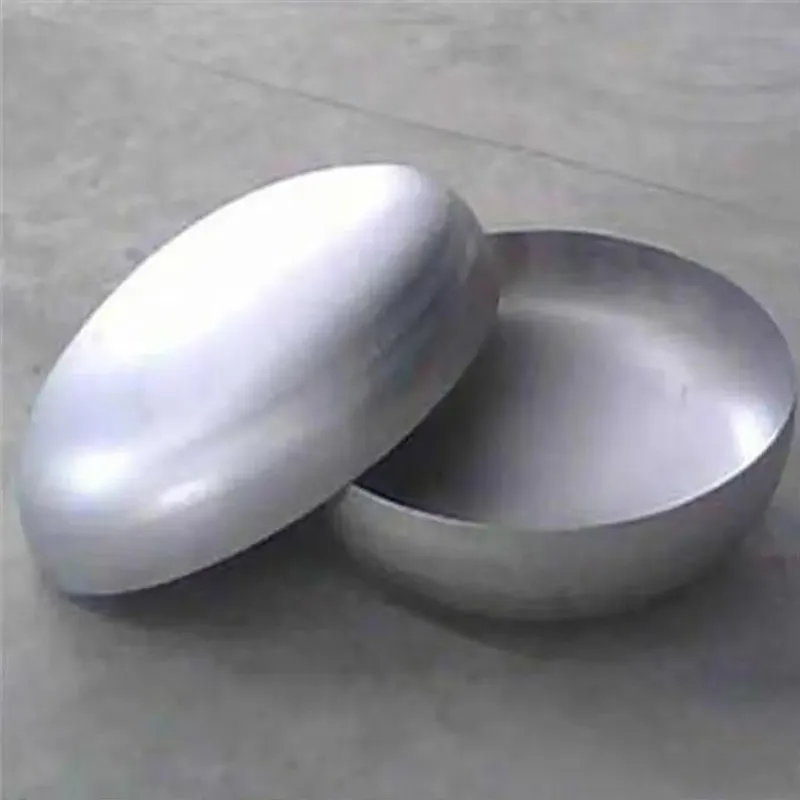
Pipe Cap-Cangzhou Lion Technology Co., Ltd.|Enhancing System Efficiency&Durability
Pipe Cap-Cangzhou Lion Technology Co., Ltd.|Enhancing System Efficiency&Durability
Pipe Cap-Cangzhou Lion Technology Co., Ltd.|Enhancing System Efficiency&Durability
Pipe Cap-Cangzhou Lion Technology Co., Ltd.|Enhancing System Efficiency&Durability
Pipe Cap-Cangzhou Lion Technology Co., Ltd.|Enhancing System Efficiency&Durability