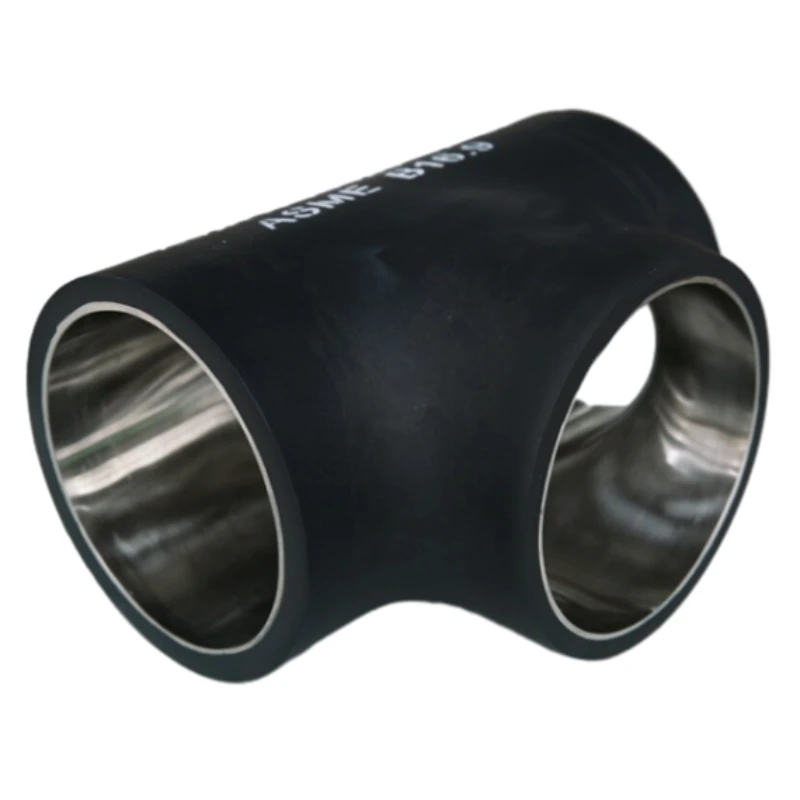
Flanges are integral components in piping and plumbing systems, playing a crucial role in connecting pipes, valves, and other equipment. Different types of flanges serve specific purposes, and understanding their characteristics and applications is essential for various industries. This exploration delves into a range of specialized flanges, including ball flange, ball valve flange type, base flange, black disposal flange, and black iron flange, highlighting their unique features and practical uses.
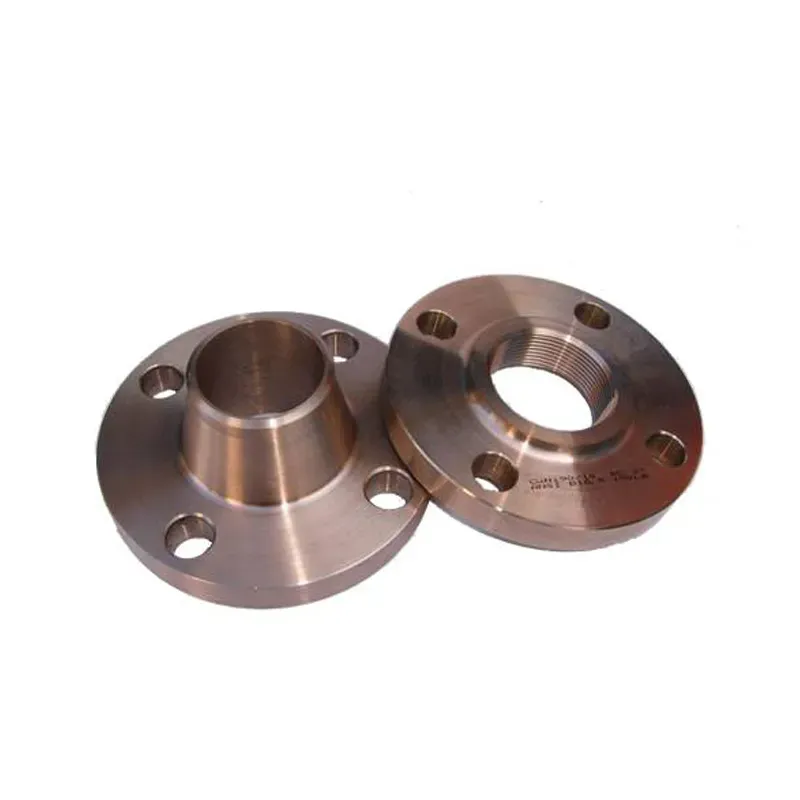
In industrial piping systems, the ball flange offers a distinct set of advantages. These flanges are often utilized in applications where a high degree of flexibility and movement tolerance is required. For example, in certain manufacturing plants where pipes may experience thermal expansion and contraction, the ball flange can accommodate these changes without causing stress or damage to the connection. Its spherical design allows for a limited amount of angular movement, enabling pipes to shift slightly while maintaining a secure seal. This makes it particularly suitable for systems that need to absorb vibrations or adjust to minor misalignments. When integrated with other components, the ball flange ensures that the overall piping system remains reliable and efficient, reducing the risk of leaks and system failures.
The ball valve flange type is a key element in valve - piping connections. Ball valves are widely used for controlling the flow of fluids, and the specific flange type associated with them is designed to optimize this functionality. These flanges are engineered to provide a robust connection between the ball valve and the pipes, ensuring a tight seal that prevents leakage. In industries such as oil and gas, where the proper containment of fluids is critical, the ball valve flange type plays a vital role. It allows for easy installation and maintenance of the ball valve, facilitating quick access for repairs or replacements when needed. The flange's design also contributes to the overall durability of the valve - piping assembly, withstanding high pressures and harsh operating conditions commonly found in these sectors.
Base flanges serve as the foundation for many piping and equipment installations. They provide a stable and secure base for attaching various components, ensuring that they remain in place during operation. In construction projects, such as building large industrial facilities or commercial complexes, base flanges are used to anchor pipes, pumps, and other machinery to the floor or structural supports. These flanges are typically made from strong materials, such as steel, to withstand the weight and forces exerted on the connected equipment. By distributing the load evenly, the base flange helps prevent structural damage and ensures the long - term stability of the installation. Additionally, they offer a convenient surface for bolting other components, streamlining the assembly process and enhancing the overall efficiency of the project.
In waste management systems, the black disposal flange is an important component. These flanges are specifically designed for handling sewage and other waste materials. They are constructed to resist corrosion and withstand the harsh chemical environment often associated with waste disposal. For example, in municipal sewer systems or industrial wastewater treatment plants, black disposal flanges are used to connect pipes that carry waste from various sources to treatment facilities. Their design ensures a secure seal, preventing the leakage of harmful waste into the surrounding environment. The black disposal flange also allows for easy inspection and maintenance of the waste - handling system, enabling workers to quickly identify and address any issues that may arise.
Black iron flanges are known for their strength and durability. Made from black iron, which is a type of wrought iron with a protective layer of mill scale, these flanges are suitable for a wide range of applications. In plumbing systems, black iron flanges are commonly used to connect pipes in residential and commercial buildings. They provide a reliable connection that can withstand the pressure of water flow and resist rust and corrosion over time. In industrial settings, such as factories and refineries, black iron flanges are employed in piping systems that carry steam, gas, or other industrial fluids. Their robust construction allows them to handle high temperatures and pressures, making them a preferred choice for heavy - duty applications.
Selecting the appropriate flange, whether it's a ball flange, ball valve flange type, base flange, black disposal flange, or black iron flange, depends on several factors. First, consider the nature of the fluid or gas being transported, as different flanges have varying levels of resistance to corrosion and chemical attack. For example, a black disposal flange would be ideal for waste management due to its corrosion - resistant properties. Second, evaluate the operating pressure and temperature of the system, as some flanges are rated for specific ranges. Additionally, take into account the type of connection required, such as the method of bolting or welding, and the space available for installation. Consulting with industry experts or referring to product specifications can also help in making the right choice.
Maintenance requirements for flanges vary depending on their type and application. In general, regular inspection for signs of wear, corrosion, or leakage is essential. For black iron flanges, periodic cleaning to remove any accumulated dirt or rust can help extend their lifespan. Ball flanges should be checked for proper movement and lubricated if necessary to ensure smooth operation. Base flanges may need to be tightened periodically to maintain a secure connection, especially in high - vibration environments. Black disposal flanges should be inspected for any signs of damage or blockage, as they are critical for maintaining the integrity of waste management systems. Following the manufacturer's guidelines for maintenance and using appropriate protective coatings or treatments can significantly improve the performance and longevity of these flanges.
In most cases, different flange types, such as ball flange, ball valve flange type, base flange, black disposal flange, and black iron flange, are not interchangeable. Each flange is designed with specific dimensions, pressure ratings, and connection methods to suit its intended application. For example, a ball valve flange type is tailored to fit the unique requirements of a ball valve, and using a different type of flange may result in an improper fit, leakage, or system failure. However, in some situations where the dimensions and pressure ratings match closely, and the application allows for it, with proper engineering assessment, limited interchangeability might be possible. But this should be done with extreme caution and only after ensuring that all safety and performance requirements are met.

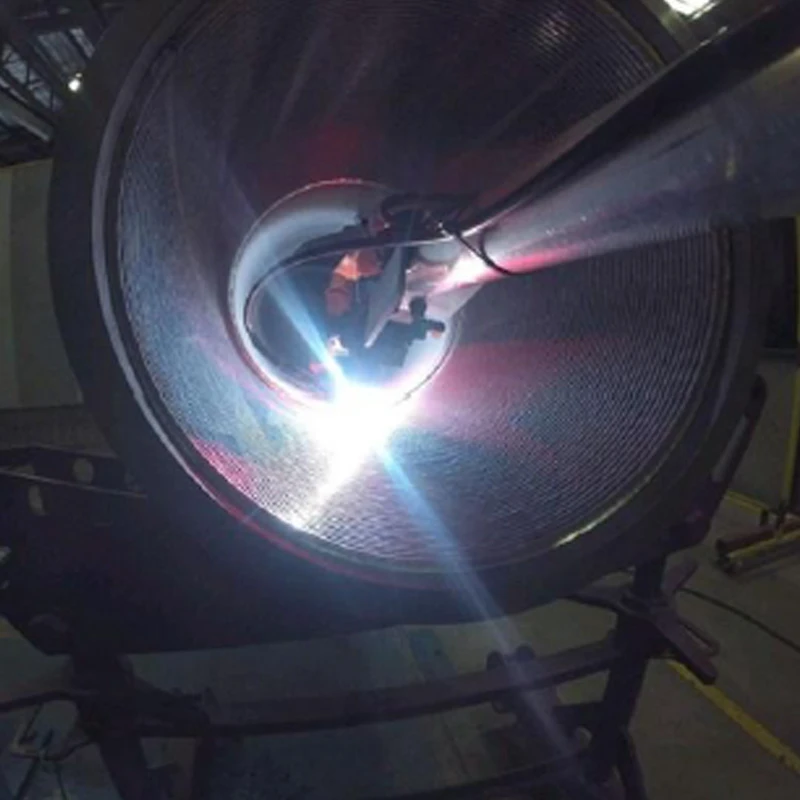
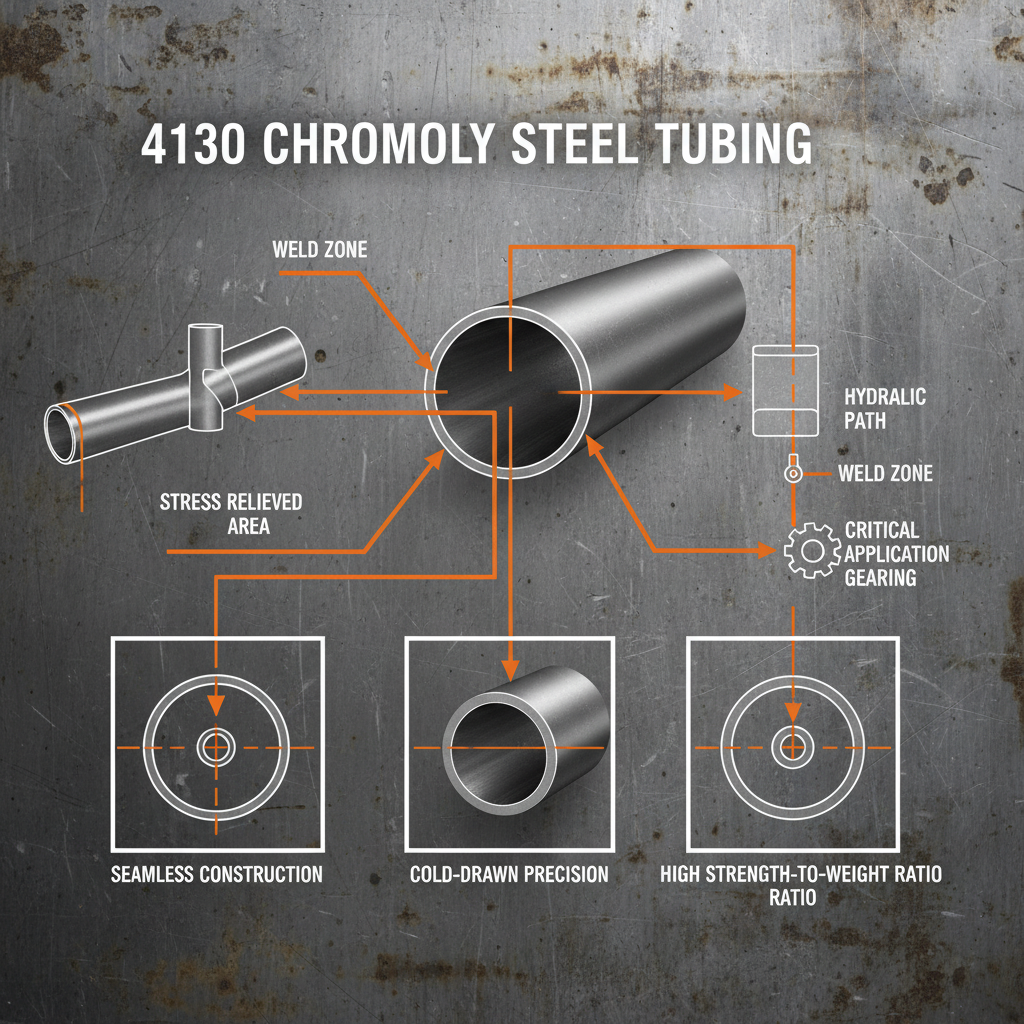
Ultimate Guide to 4130 Tubing Strength Performance and Applications
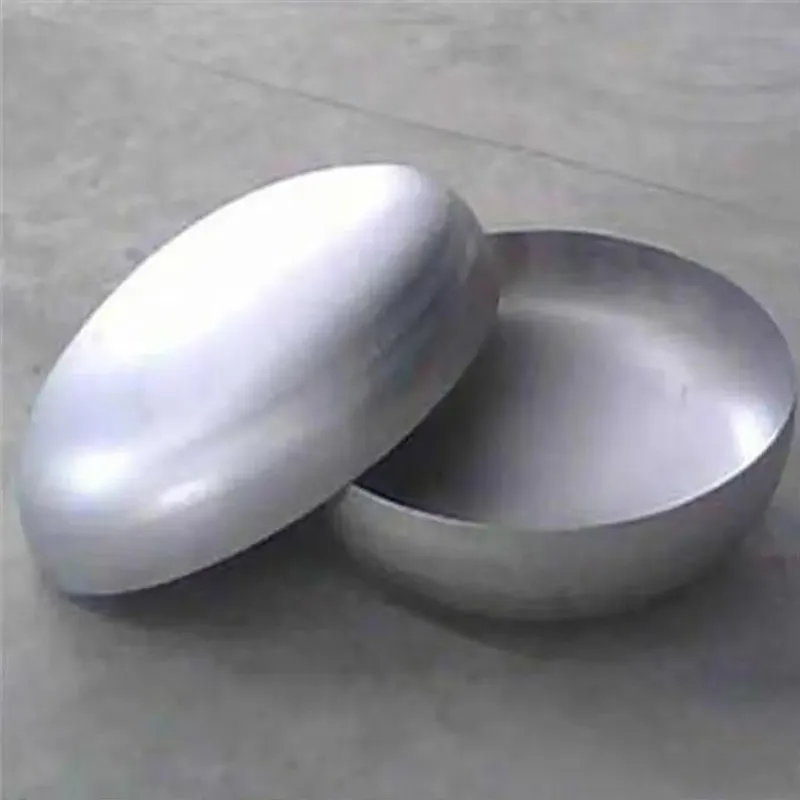
Pipe Cap-Cangzhou Lion Technology Co., Ltd.|Enhancing System Efficiency&Durability
Pipe Cap-Cangzhou Lion Technology Co., Ltd.|Enhancing System Efficiency&Durability
Pipe Cap-Cangzhou Lion Technology Co., Ltd.|Enhancing System Efficiency&Durability
Pipe Cap-Cangzhou Lion Technology Co., Ltd.|Enhancing System Efficiency&Durability
Pipe Cap-Cangzhou Lion Technology Co., Ltd.|Enhancing System Efficiency&Durability