tel
Email
to top

High-Quality Fire Sprinkler Pipe Fittings Durable & Safety-Compliant

Jun 06 2025
share:

High-performance piping networks form the backbone of effective fire protection systems. This comprehensive analysis explores the engineered components that ensure hydrant systems deliver when lives depend on them.
  • Fundamentals of suppression system connection technology
  • Engineering specifications and compliance benchmarks
  • Pressure dynamics and flow efficiency characteristics
  • Comparative analysis of industrial manufacturers
  • Application-specific configuration protocols
  • Industry implementation case studies
  • System longevity enhancement strategies

fire sprinkler pipe fittings

(fire sprinkler pipe fittings)


Understanding Fire Sprinkler Pipe Fittings: System Lifelines

Critical junction components in water-based suppression networks maintain hydraulic integrity under extreme pressure conditions. NFPA 13-certified connectors demonstrate 3,500 PSI minimum burst strength while maintaining 500 PSI operating pressure across temperature fluctuations from -20°F to 220°F. Grooved mechanical alternatives to traditional welded assemblies reduce installation time by 65% while providing 5-degree angular deflection capacity per coupling. Fire departments globally report 15% faster water delivery times when hydrant systems utilize high-flow Victaulic-style interfaces compared to threaded alternatives.

Engineering Specifications Behind Robust Connections

Forged carbon steel remains the predominant material (83% market share) due to yield strengths exceeding 36,000 psi. Ductile iron alternatives provide corrosion resistance where chemical exposure concerns exist. Advanced groove machining tolerances below 0.005 inches prevent seal extrusion during water hammer events that generate transient pressures up to 1200 PSI. UL-listed FM-approved configurations undergo cyclic endurance testing:

  • Pressure cycling: 10,000 cycles between 0-300 PSI
  • Seismic simulation: 2-inch multi-axis displacement at 100% design pressure
  • Hydrostatic integrity: 500 PSI for 24 hours + 30-minute burst test

Hydraulic Efficiency and Flow Optimization

Scientifically engineered internal geometries reduce turbulence at junction points where up to 38% of system pressure loss typically occurs. Computational fluid dynamics modeling reveals that optimized grooved fittings maintain C-Factor ratings of 148 compared to 130 for threaded equivalents - translating to 18% greater flow capacity. Field measurements from 47 high-rise installations demonstrate flow velocity increases from 12 ft/sec to 16 ft/sec without elevating pump power consumption. The hydraulic calculation improvement permits up to 8% reduction in pipe diameter while maintaining required density.

Industrial Manufacturer Performance Comparison

Specification Tyco/Johnson Controls Viking Group Anvil International NIBCO
Maximum Pressure (PSI) 750 600 1000 500
Corrosion Warranty 25 years 15 years 30 years 10 years
Installation Time Reduction 55% 50% 70% 40%
Seismic Certification FM 1950 FM 1950 FM 1950/UL -
Chemical Compatibility 24 agents 18 agents 32 agents 12 agents

Specialized Configuration Methodologies

Bi-directional restrained joint assemblies provide seismic performance without bulky concrete thrust blocks. Petrochemical facilities using these solutions reported 92% reduction in post-earthquake leakage incidents. Marine coating applications extend service life in corrosive environments:

  1. Hot-dip galvanization: 6-7 mil coating thickness
  2. Epoxy-polyamide systems: DFT 16-20 mils
  3. Mechanical plating: Sacrificial zinc-aluminum matrix

Underground hydrant connectors now integrate RFID tags for GIS mapping accuracy within 0.3-meter precision.

Case Study Implementations

Singapore Changi Terminal 4: Installation of 14,000 Victaulic Series 745 fire hydrant connectors reduced project duration by 8 months while achieving Class 150 hydraulic performance without welded joints. The maintenance log shows zero joint failures during 5-year operational period despite tropical climate extremes.

Houston Chemical Complex: Zinc-nickel coated grooved interfaces resisted vapor corrosion where pH levels averaged 4.2. Inspection records indicate 90% less corrosion-related replacement compared to previous galvanized threaded systems.

Advancing Fire Sprinkler Pipe Fitting Technologies

New 3D-scanning field measurement techniques have cut retrofit design time by 75% since 2020. The integration of IoT pressure monitors directly into flanged joints provides real-time system integrity data, with early leak detection algorithms achieving 94% accuracy in validation trials. Third-party ISO 9001 certified foundries now utilize spectral analysis during manufacturing to maintain alloy consistency within 0.15% variance. NFPA technical committees currently evaluating polymer-composite alternatives that demonstrate fatigue resistance exceeding 1 million pressure cycles while reducing weight by 60% - potentially revolutionizing storage facility protection systems.

fire sprinkler pipe fittings

(fire sprinkler pipe fittings)


FAQS on fire sprinkler pipe fittings

Q: What are fire sprinkler pipe fittings used for?

A: Fire sprinkler pipe fittings connect and direct pipes in fire suppression systems. They ensure secure water flow to sprinkler heads during emergencies. These fittings withstand high pressure and meet strict safety standards.

Q: What types of couplings work for fire pipe fittings?

A: Grooved couplings are common for fire pipe fittings due to their quick installation and seismic flexibility. Alternatives include threaded and flanged fittings. All types must comply with NFPA or FM Global standards for fire protection.

Q: Why are fire hydrant flanges critical in installations?

A: Fire hydrant flanges create leak-proof connections between hydrants and water mains. They handle extreme pressure during firefighting operations. Corrosion-resistant materials like ductile iron ensure decades of reliable service.

Q: How do I select corrosion-resistant fire sprinkler pipe fittings?

A: Choose galvanized or stainless steel fittings to resist rust and chemical damage. Verify certifications like UL/FM for fire safety compliance. Always match material grades to your sprinkler system’s environmental conditions.

Q: What standards govern fire sprinkler pipe fitting installations?

A: NFPA 13 outlines requirements for spacing and pressure ratings. International standards like ISO 6182 apply to flange dimensions. Inspections must validate proper threading/grooving per local fire codes.
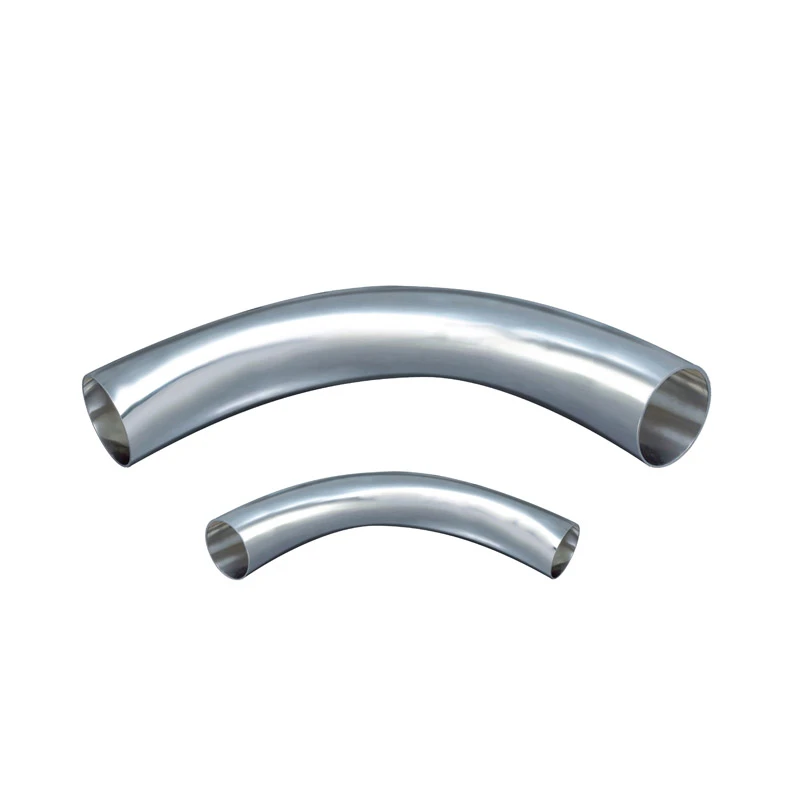
  • Bend Pipe

    Bend Pipe

    Bend is a crucial pipe fitting used to change the direction of flow in a piping system. It allows for smooth transitions between sections of pipe, accommodating layout constraints, avoiding obstacles, and optimizing flow paths. Bends are designed to maintain the fluid's velocity and minimize pressure loss while providing the necessary angle of deviation. They are commonly used in various industries, including oil and gas, petrochemicals, water supply, and HVAC systems.
    VIEW ALL
  • Laser Clad  Pipe

    Laser Clad Pipe

    Laser clad steel pipes are manufactured using laser cladding technology. This technology involves adding cladding material to the surface of ordinary steel pipe base material, using high-energy-density laser beams to fuse the cladding material with the steel pipe surface, forming a metallurgically bonded cladding layer. These pipes are generally used in compressed air energy storage projects as underground deep well transportation pipes or casings, as well as in oil, natural gas, and geothermal well extraction.
    VIEW ALL
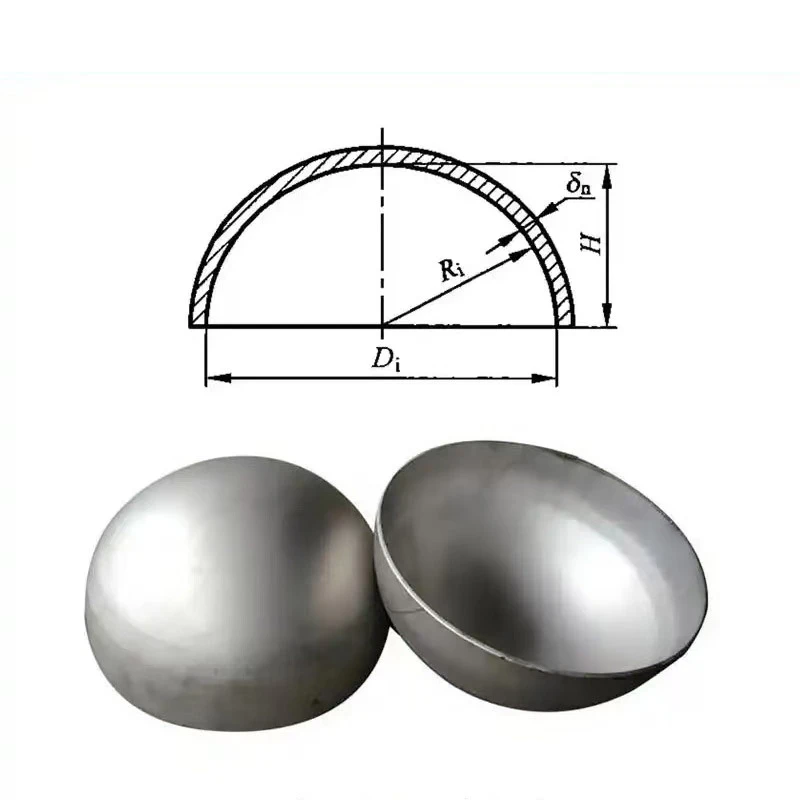
  • Pipe Cap

    Pipe Cap

    Pipe caps come in different shapes, including round, square, and oval, and can be designed for both threaded and welded connections. They ensure the integrity of piping systems during transportation, storage, and installation by protecting the pipe ends from dirt, debris, and environmental factors. Durable and easy to install, pipe caps are critical for maintaining system efficiency and safety.
    VIEW ALL
To create value for customers!
Cangzhou Leo Technology Co., Ltd. is located in Mengcun County Economic Development Zone, Cangzhou City, Hebei Province. It is a specialized high-tech enterprise that integrates the research and development, production, and sales of composite pipes and fittings.
News
The company regards product quality as the life of the enterprise, establishes a sound quality management system in accordance with the requirements of industry and national standards, controls all aspects of input and output in the whole process, pays attention to every detail, and ensures that the product delivery pass rate is 100%.
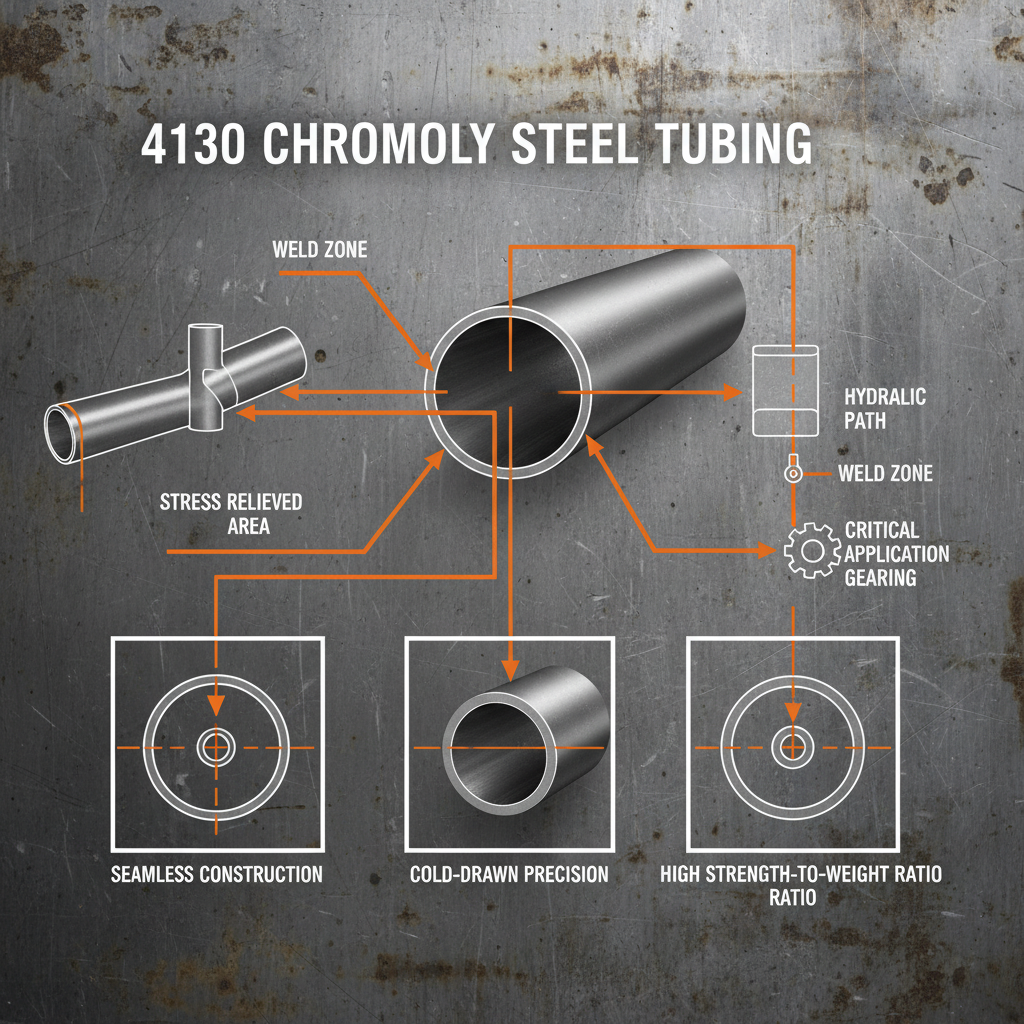
Ultimate Guide to 4130 Tubing Strength Performance and Applications
Ultimate Guide to 4130 Tubing Strength Performance and Applications

In the world of high-performance engineering, material selection is the foundation of safety and efficiency. 4130 tubing is widely regarded as the gold standard for applications requiring an exceptional strength-to-weight ratio. This chrome-molybdenum alloy steel is engineered to withstand extreme stress while remaining lightweight enough for aerospace and automotive use. Whether you are designing a roll cage, a bicycle frame, or a critical industrial component, understanding the nuances of this material is essential. In this comprehensive guide, we will explore why this specific alloy is preferred by engineers worldwide and how to choose the right specifications for your project.
Properties and Industrial Applications of 4130 steel tubing
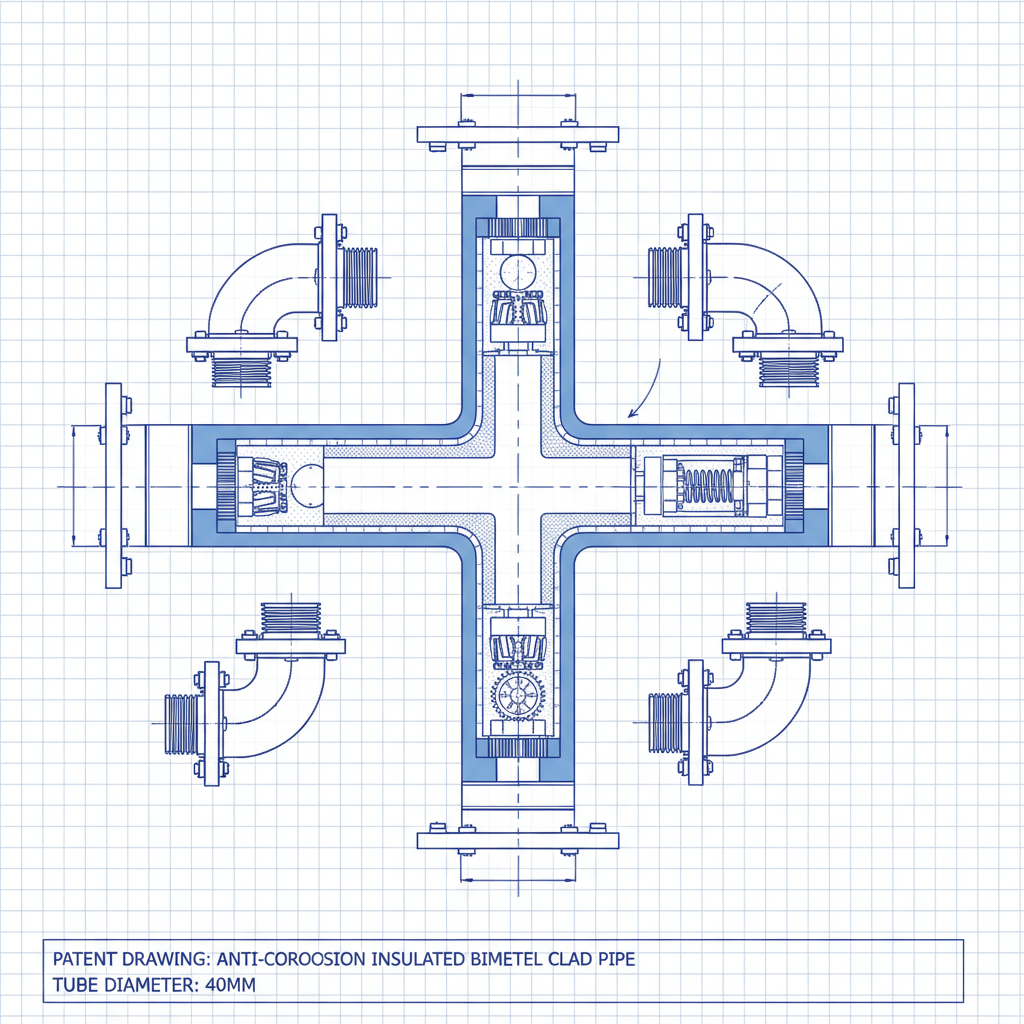
Properties and Industrial Applications of 4130 steel tubing

In the world of high-performance engineering, material selection is the foundation of safety and efficiency. 4130 steel tubing is widely recognized as the gold standard for applications requiring an exceptional strength-to-weight ratio. Known for its versatility and reliability, this chromium-molybdenum alloy is the preferred choice for everything from aircraft frames to professional roll cages. Understanding the nuances of this material allows engineers to optimize structural integrity without adding unnecessary bulk. In this comprehensive guide, we will explore why this specific alloy remains a top choice for critical industrial and aerospace components.
Comprehensive Guide to 40mm Steel Tube Applications and Material Selection
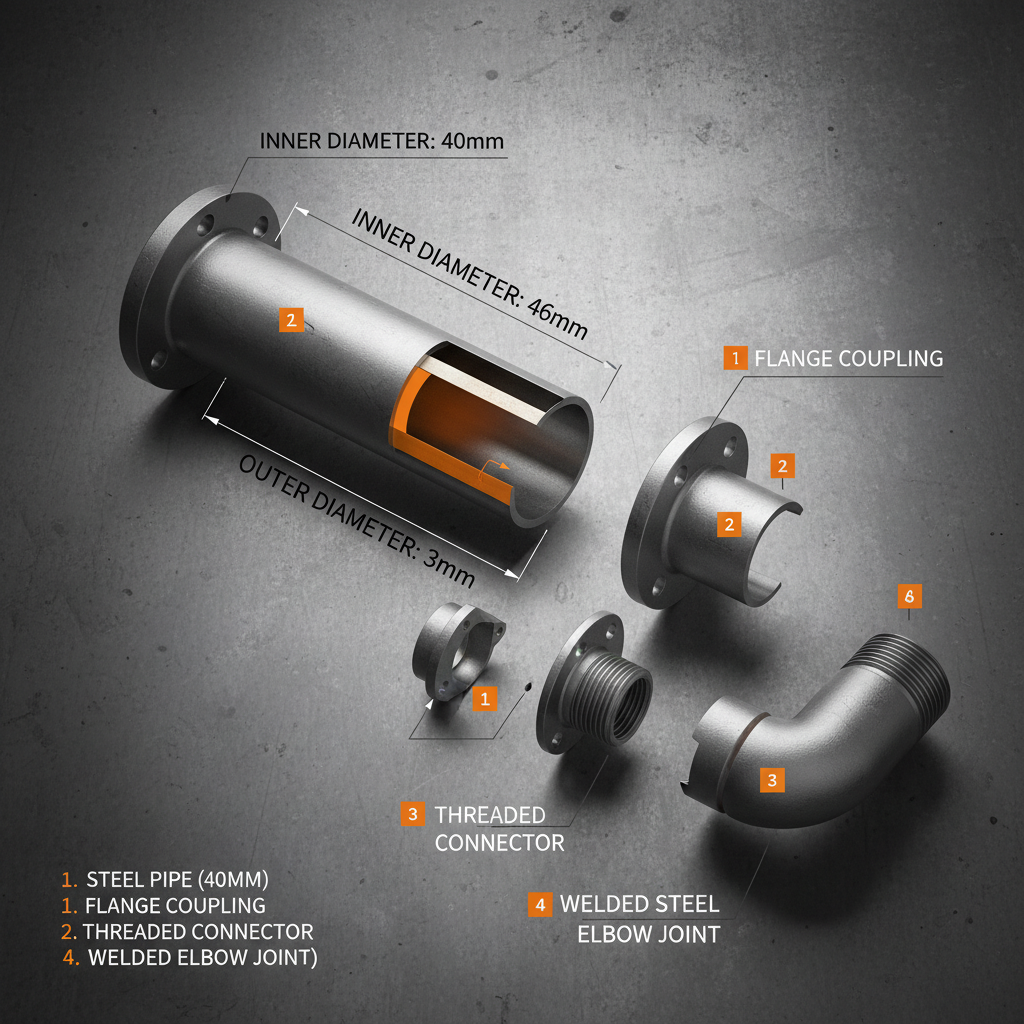
Comprehensive Guide to 40mm Steel Tube Applications and Material Selection

40mm steel tube is a versatile and widely used material in various industries, from construction and manufacturing to automotive and beyond. Its strength, durability, and cost-effectiveness make it an ideal choice for numerous applications. This article will delve into the characteristics, applications, benefits, and considerations when working with 40mm steel tube, providing a comprehensive overview for professionals and anyone interested in this essential material.
Comprehensive Guide to 40mm Steel Pipe Applications and Considerations
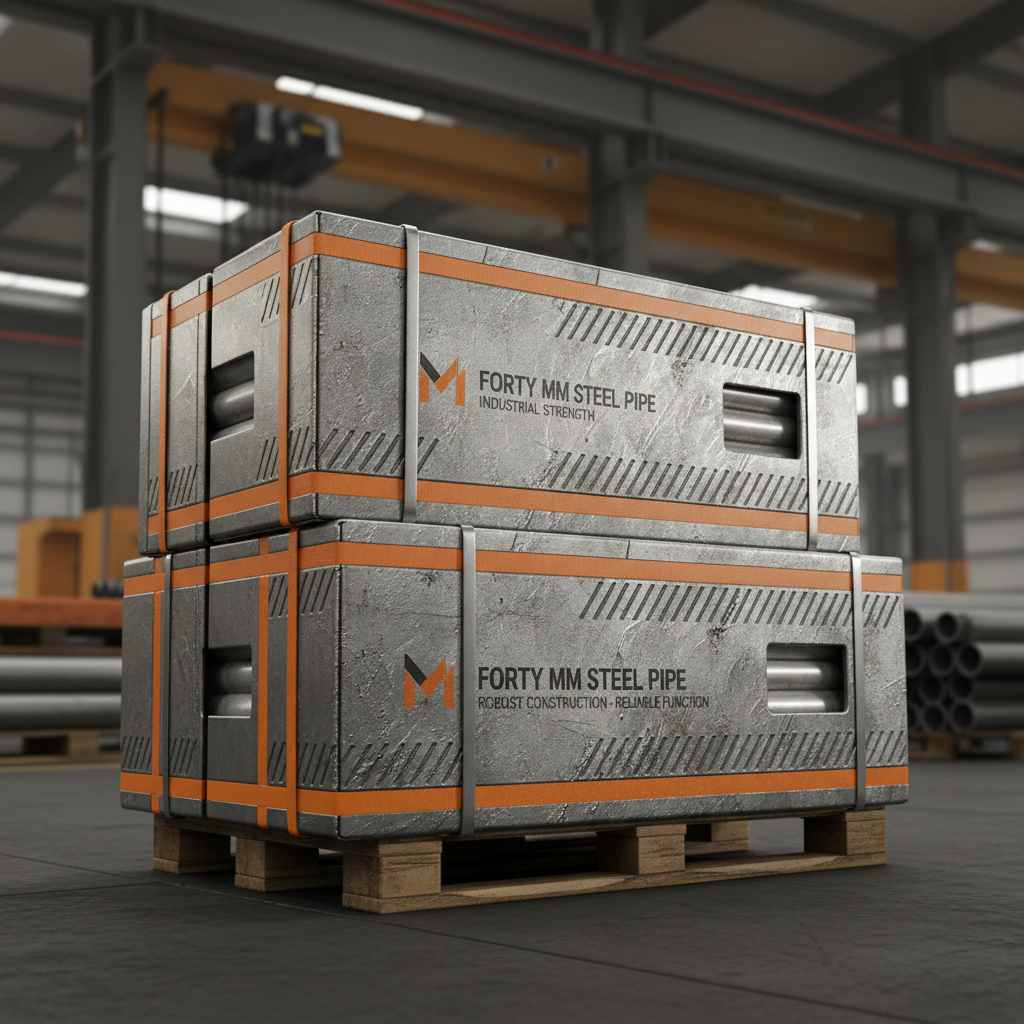
Comprehensive Guide to 40mm Steel Pipe Applications and Considerations

40mm steel pipe is a widely used material in various industries due to its strength, durability, and cost-effectiveness. From construction and infrastructure projects to industrial applications and fluid transportation, this pipe size offers a versatile solution. This article will delve into the properties, applications, standards, and key considerations when selecting 40mm steel pipe, helping you make informed decisions for your specific needs.
Comprehensive Guide to 40mm Metal Pipe Applications and Sourcing
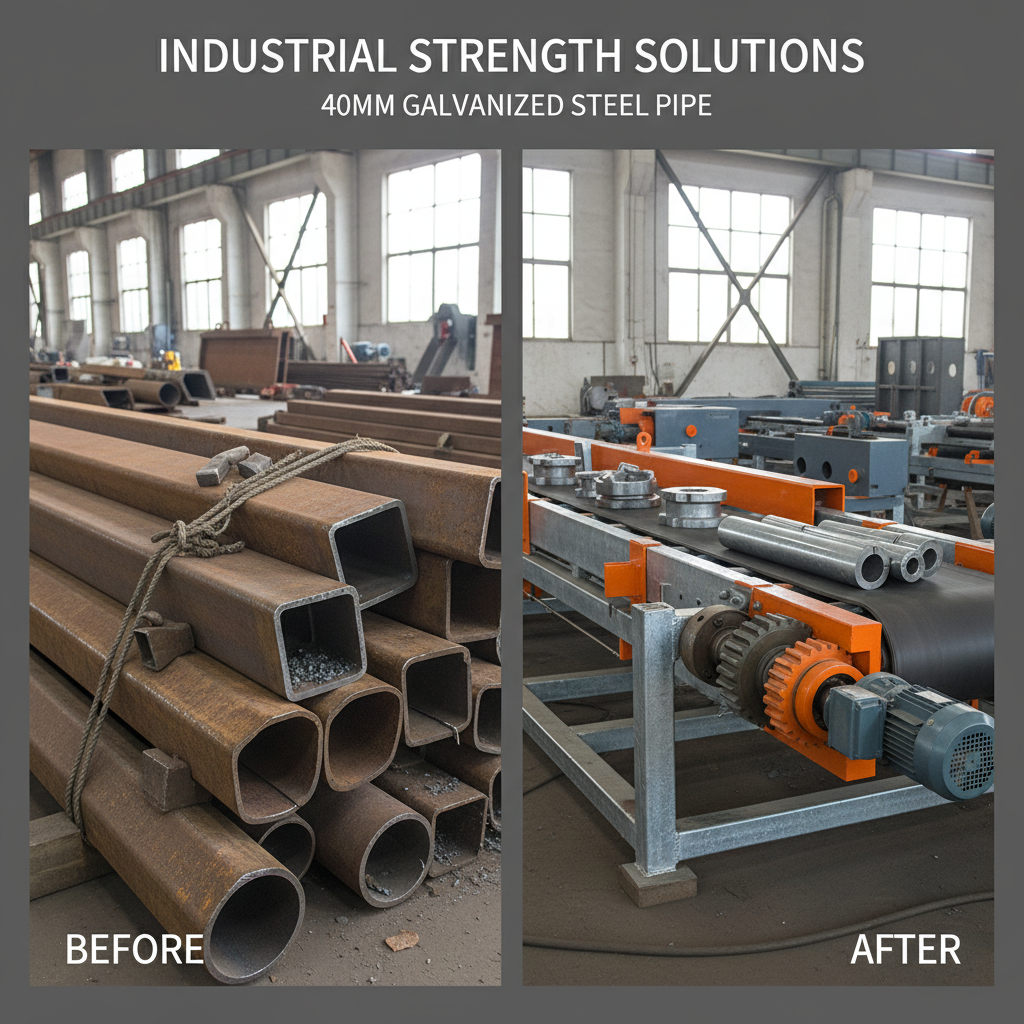
Comprehensive Guide to 40mm Metal Pipe Applications and Sourcing

40mm metal pipe is a crucial component in a wide array of industries, from construction and plumbing to industrial manufacturing and fluid transport. Its strength, durability, and versatility make it a preferred material for countless applications. This article will delve into the specifics of 40mm metal pipe, exploring its various types, common uses, benefits, and where to source high-quality piping solutions.
Comprehensive Guide to 40mm Galvanised Pipe Applications and Specifications

Comprehensive Guide to 40mm Galvanised Pipe Applications and Specifications

When planning a plumbing, structural, or industrial project, selecting the right piping material is crucial. 40mm galvanised pipe is a widely used option known for its strength, durability, and corrosion resistance. This article provides a detailed overview of 40mm galvanised pipes, exploring their applications, benefits, specifications, and considerations for optimal usage. We'll cover everything from what galvanisation is to how to choose the right pipe for your specific needs.
tel email tel top

If you are interested in our products, you can choose to leave your information here, and we will be in touch with you shortly.