When you think about a carport, the obvious appeal is the shelter it provides—shade for your vehicle, protection from rain, snow, and the sun’s relentless glare. But rarely does anyone stop to wonder about what holds it all up: the carport frame tubing. It’s a simple phrase that hides a complex blend of engineering, materials science, and economic considerations. Globally, as more people seek affordable, easy-to-install protective structures not only for vehicles but for emergency shelters, agricultural uses, and even semi-permanent human habitats, understanding the role and benefits of carport frame tubing becomes surprisingly important.
So why does it matter, actually? Because a reliable frame tubing system can mean the difference between something that stands sturdy for decades and something that fails spectacularly within a season, jeopardizing safety, wasting money, and increasing environmental impact. Today we’ll dig deep into this foundational building block of carports — explore what it is, why it’s a global and industrial priority, and how innovations continue shaping its future.
Around the world, billions own vehicles and use them daily to commute, work, or transport goods, but with increasing climate volatility and economic pressures, protecting these assets has become a serious business. The global construction market for outdoor metal frame structures is estimated to grow steadily—supported by demand in areas ranging from North America and Europe to emerging economies in Southeast Asia and Africa.[1]
More specifically, carport frame tubing tackles three broad challenges:
It might surprise you, but even the United Nations Sustainable Development Goals stress affordable, resilient infrastructure as a global priority.[2] This framing tubing doesn't get flashy media coverage, but it quietly plays a role in livelihood, safety, and economic well-being worldwide.
Mini takeaway: Carport frame tubing isn't just hardware; it forms part of a global infrastructure ecosystem supporting resilience and economics in a rapidly changing world.
At its core, carport frame tubing consists of hollow metal tubes engineered to form the skeleton of carports and similar protective structures. Usually made from steel or aluminum, these tubes come in various shapes — circular, square, or rectangular — depending on the design goals.
Why metal tubing over solid bars or wood? Tubing strikes a balance: it’s lightweight but strong, easy to fabricate yet durable, affordable yet professional-grade. This makes it ideal in industries beyond carports, like modular housing, greenhouse frames, and even some humanitarian shelter projects.
Carport frame tubing essentially offers a modular, scalable, and weather-resistant skeleton that can be prefabricated and shipped globally, simplifying assembly and improving efficiency on-site. Oddly enough, it’s one of those things you don’t notice until it’s absent or failing.
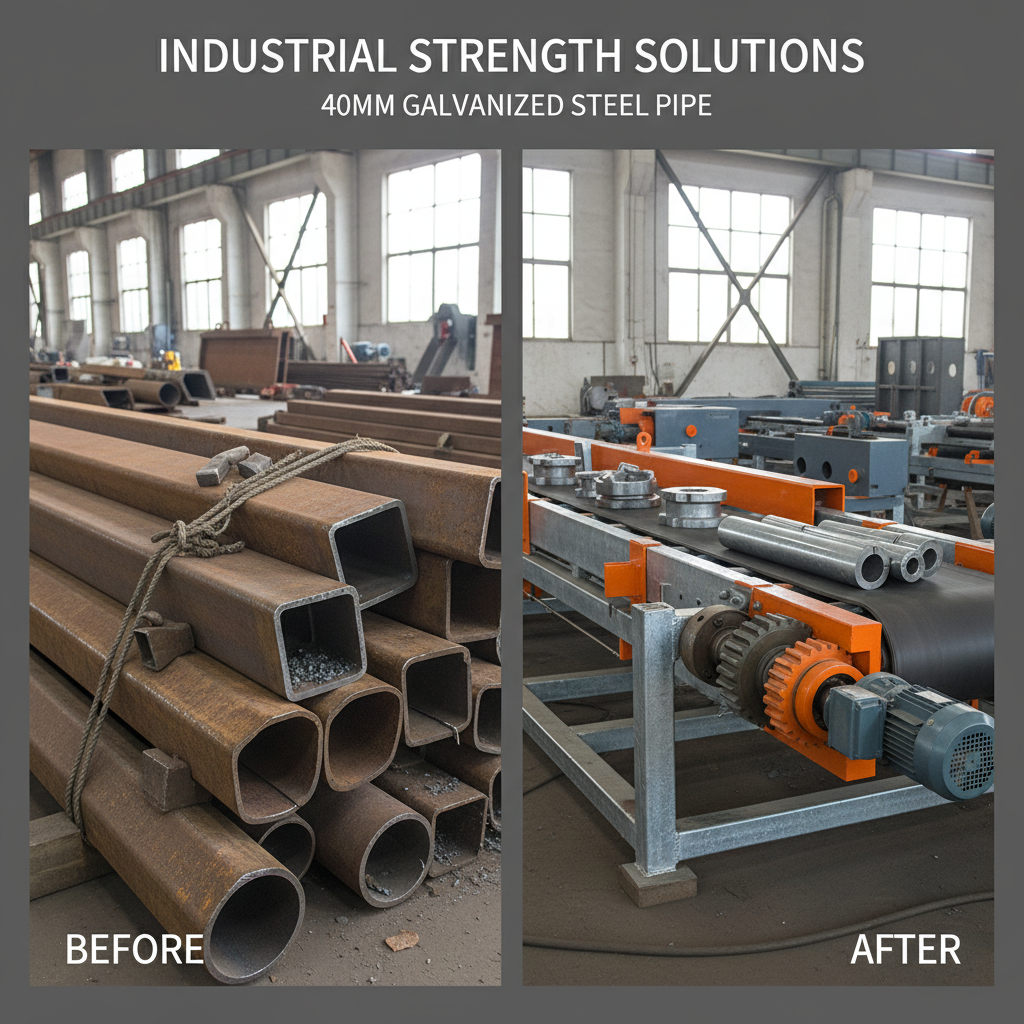
The tubing material and its coating are crucial. Many manufacturers use galvanized steel tubing or powder-coated aluminum to withstand rust and corrosion — this becomes especially important in coastal or industrial regions where salt and pollution accelerate wear.
One of the great strengths is modularity. Frame tubing sections can be cut and joined to cover a single vehicle or expanded to shelter dozens. This adaptability suits private homeowners as much as businesses or emergency relief organizations, not to mention agricultural operators using carport-like structures as shade for equipment or livestock.
It’s not just about buying cheap tubing; it’s about total cost of ownership. High-quality tubing often requires fewer repairs and less maintenance, which adds up to savings over years — often far beyond just the initial sticker price.
Many systems are designed for quick assembly with minimal tools, an absolute plus in remote or under-resourced areas where skilled labor might be scarce.
Recycling steel accounts for up to 60–70% of new product content. Choosing recyclable and responsibly sourced tubing aligns with green building practices and corporate responsibility policies, increasingly demanded by architects and buyers alike.
Mini takeaway: When selecting carport frame tubing, pay close attention to durability, modularity, cost, install simplicity, and sustainability — all pillars affect long-term performance.
It’s refreshing to see how versatile this tubing technology is. Beyond your suburban driveway, here’s how it gets put to use worldwide:
A recent example: In East Africa, humanitarian NGOs leveraged lightweight steel tubing frames to build scalable vehicle shelters that doubled as community meeting spaces — showing adaptability beyond expectations.
| Specification | Detail |
|---|---|
| Material | Galvanized steel or powder-coated aluminum |
| Shape | Round, square, or rectangular tubing |
| Wall thickness | 1.5mm – 3mm commonly |
| Length options | 6m standard, customizable cuts available |
| Load capacity | Up to 500 kg/m² (varies by design) |
| Corrosion resistance | Class C5 high corrosion environments |
| Vendor | Material Quality | Customization | Eco-Friendly Practices | Lead Time |
|---|---|---|---|---|
| Lion Pipeline | High-grade galvanized steel | Full custom cuts, bending | Recycled steel use, low-impact coatings | 2–3 weeks |
| Alpha Metals | Standard steel with powder coating | Limited customization | Partial recycled content | 3–4 weeks |
| GreenFrame | Aluminum with eco-friendly powder coat | Customizable lengths only | Certified sustainable sourcing | 4 weeks |
When you invest in solid carport frame tubing, the benefits ripple out well beyond the immediate. Here are some that engineers and end users rave about:
Mini takeaway: Investing in durable carport frame tubing isn’t just top-level engineering — it protects your assets, supports environmental goals, and ensures peace of mind for years.
Frankly, the future of carport frame tubing looks pretty exciting. Manufacturers and designers are weaving sustainability and digital tech together like never before:
Keep an eye out for interesting cross-industry collaborations — imagine carport frames doubling as solar panel mounts, or smart shelters linked to IoT weather stations.
Of course, it’s not all smooth sailing. Some common hurdles:
Experts recommend investing in better surface treatments, sourcing reliable local suppliers where possible, and offering thorough training to installers. Surprisingly, simplicity in design often improves durability — fewer complicated joints equals fewer weak points.
A: Galvanized steel has a zinc coating that protects against rust and corrosion. This extra barrier greatly extends the lifespan of any outdoor frame, especially in humid or coastal environments, making it more reliable and cost-effective.
A: Absolutely! Many producers offer custom cut lengths and bent shapes. Customization helps fit unique spaces and adapts to local environmental conditions, which is crucial for both aesthetic and structural success.
A: With proper materials and coatings, a carport frame can easily last 15–25 years or more. Maintenance, such as cleaning and repainting, helps extend this lifespan even further.
A: Aluminum is lighter and naturally corrosion-resistant, making it great for portability and some climate zones. However, it can be more expensive and less strong than steel for heavy-load applications.
A: Choosing modular, pre-fabricated components optimized for easy assembly minimizes transport complexity. NGO logistics teams should work with vendors experienced in international shipping and compliance to smooth customs and delivery processes.
In short, carport frame tubing is more than just a metal skeleton—it’s the quiet force that brings durability, flexibility, and peace of mind to countless structures worldwide. Understanding its value means investing wisely today for the safety and sustainability of tomorrow. Whether you’re a homeowner, business operator, or NGO leader, selecting the right frame tubing can transform how you protect vehicles, equipment, and people.
Curious to explore professional-grade options? Visit Lion Pipeline’s catalog for detailed specs and expert advice to build your next project with confidence.
References
1. United Nations Climate Change Portal, un.org
2. UN Sustainable Development Goal 9, sdgs.un.org
3. ISO Environmental Management Standards overview, iso.org
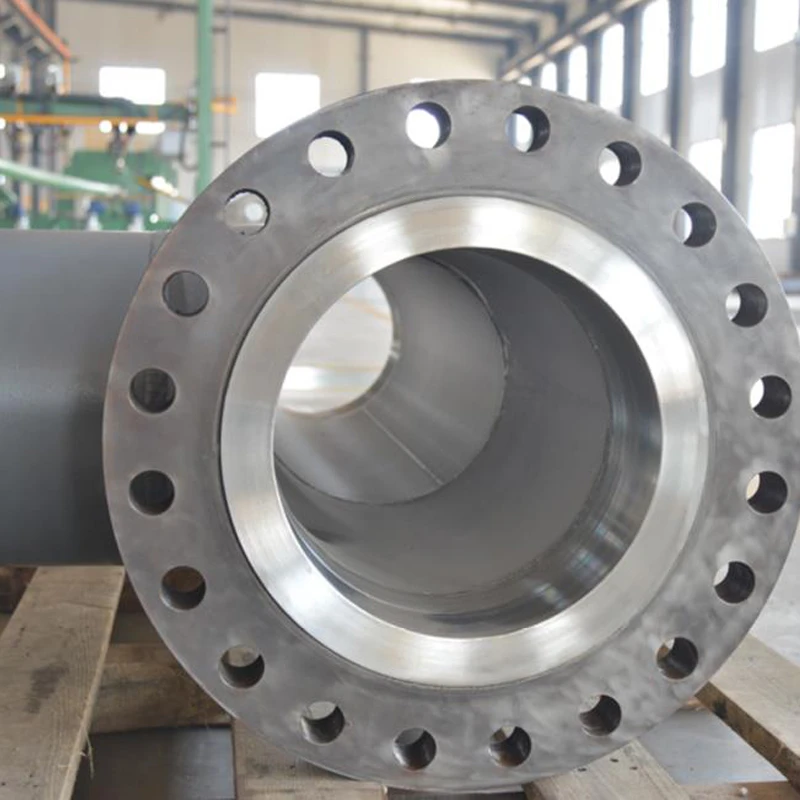
Factory Prefabricated Products
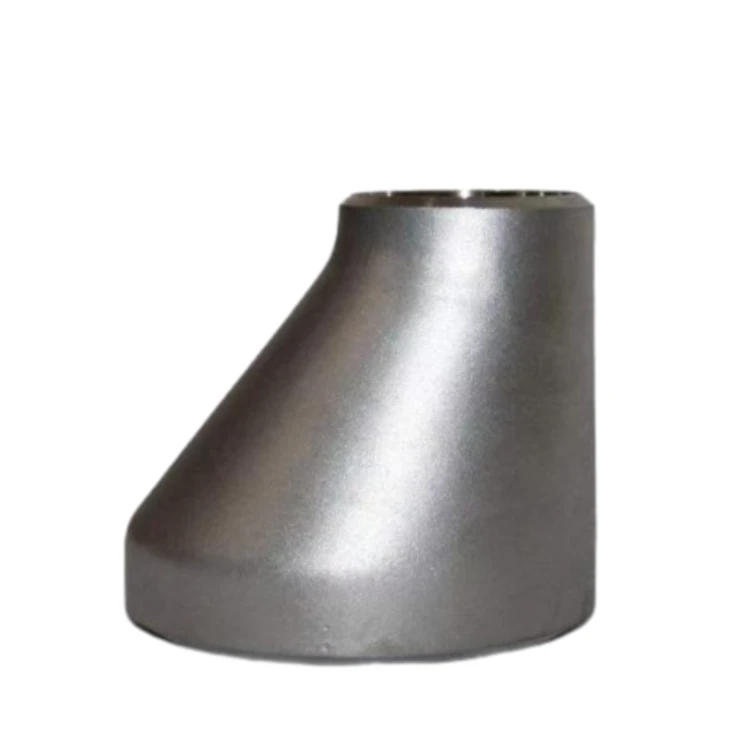
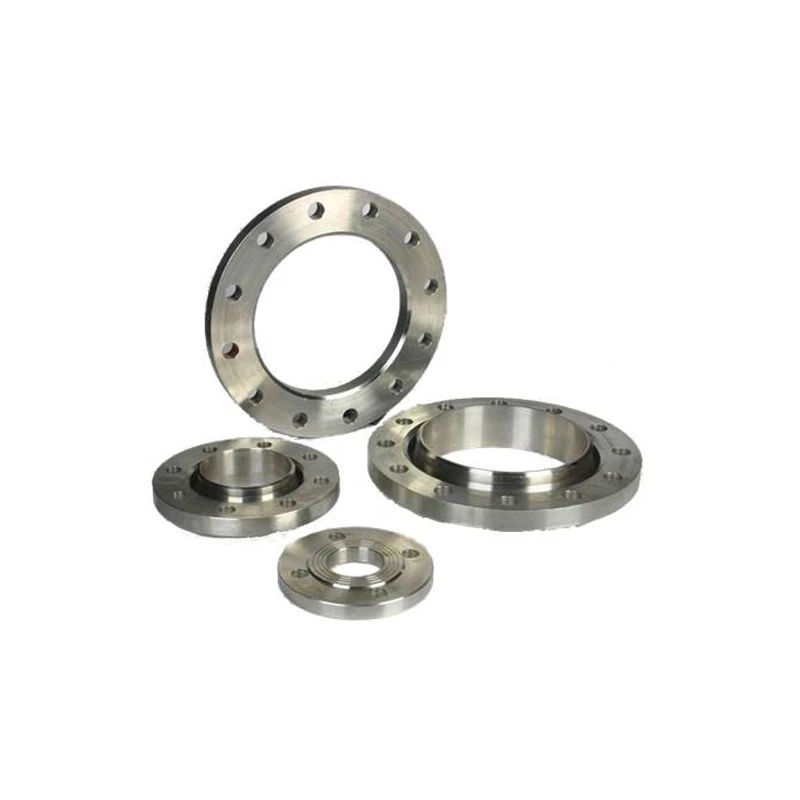
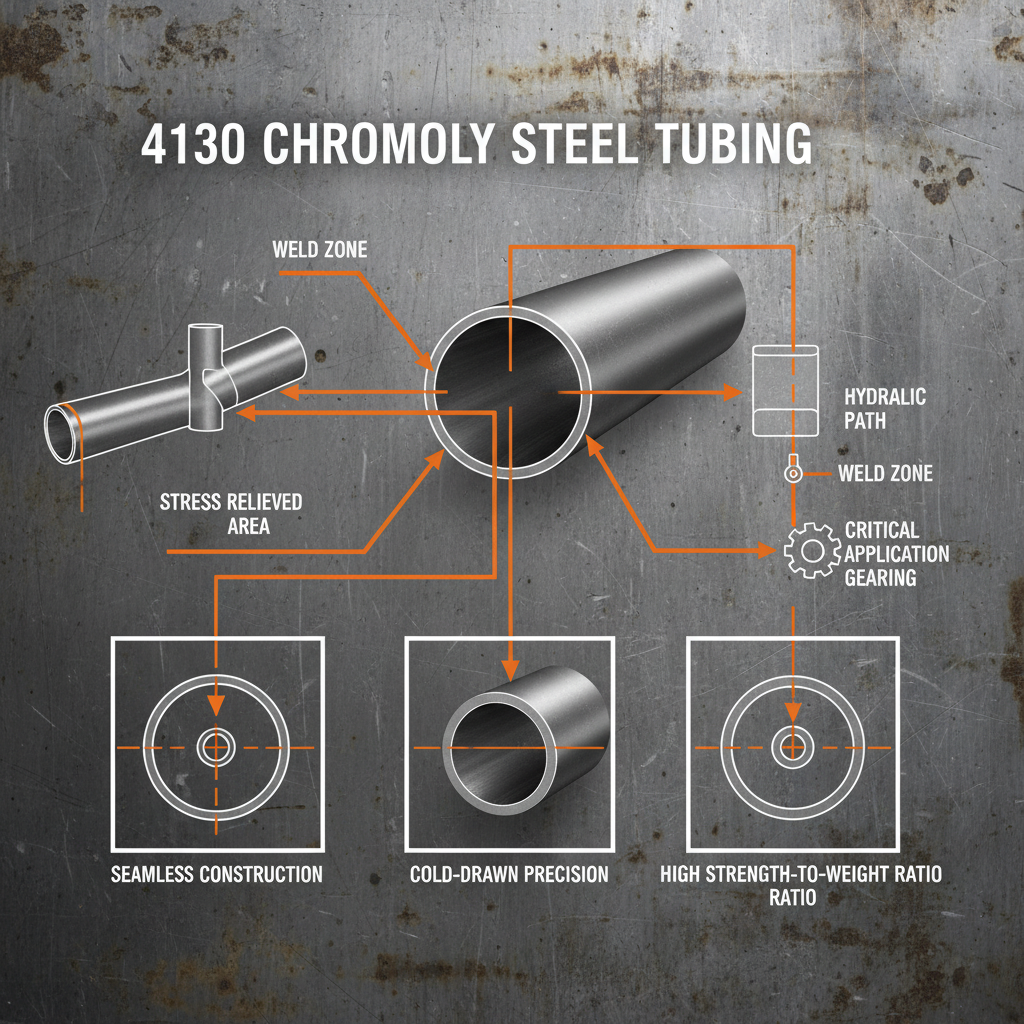
Ultimate Guide to 4130 Tubing Strength Performance and Applications
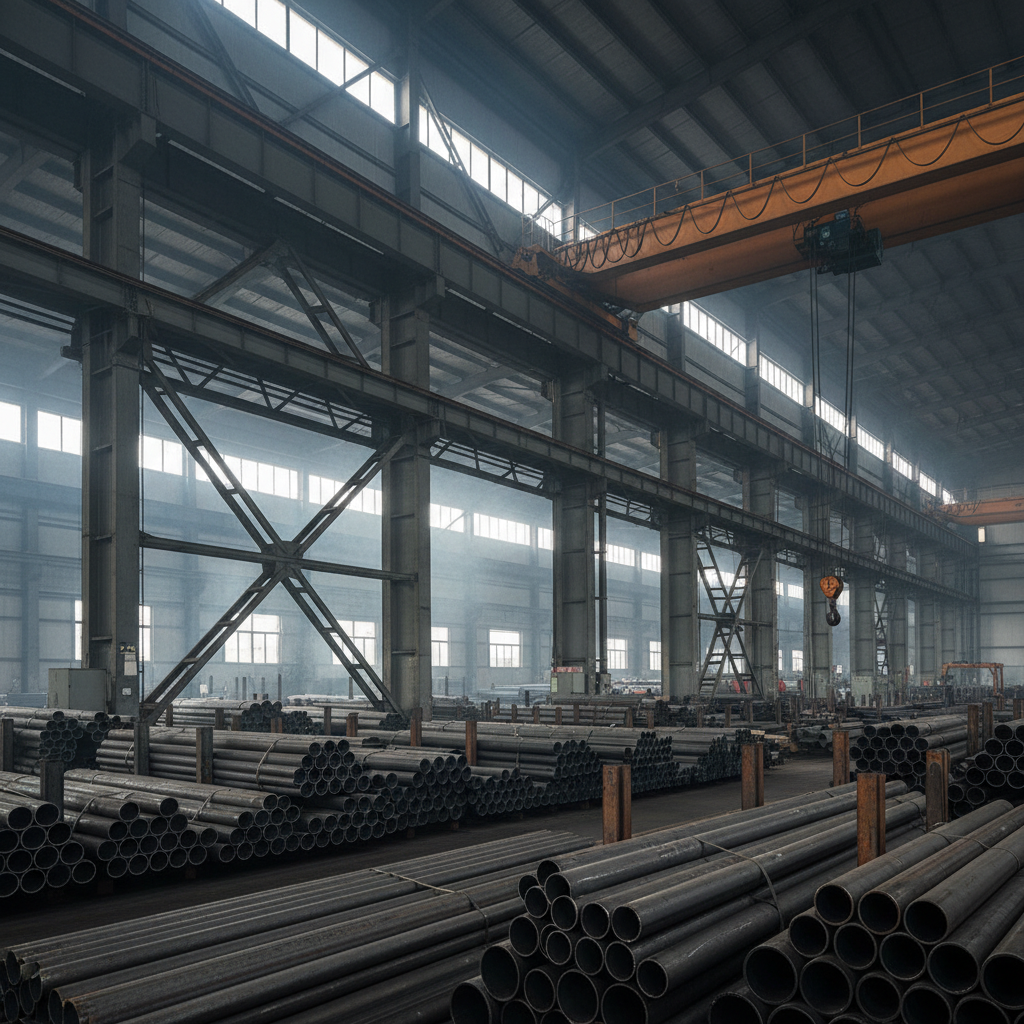
Properties and Industrial Applications of 4130 steel tubing
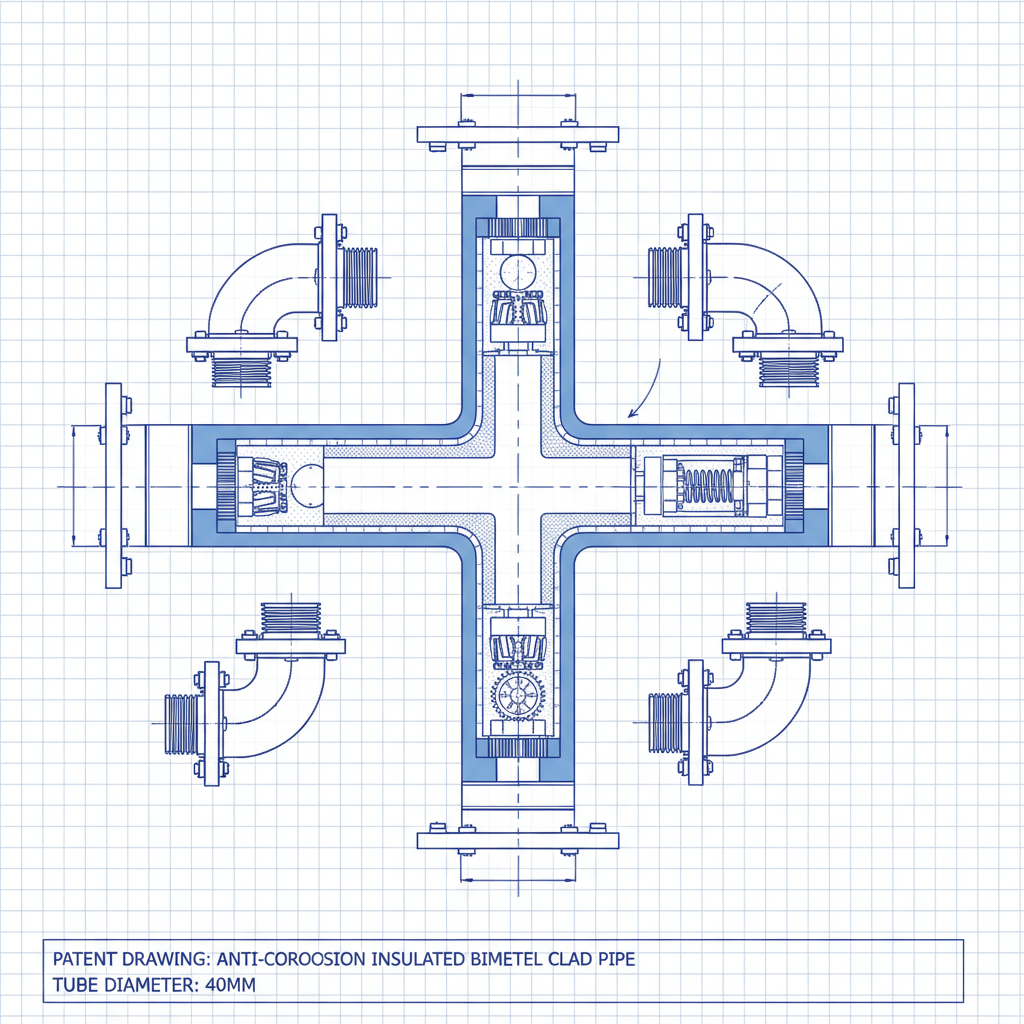
Comprehensive Guide to 40mm Steel Tube Applications and Material Selection
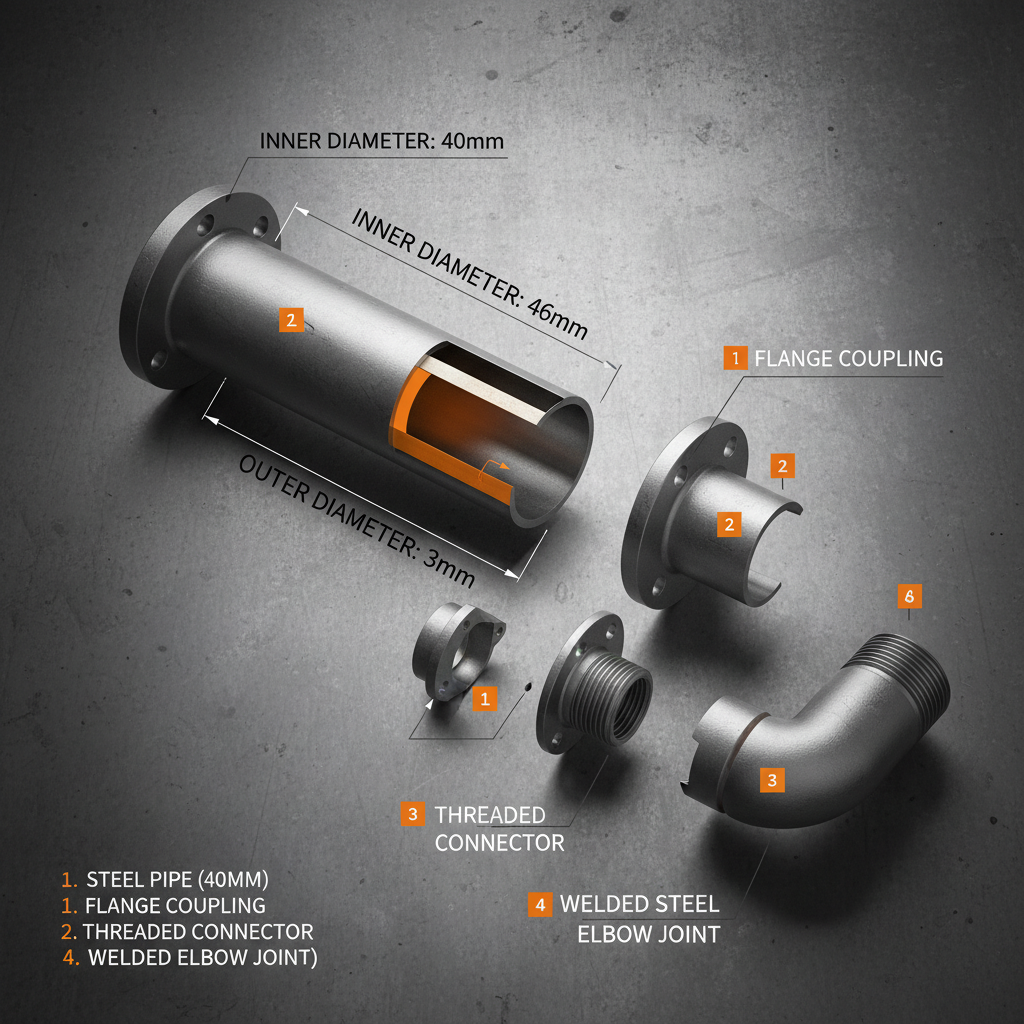
Comprehensive Guide to 40mm Steel Pipe Applications and Considerations
Comprehensive Guide to 40mm Metal Pipe Applications and Sourcing
Comprehensive Guide to 40mm Galvanised Pipe Applications and Specifications