Steel pipes and tubes might sound mundane at first glance, but they're honestly one of the unsung heroes of our modern world. Globally, they crisscross continents, carrying everything from water and oil to vital resources, ensuring economies grow and communities thrive. Understanding them is key not just for engineers and industrialists but anyone curious about how the infrastructure underpins daily life—because, frankly, without reliable steel piping, a lot of things we take for granted wouldn’t function smoothly.
Mini takeaway: Steel pipes and tubes are ubiquitous pillars supporting energy, water, construction, and transport systems worldwide.
Worldwide demand for steel pipes and tubes is on a steady march upward. According to the World Steel Association, the global steel production in 2023 hit around 1.9 billion tonnes, with a substantial chunk destined for tubular products. Why? Because these components solve fundamental challenges in sectors like oil and gas, water infrastructure, and construction. The UN highlights water scarcity as a pressing issue affecting billions, and reliable water pipelines—mostly steel-based—are essential to address it.
Yet it's not only about flow or transport. Steel pipes and tubes also meet sustainability challenges. They’re recyclable, long-lasting, and can be engineered to withstand harsh conditions—requisite as industries pivot to greener, more efficient solutions. The challenge? Manufacturing these pipes with ever-higher precision and standards, balancing cost with durability, especially in energy transition projects like hydrogen infrastructure.
Mini takeaway: Steel pipes and tubes are at the intersection of global resource management, sustainable infrastructure, and industrial innovation.
At their core, steel pipes and tubes are cylindrical hollow sections made from steel. The difference is subtle but important: pipes are typically designed to transport fluids and gases and are specified by their inside diameter and pressure rating, while tubes often have tighter tolerances, are measured by outside diameter, and find uses in structural and mechanical applications.
In modern industry, these elements are like the arteries and bones of factories, cities, and infrastructure projects. Whether it’s the plumbing delivering clean water in a city, pipelines moving crude oil, or structural tubes shaping skyscraper frames — they’re everywhere. And let’s not forget humanitarian contexts—emergency water supply systems after disasters often rely heavily on modular steel pipes for rapid deployment.
steel pipes and tubes really form the connective tissue of our physical world.
Steel’s tensile strength makes pipes and tubes resistant to pressure, corrosion, and extreme environmental conditions. Many engineers say this is why steel remains preferred over cheaper plastics or composites in demanding applications. This aspect is crucial for pipelines transporting hazardous materials or for installations in seismic zones.
Steel pipes and tubes come in varied dimensions and standards—from seamless to welded varieties and coated to bare steel—tailored exactly for specific industries, whether chemical plants or construction crews. This scalability in sizes means they adapt well to everything from tiny instruments to massive infrastructure projects.
While initial costs might seem higher than alternatives, the longevity and lower maintenance needs of steel pipes deliver better value over decades, especially when durability prevents leaks or replacements in critical systems.
The industry follows rigorous standards like ISO 3183 for pipelines or ASTM A53 for structural steel pipes, which ensure quality and safety. These certifications become particularly vital in global supply chains and industrial policy compliance.
Thanks to steel’s recyclability and advancements in "green steel" production reducing carbon footprints, these pipes increasingly support sustainable infrastructure—putting them in step with global climate goals.
Mini takeaway: Durability, flexibility, standards, cost, and sustainability define steel pipes and tubes’ practicality and appeal.
Oddly enough, in some remote zones like Arctic drilling sites or deserts, steel pipes’ adaptability to extreme temps remains unmatched, which frankly drives innovation in manufacturing processes.
Mini takeaway: Steel pipes and tubes serve industries and communities across diverse geographies and sectors—from deep beneath the earth to modern city skylines.
Cost savings on maintenance and repairs, enhanced safety for people and environment, and a backbone for innovation—these tangible benefits combine with intangible ones. Having confidence that a plant’s pipeline won’t fail, or that your tap water comes reliably, provides peace of mind, dignity, and trust.
Moreover, steel pipes support circular economy initiatives; recycling scrap steel reduces demand for raw materials. They also underscore innovation—smart pipelines equipped with sensors embedded inside steel tubes can predict failures before they happen, improving reliability and reducing downtime.
We’re looking at a future featuring:
These shifts echo broader industrial transitions toward sustainability and digital transformation.
One perennial issue is corrosion, especially in marine or chemical environments. Experts counter this by using advanced coatings, cathodic protection, and alloy improvements. Another concern is the logistical complexity in transporting large pipe sections globally, which some vendors address by modularizing production and leveraging local fabrication sites.
Cost pressures also push manufacturers toward innovative designs, such as thinner walls that still meet strength requirements, balancing economy with safety.
| Specification | Typical Range | Notes |
|---|---|---|
| Material Grade | ASTM A106 Grade B, API 5L X52 | Common in oil & gas pipelines |
| Diameter | 10 mm to 1,400 mm | Varies by application |
| Wall Thickness | 2 mm to 40 mm+ | Influences pressure rating |
| Length | 6 m standard; up to 12 m | Customize via cutting |
| Coating | Epoxy, galvanization, polyethylene | Protects against corrosion |
| Working Pressure | up to 20 MPa+ | Depends on pipe specs |
| Feature | Lion Pipeline | SteelCo Global | MetallTech |
|---|---|---|---|
| Product Range | Wide (seamless, welded, coated) | Narrower, focus on welded | Moderate, custom options available |
| Lead Time | 4-6 weeks | 6-8 weeks | 3-5 weeks |
| Certifications | ISO 9001, API | ISO 9001 only | API & National standards |
| Sustainability Initiatives | Green steel sourcing | Recycling programs | Limited |
| Customer Support | Technical consultancy & 24/7 service | Business hours only | Project-based support |
A: Lifespan depends on material grade, corrosion protection (like coatings), operating pressure, and maintenance. Proper installation and monitoring can help pipes last over 50 years, minimizing costly early replacements.
A: Yes, but they require special alloys and design considerations to resist hydrogen embrittlement. Ongoing R&D focuses on creating pipes tailored for such clean-energy applications.
A: Steel tubes offer superior strength and fire resistance but are heavier and costlier. Plastic pipes are lighter and corrosion-resistant but less robust structurally, so choice depends on specific project needs.
A: Absolutely. Steel is one of the most recycled materials globally. Using recycled steel for pipes lowers carbon emissions significantly compared to primary steel production.
A: They typically adhere to international standards and coordinate with customs agencies in target countries. Working with certified vendors like those offering ISO and API certifications simplifies compliance.
Ultimately, steel pipes and tubes form a critical backbone spanning industries, continents, and communities. Their strength, versatility, and sustainability increasingly position them as vital solutions for 21st-century challenges—from clean energy infrastructure to disaster resilience.
If you want to explore top-tier options for your projects or just dive deeper, do visit our website for detailed guides, specs, and expert support.
Here’s to the quiet giants beneath our feet, shaping a more connected, sustainable future.
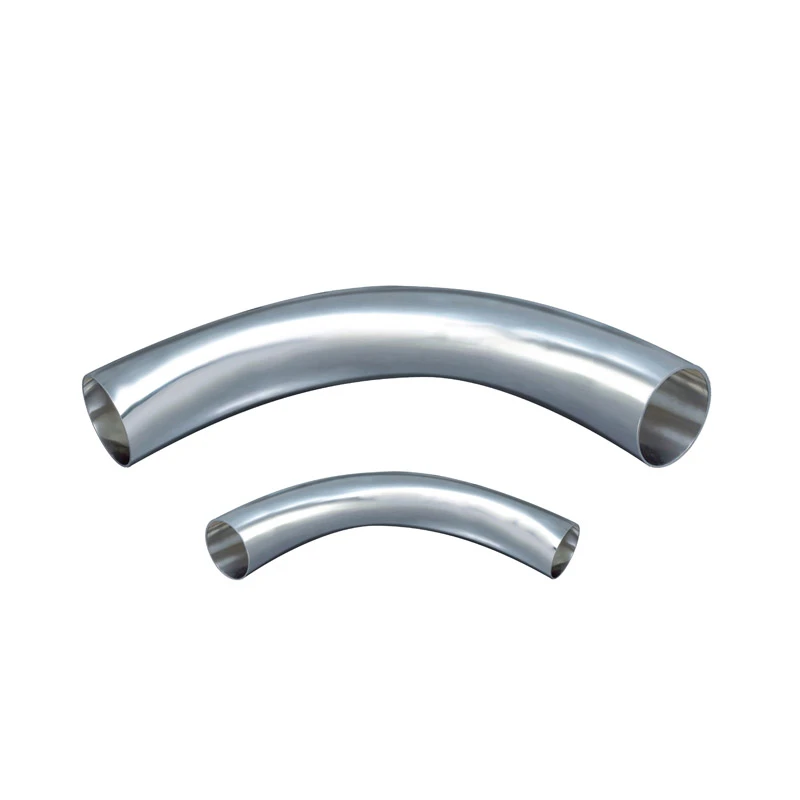
Anti Corrosion And Thermal Insulation Products
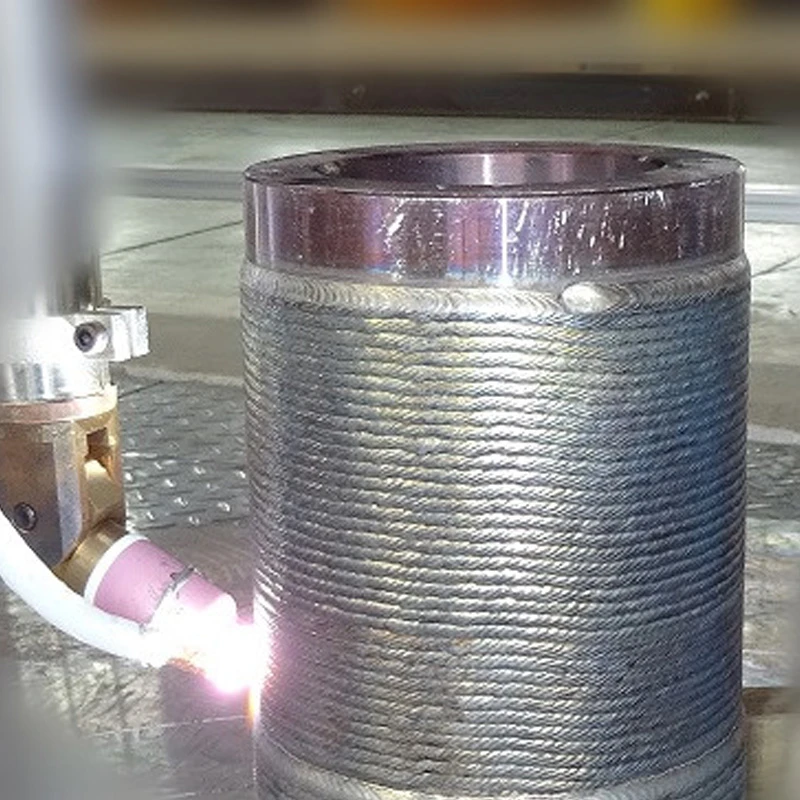
Overlay Welding Clad Steel Pipe

How to Select a Prefabricated Pipe for Process Service

SS Pipe Cap FAQ: Fit, Connections, Materials and Uses

Mechanical Steel Pipe Comparison: Materials, Standards and Supplier Documentation

Choosing an SS Bend Pipe: Application Fit and Specification Checks

High Performance Sink Pipe Steel Guide for Industrial Piping

Ultimate Guide to Industrial Seamless Steel Pipe for Piping