When selecting piping for a project, especially in industries demanding corrosion resistance and durability, 4 inch stainless pipe is a frequently considered option. This article provides a comprehensive overview of this type of piping, its applications, benefits, and key factors to consider when purchasing. We will delve into the various grades of stainless steel used, common applications, and why choosing a reputable supplier like Lion Pipeline is crucial for ensuring quality and compliance. Stainless steel pipes offer longevity and reduce maintenance, making them a cost-effective solution in the long run.
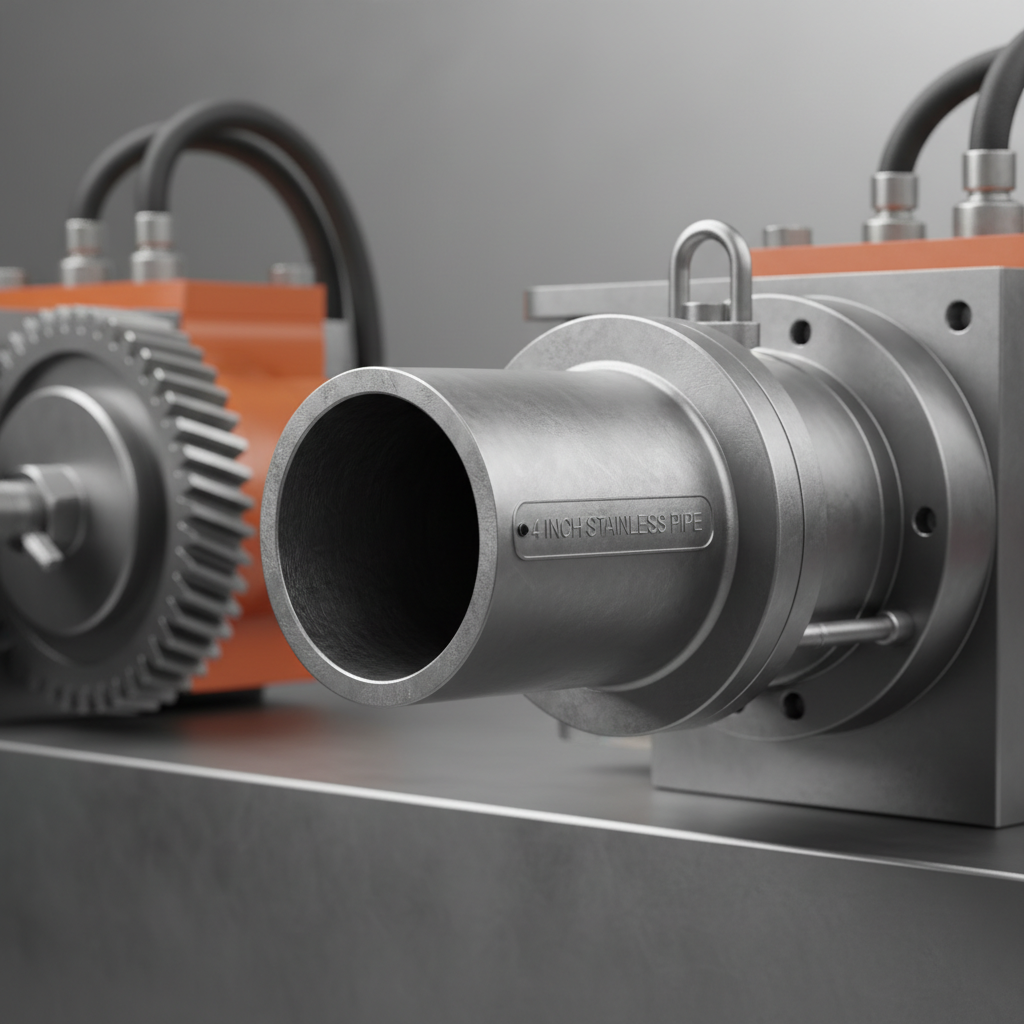
4 inch stainless steel pipe is renowned for its exceptional corrosion resistance, making it ideal for handling a wide variety of fluids and gases. Unlike carbon steel, stainless steel forms a passive layer of chromium oxide on its surface, protecting it from rust and corrosion. This is particularly important in harsh environments like those found in chemical processing, wastewater treatment, and marine applications. Furthermore, stainless steel pipes offer high strength and durability, capable of withstanding high pressures and temperatures. The smooth interior surface minimizes friction loss, improving flow efficiency. Finally, stainless steel is hygienic and easy to clean, crucial for industries like food and beverage.
Key Highlights: Exceptional corrosion resistance, high strength and durability, smooth interior for efficient flow, hygienic and easy to clean, ideal for demanding applications.
The versatility of 4 inch stainless steel pipe leads to its widespread use across diverse sectors. In the chemical industry, it's used for transporting corrosive chemicals and solvents. Wastewater treatment plants rely on it for conveying wastewater and sludge. The food and beverage industry utilizes it for hygienic fluid transfer in processing and packaging. Pharmaceutical companies use it for transporting sterile fluids. In the oil and gas industry, it’s employed in applications where corrosion is a concern. Finally, architectural projects often incorporate it for aesthetically pleasing and durable plumbing systems. Lion Pipeline provides stainless steel solutions for all these industries.
Application Areas:
• Chemical Processing
• Wastewater Treatment
• Food & Beverage
• Pharmaceutical
• Oil & Gas
Not all stainless steel is created equal. Different grades offer varying levels of corrosion resistance and mechanical properties. Common grades for 4 inch stainless steel pipe include 304/304L, 316/316L, and duplex stainless steels. 304/304L is a versatile, general-purpose grade. 316/316L offers superior corrosion resistance, particularly against chlorides, making it ideal for marine environments. Duplex stainless steels combine high strength with excellent corrosion resistance. Selecting the appropriate grade depends on the specific application and the nature of the fluid or gas being conveyed.
Selecting a reputable supplier is paramount to ensuring the quality and compliance of your 4 inch stainless steel pipe. Look for a supplier with a proven track record, certifications (e.g., ISO 9001), and the ability to provide material test reports (MTRs). Lion Pipeline is a trusted source for high-quality stainless steel piping, offering a wide range of grades, sizes, and fittings, coupled with excellent customer service and competitive pricing. Proper documentation and traceability are essential for critical applications.
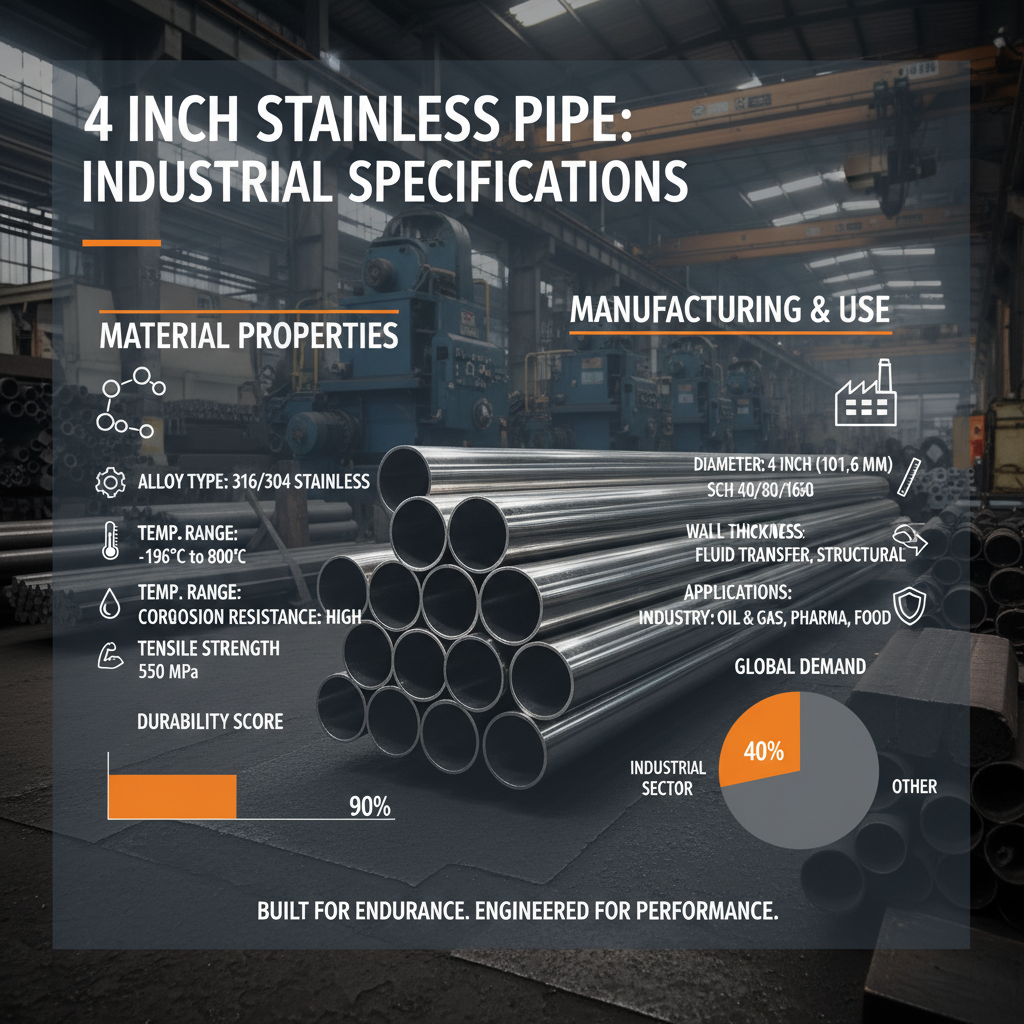
Beyond grade selection, several factors influence your purchasing decision. Consider the required wall thickness based on pressure and temperature requirements. Specify the desired end connections (e.g., welded, threaded, flanged). Verify the pipe’s adherence to relevant industry standards (e.g., ASTM). Finally, factor in lead times and shipping costs. Working with an experienced supplier like Lion Pipeline can simplify this process and ensure you receive the right pipe for your needs.
Investing in high-quality 4 inch stainless pipe from a trusted supplier like Lion Pipeline is a smart long-term decision. The durability, corrosion resistance, and versatility of stainless steel ensure reliable performance and minimize maintenance costs. By carefully considering your application requirements and choosing the right grade and supplier, you can optimize your piping system and achieve lasting results.
Stainless steel pipe is available in a wide range of sizes, typically measured by nominal pipe diameter (NPD). Common sizes include 1/2 inch, 3/4 inch, 1 inch, 1.5 inch, 2 inch, 3 inch, 4 inch, 6 inch, 8 inch, 10 inch, and 12 inch. 4 inch stainless steel pipe is a popular choice for many industrial applications due to its balance of flow capacity and manageable weight. We at Lion Pipeline can accommodate custom size requests as well.
Determining the correct wall thickness is crucial for ensuring the structural integrity of your piping system. It depends on several factors, including the operating pressure, temperature, and the fluid being conveyed. Higher pressures and temperatures require thicker walls. Consult with a qualified engineer or piping specialist to accurately calculate the required wall thickness based on your specific application. Standards like ASME B31.3 provide guidance on calculating wall thickness for pressure piping.
Both 304 and 316 are austenitic stainless steels, but 316 contains molybdenum, which significantly enhances its corrosion resistance, particularly against chlorides and other aggressive chemicals. 304 is a more general-purpose grade, suitable for many applications, while 316 is preferred in harsh environments like marine applications or chemical processing where chloride corrosion is a concern. Lion Pipeline offers both grades to meet diverse customer needs.
Yes, stainless steel pipe is available in various finishes, including mill finish, polished, and brushed. Mill finish is the standard finish, exhibiting a slightly rough surface. Polished finishes offer a smooth, shiny appearance and improved corrosion resistance. Brushed finishes provide a decorative look with a fine grain texture. The choice of finish depends on aesthetic requirements and the level of hygiene needed for the application.
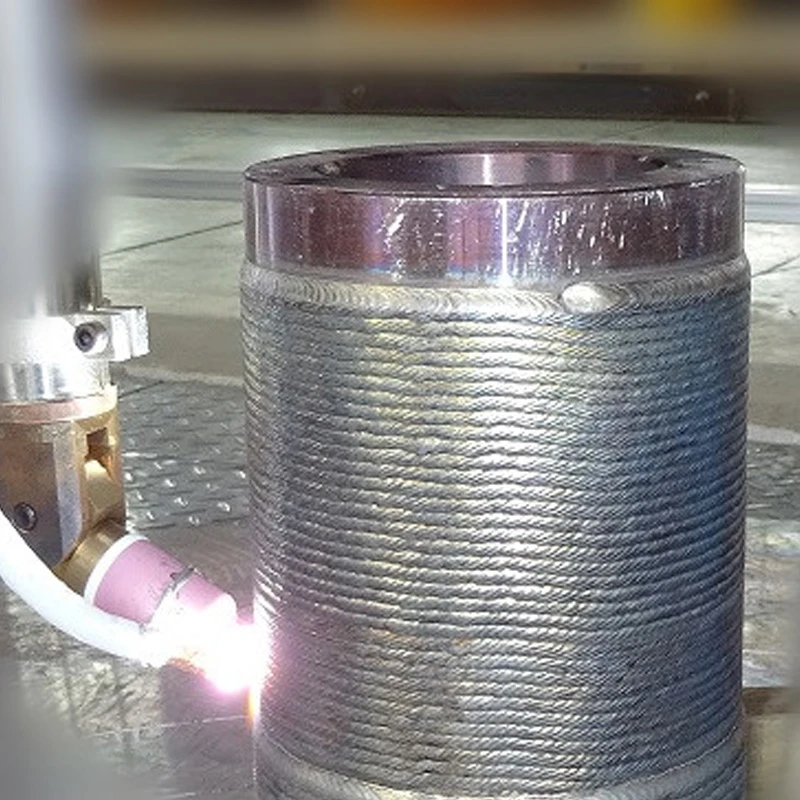
Overlay Welding Clad Steel Pipe
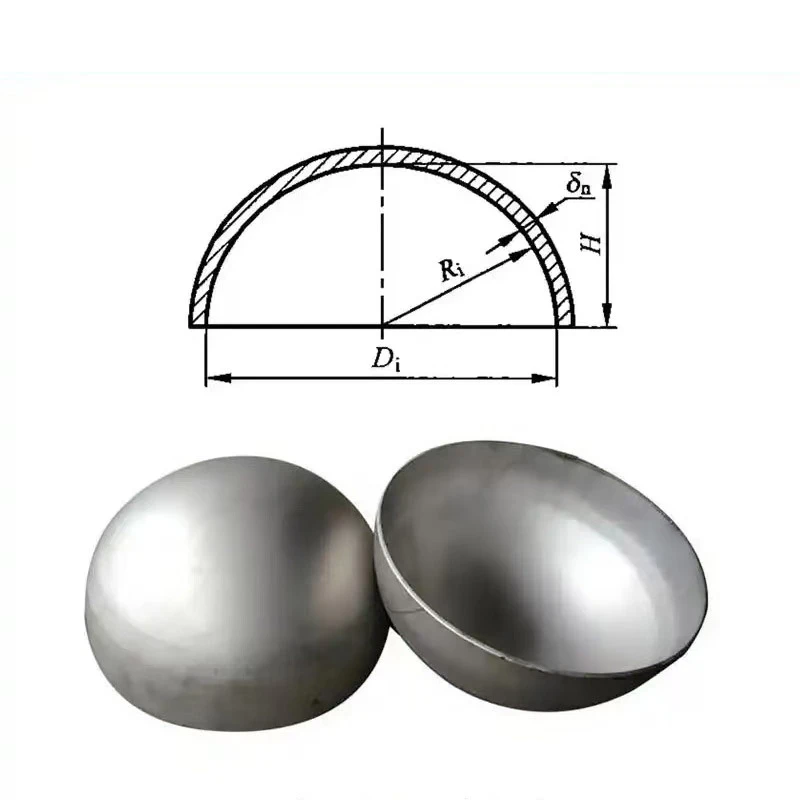
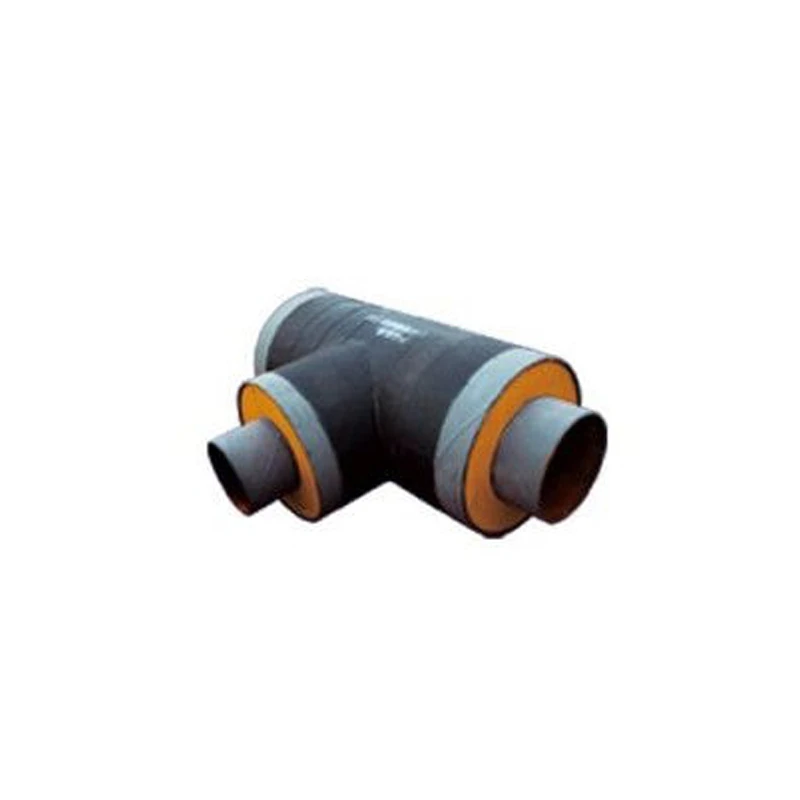
Anti Corrosion And Thermal Insulation Products
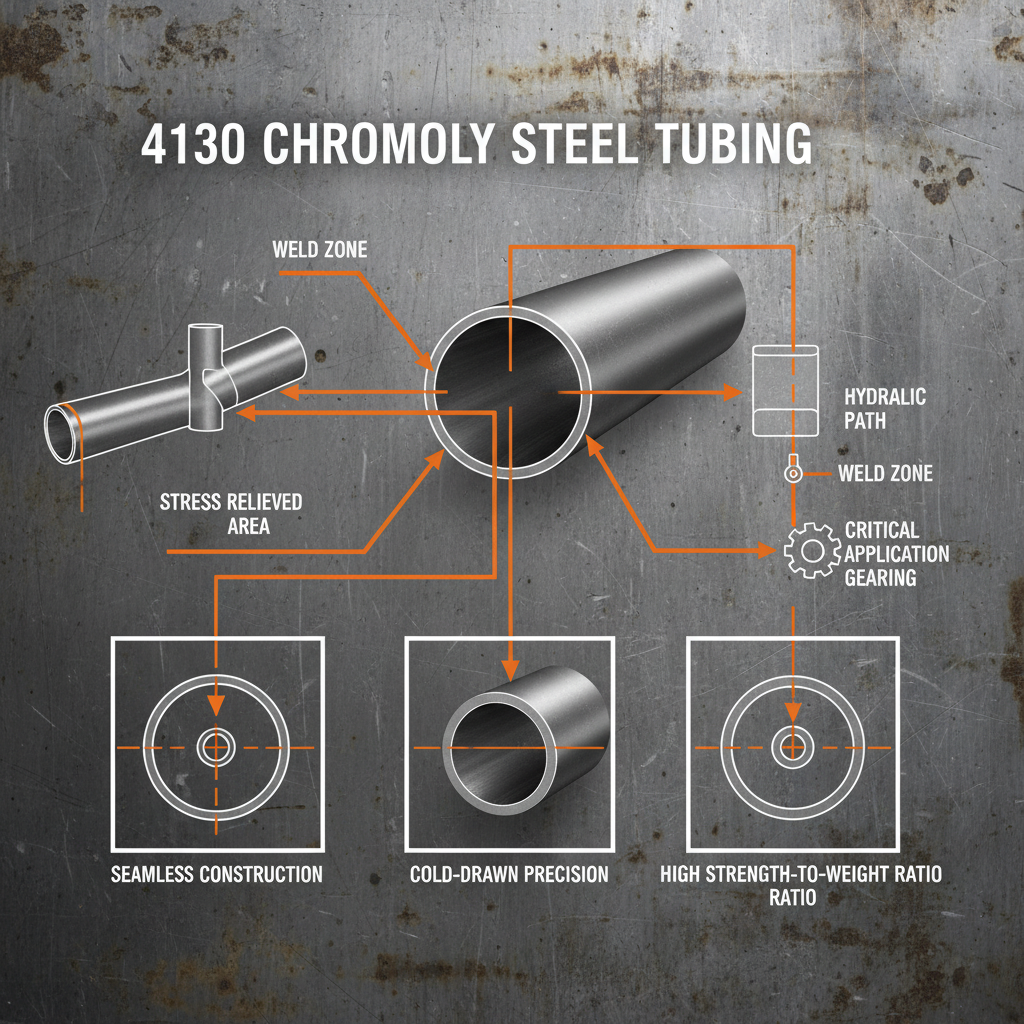
Ultimate Guide to 4130 Tubing Strength Performance and Applications
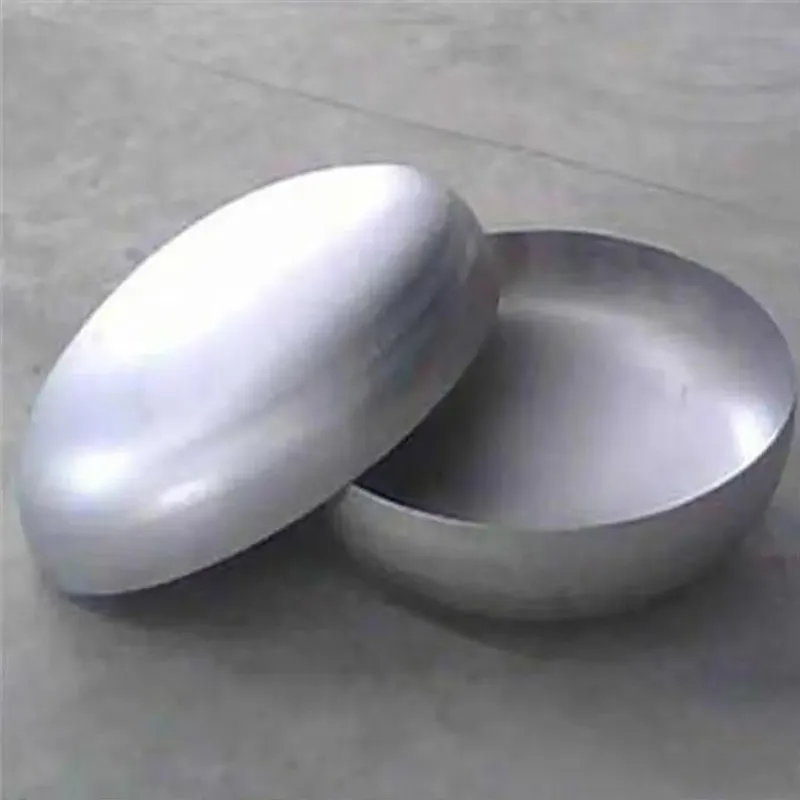
Pipe Cap-Cangzhou Lion Technology Co., Ltd.|Enhancing System Efficiency&Durability
Pipe Cap-Cangzhou Lion Technology Co., Ltd.|Enhancing System Efficiency&Durability
Pipe Cap-Cangzhou Lion Technology Co., Ltd.|Enhancing System Efficiency&Durability
Pipe Cap-Cangzhou Lion Technology Co., Ltd.|Enhancing System Efficiency&Durability
Pipe Cap-Cangzhou Lion Technology Co., Ltd.|Enhancing System Efficiency&Durability