When sourcing piping solutions for industrial or commercial projects, understanding the specifications and applications of different pipe sizes is crucial. A 4 inch OD pipe (Outside Diameter) is a commonly requested size, offering a balance between flow capacity and manageability. This article will delve into the properties of 4 inch OD pipe, its key applications, material options, and important factors to consider when making a purchasing decision. Choosing the right pipe dimensions and materials is paramount to ensuring the efficiency, safety, and longevity of your pipeline system. Lion Pipeline offers a wide selection of 4 inch OD pipe to meet diverse industry needs.
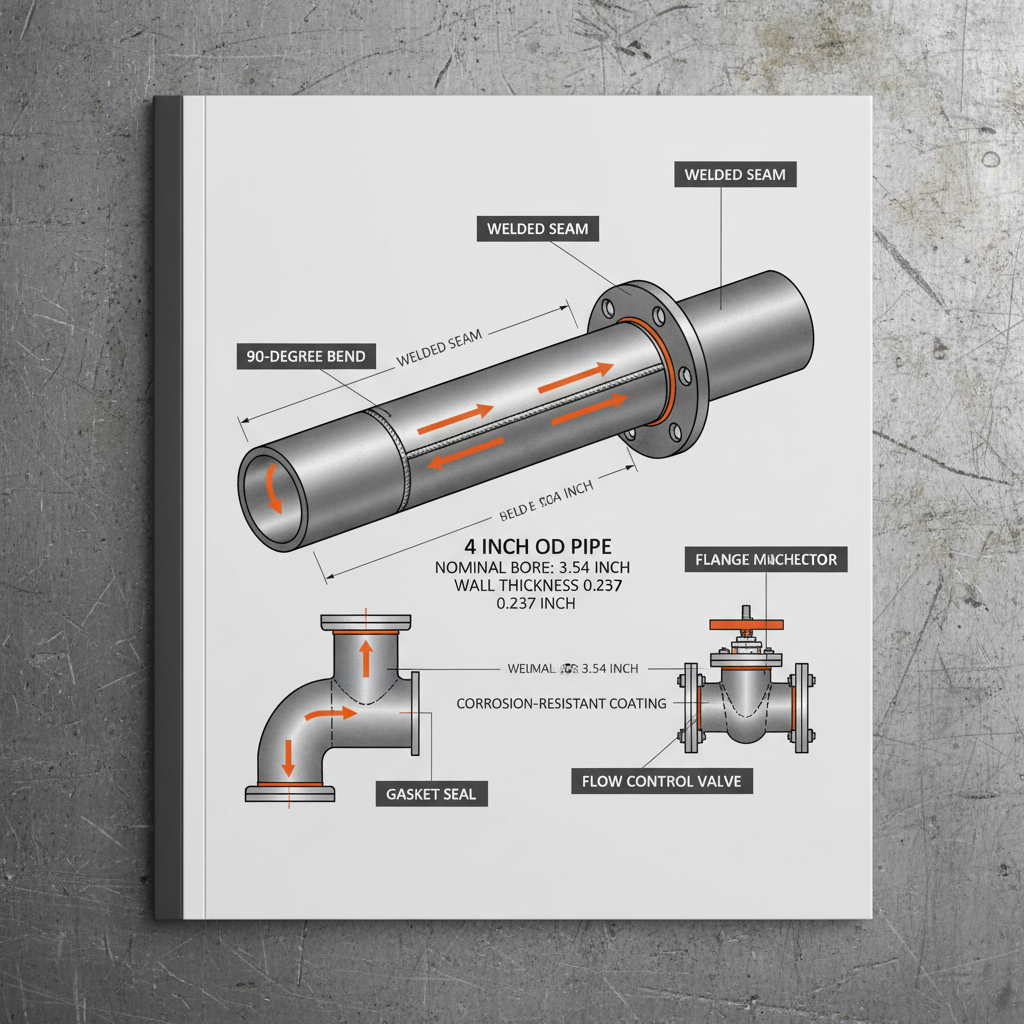
The term '4 inch OD' refers to the outer diameter of the pipe, meaning the measurement from one side of the pipe wall to the opposite side. It's important to distinguish this from the Inner Diameter (ID), which measures the internal space available for fluid or gas flow. The difference between OD and ID is determined by the pipe's wall thickness. Understanding both dimensions is essential for compatibility with fittings, valves, and other components of your piping system. A standard 4 inch OD pipe might have varying IDs depending on its schedule (wall thickness). Lion Pipeline's product specifications clearly outline both the OD and ID for each pipe offering.
Key Takeaway: OD is the external measurement, while ID determines flow capacity. Wall thickness links the two.
A 4 inch OD pipe is a versatile solution suitable for a wide array of applications, including: water distribution systems, irrigation, chemical processing, oil and gas transfer, fire suppression systems, and drainage. Its size offers a good balance between flow rate and pressure handling capabilities. In industrial settings, it’s often used for conveying non-corrosive fluids. In agricultural settings, it's ideal for main irrigation lines. The specific application will influence the choice of material, schedule, and any required coatings. Explore Lion Pipeline’s extensive range of pipes to find the perfect fit for your project.
Application Examples:
• Water Supply Lines
• Irrigation Systems
• Chemical Transfer
• Fire Protection
4 inch OD pipe is available in a variety of materials, each offering unique properties and benefits. Common options include: PVC (Polyvinyl Chloride) – Cost-effective, corrosion-resistant, and suitable for non-pressure applications; CPVC (Chlorinated Polyvinyl Chloride) – Higher temperature resistance than PVC, often used for hot water systems; HDPE (High-Density Polyethylene) – Flexible, durable, and suitable for underground applications; Steel (Carbon Steel, Stainless Steel) – High strength and temperature resistance, ideal for high-pressure applications and corrosive environments. Selecting the right material depends on the fluid being conveyed, the operating temperature, pressure requirements, and the surrounding environment. Lion Pipeline provides detailed material specifications to assist in your selection.
The 'schedule' of a pipe refers to its wall thickness. Higher schedule numbers indicate thicker walls, which translates to higher pressure-handling capabilities. Common schedules for 4 inch OD pipe include Schedule 40, Schedule 80, and Schedule 120. Schedule 40 is a standard choice for many general-purpose applications. Schedule 80 offers increased strength and is suitable for higher-pressure systems. Schedule 120 provides even greater strength for demanding applications. Lion Pipeline offers a comprehensive selection of schedules to meet your specific pressure requirements.
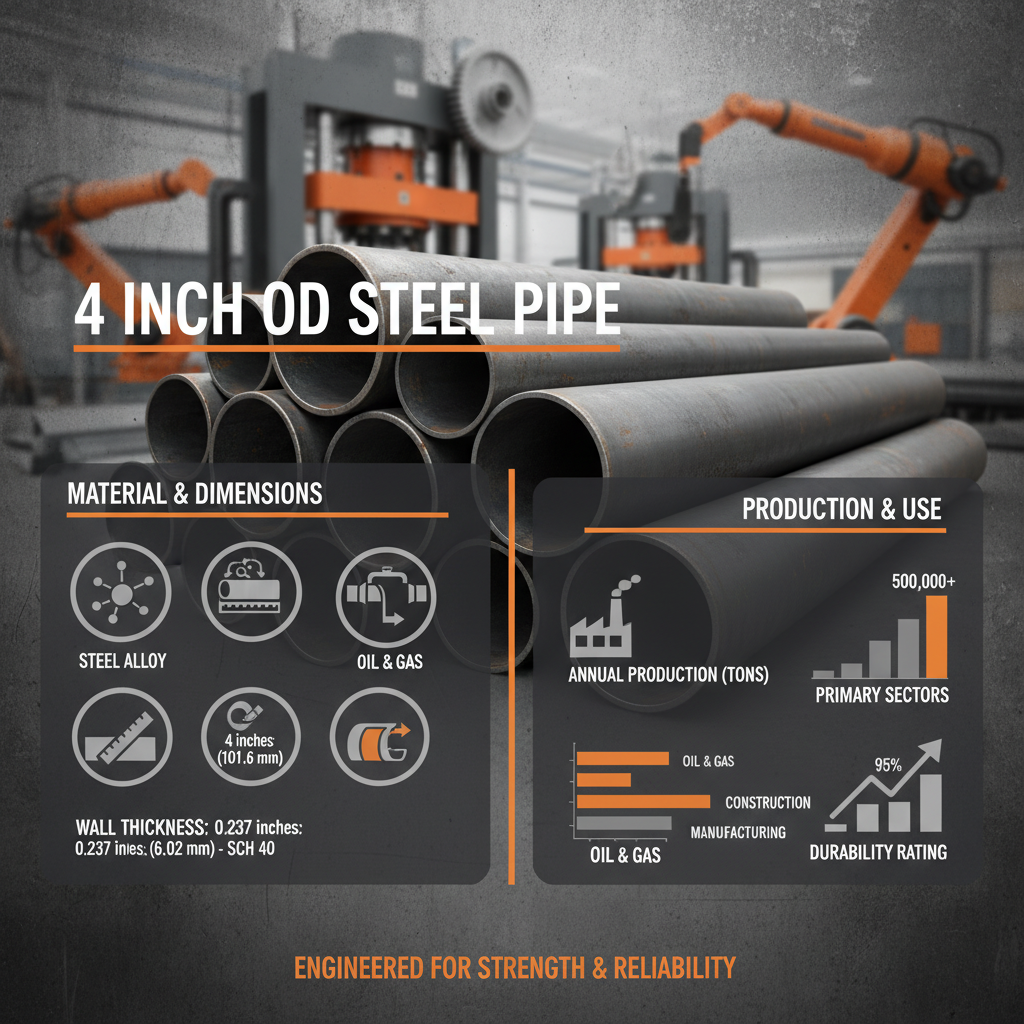
Selecting the appropriate 4 inch OD pipe requires careful consideration of material, schedule, and intended application. Lion Pipeline offers a wide range of high-quality pipes, expert advice, and competitive pricing to help you make the best choice for your project. Investing in the right piping solution will ensure the reliability, efficiency, and safety of your operations.
The pressure rating for a 4 inch OD Schedule 40 PVC pipe varies depending on the temperature. At 73°F (23°C), it typically has a pressure rating of around 400 PSI. However, as the temperature increases, the pressure rating decreases. It's essential to consult the manufacturer's specifications for accurate pressure ratings at different temperatures. Factors like pipe installation and the type of fluid being conveyed can also affect the actual pressure capacity. Always prioritize safety and ensure the pipe is adequately rated for the intended application.
Determining the correct wall thickness involves several factors. First, consider the operating pressure of the system. Higher pressures require thicker walls (higher schedules). Second, assess the fluid being conveyed. Corrosive fluids may necessitate a thicker wall to prevent degradation. Third, evaluate the external loads the pipe will be subjected to, such as soil pressure or traffic. Finally, consult relevant industry standards and regulations. A qualified engineer can provide detailed calculations to ensure the selected schedule meets all safety and performance requirements. Lion Pipeline's team can provide guidance on schedule selection.
Depending on your application and industry, certain certifications are crucial. For potable water systems, NSF/ANSI 61 certification ensures the pipe is safe for contact with drinking water. For fire protection systems, FM or UL listing demonstrates compliance with fire safety standards. ASTM standards (e.g., ASTM D1785 for PVC pipe) specify material properties and testing requirements. Ensure the pipe you purchase meets the relevant certifications and standards for your specific application to guarantee quality and safety.

Ultimate Guide to 4130 Tubing Strength Performance and Applications
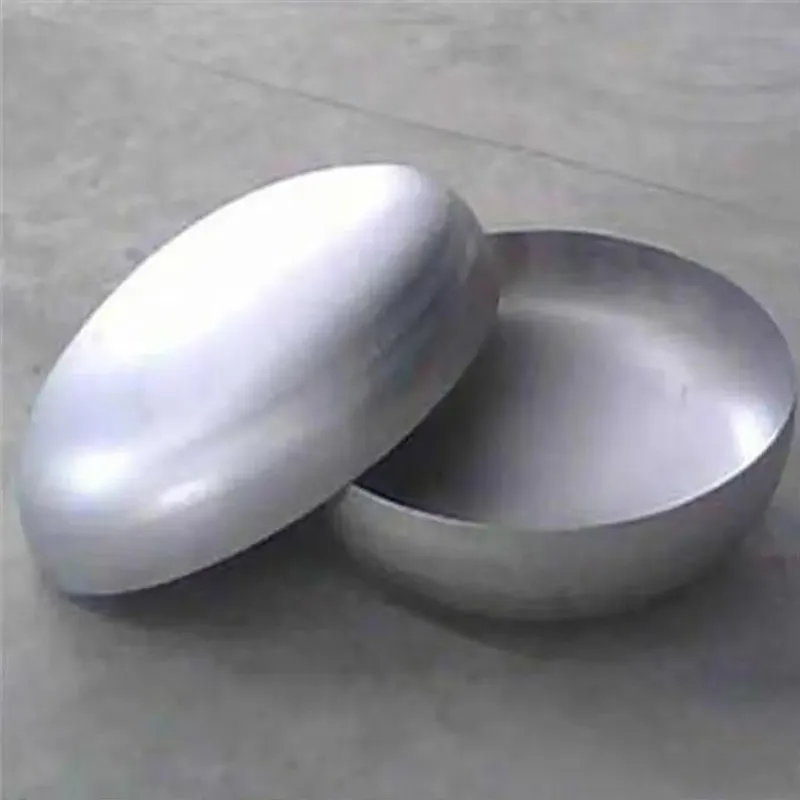
Pipe Cap-Cangzhou Lion Technology Co., Ltd.|Enhancing System Efficiency&Durability
Pipe Cap-Cangzhou Lion Technology Co., Ltd.|Enhancing System Efficiency&Durability
Pipe Cap-Cangzhou Lion Technology Co., Ltd.|Enhancing System Efficiency&Durability
Pipe Cap-Cangzhou Lion Technology Co., Ltd.|Enhancing System Efficiency&Durability
Pipe Cap-Cangzhou Lion Technology Co., Ltd.|Enhancing System Efficiency&Durability