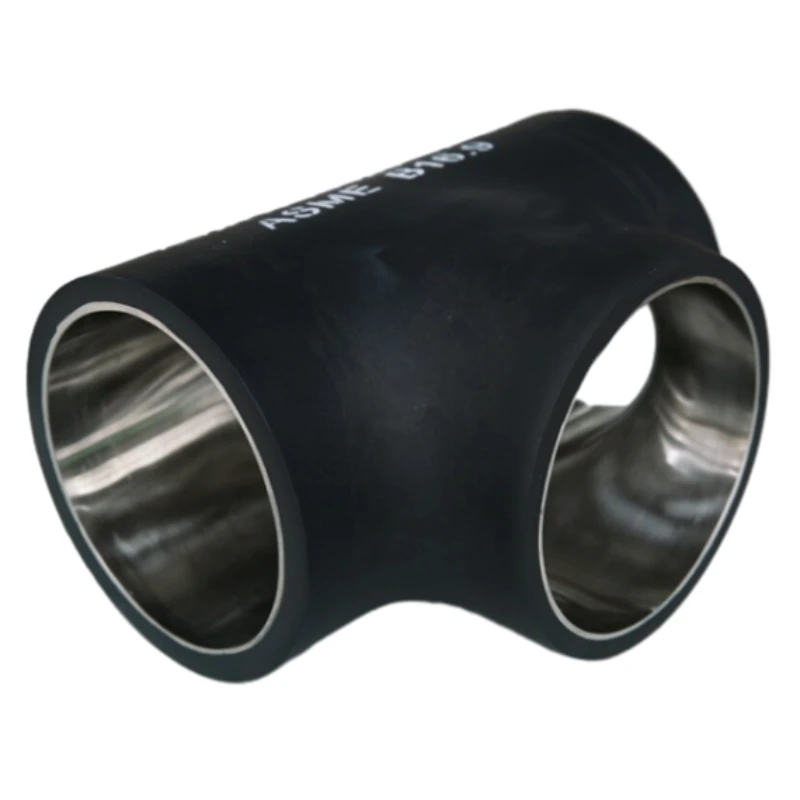
4 inch metal pipe is a versatile component widely used across numerous industries, from construction and infrastructure to plumbing and industrial processing. Its robust nature and standardized dimensions make it a reliable choice for transporting fluids, gases, and solids. Selecting the correct type of 4 inch metal pipe is crucial for ensuring optimal performance and longevity. At Lion Pipeline, we offer a comprehensive range of 4 inch metal pipes tailored to diverse needs. This article will delve into the common types, applications, key considerations, and benefits of using 4 inch metal pipe.
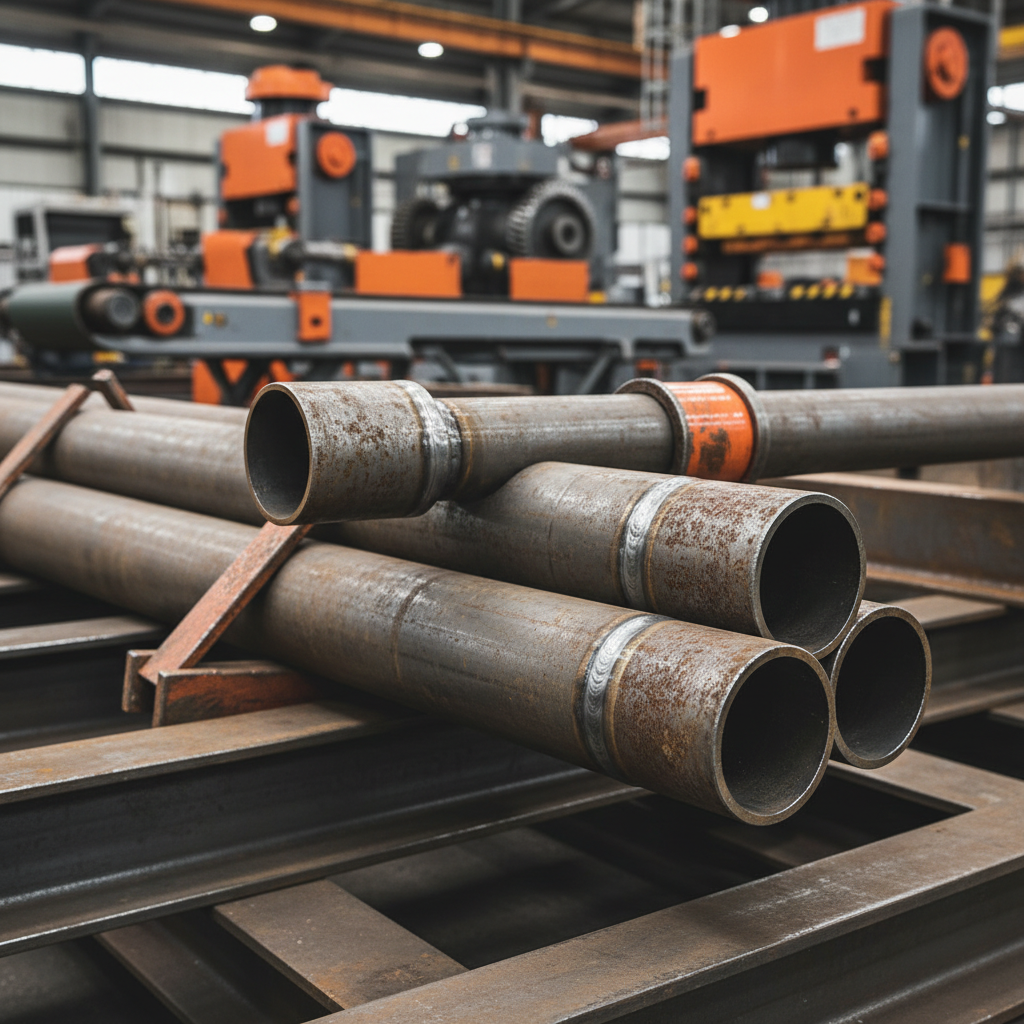
Several types of metal are used in the manufacture of 4 inch pipe, each offering unique advantages. Carbon steel pipe is the most common due to its strength, affordability, and weldability. Stainless steel pipe provides superior corrosion resistance, making it ideal for applications involving corrosive fluids. Galvanized steel pipe, coated with zinc, offers enhanced protection against rust. Alloy steel pipes are used in high-temperature and high-pressure environments, delivering exceptional durability. The selection depends on the specific application and the fluids or gases being transported. Understanding these differences is key when sourcing from a provider like Lion Pipeline.
Key Highlights: Understanding the different metal types is crucial for selecting the optimal 4 inch metal pipe for your specific application.
The applications for 4 inch metal pipe are broad and varied. In the construction industry, it's frequently used for structural supports, handrails, and scaffolding. In plumbing systems, it facilitates the transport of water and gas. Industrial processing plants rely on it for moving chemicals, petroleum products, and other fluids. Agriculture utilizes it for irrigation systems. Additionally, it plays a critical role in fire suppression systems, providing a reliable pathway for water delivery. Lion Pipeline’s 4 inch metal pipe is suitable for all these applications.
Application Benefits:
• Versatile for numerous industries
• Robust and durable construction
• Reliable fluid/gas transport
• Suitable for structural applications
Choosing the right material for your 4 inch metal pipe is paramount. Here’s a comparison of common materials to aid your decision. Lion Pipeline can help guide you through the selection process.
Beyond material selection, several factors impact the suitability of 4 inch metal pipe. These include wall thickness (schedule), pressure rating, and the specific industry standards it must meet. The intended application dictates these requirements. For high-pressure systems, thicker-walled pipes are essential. Compliance with relevant codes and regulations is also critical. Lion Pipeline provides pipes that meet and exceed industry standards.
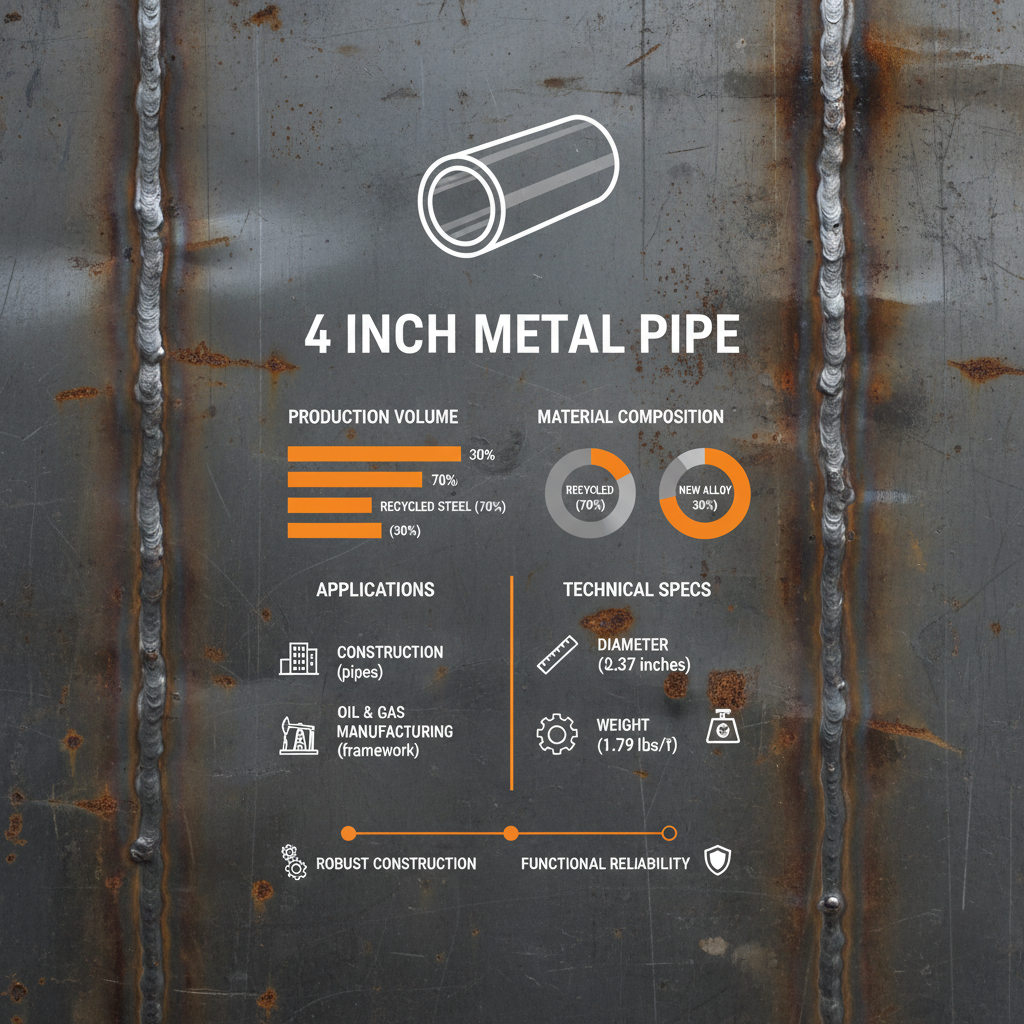
Understanding the precise dimensions and specifications of our 4-inch metal pipes is crucial for seamless integration into your projects. The following table outlines key details:
Selecting the appropriate 4 inch metal pipe requires careful consideration of material, application, and industry standards. Lion Pipeline offers a wide range of high-quality 4 inch metal pipes, expert advice, and reliable service to help you make the best choice for your needs. Investing in quality pipe ensures safety, durability, and long-term performance.
Schedule 40 and Schedule 80 refer to the pipe wall thickness. Schedule 80 pipes have thicker walls than Schedule 40 pipes, resulting in higher pressure ratings and greater durability. Schedule 40 is generally suitable for lower-pressure applications, while Schedule 80 is preferred for high-pressure systems or when greater structural integrity is required. The schedule number indicates the internal diameter for a given nominal pipe size. You can find both Schedule 40 and Schedule 80 4-inch metal pipes available at Lion Pipeline.
Determining the correct wall thickness involves considering the operating pressure, temperature, fluid type, and applicable industry standards. Higher pressures and corrosive fluids necessitate thicker walls. Consult engineering specifications and relevant codes to ensure compliance. If you’re unsure, our team at Lion Pipeline can provide expert guidance to help you select the appropriate wall thickness for your specific needs.
Common joining methods include welding, threading, and flanging. Welding provides a strong, permanent connection, ideal for high-pressure applications. Threading is suitable for smaller diameter pipes and allows for easy disassembly. Flanging creates a leak-proof seal and is often used for connecting pipes to valves and pumps. The chosen method depends on the pipe material, application requirements, and available equipment. Lion Pipeline offers a range of accessories to facilitate these connections.
Yes, but only if the pipe is specifically designated for potable water use. Stainless steel and certain types of coated carbon steel are commonly used for potable water systems, as they do not leach harmful substances into the water. It's crucial to verify that the pipe meets relevant safety standards and certifications for potable water applications. Contact Lion Pipeline to confirm suitability for your specific application.

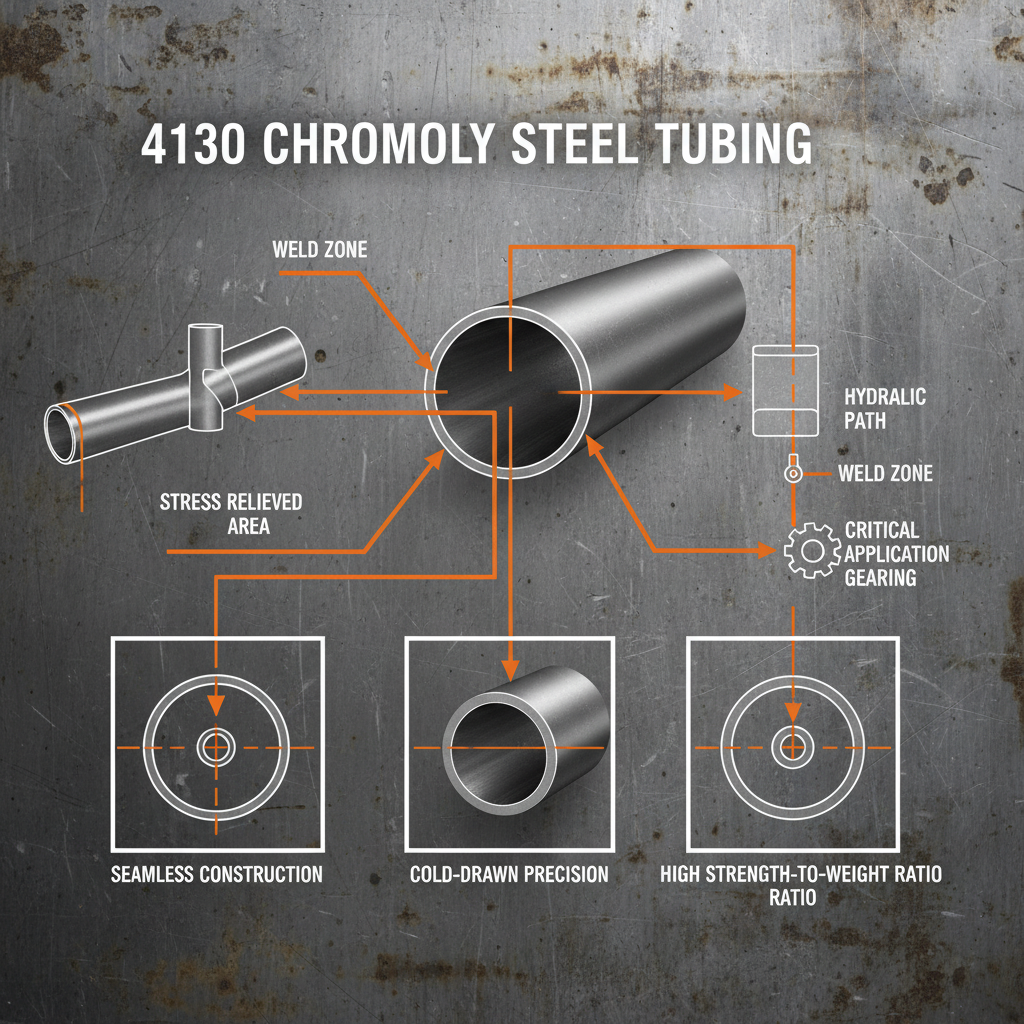
Ultimate Guide to 4130 Tubing Strength Performance and Applications
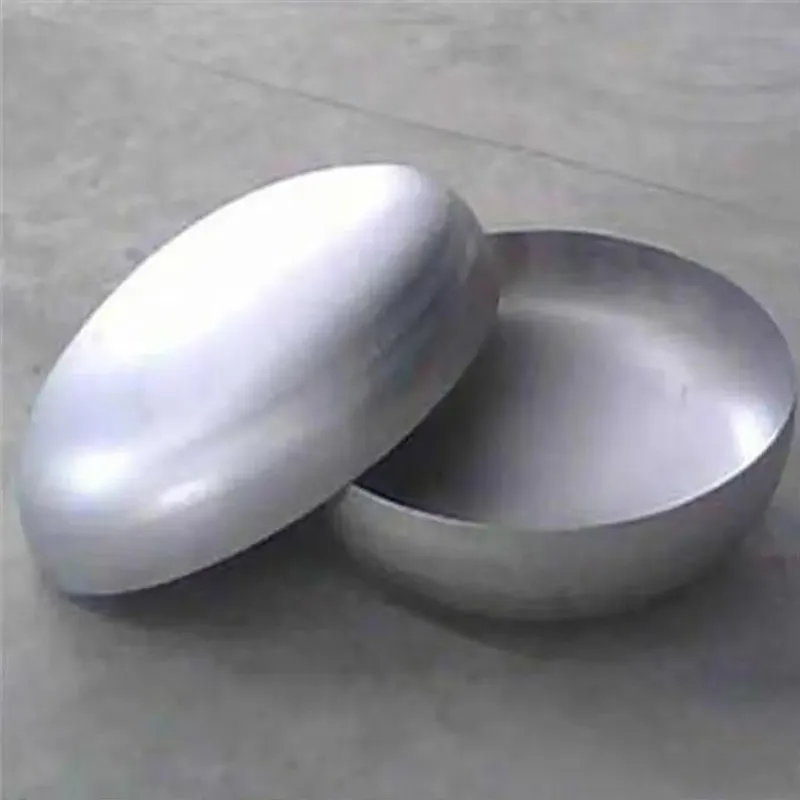
Pipe Cap-Cangzhou Lion Technology Co., Ltd.|Enhancing System Efficiency&Durability
Pipe Cap-Cangzhou Lion Technology Co., Ltd.|Enhancing System Efficiency&Durability
Pipe Cap-Cangzhou Lion Technology Co., Ltd.|Enhancing System Efficiency&Durability
Pipe Cap-Cangzhou Lion Technology Co., Ltd.|Enhancing System Efficiency&Durability
Pipe Cap-Cangzhou Lion Technology Co., Ltd.|Enhancing System Efficiency&Durability