When undertaking construction, plumbing, or industrial projects, selecting the right piping materials is crucial. 4 inch galvanized pipe 20 ft is a popular choice, known for its durability, corrosion resistance, and versatility. This article will delve into the properties, applications, benefits, and considerations when using this specific pipe size. We’ll explore why it’s a trusted solution for a broad range of projects and offer insights into its proper implementation. Choosing the right pipe ensures the longevity and reliability of your infrastructure.
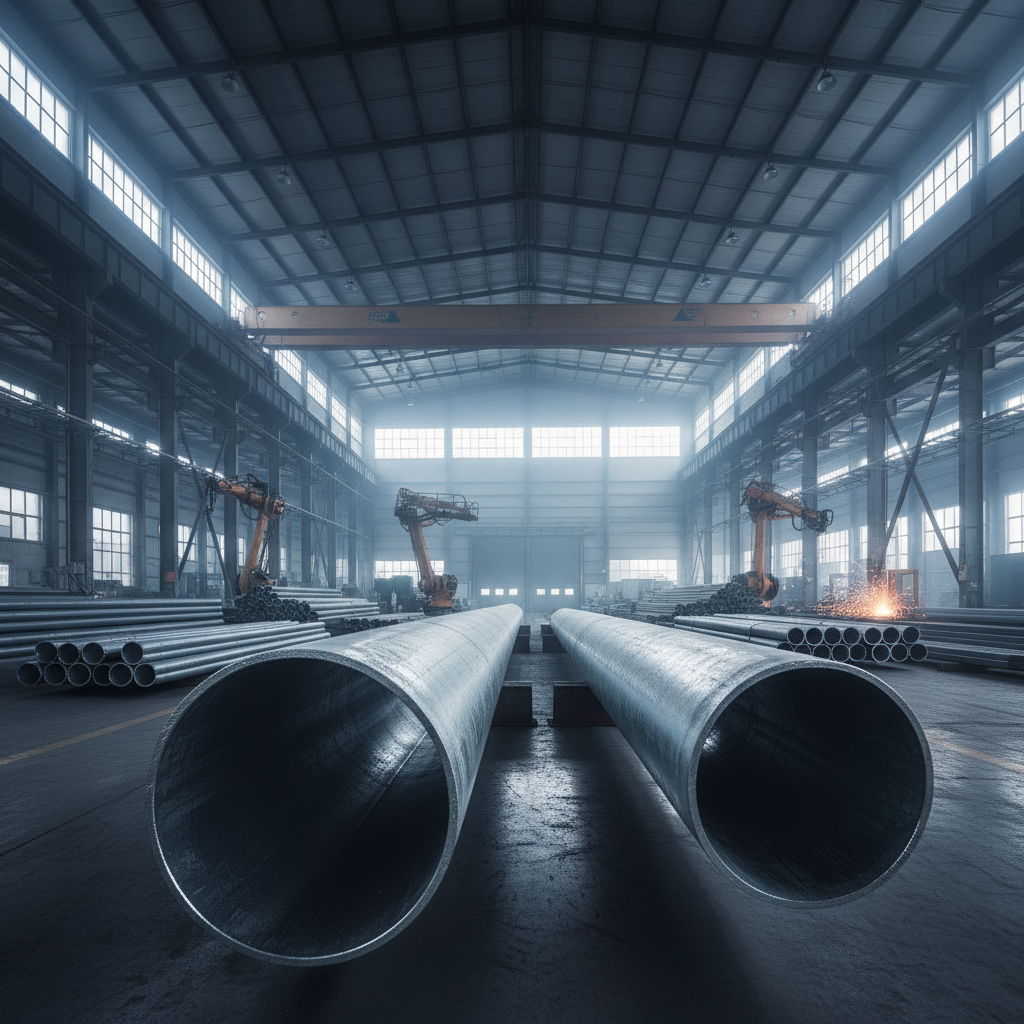
Galvanized pipe refers to carbon steel pipe that has been coated with zinc. This zinc coating serves as a protective layer, preventing rust and corrosion. The '4 inch' designation refers to the nominal diameter of the pipe’s interior. A 20 ft length is a standard size commonly available for various applications. The galvanization process extends the lifespan of the steel pipe, making it suitable for both indoor and outdoor use. It’s a cost-effective solution offering a good balance between strength, durability, and price.
Key Highlights: Offers robust corrosion protection, suitable for a wide range of applications, and provides excellent structural integrity for various projects.
The 4 inch galvanized pipe 20 ft length finds application in several industries and projects. Common uses include: water supply lines, sprinkler systems, gas lines (check local codes), structural supports, fencing, and handrails. It is frequently used in agricultural settings for irrigation and livestock watering systems. The robust nature of the pipe makes it ideal for applications requiring high pressure and long-term reliability.
Application Benefits:
• Versatile for water, gas, and structural uses
• Durable and long-lasting in various environments
• Provides reliable performance under pressure
• Commonly used in agriculture and construction
Understanding the properties of 4 inch galvanized pipe is essential for selecting the right material for your project. Key specifications include wall thickness (schedule 40, schedule 80, etc.), weight per foot, tensile strength, and yield strength. The schedule number indicates the pipe's wall thickness – higher numbers denote thicker walls and increased pressure capacity. The zinc coating thickness is also a vital consideration, determining the level of corrosion protection. You can find detailed product specifications on the Lion Pipeline website.
While galvanized pipe is a durable option, it’s essential to compare it with other materials. Compared to PVC, galvanized steel offers greater strength and resistance to physical damage. However, PVC is lighter and less prone to corrosion in certain environments. Compared to copper, galvanized steel is more affordable but has a lower resistance to corrosion in some water conditions. Stainless steel offers superior corrosion resistance but comes at a significantly higher cost. Selecting the right material depends on the specific application, budget, and environmental factors.
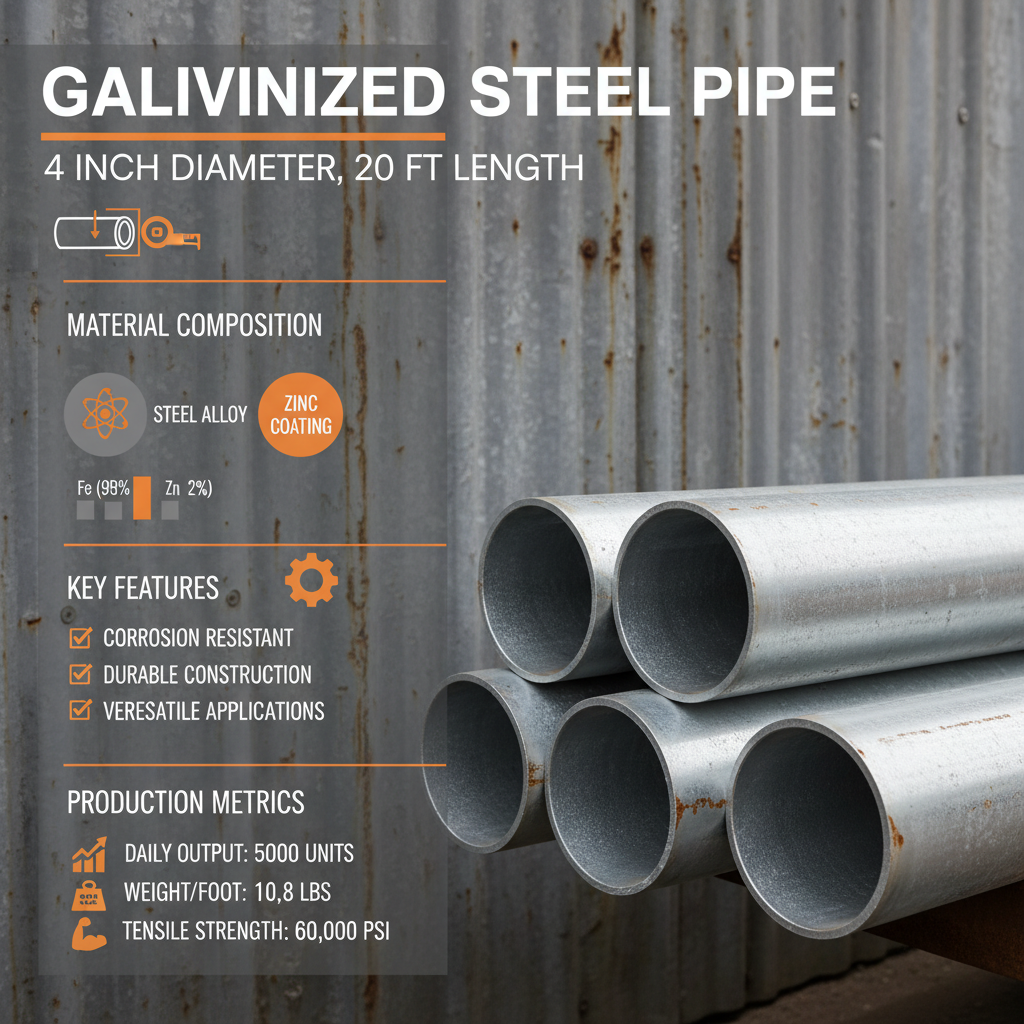
When installing or working with 4 inch galvanized pipe, consider the following: proper threading and joining techniques are crucial to prevent leaks. Using appropriate pipe wrenches and thread sealant is vital. Avoid using galvanized pipe for potable water in certain areas due to potential lead leaching (check local regulations). Always adhere to local plumbing codes and regulations. Regular inspection for corrosion and damage is recommended to ensure long-term safety and reliability.
The 4 inch galvanized pipe 20 ft represents a robust and versatile piping solution for diverse applications. Its durability, corrosion resistance, and cost-effectiveness make it a popular choice for professionals. By understanding its properties, applications, and considerations, you can ensure a safe, reliable, and long-lasting installation. Choosing Lion Pipeline ensures quality and compliance.
The lifespan of galvanized pipe can vary significantly based on environmental conditions and usage. However, with proper installation and maintenance, it typically lasts between 40 to 70 years. Factors that affect lifespan include the quality of the galvanization, exposure to corrosive substances, and water quality. Regular inspections and protective coatings can help extend the life of galvanized pipe. In aggressive environments, the lifespan may be shorter, and alternative materials should be considered.
While galvanized pipe was historically used for potable water systems, its use is becoming increasingly restricted due to concerns about lead leaching and zinc contamination. The zinc coating can corrode over time, releasing zinc into the water supply, and lead can be present in the galvanizing process. Current regulations in many areas recommend or require alternative materials, such as copper or PEX, for drinking water lines. Always check local plumbing codes before using galvanized pipe for potable water applications.
Cutting galvanized pipe requires a pipe cutter or a hacksaw with a blade specifically designed for metal. Deburring the cut edges is essential to remove sharp edges and ensure a proper seal. Joining galvanized pipe typically involves threading the ends and using threaded fittings and pipe dope or Teflon tape to create a watertight connection. Welding galvanized pipe is possible but requires specific techniques and ventilation to avoid harmful fumes. Always follow proper safety procedures when cutting and joining galvanized pipe.
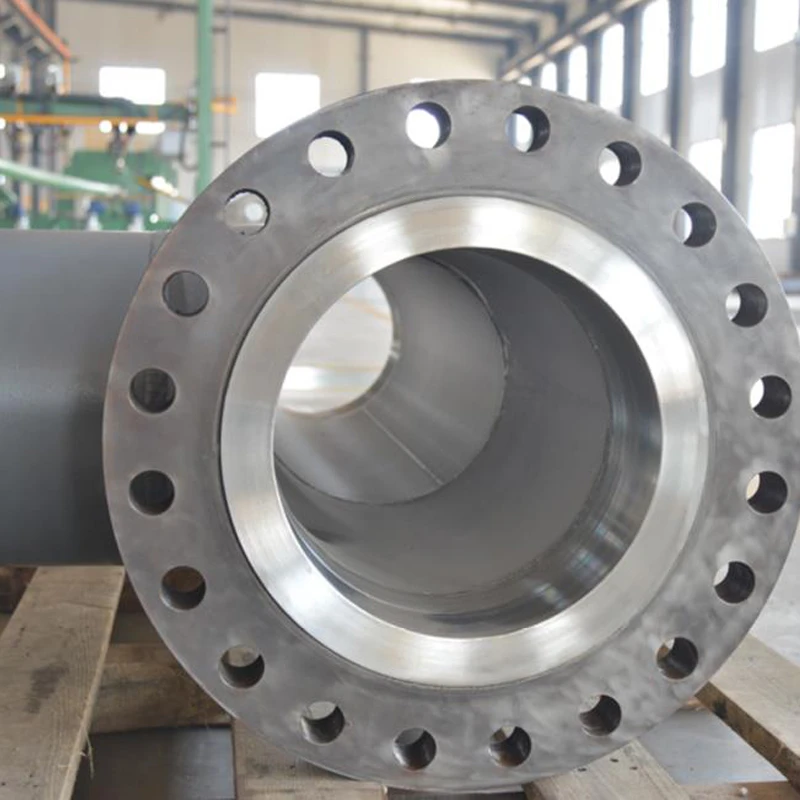
Factory Prefabricated Products
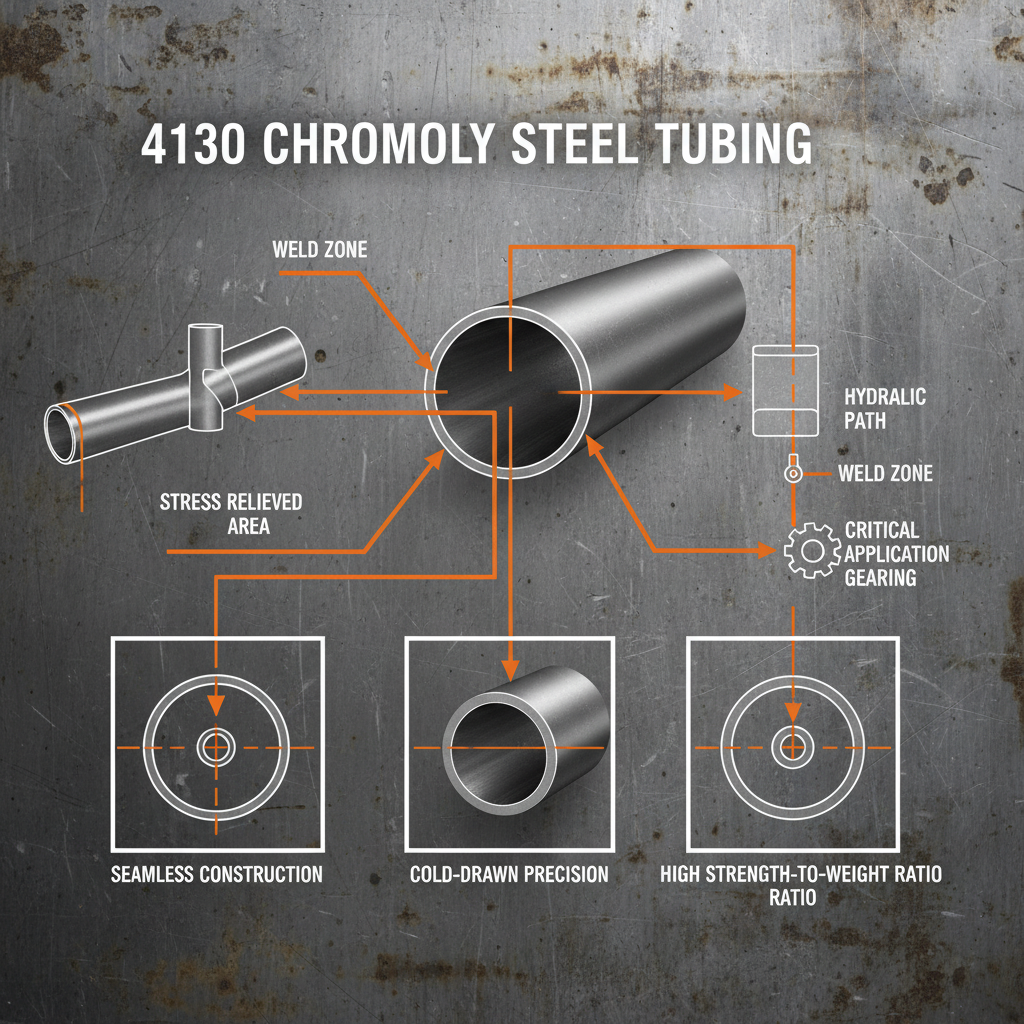
Ultimate Guide to 4130 Tubing Strength Performance and Applications
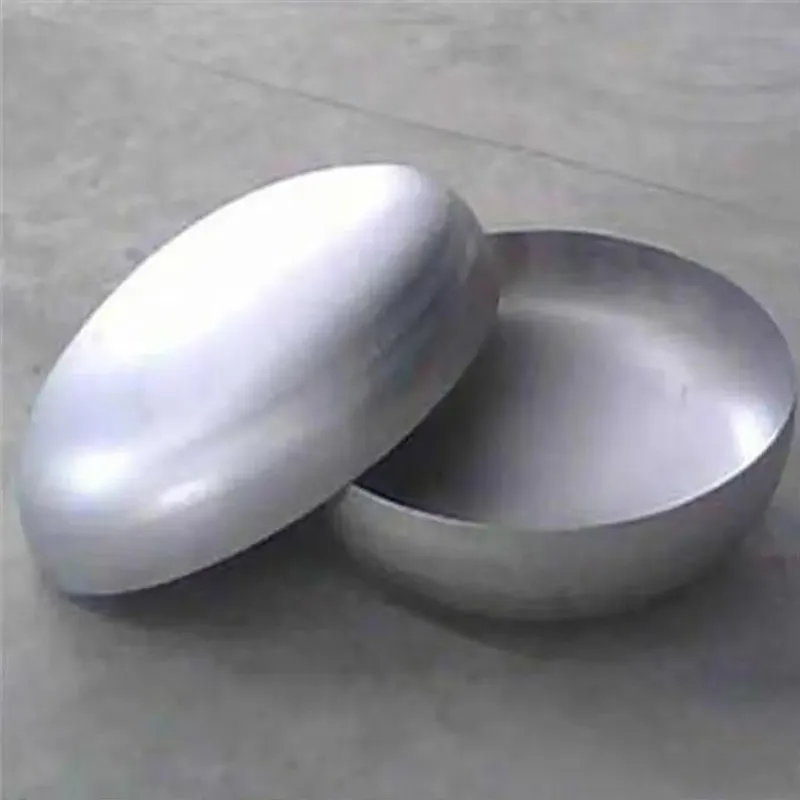
Pipe Cap-Cangzhou Lion Technology Co., Ltd.|Enhancing System Efficiency&Durability
Pipe Cap-Cangzhou Lion Technology Co., Ltd.|Enhancing System Efficiency&Durability
Pipe Cap-Cangzhou Lion Technology Co., Ltd.|Enhancing System Efficiency&Durability
Pipe Cap-Cangzhou Lion Technology Co., Ltd.|Enhancing System Efficiency&Durability
Pipe Cap-Cangzhou Lion Technology Co., Ltd.|Enhancing System Efficiency&Durability